
This lesson establishes the fundamental safety duties required of every Category AM rider in Denmark. You will learn about the legal necessity of protective equipment and how to perform essential vehicle inspections to ensure your moped is road-ready. Mastering these requirements is a key step in building the safety habits evaluated throughout your theory exam.

Lesson content overview
Becoming a rider of a "stor knallert" (large moped) in Denmark comes with significant responsibilities, particularly concerning safety. This lesson outlines the core duties every Category AM rider must uphold to ensure their own well-being and the safety of others on the road. From mandatory protective gear to diligent vehicle inspections, understanding and adhering to these obligations is crucial for safe and lawful operation.
The principles discussed here are foundational, intertwining legal requirements, physics of riding, and proactive risk reduction. They form a comprehensive approach to safety, connecting directly to vehicle maintenance, personal protection, and adherence to Danish traffic laws. Mastering these responsibilities prepares you not only for the theory test but also for a lifetime of safe riding.
The most critical piece of safety equipment for any stor knallert rider is the helmet. Danish law unequivocally mandates the use of a certified protective helmet for all moped riders, a requirement designed to significantly reduce the risk and severity of head injuries in the event of a crash.
According to Danish Road Traffic Act § 43, it is compulsory for all riders of stor knallerts to wear a securely fastened, CE-marked helmet. A CE-mark signifies that the helmet meets European safety standards for impact attenuation, indicating it has passed rigorous tests for shock absorption and structural integrity. This legal obligation is constant: the helmet must be worn at all times while the vehicle is in motion.
The primary purpose of a helmet is to protect the rider's head from trauma during an impact. In a collision, the helmet's outer shell distributes the force of impact over a wider area, while the inner lining absorbs energy, thus preventing or mitigating severe head injuries. Failure to comply with this law not only incurs a significant fine but can also lead to issues with insurance coverage should an accident occur.
Helmets come in various forms, including full-face, modular, and open-face designs, each offering different levels of protection. A full-face helmet provides the most comprehensive protection, covering the entire head and face. Regardless of the type, the helmet must fit snugly, without being uncomfortably tight, and must not move excessively when you shake your head.
The chin strap is an integral part of the helmet's safety system. It must always be securely fastened so that the helmet cannot be easily pulled off. A helmet that is too loose or improperly secured offers minimal protection during a crash and can even become a hazard itself. Regularly inspect your helmet for any signs of damage, such as cracks or deep scratches, which can compromise its protective capabilities.
Riding without a properly fitted and securely fastened CE-marked helmet is not only illegal but dramatically increases the risk of severe, life-altering head injuries in an accident. Always prioritize your safety.
While the helmet is legally mandatory, wearing additional protective clothing is strongly recommended, though not legally required, for all stor knallert riders. This gear acts as a crucial barrier against abrasions, impacts, and adverse weather conditions, significantly reducing the severity of potential injuries.
Protective clothing includes specialized jackets, trousers, gloves, and boots, often made from abrasion-resistant materials like leather or durable textiles. Many garments also incorporate CE-approved impact protectors in key areas such as shoulders, elbows, knees, and hips. These protectors are designed to absorb and disperse impact energy, protecting bones and joints.
The purpose of this gear extends beyond injury prevention; it also offers protection from the elements. A good riding jacket and trousers can shield you from wind, rain, and cold, making your ride more comfortable and allowing you to concentrate better on the road. Without this protection, even a minor fall at low speeds can result in painful road rash and other injuries, which casual clothing cannot prevent.
A common misunderstanding among new riders is that regular street clothing offers sufficient protection. In reality, everyday garments like jeans or thin jackets offer very little resistance to abrasion or impact forces and can quickly tear, leaving skin exposed to injury. Investing in appropriate protective clothing is a sensible choice for enhanced safety.
Beyond personal protective equipment, every stor knallert rider bears the fundamental responsibility for ensuring their vehicle is in a safe and roadworthy condition before each journey. This involves a routine series of checks, often referred to as pre-ride checks, which are vital for preventing accidents caused by mechanical failure. This obligation is enshrined in Danish Road Traffic Act § 73, which states that a vehicle must be in a safe technical condition before use.
Neglecting these checks can lead to serious consequences, including fines, accidents, and potential invalidation of insurance. Developing a habit of performing these inspections ensures reliability and safety on the road.
The braking system is paramount for your safety, allowing you to control your speed and stop effectively. Stor knallerts typically have independent front and rear brakes, which must both be fully functional.
The total distance your vehicle travels from the moment you apply the brakes until it comes to a complete stop. This distance is significantly affected by vehicle speed, road conditions, tyre condition, and the efficiency of your braking system.
Pre-Ride Brake Check Procedure:
If your brakes feel "spongy," it could indicate air in the hydraulic system or worn components, compromising braking efficiency. Any issues found must be addressed before riding.
Tyres are the only part of your stor knallert that makes contact with the road, making their condition critical for grip, handling, and braking performance. Proper tyre maintenance directly impacts your safety.
The depth of the grooves on a tyre's surface. Adequate tread depth is essential for dispersing water, providing grip on wet roads, and ensuring optimal traction. The legal minimum tread depth in Denmark for stor knallerts is generally 1 mm across the main grooves.
Pre-Ride Tyre Check Procedure:
A common misunderstanding is believing tyres are fine if they look okay externally. However, internal damage or incorrect pressure may not be visible and can severely compromise safety.
The lighting system is vital for your visibility to other road users and for illuminating your path, particularly in low-light conditions. Functional lights also communicate your intentions, such as turning or braking.
Danish Road Traffic Act § 74 dictates specific rules for light use: headlights must be on during darkness or reduced visibility (fog, heavy rain, snow), and taillights and brake lights must be functional at all times when the vehicle is in traffic. While low beam is not strictly required during bright daylight, it significantly improves your visibility to others.
Pre-Ride Lighting Check Procedure:
Riding with a burnt-out brake light or without lights in darkness dramatically increases the risk of collisions. Regular checks prevent these dangerous situations.
A thorough understanding of the legal framework is essential for responsible stor knallert riding. These laws are in place to protect riders and other road users.
Rule: Riders and any passengers on a stor knallert must wear a CE-marked protective helmet that is securely fastened at all times while the vehicle is in motion. Applicability: This rule applies universally, regardless of the time of day, weather conditions, or road type. Rationale: This legal mandate is a cornerstone of rider safety, scientifically proven to significantly reduce the risk of fatal and severe head injuries in the event of a crash. Consequences: Non-compliance can result in a fine and may affect insurance claims.
Rule: Before use, a stor knallert must be in a safe technical condition. This encompasses all critical components, including brakes, tyres, lights, steering, and suspension. Applicability: This rule is applicable before every single ride. The rider is directly responsible for ensuring their vehicle meets these standards. Rationale: This law prevents accidents caused by mechanical failures, ensuring that the vehicle itself does not pose an undue risk to the rider or others. Correct Application: A rider conducts a comprehensive pre-ride check, identifying and rectifying any mechanical issues before starting their journey. Incorrect Application: Ignoring obvious defects such as excessively worn brakes or damaged tyres.
Rule: Headlights must be switched on during darkness or any period of reduced visibility (e.g., fog, heavy rain, snow). Taillights and brake lights must be functional at all times when the vehicle is in use on public roads. Applicability: This rule applies under specific environmental conditions (darkness, adverse weather) and constantly for essential rear lighting. Rationale: Proper light use enhances the stor knallert's visibility to other road users, significantly reducing the risk of collisions, especially rear-end impacts. It also helps the rider see the road ahead. Correct Application: Activating the low beam headlight before entering a tunnel, at dusk, or when visibility drops due to weather. Incorrect Application: Riding at night or in dense fog without any lights on.
Rule: While not legally required, wearing appropriate protective clothing (jackets, trousers, gloves, boots) is strongly advised for all stor knallert riders. Applicability: Recommended for all riding situations, particularly at higher speeds, in adverse weather, or on unfamiliar roads. Rationale: Although not a legal obligation, protective clothing substantially reduces the severity of injuries from abrasions, impacts, and exposure to the elements during a fall or collision.
Understanding the rules is one thing; consistently applying them is another. Many accidents and injuries stem from common oversights or deliberate violations of safety obligations.
The application of safety checks and protective measures is not static; it adapts to varying conditions and contexts.
Developing a routine for pre-ride checks and protective gear usage is not just about compliance; it's about instilling a proactive safety mindset. Over time, these actions become second nature, significantly reducing the likelihood of oversights that could lead to dangerous situations. This psychological aspect—creating a habit—is as important as the physical checks themselves. A rider who consistently performs these duties demonstrates responsibility, care for their own safety, and respect for other road users.
For every Danish Category AM stor knallert rider, safety is paramount and multifaceted.
This lesson covers the mandatory and advisory safety obligations for Danish Category AM stor knallert riders. The core legal requirement is wearing a securely fastened, CE-marked helmet at all times while riding (Danish Road Traffic Act § 43). Riders must perform systematic pre-ride inspections of brakes, tyres (with minimum 1mm tread depth), and lighting systems, ensuring the vehicle is roadworthy before every journey under § 73. Headlights are mandatory during darkness or reduced visibility, and brake lights must function at all times. While protective clothing is not legally required, it is strongly recommended to reduce injury severity. Developing consistent safety habits ensures both exam success and lifelong safe riding practices.
A short set of high-value points that capture the most important learning from this lesson.
Danish law mandates CE-marked helmets for all stor knallert riders at all times while the vehicle is in motion, per Road Traffic Act § 43
Before every ride, inspect brakes for firmness and responsiveness, tyres for pressure and minimum 1mm tread depth, and all lights for functionality
Headlights must be on during darkness or reduced visibility (fog, rain, snow), and brake lights must always function
Tyres are the only contact point with the road; incorrect pressure, insufficient tread, or damage significantly increase accident risk
Riders bear full legal responsibility for their vehicle's roadworthiness under Road Traffic Act § 73
Explore all units and lessons included in this driving theory course.
Helmet chin strap must be securely fastened—a loose helmet offers minimal protection in a crash
Tyre tread depth must be at least 1mm across main grooves; worn tyres drastically reduce wet-weather grip and cause hydroplaning
Brake light must illuminate when either front or rear brake is applied; burnt-out brake lights cause rear-end collision risk
Protective clothing (jacket, trousers, gloves, boots) is strongly recommended even though not legally mandatory
Weather conditions (rain, fog, wind) require adjusted checking and riding behaviour—longer braking distances in rain, mandatory low beam in fog
Riding without a helmet or wearing one that is loose or ill-fitting, thinking it satisfies the legal requirement
Assuming tyres look fine externally without checking pressure or hidden internal damage
Neglecting pre-ride checks because the previous ride was fine, assuming no issues have developed
Riding at night or in fog without headlights on, not realizing reduced visibility to other drivers
Continuing to ride with spongy brakes or unusual brake noises, assuming the system is still functional enough
Lesson content overview
A short set of high-value points that capture the most important learning from this lesson.
Danish law mandates CE-marked helmets for all stor knallert riders at all times while the vehicle is in motion, per Road Traffic Act § 43
Before every ride, inspect brakes for firmness and responsiveness, tyres for pressure and minimum 1mm tread depth, and all lights for functionality
Headlights must be on during darkness or reduced visibility (fog, rain, snow), and brake lights must always function
Tyres are the only contact point with the road; incorrect pressure, insufficient tread, or damage significantly increase accident risk
Riders bear full legal responsibility for their vehicle's roadworthiness under Road Traffic Act § 73
Explore all units and lessons included in this driving theory course.
Helmet chin strap must be securely fastened—a loose helmet offers minimal protection in a crash
Tyre tread depth must be at least 1mm across main grooves; worn tyres drastically reduce wet-weather grip and cause hydroplaning
Brake light must illuminate when either front or rear brake is applied; burnt-out brake lights cause rear-end collision risk
Protective clothing (jacket, trousers, gloves, boots) is strongly recommended even though not legally mandatory
Weather conditions (rain, fog, wind) require adjusted checking and riding behaviour—longer braking distances in rain, mandatory low beam in fog
Riding without a helmet or wearing one that is loose or ill-fitting, thinking it satisfies the legal requirement
Assuming tyres look fine externally without checking pressure or hidden internal damage
Neglecting pre-ride checks because the previous ride was fine, assuming no issues have developed
Riding at night or in fog without headlights on, not realizing reduced visibility to other drivers
Continuing to ride with spongy brakes or unusual brake noises, assuming the system is still functional enough
Explore search topics learners often look for when studying First-Rider Responsibilities and Safety Obligations. These topics reflect common questions about road rules, driving situations, safety guidance, and lesson level theory preparation for learners in Denmark.
Browse additional driving theory lessons that cover connected traffic rules, road signs, and common driving situations related to this topic. Improve your understanding of how different rules interact across everyday traffic scenarios.
Explore the specific Danish traffic laws and legal requirements for Category AM stor knallert riders, focusing on mandatory helmet use, vehicle roadworthiness, and lighting regulations. Understand your legal responsibilities to ensure safe and lawful riding.

This lesson outlines the administrative and legal steps for acquiring a Category AM licence in Denmark. It details the requirements for the theory and practical tests, the process for vehicle registration, and the necessity of valid insurance. Learners will understand the complete legal framework and documentation needed to become a licensed stor knallert rider.
This lesson provides an overview of the Danish legal system as it applies to motorcyclists. It details the consequences of traffic violations, including fines, penalty points, and potential licence suspension. Learners will also understand their legal responsibilities concerning insurance coverage and procedures to follow in the event of a collision.
This lesson outlines the legal responsibilities of a rider involved in a traffic accident. It explains the legal duty to stop, render aid, and report the incident to the police and insurance providers. The content covers the concepts of liability and the potential legal consequences following an accident.
This lesson identifies common high-risk behaviors, including riding while impaired by alcohol, drugs, or fatigue. It details the strict legal limits in Denmark and the severe penalties for violations. The dangers of distraction, particularly from mobile phones, are also explained as a significant cause of accidents.

This lesson details the function and meaning of traffic light signals in Denmark. It covers the standard red, amber, and green sequences, as well as special signals like flashing amber lights and green arrows for turning. The content also explains signals specific to cyclists and pedestrians that moped riders must observe at intersections.
This lesson defines the Danish license Category AM and the specific characteristics of a stor knallert. It covers the legal parameters for engine size and maximum speed that distinguish it from a lille knallert and other vehicles. Understanding these classifications is the first step in learning the specific rules and responsibilities that apply to stor knallert riders.

This lesson covers the immediate actions to take at the scene of an accident. It explains how and when to call the Danish emergency number 112, and what information to provide to the operator. The content also includes the principles of securing an accident scene to prevent further incidents and basic first aid concepts.
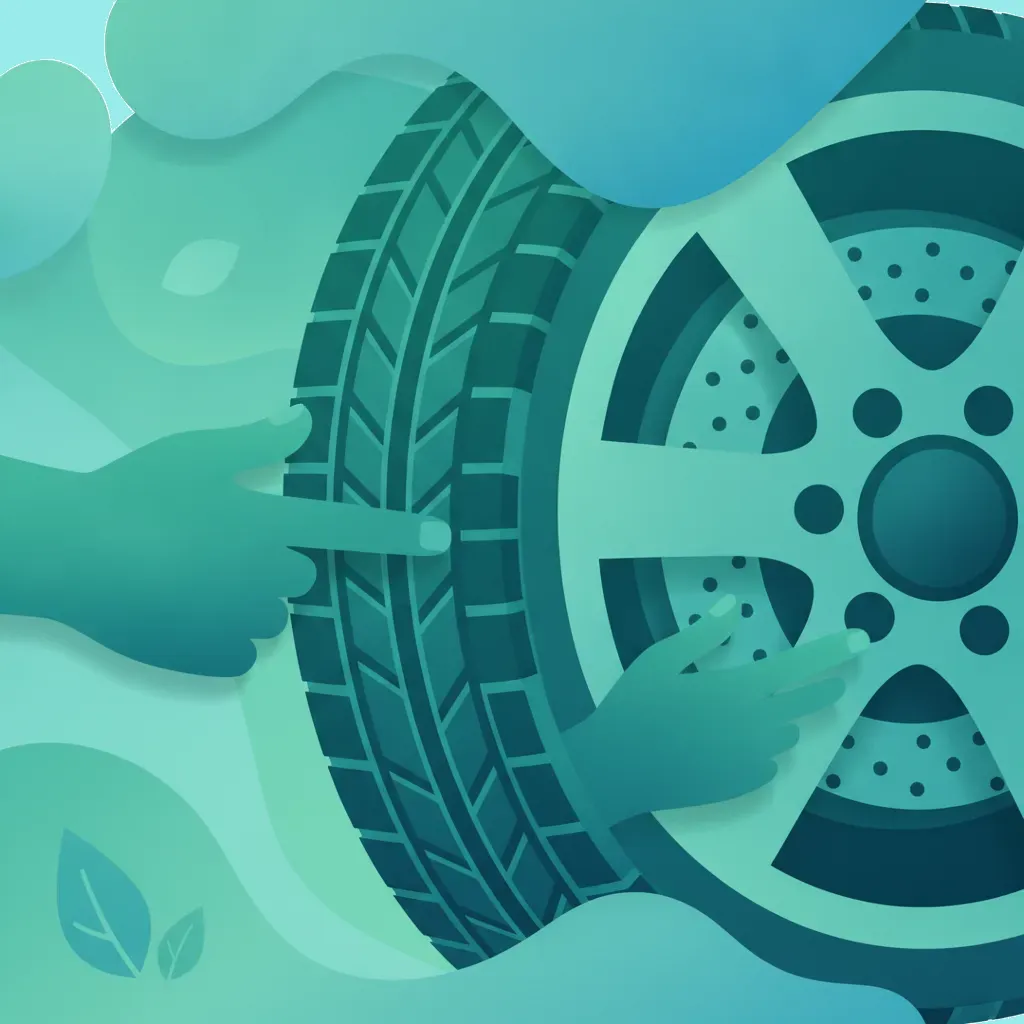
This lesson highlights the rider's responsibility for ensuring their vehicle is in a safe, roadworthy condition. It provides a systematic guide to pre-ride checks, including inspecting tyres for correct pressure and wear, testing brakes, and verifying all lights work. Regular maintenance is presented as a critical component of overall rider safety.

This lesson provides a step-by-step guide for managing a vehicle breakdown safely. It instructs the rider on moving the vehicle to a safe location, making it visible to other traffic using hazard lights, and personal safety while waiting for assistance. The importance of staying away from active traffic lanes is a key point.
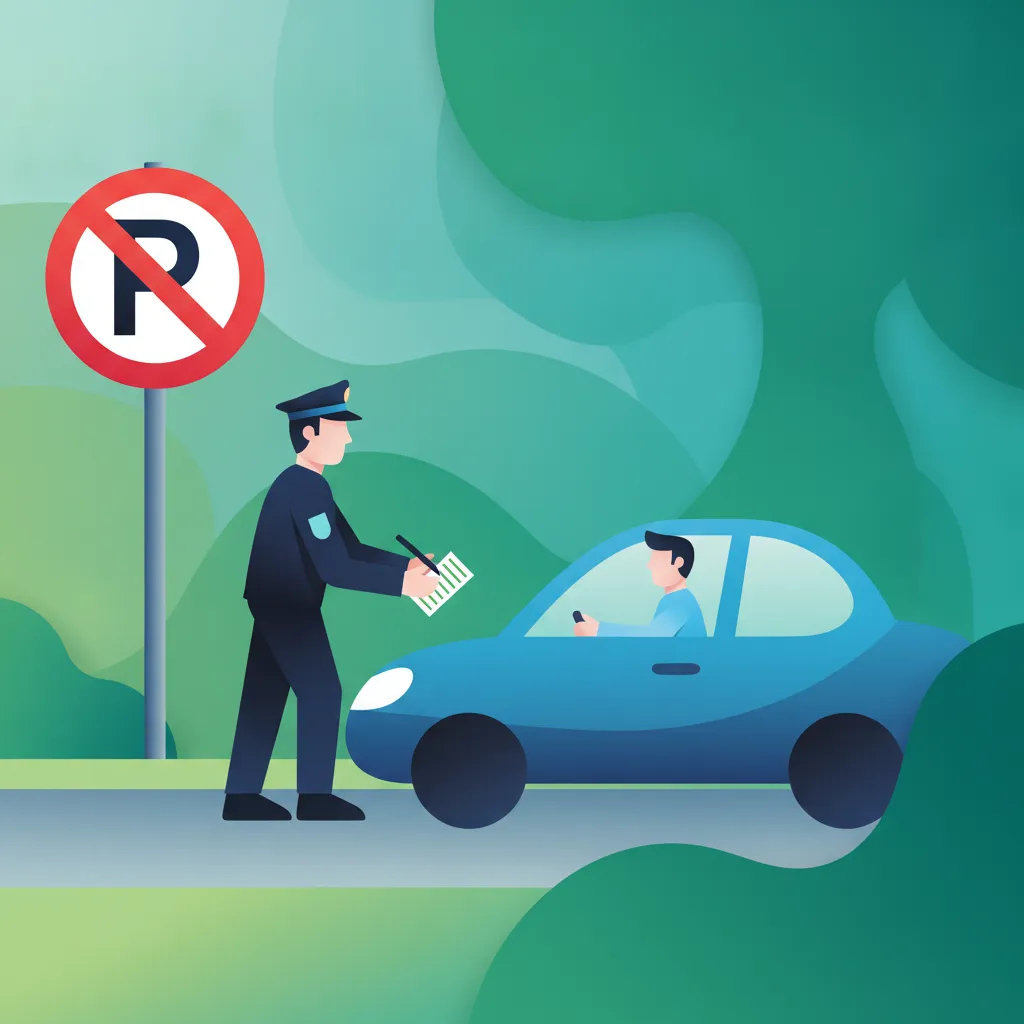
This lesson provides a clear overview of the penalties associated with breaking traffic laws as a motorcyclist. It details the Danish penalty point system ('klip i kørekortet') and the conditions that can lead to fines or licence revocation. Understanding these consequences reinforces the importance of lawful riding.
Learn the critical pre-ride inspections for your stor knallert, including brakes, tyres, and lights. Discover the recommended protective clothing and its importance in mitigating injuries, ensuring you're prepared for the road.
This lesson highlights the rider's responsibility for ensuring their vehicle is in a safe, roadworthy condition. It provides a systematic guide to pre-ride checks, including inspecting tyres for correct pressure and wear, testing brakes, and verifying all lights work. Regular maintenance is presented as a critical component of overall rider safety.

This lesson details the systematic pre-ride inspection process that all motorcyclists must perform. It covers critical safety checks, including verifying correct tyre pressure, assessing brake pad wear, and ensuring all lights are functional. Regular completion of these checks is essential for preventing mechanical failures and ensuring rider safety.
This lesson provides a step-by-step guide for managing a vehicle breakdown safely. It instructs the rider on moving the vehicle to a safe location, making it visible to other traffic using hazard lights, and personal safety while waiting for assistance. The importance of staying away from active traffic lanes is a key point.
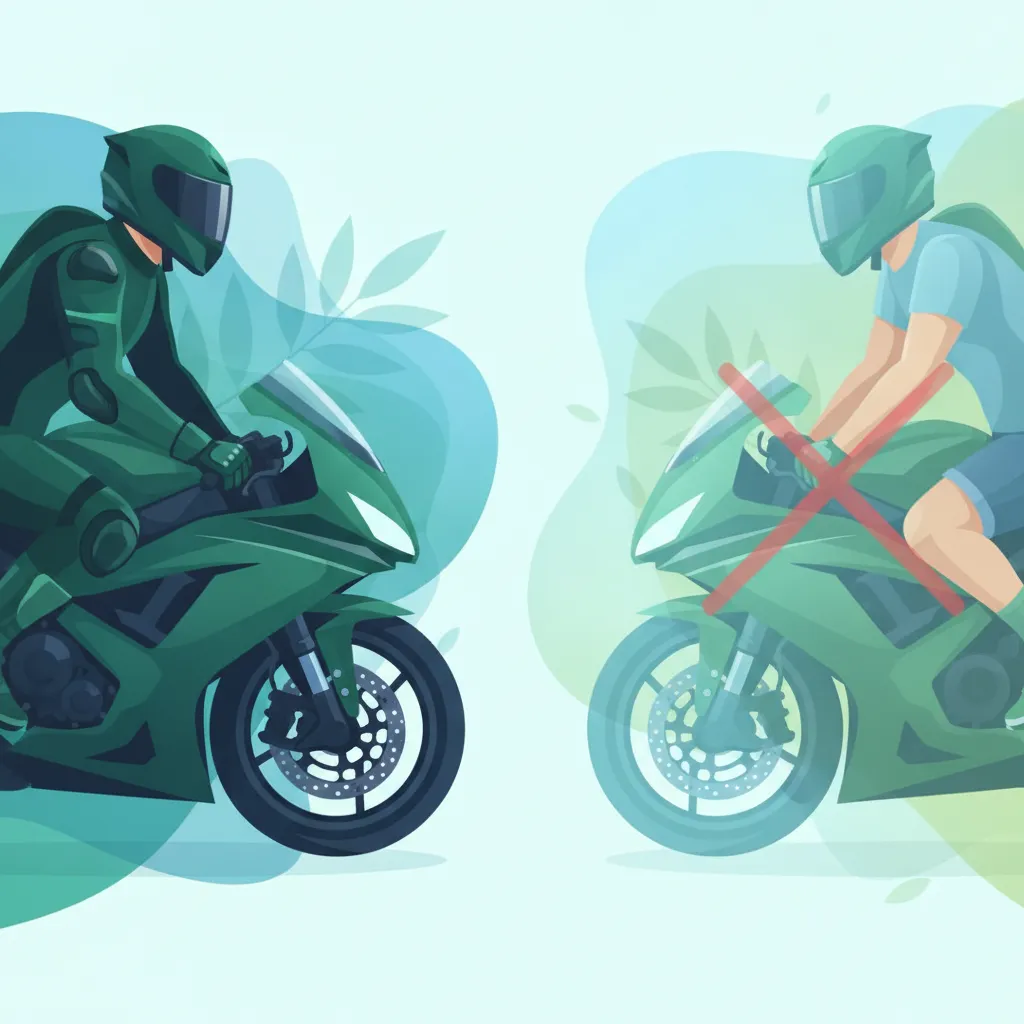
This lesson explains the critical role of specialized protective clothing in rider safety. It details the features of motorcycle jackets, pants, gloves, and boots, focusing on abrasion resistance and impact protection. Learners will understand how to identify gear that meets official CE certification standards for maximum safety.
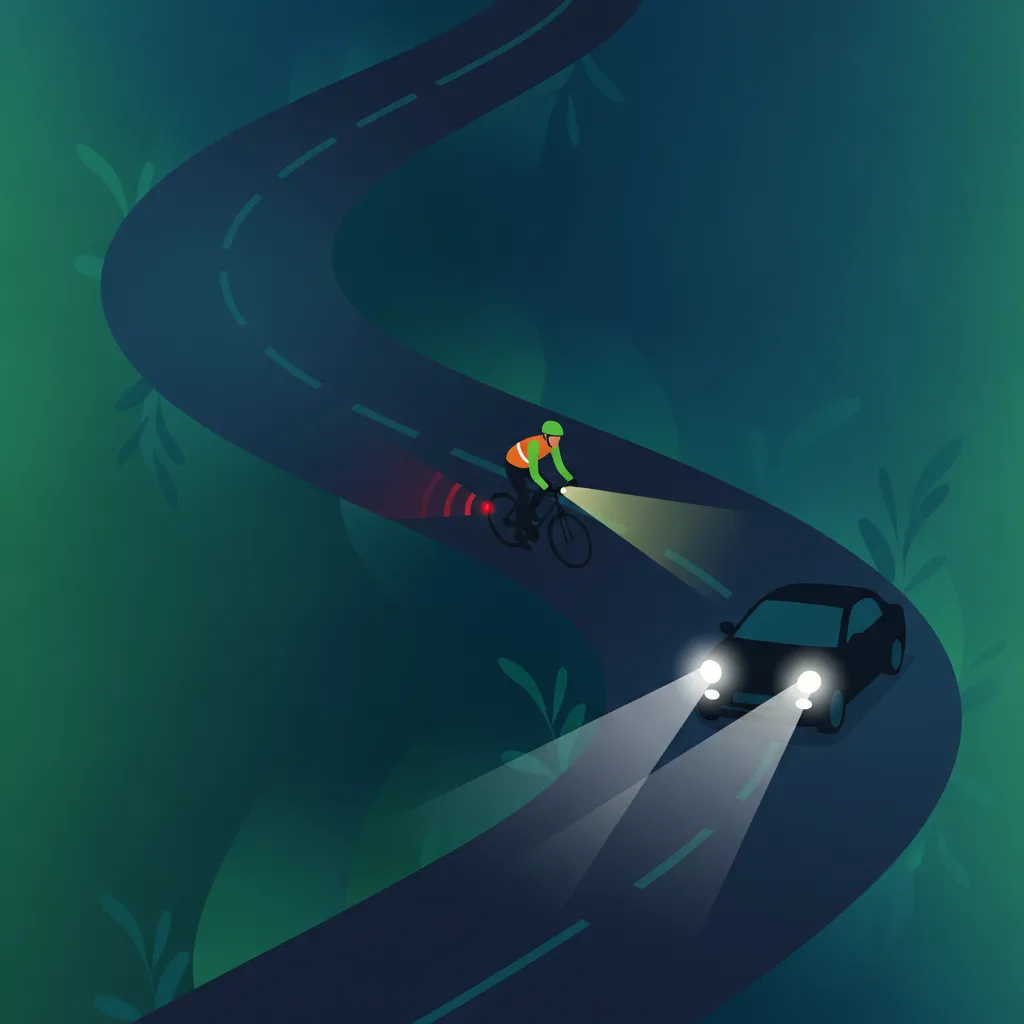
This lesson focuses on the specific challenges of riding in darkness. It explains the legal requirements and proper use of high and low beam headlights to see and be seen. The importance of wearing reflective clothing and ensuring all vehicle lights and reflectors are functioning is strongly emphasized.
This lesson teaches strategic road positioning to enhance safety and visibility. It explains how to select the correct part of the lane in different scenarios, such as approaching intersections or riding in heavy traffic. The goal is to maintain a safe buffer zone and avoid the blind spots of larger vehicles.

This lesson addresses the significant risks of riding during winter. It explains how to identify potentially icy surfaces, such as black ice, and the extreme caution required when riding in snow. The content covers the need for gentle acceleration, braking, and steering to avoid loss of traction on slippery roads.

This lesson explains the critical importance of being visible to other road users. It details the proper use of headlights and daytime running lights as required by Danish law. The content also covers the effectiveness of wearing reflective clothing and ensuring the vehicle's reflectors are clean and functional.
This lesson details the function and meaning of traffic light signals in Denmark. It covers the standard red, amber, and green sequences, as well as special signals like flashing amber lights and green arrows for turning. The content also explains signals specific to cyclists and pedestrians that moped riders must observe at intersections.
This lesson identifies common high-risk behaviors, including riding while impaired by alcohol, drugs, or fatigue. It details the strict legal limits in Denmark and the severe penalties for violations. The dangers of distraction, particularly from mobile phones, are also explained as a significant cause of accidents.
Find clear answers to common questions learners have about First-Rider Responsibilities and Safety Obligations. Learn how the lesson is structured, which driving theory objectives it supports, and how it fits into the overall learning path of units and curriculum progression in Denmark. These explanations help you understand key concepts, lesson flow, and exam focused study goals.
Yes, wearing an approved helmet is a strict legal requirement for all riders of a stor knallert in Denmark. It is essential for personal safety and is frequently tested as a core legal obligation in the theory exam.
You must ensure your lights are functional, your tyre pressure and tread depth are adequate, and your brakes provide firm stopping power. These checks are critical to meeting Danish safety standards.
While the helmet is the only legal requirement, wearing durable, high-visibility clothing significantly reduces injury risk in accidents. Understanding this prepares you for safety-conscious answers in your theory test.
The rider is legally responsible for ensuring the moped is in a safe, roadworthy condition before every trip. Ignorance of vehicle defects is not a valid legal defense in traffic law.
Use our powerful search tool to pinpoint specific Danish driving theory topics, road signs, or traffic situations you need to review. Start exploring relevant practice sets now to reinforce your knowledge and build confidence for your upcoming driving licence exam.