
This lesson details the critical responsibilities you must master to operate a motorcycle safely on Danish roads. It moves beyond basic rule-following to explore the ethical and legal duties required to mitigate the inherent risks faced by motorcyclists. This foundation is essential for passing your A1, A2, or A theory exam and preparing for safe real-world riding.

Lesson content overview
Welcome to this essential lesson in your Danish Motorcycle Theory course. As a motorcyclist, your responsibilities on the road extend far beyond simply adhering to traffic rules. Due to the inherent vulnerability of motorcycles and their riders, a higher level of vigilance, care, and proactive safety measures is expected. This chapter will delve into the fundamental duties that every motorcyclist must embrace to ensure their safety and the safety of all other road users in Denmark. We will explore the critical concepts of duty of care, defensive riding, maintaining visibility, and effective communication, all of which are cornerstones of responsible motorcycling.
The concept of "duty of care" forms the bedrock of responsible riding. It represents a motorcyclist's fundamental legal and moral obligation to operate their vehicle safely, always striving to minimize risk to themselves, their passengers, and everyone else on the road. This duty is especially pertinent for motorcyclists given their reduced protection compared to car occupants and their often smaller profile in traffic.
The legal and moral obligation of a road user, particularly a motorcyclist, to act with the level of caution and prudence expected from a reasonable rider, thereby minimizing risks to themselves and others.
Practically, duty of care means continuously assessing your surroundings and anticipating actions that could potentially lead to danger. It requires a constant mental engagement with the traffic environment, rather than merely reacting to events as they unfold. For instance, approaching a junction requires not just looking for oncoming traffic, but also considering the possibility of a vehicle suddenly turning across your path or a pedestrian stepping into the road.
Failure to uphold this duty can have severe consequences, ranging from minor collisions to serious injuries or fatalities, often accompanied by significant legal penalties under Danish traffic law (Færdselsloven). Common pitfalls that undermine a motorcyclist's duty of care include overconfidence in one's riding abilities, neglecting routine safety checks before a ride, or failing to anticipate the unpredictable behavior of other road users. A responsible rider always operates under the assumption that other drivers might make mistakes, thus preparing to react safely.
Defensive riding is a proactive and systematic approach to motorcycling that goes hand-in-hand with the duty of care. It involves anticipating potential hazards and taking pre-emptive actions to avoid them, rather than merely reacting once a dangerous situation arises. This riding style aims to give you sufficient time and space to respond safely to unexpected events.
A proactive riding strategy where the motorcyclist constantly anticipates potential hazards and modifies their speed, position, and actions to avoid dangerous situations, regardless of the actions of others.
Key aspects of defensive riding include:
Defensive riding influences many aspects of your journey, from choosing routes with lower traffic density to adjusting your speed well in advance of complex intersections or areas with limited visibility. Reactive riding, where you only respond to immediate threats, significantly increases your risk. A motorcyclist who slows down before entering a busy intersection, even if they have the right of way, exemplifies defensive riding by preparing for potential conflicting traffic.
For motorcyclists, the adage "see and be seen" is paramount. Given their smaller size, motorcycles are often less conspicuous to other drivers, making visibility a critical safety factor. Coupled with visibility is strategic road positioning, which maximizes your presence on the road and creates safety buffers.
The extent to which a motorcyclist and their motorcycle are easily perceived and identified by other road users, often enhanced through bright clothing, lights, and strategic road positioning.
Ensuring that you and your motorcycle are clearly visible means taking active steps. Wearing bright, contrasting colors and reflective gear, especially at dusk, dawn, or night, significantly increases your detectability. Using your low beam headlights during the day, even when not legally required, also makes you more visible.
Strategic road positioning involves choosing a lane position that maximizes your ability to see and be seen, while also providing adequate space for maneuverability. This often means avoiding the blind spots of other vehicles – areas around cars and trucks where you cannot be seen in their mirrors. Regularly checking your mirrors and performing a shoulder-check before any lateral movement (such as changing lanes or turning) are crucial to confirm that your intended path is clear.
Always assume you are invisible to other drivers, especially at intersections or when changing lanes. This mindset encourages proactive measures to ensure you are seen.
In many situations, positioning yourself in the center of your lane can be beneficial. It helps prevent other vehicles from mistakenly trying to share your lane, and it provides a better view of the road ahead, allowing you to react to hazards like potholes or debris. Riding too close to other vehicles, also known as tailgating, drastically reduces your reaction time and puts you in their blind spot, increasing the risk of a rear-end collision.
Clear and timely communication is vital for safe interactions within traffic. As a motorcyclist, you must actively signal your intentions to other road users, allowing them to anticipate your movements and react accordingly. This reduces confusion and the potential for collisions.
Communication methods for motorcyclists include:
Failing to signal or making ambiguous gestures can lead to dangerous misunderstandings. For instance, changing lanes without a clear signal forces other drivers to guess your intentions, which can result in abrupt braking or swerving, increasing accident risk. Early and clear signaling provides other road users with the necessary time to adjust their speed or position.
Adhering to Danish traffic laws (Færdselsloven) is a fundamental part of a motorcyclist's responsibilities. These regulations are designed to ensure safety, predictability, and smooth traffic flow for all road users. For motorcyclists preparing for Danish A1, A2, and A licenses, a thorough understanding and consistent application of these rules are non-negotiable.
These rules apply across all road types and conditions within Denmark. For example, specific regulations might dictate appropriate speed in urban areas (byzone) versus rural roads (landevej) or motorways (motorvej). The rationale behind these laws is always rooted in safety – to create an environment where all road users can anticipate each other's actions, thereby minimizing the risk of accidents. Correct application, such as using your indicators well before initiating a turn, prevents confusion and supports orderly traffic. Incorrect application, like performing a sudden lane change without checking blind spots or signaling, is a direct violation that endangers yourself and others.
Understanding common mistakes and violations is crucial for motorcyclists to actively avoid them. These errors often stem from a lapse in duty of care, defensive riding principles, or communication.
Responsible motorcycling demands constant adaptation to varying conditions. The "correct" riding style is not static but dynamically adjusts based on the environment and specific circumstances.
Increased caution is always required in high-risk areas like blind spots of large vehicles, during complex merging situations, and especially at intersections where multiple traffic streams converge.
The failure to uphold a motorcyclist's duty of care and other responsibilities can have profound and far-reaching consequences. These consequences impact not only the rider but also other road users, potentially leading to a cascade of negative outcomes.
Conversely, consistently applying proper positioning, clear signaling, and defensive riding techniques leads to smoother traffic flow, reduces congestion caused by incidents, and significantly lowers the overall risk of accidents. It contributes to a safer, more predictable road environment for everyone.
Understanding these responsibilities in theory is one thing; applying them in real-world scenarios is another. Here are a few common situations illustrating responsible (and irresponsible) actions.
Imagine you are riding your motorcycle in a bustling Danish urban area and approach an intersection controlled by a stop sign. Visibility of crossing traffic is partially obstructed by parked cars.
You are on a rural road outside a Danish town, and dense fog suddenly rolls in, significantly reducing visibility to only a few metres ahead.
You are on a two-lane rural road (one lane in each direction) and wish to overtake a slower-moving car ahead.
Being a motorcyclist on Danish roads is an exhilarating experience, but it comes with significant responsibilities. The core of these duties revolves around exercising a high level of duty of care, proactively managing risks through defensive riding techniques, ensuring maximum visibility and strategic road positioning, and engaging in clear, timely communication with all other road users. These fundamental responsibilities are not merely suggestions; they are the bedrock of safe riding and essential for compliance with Danish traffic laws. Embracing these principles ensures not only your own safety but also contributes to a safer, more predictable, and more enjoyable road environment for everyone.
This lesson establishes that a motorcyclist's primary responsibility is duty of care—the legal and moral obligation to operate safely and minimize risk to all road users. Defensive riding is the practical application of this duty, involving constant situational awareness, predictive thinking about potential hazards, and maintaining escape routes. Visibility and strategic road positioning ensure you are seen and can react, while clear signaling through indicators, lights, and hand signals communicates your intentions to others. Danish traffic law (Færdselsloven) mandates adherence to speed limits, proper lane usage, and signaling, but responsible riding also requires adapting your behavior to weather, road conditions, traffic density, and vehicle load. Consistent application of these principles reduces accident risk, prevents legal penalties, and contributes to safer roads for everyone.
A short set of high-value points that capture the most important learning from this lesson.
Duty of care is the legal and moral foundation of responsible riding, requiring constant vigilance to minimize risk to yourself and others.
Defensive riding means anticipating hazards and taking preemptive action rather than merely reacting to dangers as they arise.
Visibility is critical because motorcycles are less conspicuous; you must actively ensure you are seen through positioning, lighting, and gear.
Clear communication using indicators, headlights, brake lights, and hand signals allows other road users to anticipate your movements.
Responsibility extends beyond following rules—you must adapt your riding to weather, road conditions, traffic density, and your vehicle's load.
Explore all units and lessons included in this driving theory course.
The duty of care assumes other drivers will make mistakes; always ride as if you are invisible.
Defensive riding requires situational awareness, predictive thinking, and maintaining an escape route at all times.
Avoiding blind spots of larger vehicles and performing shoulder-checks before any lateral movement are non-negotiable safety habits.
Under Danish traffic law (Færdselsloven), signaling before turns and lane changes is a legal requirement.
Contextual riding means adjusting speed, following distance, and positioning based on visibility, weather, road type, and traffic conditions.
Failing to use indicators or signaling too late, which causes other road users to misjudge your intentions.
Tailgating—riding too close to the vehicle ahead—which severely reduces reaction time and places you in danger.
Wearing dark clothing or not using lights in low-visibility conditions, making you nearly invisible to other drivers.
Neglecting shoulder-checks when changing lanes or turning, leaving blind spots unchecked.
Making sudden, unpredictable maneuvers like abrupt braking or weaving, which other drivers cannot anticipate.
Lesson content overview
A short set of high-value points that capture the most important learning from this lesson.
Duty of care is the legal and moral foundation of responsible riding, requiring constant vigilance to minimize risk to yourself and others.
Defensive riding means anticipating hazards and taking preemptive action rather than merely reacting to dangers as they arise.
Visibility is critical because motorcycles are less conspicuous; you must actively ensure you are seen through positioning, lighting, and gear.
Clear communication using indicators, headlights, brake lights, and hand signals allows other road users to anticipate your movements.
Responsibility extends beyond following rules—you must adapt your riding to weather, road conditions, traffic density, and your vehicle's load.
Explore all units and lessons included in this driving theory course.
The duty of care assumes other drivers will make mistakes; always ride as if you are invisible.
Defensive riding requires situational awareness, predictive thinking, and maintaining an escape route at all times.
Avoiding blind spots of larger vehicles and performing shoulder-checks before any lateral movement are non-negotiable safety habits.
Under Danish traffic law (Færdselsloven), signaling before turns and lane changes is a legal requirement.
Contextual riding means adjusting speed, following distance, and positioning based on visibility, weather, road type, and traffic conditions.
Failing to use indicators or signaling too late, which causes other road users to misjudge your intentions.
Tailgating—riding too close to the vehicle ahead—which severely reduces reaction time and places you in danger.
Wearing dark clothing or not using lights in low-visibility conditions, making you nearly invisible to other drivers.
Neglecting shoulder-checks when changing lanes or turning, leaving blind spots unchecked.
Making sudden, unpredictable maneuvers like abrupt braking or weaving, which other drivers cannot anticipate.
Explore search topics learners often look for when studying Responsibilities of a Motorcyclist. These topics reflect common questions about road rules, driving situations, safety guidance, and lesson level theory preparation for learners in Denmark.
Browse additional driving theory lessons that cover connected traffic rules, road signs, and common driving situations related to this topic. Improve your understanding of how different rules interact across everyday traffic scenarios.
Explore deeper aspects of a motorcyclist's duty of care under Danish traffic law. Understand complex scenarios and legal implications to ensure you meet all obligations for safe and responsible riding on Danish roads. Learn about potential consequences of negligence.
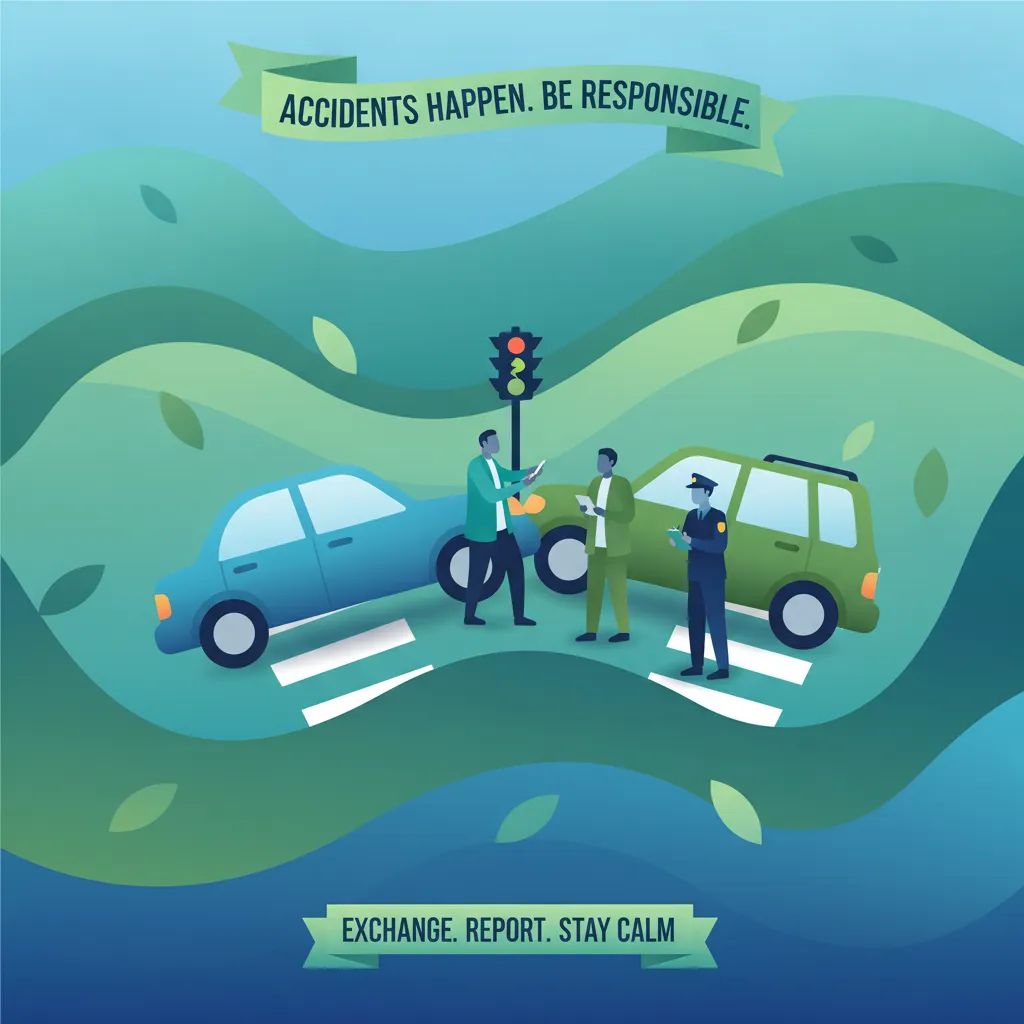
This lesson outlines the legal responsibilities of a rider involved in a traffic accident. It explains the legal duty to stop, render aid, and report the incident to the police and insurance providers. The content covers the concepts of liability and the potential legal consequences following an accident.

This lesson provides an overview of the Danish legal system as it applies to motorcyclists. It details the consequences of traffic violations, including fines, penalty points, and potential licence suspension. Learners will also understand their legal responsibilities concerning insurance coverage and procedures to follow in the event of a collision.
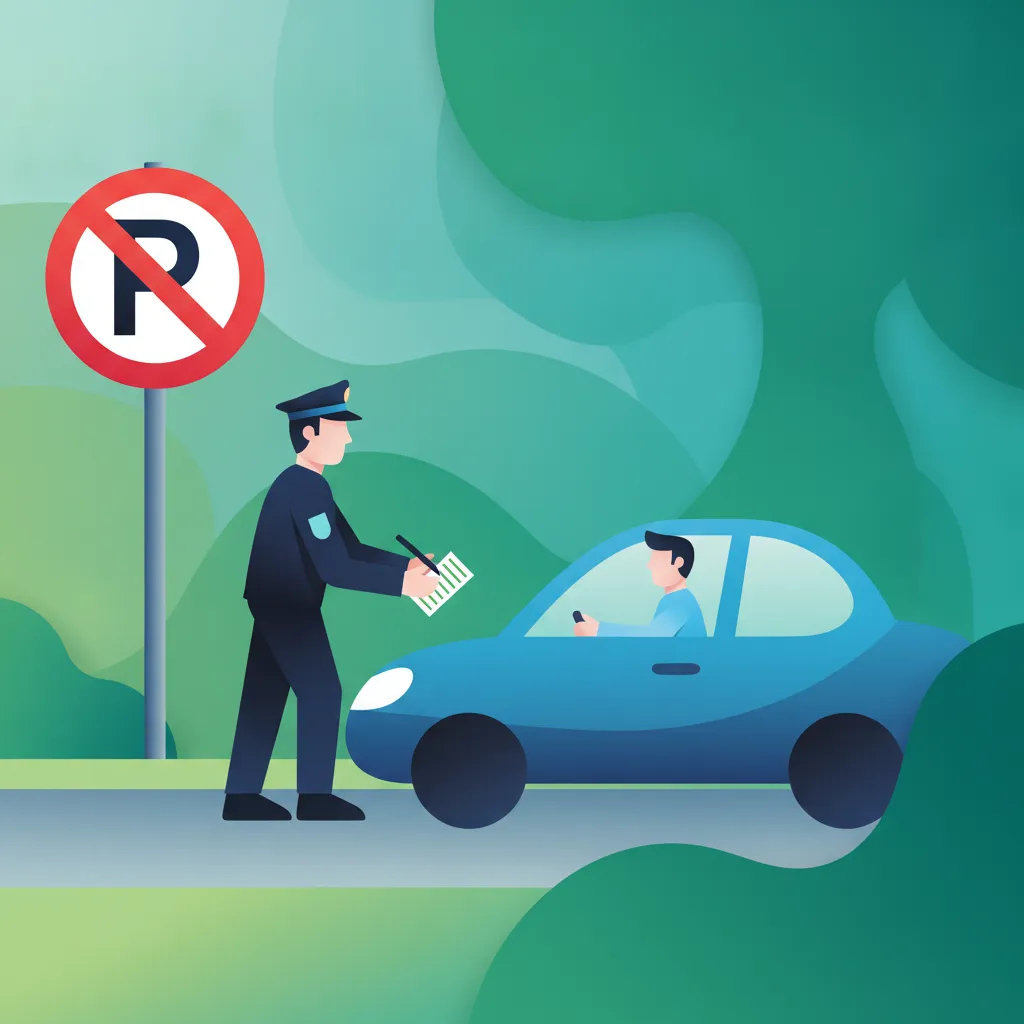
This lesson provides a clear overview of the penalties associated with breaking traffic laws as a motorcyclist. It details the Danish penalty point system ('klip i kørekortet') and the conditions that can lead to fines or licence revocation. Understanding these consequences reinforces the importance of lawful riding.

This lesson examines the specific risks inherent to motorcycling, emphasizing a rider's vulnerability due to reduced physical protection compared to other vehicles. It covers the heightened severity of injuries in accidents and the critical role of protective gear in mitigating harm. Learners will understand how to adopt defensive strategies, such as proper road positioning, to counteract these risks.
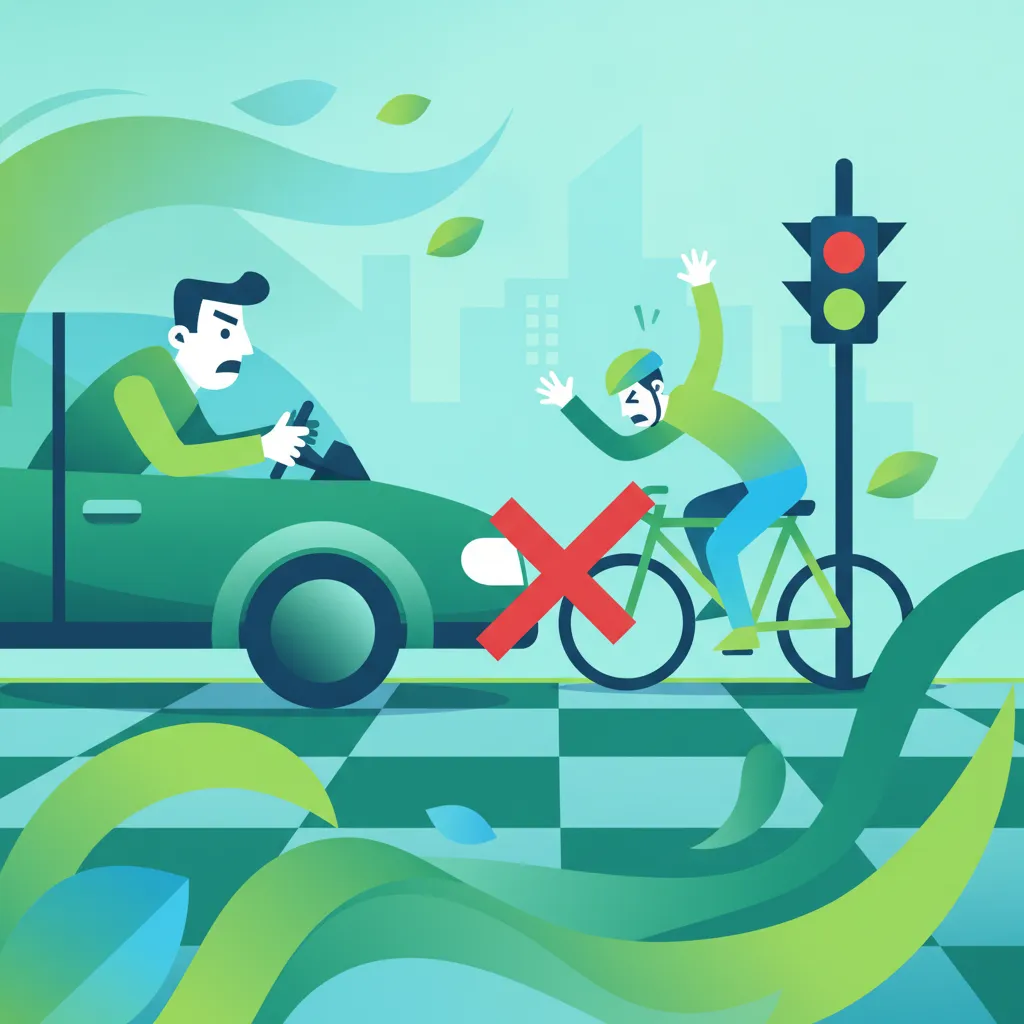
This lesson identifies common high-risk behaviors, including riding while impaired by alcohol, drugs, or fatigue. It details the strict legal limits in Denmark and the severe penalties for violations. The dangers of distraction, particularly from mobile phones, are also explained as a significant cause of accidents.

This lesson focuses on the core safety duties of a stor knallert rider. It explains the legal requirement for wearing a helmet and the benefits of other protective gear. The content also covers essential pre-ride checks, including brakes, tyres, and lights, to ensure the vehicle is in safe operating condition.
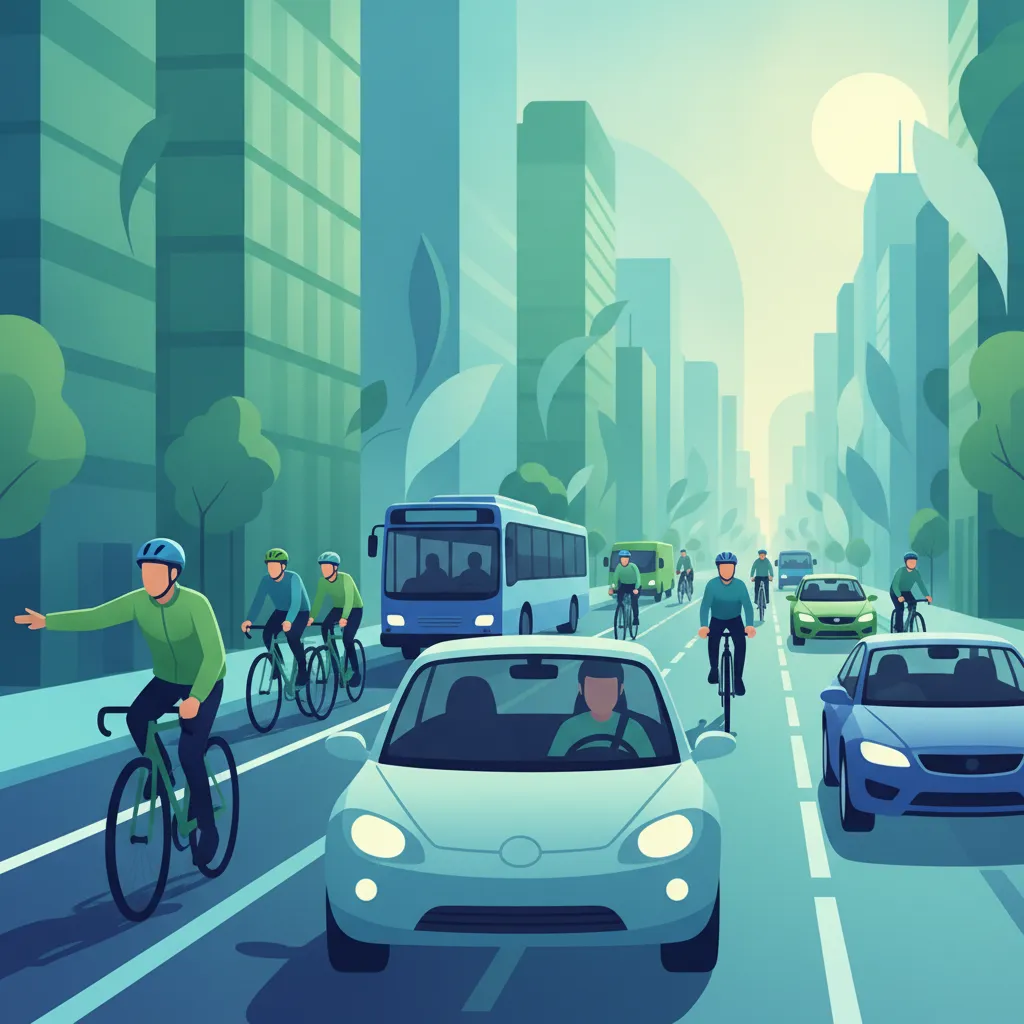
This lesson encourages riders to consider their impact on the community and environment. It covers the principles of ethical riding, such as respecting pedestrians and other drivers, minimizing noise, and contributing to a positive road safety culture. The goal is to develop a sense of social responsibility that complements technical riding skills.

This lesson prepares riders for the unfortunate event of a crash. It covers the crucial first steps to take, including ensuring personal safety, making the accident scene visible to prevent further collisions, and assessing for injuries. Understanding these immediate priorities can significantly impact the outcome of an emergency situation.

This lesson emphasizes the professional driver's heightened responsibility to protect vulnerable road users. It revisits Danish regulations concerning cyclist priority, particularly during right turns, and details the correct procedures for maintaining safe overtaking distances. The content focuses on developing advanced situational awareness, using mirrors and cameras effectively, and anticipating the behavior of pedestrians and cyclists in urban environments.

This lesson covers the immediate actions to take at the scene of an accident. It explains how and when to call the Danish emergency number 112, and what information to provide to the operator. The content also includes the principles of securing an accident scene to prevent further incidents and basic first aid concepts.
Understand defensive riding by analyzing practical scenarios faced by motorcyclists in Denmark. Learn how to anticipate hazards, maintain visibility, and communicate effectively in various urban and rural traffic situations to enhance your safety and awareness.

This lesson prepares riders for the specific hazards of rural roads, which often have less visibility and more unpredictable surfaces. It covers strategies for approaching blind curves, safely passing agricultural machinery, and being vigilant for animals on the road. Adjusting speed to match visibility is a core principle.
This lesson addresses the unique challenges of streets with dedicated cycle lanes and numerous bus stops. It teaches riders how to anticipate pedestrians moving to and from buses and how to position themselves to avoid conflict with cyclists. The goal is to navigate these complex environments smoothly and safely.

This lesson focuses on safe interactions with Denmark's large population of cyclists and other vulnerable road users. It covers the rules for passing cyclists, yielding at pedestrian crossings, and the specific hazard of turning across a bike lane. Developing heightened awareness for these interactions is critical for urban riding.
This lesson examines the specific risks inherent to motorcycling, emphasizing a rider's vulnerability due to reduced physical protection compared to other vehicles. It covers the heightened severity of injuries in accidents and the critical role of protective gear in mitigating harm. Learners will understand how to adopt defensive strategies, such as proper road positioning, to counteract these risks.

This lesson covers the core principles of defensive driving in an urban context. It teaches drivers how to anticipate the actions of other road users, maintain safe following distances in dense traffic, and navigate complex intersections with multiple signals. The content emphasizes heightened awareness of pedestrians, cyclists, and unexpected events common in Danish city environments.

This lesson explains the procedures for safely riding through construction zones. It covers how to respond to temporary signage, lane closures, and flaggers directing traffic. Riders will learn to reduce speed and be vigilant for uneven pavement, loose gravel, and the movement of workers and equipment.

This lesson explains the strategic importance of lane positioning for a motorcyclist. It teaches how to select a position within the lane that makes you most visible to other road users and provides an escape route from potential hazards. The content covers how to adjust your position based on traffic, road conditions, and to avoid being in another vehicle's blind spot.
This lesson prepares riders for the unfortunate event of a crash. It covers the crucial first steps to take, including ensuring personal safety, making the accident scene visible to prevent further collisions, and assessing for injuries. Understanding these immediate priorities can significantly impact the outcome of an emergency situation.

This lesson provides an in-depth look at the blind spots of other vehicles and how to manage them. It teaches riders to recognize the large 'no-zones' around trucks and buses where they cannot be seen. Strategies include avoiding lingering in these areas and positioning the motorcycle for maximum visibility.

This lesson focuses on techniques for riding when visibility and traction are compromised by weather. It explains how to adjust speed, increase following distance, and use lights to see and be seen in rain or fog. Understanding the risk of hydroplaning and making smooth control inputs are key takeaways.
Find clear answers to common questions learners have about Responsibilities of a Motorcyclist. Learn how the lesson is structured, which driving theory objectives it supports, and how it fits into the overall learning path of units and curriculum progression in Denmark. These explanations help you understand key concepts, lesson flow, and exam focused study goals.
Because motorcyclists are vulnerable road users, the theory test evaluates your understanding of your duty of care. Examiners want to ensure you realize that your actions, such as visibility and anticipation, are the primary factors in your own safety.
It means you are expected to ride in a way that minimizes risk to yourself and others. This includes maintaining your vehicle, choosing appropriate speeds, and being constantly aware of how your position on the road influences the behavior of car drivers.
By understanding your responsibilities, you learn to scan the road more effectively. You will be better at predicting the 'worst-case' behavior of other road users, which is the core skill required to score well on the hazard perception section of the Danish exam.
No, the fundamental legal and safety responsibilities remain the same regardless of your engine size or power output. Every rider is expected to uphold the same standards of safe, responsible conduct on the road.
Use our powerful search tool to pinpoint specific Danish driving theory topics, road signs, or traffic situations you need to review. Start exploring relevant practice sets now to reinforce your knowledge and build confidence for your upcoming driving licence exam.