
This lesson guides you through the systematic pre-ride safety checks required for all motorcycle categories (A1, A2, and A). Understanding these checks is crucial for maintaining your vehicle's roadworthiness and meeting the requirements of the Danish motorcycle theory test. You will learn how to identify potential mechanical issues before they affect your ride or your exam performance.

Lesson content overview
Riding a motorcycle offers unparalleled freedom and exhilaration, but it also demands a profound commitment to safety. Before every journey, whether a short commute or a long touring adventure, a thorough pre-ride safety check is not just a recommendation; it's a fundamental responsibility for every motorcyclist. This lesson, part of the Danish Motorcycle Theory course, will guide you through a systematic approach to inspecting your motorcycle, ensuring it is roadworthy, safe, and compliant with Danish traffic legislation.
These crucial inspections help prevent mechanical failures that could lead to accidents. By identifying potential issues before you start riding, you significantly reduce risks and ensure your motorcycle performs optimally, giving you confidence and control on Danish roads. A well-maintained motorcycle is not only safer for you but also for other road users.
The dynamic nature of motorcycling means that any component failure can have immediate and severe consequences. Unlike cars, where certain failures might allow for limping to safety, a motorcycle relies heavily on the perfect harmony of its parts for stability and control. A sudden brake fade, a tyre blowout, or a malfunctioning light can quickly escalate into a dangerous situation. Regular pre-ride checks serve as your primary defense against such scenarios.
Beyond personal safety, these inspections ensure your motorcycle adheres to legal standards for roadworthiness. Operating a vehicle that does not meet these requirements can result in fines, penalties, and even invalidated insurance in the event of an accident. Therefore, understanding and implementing a systematic inspection routine is a core component of responsible motorcycling and a vital part of preparing for your Danish motorcycle theory test.
A systematic approach to pre-ride checks ensures no critical component is overlooked. While various acronyms exist, the principle remains the same: inspect your motorcycle methodically. This routine should become second nature, ideally performed before every ride. It allows you to quickly assess the most critical aspects of your motorcycle's condition, from tyres and brakes to lights and fluid levels.
Consider creating a personal checklist based on your motorcycle model and riding habits. This can help you remember all necessary checks until they become ingrained in your routine.
Your motorcycle's tyres are its sole contact with the road, making their condition paramount for safety, handling, and braking performance. Proper tyre maintenance ensures optimal traction, stability, and responsiveness, especially under adverse weather conditions.
Correct tyre pressure is critical for safe riding. Underinflated tyres can lead to sluggish handling, increased rolling resistance, excessive heat buildup, premature wear, and a higher risk of a blowout. Overinflated tyres, conversely, reduce the contact patch with the road, leading to less grip, a harsher ride, and uneven wear. Always refer to your motorcycle manufacturer's recommendations, usually found in the owner's manual or on a sticker near the swingarm or chain guard. These recommendations often specify different pressures for solo riding versus riding with a passenger or heavy luggage.
Use an accurate tyre pressure gauge. Visual inspection alone is insufficient; a tyre can appear adequately inflated but still be significantly under pressure.
Check pressure when the tyres are cold, ideally before riding or after the motorcycle has been stationary for several hours. Riding generates heat, which increases internal tyre pressure, leading to inaccurate readings.
Compare the reading to the manufacturer's specified values and adjust as necessary using an air compressor.
Tyre tread is designed to provide grip and disperse water, preventing hydroplaning. Over time, tread wears down, reducing the tyre's effectiveness, especially in wet conditions. Danish law, like many European regulations, mandates a minimum legal tread depth.
Most tyres have built-in Tread Wear Indicators (TWIs), small raised bars located in the main grooves. When the tyre tread wears down to the level of these indicators, the tyre has reached its minimum safe and legal tread depth and must be replaced immediately.
Beyond tread depth, thoroughly inspect the tyre surfaces and sidewalls for any signs of damage:
Your motorcycle's braking system is your primary safety feature, crucial for managing speed, navigating traffic, and responding to emergencies. A well-maintained braking system ensures reliable stopping power in all conditions.
Brake pads wear down with use. If the pads become too thin, braking efficiency is severely compromised, increasing stopping distances and potentially damaging the brake discs. Most brake pads have wear indicators, often grooves or markings that disappear when the pad material is too thin. Visually inspect the brake pads on both front and rear brakes, ensuring there is sufficient friction material remaining, typically at least 1 mm above the backing plate.
Also, examine the brake discs (rotors) for signs of damage or excessive wear, such as deep grooves, warping, or discoloration. These can reduce braking effectiveness and accelerate pad wear. The feel of the brake lever or pedal should be firm and consistent, without sponginess or excessive travel.
Brake fluid transmits the force from your brake levers/pedals to the calipers, engaging the pads. The fluid reservoir, usually a small translucent container on the handlebars for the front brake and near the rear brake pedal for the rear, has 'MIN' and 'MAX' lines. The fluid level should always be between these marks. A consistently low fluid level can indicate a leak in the system or severely worn brake pads.
Brake fluid quality is also important. Over time, brake fluid can absorb moisture, reducing its boiling point and leading to "brake fade" under heavy use. Check the color of the fluid; it should be clear or slightly amber, not dark brown or black. If it's dark, it likely needs to be flushed and replaced by a qualified mechanic. When testing, ensure both the front and rear brake levers/pedals operate smoothly, provide firm resistance, and return to their original position without sticking.
Visibility is paramount for motorcyclists. Your motorcycle's lights and signals are not just for you to see the road, but critically, for other road users to see and understand your intentions. A faulty light significantly increases your risk of a collision, especially in low-light conditions or bad weather.
Before every ride, check that your headlamp is functioning correctly.
These lights are crucial for communicating your intentions to other road users.
For motorcycles equipped with a chain drive, proper maintenance of the chain and sprockets is vital for power transmission, smooth operation, and preventing sudden failure.
Just like any complex machine, your motorcycle relies on various fluids to operate correctly. Regular checks prevent overheating, engine damage, and control failures.
A motorcycle is a collection of hundreds of components held together by fasteners. Vibrations and road conditions can cause bolts to loosen over time.
Never ride a motorcycle if you suspect critical fasteners are loose. Tighten them to specification or have a qualified mechanic do so.
In Denmark, as throughout the EU, there are clear legal requirements regarding the technical condition of vehicles, including motorcycles. These regulations are designed to ensure road safety and protect all road users. While the Danish Road Traffic Act (Færdselsloven) and associated executive orders cover various aspects, specific attention is paid to elements like tyres, brakes, and lighting.
Danish law mandates that motorcycle tyres must be in good condition, free from damage, and have adequate tread depth. The specific minimum legal tread depth is crucial for safety, especially in Denmark's often wet conditions. Tyres must also be appropriate for the vehicle type and correctly inflated. Ignoring these rules can lead to fines and, in case of an accident, can complicate insurance claims.
The braking system on a motorcycle must be fully functional and capable of achieving specified deceleration rates. This means brake pads, discs, and fluid levels must meet safety standards. Similarly, all lighting and signaling equipment—headlamps, tail lights, brake lights, and turn signals—must be operational, correctly adjusted, and visible. These are not merely suggestions; they are legal obligations to ensure you can be seen and communicate effectively with other road users, especially during low visibility or at night.
The Danish Road Traffic Act also broadly states that a vehicle must be maintained in a condition that does not pose a danger to traffic. This encompasses all aspects of your motorcycle, from structural integrity to the proper functioning of all mechanical and electrical systems. As a rider, you are legally responsible for ensuring your motorcycle meets these standards before every journey.
While a basic pre-ride check is standard, the specifics and emphasis of your inspection should adapt to prevailing conditions and how you intend to use your motorcycle. Different situations place varying demands on your machine and its components.
Carrying a passenger or heavy luggage significantly alters your motorcycle's dynamics and places additional strain on certain components.
Incorporating pre-ride safety checks into your routine is more than just a mechanical task; it's about developing a proactive, safety-focused mindset. This habit instills discipline and an awareness of your motorcycle's condition, which extends to your riding behavior. By regularly scrutinizing your machine, you become more attuned to its nuances, allowing you to detect subtle changes that could indicate impending issues. This preventative approach is a cornerstone of responsible motorcycling and significantly contributes to reducing accident risks. Remember, your safety, and the safety of others, depends on your vigilance.
This lesson teaches systematic pre-ride safety inspections essential for Danish motorcycle theory and real-world riding. It covers tyre pressure and tread depth checks, brake pad wear and fluid inspection, lighting and signal functionality, chain tension and lubrication, and essential fluid levels. The content emphasizes adapting inspections to weather conditions and load variations, while highlighting Danish legal requirements for roadworthiness. Developing these inspection habits prevents mechanical failures, ensures legal compliance, and builds a safety-first mindset that protects both rider and other road users.
A short set of high-value points that capture the most important learning from this lesson.
Tyre pressure must be checked when tyres are cold using an accurate gauge, comparing readings to manufacturer specifications for optimal grip and stability.
Brake pads must maintain at least 1mm of friction material above the backing plate to ensure adequate stopping power.
All lights and signals must be fully functional and correctly aligned to ensure visibility and communication with other road users.
Chain tension must fall within the manufacturer's specified range to prevent power transmission issues and premature component wear.
Pre-ride inspections should become a second-nature routine adapted to weather, road conditions, and any passengers or luggage carried.
Explore all units and lessons included in this driving theory course.
Tyre tread depth has a legal minimum requirement for roadworthiness, especially critical in Denmark's wet conditions.
Brake fluid should be clear or slightly amber; dark fluid indicates moisture absorption and the need for replacement.
Tread Wear Indicators (TWIs) signal when tyre tread has reached its minimum safe and legal depth.
Always perform pre-ride checks when tyres are cold to get accurate pressure readings.
The T-CLOCS method (Tyres, Controls, Lights, Oil, Chassis, Stand) provides a systematic framework for comprehensive inspections.
Assuming tyres are properly inflated based solely on visual appearance without using an accurate pressure gauge.
Riding with worn brake pads or contaminated brake fluid, which severely reduces braking efficiency.
Neglecting to adjust tyre pressure and chain tension when carrying a passenger or heavy luggage.
Skipping or inconsistently performing pre-ride checks, leading to undetected developing problems.
Overlooking the headlamp alignment after loading the motorcycle, which can dazzle oncoming traffic.
Lesson content overview
A short set of high-value points that capture the most important learning from this lesson.
Tyre pressure must be checked when tyres are cold using an accurate gauge, comparing readings to manufacturer specifications for optimal grip and stability.
Brake pads must maintain at least 1mm of friction material above the backing plate to ensure adequate stopping power.
All lights and signals must be fully functional and correctly aligned to ensure visibility and communication with other road users.
Chain tension must fall within the manufacturer's specified range to prevent power transmission issues and premature component wear.
Pre-ride inspections should become a second-nature routine adapted to weather, road conditions, and any passengers or luggage carried.
Explore all units and lessons included in this driving theory course.
Tyre tread depth has a legal minimum requirement for roadworthiness, especially critical in Denmark's wet conditions.
Brake fluid should be clear or slightly amber; dark fluid indicates moisture absorption and the need for replacement.
Tread Wear Indicators (TWIs) signal when tyre tread has reached its minimum safe and legal depth.
Always perform pre-ride checks when tyres are cold to get accurate pressure readings.
The T-CLOCS method (Tyres, Controls, Lights, Oil, Chassis, Stand) provides a systematic framework for comprehensive inspections.
Assuming tyres are properly inflated based solely on visual appearance without using an accurate pressure gauge.
Riding with worn brake pads or contaminated brake fluid, which severely reduces braking efficiency.
Neglecting to adjust tyre pressure and chain tension when carrying a passenger or heavy luggage.
Skipping or inconsistently performing pre-ride checks, leading to undetected developing problems.
Overlooking the headlamp alignment after loading the motorcycle, which can dazzle oncoming traffic.
Explore search topics learners often look for when studying Pre-Ride Safety Checks and Maintenance. These topics reflect common questions about road rules, driving situations, safety guidance, and lesson level theory preparation for learners in Denmark.
Browse additional driving theory lessons that cover connected traffic rules, road signs, and common driving situations related to this topic. Improve your understanding of how different rules interact across everyday traffic scenarios.
Understand the specific legal requirements for motorcycle roadworthiness in Denmark, including regulations on tyre tread depth, brake system functionality, and lighting. Ensure your motorcycle meets official standards for safe riding and theory test compliance.
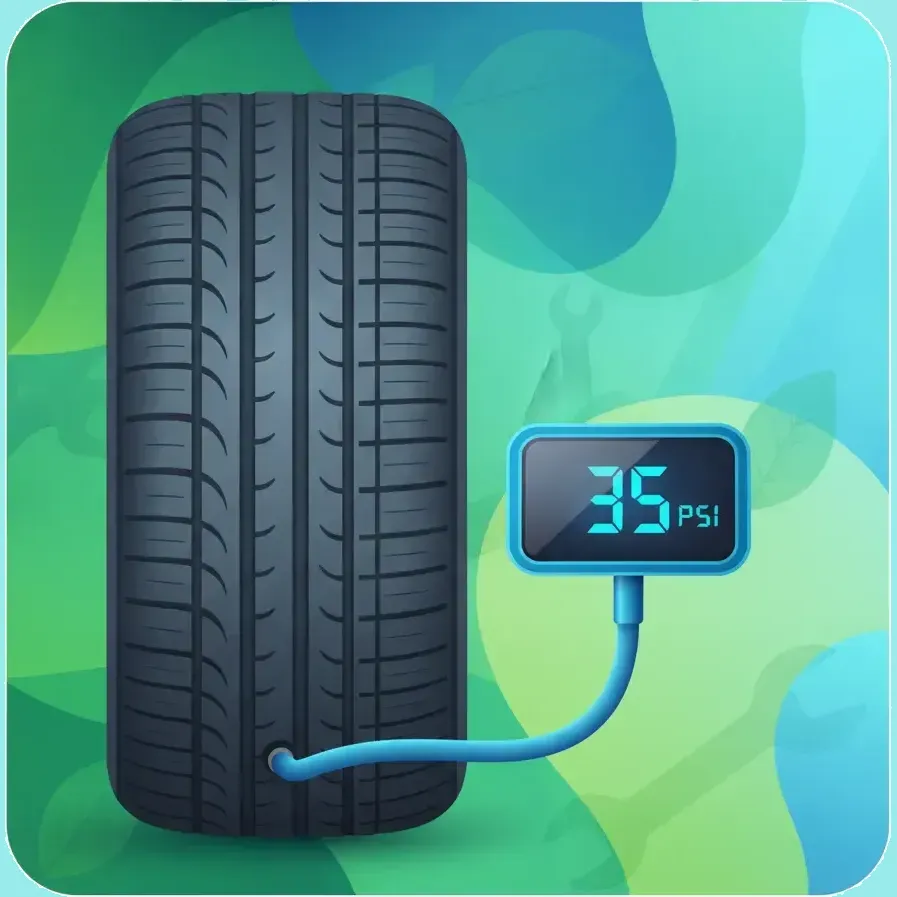
This lesson highlights the vital role tyres play in vehicle safety. It explains how to conduct regular checks on tyre pressure and tread depth, and how incorrect values can compromise grip, braking efficiency, and overall handling. You will also learn the legal minimum requirements for tyres in Denmark to ensure your vehicle is always compliant and safe.
This lesson highlights the rider's responsibility for ensuring their vehicle is in a safe, roadworthy condition. It provides a systematic guide to pre-ride checks, including inspecting tyres for correct pressure and wear, testing brakes, and verifying all lights work. Regular maintenance is presented as a critical component of overall rider safety.

This lesson focuses on the critical connection between the motorcycle and the road: the tyres. It explains how to check for proper inflation, inspect tread depth, and recognize signs of wear. Understanding how different tyre compounds and patterns perform in various conditions is key to managing traction.

Properly functioning lighting and signaling systems are fundamental for safe communication on the road. This lesson details the purpose and correct use of all exterior lights, including headlights, brake lights, turn signals, and hazard lights, according to Danish law. It emphasizes the driver's responsibility to ensure these systems are clean and operational to maintain visibility and clearly signal maneuvers to other road users.

This lesson explains the critical importance of being visible to other road users. It details the proper use of headlights and daytime running lights as required by Danish law. The content also covers the effectiveness of wearing reflective clothing and ensuring the vehicle's reflectors are clean and functional.

This lesson provides a comprehensive overview of a vehicle's lighting systems and their proper use. It covers the functions of low and high beams, fog lights, and all signal lights, emphasizing their importance for visibility and communication with other drivers. The material explains the legal requirements for using lights in various conditions, including daytime, darkness, and adverse weather, as specified by Danish regulations.

This lesson focuses on the specific challenges of riding in darkness. It explains the legal requirements and proper use of high and low beam headlights to see and be seen. The importance of wearing reflective clothing and ensuring all vehicle lights and reflectors are functioning is strongly emphasized.

This lesson explores the critical relationship between tyres, road surface, and grip. It explains how rain, ice, gravel, and even painted road markings can reduce traction and increase risk. Learners will understand the importance of having correct tyre pressure and adequate tread depth to maintain control.

This lesson outlines a step-by-step procedure for managing a mechanical breakdown on the road. It covers moving the motorcycle to a safe location, using hazard lights, and wearing high-visibility clothing. The goal is to ensure personal safety while minimizing disruption and danger to other traffic.

This lesson focuses on techniques for riding when visibility and traction are compromised by weather. It explains how to adjust speed, increase following distance, and use lights to see and be seen in rain or fog. Understanding the risk of hydroplaning and making smooth control inputs are key takeaways.
Explore in-depth guidance on essential pre-ride safety inspections and maintenance for your motorcycle. Learn about tyre condition, brake systems, fluid levels, and drive system checks to ensure roadworthiness and compliance with Danish regulations.
This lesson highlights the rider's responsibility for ensuring their vehicle is in a safe, roadworthy condition. It provides a systematic guide to pre-ride checks, including inspecting tyres for correct pressure and wear, testing brakes, and verifying all lights work. Regular maintenance is presented as a critical component of overall rider safety.
This lesson outlines a step-by-step procedure for managing a mechanical breakdown on the road. It covers moving the motorcycle to a safe location, using hazard lights, and wearing high-visibility clothing. The goal is to ensure personal safety while minimizing disruption and danger to other traffic.

This lesson focuses on the core safety duties of a stor knallert rider. It explains the legal requirement for wearing a helmet and the benefits of other protective gear. The content also covers essential pre-ride checks, including brakes, tyres, and lights, to ensure the vehicle is in safe operating condition.

This lesson outlines the mandatory daily pre-trip inspection for passenger vehicles as required by Danish law. It provides a systematic checklist for examining brakes, lights, tires, mirrors, and emergency equipment to confirm the vehicle's roadworthiness. Following these procedures helps drivers identify and report potential mechanical faults before they can compromise passenger or public safety.

This lesson introduces the essential controls required to operate a motorcycle, such as the throttle, clutch lever, and brake controls. It explains the purpose and correct use of each function for smooth and safe maneuvering. Learners will also understand the importance of proper ergonomics and riding posture for effective control.

This lesson defines the fundamental responsibilities of a motorcyclist, which extend beyond simple rule-following. It emphasizes the duty of care required to operate safely, including practicing defensive riding techniques and proactively identifying potential hazards. The content focuses on the importance of maintaining visibility and communicating intentions clearly to ensure safe interactions in traffic.

This lesson prepares riders for the specific hazards of rural roads, which often have less visibility and more unpredictable surfaces. It covers strategies for approaching blind curves, safely passing agricultural machinery, and being vigilant for animals on the road. Adjusting speed to match visibility is a core principle.

This lesson breaks down the critical skill of overtaking into a safe, repeatable process. It covers how to judge the time and space needed, check for oncoming traffic, and execute the maneuver decisively. The importance of signaling and returning to the lane safely is also emphasized.
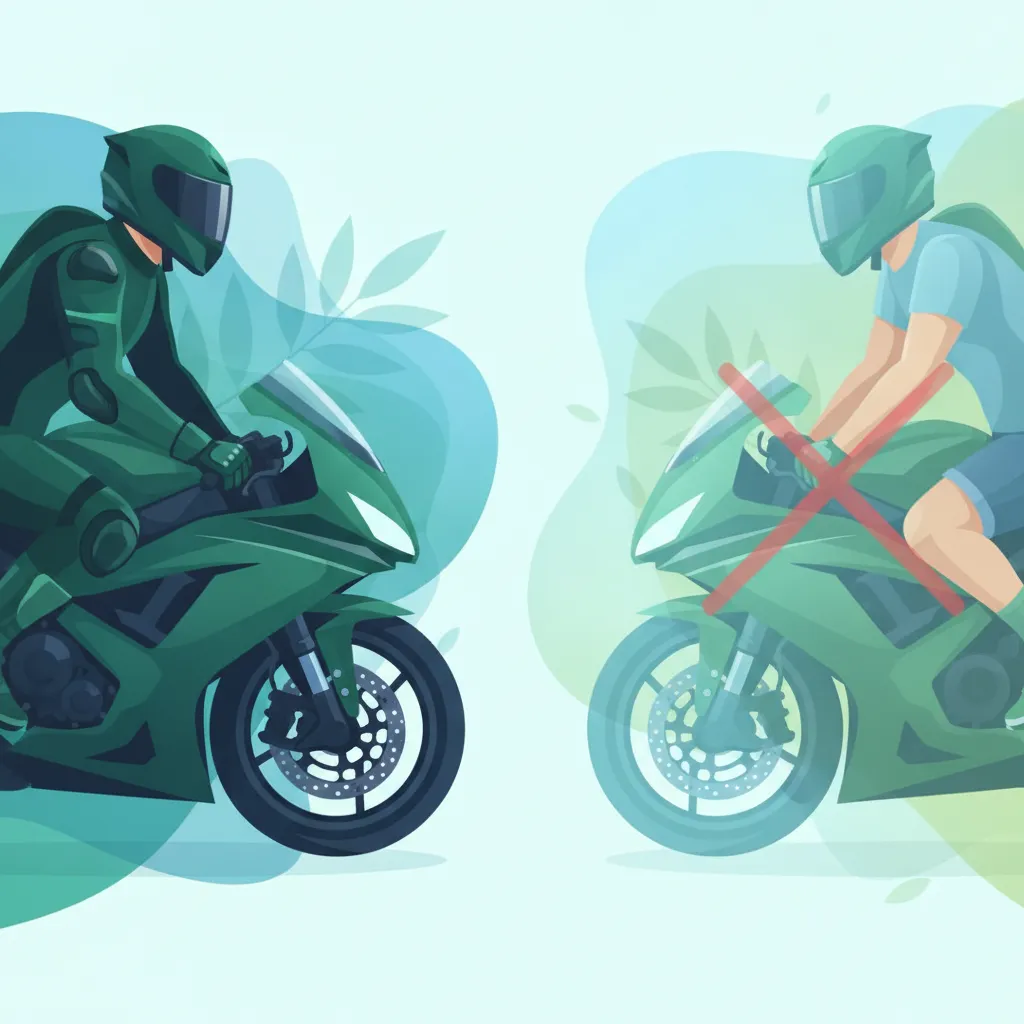
This lesson explains the critical role of specialized protective clothing in rider safety. It details the features of motorcycle jackets, pants, gloves, and boots, focusing on abrasion resistance and impact protection. Learners will understand how to identify gear that meets official CE certification standards for maximum safety.

This lesson details the proper technique for using mirrors and performing shoulder checks to maintain 360-degree awareness. It explains how to adjust mirrors for maximum visibility and emphasizes that a shoulder check is the only way to see into the vehicle's blind spot. These actions are critical before any change in position, such as turning or changing lanes.
Find clear answers to common questions learners have about Pre-Ride Safety Checks and Maintenance. Learn how the lesson is structured, which driving theory objectives it supports, and how it fits into the overall learning path of units and curriculum progression in Denmark. These explanations help you understand key concepts, lesson flow, and exam focused study goals.
Incorrect tyre pressure significantly affects motorcycle handling, traction, and braking performance. In your theory test, you must recognize that improper pressure can lead to instability in corners or longer stopping distances, which is a major safety concern in Denmark.
You need to verify the functionality of the headlight (high and low beam), turn indicators, tail light, and brake light. The theory test often includes questions on how to signal properly and ensure other road users can see you at all times.
It is both. While these checks are essential for answering theory exam questions correctly, they are a fundamental part of being a responsible motorcyclist in Denmark to prevent mechanical failures and ensure you are safe on the road.
Official guidance recommends a quick visual and functional inspection before every ride. This habit is critical to identify potential issues like loose chains or leaking fluids before they become hazards in traffic.
Use our powerful search tool to pinpoint specific Danish driving theory topics, road signs, or traffic situations you need to review. Start exploring relevant practice sets now to reinforce your knowledge and build confidence for your upcoming driving licence exam.