
Explore comprehensive Danish driving theory topics, covering all essential traffic rules, road signs, priority situations, and vehicle operation specific to Denmark. This hub provides clear explanations designed to help you master official Danish legislation and practical driving concepts. Build a strong theoretical foundation here to prepare effectively for your driving license theory examination.
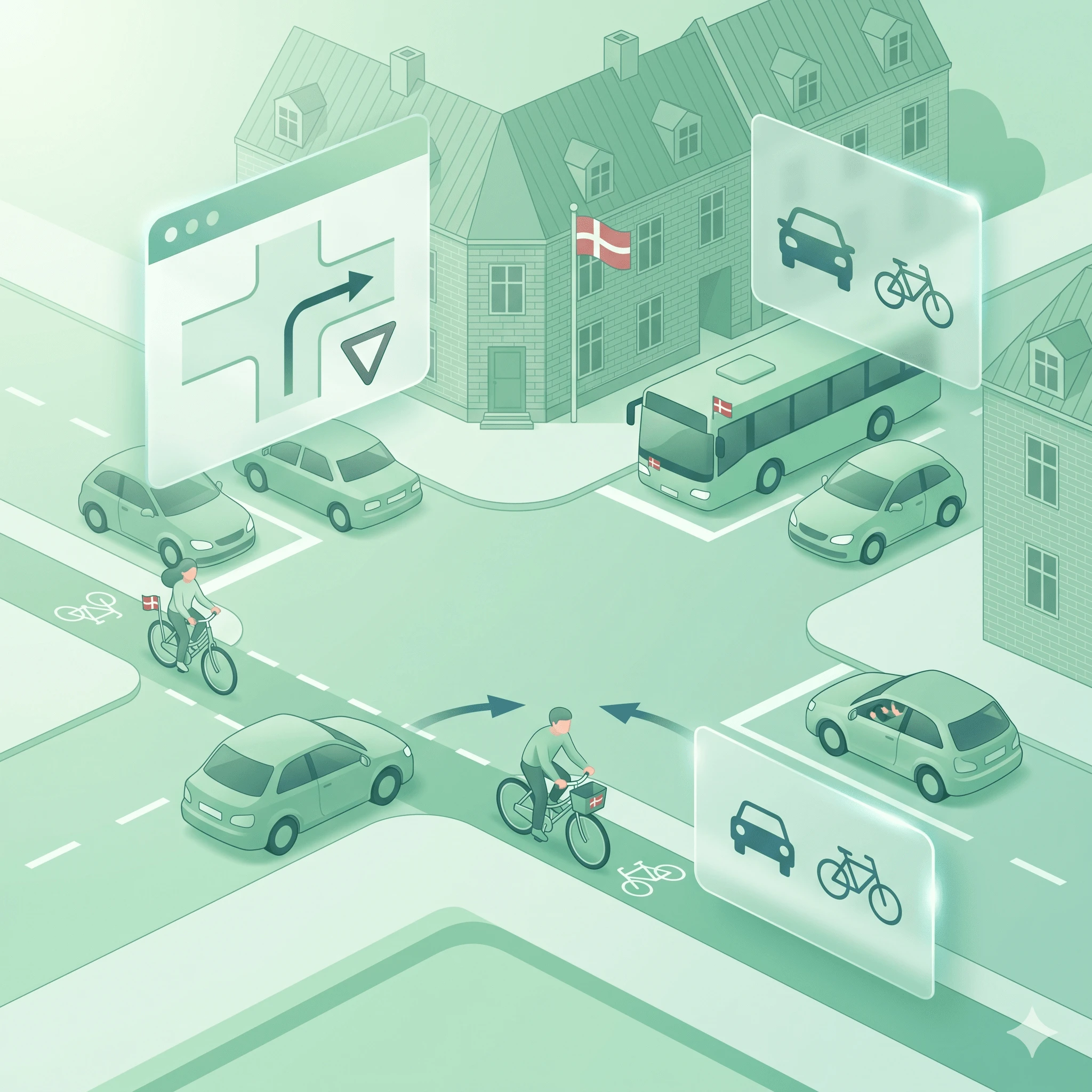
Deepen your knowledge of Danish traffic rules, right-of-way priority, and essential road safety through structured subject modules. These focused study areas help you build confidence in complex hazard perception and official road sign recognition before your test.
9 topics
7 topics
6 topics
3 topics
3 topics
3 topics
2 topics
1 topic
1 topic
1 topic
1 topic
1 topic
Navigate all essential Danish driving theory topics to prepare for your exam. Search for specific traffic rules or road signs, or browse subjects to deepen your understanding for comprehensive exam study.
Filter by category
9 theory topics found
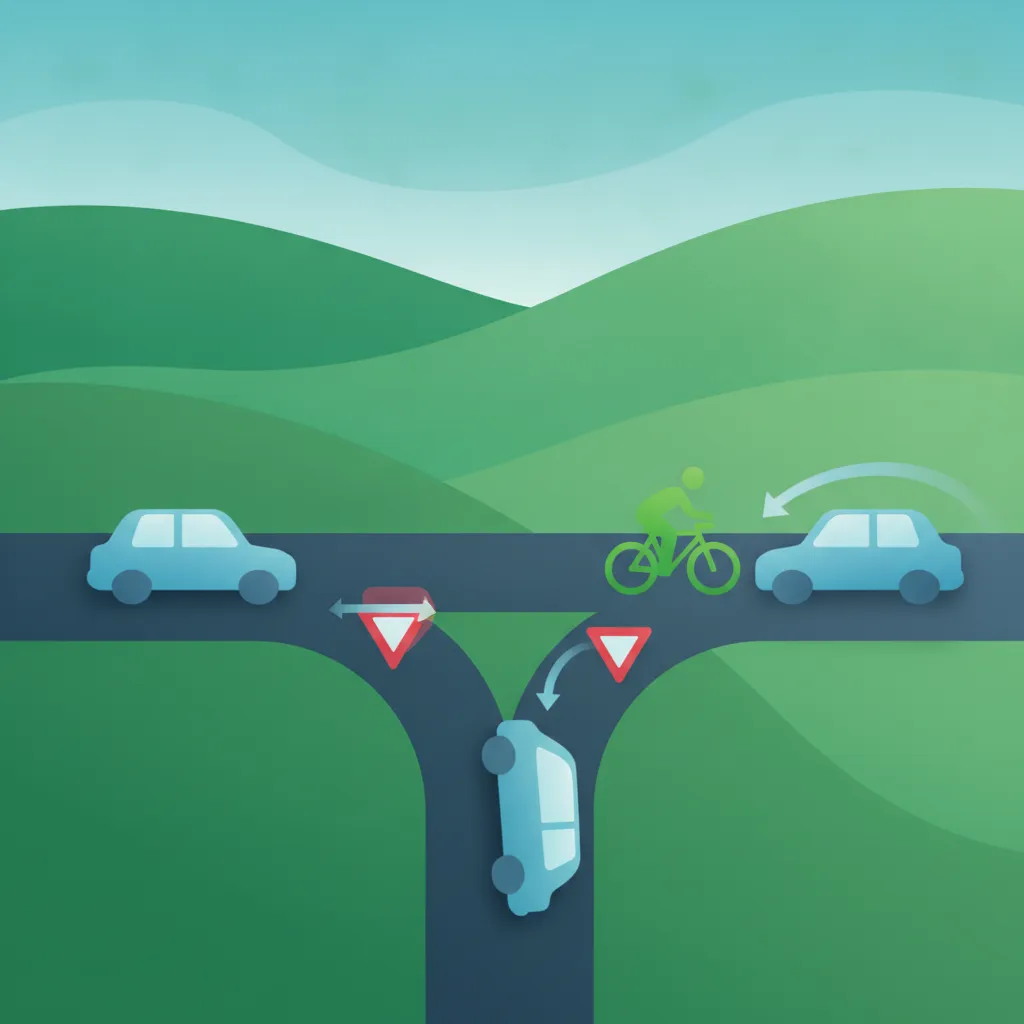
Right of way rules are the foundation for safe and orderly traffic flow. In Denmark, these rules dictate who has priority to proceed first when paths intersect or conflict. This page explains the hierarchy of factors—from traffic lights and signs to general rules—that determine who must yield and who can go, clarifying common confusions at intersections and in other traffic situations.
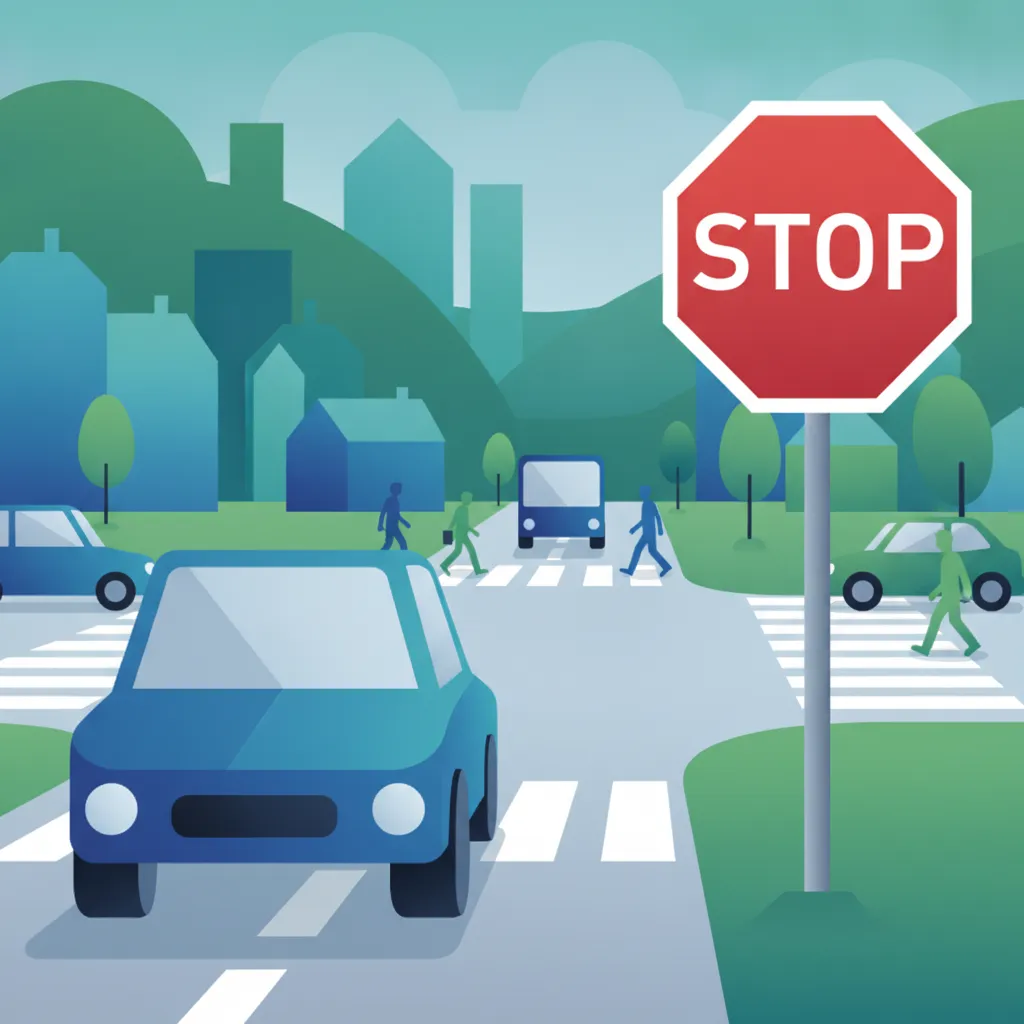
The stop sign (B13) is a critical regulatory sign in Denmark, requiring drivers to bring their vehicle to a complete halt before a stop line or intersection. Unlike a yield sign, a full stop is mandatory, regardless of perceived traffic. This rule ensures all drivers can assess the intersection thoroughly and safely yield to all other road users before proceeding.
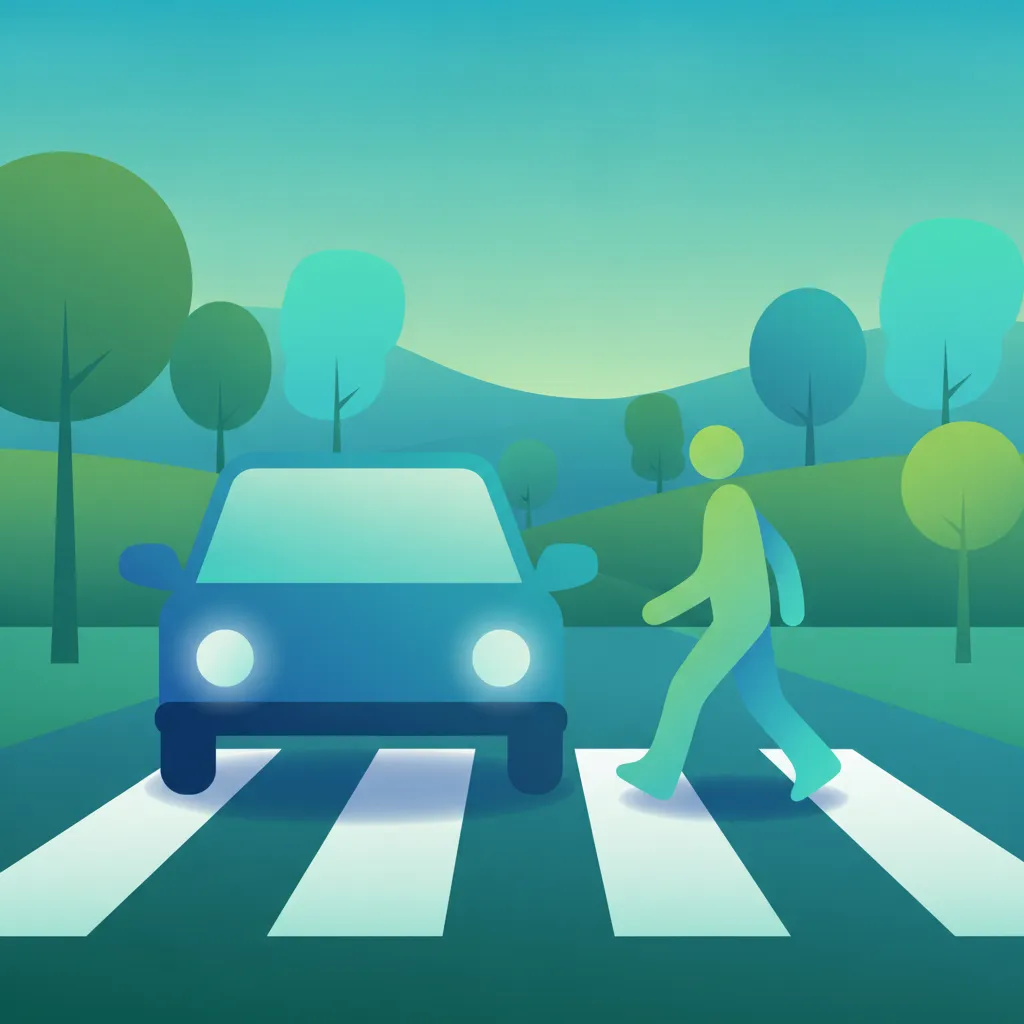
Pedestrian priority establishes when drivers must give way to people on foot, particularly at designated crossings and when turning. As pedestrians are vulnerable road users, Danish traffic rules place significant responsibility on drivers to anticipate their presence and act safely, thereby preventing accidents.
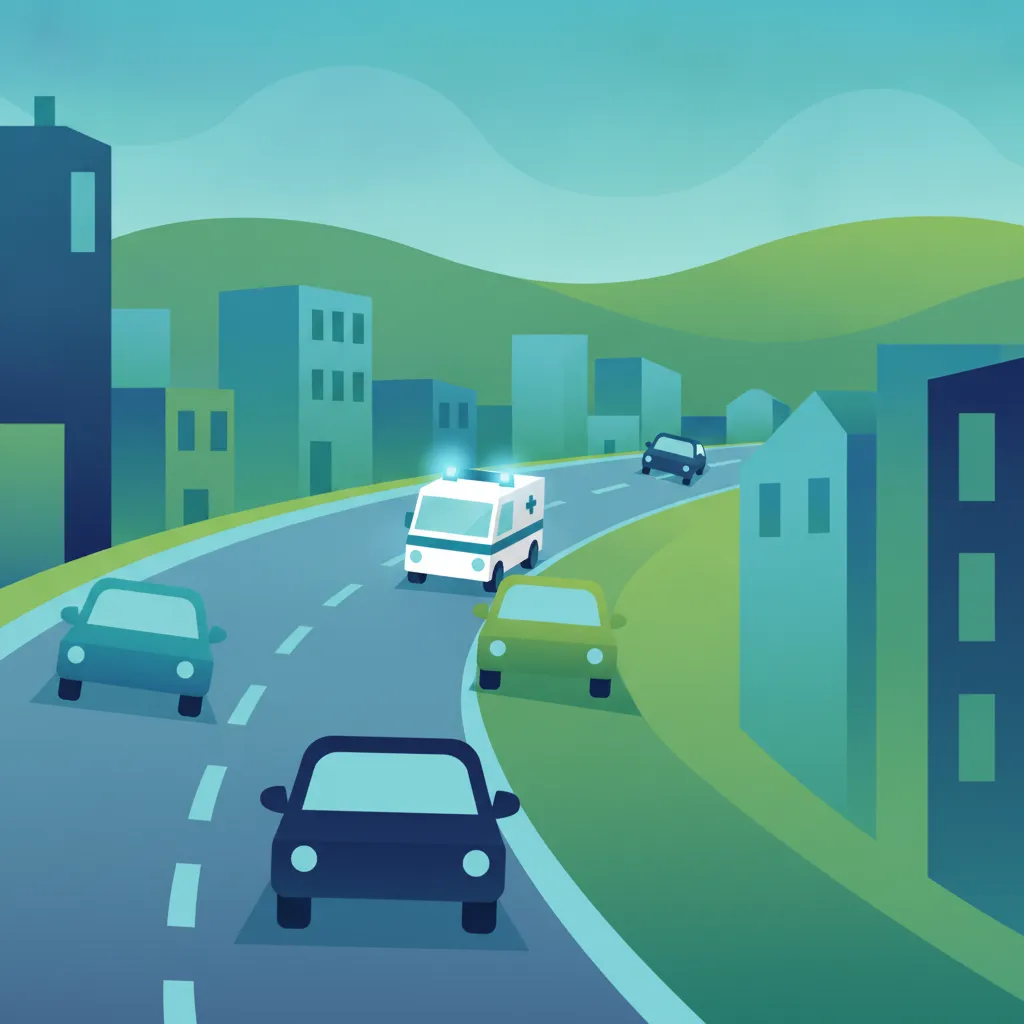
When an emergency vehicle, such as an ambulance, police car, or fire truck, approaches with flashing blue lights or sirens in Denmark, all other road users must immediately give way. This rule ensures that emergency responders can reach incidents without delay. Your safe and timely reaction can save lives, making it a critical aspect of responsible driving.
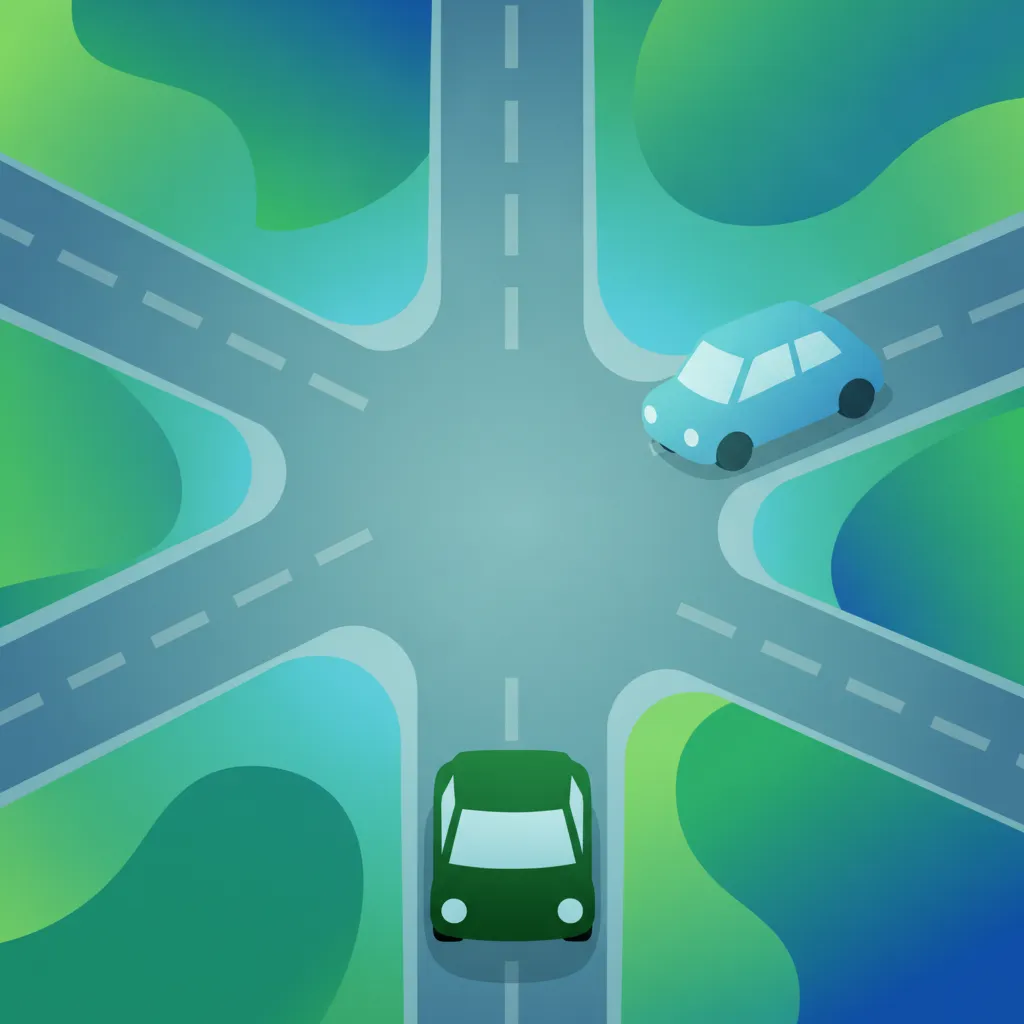
In Denmark, many intersections lack traffic lights or signs, requiring drivers to understand the general rules of right-of-way. This section clarifies how to determine priority at these uncontrolled intersections, focusing on the 'priority to the right' principle and the crucial importance of awareness and cautious driving in Danish traffic. Drivers must accurately assess these situations to prevent accidents and ensure a smooth flow of traffic.
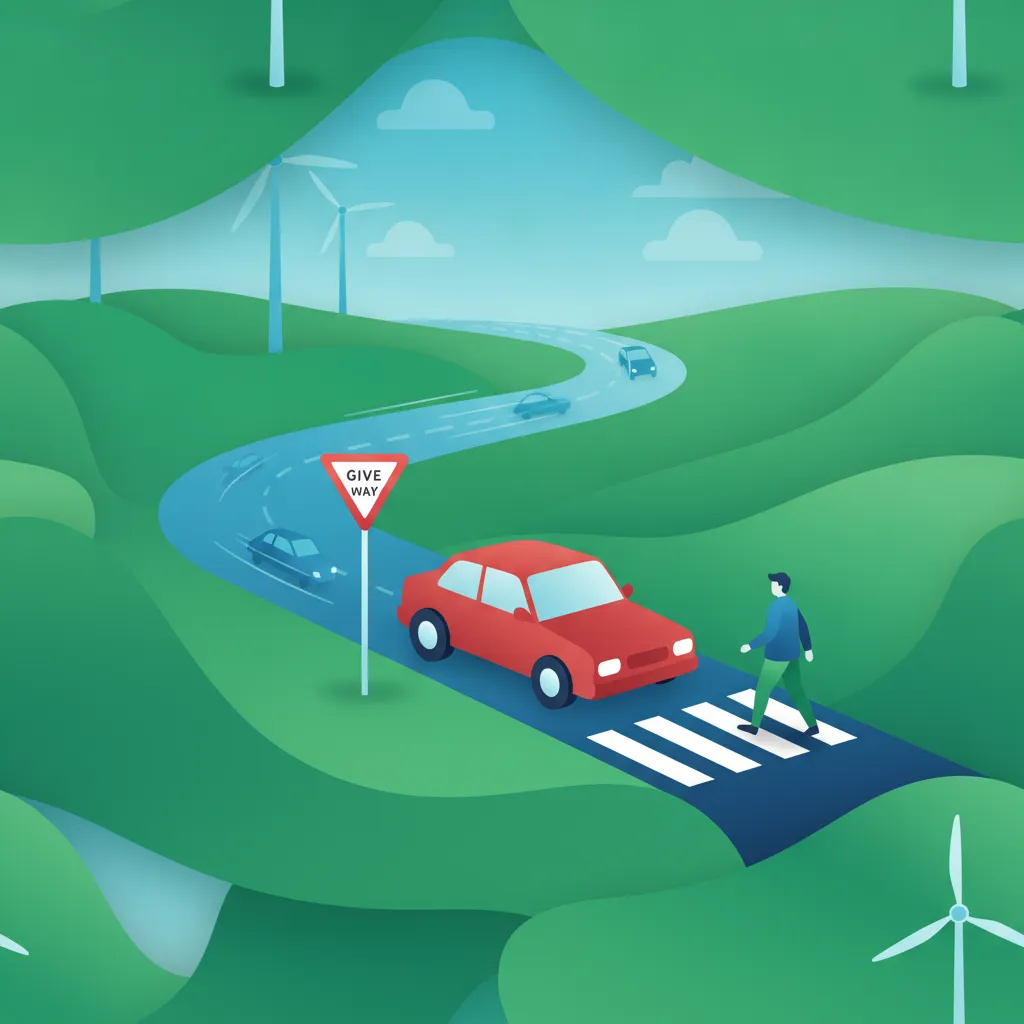
Giving way means allowing other road users to proceed first to prevent conflicts or collisions. In Denmark, specific rules dictate when and how you must yield, especially at intersections, pedestrian crossings, and when merging. Mastering these priority situations is essential for maintaining safe traffic flow and successfully passing your Danish driving theory exam.
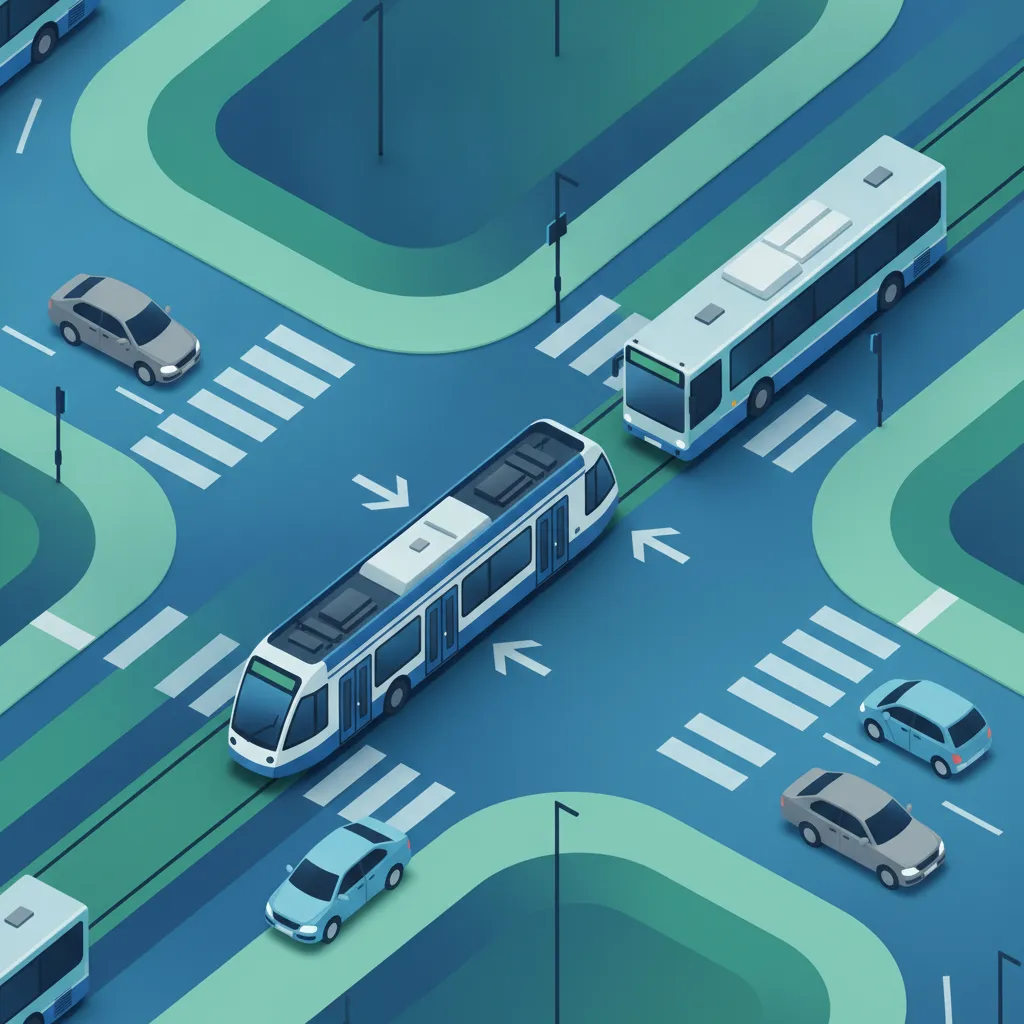
In Denmark, public transport vehicles such as light rail (Letbane), trams (where applicable), and buses are often granted special priority on the roads. This is primarily due to their fixed routes or tracks, larger size, and the need to maintain public service schedules. Drivers must be aware of these specific rules to ensure safety for all road users and to navigate complex urban traffic situations correctly, a key component of Danish driving theory.
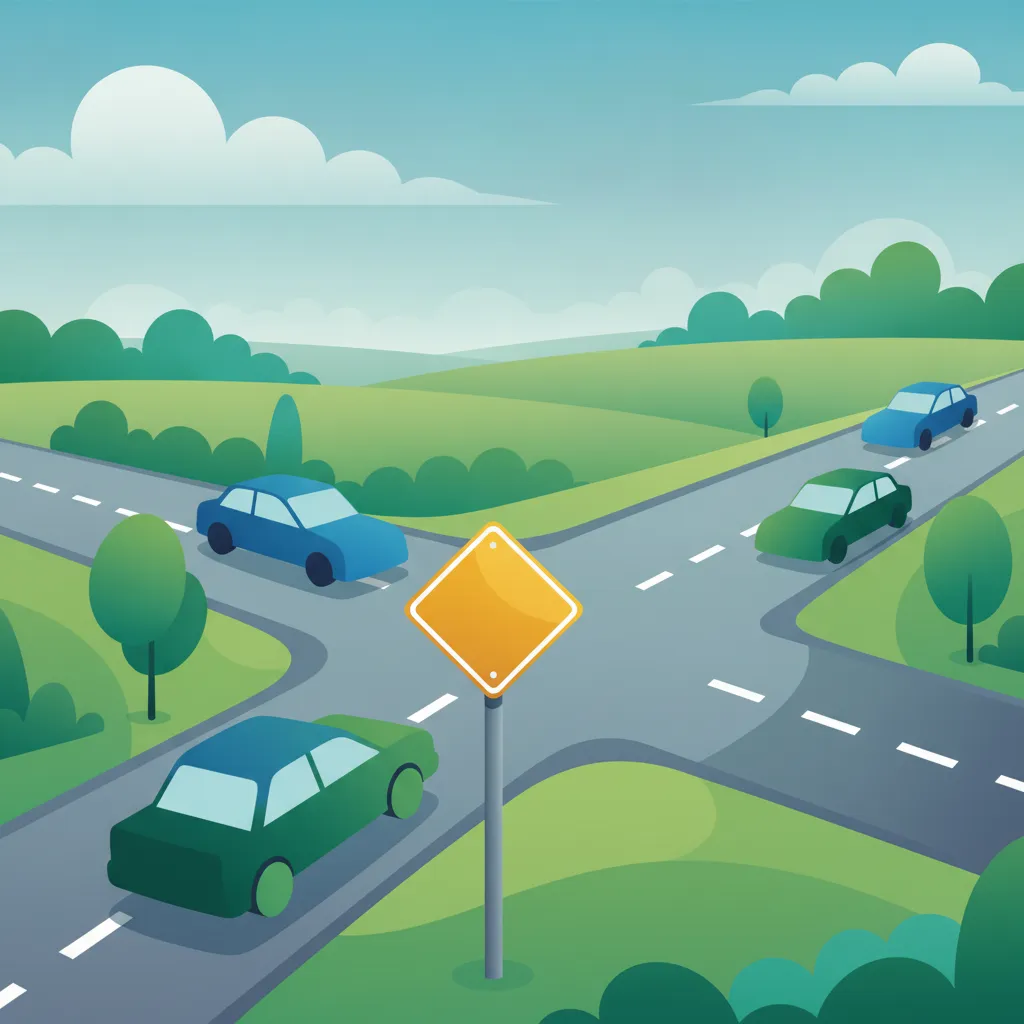
A priority road, known in Denmark as a 'forrangsvej', grants traffic on it precedence over vehicles entering from intersecting roads. In Denmark, specific signs, most notably the yellow diamond, clearly mark these roads, dictating that drivers on side roads must yield. This system ensures efficient traffic flow and reduces confusion at junctions, but requires constant vigilance from all drivers.
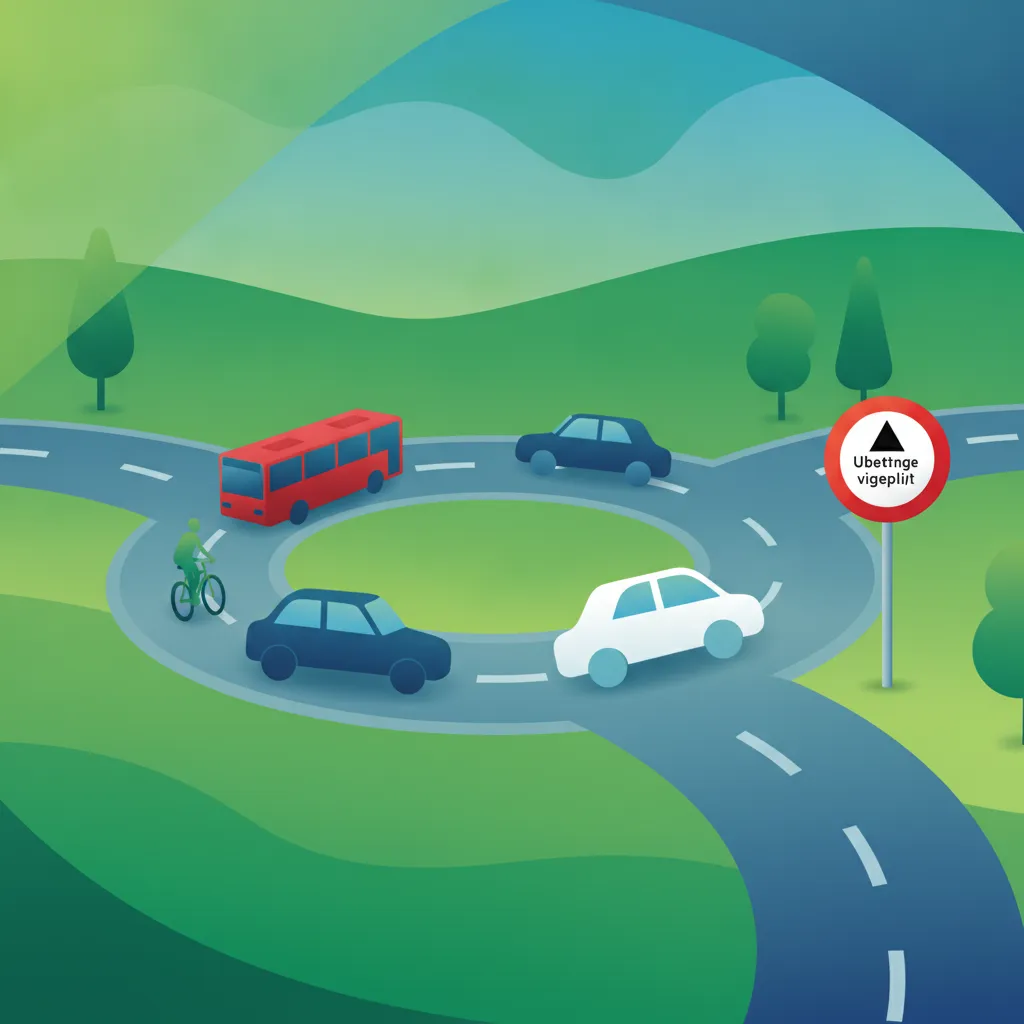
Roundabouts are designed to improve traffic flow and reduce accidents by replacing traditional intersections. In Denmark, specific rules dictate priority, primarily requiring vehicles entering a roundabout to yield to those already circulating. Correctly applying these rules, combined with proper signaling and observation, is crucial for safe and efficient navigation.
Ready to deepen your understanding of Danish traffic laws and road safety? Browse our extensive library of articles to find explanations on specific rules, road signs, or driving procedures that will help you pass your driving theory exam with confidence.
Danish Driving Theory Articles