
This lesson explores the psychological factors that impact your safety as a motorcyclist in France. By learning to manage peer pressure and recognise the dangers of overconfidence, you will build the defensive mindset required for both your theory exam and real-world riding.

Lesson content overview
Operating a motorcycle is as much a cognitive and psychological challenge as it is a physical one. While mastering the clutch, throttle, and lean angles is essential, your mental state dictates how and when you apply those technical skills. For candidates preparing for the French Motorcycle Theory Examination (Épreuve Théorique Moto - ETM) for Category A, A1, and A2 licenses, understanding the psychological pitfalls of riding is a vital step toward long-term safety.
This lesson explores how social dynamics, cognitive biases, and maladaptive riding habits undermine defensive strategies on public roads. By understanding these concepts, you can shield yourself from external pressures, keep your personal limits in perspective, and comply with the strict safety standards mandated by the French Code de la route.
Riding in a group is one of the most rewarding aspects of motorcycling, yet it introduces unique social pressures that can compromise safe decision-making. Peer pressure in a motorcycling context refers to the conscious or unconscious influence exerted by fellow riders that prompts an individual to alter their riding style to conform to group expectations.
Social influence on a motorcycle generally falls into two categories:
A common psychological trap is believing that a group of motorcycles occupies the road with a greater degree of safety or authority than a solo rider. This "pack mentality" can lead to dangerous assumptions, such as expecting traffic signals to stay green for the entire group or assuming oncoming drivers will yield to a stream of bikes. In reality, a larger group of riders is harder for other motorists to track, increases the total reaction time needed to avoid obstacles, and drastically limits individual escape paths.
Under the French Code de la route, traffic laws apply to each rider individually. There is no legal exception for "maintaining group cohesion." If the lead rider passes a yellow light, trailing riders must still stop if the light turns red, regardless of whether it splits the group.
Overconfidence is a well-documented cognitive bias in which a rider's subjective confidence in their skills or judgment is reliably greater than their objective performance. This bias manifests in two distinct ways:
The cognitive error of believing your physical riding capabilities, reaction times, and machine-handling skills are superior to what they actually are, often leading to taking corners too fast or braking too late.
The tendency to downplay the probability or severity of external hazards, such as assuming a wet road will still offer adequate grip or believing a driver at an intersection has seen you.
Overconfidence often grows rapidly after a rider passes their practical test and gains a few thousand kilometers of experience. During this "intermediate phase," the physical mechanics of riding become second nature, creating an illusion of total control. However, cognitive development in hazard perception takes much longer to mature.
An overconfident rider fails to account for variables beyond their control, such as a sudden patch of diesel on the roadway, a wild animal crossing, or a mechanical failure. When you overestimate your personal limits, you reduce your safety margins, leaving zero room for error when an unpredictable hazard appears.
Risk normalisation occurs when dangerous behaviors are repeated without immediate negative consequences, leading the rider to perceive those behaviors as safe and ordinary.
[Risky Behavior (e.g., Speeding in Curves)] ──> [No Accident Occurs] ──> [Anxiety Decreases] ──> [Behavior is Normalized]
If a rider regularly takes corners too fast or ignores safe following distances and does not crash, their brain registers this outcome as proof that the behavior is acceptable. Over time, the perceived danger decreases, and the rider accepts higher levels of risk.
For example, a rider may start by occasionally speeding on clear, dry roads. When nothing goes wrong, they begin speeding in light rain, then in heavy traffic, gradually eroding their safety margins until an accident becomes mathematically inevitable.
To combat peer pressure and overconfidence, you must actively practice Personal Pace Maintenance. This means choosing a riding speed and style aligned exclusively with your skill level, current road conditions, and your motorcycle's technical limits—regardless of what other riders around you are doing.
Establish Ground Rules Before Departure: Before starting a group ride, agree on the route, planned stops, and speeds. Designate an experienced sweep rider (the last rider in the group) who knows the route and will not pressure slower riders.
Utilize the "Drop-Off" System: Implement a system where the leader waits at major intersections or navigation points, allowing riders to travel at their own safe pace between points without fear of getting lost.
Monitor Your Emotional State: If you feel anxious, rushed, or frustrated, recognize these as signs that you are riding beyond your comfort zone. Consciously back off the throttle and expand your following distance.
Ride Your Own Ride: Never look at the rider ahead of you to judge your cornering speed or lean angle. Focus entirely on your own entry speed, apex, and exit path.
Defensive riding is a proactive methodology designed to minimize risk by anticipating hazards and maintaining constant situational awareness. It serves as the ultimate practical countermeasure against peer pressure and cognitive biases.
The French Code de la route places absolute, non-negotiable legal responsibility on the individual operator of the vehicle. Group dynamics do not excuse legal infractions.
Understanding the direct consequences of succumbing to psychological pressures helps solidify safe riding habits. The table below outlines common behaviors, the underlying cognitive or social cause, the correct defensive response, and the potential real-world consequences.
| Violation / Edge Case | Cause | Correct Defensive Behaviour | Legal & Physical Consequences |
|---|---|---|---|
| Speeding to keep pace | Indirect peer pressure; fear of being left behind. | Maintain the speed limit; catch up at the next pre-planned regrouping point. | Fines up to €1,500, loss of up to 6 points on the license, increased stopping distance, and high risk of losing control. |
| Overtaking on a blind curve | Direct pressure from peers; overconfidence in bike acceleration. | Refuse to overtake; wait until visibility is clear and overtaking is legally permitted. | Head-on collision with oncoming vehicles, criminal liability, potential permanent injury or fatality. |
| Omitting protective gear | Group normalization; wanting to look "casual" on short urban trips. | Always wear full protective gear (helmet, gloves, jacket, pants, boots) regardless of distance or group style. | €135 fine, 3 points deducted from your license, severe skin and soft-tissue damage (road rash) or traumatic brain injury in a minor fall. |
| Skipping pre-ride safety checks | Impatience; group pressure to start riding immediately. | Conduct your systematic "MOTO" checks (Motor, Obstacles/Tyres, Technical/Lights, Obvious damage) before turning the key. | Mechanical failure mid-ride, such as tyre blowout or brake loss, leading to a severe crash. |
| Weaving through tight traffic | "Pack mentality" and competitive showing-off among peers. | Maintain a stable, predictable lane position; only filter traffic (interski-files) where legally permitted in France and at safe speeds. | Collisions with opening car doors or changing lanes, high fines, and potential license suspension. |
Psychological pressures are amplified when environmental conditions deteriorate. A safe rider must recognize how changing conditions narrow their margins for error.
When rain, fog, or snow reduces tyre grip and visibility, an overconfident rider who fails to adjust their speed faces extreme danger. Water on French roads reduces friction by approximately 50%, meaning your braking distance doubles. If a group leader continues to ride aggressively in wet conditions, you must prioritize your safety, reduce your speed, and increase your following distance to at least four seconds.
At night, your depth perception is reduced, and it is harder to judge the speed of other vehicles. Group riding becomes especially dangerous because headlights can blend together in car mirrors, making the group look like a single, large vehicle. Overconfidence at night can lead to "riding out of your headlights"—traveling at a speed where your stopping distance is longer than the distance illuminated by your high beams.
Carrying a passenger (passager) or heavy luggage alters your motorcycle's center of gravity, extends your braking distance, and makes cornering slower and more deliberate. If you are carrying a pillion passenger, you must reject any pressure to keep up with solo riders. Your stopping distance is significantly longer, and the bike will handle differently in tight corners.
Understanding the physics and psychology of riding reveals clear cause-and-effect patterns:
This lesson addresses the psychological factors that compromise motorcycle safety, specifically peer pressure and overconfidence bias. It explains how group riding dynamics create both direct and indirect pressures to ride beyond personal limits, while overconfidence bias leads to skill overestimation and risk underestimation that reduces safety margins. The lesson emphasises Personal Pace Maintenance as the primary countermeasure, supported by practical strategies like the Drop-Off System and defensive riding techniques including staggered formation and proactive space management. Key French Code de la route articles (R413-14, R412-12, R412-6) are cited to reinforce that legal responsibility is individual, not collective, and that group solidarity never justifies violations. Environmental factors such as wet conditions and night riding are shown to amplify the dangers of psychological pressures by narrowing safety margins.
A short set of high-value points that capture the most important learning from this lesson.
Peer pressure in motorcycling comes in two forms: direct (explicit demands from other riders) and indirect (feeling compelled to match group speed without being asked)
Overconfidence bias causes skill overestimation and risk underestimation, creating dangerous illusions of control after gaining riding experience
Risk normalisation happens when repeated unsafe behaviours produce no immediate crash, leading riders to mistakenly believe those habits are safe
Personal Pace Maintenance means choosing your riding speed based solely on your own skill level, road conditions, and motorcycle limits, independent of what others are doing
French traffic law applies to each rider individually; there is no legal exception for maintaining group cohesion or following a group leader through an infraction
Explore all units and lessons included in this driving theory course.
Group formation in quinconce (staggered) maximises sightlines and braking paths while the law requires at least a two-second following distance under normal conditions
Environmental factors like rain reduce road friction by approximately 50%, doubling braking distance and requiring speed reduction and four-second following distances
When carrying a pillion passenger or luggage, your motorcycle's centre of gravity and braking distance change significantly, demanding slower cornering and more space
Lane filtering (interfiles) in France is only permitted under specific legal trial conditions and speed limits, not simply because the group is moving through traffic together
Full CE-approved protective equipment (helmet, gloves) is a legal requirement under Article R412-19, not a fashion choice or optional safety measure
Riders assume that riding in a group provides greater safety or authority on the road, when in reality groups are harder for other drivers to track and limit individual escape options
New riders mistake improved physical riding skills for complete hazard perception ability, leading them to take corners faster or brake later than their cognitive abilities justify
When a group leader accelerates or overtakes illegally, trailing riders believe they must follow to avoid splitting the group, forgetting that traffic laws apply to each rider individually
Riders confuse lane filtering (interfiles) permission with general group riding permission and attempt unsafe overtakes in tight traffic because the group ahead is doing so
After successfully making risky manoeuvres without crashing, riders progressively increase risk-taking until an accident becomes statistically inevitable through risk normalisation
Lesson content overview
A short set of high-value points that capture the most important learning from this lesson.
Peer pressure in motorcycling comes in two forms: direct (explicit demands from other riders) and indirect (feeling compelled to match group speed without being asked)
Overconfidence bias causes skill overestimation and risk underestimation, creating dangerous illusions of control after gaining riding experience
Risk normalisation happens when repeated unsafe behaviours produce no immediate crash, leading riders to mistakenly believe those habits are safe
Personal Pace Maintenance means choosing your riding speed based solely on your own skill level, road conditions, and motorcycle limits, independent of what others are doing
French traffic law applies to each rider individually; there is no legal exception for maintaining group cohesion or following a group leader through an infraction
Explore all units and lessons included in this driving theory course.
Group formation in quinconce (staggered) maximises sightlines and braking paths while the law requires at least a two-second following distance under normal conditions
Environmental factors like rain reduce road friction by approximately 50%, doubling braking distance and requiring speed reduction and four-second following distances
When carrying a pillion passenger or luggage, your motorcycle's centre of gravity and braking distance change significantly, demanding slower cornering and more space
Lane filtering (interfiles) in France is only permitted under specific legal trial conditions and speed limits, not simply because the group is moving through traffic together
Full CE-approved protective equipment (helmet, gloves) is a legal requirement under Article R412-19, not a fashion choice or optional safety measure
Riders assume that riding in a group provides greater safety or authority on the road, when in reality groups are harder for other drivers to track and limit individual escape options
New riders mistake improved physical riding skills for complete hazard perception ability, leading them to take corners faster or brake later than their cognitive abilities justify
When a group leader accelerates or overtakes illegally, trailing riders believe they must follow to avoid splitting the group, forgetting that traffic laws apply to each rider individually
Riders confuse lane filtering (interfiles) permission with general group riding permission and attempt unsafe overtakes in tight traffic because the group ahead is doing so
After successfully making risky manoeuvres without crashing, riders progressively increase risk-taking until an accident becomes statistically inevitable through risk normalisation
Explore search topics learners often look for when studying Peer Pressure, Overconfidence, and Risky Behaviours. These topics reflect common questions about road rules, driving situations, safety guidance, and lesson level theory preparation for learners in France.
Browse additional driving theory lessons that cover connected traffic rules, road signs, and common driving situations related to this topic. Improve your understanding of how different rules interact across everyday traffic scenarios.
Learn the proactive techniques required to anticipate road hazards and manage personal space. This guide covers how continuous risk assessment and situational awareness serve as the foundation for safe motorcycle operation within the framework of the French driving theory curriculum.

This lesson emphasizes that driving a motorcycle in France involves unique moral and social responsibilities towards vulnerable road users like cyclists and pedestrians. You will examine the importance of defensive riding habits, civil road etiquette, and the prioritizing of shared road safety. Understanding these principles helps to prevent dangerous situations, respect local communities, and lower overall accident statistics.

This final lesson integrates all course concepts into a single, cohesive approach to defensive riding and continuous risk assessment. You will study how to maintain a high-mileage visual lead, continuously scanning the road ahead for warning signs of conflict. By learning to assume that other motorists may not see you, you will build the proactive slowing habits and situational awareness needed to remain safe throughout your riding life.
This lesson focuses on the legal requirement to yield to pedestrians on or about to step onto zebra crossings, a major focus of French road safety. You will learn how to approach school zones and pedestrian islands with heightened vigilance and reduced speed. Additionally, the lesson explores shared urban spaces, explaining how to maintain safe lateral distances when overtaking cyclists or personal electric scooters.

This lesson covers the operational logic of traffic light signals in France, emphasizing the legal implications of the red, amber, and green cycles. You will study how to safely manage the amber phase to avoid rear-end collisions from vehicles behind while maintaining control. Additionally, you will discover the unique challenge of electromagnetic induction loops, which sometimes fail to detect lightweight motorcycles at quiet intersections.
This lesson provides guidance on safe riding practices during nighttime, emphasizing proper headlamp usage, reflective clothing, and strategies to manage glare from oncoming traffic. Learners will learn to compensate for reduced peripheral vision and increased fatigue, as well as to identify common night road hazards in France. By applying these techniques, riders can enhance their visibility and safety after dark.

This lesson explores how dividing your travel lane into three distinct vertical zones allows you to adjust your positioning for optimal safety. You will learn to shift your line to avoid oil slicks in the lane center, road debris at the edges, and wind blasts from passing trucks. Crucially, the lesson covers how to adapt your lane position on blind bends to widen your field of vision and stay clear of oncoming traffic.
This lesson focuses on identifying regulatory signs, which are circular signs with red borders for prohibitions or blue backgrounds for obligations. You will learn about specific restrictions that impact motorcycle paths, including narrow lane access bans, motorcycle-specific speed limits, and overtaking prohibitions. Mastering these symbols is vital to ensuring compliance with French road law and avoiding immediate traffic penalty points.

This lesson teaches you how to establish and preserve a dynamic cushion of safety on all sides of your motorcycle. You will study how to apply the 'two-second rule' to keep a safe following distance, extending it to three or more seconds in adverse weather. Additionally, you will discover how to manage tailgating motorists safely without resorting to dangerous speed increases, ensuring you always maintain a clear escape route.

This lesson covers the strict legal conditions under which you may overtake other vehicles on French roads, including necessary visibility criteria. You will master the step-by-step process of checking rearview mirrors, performing head checks, signaling, and maintaining a safe speed differential during the pass. It also details when overtaking is strictly forbidden, such as before intersections, near pedestrian crossings, or across solid lines.

This lesson provides practical strategies for managing the physical demands of slow, heavily congested city traffic. You will learn how to maintain excellent low-speed balance through correct body posture, rear brake modulation, and smooth clutch control. It also emphasizes the importance of preserving an adequate safety buffer when stopping behind other vehicles, allowing an immediate escape route if you face a rear-end threat.
Understand your legal requirements and the necessary steps to take if you encounter or are involved in a traffic accident. This lesson details the formal protocols for emergency reporting and providing assistance, ensuring you are prepared for the theoretical expectations of the French driving licence exam.

This lesson provides a clear, step-by-step procedure to follow if you witness or are involved in a traffic accident in France. You will learn how to secure the scene using your mandatory hazard triangle and yellow vest to prevent secondary collisions. Crucially, it explains how to contact emergency services via 112 and covers basic first-aid rules, including the absolute ban on removing an injured rider's helmet unless necessary.
Learners will learn the immediate steps to take following an accident or vehicle breakdown, including contacting emergency services (112), providing first aid, and securing the accident scene. The lesson also covers the necessary administrative actions such as completing the official French 'constat amiable' and reporting the incident to insurance providers. Knowing these procedures ensures that riders respond effectively in emergencies.
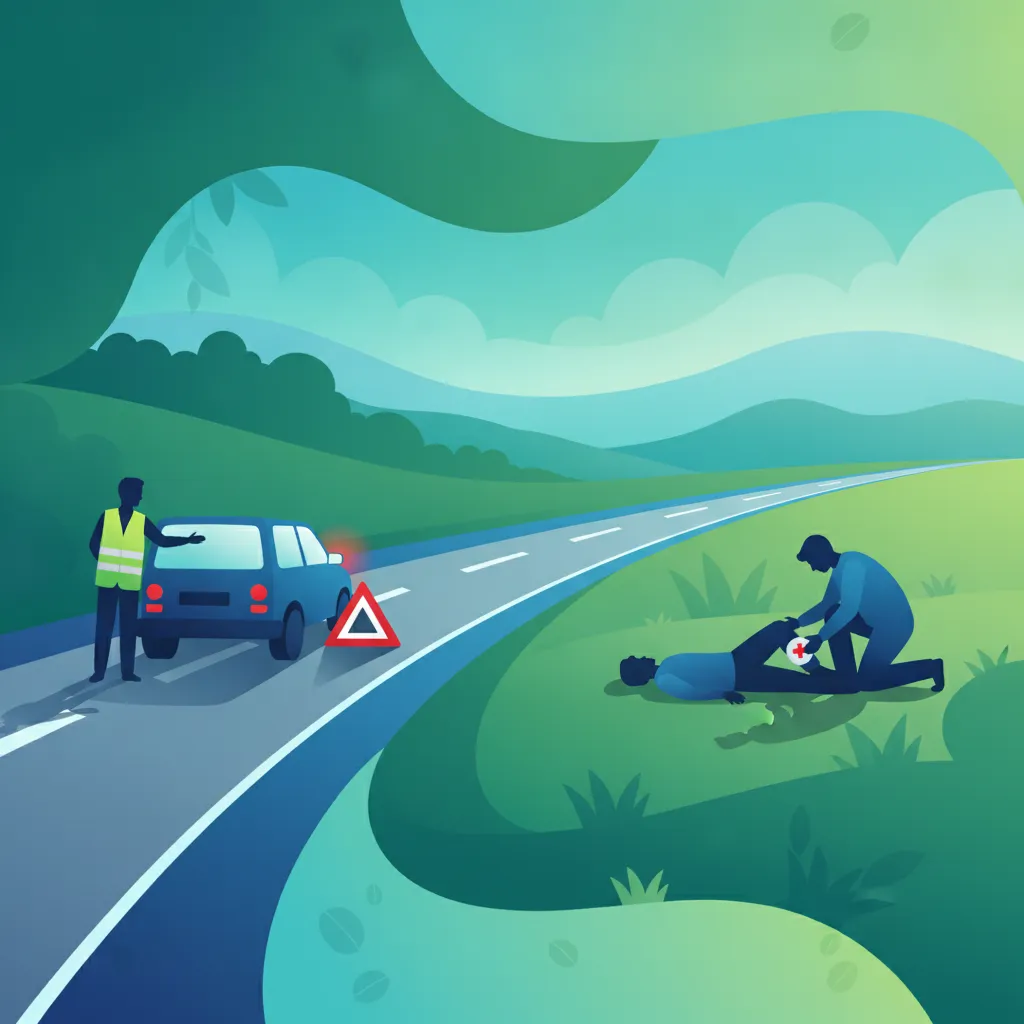
When encountering or participating in a road accident, following a strict safety protocol protects lives and prevents secondary crashes. This lesson covers the essential 'Protect, Alert, Rescue' (PAS) protocol, which involves wearing a yellow high-visibility vest, placing a warning triangle, and calling 112. You will also learn basic first-aid practices, how to secure victims, and the correct way to fill out an accident report.
This lesson emphasizes that driving a motorcycle in France involves unique moral and social responsibilities towards vulnerable road users like cyclists and pedestrians. You will examine the importance of defensive riding habits, civil road etiquette, and the prioritizing of shared road safety. Understanding these principles helps to prevent dangerous situations, respect local communities, and lower overall accident statistics.

In this lesson, drivers will learn the essential steps to take following an accident involving a goods vehicle. The content covers contacting emergency services via 112, providing first aid, and safely positioning the vehicle to protect other road users. Learners will be instructed on documenting the incident, notifying insurance providers, and fulfilling legal obligations for accident reporting, including gathering witness statements.
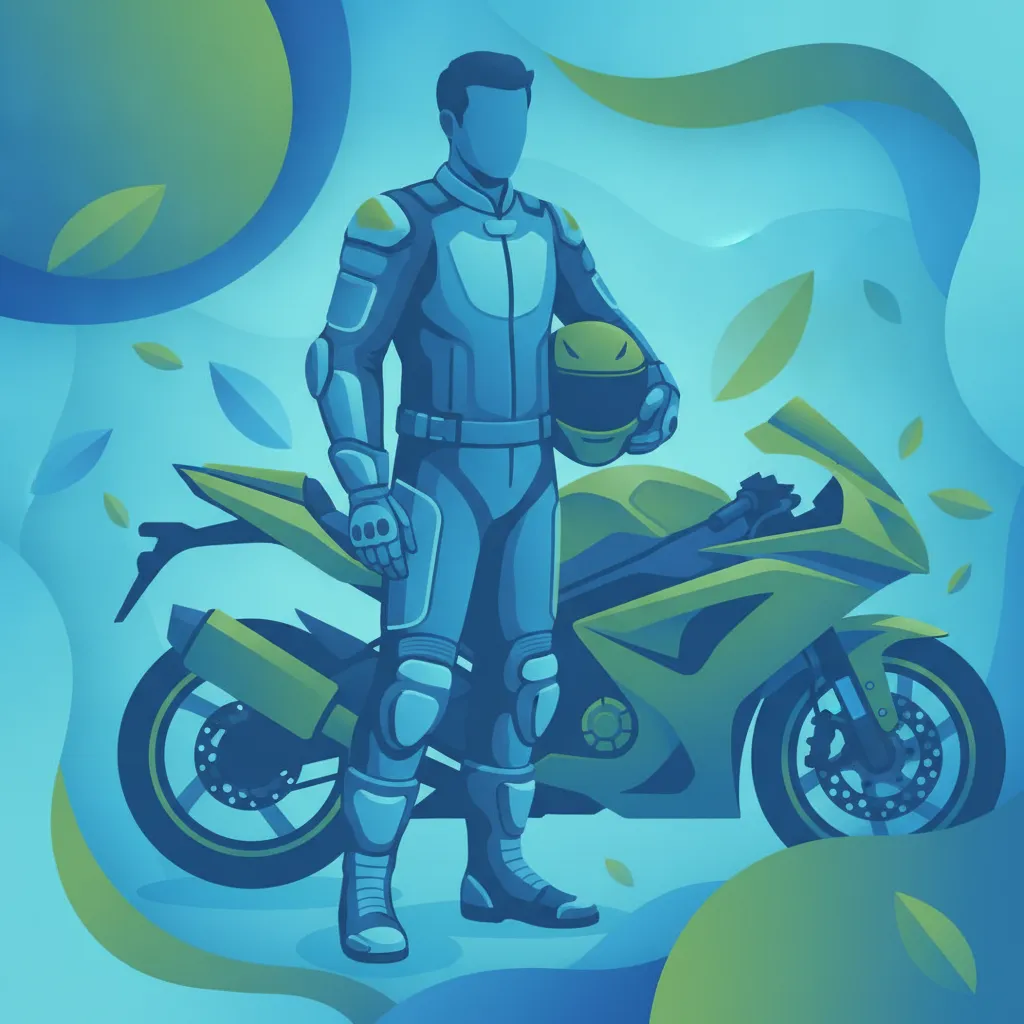
This lesson focuses on the importance of wearing appropriate protective clothing and gear, such as jackets, CE-certified gloves, and durable boots, that meet safety standards for impact and abrasion resistance. Learners will examine the material properties that provide optimal protection while ensuring comfort and adaptability to various weather conditions. Selecting correct gear helps mitigate injury severity and promotes long-term safety habits among AM riders.
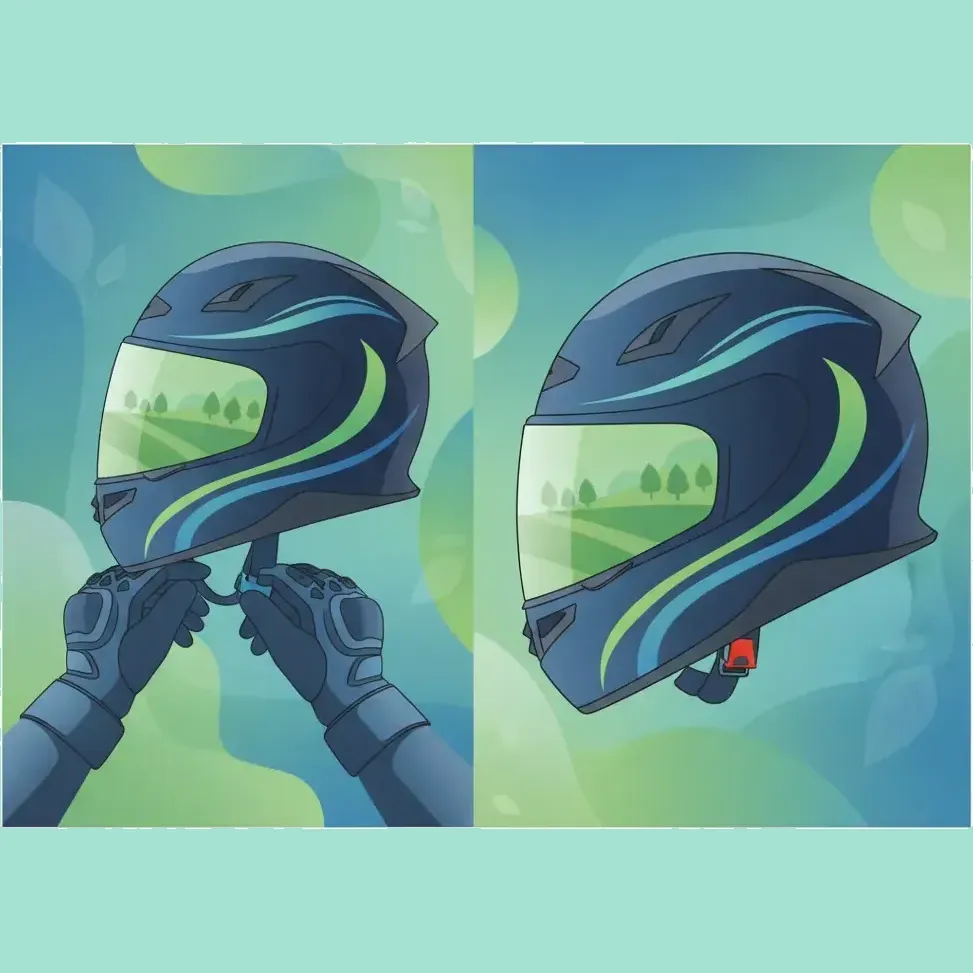
Learners will explore the legal mandate for wearing a helmet while operating an AM vehicle, focusing on the specific protective standards that helmets must meet in France. The lesson details how to correctly fit a helmet, secure straps, and verify certification markings such as the CE label. Understanding these requirements is essential for compliance with French law and for maximizing head injury protection in the event of an accident.
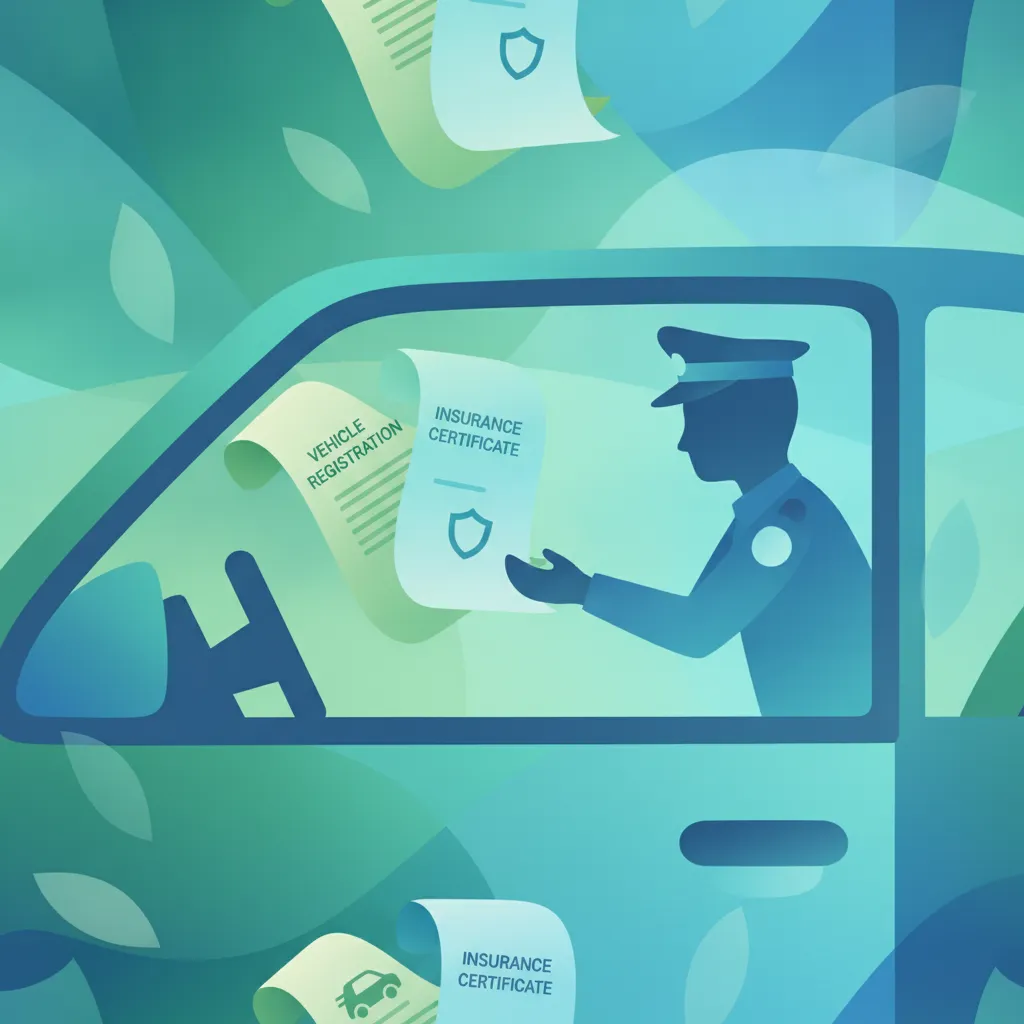
This lesson provides a comprehensive breakdown of the mandatory paperwork required to legally operate a motorcycle in France. It covers the exact details of obtaining the vehicle registration document, known as the carte grise, and securing the mandatory civil liability insurance. Additionally, you will learn how to properly display the green insurance certificate and understand the serious penalties for driving without proper coverage.

Learners explore the specific responsibilities that accompany operating a small, exposed vehicle, emphasizing the need for heightened defensive driving techniques under French law. The lesson stresses the importance of maintaining visibility and predictability, adhering strictly to the Code de la route, and understanding the dynamics of sharing the road safely. By internalizing these responsibilities, riders can significantly reduce risks and contribute to a safer traffic environment for all users.
This lesson covers the strict legal conditions under which you may overtake other vehicles on French roads, including necessary visibility criteria. You will master the step-by-step process of checking rearview mirrors, performing head checks, signaling, and maintaining a safe speed differential during the pass. It also details when overtaking is strictly forbidden, such as before intersections, near pedestrian crossings, or across solid lines.
Find clear answers to common questions learners have about Peer Pressure, Overconfidence, and Risky Behaviours. Learn how the lesson is structured, which driving theory objectives it supports, and how it fits into the overall learning path of units and curriculum progression in France. These explanations help you understand key concepts, lesson flow, and exam focused study goals.
Peer pressure can cause riders to adopt speeds or manoeuvres they are not comfortable with, leading to loss of control. In the context of the French theory exam, you must demonstrate the ability to maintain your own safe, legal pace regardless of the actions of other riders.
New riders often overestimate their ability to handle cornering or emergency braking. Recognizing your limitations is a sign of a competent rider and is frequently tested through scenario-based questions in the French theory exam.
Yes, the theory exam may present scenarios where you must decide the safest course of action when riding with others, emphasizing space management and personal responsibility over following the crowd.
The best approach is to prioritize your safety by maintaining a safe distance, riding your own ride, and being prepared to distance yourself from the group if their behaviour becomes reckless or violates the Code de la route.
Ready to focus your study? Use the practice search to find exactly the French driving theory questions you need for the Code de la route and permis de conduire ETG. Refine your knowledge on specific topics or challenging rules to boost your confidence and exam readiness.