
This lesson provides the essential knowledge for performing a rigorous, systematic pre-trip safety inspection required for professional passenger transport. You will learn to identify and verify the mechanical and technical requirements for D1, D1E, D, and DE vehicles to maintain roadworthiness and passenger safety. Understanding these routines is critical for both the professional driving exam and your ongoing duty of care as a driver.

Lesson content overview
Operating a passenger vehicle in professional service, particularly for categories D1, D1E, D, and DE in Germany, carries immense responsibility. The safety of numerous passengers and other road users hinges directly on the vehicle's condition and the driver's diligence. A systematic pre-trip inspection is not merely a recommendation; it is a fundamental duty and a legal requirement designed to proactively identify and mitigate potential hazards before a journey commences. This routine ensures the vehicle is fully roadworthy and equipped to handle the demands of passenger transport.
This lesson outlines the essential visual and functional checks that form a comprehensive pre-trip inspection routine. It delves into the specifics of examining critical components such as lights, tires, mirrors, and wipers, alongside verifying the presence and condition of mandatory safety equipment like emergency exits, fire extinguishers, and first-aid kits. By understanding and consistently applying these checks, professional drivers uphold their duty of care and contribute significantly to road safety.
A pre-trip inspection is a systematic, hands-on examination of a vehicle's critical systems and components performed before the start of each driving shift or journey. Its primary purpose is to confirm the vehicle's roadworthiness and prevent technical failures that could lead to accidents, delays, or legal penalties. This proactive approach is a cornerstone of professional driving, ensuring both passenger safety and operational reliability.
Visual checks involve a meticulous inspection of a vehicle's external and internal components for any signs of physical damage, wear, or obvious defects. This initial assessment provides a quick but crucial overview of the vehicle's immediate condition, allowing for the detection of issues before they escalate. For professional passenger vehicles, these checks are particularly vital given the higher mileage and stricter safety standards.
A systematic approach to visual checks begins with the vehicle's exterior, moving around methodically to cover all essential areas. You should look for any visible damage to the bodywork, windows, and mirrors, as well as ensure all registration plates are clean and clearly legible. Paying attention to these details can prevent minor issues from becoming significant safety concerns.
Tires are the vehicle's only contact with the road, making their condition paramount for safety. During a visual check, inspect each tire for adequate inflation, which can often be estimated visually or confirmed with a pressure gauge if necessary. Look for any signs of cuts, bulges, or embedded objects that could compromise tire integrity.
Always check tire pressure against the manufacturer's recommended values, especially before journeys involving heavy loads or high speeds.
Crucially, the tire tread depth must meet legal minimums. In Germany, the minimum legal tread depth for most vehicles, including passenger transport, is 1.6 millimetres. However, for optimum safety, especially in adverse weather conditions, a greater depth is advisable. Examine the wear pattern across the tread; uneven wear can indicate problems with wheel alignment or suspension. Also, check the wheel nuts for security and ensure there are no signs of corrosion or damage to the wheel rims themselves.
All exterior lights must be visually intact, free from cracks, and clean. This includes headlights (low and high beam), tail lights, brake lights, indicator lights, side marker lights, and fog lights. A quick visual scan around the vehicle confirms their physical presence and apparent condition.
Mirrors, both interior and exterior, must be clean, correctly adjusted for optimal rear and side visibility, and free from cracks or damage that could obscure the driver's view. Proper mirror adjustment is critical for minimizing blind spots, which are particularly large on passenger vehicles. Similarly, all windows and the windshield must be clean and clear, without any cracks or obstructions that could impair visibility. Pay special attention to the windshield, as even small chips can propagate into larger cracks, especially with temperature changes or vibrations.
While not always a full mechanical inspection, a visual check under the hood can quickly identify potential problems. Verify that the engine oil, coolant, brake fluid, and windshield washer fluid levels are within the recommended range. Low fluid levels can indicate leaks or neglect, potentially leading to system failure. Also, check for any visible leaks on the ground beneath the vehicle or around engine components.
Functional checks go beyond visual inspection, requiring the driver to actively test the operation of various vehicle systems. These tests confirm that components not only appear to be in good condition but also operate as intended, which is crucial for safe vehicle control and passenger protection.
Lights: Systematically activate all external and internal lights. This includes low beam, high beam, parking lights, tail lights, brake lights (requiring assistance or reflection), turn signals (front, side, rear), hazard warning lights, reverse lights, and interior passenger compartment lighting. Ensure all bulbs illuminate correctly and are of the appropriate brightness.
Brakes: Test the service brake by applying steady pressure to the brake pedal. It should feel firm and not spongy, indicating proper hydraulic pressure. Listen for any unusual sounds like grinding or squealing. For air brake systems, ensure the air pressure builds up correctly and holds steady. Test the parking brake (handbrake) to ensure it holds the vehicle securely on a slight incline.
Steering System: With the engine running, turn the steering wheel from lock to lock. The steering should feel smooth, without excessive play, stiffness, or unusual noises. Any resistance or clicking sounds warrant further investigation.
Wipers and Washers: Operate the windshield wipers to ensure they move smoothly across the glass and effectively clear water without streaking. Test the washer fluid system to confirm it sprays adequately onto the windshield.
Horn: Briefly sound the horn to confirm it is fully functional and audible. This is a crucial safety device for alerting other road users.
Dashboard Warning Lights: Before starting the engine, observe the dashboard. All warning lights should illuminate momentarily and then extinguish, indicating the system self-check is complete and no critical faults are present. Any warning light remaining on requires immediate attention.
Doors and Emergency Exits: Check all passenger doors and emergency exits for proper operation, ensuring they open and close smoothly and their mechanisms are not obstructed. For emergency exits, verify that the release mechanisms are clearly marked and easily accessible.
Beyond the vehicle's operational systems, professional passenger vehicles are legally required to carry specific safety equipment designed to manage emergencies effectively. The absence, damage, or inaccessibility of these items not only constitutes a legal violation but can also severely compromise safety during an incident.
The mandatory safety equipment for passenger vehicles (D1, D1E, D, DE categories) in Germany includes items to address medical emergencies, fires, and roadside breakdowns. Each item must be present, in good condition, and easily accessible to the driver and, in some cases, passengers.
Safety gear specifically required by German law for passenger transport vehicles, designed to provide immediate resources in emergency situations.
A properly stocked and unexpired first-aid kit is essential. In Germany, the contents and packaging of first-aid kits in vehicles are regulated by DIN 13164. The kit must be readily accessible within the passenger compartment, not hidden in the trunk or a locked compartment. Check its expiry date and ensure all contents are present and in good condition.
Passenger vehicles, especially those transporting numerous people, must carry a fire extinguisher. The size and type may vary, but it must be approved for automotive use. Critically, check the pressure gauge on the extinguisher; it should indicate that the extinguisher is charged (typically in the green zone). Verify the last inspection date, as these units require periodic servicing or replacement. The extinguisher must be securely mounted and easily accessible to the driver.
A warning triangle is legally required for use in the event of a breakdown or accident. It must be in perfect condition, reflect light effectively, and be easily deployable. Ensure it is stored in a location where it can be quickly retrieved without having to access the trunk during an emergency (e.g., in a side compartment).
At least one high-visibility warning vest, conforming to EN ISO 20471 standards, must be present in the vehicle. It should be easily accessible from the driver's seat, allowing the driver to put it on immediately upon exiting the vehicle after a breakdown or accident, especially on busy roads.
Emergency exits, such as roof hatches and emergency windows, must be clearly marked with specific instructions on how to open them. Test their mechanisms to ensure they are not jammed. Any tools required to operate these exits (e.g., emergency hammers for breaking glass) must be present, securely stored, and easily accessible. Verify that the escape route markings are visible and illuminated if applicable.
Daily inspections are a crucial part of maintaining a vehicle's roadworthiness, but they are also complemented by more formal, periodic assessments. These layers of checks collectively ensure that a professional passenger vehicle consistently meets the high safety standards required by German law.
In Germany, commercial vehicles, including passenger transport vehicles (categories D1, D1E, D, DE), are subject to regular statutory roadworthiness inspections, known as the Hauptuntersuchung (HU) or General Inspection, often performed by organizations like TÜV, DEKRA, or GTÜ. These inspections are typically annual for professional passenger vehicles and are far more comprehensive than a daily driver check, involving detailed technical examinations of all safety-critical components.
A formal, periodic assessment in Germany that verifies a vehicle meets minimum safety, environmental, and legal standards. Also known as the General Inspection.
Passing an HU results in a valid inspection sticker (Prüfplakette) affixed to the rear number plate, indicating the month and year of the next due inspection. It is imperative that this sticker is valid before every journey. However, a valid HU sticker does not negate the need for daily pre-trip inspections; rather, the daily checks complement the formal inspections by catching issues that may arise between HUs.
Professional drivers of passenger vehicles in Germany are legally obligated to ensure their vehicle is safe and roadworthy before every journey. This responsibility is enshrined in various traffic laws, including the Straßenverkehrs-Zulassungs-Ordnung (StVZO – Road Traffic Licensing Regulations) and the Straßenverkehrsordnung (StVO – Road Traffic Regulations).
Failure to conduct the required daily inspections or operating a vehicle with known defects or missing mandatory safety equipment can lead to severe consequences. These include:
Ignoring identified defects or skipping pre-trip checks can not only endanger lives but also lead to severe legal and financial repercussions for professional drivers and their employers.
Proper application of the rules involves conducting the inspection thoroughly, documenting any identified issues, and ensuring they are rectified before departure. This may involve minor adjustments, repairs, or, in serious cases, taking the vehicle out of service until it can be safely operated.
The effectiveness of daily safety inspections is greatly enhanced by considering various contextual factors and understanding common challenges. A truly professional driver adapts their inspection routine to prevailing conditions and remains vigilant for subtle signs of trouble.
Different circumstances can heighten the importance of specific checks:
Even experienced drivers can overlook critical aspects during a routine, especially under time pressure. Being aware of common pitfalls helps maintain vigilance:
The cause-and-effect relationship here is direct: a correctly performed, thorough inspection ensures vehicle systems function as intended, thereby significantly reducing the risk of accidents and fostering a safer driving environment. Conversely, a neglected or incomplete inspection dramatically increases the likelihood of equipment failure, potentially leading to dangerous situations, accidents, and legal repercussions.
The daily safety inspection is a cornerstone of professional passenger vehicle operation. It embodies the principle of preventive safety, addressing potential hazards before they manifest during active service. By systematically conducting visual and functional checks of all critical components – from lights and tires to brakes and mandatory safety equipment – professional drivers ensure their vehicle is in optimal condition to transport passengers safely.
This routine not only safeguards passengers and other road users but also protects the driver from legal penalties and ensures compliance with strict German traffic regulations. A commitment to thorough and consistent pre-trip inspections is a hallmark of professional responsibility and an indispensable practice for anyone holding a Professional German Passenger-Vehicle Theory Licence (Categories D1, D1E, D, DE).
Professional passenger vehicle drivers in Germany must perform systematic daily pre-trip inspections combining both visual checks for physical damage and functional tests of operational systems. Critical areas include tire condition and pressure, all vehicle lighting from headlights to brake lights, braking efficiency, steering responsiveness, and wiper functionality. Mandatory safety equipment must be present, properly stored, and easily accessible, including a DIN 13164 first-aid kit, approved fire extinguisher with adequate pressure, warning triangle, and high-visibility vest. Drivers must adapt inspection intensity based on weather conditions, road type, and vehicle load, with heightened attention required for motorway driving and heavy passenger loads. Non-compliance with inspection requirements can result in fines, points on the Flensburg register, vehicle impoundment, and potential criminal liability if accidents result from neglected defects.
A short set of high-value points that capture the most important learning from this lesson.
Daily pre-trip inspections are a legal obligation for professional passenger vehicle drivers in Germany, not merely a recommendation.
Tire tread depth must meet the German legal minimum of 1.6 mm, though greater depth is advisable for safety in adverse conditions.
Functional checks must actively test systems like lights, brakes, steering, and wipers rather than relying solely on visual inspection.
Mandatory safety equipment includes a DIN 13164-compliant first-aid kit, approved fire extinguisher, warning triangle, and high-visibility vest conforming to EN ISO 20471.
A valid Hauptuntersuchung (HU) inspection sticker does not replace the need for daily pre-trip inspections.
Explore all units and lessons included in this driving theory course.
The complete functional check sequence includes testing all lights, brakes, steering, wipers, horn, dashboard warning lights, and emergency exits.
First-aid kits must be readily accessible within the passenger compartment, not stored in a locked trunk or behind luggage.
For air brake systems, verify that air pressure builds correctly and holds steady before departure.
Mirror adjustment must be checked and confirmed from the driving position, as they can be knocked out of position.
Emergency exit mechanisms must be tested and clearly marked with accessible release tools like emergency hammers.
Assuming lights are functional without actively testing them, particularly brake lights which require assistance or reflection to verify.
Storing safety equipment in locked compartments or under luggage, making it inaccessible during actual emergencies.
Neglecting to check tire pressure with a gauge, relying only on visual estimation which may not detect slow leaks.
Overlooking brake fluid level checks, which can indicate leaks or excessive pad wear before brake performance is visibly affected.
Failing to test emergency exit mechanisms, assuming they work without verifying they are not jammed or obstructed.
Lesson content overview
A short set of high-value points that capture the most important learning from this lesson.
Daily pre-trip inspections are a legal obligation for professional passenger vehicle drivers in Germany, not merely a recommendation.
Tire tread depth must meet the German legal minimum of 1.6 mm, though greater depth is advisable for safety in adverse conditions.
Functional checks must actively test systems like lights, brakes, steering, and wipers rather than relying solely on visual inspection.
Mandatory safety equipment includes a DIN 13164-compliant first-aid kit, approved fire extinguisher, warning triangle, and high-visibility vest conforming to EN ISO 20471.
A valid Hauptuntersuchung (HU) inspection sticker does not replace the need for daily pre-trip inspections.
Explore all units and lessons included in this driving theory course.
The complete functional check sequence includes testing all lights, brakes, steering, wipers, horn, dashboard warning lights, and emergency exits.
First-aid kits must be readily accessible within the passenger compartment, not stored in a locked trunk or behind luggage.
For air brake systems, verify that air pressure builds correctly and holds steady before departure.
Mirror adjustment must be checked and confirmed from the driving position, as they can be knocked out of position.
Emergency exit mechanisms must be tested and clearly marked with accessible release tools like emergency hammers.
Assuming lights are functional without actively testing them, particularly brake lights which require assistance or reflection to verify.
Storing safety equipment in locked compartments or under luggage, making it inaccessible during actual emergencies.
Neglecting to check tire pressure with a gauge, relying only on visual estimation which may not detect slow leaks.
Overlooking brake fluid level checks, which can indicate leaks or excessive pad wear before brake performance is visibly affected.
Failing to test emergency exit mechanisms, assuming they work without verifying they are not jammed or obstructed.
Explore search topics learners often look for when studying Safety Checks and Daily Inspection Routine. These topics reflect common questions about road rules, driving situations, safety guidance, and lesson level theory preparation for learners in Germany.
Browse additional driving theory lessons that cover connected traffic rules, road signs, and common driving situations related to this topic. Improve your understanding of how different rules interact across everyday traffic scenarios.
Understand the critical roadworthiness standards and ongoing maintenance necessary for D1, D, and DE category vehicles in Germany. This lesson covers essential checks to ensure your passenger vehicle remains safe and compliant.

This lesson explains the legal framework for ensuring a passenger vehicle's roadworthiness, focusing on periodic technical inspections (TÜV) and scheduled maintenance. It identifies critical wear components, such as brakes and tires, that require regular monitoring and replacement. The importance of adhering to service intervals and maintaining accurate maintenance logs for regulatory compliance is also thoroughly covered.

This lesson outlines the legal requirements for vehicle roadworthiness, including mandatory periodic inspections (TÜV) and the issuance of safety certificates. It explains the standards for emissions, safety devices, and the proper documentation of defects. The content underscores the importance of complying with inspection intervals and addressing repair obligations promptly.
This lesson outlines the driver's legal responsibility to ensure their vehicle is in a safe and roadworthy condition before every journey. It covers essential pre-drive checks, such as verifying lights, tyres, and fluid levels (oil, coolant, washer fluid). The lesson also explains the mandatory equipment that must be carried in the vehicle, including a warning triangle, high-visibility vest, and first-aid kit.

This lesson provides a systematic approach to pre-drive inspection, outlining a comprehensive checklist to verify fluid levels, brake functionality, and tyre condition. It emphasizes the importance of checking lighting, mirror adjustments, and load securement before every journey. The content highlights safety protocols to ensure the vehicle is roadworthy.

This lesson teaches riders how to conduct a simple but crucial pre-ride inspection of their vehicle. It provides step-by-step guidance on checking tyre pressure and tread depth, verifying brake function, and ensuring all lights are operational. Regular maintenance is presented as a fundamental responsibility for every rider.

This lesson examines the professional standards expected of passenger-vehicle drivers. It covers the importance of maintaining public trust through reliability, punctuality, and a professional demeanor. Key skills such as effective passenger communication, conflict resolution, and stress management are discussed as vital components of a driver's accountability and adherence to regulations.
Learn about the essential safety equipment required for passenger vehicles, including fire extinguishers and first-aid kits, as detailed in German traffic law. This lesson covers their proper use and location for emergency situations.

This lesson outlines a clear, systematic procedure for managing a vehicle breakdown safely and efficiently. It covers immediate actions such as activating hazard lights, placing a warning triangle, and moving the vehicle to a safe location if possible. Learners will understand how to communicate the situation to passengers, decide if an evacuation is necessary, and contact the appropriate breakdown services for assistance.

This lesson details the driver's legal responsibility for the safety of all passengers. It reinforces the mandatory use of seat belts for everyone in the vehicle. A significant focus is placed on the strict regulations for child safety, explaining the types of child restraint systems required based on a child's age, height, and weight, and how to install them correctly.
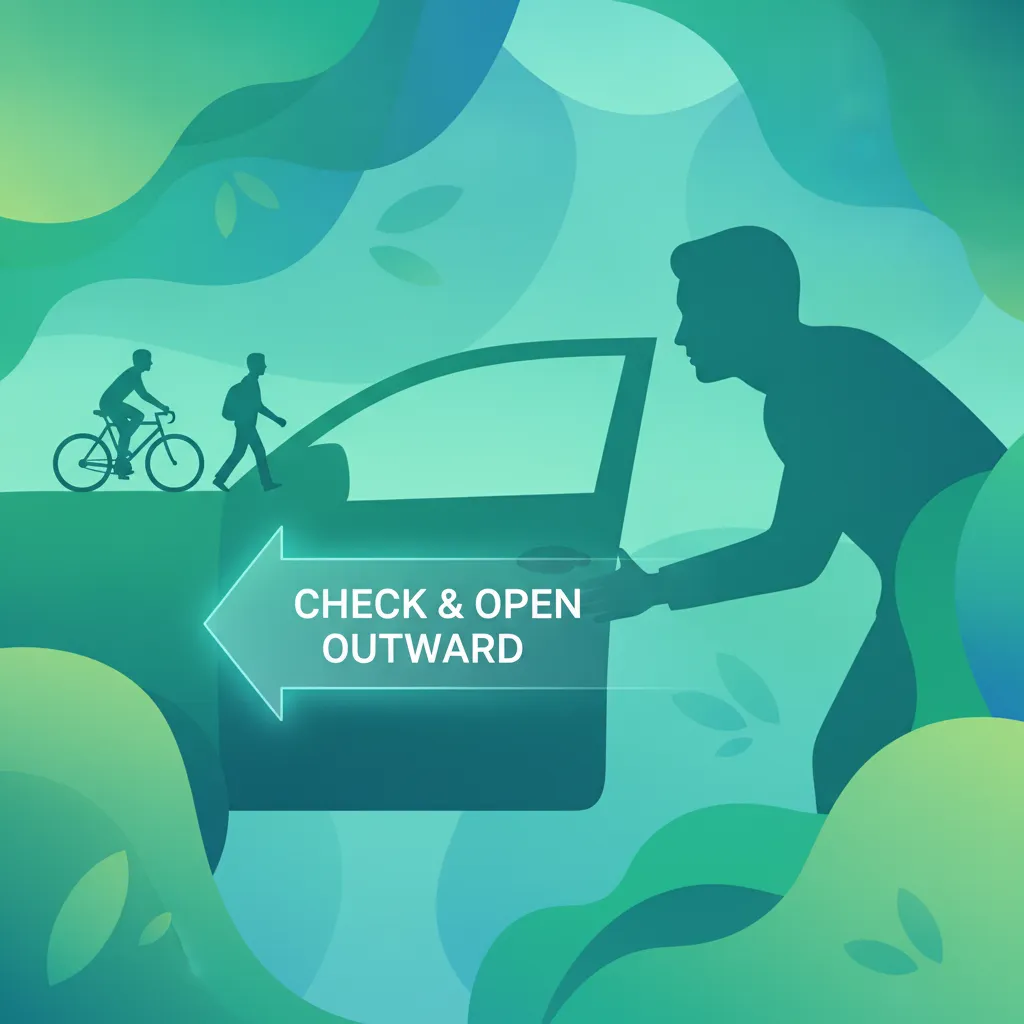
This lesson focuses on the safe operation of passenger doors, a critical aspect of daily duties. It explains the function of safety interlocks that prevent the vehicle from moving while doors are open and the importance of visually monitoring passengers. Learners will master the sequence of checking for obstructions, confirming all passengers are clear, and securely closing doors before departure.

This lesson addresses the specific safety protocols required when transporting standing passengers. It explains the importance of ensuring passengers have access to handholds and are distributed evenly to maintain vehicle stability. Learners will understand their responsibility to drive smoothly, make announcements about sudden stops, and adhere to legal capacity limits for standing passengers.
This lesson explains the legal framework for ensuring a passenger vehicle's roadworthiness, focusing on periodic technical inspections (TÜV) and scheduled maintenance. It identifies critical wear components, such as brakes and tires, that require regular monitoring and replacement. The importance of adhering to service intervals and maintaining accurate maintenance logs for regulatory compliance is also thoroughly covered.

This lesson focuses on fire safety protocols for passenger vehicles, covering both prevention and response. It teaches the location and proper use of fire extinguishers and the importance of recognizing potential fire hazards during pre-trip inspections. A primary focus is on the procedure for a calm and orderly evacuation, including how to operate emergency exits and guide all passengers, including those with mobility issues, to a safe location.
This lesson outlines the legal requirements for vehicle roadworthiness, including mandatory periodic inspections (TÜV) and the issuance of safety certificates. It explains the standards for emissions, safety devices, and the proper documentation of defects. The content underscores the importance of complying with inspection intervals and addressing repair obligations promptly.

This lesson provides clear, step-by-step instructions on what to do at the scene of a traffic accident. It covers the immediate priorities: stopping, securing the area with a warning triangle, and putting on a high-visibility vest. The lesson details how to make an effective emergency call to '112' and what information to provide, as well as the procedure for exchanging insurance details with other parties involved.

This lesson details the various seating configurations and restraint systems found in passenger vehicles, including three-point and lap belts. It explains the legal regulations surrounding seat belt usage and provides strategies to ensure passenger compliance for maximum safety. The correct application of child safety seats and the importance of secure fastening for all restraint systems are also emphasized to prevent injuries.

This lesson focuses on identifying road users who require special attention and caution, such as children, the elderly, and individuals with disabilities. It details the appropriate behavior when encountering school buses and public transport, which often involve unpredictable pedestrian movement. A critical topic covered is the legal requirement to form an emergency corridor ('Rettungsgasse') for responding emergency vehicles.
Find clear answers to common questions learners have about Safety Checks and Daily Inspection Routine. Learn how the lesson is structured, which driving theory objectives it supports, and how it fits into the overall learning path of units and curriculum progression in Germany. These explanations help you understand key concepts, lesson flow, and exam focused study goals.
If you identify a defect that compromises road safety or violates legal requirements, you must report it immediately to your operator or maintenance department. The vehicle must not be used for passenger transport until the fault has been rectified and cleared for safe operation.
You are required to verify the presence, accessibility, and expiration dates of items such as a fire extinguisher, a first-aid kit, and an emergency triangle. Depending on the vehicle size and usage, additional equipment like emergency hammers for glass breakage and clear signage for emergency exits are also critical.
Yes, every vehicle used for commercial passenger transport must undergo a documented daily check, regardless of its age or condition. This ensures that any issues, such as tire pressure drops or lighting failures, are caught immediately before they cause a breakdown or accident.
The theory exam often presents scenarios where you must identify the correct action regarding vehicle readiness. Mastering this lesson ensures you can distinguish between minor issues and critical defects that forbid the use of the vehicle in the eyes of the law.
Begin your targeted revision now. Use our practice search to quickly find specific German driving theory questions. Filter by StVO rules, road signs, or hazard perception to create your focused study plan. Master challenging areas and prepare confidently for your theoretical driving test.