
This lesson provides a critical overview of blind spot management for drivers of heavy vehicles in categories C1, C1E, C, and CE. You will learn to identify the dangerous zones around your truck or combination and master the practical use of mirror systems to ensure road safety.
Lesson content overview
Operating a heavy vehicle, whether it's a truck, bus, or vehicle combination, presents unique challenges compared to driving a passenger car. One of the most critical aspects of safe heavy vehicle operation, particularly for those pursuing a German heavy vehicle driving license in categories C1, C1E, C, and CE, is mastering blind spot management. These unseen areas around your vehicle are common sites for collisions, especially involving vulnerable road users. This lesson will provide a detailed understanding of these blind spots, equipping you with the knowledge and strategies to mitigate their risks.
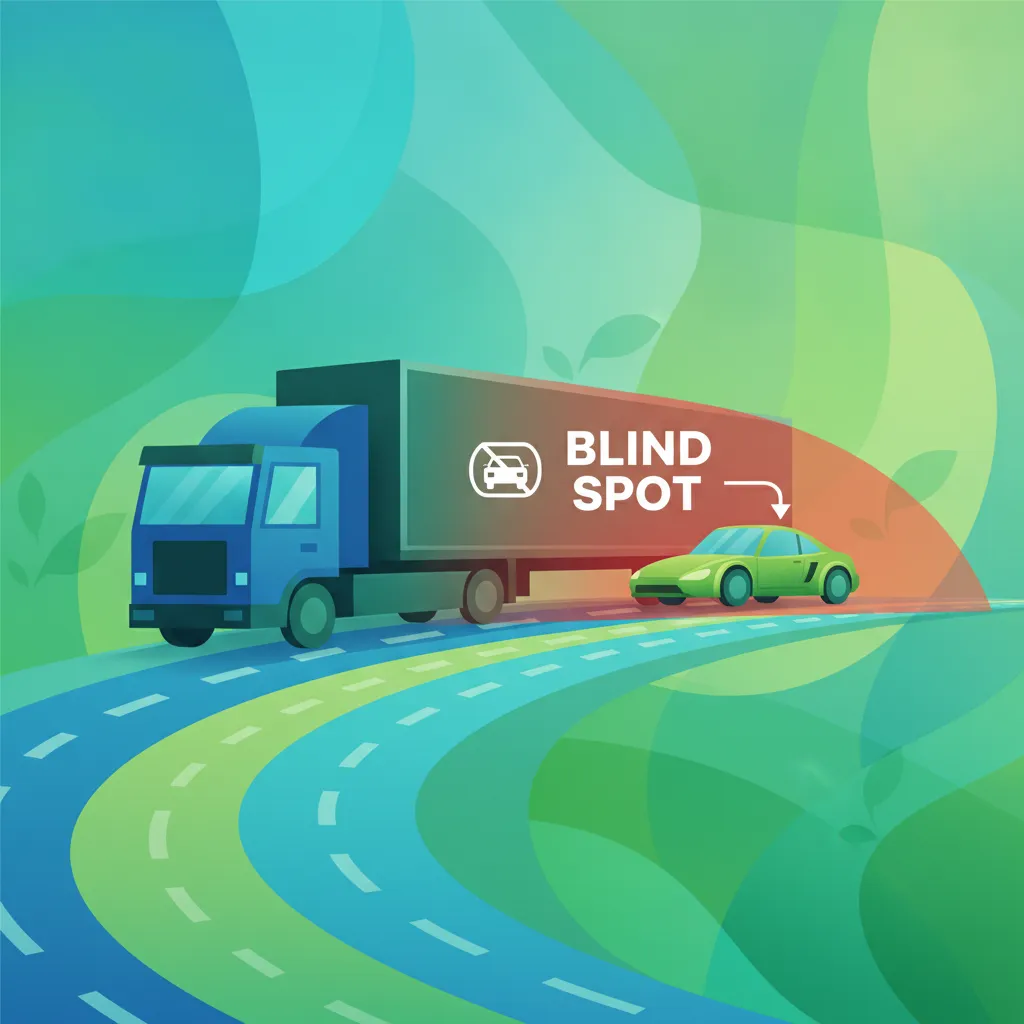
Blind spots are specific areas around any vehicle that cannot be directly observed by the driver using standard rear-view or side mirrors. For heavy goods vehicles, buses, and vehicle combinations, these blind spots, often referred to as "No-Zones," are significantly larger and more numerous than those of smaller vehicles. Their substantial size and inherent design limitations mean that objects, vehicles, or pedestrians can entirely disappear from a driver's view, creating substantial accident risks during maneuvers.
The primary purpose of understanding and actively managing blind spots is to prevent collisions. Drivers must develop a systematic approach to identify, monitor, and compensate for these zones, integrating additional mirrors, visual checks, and spatial awareness into every driving decision. This directly connects to broader topics of vehicle dimensions, load securing, and safe maneuvering, forming a cornerstone of professional heavy vehicle driving.
A blind spot is an area of the road that is not visible to the driver, either through the windscreen, side windows, or any of the vehicle's mirrors. For a heavy vehicle, these zones are expansive, making them inherently dangerous. Vehicles, motorcycles, cyclists, and pedestrians can easily enter these areas and become completely invisible to the driver, leading to unexpected and potentially severe accidents.
Recognizing these areas is the first step towards prevention. The larger the vehicle or combination, the greater the number and size of these hidden zones. Professional drivers must always assume that other road users may be present within these blind spots and take proactive measures to confirm the area is clear before any maneuver.
Heavy vehicles have several critical blind spot zones that demand constant attention. These zones are influenced by the vehicle's height, length, width, and the driver's elevated seating position.
The front blind spot is the area directly in front of the truck or bus that is not visible to the driver, particularly close to the bumper. Due to the high seating position of heavy vehicle drivers, objects or individuals close to the ground and directly in front of the vehicle are often obscured. This zone can extend several metres from the front bumper, making it particularly dangerous for pedestrians, children, and smaller vehicles, especially when starting from a stop or maneuvering in tight spaces.
It's a common mistake for drivers to assume that if they can't see anything, nothing is there. However, this front blind spot is a prime example of where this assumption can lead to catastrophic consequences. Before moving off, especially after a stop in urban areas or construction zones, a thorough check of this area is paramount.
The side blind spots are arguably the most notorious and dangerous areas. These zones run along both sides of the heavy vehicle, extending from just behind the cab for many metres rearward.
These side blind spots are dynamic and can change based on the length of the trailer, articulation angle, and other factors. Continuous scanning and the correct use of all available mirrors are essential to monitor these zones effectively.
The rear blind spot refers to the area directly behind the heavy vehicle or combination that is not visible to the driver through any mirrors. For trucks with trailers or buses, this zone is often enormous, extending for many metres behind the vehicle. Unlike cars that often have a rear-view mirror offering some direct visibility, heavy vehicles frequently have no direct rear visibility at all, especially with box trailers or articulated combinations.
Reversing maneuvers are particularly high-risk due to this extensive rear blind spot. It is crucial to use all available aids, such as additional mirrors, camera systems, and especially a spotter or marshaller, to ensure the area is clear. Relying solely on mirrors for reversing a large combination is highly dangerous.
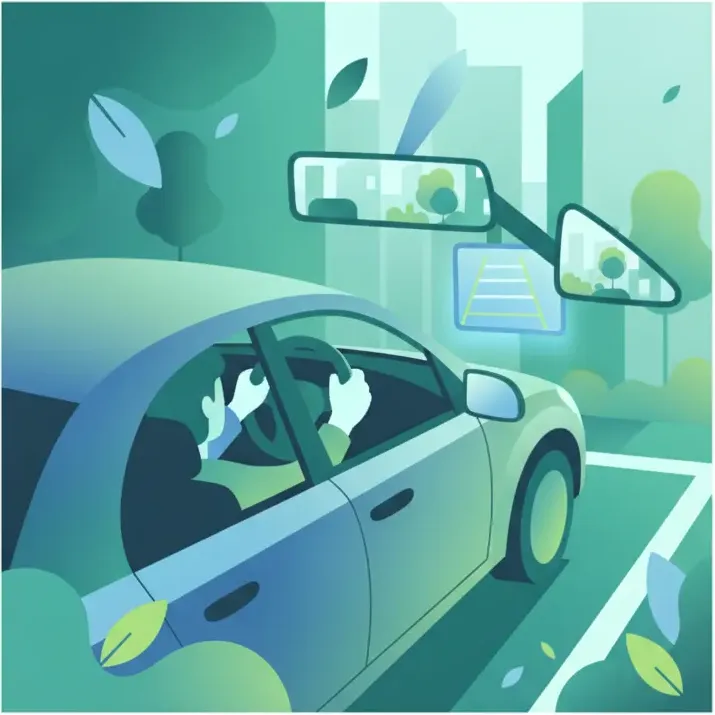
To compensate for the inherent limitations of standard mirrors and the extensive blind spots of heavy vehicles, specialized blind spot mirrors are legally mandated and vital safety tools. These are convex mirrors designed to provide a wider field of view than flat mirrors, thus revealing areas that would otherwise be obscured.
Blind spot mirrors are typically small, convex mirrors mounted either directly onto the main side mirrors or on the vehicle's A-pillar (the vertical support structure between the windscreen and the side window).
It is imperative that these mirrors are correctly adjusted and regularly cleaned. A misaligned or dirty blind spot mirror is as dangerous as not having one at all. They must provide a clear, continuous view of the critical zones alongside your vehicle, allowing you to track other road users as they move into and out of your main mirror's field of vision.
Adjusting Blind Spot Mirrors: Always adjust your blind spot mirrors to overlap slightly with the view from your main side mirror. This creates a continuous field of vision, allowing you to track other vehicles or pedestrians as they transition from one mirror's view to the next.
Changing lanes safely with a truck, bus, or combination demands a systematic, multi-step approach due to the vehicle's size, inertia, and extensive blind spots. Rushing this procedure is a common cause of accidents.
Initial Mirror Check: Begin by checking your main rear-view and side mirrors to assess the traffic situation in the intended lane and the lane you are currently in. Look for traffic approaching from behind or alongside.
Signal Intent: Activate your turn indicator (Blinker) well in advance – legally, this should be at least three seconds before you begin the lane change. This warns other road users of your intentions, allowing them time to react and adjust their speed or position.
Blind Spot Mirror Check: After signaling, immediately check your blind spot mirrors for any vehicles, motorcycles, or cyclists that may have entered these critical zones. Remember the distance distortion and evaluate carefully.
Visual Head Turn (Shoulder Check): This is a crucial, non-negotiable step. Briefly turn your head to physically look over your shoulder into the blind spot area. This direct visual check confirms what your mirrors may not show and can reveal objects directly alongside your vehicle that are hidden by the door pillar or the mirror housing itself. This is especially vital on the right side for cyclists.
Assess and Execute: If the path is clear, smoothly and gradually steer into the new lane. Avoid sudden or sharp movements. Be mindful of your vehicle's length and width, ensuring the entire combination clears the old lane and enters the new one safely.
Cancel Signal: Once the maneuver is complete and your vehicle is fully established in the new lane, cancel your turn indicator.
Never rely solely on mirrors. Even with blind spot mirrors, a direct visual check (head turn) is indispensable, particularly before moving right, due to the sheer size of heavy vehicle blind spots and the vulnerability of cyclists and pedestrians.
Turning with a large vehicle or combination presents heightened blind spot risks, particularly in urban environments with high concentrations of vulnerable road users. The increased turning radius and the extensive swept path of heavy vehicles mean that areas around the vehicle become blind zones where cyclists and pedestrians can easily be overlooked.
Always signal your intention to turn well in advance. Before commencing the turn, perform comprehensive mirror and blind spot checks. Pay particular attention to the area around the front and sides of your vehicle, where vulnerable road users are most likely to be present. Never assume a clear path; actively confirm it.
Vulnerable road users – pedestrians, cyclists, and motorcyclists – are at extreme risk around heavy vehicles, primarily due to the vast blind spots and the sheer difference in size and mass. As a professional heavy vehicle driver in Germany, your responsibility to protect these road users is paramount.
The "Look Left, Look Right" Rule: When making a right turn, especially after swinging wide, always check your left mirror for any vehicles attempting to pass on your left, and then focus your attention on your right side mirror and blind spot for vulnerable road users before committing to the turn.
Maintaining a safe distance from vulnerable road users is not just a recommendation but a critical safety practice. Avoid cutting off cyclists or pedestrians, and always give them the right-of-way when unsure.
In Germany, the Straßenverkehrs-Ordnung (StVO – Road Traffic Regulations) and the Straßenverkehrs-Zulassungs-Ordnung (StVZO – Road Traffic Licensing Regulations) lay down the framework for road safety, including specific requirements for heavy vehicles concerning mirrors and maneuvering.
Blind spot management is not a static task; it must adapt to various environmental and operational conditions. Several factors can significantly alter the size and danger of blind spots.
Reduced ambient light significantly increases the danger of blind spots. It is harder to spot dark objects or road users without reflective clothing. Proper use of headlights (Abblendlicht and Fernlicht when appropriate) and increased vigilance are crucial. Vehicles or objects in blind spots might only become visible when their lights reflect in your mirrors.
Even experienced drivers can fall victim to common errors regarding blind spots. Awareness of these pitfalls is key to avoiding accidents.
Mastering blind spot management is an indispensable skill for any heavy vehicle driver in Germany, underpinning safe operation and compliance with road traffic regulations. It requires a systematic approach, constant vigilance, and a deep understanding of your vehicle's physical limitations. By actively identifying blind spot zones, correctly utilizing specialized mirrors, adhering to stringent lane change and turning procedures, and prioritizing the safety of vulnerable road users, you significantly reduce the risk of accidents.
Always remember that human perception has inherent limitations, and even advanced mirror systems cannot completely eliminate all blind spots. Therefore, a combination of technology, careful procedures, and keen situational awareness is your best defense against the unseen. Embrace these principles, and you will contribute to safer roads for everyone.
Blind spot management for heavy vehicles requires understanding that these vehicles have extensive blind spot zones that are significantly larger and more numerous than those of passenger cars. The right-side blind spot is particularly dangerous during right turns where cyclists can become trapped in the swing-out zone. Proper blind spot mirror adjustment with overlapping views, combined with mandatory head turns, creates a layered safety approach. Vulnerable road users including cyclists, pedestrians, and motorcyclists face the greatest risk due to their visibility challenges and limited protection. German traffic regulations under StVO and StVZO mandate specific mirror equipment and comprehensive pre-maneuver checks to mitigate these hazards.
A short set of high-value points that capture the most important learning from this lesson.
Heavy vehicles have significantly larger blind spots than passenger cars, including areas directly in front, along both sides, and behind the vehicle that can extend several meters
Blind spot mirrors are convex and distort distance, making objects appear smaller and further away than they actually are
The right-side blind spot is typically the largest and most dangerous, particularly during right turns where cyclists are at extreme risk
A systematic multi-step approach is essential before any lane change: initial mirror check, signal, blind spot mirror check, head turn, then execute
Vulnerable road users including cyclists, pedestrians, and motorcyclists are at extreme risk around heavy vehicles due to the vast blind spots and size differential
Explore all units and lessons included in this driving theory course.
The front blind spot extends several meters from the bumper due to the elevated seating position of heavy vehicle drivers
During turns, the rear wheels track inside the path of the front wheels - known as the swept path - creating dynamic blind spots that shift continuously
Blind spot mirrors must overlap slightly with main side mirror views to create continuous coverage along the vehicle's sides
Head turns (shoulder checks) are non-negotiable because mirrors cannot eliminate all blind spots, particularly directly alongside the cab
Right turns require the vehicle to swing wide left first (ausholen), creating a gap on the right that cyclists may incorrectly occupy
Relying solely on mirrors without performing a direct head turn (shoulder check), which is the most critical safety step
Failing to check blind spot mirrors, assuming standard mirrors provide sufficient coverage
Not adjusting mirrors after changes in load, driver, or when parking on uneven ground
Initiating turns without confirming the entire swept path is clear of vulnerable road users
Neglecting to clean mirrors regularly - dirt, rain, snow, or ice renders blind spot mirrors as dangerous as having none
Lesson content overview
A short set of high-value points that capture the most important learning from this lesson.
Heavy vehicles have significantly larger blind spots than passenger cars, including areas directly in front, along both sides, and behind the vehicle that can extend several meters
Blind spot mirrors are convex and distort distance, making objects appear smaller and further away than they actually are
The right-side blind spot is typically the largest and most dangerous, particularly during right turns where cyclists are at extreme risk
A systematic multi-step approach is essential before any lane change: initial mirror check, signal, blind spot mirror check, head turn, then execute
Vulnerable road users including cyclists, pedestrians, and motorcyclists are at extreme risk around heavy vehicles due to the vast blind spots and size differential
Explore all units and lessons included in this driving theory course.
The front blind spot extends several meters from the bumper due to the elevated seating position of heavy vehicle drivers
During turns, the rear wheels track inside the path of the front wheels - known as the swept path - creating dynamic blind spots that shift continuously
Blind spot mirrors must overlap slightly with main side mirror views to create continuous coverage along the vehicle's sides
Head turns (shoulder checks) are non-negotiable because mirrors cannot eliminate all blind spots, particularly directly alongside the cab
Right turns require the vehicle to swing wide left first (ausholen), creating a gap on the right that cyclists may incorrectly occupy
Relying solely on mirrors without performing a direct head turn (shoulder check), which is the most critical safety step
Failing to check blind spot mirrors, assuming standard mirrors provide sufficient coverage
Not adjusting mirrors after changes in load, driver, or when parking on uneven ground
Initiating turns without confirming the entire swept path is clear of vulnerable road users
Neglecting to clean mirrors regularly - dirt, rain, snow, or ice renders blind spot mirrors as dangerous as having none
Explore search topics learners often look for when studying Blind Spot Management for Trucks and Combinations. These topics reflect common questions about road rules, driving situations, safety guidance, and lesson level theory preparation for learners in Germany.
Browse additional driving theory lessons that cover connected traffic rules, road signs, and common driving situations related to this topic. Improve your understanding of how different rules interact across everyday traffic scenarios.
Understand the critical role of specialized mirrors and visibility aids for trucks and combinations in German driving theory. Learn how to manage blind spots effectively to ensure safety, especially around vulnerable road users.

This lesson teaches the proper adjustment of all required mirrors to maximize the field of vision and minimize blind spots. It discusses the limitations of indirect vision and the importance of aligning mirrors based on the driver's seating position. The content also outlines the typical blind zones for heavy vehicles and strategies to mitigate them.

This lesson provides a comprehensive guide to identifying and managing the significant blind spots around a large passenger vehicle. It covers the correct adjustment and use of all mirrors, supplemented by camera systems, to gain maximum visibility. The importance of performing physical checks ('shoulder checks') before turning or changing lanes is emphasized to detect smaller road users like cyclists and pedestrians who may be hidden from view.
This lesson covers safe reversing techniques for both rigid trucks and articulated combinations, emphasizing the use of mirrors and cameras. It discusses the risks of jackknifing during reversal and the importance of speed control and safety checks. The content outlines best practices for planning a safe reversing path, potentially with a guide person.

This lesson covers the dimensional limits for heavy vehicles, focusing on height, width, and length restrictions. It explains how to interpret clearance signage for bridges, tunnels, and overhead obstacles, and discusses the implications for route planning. The content also addresses the importance of understanding turning radii and swept paths to avoid collisions.

This lesson covers the lighting and reflector requirements for heavy vehicles, including headlamps, side markers, and brake lights. It explains the function of these systems and the necessity of underrun protection to safeguard other road users. The content also discusses regulations governing lighting systems and their importance for safety in all conditions.

This lesson explores the critical role of visibility in safe driving, covering topics such as sight distance, managing blind spots, and the correct use of mirrors. It provides guidance on how to adjust your driving in conditions of reduced visibility, such as at night, in fog, or during heavy rain, including the proper use of headlights. The importance of the over-the-shoulder check ('Schulterblick') is also a key focus.

This lesson provides a detailed overview of the German licence categories C1, C1E, C, and CE, explaining the specific vehicle weight limits associated with each class. It clarifies the legal definitions that differentiate rigid trucks from vehicle combinations. You will also learn about the required driver qualifications and the theoretical knowledge necessary for each category.
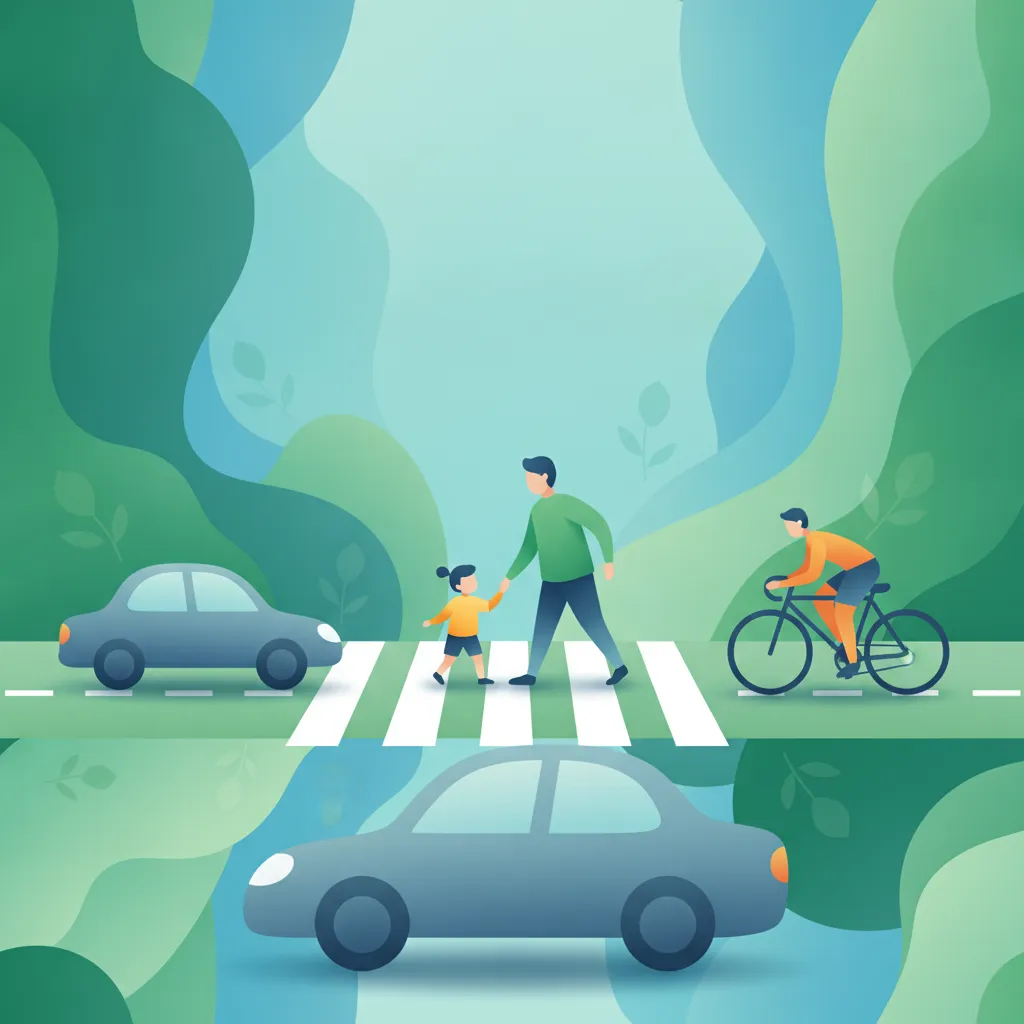
This lesson focuses on the interaction between heavy vehicles and vulnerable road users at crossings, particularly when turning right. It covers the need for heightened vigilance, the importance of properly using mirrors, and correct signaling to alert others. The content highlights legal responsibilities and safe distance requirements to prevent accidents.

This lesson teaches the systematic observation techniques required for safe driving, starting with how to scan the road far ahead, nearby, and to the sides. It details the correct frequency for checking interior and exterior mirrors to maintain situational awareness. The lesson highlights the indispensable over-the-shoulder check ('Schulterblick') to cover the vehicle's blind spot before any change in direction.

This lesson focuses on the high-risk maneuver of reversing, emphasizing the importance of all-around observation due to limited visibility. It teaches techniques for controlling the vehicle at very low speeds and using mirrors and direct observation to manage large blind spots behind the car. The priority is to ensure the path is clear of pedestrians and obstacles at all times.
Learn the specific rules and safety considerations for heavy vehicles interacting with cyclists and pedestrians in Germany. This theory content covers blind spot awareness and right-of-way crucial for preventing accidents in urban and complex traffic situations.
This lesson focuses on the interaction between heavy vehicles and vulnerable road users at crossings, particularly when turning right. It covers the need for heightened vigilance, the importance of properly using mirrors, and correct signaling to alert others. The content highlights legal responsibilities and safe distance requirements to prevent accidents.

This lesson teaches riders how to interact safely and predictably with pedestrians, cyclists, and public transport vehicles. It highlights the importance of yielding at designated crossings, maintaining a safe passing distance, and anticipating the movements of buses and trams. The content emphasizes using eye contact and clear signaling to foster safe and respectful interactions with all road users.

This lesson focuses on identifying road users who require special attention and caution, such as children, the elderly, and individuals with disabilities. It details the appropriate behavior when encountering school buses and public transport, which often involve unpredictable pedestrian movement. A critical topic covered is the legal requirement to form an emergency corridor ('Rettungsgasse') for responding emergency vehicles.

This lesson focuses on complex traffic environments where different types of road users share the same space. It provides guidance on situations like driving on streets with integrated tram tracks or where bus and bicycle lanes are part of the roadway. The content emphasizes understanding the specific priority rules and being extra vigilant to anticipate potential conflicts in these busy, shared zones.
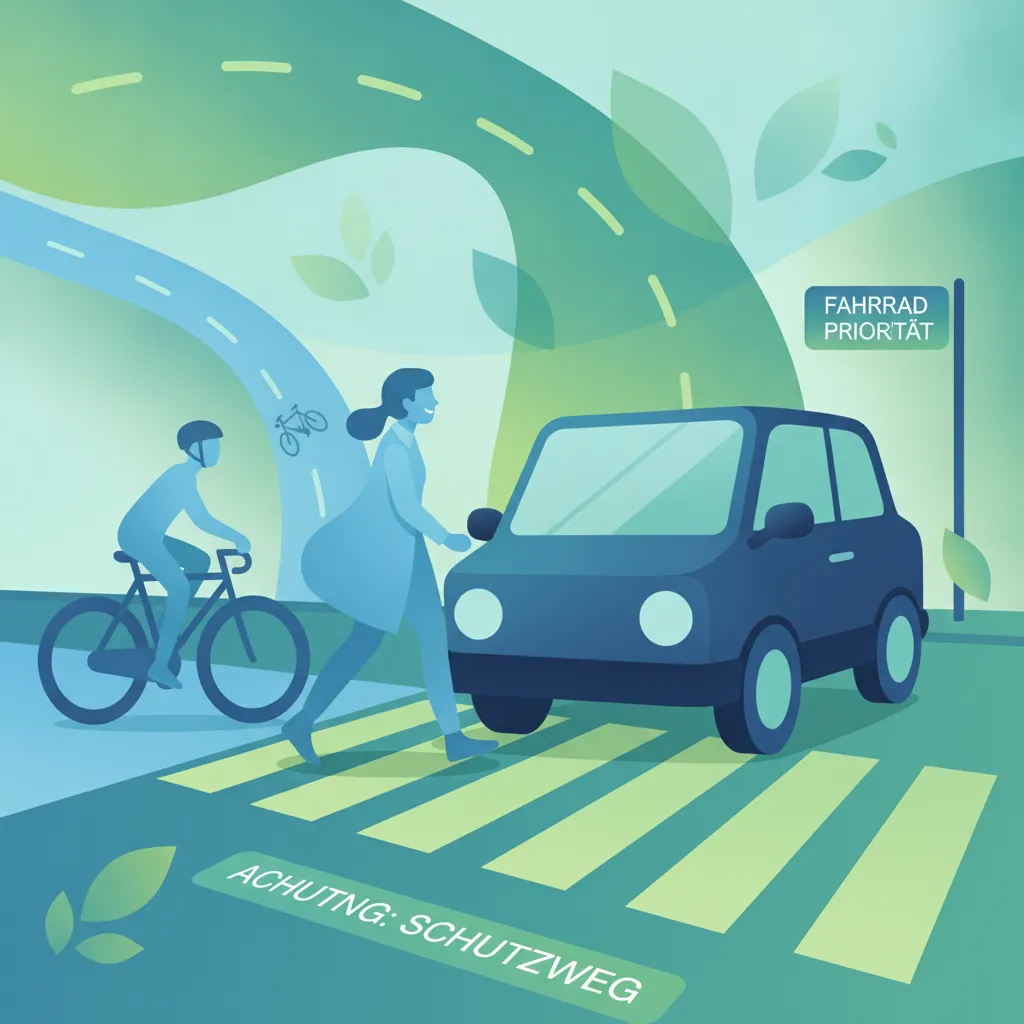
This lesson provides specific guidance on how to safely share the road with pedestrians and cyclists, who are among the most vulnerable road users. It covers the rules of conduct at zebra crossings, traffic lights for pedestrians, and designated cycle lanes. The content emphasizes the importance of vigilance, yielding right-of-way, and maintaining a safe distance to prevent accidents in urban and rural environments.
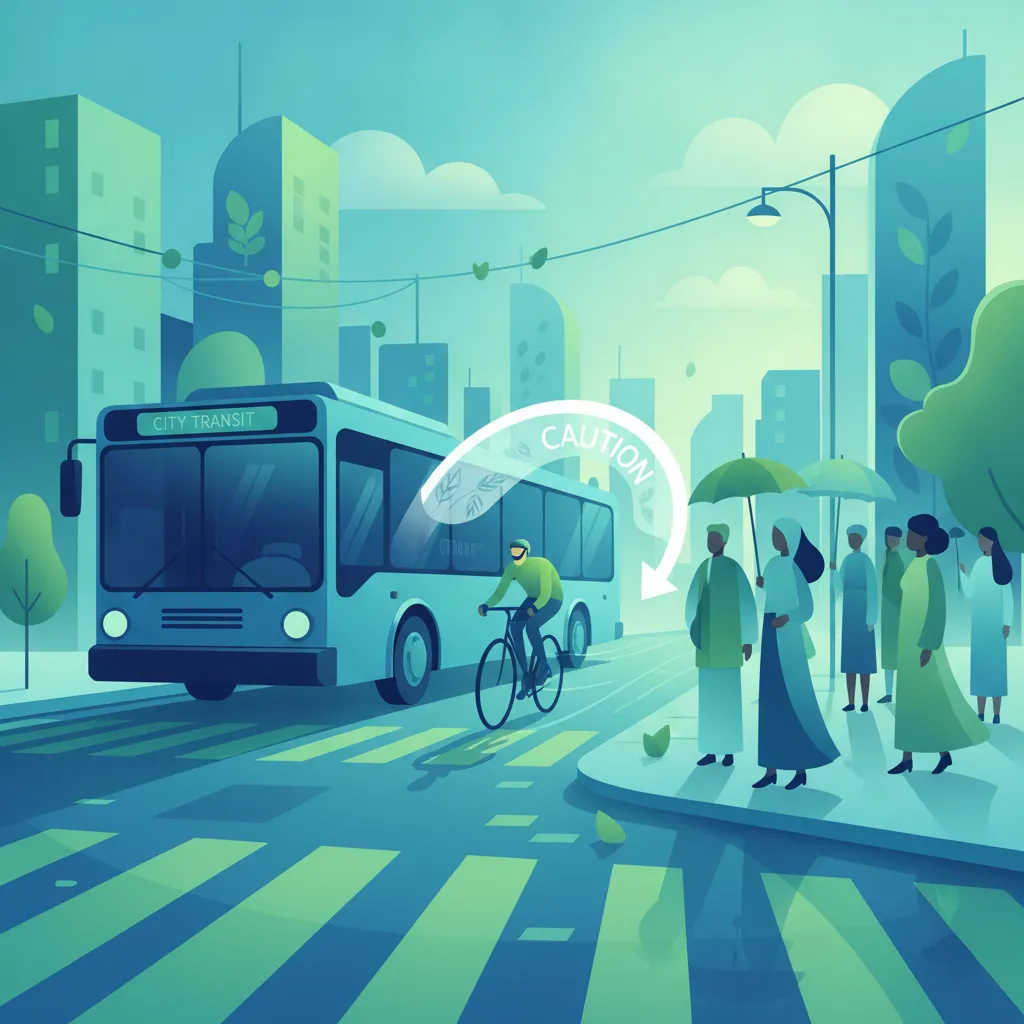
This lesson focuses on the critical moments of interaction with pedestrians and cyclists near bus stops, a common location for accidents. It reinforces the importance of reducing speed, yielding right-of-way, and constantly monitoring blind spots during the stopping process. Learners will practice techniques like making eye contact and using signals to communicate intentions, creating a safer environment for everyone around the vehicle.
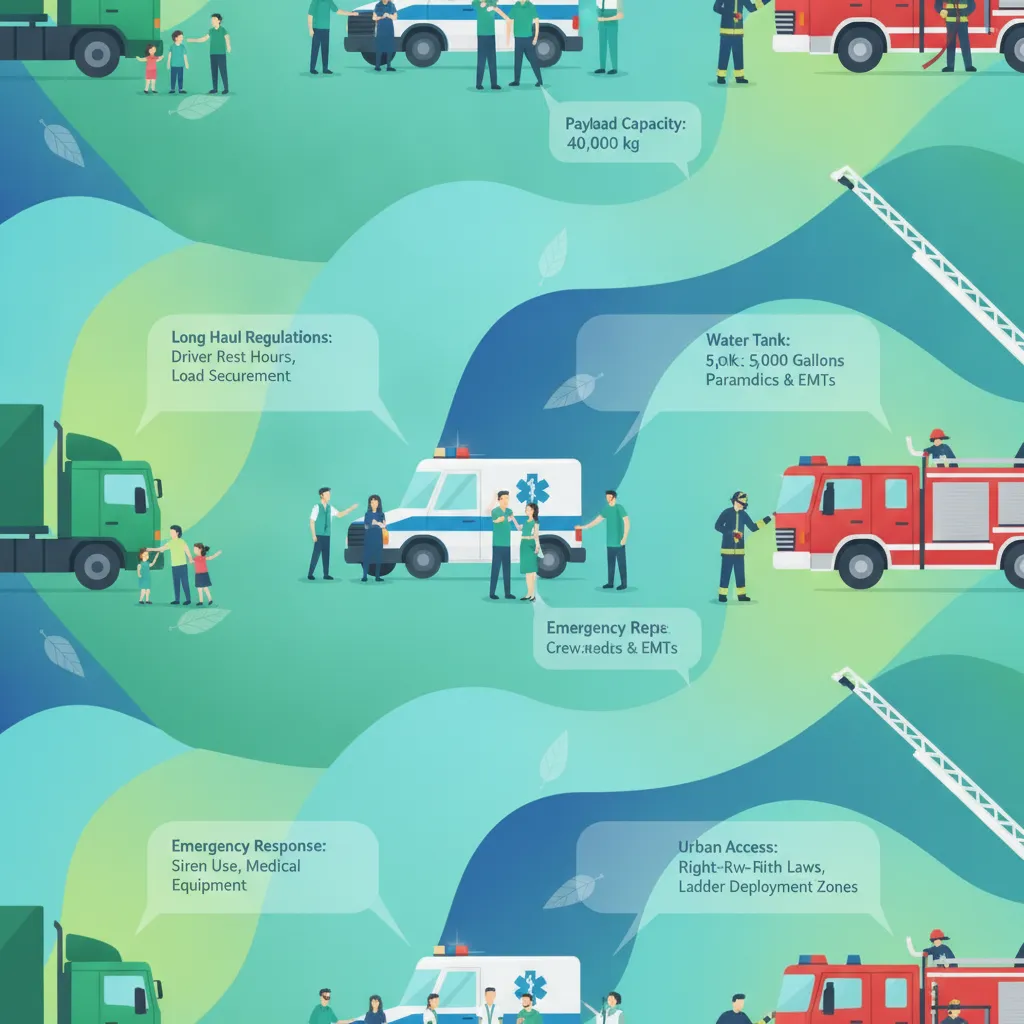
This lesson covers safe interaction with special vehicles. It details the challenges of driving near large trucks (LKW), including their extensive blind spots, longer stopping distances, and the effects of wind turbulence when overtaking them. A critical part of the lesson is explaining the correct procedure for reacting to emergency vehicles by creating an emergency corridor ('Rettungsgasse') on multi-lane roads.

This lesson addresses the critical skill of safely interacting with other road users, particularly vulnerable ones like pedestrians and cyclists. It covers rules for yielding at crosswalks, maintaining a safe passing distance, and being aware of the limited visibility of a moped to car drivers. The focus is on fostering a defensive and cooperative mindset in mixed traffic.
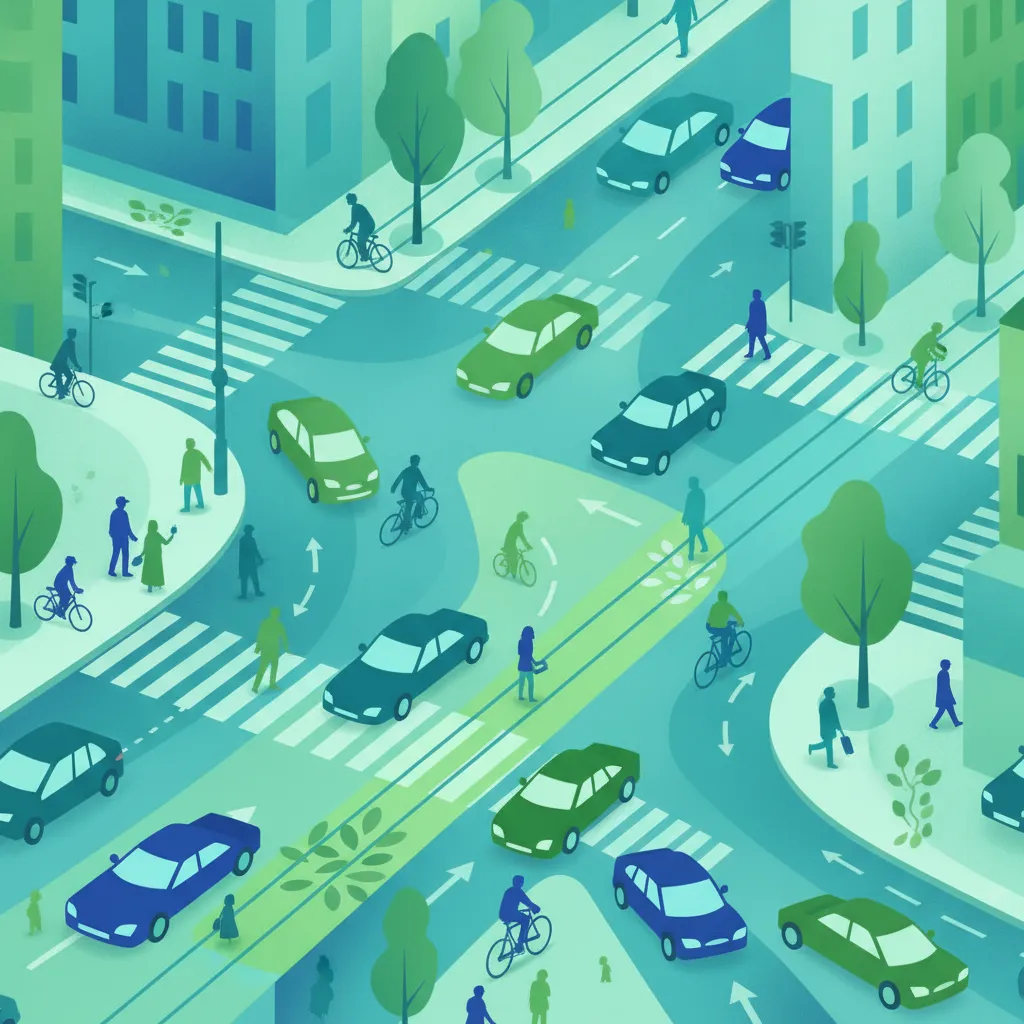
This lesson addresses the challenges of operating a small AM vehicle in dense, mixed traffic. It provides strategies for increasing visibility to other drivers, positioning oneself defensively, and safely sharing lanes with cyclists. The content emphasizes awareness of larger vehicles' blind spots and maintaining a safe space cushion.

This lesson focuses on the particular care required when driving near pedestrians, with a special emphasis on children and the elderly, whose behavior can be unpredictable. It covers the rules for yielding at zebra crossings and the importance of reducing speed near schools, playgrounds, and residential areas. The goal is to instill a habit of constant vigilance and readiness to stop.
Find clear answers to common questions learners have about Blind Spot Management for Trucks and Combinations. Learn how the lesson is structured, which driving theory objectives it supports, and how it fits into the overall learning path of units and curriculum progression in Germany. These explanations help you understand key concepts, lesson flow, and exam focused study goals.
The primary blind spots include the area directly in front of the vehicle, the area immediately behind, and significant zones along the sides, especially the near side (passenger side) where cyclists often hide during turns.
When cornering, the trailer 'cuts' the corner, creating an off-tracking path that expands the blind spot area significantly. Drivers must constantly monitor the trailer position and the space occupied by the combination during all turning maneuvers.
Correct mirror adjustment is the only way to minimize invisible zones. For C and CE categories, ensuring your wide-angle and kerb mirrors are aligned specifically to your vehicle’s dimensions is a mandatory safety requirement for both the test and professional operation.
Yes, the German theory exam frequently includes scenarios about right-turning trucks and cyclists. You must demonstrate an understanding that the truck driver bears a high duty of care to ensure the area is clear before initiating a turn.
Begin your targeted revision now. Use our practice search to quickly find specific German driving theory questions. Filter by StVO rules, road signs, or hazard perception to create your focused study plan. Master challenging areas and prepare confidently for your theoretical driving test.