
Logo
Icelandic Driving Theory Courses

Lesson 4 of the Road Signs, Traffic Lights & Road Markings for AM Riders unit

Icelandic Moped Theory (AM): Road Markings and Lane Guidance

Welcome to the lesson on Road Markings and Lane Guidance, a crucial part of your Icelandic Category AM moped license theory course. Understanding these markings is vital for safe navigation and obeying traffic laws on Icelandic roads. This lesson will build upon your basic knowledge of road signs and prepare you for interpreting surface-level instructions.
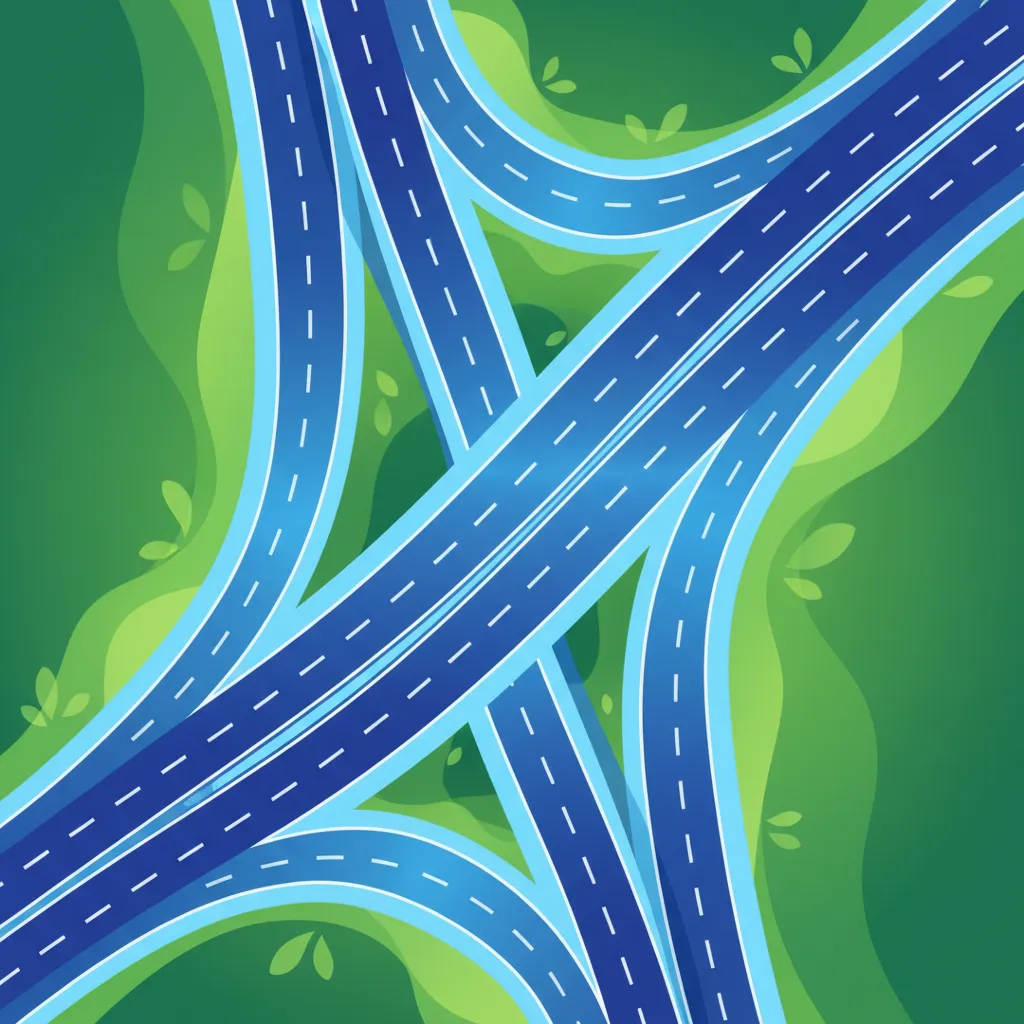
road markingslane guidancetraffic linesturning arrowspedestrian crossings
Icelandic Moped Theory (AM): Road Markings and Lane Guidance

Lesson content overview

Icelandic Moped Theory (AM)

Understanding Road Markings and Lane Guidance for Icelandic Moped Riders

Navigating the roads safely and legally as an Icelandic moped rider requires a comprehensive understanding of various traffic controls. While traffic signs and lights provide crucial information, road surface markings are equally vital, offering direct, real-time instructions painted directly onto the carriageway. This lesson delves into the interpretation of these essential markings, from solid and broken lines that govern lane changes to specific symbols for dedicated lanes and pedestrian crossings.

Correctly reading and reacting to road markings is fundamental for maintaining proper lane discipline, executing safe maneuvers, and ultimately, ensuring your safety and the safety of others on Icelandic roads. Misinterpreting these markings can lead to serious traffic violations, dangerous situations, and even accidents. By mastering the principles outlined here, you will enhance your ability to anticipate traffic flow, comply with legal requirements, and ride confidently within the Icelandic traffic system.

The Importance of Road Markings for Moped Safety

Road markings are silent instructors, providing continuous visual cues about the road ahead. For moped riders, who are more vulnerable than larger vehicles, these cues are paramount for safe positioning and anticipating other road users' intentions. Markings clearly define permissible actions such as overtaking, turning, and stopping, thereby reducing ambiguity and potential conflict points, especially in complex urban environments or at intersections.

Understanding the underlying logic of road markings—how they enhance safety, promote predictability, and establish legal clarity—is crucial. They complement regulatory signs and traffic signals, often reinforcing or providing more precise guidance specific to a particular stretch of road. Non-compliance with road markings is a statutory offense under Icelandic traffic law and can have significant legal consequences, including fines and demerit points.

Tip

Always treat road markings as mandatory instructions. If a marking contradicts a sign (which is rare), traffic signs typically take precedence, but always proceed with caution and prioritize safety.

Deciphering Longitudinal Road Markings: Lines That Guide Your Path

Longitudinal road markings are lines painted parallel to the direction of travel, and they form the backbone of lane guidance. These lines are critical for defining lane boundaries, separating traffic flows, and indicating where specific maneuvers are permitted or prohibited.

Centre Lines: Dividing Opposing Traffic

The centre line is the primary marking that divides traffic moving in opposite directions. Its appearance dictates whether you can cross it.

  • Solid White Centre Line: A continuous, unbroken white line signifies a strict prohibition against crossing. Moped riders must not cross a solid white centre line to overtake, make a U-turn, or turn left into a side road if it means crossing this line. This rule is designed to prevent head-on collisions, especially where visibility is limited or traffic is heavy.
  • Broken White Centre Line: A dashed white line indicates that crossing is permitted when it is safe to do so. This allows mopeds to overtake slower vehicles, make turns, or change lanes, provided there is sufficient visibility and no oncoming traffic. Even with a broken line, riders must exercise extreme caution and ensure the maneuver can be completed without endangering others.
  • Combination Lines (Solid and Broken): Sometimes, you will encounter a solid line alongside a broken line. The rule depends on which line is closer to your lane. If the broken line is closer to your moped, you may cross it when safe. If the solid line is closer, you must not cross. This often occurs at specific sections where one direction of traffic is permitted to overtake, while the other is not.

Lane Division Lines: Separating Traffic in the Same Direction

On multi-lane roads where traffic flows in the same direction, lane division lines separate these lanes.

  • Solid White Lane Division Line: Indicates that changing lanes is prohibited. Moped riders must maintain their lane discipline and not cross this line, for instance, when approaching an intersection or in areas where merging could be hazardous.
  • Broken White Lane Division Line: Permits lane changes, provided it is safe to do so. Riders can change lanes to overtake, prepare for a turn, or follow traffic flow, always ensuring to check blind spots and signal intentions.

Edge Lines: Marking the Carriageway Boundary

Edge lines define the outer boundary of the drivable carriageway. They help riders understand the width of the road and where the shoulder or roadside begins.

  • Solid White Edge Line: Marks the legal outer limit of the road. Mopeds should not normally cross this line unless entering or exiting the roadway or in an emergency. Stopping or parking beyond a solid white edge line is generally prohibited.
  • Broken White Edge Line: Indicates that stopping or parking may be permitted on the shoulder or verge, provided it does not obstruct traffic and is not explicitly prohibited by signage. Always check for supplementary signs.
Definition

Carriageway

The part of the road intended for vehicle traffic, excluding shoulders.

Lateral Road Markings: Edge and Shoulder Restrictions

Beyond the main traffic lanes, markings along the side of the road provide crucial information regarding stopping, parking, and specific road-edge functions.

  • Solid White Edge Line: As mentioned, this line delineates the extent of the carriageway. Crossing it to stop or park is generally not allowed, especially if it leads onto a non-drivable surface or obstructs traffic.
  • Broken White Edge Line: Where a broken white line marks the edge of the carriageway, it suggests that stopping or parking might be allowed on the adjacent shoulder or verge, provided no other signs prohibit it and you are not creating an obstruction. Always use your judgment regarding safety and visibility.
  • Solid Red Edge Line: In Iceland, a solid red line painted along the curb or edge of the road explicitly signifies a no-stopping or no-parking zone. This means you cannot stop your moped there for any reason, even briefly, unless traffic conditions force you to do so (e.g., in a traffic jam). These zones are often found near intersections, bus stops, or pedestrian crossings to ensure clear sightlines and smooth traffic flow.

Warning

Stopping or parking in a designated no-stopping zone (red line) is a serious traffic offense and can result in significant fines and, in some cases, your moped being towed.

Interpreting Lane Directional Arrows

Lane directional arrows are painted directly on the road surface within a lane to indicate the permitted direction of travel from that lane. These markings are particularly important at intersections and on multi-lane roads.

  • Straight-Only Arrow (↑): This arrow means you must proceed straight ahead from this lane. You cannot turn left or right.
  • Left-Turn Arrow (←): You must turn left from this lane. Proceeding straight or turning right is prohibited.
  • Right-Turn Arrow (→): You must turn right from this lane. Proceeding straight or turning left is prohibited.
  • U-Turn Arrow (↺): In specific locations, this arrow indicates that a U-turn is permitted from this lane.
  • Combination Arrows (e.g., ↑← or ↑→): These arrows indicate that you have multiple options from that lane. For example, an ↑← arrow means you can either go straight or turn left.

Moped riders must position themselves in the correct lane well in advance of an intersection, following the guidance of these arrows. Ignoring directional arrows can lead to dangerous situations, such as attempting a turn from a straight-only lane, which can cause collisions with vehicles correctly following the markings.

Pedestrian Crossings: Zebra Markings and Your Responsibility

Zebra crossings are distinct markings painted across the road to designate a pedestrian right-of-way crossing. They consist of alternating white stripes, resembling a zebra's pattern, and are often accompanied by flashing amber beacons or warning signs.

  • Pedestrian Priority: At a zebra crossing, pedestrians have absolute priority once they have stepped onto the crossing or are clearly intending to cross. Moped riders must be prepared to stop.
  • Stopping Rule: If a pedestrian is at or steps onto the zebra crossing, you must stop your moped before the white stop line painted on the road (often a solid white line parallel to the crossing). You must remain stopped until the pedestrian has completely cleared your path on the carriageway.
  • Anticipation is Key: Always approach zebra crossings with reduced speed, scanning for pedestrians, especially children or those with limited mobility, who may not always look before stepping out.

Warning

Failing to give way to a pedestrian at a marked crossing is a serious offense in Iceland and can result in significant fines and endangerment.

Dedicated Lane Markings for Special Users

Certain lanes are specifically designated for particular types of road users or vehicles. These lanes often feature distinct colors or symbols to make their purpose clear. Moped riders need to know when they are permitted or prohibited from using these lanes.

  • Cyclist Lanes (Bicycle Lanes): These lanes are often marked with a bicycle symbol and may be colored blue. In many areas of Iceland, if supplementary signage explicitly permits it, mopeds (Category AM) are allowed to use these lanes. Always look for signs that might say "Moped and Bicycle Use Permitted" or similar. If no such sign is present, assume the lane is exclusively for bicycles.
  • Bus Lanes: These are typically marked with a "Bus" symbol and may be colored red or yellow. Generally, mopeds are prohibited from using bus lanes unless specific local signage indicates otherwise. Bus lanes are reserved for public transport buses and sometimes taxis or emergency vehicles to ensure efficient public transit. Using a bus lane without permission is a traffic violation.
  • Moped-Only Lanes: While less common than general bicycle lanes, some urban areas might have lanes specifically designated for mopeds, marked with an "M" symbol or a moped icon. Where these exist, mopeds must use them, and other vehicles are prohibited.
Definition

Dedicated Lane

A lane reserved for specific types of vehicles or road users, often indicated by unique markings, colors, or symbols.

Temporary or Construction Markings

Road works, construction zones, or special events often require temporary traffic management. This involves temporary road markings that may override permanent ones.

  • Orange or Yellow Markings: Temporary markings are typically distinguished by their orange or yellow color (though specific colors for temporary markings can vary, orange is common). These can include temporary lane division lines, directional arrows, or lines indicating lane closures or shifts.
  • Cones and Barriers: Orange cones, plastic barriers, and temporary signs are also used in conjunction with temporary markings to guide traffic safely through or around a work zone.
  • Mandatory Compliance: It is mandatory for all drivers, including moped riders, to obey temporary markings and signals, even if they appear to conflict with the permanent road markings underneath. These temporary arrangements are put in place for safety during work activities.

Factors Affecting Marking Visibility and Maintenance

The effectiveness of road markings relies heavily on their visibility. Several factors can compromise this, and moped riders must be aware of them to adjust their riding accordingly.

  • Weather Conditions:
    • Rain: Wet roads can significantly reduce the contrast and reflectivity of markings, making them harder to see, especially at night.
    • Fog: Reduces overall visibility, making distant markings indistinct.
    • Snow and Ice: Can completely obscure road markings, making navigation challenging. In such cases, riders must rely on their knowledge of the road layout, traffic signs, and other vehicles' movements.
  • Lighting Conditions:
    • Night: Markings often incorporate reflective materials (like glass beads) to enhance visibility under headlight illumination. However, worn or dirty markings may not reflect light effectively.
    • Glare: Low sun angles can also make markings difficult to see.
  • Wear and Tear: Over time, paint wears off due to vehicle traffic and weather. Worn-out markings can be faded, broken, or completely invisible in places. While authorities are responsible for maintenance, riders must still adhere to the intended rules of the road even if markings are unclear.
  • Dirty Roads: Dirt, sand, or debris can cover markings, temporarily obscuring them.

Tip

When road markings are poorly visible due to weather or wear, reduce your speed, increase your following distance, and rely more heavily on traffic signs, signals, and the general flow of traffic for guidance.

Key Icelandic Road Marking Regulations for Moped Riders

Compliance with road marking regulations is not just about safety; it is a legal requirement under Icelandic traffic law. Here are some of the core regulations relevant to moped riders:

  1. Solid Longitudinal Line Rule:

    • Requirement: A driver must not cross a solid white longitudinal line on the carriageway. This applies whether the line separates opposing traffic, lanes moving in the same direction, or delineates the edge of the road.
    • Implication for Mopeds: You must stay within your lane and not overtake, change lanes, or make turns that involve crossing a solid line.
    • Example: If a solid white line separates your lane from a cycle path, you must not cross into the cycle path unless entering/exiting a driveway.
  2. Broken Line Overtaking Rule:

    • Requirement: A driver may cross a broken white line to overtake or change lanes if visibility is sufficient and the maneuver can be completed safely without obstructing other traffic.
    • Implication for Mopeds: Before crossing a broken line to overtake, always check your mirrors, signal, and ensure there is ample space and time to complete the maneuver. Do not overtake on blind curves or hills, even if the line is broken.
    • Example: Overtaking a slower bicycle on a straight road with a broken centre line, after confirming no oncoming traffic.
  3. Pedestrian Crossing Right-of-Way:

    • Requirement: Vehicles must stop before the pedestrian crossing line if a pedestrian steps onto or is preparing to step onto the zebra crossing.
    • Implication for Mopeds: Always approach pedestrian crossings cautiously. If a pedestrian is present or clearly intending to cross, you must stop your moped before the white stop line and wait until they have safely crossed.
    • Example: Stopping your moped at a zebra crossing when a person pushing a pram starts to enter the crossing.
  4. Directional Arrow Obligation:

    • Requirement: Drivers must follow the direction indicated by lane arrows painted on the road surface.
    • Implication for Mopeds: Select the correct lane well in advance for your intended direction of travel. Once in a lane with a directional arrow, you must follow that direction.
    • Example: If you are in a lane marked with a right-turn arrow, you must turn right at the upcoming intersection.
  5. Dedicated Lane Use:

    • Requirement: Vehicles must use dedicated lanes only when permitted by signage. Mopeds may use bicycle lanes only if supplementary signs explicitly allow it. Using prohibited dedicated lanes (e.g., bus lanes without exemption) is illegal.
    • Implication for Mopeds: Always look for signs (often alongside the lane or at its start) to confirm if mopeds are allowed. If in doubt, use the general traffic lanes.
    • Example: A moped uses a blue-painted bike lane because a sign clearly indicates "Mopeds and Bicycles."

Common Road Marking Violations and Safe Practices

Misinterpreting or ignoring road markings is a frequent cause of traffic violations and accidents. Here are some common mistakes and how to avoid them:

  • Crossing a Solid White Line to Overtake:
    • Why it's wrong: This is a direct violation of traffic law and creates a high risk of head-on collisions, especially on two-way roads. Solid lines are used where visibility is poor or traffic is high-risk.
    • Correct behavior: Wait for a broken line segment or a designated overtaking zone. If no such opportunity arises, you must remain behind the slower vehicle.
  • Ignoring a Right-Turn-Only Lane Arrow and Going Straight:
    • Why it's wrong: This causes conflict with traffic in adjacent lanes that are designated for straight-ahead travel, potentially leading to side-swipe collisions.
    • Correct behavior: Pay attention to lane arrows and position your moped in the appropriate lane for your intended direction of travel well before the intersection.
  • Riding in a Bus Lane Without Explicit Permission:
    • Why it's wrong: Bus lanes are reserved for public transport to ensure their efficiency. Unauthorized use disrupts public services and can lead to fines.
    • Correct behavior: Unless there is a sign explicitly stating that mopeds are permitted, always use the regular traffic lanes.
  • Failing to Give Way at a Zebra Crossing:
    • Why it's wrong: This directly endangers pedestrians, who are vulnerable road users. It is a serious legal offense.
    • Correct behavior: Slow down when approaching any pedestrian crossing. Be prepared to stop before the white stop line if a pedestrian is present or intends to cross. Make eye contact with pedestrians if possible.
  • Misinterpreting a Broken Edge Line as a No-Stop Zone:
    • Why it's wrong: While broken edge lines typically allow for stopping/parking, doing so carelessly can still obstruct traffic or create an unsafe situation.
    • Correct behavior: Use broken edge lines for stopping only when safe, legal, and not obstructing traffic flow. Always check for supplementary parking restriction signs.
  • Ignoring Temporary Construction Lane Shifts:
    • Why it's wrong: Temporary markings override permanent ones for a reason – usually safety during road works. Ignoring them can lead to collisions with construction equipment or other vehicles following the correct temporary path.
    • Correct behavior: Prioritize temporary orange/yellow markings and follow them carefully, adjusting your speed as needed.

Conditional Logic and Contextual Variations for Moped Riders

The interpretation and application of road marking rules can vary based on specific conditions and contexts.

  • Weather Conditions:
    • Rain or Fog: Significantly reduces the visibility of all road markings. Moped riders must decrease speed, increase scanning distances, and be extra vigilant. Reflective properties of markings are less effective when wet or obscured.
    • Snow: Can completely cover road markings. In such cases, riders must rely on their memory of the road layout, general traffic patterns, and any temporary signs or physical markers (like snow poles) to navigate.
  • Lighting Conditions:
    • Night Driving: Requires full reliance on headlight illumination and the reflective properties of markings. Worn-out reflective paint will be particularly hard to see. Reduce speed in poorly lit areas or on unfamiliar roads at night.
  • Road Type:
    • Urban Streets: Tend to have more frequent and complex markings, including dedicated lanes, numerous pedestrian crossings, and intricate intersection arrows. Mopeds need to be highly attentive to these details.
    • Rural Roads: May have longer stretches of uninterrupted lines, higher speed limits, and fewer specific lane markings. The focus shifts more to centre line rules for overtaking.
  • Vulnerable Road Users:
    • In areas with heavy pedestrian or cyclist traffic (e.g., school zones, shopping districts), the rules regarding zebra crossings and dedicated lanes become even more critical. Moped riders must exercise maximum caution and yield whenever necessary.
  • Road Works:
    • As discussed, temporary markings take absolute precedence over permanent ones. Always assume the temporary layout is for your safety.

Applied Scenarios for Moped Riders

Let's consider how these concepts apply in typical Icelandic driving situations for moped riders:

  1. Rural Overtaking on a Broken Line: You are riding your moped on a rural Icelandic road, following a tractor moving slowly. The road has a broken white centre line, and visibility ahead is excellent for several hundred meters.

    • Correct behavior: You signal right, check your mirrors and blind spot, move into the opposing lane (crossing the broken line) to overtake the tractor. Once clear, you signal left, check your mirror, and return to your original lane well before any oncoming traffic or a solid line appears.
    • Incorrect behavior: You cross the line even though it becomes solid on a blind curve ahead, or you fail to check for fast-approaching oncoming traffic.
  2. Urban Intersection with Directional Arrows: You approach a busy intersection in Reykjavík. Your lane has a painted arrow indicating "straight ahead or right turn (↑→)". You intend to turn left.

    • Correct behavior: You observe the arrow and realize this lane doesn't allow a left turn. You safely merge into the adjacent left-turn-only lane (if one exists and is marked "←") or continue straight and find an alternative route if no left-turn lane is available.
    • Incorrect behavior: You stay in the "straight or right" lane, then try to turn left from it, cutting across another vehicle that is legitimately going straight.
  3. Pedestrian Approaching a Zebra Crossing at Dusk: You are riding your moped through a residential area as dusk falls. Ahead, you see a zebra crossing. A person with a dog is standing at the edge of the crossing, looking in your direction.

    • Correct behavior: You slow down immediately, prepare to stop, and if the pedestrian steps onto the crossing, you stop completely before the white stop line, allowing them to cross safely. You wait until they have fully cleared your path.
    • Incorrect behavior: You assume they are waiting for you to pass and continue without slowing down, or you stop on the crossing, obstructing their path.
  4. Encountering Temporary Markings at Road Works: You are on a stretch of road undergoing repairs. The permanent white lines are visible, but temporary orange lines and cones guide traffic into a shifted lane to the left, around a work area.

    • Correct behavior: You ignore the permanent white lines and diligently follow the temporary orange lines and cones, merging safely into the new lane as indicated. You reduce your speed as posted for the work zone.
    • Incorrect behavior: You become confused and try to follow the permanent white lines, potentially entering the construction zone or conflicting with other traffic following the temporary guidance.

Final Concept Summary for Icelandic Moped Riders

  • Road markings are critical visual instructions governing lane positioning, overtaking, turning, and stopping.
  • Solid white lines prohibit crossing; broken white lines permit crossing when safe and clear.
  • Edge lines define the road boundary; red edge lines indicate no stopping or parking zones.
  • Lane directional arrows mandate specific turning movements from a lane.
  • Zebra crossings grant pedestrians priority; mopeds must stop for pedestrians on or entering the crossing.
  • Dedicated lanes (e.g., bicycle lanes, bus lanes) have specific access rules; mopeds can use bicycle lanes only if explicitly permitted by signage.
  • Temporary markings (often orange) override permanent ones during road works and must be obeyed.
  • Visibility of markings is affected by weather, light, and wear; riders must adjust speed and caution accordingly.
  • Legal compliance with road markings is mandatory to ensure safety and avoid penalties under Icelandic traffic law.

Mastering the interpretation and application of these road markings is an essential part of becoming a safe and responsible Category AM moped rider in Iceland.

Learn more with these articles

Check out these practice sets

Lesson recap

Quick summary before you move on

Fast revision

This lesson covers the interpretation of road markings essential for safe and legal moped riding in Iceland. Solid white lines prohibit all crossing maneuvers, while broken lines permit crossing only when safe and clear. Zebra crossings grant pedestrians absolute priority, requiring full stops when they step onto the crossing. Lane directional arrows are mandatory instructions that must be followed for your intended direction. Dedicated lanes such as bus lanes are generally off-limits to mopeds, and bicycle lanes require explicit signage permission. Temporary orange or yellow markings override permanent ones and must be obeyed during road works. Visibility of all markings can be compromised by weather, lighting, or wear, so riders must adjust their speed and caution accordingly while maintaining legal compliance with Icelandic traffic law.


Core takeaways

Main ideas from this lesson

A short set of high-value points that capture the most important learning from this lesson.

Solid white lines strictly prohibit crossing—never overtake, change lanes, or turn if it requires crossing a solid line.

At zebra crossings, pedestrians have absolute priority and you must stop completely if they step onto the crossing.

Directional arrows painted on the road are mandatory instructions—you must follow the indicated direction from that lane.

Mopeds can use bicycle lanes only if supplementary signage explicitly permits it; otherwise it is prohibited.

Temporary markings (often orange) override permanent ones and must be obeyed during road works.

Remember this

Details worth keeping in mind

Point 1

A solid white line means no crossing; a broken white line permits crossing only when safe and clear to do so.

Point 2

Red edge lines indicate no-stopping or no-parking zones and must be respected at all times.

Point 3

Combination centre lines (solid with broken) mean the rule applies to the line on your side—if the solid line is on your side, you cannot cross.

Point 4

Bus lanes are reserved exclusively for buses and authorized vehicles; mopeds are generally prohibited.

Point 5

If road markings are obscured by snow, rain, or poor lighting, reduce speed and rely on traffic signs and general road layout knowledge.

Watch for this

Frequent learner mistakes

Crossing a solid white line to overtake when it becomes solid partway through the maneuver—once a solid line appears, you must abort.

Attempting to turn from a lane that has a straight-only directional arrow, creating conflict with other traffic.

Entering a bicycle lane without checking for explicit moped permission signage.

Failing to stop fully behind the white stop line at zebra crossings when pedestrians are present.

Misunderstanding that permanent markings are ignored when temporary construction markings are in place.

Search topics related to Road Markings and Lane Guidance

Explore search topics learners often look for when studying Road Markings and Lane Guidance. These topics reflect common questions about road rules, driving situations, safety guidance, and lesson level theory preparation for learners in Iceland.

Icelandic road markings explainedAM moped theory road linesWhat do white lines on road mean IcelandTurning arrows traffic law IcelandPedestrian crossing markings theory testLane guidance rules for mopeds IcelandDriving theory test road markings AMHow to interpret road surface markings Iceland

Related driving theory lessons for Road Markings and Lane Guidance

Browse additional driving theory lessons that cover connected traffic rules, road signs, and common driving situations related to this topic. Improve your understanding of how different rules interact across everyday traffic scenarios.

Advanced Road Markings and Lane Guidance Theory

Explore complex road markings beyond basic lines, including those for dedicated lanes, temporary construction zones, and challenging intersection layouts. Understand how these markings, as defined by Icelandic traffic law, ensure safe and legal navigation for moped riders in various road conditions.
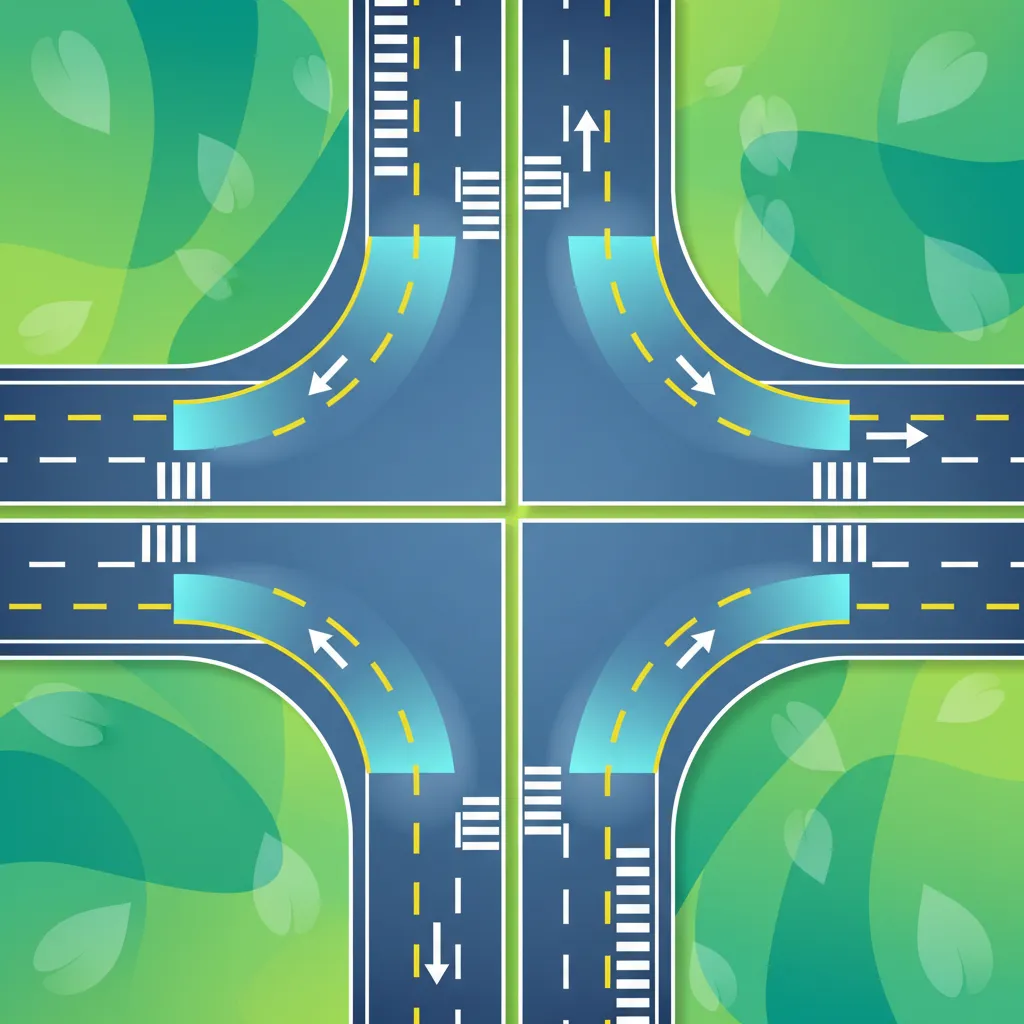
road markingsadvanced theorylane guidanceIcelandic traffic lawmoped rider safety
Road Markings and Pavement Symbols lesson image

Road Markings and Pavement Symbols

This lesson provides a comprehensive overview of the road markings found on Icelandic roads, from solid and broken lane lines to symbols indicating turning lanes and pedestrian crossings. The content details the visual meanings of each marking, such as solid lines indicating no crossing and broken lines permitting lane changes. Additionally, the lesson addresses the purpose of reflective markers and surface textures used in low-visibility or icy conditions, providing a framework for interpreting pavement cues.
Icelandic Driving Theory BRoad Signs, Traffic Lights & Road Markings
View lesson
Warning and Information Signs lesson image

Warning and Information Signs

This lesson familiarizes learners with signs that warn of upcoming hazards, such as sharp curves, slippery surfaces, or animal crossings. It emphasizes the importance of early hazard recognition and response, which is especially critical for vulnerable moped riders. Understanding these signs allows riders to anticipate road conditions and adjust their riding strategy accordingly for increased safety.
Icelandic Moped Theory (AM)Road Signs, Traffic Lights & Road Markings for AM Riders
View lesson
Regulatory Road Signs for Mopeds lesson image

Regulatory Road Signs for Mopeds

This lesson examines regulatory signs that impose legal obligations, focusing on those most relevant to moped riders like speed limits and mandatory direction signs. Learners will understand how sign shapes and colors convey specific commands or prohibitions. Attention is given to signs with vehicle-specific restrictions, ensuring riders know when rules apply directly to them.
Icelandic Moped Theory (AM)Road Signs, Traffic Lights & Road Markings for AM Riders
View lesson
Understanding Traffic Law Hierarchy in Iceland lesson image

Understanding Traffic Law Hierarchy in Iceland

This lesson provides a contextual overview of Iceland's traffic law hierarchy, explaining how national statutes, road codes, and local rules interact. Learners will understand the precedence of national laws and how to interpret regulations in different jurisdictions. This knowledge ensures riders can correctly apply the relevant rules in any driving scenario, ensuring consistent legal compliance.

Icelandic Moped Theory (AM)AM Licence Basics & Rider Responsibilities
View lesson
Traffic Light Signals and Interpretation lesson image

Traffic Light Signals and Interpretation

This lesson dissects the three-color traffic light system, detailing the meaning of red, amber, and green signals, including flashing lights and directional arrows. It explains how signal timing impacts moped riders and the legal requirement to obey all signals at intersections. Proper interpretation is crucial for navigating signalized junctions safely and avoiding conflicts with other traffic.

Icelandic Moped Theory (AM)Road Signs, Traffic Lights & Road Markings for AM Riders
View lesson
Visibility Techniques and Reflective Materials lesson image

Visibility Techniques and Reflective Materials

This lesson focuses on methods to enhance a rider's visibility, covering high-visibility clothing, reflective materials, and strategic lighting. Learners will understand how to use daytime running lights and position themselves to minimize time in others' blind spots. These proactive techniques are essential for being seen by other road users, significantly reducing the risk of collisions.
Icelandic Moped Theory (AM)Protective Gear, Helmet Use, Visibility & Rider Mindset
View lesson
Pedestrian Crossings and School Zones lesson image

Pedestrian Crossings and School Zones

This lesson covers the strict rules governing pedestrian crossings and school zones, where riders have a heightened duty of care. It details the obligation to yield to pedestrians, recognize school zone signage, and reduce speed significantly. Riders learn to be extra vigilant for the unpredictable movements of children and other vulnerable road users in these sensitive areas.
Icelandic Moped Theory (AM)Priority Rules, Intersections, Crossings & Roundabouts
View lesson
Road Positioning on Urban Roads lesson image

Road Positioning on Urban Roads

This lesson outlines best practices for positioning a moped on urban roads to maximize visibility and safety. It explains how to choose a lane position that makes you visible to drivers ahead and behind, while avoiding road debris and dooring hazards from parked cars. The content addresses adapting your position based on traffic speed, density, and road conditions.
Icelandic Moped Theory (AM)Road Positioning, Blind Spots, Lane Use & Turning
View lesson
Navigating Roundabouts lesson image

Navigating Roundabouts

This lesson provides a detailed guide to navigating roundabouts, focusing on the rule to yield to circulating traffic before entering. It covers correct lane positioning for different exits, proper signaling, and maintaining a safe speed within the roundabout. Special guidance is provided for moped riders to enhance their visibility and safety among larger vehicles.

Icelandic Moped Theory (AM)Priority Rules, Intersections, Crossings & Roundabouts
View lesson
Managing Uncontrolled Crossings lesson image

Managing Uncontrolled Crossings

This lesson explores the conduct required at uncontrolled crossings where the right-hand rule typically applies. It emphasizes the need to reduce speed, be prepared to stop, and establish clear communication with other road users. Riders will learn to assess the situation carefully and proceed only when it is confirmed to be safe, a critical skill for rural and residential areas.

Icelandic Moped Theory (AM)Priority Rules, Intersections, Crossings & Roundabouts
View lesson

Common Road Marking Misinterpretations for Moped Riders

Learn about typical errors drivers make when interpreting road markings, such as solid vs. broken lines, directional arrows, and zebra crossings. This lesson focuses on understanding these common mistakes to improve hazard perception and ensure compliance with Icelandic road rules.

road markingscommon mistakeshazard perceptiontheorytraffic law
Road Positioning on Urban Roads lesson image

Road Positioning on Urban Roads

This lesson outlines best practices for positioning a moped on urban roads to maximize visibility and safety. It explains how to choose a lane position that makes you visible to drivers ahead and behind, while avoiding road debris and dooring hazards from parked cars. The content addresses adapting your position based on traffic speed, density, and road conditions.
Icelandic Moped Theory (AM)Road Positioning, Blind Spots, Lane Use & Turning
View lesson
Lane Use and Proper Turning Techniques lesson image

Lane Use and Proper Turning Techniques

This lesson details the fundamentals of lane discipline and proper turning techniques for moped riders. It covers the correct use of turn signals, judging appropriate cornering speed, and executing safe lane changes. The material provides a step-by-step guide to navigating intersections and curves with control and predictability, ensuring safety for the rider and other road users.

Icelandic Moped Theory (AM)Road Positioning, Blind Spots, Lane Use & Turning
View lesson
Warning and Information Signs lesson image

Warning and Information Signs

This lesson familiarizes learners with signs that warn of upcoming hazards, such as sharp curves, slippery surfaces, or animal crossings. It emphasizes the importance of early hazard recognition and response, which is especially critical for vulnerable moped riders. Understanding these signs allows riders to anticipate road conditions and adjust their riding strategy accordingly for increased safety.

Icelandic Moped Theory (AM)Road Signs, Traffic Lights & Road Markings for AM Riders
View lesson
Visibility Techniques and Reflective Materials lesson image

Visibility Techniques and Reflective Materials

This lesson focuses on methods to enhance a rider's visibility, covering high-visibility clothing, reflective materials, and strategic lighting. Learners will understand how to use daytime running lights and position themselves to minimize time in others' blind spots. These proactive techniques are essential for being seen by other road users, significantly reducing the risk of collisions.

Icelandic Moped Theory (AM)Protective Gear, Helmet Use, Visibility & Rider Mindset
View lesson
Regulatory Road Signs for Mopeds lesson image

Regulatory Road Signs for Mopeds

This lesson examines regulatory signs that impose legal obligations, focusing on those most relevant to moped riders like speed limits and mandatory direction signs. Learners will understand how sign shapes and colors convey specific commands or prohibitions. Attention is given to signs with vehicle-specific restrictions, ensuring riders know when rules apply directly to them.

Icelandic Moped Theory (AM)Road Signs, Traffic Lights & Road Markings for AM Riders
View lesson
Navigating Roundabouts lesson image

Navigating Roundabouts

This lesson provides a detailed guide to navigating roundabouts, focusing on the rule to yield to circulating traffic before entering. It covers correct lane positioning for different exits, proper signaling, and maintaining a safe speed within the roundabout. Special guidance is provided for moped riders to enhance their visibility and safety among larger vehicles.
Icelandic Moped Theory (AM)Priority Rules, Intersections, Crossings & Roundabouts
View lesson
Interactions with Parked Vehicles and Dooring Hazards lesson image

Interactions with Parked Vehicles and Dooring Hazards

This lesson investigates the significant hazards posed by parked vehicles, particularly the risk of a driver opening a door into a rider's path. It teaches techniques for maintaining a safe buffer zone and scanning for signs of occupancy in parked cars. Riders will learn how to anticipate this common urban danger and plan escape routes to avoid sudden collisions.

Icelandic Moped Theory (AM)Road Positioning, Blind Spots, Lane Use & Turning
View lesson
Managing Uncontrolled Crossings lesson image

Managing Uncontrolled Crossings

This lesson explores the conduct required at uncontrolled crossings where the right-hand rule typically applies. It emphasizes the need to reduce speed, be prepared to stop, and establish clear communication with other road users. Riders will learn to assess the situation carefully and proceed only when it is confirmed to be safe, a critical skill for rural and residential areas.
Icelandic Moped Theory (AM)Priority Rules, Intersections, Crossings & Roundabouts
View lesson
Blind Spot Awareness with Larger Vehicles lesson image

Blind Spot Awareness with Larger Vehicles

This lesson explores the blind spot zones of cars, trucks, and buses, highlighting the vulnerability of moped riders. It provides effective strategies for positioning your vehicle to remain visible to other drivers at all times. Riders will learn to anticipate lane changes and movements from larger vehicles, significantly reducing the risk of being unseen in traffic.

Icelandic Moped Theory (AM)Road Positioning, Blind Spots, Lane Use & Turning
View lesson
Pedestrian Crossings and School Zones lesson image

Pedestrian Crossings and School Zones

This lesson covers the strict rules governing pedestrian crossings and school zones, where riders have a heightened duty of care. It details the obligation to yield to pedestrians, recognize school zone signage, and reduce speed significantly. Riders learn to be extra vigilant for the unpredictable movements of children and other vulnerable road users in these sensitive areas.

Icelandic Moped Theory (AM)Priority Rules, Intersections, Crossings & Roundabouts
View lesson

Frequently asked questions about Road Markings and Lane Guidance

Find clear answers to common questions learners have about Road Markings and Lane Guidance. Learn how the lesson is structured, which driving theory objectives it supports, and how it fits into the overall learning path of units and curriculum progression in Iceland. These explanations help you understand key concepts, lesson flow, and exam focused study goals.

What is the difference between a solid white line and a broken white line in Iceland?

In Iceland, a solid white line typically indicates that you must not cross it to change lanes or overtake. A broken white line, on the other hand, usually permits crossing when it is safe to do so, for example, to change lanes. Always check surrounding traffic and signs.

How should I react to turning arrows painted on the road?

Turning arrows indicate which lane(s) are designated for specific movements, such as turning left, right, or going straight. You must position your moped in the correct lane well in advance of the intersection and follow the direction indicated by the arrow for your lane.

What do the markings at pedestrian crossings mean for moped riders?

Road markings at pedestrian crossings often include parallel stripes or a hatched area. These indicate a pedestrian crossing zone. You must always be prepared to stop for pedestrians who are crossing or about to cross, even if they are not yet on the crossing itself.

Are there specific road markings for mopeds in Iceland?

While there aren't usually separate markings exclusively for mopeds, all Category AM riders must understand and follow the same road markings as other vehicles. The key is to apply these general rules to your specific vehicle type and its capabilities.

Can I change lanes over a double white line?

No, double white lines, whether solid or one solid and one broken, must not be crossed. A solid line indicates a prohibition against crossing. Treat them as a strict barrier for lane changes and overtaking.

Ready to Target Your Icelandic Theory Exam Practice?

Utilize our advanced practice set search to pinpoint the exact Icelandic driving theory topics you need to review. Filter by subject, difficulty, or question type to create a highly effective study plan and ensure you are fully prepared for your official driving licence test in Iceland.

Search Practice Sets

Continue your Icelandic driving theory learning journey

Icelandic road signsIcelandic article topicsSearch Icelandic road signsIcelandic driving theory homeIcelandic road sign categoriesIcelandic driving theory topicsSearch Icelandic theory articlesIcelandic driving theory coursesIcelandic Driving Theory B courseIcelandic driving theory articlesIcelandic driving theory practiceIcelandic practice set categoriesIcelandic Moped Theory (AM) courseIcelandic driving licence proceduresSearch Icelandic driving theory practiceIcelandic driving theory terminology A–ZIcelandic driving theory terms and glossaryRoad Signs, Traffic Lights & Road Markings unit in Icelandic Driving Theory BAM Licence Basics & Rider Responsibilities unit in Icelandic Moped Theory (AM)Priority Rules, Intersections & Roundabouts unit in Icelandic Driving Theory BLane Use, Positioning, Turning & Manoeuvres unit in Icelandic Driving Theory BDriving Licence Basics & Learner Responsibilities unit in Icelandic Driving Theory BThe Driver: Health, Attention, Distraction & Risk unit in Icelandic Driving Theory BRoad Positioning, Blind Spots, Lane Use & Turning unit in Icelandic Moped Theory (AM)Priority Rules, Intersections, Crossings & Roundabouts unit in Icelandic Moped Theory (AM)Protective Gear, Helmet Use, Visibility & Rider Mindset unit in Icelandic Moped Theory (AM)Road Signs, Traffic Lights & Road Markings for AM Riders unit in Icelandic Moped Theory (AM)Warning and Information Signs lesson in Road Signs, Traffic Lights & Road Markings for AM RidersRoad Markings and Lane Guidance lesson in Road Signs, Traffic Lights & Road Markings for AM RidersRegulatory Road Signs for Mopeds lesson in Road Signs, Traffic Lights & Road Markings for AM RidersTraffic Light Signals and Interpretation lesson in Road Signs, Traffic Lights & Road Markings for AM Riders