
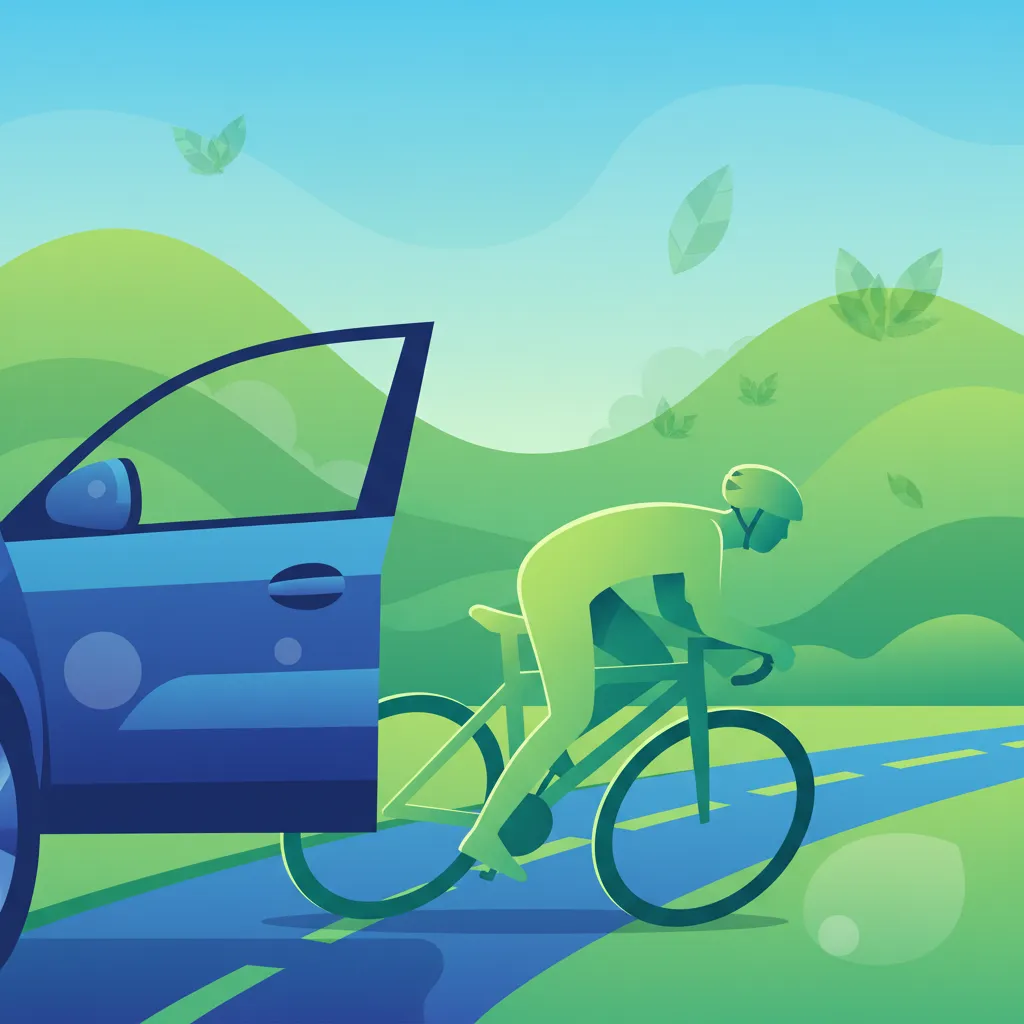
This lesson tackles a common urban hazard: parked vehicles and the risk of doors opening unexpectedly. We'll teach you how to anticipate this danger, maintain a safe distance, and react appropriately to avoid collisions. Understanding interactions with parked vehicles is crucial for safe moped operation in Icelandic towns and cities, building upon your knowledge of road positioning and hazard awareness.
Lesson content overview
Navigating urban streets on a moped, especially in Iceland, requires acute awareness of potential dangers, among the most critical of which are hazards posed by parked vehicles. One of the most common and dangerous scenarios is a "dooring" incident, where a vehicle occupant unexpectedly opens a door into the path of a passing moped rider. This lesson delves into these significant risks, equipping riders with essential strategies to identify, anticipate, and safely navigate around parked vehicles. Mastering these techniques is not only crucial for personal safety but also for complying with Icelandic traffic regulations and reducing the risk of collisions and injuries.
This lesson builds upon foundational knowledge from earlier modules, particularly concerning road positioning, blind-spot awareness, and general right-of-way principles within the Icelandic Moped (Category AM) Driving License Theory Course.
A dooring hazard refers to the specific risk of a moving road user, such as a moped rider, colliding with a vehicle door that is suddenly opened into their intended travel path from a parked car. These incidents are a leading cause of collisions for vulnerable road users in city areas, often resulting in severe injuries due to the sudden and forceful impact.
Mopeds are particularly susceptible to dooring incidents for several reasons. Their relatively small profile can sometimes make them less visible to occupants inside parked vehicles. Furthermore, the low ground clearance and two-wheeled nature of mopeds mean that a sudden impact from an opening door can lead to an immediate and uncontrolled loss of balance. This can result in the rider being thrown off the moped, increasing the severity of injuries. The limited ability to execute rapid, high-speed evasive maneuvers, combined with the inherent instability of a two-wheeled vehicle at lower speeds, makes these collisions exceptionally hazardous.
To effectively mitigate the risks associated with parked vehicles and dooring hazards, moped riders must adopt a proactive and defensive approach rooted in several core principles. These principles guide safe road positioning, visual scanning, and decision-making.
A safe buffer zone is a minimum lateral distance that you must maintain between your moped and any parked vehicle. This space is essential because it provides you with adequate reaction time and physical room to avoid sudden obstacles, such as an opening door. By consciously maintaining this buffer, you ensure that even if a door swings open unexpectedly, your moped’s trajectory will not intersect with it. This often requires adjusting your lane position, speed, and decisions regarding overtaking.
Pre-scan for occupancy means visually assessing parked vehicles before you reach them for any signs of occupants or potential door activity. This proactive visual check helps in early detection, allowing you to anticipate potential door openings and plan an avoidance path well in advance. Riders should make it a habitual practice to scan the side windows, rear-view mirrors, and even the hands or heads of occupants inside parked cars as they approach.
Anticipatory decision-making involves adjusting your speed, choosing your lane, and planning your path based on the predicted behavior of vehicle occupants. Instead of reacting suddenly to an unfolding hazard, you make conscious decisions ahead of time. This significantly reduces your reliance on abrupt emergency maneuvers like sudden braking or swerving, which can be dangerous on a moped. Being prepared to modify your speed or change lanes early is a hallmark of safe riding.
While moving traffic generally has priority over stationary traffic, there are specific situations, particularly concerning parked vehicles, where this hierarchy changes. Right-of-way respect means understanding that Icelandic traffic law mandates drivers not to open doors into the path of oncoming traffic, and it also requires riders to exercise due care. In certain situations, you may need to yield to stationary vehicles when it becomes clear an occupant is about to open a door or exit. This aligns your behavior with legal intent and prevents dangerous encounters, ensuring you do not force passage when it compromises your safety margin.
Defensive riding is an overarching philosophy that assumes other road users may act unpredictably or make mistakes. For moped riders, this means consistently applying greater safety margins, scanning practices, and an elevated level of caution. By expecting the unexpected, you enhance your overall safety and are better prepared to respond to unforeseen hazards like sudden dooring incidents. This approach emphasizes vigilance and proactive risk mitigation.
Applying the core principles translates into concrete strategies that moped riders can use daily to reduce the risk of dooring accidents.
The lateral clearance between your moped’s travel path and the edge of a parked vehicle must be sufficient to accommodate the full swing of an opening door, plus a margin for your reaction.
Minimum Legal Buffer: Icelandic traffic law places specific requirements on overtaking distances.
Icelandic Traffic Law §30 prohibits overtaking within a certain distance of a parked vehicle on the side where traffic is moving. This distance is often interpreted as 2 meters to guarantee sufficient clearance for opening doors and other unexpected movements. However, riders must verify the exact distance mandated by current regulations.
This legal minimum is designed to provide enough space for most car doors to open without directly entering your path.
Practical Buffer: Depending on your speed, traffic density, and visibility, you may choose to maintain an even greater distance than the legal minimum. For example, when riding parallel to a large van in a city, holding a position 1.5 to 2 meters from the curb ensures ample room for a passenger to open a potentially larger door without striking you.
The side-to-side distance between a moving vehicle and a stationary object or another vehicle.
Systematic visual checks are paramount for detecting potential dooring hazards early.
Your ability to anticipate and plan is a critical safety tool.
Icelandic traffic law addresses the responsibilities of drivers and the expectations of riders regarding parked vehicles.
Specific articles within Icelandic traffic law (Umferðarlög, often abbreviated as RVV in theory courses) directly relate to interactions with parked vehicles and dooring hazards, providing a legal framework for safe conduct.
Statement: Drivers must ensure that “no other traffic is endangered” before opening a vehicle door.
Statement: Overtaking is prohibited within a specified distance of a parked vehicle on the side where traffic is moving.
Statement: Moving traffic must yield if a stationary vehicle’s occupants are about to exit or open doors, even in situations where the moving traffic might otherwise seem to have priority (e.g., a green light).
Speed Adjustment Near Parked Vehicles: While not always a specific codified law, it is a universally accepted safety recommendation for moped riders to reduce speed when passing parked vehicles on narrow streets, in residential areas, or when visibility is limited. This significantly increases reaction time.
Icelandic regulations also emphasize the importance of drivers not opening doors when a person (such as a moped rider or cyclist) is approaching the vehicle from behind or the side. This mirrors general blind spot awareness regulations and aims to reduce collisions caused by a lack of driver visibility. As a rider, you must always assume that drivers may not see you, and therefore proactively scan for potential door movements.
Understanding common mistakes helps riders avoid them. Here are scenarios that lead to increased risk when interacting with parked vehicles:
Safety strategies around parked vehicles must adapt to different conditions and environments.
The choices you make when interacting with parked vehicles directly impact your safety.
This lesson on dooring hazards is deeply integrated with other essential riding skills for your Icelandic Moped (Category AM) Driving License Theory Course.
Let's look at how these principles are applied in different situations common to Icelandic Moped (Category AM) riding.
To ensure your safety and compliance with Icelandic traffic laws when riding your moped near parked vehicles, remember these key principles:
This lesson teaches moped riders how to identify and avoid dooring hazards—the dangerous scenario where a vehicle occupant opens a door into your path. Key strategies include maintaining a minimum 2-meter lateral buffer from parked vehicles (per RVV §30), performing systematic pre-scans of parked cars for occupants before reaching them, and using anticipatory decision-making to adjust speed and lane position early. Even when you have theoretical priority, you must yield to stationary vehicles when doors are clearly opening (per RVV §8.2 and §22). Increased caution is needed in adverse weather, narrow streets, and near larger vehicles like buses. These techniques directly prepare riders for the Icelandic AM theory exam while building essential real-world safety habits.
A short set of high-value points that capture the most important learning from this lesson.
Dooring is a primary hazard where a vehicle door opens unexpectedly into a moped rider's path, often causing severe injuries due to loss of balance and control.
Icelandic Traffic Law RVV §30 mandates a minimum overtaking distance of 2 meters from parked vehicles to account for door swing.
Drivers must check for oncoming traffic before opening doors under RVV §8.2, but riders must still exercise due care and yield when a door appears imminent.
Maintain at least a 2-meter lateral buffer zone when passing parked vehicles, increasing it for larger vehicles like buses and vans.
Always scan parked cars proactively for occupants and signs of imminent exit before reaching them, not just when overtaking.
Explore all units and lessons included in this driving theory course.
A typical car door can swing out up to 90 degrees, covering 0.6-0.8 meters horizontally—your buffer must account for this full arc.
Riders may need to yield to stationary vehicles even when they would otherwise have priority, if a door is clearly opening.
Average human reaction time is approximately 1.5 seconds, making adequate buffer distance and reduced speed essential.
Pre-scan parked vehicles for interior lights, movement, or occupants visible through windows before you reach them.
In rain or low visibility, increase your buffer by an additional 0.5-1 meter and reduce speed by 10-15 km/h.
Riding within 0.5 meters of parked cars, leaving virtually no reaction time if a door opens.
Assuming you always have priority to pass because you have a green light, even when a parked car's door is opening.
Relying solely on side mirrors to check for door activity, missing doors in blind spots or mirrors that are dirty or misaligned.
Attempting to pass a vehicle whose door is only halfway open, assuming the door will not swing further.
Failing to reduce speed when approaching a row of parked cars, leaving insufficient reaction time for multiple potential door openings.
Lesson content overview
A short set of high-value points that capture the most important learning from this lesson.
Dooring is a primary hazard where a vehicle door opens unexpectedly into a moped rider's path, often causing severe injuries due to loss of balance and control.
Icelandic Traffic Law RVV §30 mandates a minimum overtaking distance of 2 meters from parked vehicles to account for door swing.
Drivers must check for oncoming traffic before opening doors under RVV §8.2, but riders must still exercise due care and yield when a door appears imminent.
Maintain at least a 2-meter lateral buffer zone when passing parked vehicles, increasing it for larger vehicles like buses and vans.
Always scan parked cars proactively for occupants and signs of imminent exit before reaching them, not just when overtaking.
Explore all units and lessons included in this driving theory course.
A typical car door can swing out up to 90 degrees, covering 0.6-0.8 meters horizontally—your buffer must account for this full arc.
Riders may need to yield to stationary vehicles even when they would otherwise have priority, if a door is clearly opening.
Average human reaction time is approximately 1.5 seconds, making adequate buffer distance and reduced speed essential.
Pre-scan parked vehicles for interior lights, movement, or occupants visible through windows before you reach them.
In rain or low visibility, increase your buffer by an additional 0.5-1 meter and reduce speed by 10-15 km/h.
Riding within 0.5 meters of parked cars, leaving virtually no reaction time if a door opens.
Assuming you always have priority to pass because you have a green light, even when a parked car's door is opening.
Relying solely on side mirrors to check for door activity, missing doors in blind spots or mirrors that are dirty or misaligned.
Attempting to pass a vehicle whose door is only halfway open, assuming the door will not swing further.
Failing to reduce speed when approaching a row of parked cars, leaving insufficient reaction time for multiple potential door openings.
Explore search topics learners often look for when studying Interactions with Parked Vehicles and Dooring Hazards. These topics reflect common questions about road rules, driving situations, safety guidance, and lesson level theory preparation for learners in Iceland.
Browse additional driving theory lessons that cover connected traffic rules, road signs, and common driving situations related to this topic. Improve your understanding of how different rules interact across everyday traffic scenarios.
Explore advanced strategies for identifying and reacting to dangers posed by parked vehicles, focusing on driver behavior, door opening incidents, and evasive maneuvers. Learn to navigate complex urban scenarios and ensure compliance with Icelandic road safety regulations.
This lesson outlines best practices for positioning a moped on urban roads to maximize visibility and safety. It explains how to choose a lane position that makes you visible to drivers ahead and behind, while avoiding road debris and dooring hazards from parked cars. The content addresses adapting your position based on traffic speed, density, and road conditions.
This lesson explores the blind spot zones of cars, trucks, and buses, highlighting the vulnerability of moped riders. It provides effective strategies for positioning your vehicle to remain visible to other drivers at all times. Riders will learn to anticipate lane changes and movements from larger vehicles, significantly reducing the risk of being unseen in traffic.
This lesson examines the psychological factors crucial for safe riding, promoting a defensive mindset and heightened risk awareness. It provides strategies for managing stress, identifying potential hazards early, and making proactive decisions to prevent dangerous situations. Cultivating mental discipline and a safety-conscious attitude is fundamental to long-term rider safety on Icelandic roads.

This lesson focuses on methods to enhance a rider's visibility, covering high-visibility clothing, reflective materials, and strategic lighting. Learners will understand how to use daytime running lights and position themselves to minimize time in others' blind spots. These proactive techniques are essential for being seen by other road users, significantly reducing the risk of collisions.
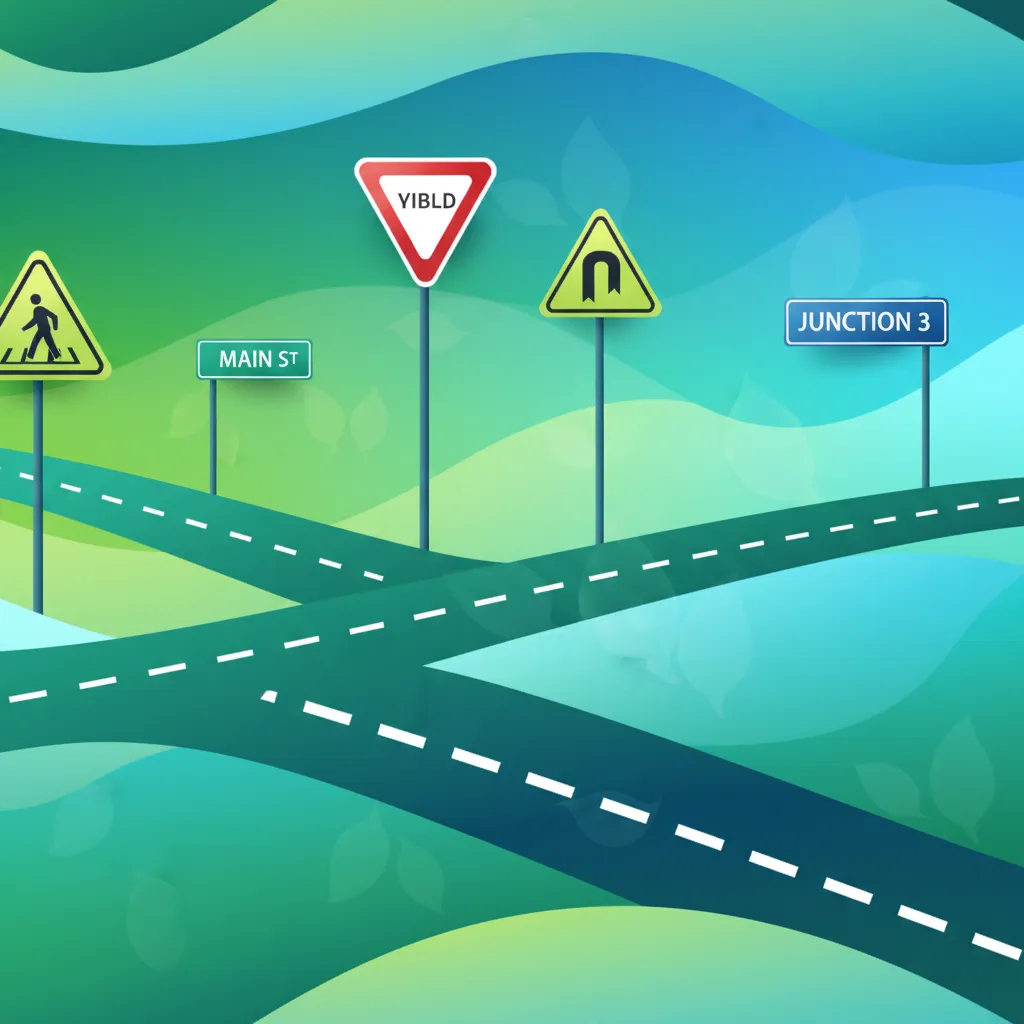
This lesson familiarizes learners with signs that warn of upcoming hazards, such as sharp curves, slippery surfaces, or animal crossings. It emphasizes the importance of early hazard recognition and response, which is especially critical for vulnerable moped riders. Understanding these signs allows riders to anticipate road conditions and adjust their riding strategy accordingly for increased safety.
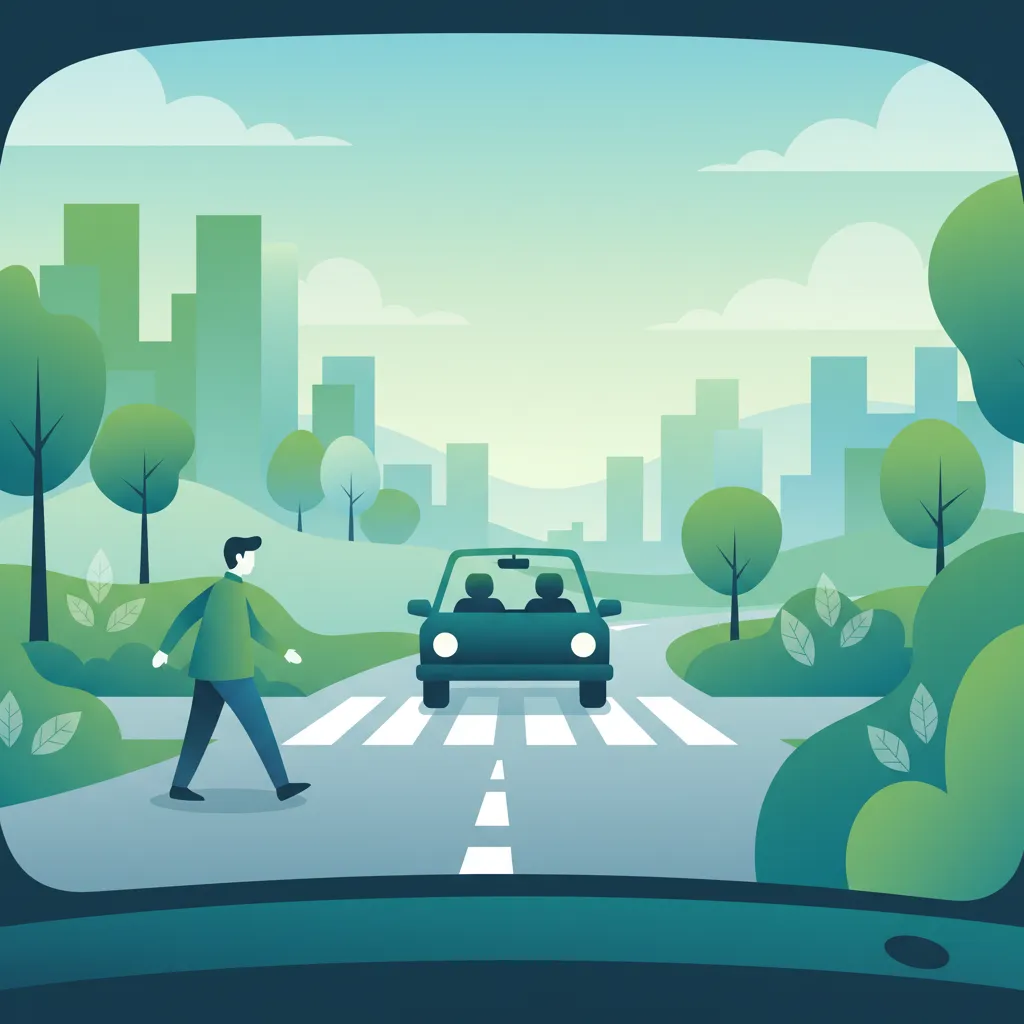
This lesson explores the conduct required at uncontrolled crossings where the right-hand rule typically applies. It emphasizes the need to reduce speed, be prepared to stop, and establish clear communication with other road users. Riders will learn to assess the situation carefully and proceed only when it is confirmed to be safe, a critical skill for rural and residential areas.
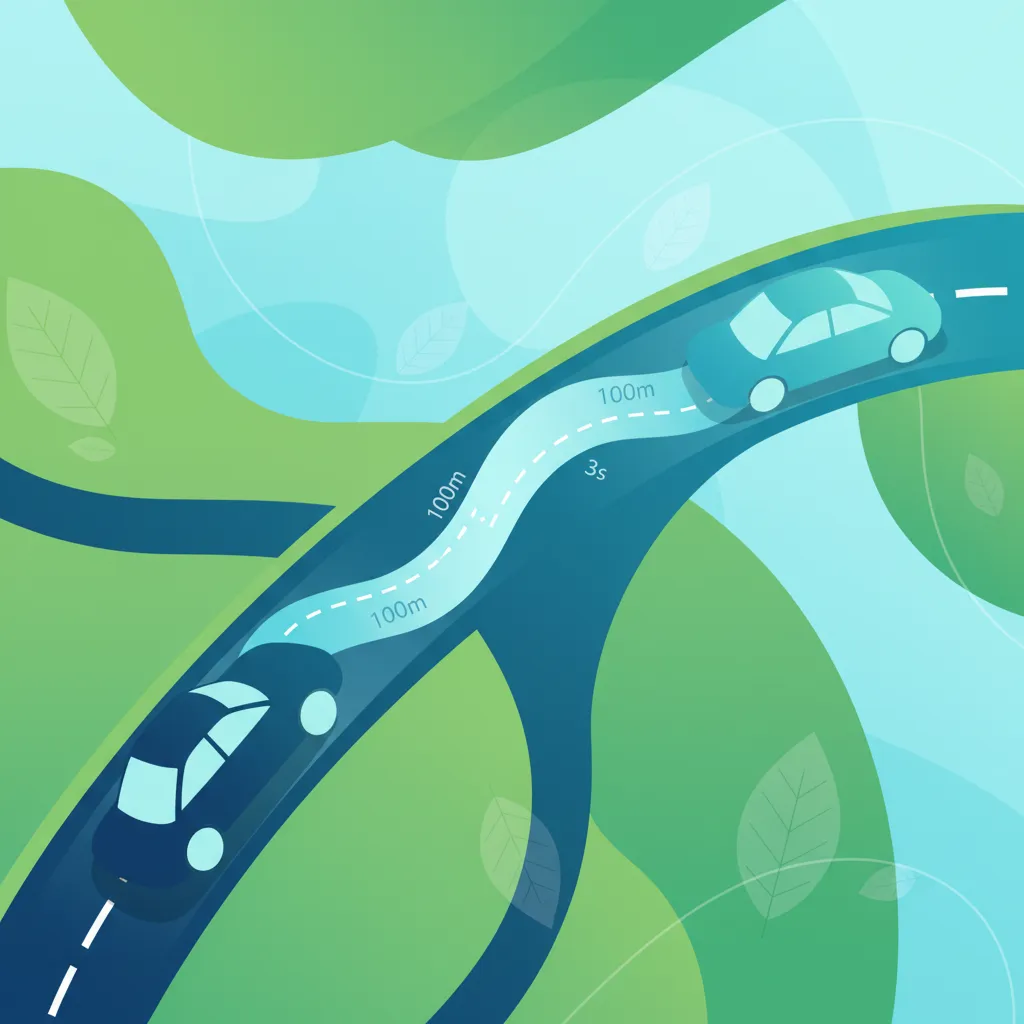
This lesson focuses on the concept of maintaining a safe following distance using the time-gap method. It explains how to create a sufficient buffer zone to react to sudden stops by the vehicle ahead. Riders will learn to adjust this gap based on speed, weather, and visibility to prevent rear-end collisions and ensure adequate reaction time.
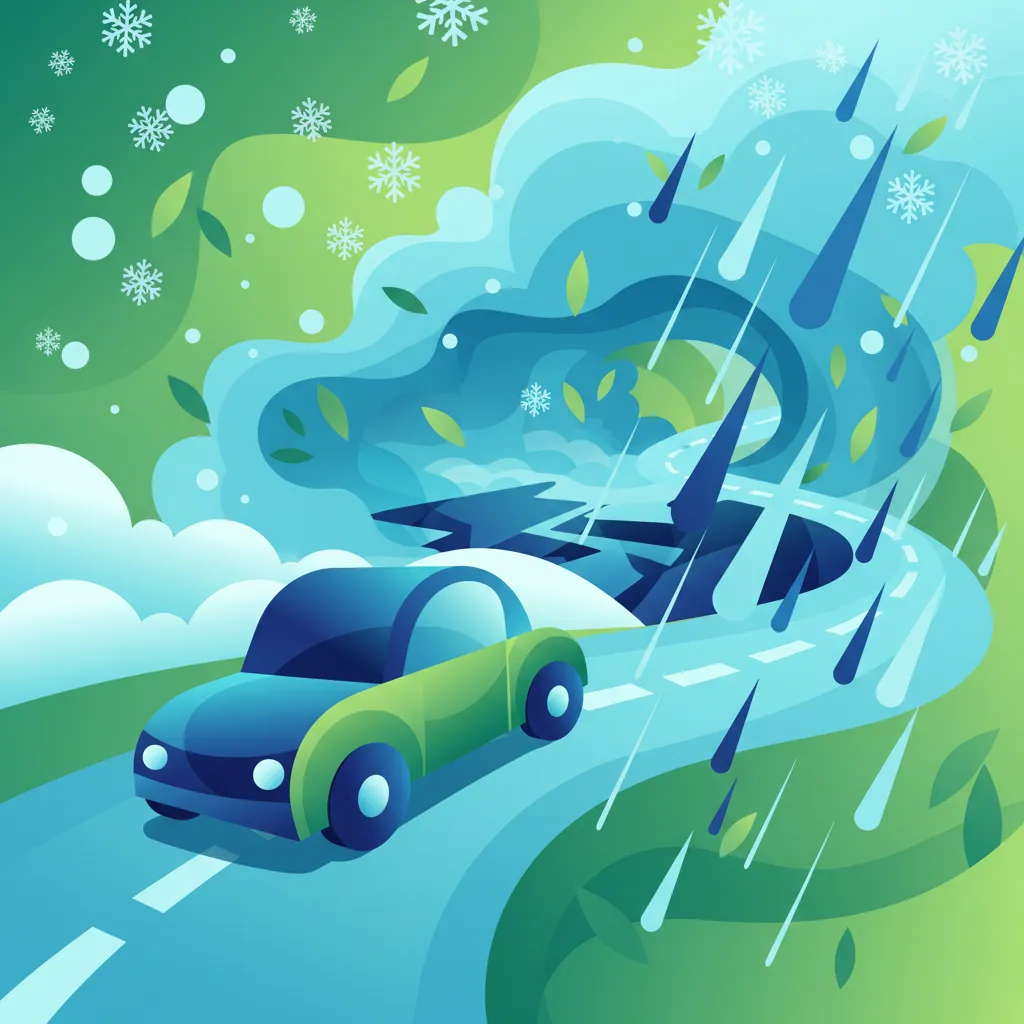
This lesson details how various weather conditions impact moped stability, traction, and visibility. It provides practical strategies for handling crosswinds, avoiding hydroplaning in rain, and maintaining grip on icy or snowy surfaces. Riders will learn to assess weather-related risks and adapt their speed and control inputs to navigate challenging conditions safely.
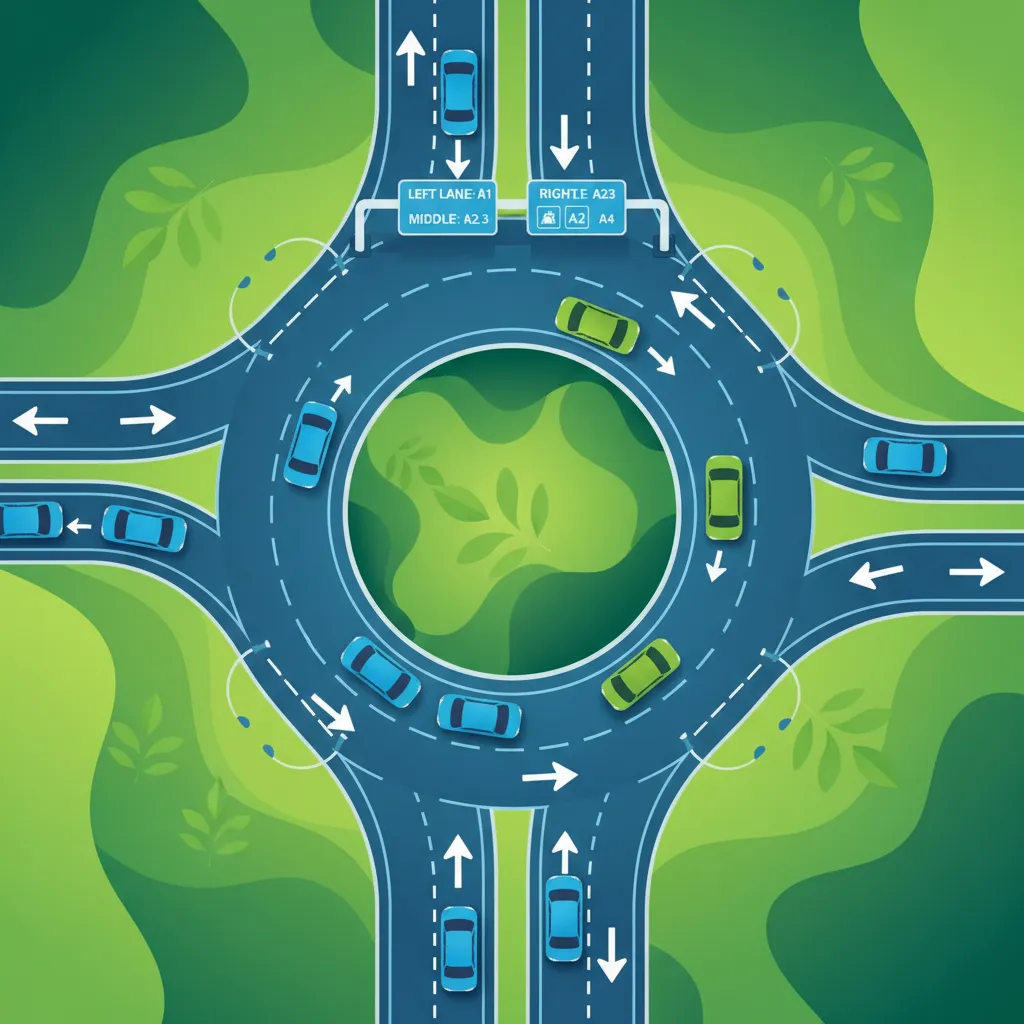
This lesson provides a detailed guide to navigating roundabouts, focusing on the rule to yield to circulating traffic before entering. It covers correct lane positioning for different exits, proper signaling, and maintaining a safe speed within the roundabout. Special guidance is provided for moped riders to enhance their visibility and safety among larger vehicles.
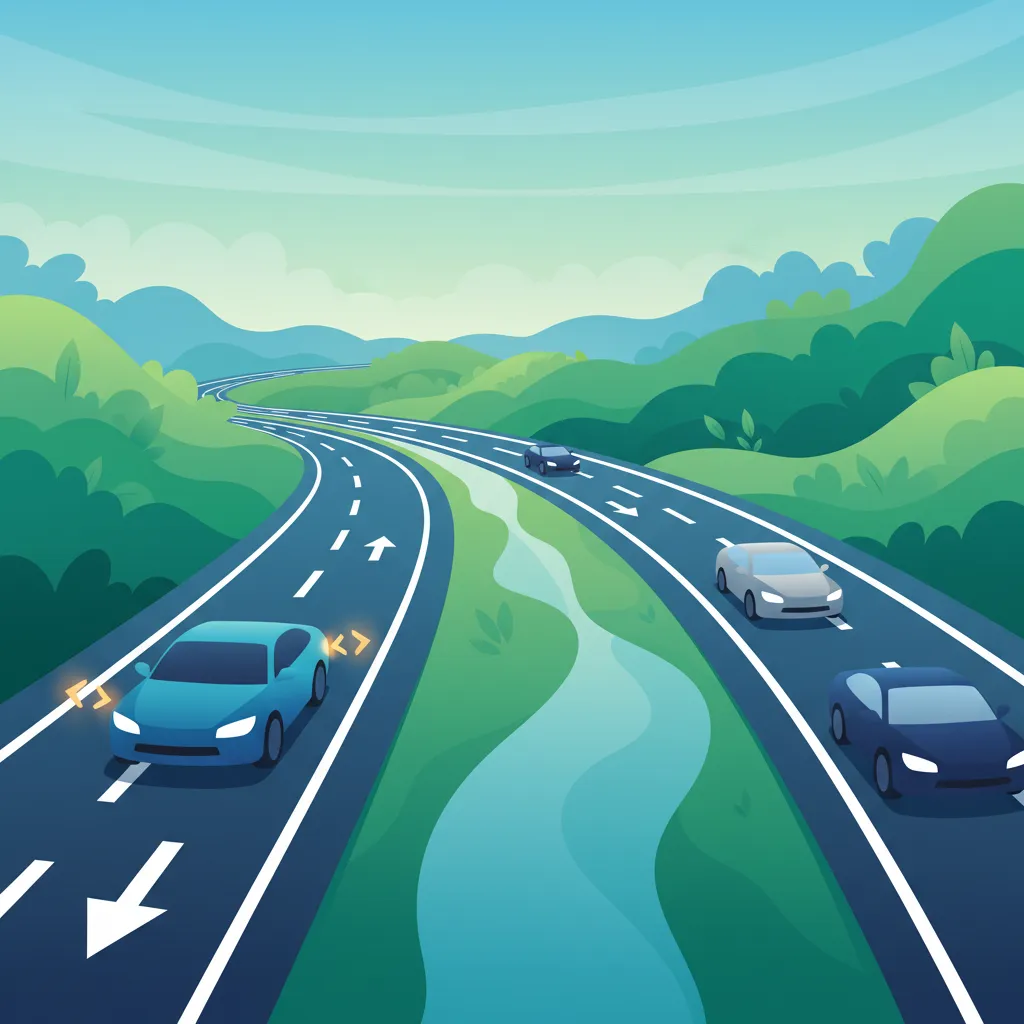
This lesson details the fundamentals of lane discipline and proper turning techniques for moped riders. It covers the correct use of turn signals, judging appropriate cornering speed, and executing safe lane changes. The material provides a step-by-step guide to navigating intersections and curves with control and predictability, ensuring safety for the rider and other road users.
Understand the common errors drivers and riders make around parked vehicles and the specific Icelandic legal requirements. This lesson clarifies right-of-way rules, overtaking distances, and driver responsibilities to prevent dooring incidents and ensure road safety.
This lesson explores the conduct required at uncontrolled crossings where the right-hand rule typically applies. It emphasizes the need to reduce speed, be prepared to stop, and establish clear communication with other road users. Riders will learn to assess the situation carefully and proceed only when it is confirmed to be safe, a critical skill for rural and residential areas.
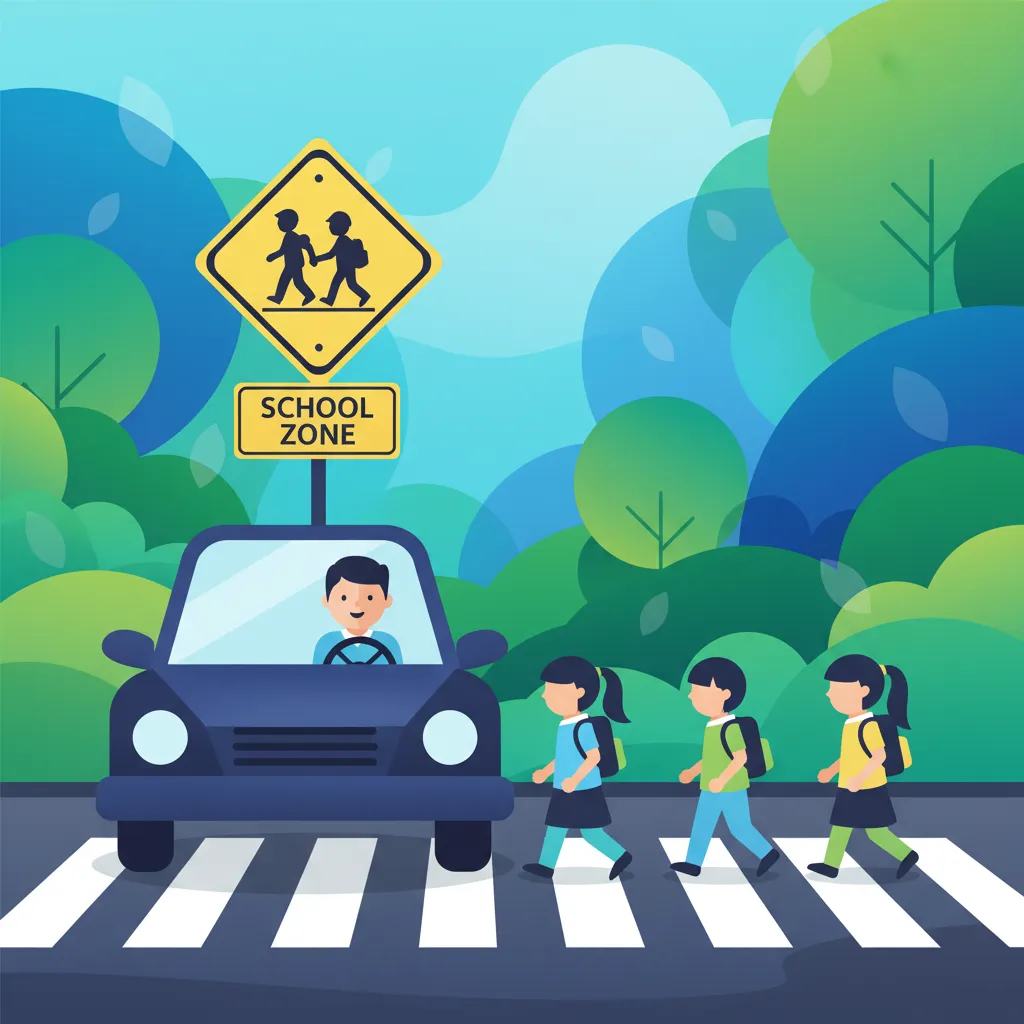
This lesson covers the strict rules governing pedestrian crossings and school zones, where riders have a heightened duty of care. It details the obligation to yield to pedestrians, recognize school zone signage, and reduce speed significantly. Riders learn to be extra vigilant for the unpredictable movements of children and other vulnerable road users in these sensitive areas.
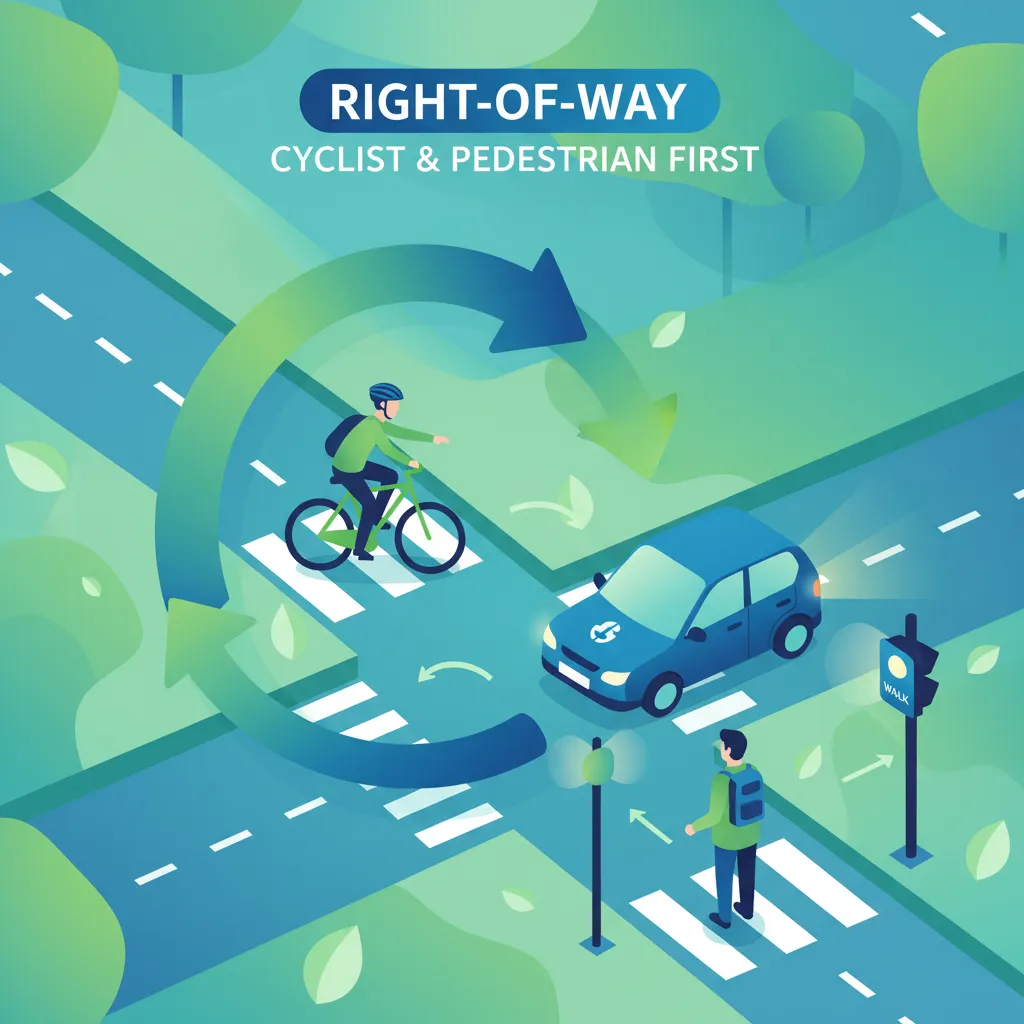
This lesson examines the legal framework defining right-of-way, distinguishing between priority and secondary roads, and detailing yielding responsibilities. It teaches riders how to assess intersections and approach safely based on Icelandic traffic law. Understanding these principles is critical for preventing collisions and ensuring smooth traffic flow at all types of junctions.
This lesson focuses on the concept of maintaining a safe following distance using the time-gap method. It explains how to create a sufficient buffer zone to react to sudden stops by the vehicle ahead. Riders will learn to adjust this gap based on speed, weather, and visibility to prevent rear-end collisions and ensure adequate reaction time.
This lesson covers the extensive obligations that come with riding a moped, emphasizing the duty of care to other road users. It details specific legal requirements, such as mandatory helmet use, adherence to speed limits, and correct signaling protocols. Understanding these responsibilities helps riders grasp the consequences of non-compliance and fosters a culture of safety on the road.
This lesson examines regulatory signs that impose legal obligations, focusing on those most relevant to moped riders like speed limits and mandatory direction signs. Learners will understand how sign shapes and colors convey specific commands or prohibitions. Attention is given to signs with vehicle-specific restrictions, ensuring riders know when rules apply directly to them.
This lesson outlines best practices for positioning a moped on urban roads to maximize visibility and safety. It explains how to choose a lane position that makes you visible to drivers ahead and behind, while avoiding road debris and dooring hazards from parked cars. The content addresses adapting your position based on traffic speed, density, and road conditions.
This lesson focuses on the rules governing vehicle parking throughout Iceland, including the correct use of parallel and angle parking and compliance with time-limited zones. Learners will review signage indicating disabled parking spaces, restrictions on roadside parking, and rules about parking on sidewalks or in narrow rural areas. The content also details the legal consequences and penalties for illegal parking and the impact of infractions on vehicle inspection records.
This lesson outlines the regulations governing pedestrian crossings, including zebra crossings, pedestrian traffic lights, and the driver’s obligations to yield. Learners will study how to identify crosswalk markings, interpret pedestrian signal phases, and understand the enhanced caution required in school zones and areas with high foot traffic. The content also emphasizes the need for drivers to anticipate vulnerable pedestrians and provide additional yielding in low-visibility conditions.
This lesson provides a detailed guide to navigating roundabouts, focusing on the rule to yield to circulating traffic before entering. It covers correct lane positioning for different exits, proper signaling, and maintaining a safe speed within the roundabout. Special guidance is provided for moped riders to enhance their visibility and safety among larger vehicles.
Find clear answers to common questions learners have about Interactions with Parked Vehicles and Dooring Hazards. Learn how the lesson is structured, which driving theory objectives it supports, and how it fits into the overall learning path of units and curriculum progression in Iceland. These explanations help you understand key concepts, lesson flow, and exam focused study goals.
The primary danger is 'dooring', where a driver or passenger of a parked vehicle opens their door directly into the path of an oncoming moped. This can cause a sudden collision, leading to serious injury. It's crucial to anticipate this possibility at all times.
In Iceland, as elsewhere, it's best practice to maintain a 'safety margin' when passing parked vehicles. This means positioning your moped at least a meter away, or ideally further if space allows. This buffer gives you reaction time if a door suddenly opens.
Look for cues such as the car lights being on, occupants visible inside, or drivers/passengers looking towards the road. Pay extra attention when you see people getting ready to exit a vehicle or if the engine is running.
Your immediate reaction should be to brake safely and, if possible, swerve to create space. Be prepared for this possibility by always scanning ahead and to the side as you pass parked vehicles. Having an escape route in mind is key.
Yes, the principles of avoiding dooring hazards apply to all vulnerable road users, including bicycle riders and users of electric scooters, not just moped riders. Always maintain a safe distance and stay vigilant.
Utilize our advanced practice set search to pinpoint the exact Icelandic driving theory topics you need to review. Filter by subject, difficulty, or question type to create a highly effective study plan and ensure you are fully prepared for your official driving licence test in Iceland.