
Navigating Icelandic roads as a moped rider requires constant awareness of larger vehicles. This lesson focuses on the critical blind spots of cars, trucks, and buses, teaching you how to position your moped to ensure you are always seen. Understanding these zones is vital for safe urban riding and for passing your AM category theory exam.
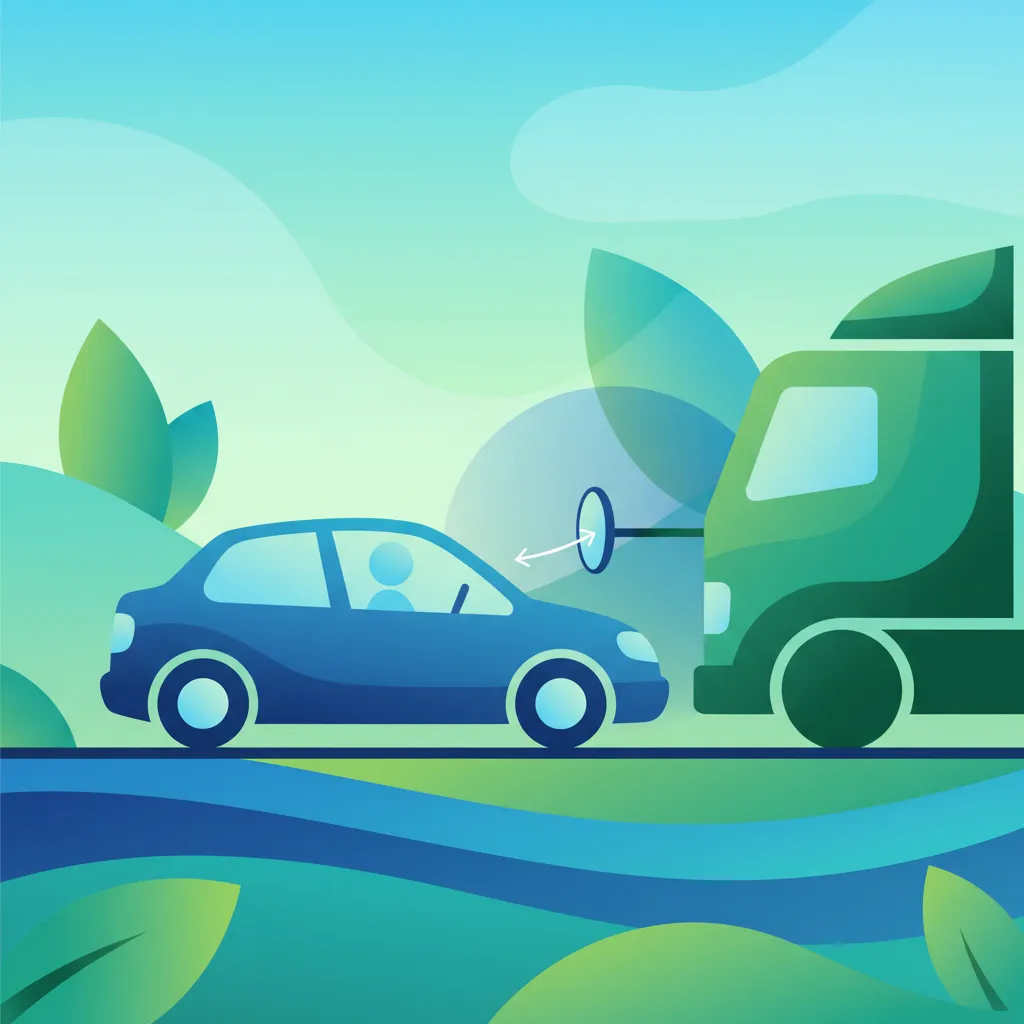
Lesson content overview
As an Icelandic Category AM moped rider, understanding and actively managing blind spots is paramount for your safety on the road. Larger vehicles such as cars, trucks, and buses have zones where their drivers cannot see you, even when using mirrors. This lesson will equip you with the knowledge and strategies to identify these dangerous zones, position your moped to remain visible, and anticipate the movements of other vehicles, significantly reducing your risk of collision.
Blind spots are areas around a vehicle that are obscured from the driver's view, both directly and through their mirrors. For moped riders, these zones represent significant hazards because of the moped's smaller size and profile. When you enter a vehicle's blind spot, you become effectively invisible to that driver, creating a dangerous situation, especially during lane changes, turns, or overtaking maneuvers.
The principle of "visibility equals safety" is foundational here. Your primary goal as a moped rider is to proactively position yourself to be consistently within the visibility envelope – the geometric region from which you are visible to other drivers. This requires understanding the unique blind spot characteristics of different vehicle types and adjusting your riding behavior accordingly.
Not all blind spots are created equal. The size, shape, and location of blind spots vary significantly depending on the type and dimensions of the vehicle. Being able to visualize these zones for surrounding traffic is a critical skill for defensive riding.
Even standard passenger cars have blind spots. These typically extend from the driver’s shoulder to the rear corners of the vehicle. They are generally located about 1.5 to 2 metres laterally to the left and right, and approximately 1 metre behind the rear passenger doors. A moped rider traveling slightly behind and to the side of a car can easily disappear from the driver's side mirror and peripheral vision.
Trucks and vans, particularly larger delivery vans and heavy goods vehicles, have much more extensive and complex blind spots than cars. Their higher ride height, longer bodies, and often limited rear visibility contribute to this.
Trucks and vans have significant blind spots not only to the sides and rear but also directly in front of and immediately behind the cab. Never assume a driver can see you just because you are close.
Buses generally have the largest blind spots among common vehicles. Their considerable length and height, combined with often limited mirror coverage along their extensive sides, create vast areas where a moped rider can be completely unseen.
As a moped rider, you have a responsibility to actively manage your position on the road to ensure you remain visible. This involves proactive positioning – choosing a lane area where you are consistently seen by surrounding traffic – and applying effective lane discipline.
Under normal circumstances, riding in the centre of your lane is often the safest choice. This position places you squarely in the driver's primary field of view and within most vehicles' mirror coverage. It also gives you space to manoeuvre around road hazards and maintains a safe buffer from parked cars or other roadside obstacles.
The horizontal distance between your moped and the adjacent vehicle or lane edge. Maintaining an adequate lateral gap is crucial for blind spot avoidance and safety.
When you are overtaking a larger vehicle or traveling alongside one, you should adjust your position within the lane. This is known as offset positioning. The goal is to avoid lingering in their blind spots and ensure you are visible in their side mirrors.
A critical aspect of proactive positioning is understanding the mirror gap. This refers to the minimum safe lateral distance from a vehicle’s side mirror that ensures the rider is within the driver’s line of sight.
While Icelandic law does not codify a specific numeric mirror gap, best practices recommend:
Riding directly adjacent to a vehicle's rear wheel or side door can place you squarely in a blind spot. Always aim for visual overlap, where both you and the other driver are able to see each other.
Even with optimal positioning, larger vehicles can move unexpectedly. Developing risk anticipation skills – predicting potential blind spot encounters – allows you to take early corrective action.
Always pay close attention to the turn signals of larger vehicles. Icelandic Traffic Law (§ 26) mandates that all vehicles signal lane changes at least five seconds prior to the manoeuvre. This advanced warning is your cue to:
Never assume a driver will check their blind spots, especially if you are not easily visible. Always ride as if you are unseen.
When navigating near larger vehicles, maintain an increased safety margin beyond the legal minimum following distance. This additional buffer accounts for the slower reaction times of larger vehicles, their longer stopping distances, and their limited visibility. A good rule of thumb is to increase your following distance to at least a three-second rule, especially behind trucks or buses. This gives you more time to react if they brake suddenly or swerve.
Beyond strategic positioning, actively enhancing your own visibility is a critical layer of defense against blind spot incidents.
Wearing high-visibility clothing is strongly recommended for all vulnerable road users in Iceland. This includes fluorescent yellow, orange, or green apparel, especially vests or jackets, which make you significantly more noticeable in daylight, dusk, and foggy conditions. Reflective strips or materials are also essential for night riding, as they reflect light from other vehicles' headlamps.
Apparel designed with fluorescent colors and/or reflective strips to make the wearer easily seen in various light conditions, improving detection by other drivers.
Always use your moped's headlamp, even during the day. This serves as an additional marker, making your moped more noticeable to other drivers. Consider adding reflective stickers or tape to your moped or helmet to further increase your profile, especially from the sides and rear.
Several Icelandic traffic regulations and recommendations underpin safe blind spot management:
Understanding specific dangerous situations can help you react proactively:
Blind spot awareness isn't static; it must adapt to changing conditions.
As a moped rider, your relatively small size means you are inherently more vulnerable. Therefore, the onus is largely on you to ride defensively and proactively manage your visibility. By understanding blind spot zones, practicing proactive positioning, anticipating the movements of larger vehicles, and enhancing your own visibility, you significantly reduce the risk of being unseen and involved in a collision.
Identify Blind Zones: Learn the specific blind spots of cars, trucks, and buses, recognizing their unique geometric boundaries.
Maintain Lateral Gap: Always keep a safe horizontal distance (at least 0.5 metres from mirrors of large vehicles) from adjacent traffic.
Proactive Positioning: Position your moped in the lane to be consistently visible – centre-lane for general riding, offset when overtaking.
Anticipate Movement: Constantly scan for turn signals and changes in traffic flow from larger vehicles to predict their movements.
Enhance Visibility: Wear high-visibility clothing, use your headlamp, and consider reflective elements on your moped and helmet.
Increase Safety Margin: Maintain a larger following distance behind big vehicles (e.g., 3-second rule).
Adjust for Conditions: Modify your positioning and safety margins based on weather, light, and road type.
Blind spots around cars, trucks, and buses create zones of invisibility for moped riders, and the rider bears the primary responsibility for staying visible through proactive lane positioning, adequate lateral gaps (≥0.3 m for cars, ≥0.5 m for large vehicles), and anticipatory scanning for signals and movement. Icelandic traffic law reinforces these habits with requirements such as maintaining safe lateral distance (§ 24) and signaling lane changes at least five seconds in advance (§ 26), while high‑visibility clothing and headlamp use add essential layers of protection especially in adverse weather or low‑light conditions. By mastering the visibility envelope, understanding vehicle swing during turns, and adjusting safety margins for different road types, an AM‑category rider can significantly reduce the risk of being unseen in traffic.
A short set of high-value points that capture the most important learning from this lesson.
Large vehicles have distinct blind spot zones: cars have small lateral and rear blind areas, while trucks and buses have extensive blind zones including large side, front, and rear areas.
The visibility envelope is the region from which a rider is visible to other drivers; staying within it is the core principle of blind spot safety.
Offset positioning and mirror gap awareness (minimum 0.3 m for cars, 0.5 m for trucks/buses) help the rider remain visible when overtaking or riding alongside larger vehicles.
Turning trucks pose a vehicle swing hazard because rear wheels track inside the front wheels, creating a dynamic blind spot that can crush a moped rider positioned too close.
Icelandic law § 26 mandates a 5‑second advance signal for lane changes, giving moped riders a critical cue to anticipate and avoid a blind spot before the maneuver begins.
Explore all units and lessons included in this driving theory course.
Never linger in a vehicle’s mirror gap; if you can see the driver’s face in their side mirror, they can usually see you.
Increase following distance to at least a three‑second gap behind trucks and buses to compensate for their longer stopping distances.
Wearing fluorescent or reflective clothing dramatically improves detection in low‑light, fog, or rain conditions.
Stay within the lane, avoid the curb when buses or large vehicles are present, and never ride directly adjacent to side mirrors.
Weather, road type, and loading state of a large vehicle alter its blind spot geometry; always re‑assess your position accordingly.
Assuming a driver can see you simply because you are close to the vehicle or are using your headlamp.
Riding on the curb adjacent to a bus, which places you in a blind spot and exposes you to dooring hazards.
Lingering directly behind a truck without increasing following distance, leaving no time to react if the truck brakes suddenly.
Passing too close to a truck or bus side mirror without maintaining the recommended 0.5‑metre lateral clearance.
Failing to scan for turn signals and adjust position when a large vehicle begins to indicate a lane change.
Lesson content overview
A short set of high-value points that capture the most important learning from this lesson.
Large vehicles have distinct blind spot zones: cars have small lateral and rear blind areas, while trucks and buses have extensive blind zones including large side, front, and rear areas.
The visibility envelope is the region from which a rider is visible to other drivers; staying within it is the core principle of blind spot safety.
Offset positioning and mirror gap awareness (minimum 0.3 m for cars, 0.5 m for trucks/buses) help the rider remain visible when overtaking or riding alongside larger vehicles.
Turning trucks pose a vehicle swing hazard because rear wheels track inside the front wheels, creating a dynamic blind spot that can crush a moped rider positioned too close.
Icelandic law § 26 mandates a 5‑second advance signal for lane changes, giving moped riders a critical cue to anticipate and avoid a blind spot before the maneuver begins.
Explore all units and lessons included in this driving theory course.
Never linger in a vehicle’s mirror gap; if you can see the driver’s face in their side mirror, they can usually see you.
Increase following distance to at least a three‑second gap behind trucks and buses to compensate for their longer stopping distances.
Wearing fluorescent or reflective clothing dramatically improves detection in low‑light, fog, or rain conditions.
Stay within the lane, avoid the curb when buses or large vehicles are present, and never ride directly adjacent to side mirrors.
Weather, road type, and loading state of a large vehicle alter its blind spot geometry; always re‑assess your position accordingly.
Assuming a driver can see you simply because you are close to the vehicle or are using your headlamp.
Riding on the curb adjacent to a bus, which places you in a blind spot and exposes you to dooring hazards.
Lingering directly behind a truck without increasing following distance, leaving no time to react if the truck brakes suddenly.
Passing too close to a truck or bus side mirror without maintaining the recommended 0.5‑metre lateral clearance.
Failing to scan for turn signals and adjust position when a large vehicle begins to indicate a lane change.
Explore search topics learners often look for when studying Blind Spot Awareness with Larger Vehicles. These topics reflect common questions about road rules, driving situations, safety guidance, and lesson level theory preparation for learners in Iceland.
Browse additional driving theory lessons that cover connected traffic rules, road signs, and common driving situations related to this topic. Improve your understanding of how different rules interact across everyday traffic scenarios.
Learn how to position your moped to remain visible to drivers of cars, trucks, and buses. Understand blind spot zones and develop strategies to stay safe in Icelandic traffic.

This lesson focuses on methods to enhance a rider's visibility, covering high-visibility clothing, reflective materials, and strategic lighting. Learners will understand how to use daytime running lights and position themselves to minimize time in others' blind spots. These proactive techniques are essential for being seen by other road users, significantly reducing the risk of collisions.
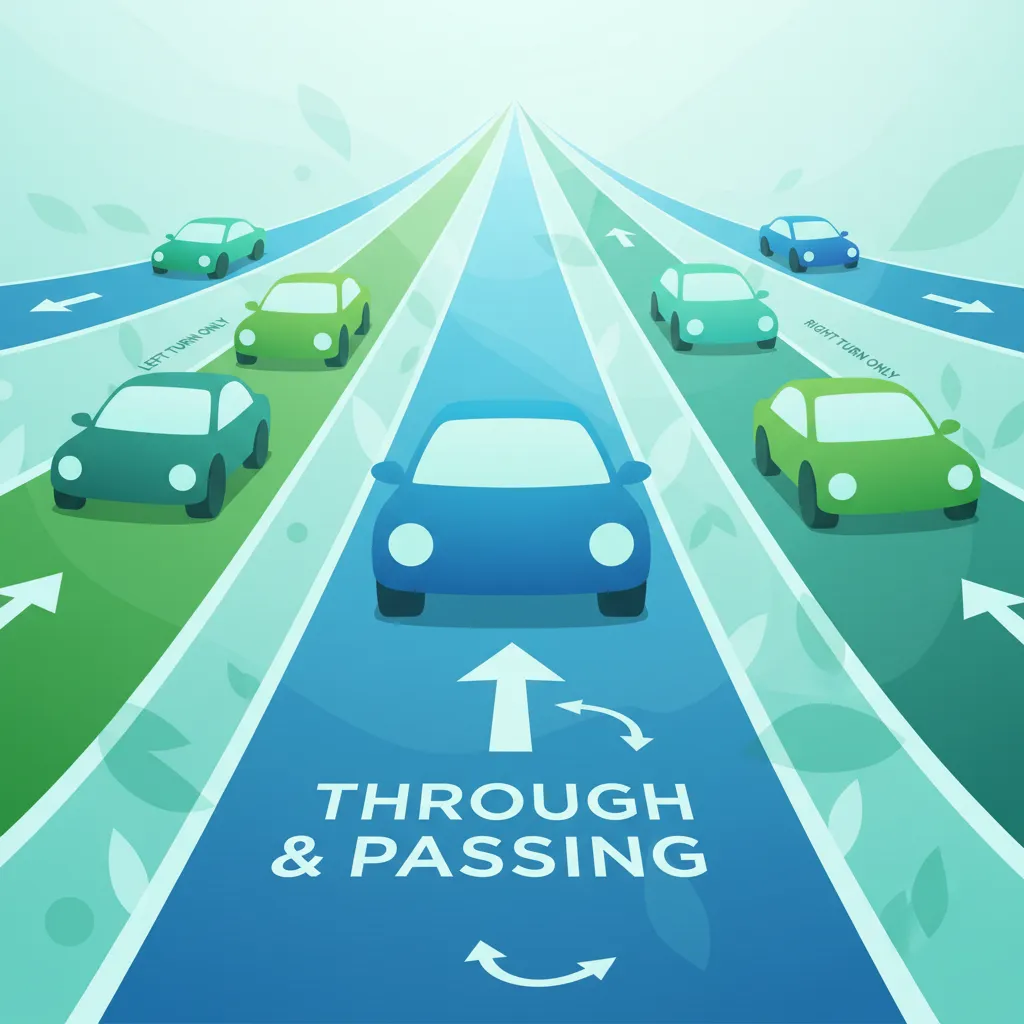
This lesson outlines best practices for positioning a moped on urban roads to maximize visibility and safety. It explains how to choose a lane position that makes you visible to drivers ahead and behind, while avoiding road debris and dooring hazards from parked cars. The content addresses adapting your position based on traffic speed, density, and road conditions.
This lesson addresses the unique challenges of riding at night, including reduced visibility and altered depth perception. It covers the correct use of lighting systems, the critical role of reflective gear, and strategies to maximize conspicuity. Riders will also learn to identify hazards specific to low-light conditions, such as animals or unlit obstacles on the road.
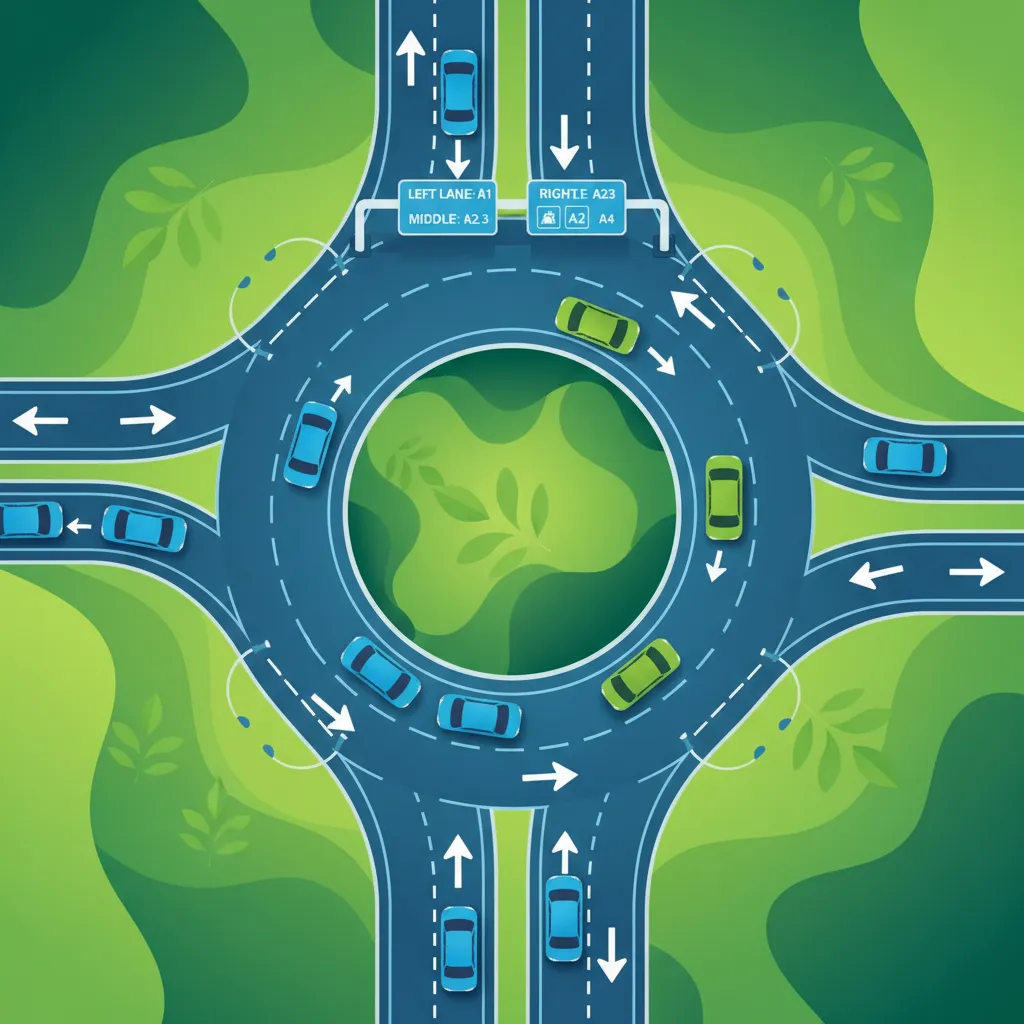
This lesson provides a detailed guide to navigating roundabouts, focusing on the rule to yield to circulating traffic before entering. It covers correct lane positioning for different exits, proper signaling, and maintaining a safe speed within the roundabout. Special guidance is provided for moped riders to enhance their visibility and safety among larger vehicles.
This lesson details how various weather conditions impact moped stability, traction, and visibility. It provides practical strategies for handling crosswinds, avoiding hydroplaning in rain, and maintaining grip on icy or snowy surfaces. Riders will learn to assess weather-related risks and adapt their speed and control inputs to navigate challenging conditions safely.
This lesson examines the psychological factors crucial for safe riding, promoting a defensive mindset and heightened risk awareness. It provides strategies for managing stress, identifying potential hazards early, and making proactive decisions to prevent dangerous situations. Cultivating mental discipline and a safety-conscious attitude is fundamental to long-term rider safety on Icelandic roads.
This lesson familiarizes learners with signs that warn of upcoming hazards, such as sharp curves, slippery surfaces, or animal crossings. It emphasizes the importance of early hazard recognition and response, which is especially critical for vulnerable moped riders. Understanding these signs allows riders to anticipate road conditions and adjust their riding strategy accordingly for increased safety.
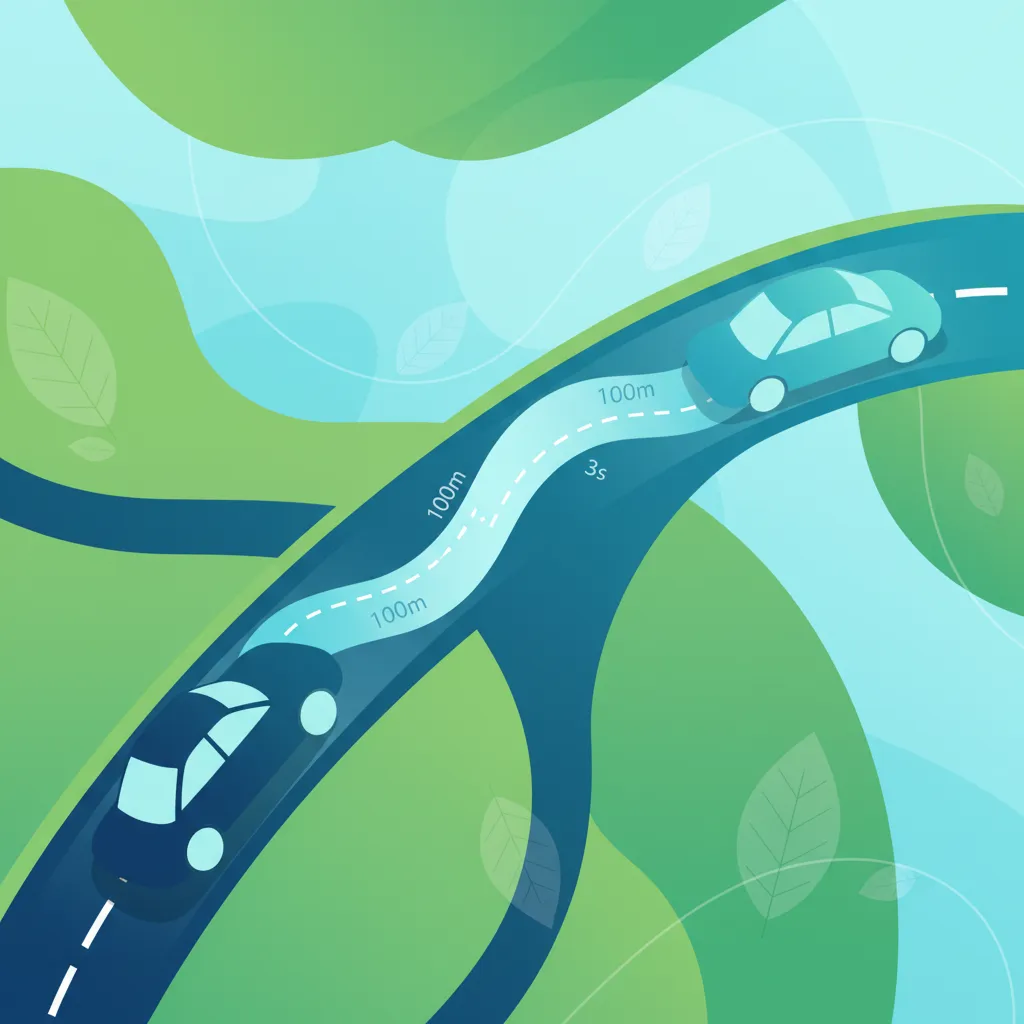
This lesson focuses on the concept of maintaining a safe following distance using the time-gap method. It explains how to create a sufficient buffer zone to react to sudden stops by the vehicle ahead. Riders will learn to adjust this gap based on speed, weather, and visibility to prevent rear-end collisions and ensure adequate reaction time.
This lesson examines regulatory signs that impose legal obligations, focusing on those most relevant to moped riders like speed limits and mandatory direction signs. Learners will understand how sign shapes and colors convey specific commands or prohibitions. Attention is given to signs with vehicle-specific restrictions, ensuring riders know when rules apply directly to them.
This lesson explores the conduct required at uncontrolled crossings where the right-hand rule typically applies. It emphasizes the need to reduce speed, be prepared to stop, and establish clear communication with other road users. Riders will learn to assess the situation carefully and proceed only when it is confirmed to be safe, a critical skill for rural and residential areas.
Explore common blind spot dangers when riding near larger vehicles, including cars, trucks, and buses. Learn to anticipate vehicle movements and common mistakes to improve your safety.
This lesson focuses on methods to enhance a rider's visibility, covering high-visibility clothing, reflective materials, and strategic lighting. Learners will understand how to use daytime running lights and position themselves to minimize time in others' blind spots. These proactive techniques are essential for being seen by other road users, significantly reducing the risk of collisions.
This lesson outlines best practices for positioning a moped on urban roads to maximize visibility and safety. It explains how to choose a lane position that makes you visible to drivers ahead and behind, while avoiding road debris and dooring hazards from parked cars. The content addresses adapting your position based on traffic speed, density, and road conditions.
This lesson examines the psychological factors crucial for safe riding, promoting a defensive mindset and heightened risk awareness. It provides strategies for managing stress, identifying potential hazards early, and making proactive decisions to prevent dangerous situations. Cultivating mental discipline and a safety-conscious attitude is fundamental to long-term rider safety on Icelandic roads.
This lesson addresses the unique challenges of riding at night, including reduced visibility and altered depth perception. It covers the correct use of lighting systems, the critical role of reflective gear, and strategies to maximize conspicuity. Riders will also learn to identify hazards specific to low-light conditions, such as animals or unlit obstacles on the road.
This lesson familiarizes learners with signs that warn of upcoming hazards, such as sharp curves, slippery surfaces, or animal crossings. It emphasizes the importance of early hazard recognition and response, which is especially critical for vulnerable moped riders. Understanding these signs allows riders to anticipate road conditions and adjust their riding strategy accordingly for increased safety.
This lesson investigates the significant hazards posed by parked vehicles, particularly the risk of a driver opening a door into a rider's path. It teaches techniques for maintaining a safe buffer zone and scanning for signs of occupancy in parked cars. Riders will learn how to anticipate this common urban danger and plan escape routes to avoid sudden collisions.
This lesson focuses on the concept of maintaining a safe following distance using the time-gap method. It explains how to create a sufficient buffer zone to react to sudden stops by the vehicle ahead. Riders will learn to adjust this gap based on speed, weather, and visibility to prevent rear-end collisions and ensure adequate reaction time.
This lesson explores the conduct required at uncontrolled crossings where the right-hand rule typically applies. It emphasizes the need to reduce speed, be prepared to stop, and establish clear communication with other road users. Riders will learn to assess the situation carefully and proceed only when it is confirmed to be safe, a critical skill for rural and residential areas.
This lesson details how various weather conditions impact moped stability, traction, and visibility. It provides practical strategies for handling crosswinds, avoiding hydroplaning in rain, and maintaining grip on icy or snowy surfaces. Riders will learn to assess weather-related risks and adapt their speed and control inputs to navigate challenging conditions safely.
This lesson covers the extensive obligations that come with riding a moped, emphasizing the duty of care to other road users. It details specific legal requirements, such as mandatory helmet use, adherence to speed limits, and correct signaling protocols. Understanding these responsibilities helps riders grasp the consequences of non-compliance and fosters a culture of safety on the road.
Find clear answers to common questions learners have about Blind Spot Awareness with Larger Vehicles. Learn how the lesson is structured, which driving theory objectives it supports, and how it fits into the overall learning path of units and curriculum progression in Iceland. These explanations help you understand key concepts, lesson flow, and exam focused study goals.
Blind spots are areas around a vehicle that the driver cannot see directly using their mirrors or by looking around. For cars, trucks, and buses, these zones are significantly larger and can completely obscure a moped, making it crucial for riders to avoid them.
If you cannot see the driver's face in their mirrors, or if you are positioned directly to the side of a truck or bus, especially around the rear wheels, you are likely in a blind spot. It's always safest to assume you are in a blind spot until proven otherwise by seeing the driver acknowledge you.
Maintain a significant following distance, much greater than you would for a car. This allows you to see more of the road ahead of the larger vehicle and ensures you are not in its blind spot if it needs to brake suddenly or change lanes. Position yourself further back and slightly to the side if safe, rather than directly behind.
The Icelandic theory exam for Category AM often includes questions testing your understanding of blind spots and visibility. You'll be asked about safe following distances, positioning, and how to react when a larger vehicle is about to change lanes or turn, all relating to awareness of these hidden areas.
While a brief, gentle honk might be considered in extreme situations, it's generally better to focus on safe positioning and anticipation. Aggressive or constant honking can startle a driver. Your primary strategy should be to stay out of the blind spot and make yourself visible through proper road positioning.
Utilize our advanced practice set search to pinpoint the exact Icelandic driving theory topics you need to review. Filter by subject, difficulty, or question type to create a highly effective study plan and ensure you are fully prepared for your official driving licence test in Iceland.