
Welcome to the lesson on Lane Use and Proper Turning Techniques for your Icelandic Category AM moped license. This vital section builds on our understanding of road priority and positioning, focusing specifically on how to move within lanes and navigate turns safely and predictably, a key area for both the theory exam and everyday riding.
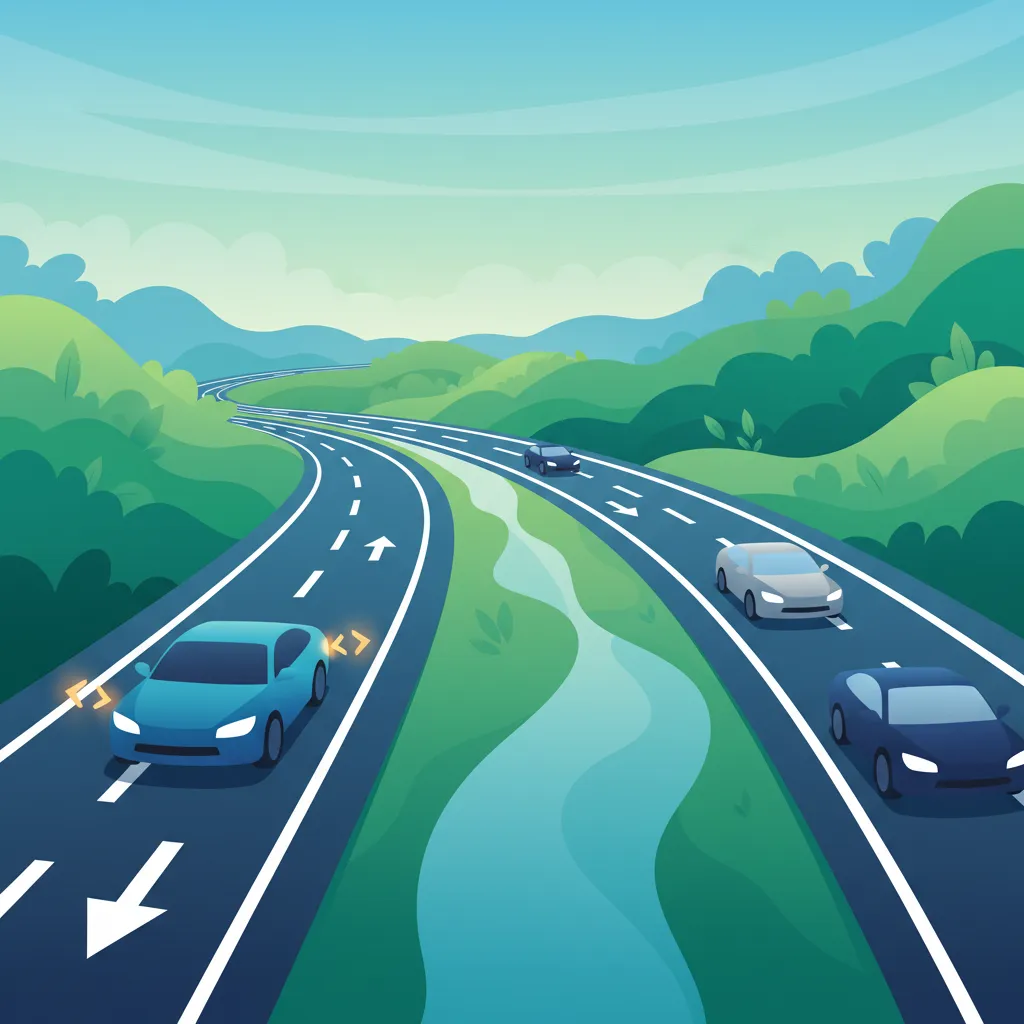
Lesson content overview
Effective lane use and mastering proper turning techniques are fundamental skills for any rider, particularly for those operating mopeds in Iceland. This lesson provides a detailed guide for Category AM moped riders, focusing on how to navigate roads predictably, safely, and in compliance with Icelandic traffic regulations. Understanding these principles is not just about passing a theory test; it's about minimizing risks, preventing collisions, and ensuring a harmonious flow with other road users.
Lane discipline involves maintaining a consistent and appropriate position within your designated lane. Combined with clear communication of your intentions through proper signalling and controlled turning, these actions form the bedrock of safe moped operation. For Category AM riders, predictability is paramount because mopeds can be less visible than larger vehicles. Every action you take—from positioning your moped on the road to executing a turn or lane change—must be clearly communicated to those around you, allowing them sufficient time to react safely.
Correct technique significantly reduces the likelihood of loss-of-control incidents, especially when navigating curves or complex intersections. Adhering to Icelandic traffic legislation regarding lane use and turning ensures you meet legal requirements and contribute to overall road safety for yourself, other motorists, cyclists, and pedestrians. This knowledge builds directly upon your understanding of basic traffic signs, signals, and priority rules, laying the groundwork for more advanced riding skills.
Road markings are crucial visual cues that dictate where vehicles can and cannot travel, and how maneuvers should be executed. For moped riders, understanding these markings is key to maintaining proper lane discipline and positioning your vehicle correctly for various situations.
The concept of lane positioning refers to where you place your moped within the width of a traffic lane. Your position should always be appropriate for your intended travel direction and any upcoming maneuvers.
Riding too close to the curb increases the risk of hitting potholes, drains, or other roadside debris, and can make you less visible to drivers entering from side streets. Drifting across lane boundaries is dangerous as it can cause conflicts with vehicles in adjacent lanes or those traveling in the opposite direction. Always aim for a position that maximizes your visibility and provides a safe buffer zone.
Turn signals are your primary tool for communicating your intentions to other road users. Their correct and timely use is a mandatory part of Icelandic traffic law and crucial for preventing collisions.
An electrical light on the vehicle, typically amber, activated to indicate an intention to turn, change lanes, or make other directional changes.
Always signal, even if you think no one is around. You might miss a pedestrian, a cyclist, or another vehicle in your blind spot. Over-signalling is always safer than under-signalling.
Identify your turn: Decide your intended direction well in advance.
Check surroundings: Scan mirrors and blind spots for traffic.
Activate signal: Turn on the appropriate indicator at least 3 seconds before your turn point.
Maintain signal: Keep the signal active throughout the turn until your moped has straightened in the new direction.
Negotiating curves safely requires careful management of your speed, which directly impacts your moped's stability and tire grip. The goal is to select a speed that allows you to maintain control through the entire turn without skidding or drifting out of your lane.
When a vehicle turns, a force known as centripetal force is required to keep it moving in a curved path. This force is provided by the friction between your tires and the road surface.
The speed appropriate for safely negotiating a curve, based on the turn's radius and current road surface conditions.
Maintaining cruising speed through curves is a common cause of accidents for moped riders. Always reduce speed before entering the curve, and then gently accelerate through the turn if safe to do so.
Always comply with posted speed limits, but remember that these are maximum limits under ideal conditions. You must reduce your speed further when road geometry (like a sharp curve) or surface conditions demand it.
Often, you will encounter advisory signs indicating a curve ahead and suggesting a reduced speed. These are crucial warnings and should always be heeded, especially if you are unfamiliar with the road.
Changing lanes is a routine maneuver that carries significant risk if not performed correctly. A methodical, step-by-step approach is essential to avoid side-on collisions and ensure safety on multi-lane roads.
Check Mirrors: Glance at your rear-view and side mirrors to assess traffic approaching from behind in the target lane. Look for a sufficient gap.
Perform Head-Turn (Blind Spot Check): Crucially, turn your head quickly over your shoulder in the direction you intend to move. This allows you to visually check your blind spot—the area around your moped that is not visible in your mirrors. Many collisions occur because a rider fails to perform this vital check.
Signal Your Intent: Activate your turn signal in the direction of the lane change. Keep it on continuously until the maneuver is complete.
Assess the Gap and Relative Speed: Ensure there is a safe gap in the target lane, considering your speed and the speed of other vehicles. A good rule of thumb is a minimum 2-second gap to the vehicle that will be in front of you in the new lane.
Execute the Change Gradually: Steer smoothly and gradually into the new lane. Avoid abrupt or sudden movements. Maintain your speed or slightly accelerate to match the flow of traffic in the new lane.
An area around a vehicle that cannot be seen using the mirrors, requiring a head-turn to check.
Intersections are points of potential conflict where multiple traffic streams converge. Safe navigation requires a combination of correct lane positioning, timely signalling, and strict adherence to priority rules.
Compliance with specific Icelandic regulations is essential for legal and safe riding. Key rules related to lane use and turning for Category AM mopeds include:
Failing to follow these rules is not only dangerous but can also result in fines and penalties under Icelandic traffic law.
Being aware of frequent errors can help you actively prevent them in your riding.
Safe riding is dynamic, requiring adjustments based on the surrounding environment and specific conditions.
Every rule and technique discussed in this lesson is rooted in fundamental principles of safety, physics, and human perception.
By understanding these underlying principles, you can appreciate not just what to do, but why it's crucial for your safety and the safety of everyone on the road.
Mastering lane use and turning techniques is fundamental to safe and confident moped riding within the Icelandic Moped (Category AM) Driving License Theory Course.
By consistently applying these techniques, you will become a safer, more predictable, and more competent moped rider, ready to navigate Iceland's diverse road network responsibly.
This lesson covers essential lane use and turning techniques for Icelandic Category AM moped riders, emphasizing predictability and clear communication with other road users. Key procedures include proper lane positioning for each maneuver type, mandatory 3-second signal activation before turns, and a five-step blind spot check before lane changes. Understanding the physics of cornering helps riders appreciate why speed must be reduced before curves, especially in adverse weather. The lesson also details specific Icelandic traffic rules such as the rightmost lane requirement, yield obligations at uncontrolled intersections, and the prohibition on crossing solid lines, all of which are critical for safe and legal riding.
A short set of high-value points that capture the most important learning from this lesson.
Maintain appropriate lane position: centre of lane for straight travel, shift right for right turns, shift left for left turns.
Activate turn signals at least 3 seconds before any turn or lane change, and keep them on until the maneuver is complete.
Always perform a head-turn to check your blind spot before changing lanes—mirrors alone are insufficient.
Reduce speed before entering curves; doubling your speed quadruples the required centripetal force, risking loss of traction.
Mopeds must generally keep to the rightmost lane on multi-lane roads unless overtaking or preparing to turn left.
Explore all units and lessons included in this driving theory course.
Solid lines must not be crossed; broken lines permit lane changes only when safe.
At uncontrolled intersections in Iceland, always yield to traffic approaching from your right.
Maintain a minimum 2-second gap when changing lanes or merging into traffic.
On wet, icy, or gravelly surfaces, significantly reduce cornering speed as tire grip is drastically reduced.
Signal duration must be at least 3 seconds before the maneuver as per Icelandic Road Traffic Act §68.
Signalling less than 3 seconds before a turn, giving other road users insufficient reaction time.
Relying solely on mirrors when changing lanes and failing to check the blind spot with a head-turn.
Entering curves too fast without reducing speed beforehand, leading to skidding or loss of control.
Attempting to turn from a straight-through lane when a dedicated turn lane exists, which is prohibited.
Changing lanes across solid lines, which is both illegal and extremely dangerous.
Lesson content overview
A short set of high-value points that capture the most important learning from this lesson.
Maintain appropriate lane position: centre of lane for straight travel, shift right for right turns, shift left for left turns.
Activate turn signals at least 3 seconds before any turn or lane change, and keep them on until the maneuver is complete.
Always perform a head-turn to check your blind spot before changing lanes—mirrors alone are insufficient.
Reduce speed before entering curves; doubling your speed quadruples the required centripetal force, risking loss of traction.
Mopeds must generally keep to the rightmost lane on multi-lane roads unless overtaking or preparing to turn left.
Explore all units and lessons included in this driving theory course.
Solid lines must not be crossed; broken lines permit lane changes only when safe.
At uncontrolled intersections in Iceland, always yield to traffic approaching from your right.
Maintain a minimum 2-second gap when changing lanes or merging into traffic.
On wet, icy, or gravelly surfaces, significantly reduce cornering speed as tire grip is drastically reduced.
Signal duration must be at least 3 seconds before the maneuver as per Icelandic Road Traffic Act §68.
Signalling less than 3 seconds before a turn, giving other road users insufficient reaction time.
Relying solely on mirrors when changing lanes and failing to check the blind spot with a head-turn.
Entering curves too fast without reducing speed beforehand, leading to skidding or loss of control.
Attempting to turn from a straight-through lane when a dedicated turn lane exists, which is prohibited.
Changing lanes across solid lines, which is both illegal and extremely dangerous.
Explore search topics learners often look for when studying Lane Use and Proper Turning Techniques. These topics reflect common questions about road rules, driving situations, safety guidance, and lesson level theory preparation for learners in Iceland.
Browse additional driving theory lessons that cover connected traffic rules, road signs, and common driving situations related to this topic. Improve your understanding of how different rules interact across everyday traffic scenarios.
Deepen your understanding of complex lane changes and turning maneuvers for mopeds in Iceland. This lesson covers nuanced situations, common errors, and advanced techniques for safe navigation in varied traffic conditions, building on fundamental knowledge.
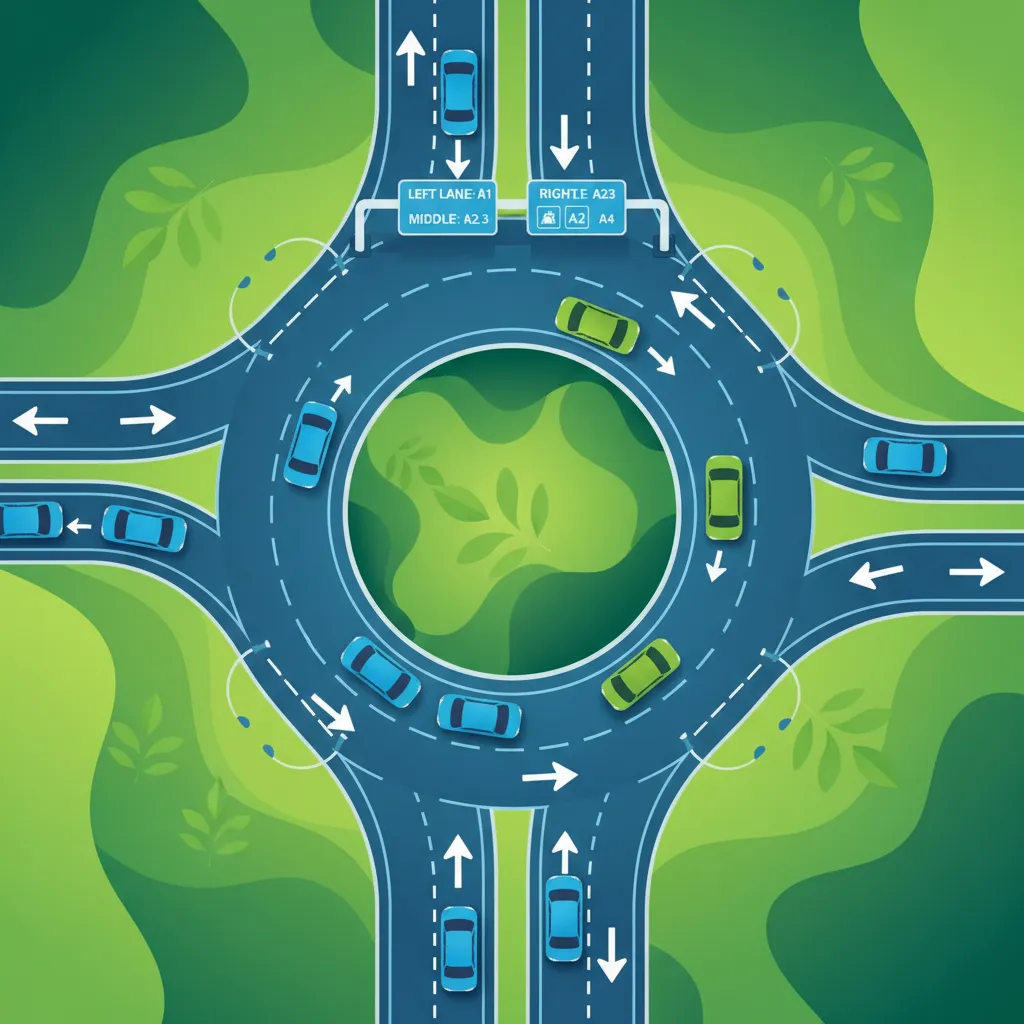
This lesson provides a detailed guide to navigating roundabouts, focusing on the rule to yield to circulating traffic before entering. It covers correct lane positioning for different exits, proper signaling, and maintaining a safe speed within the roundabout. Special guidance is provided for moped riders to enhance their visibility and safety among larger vehicles.

This lesson explores the dynamic principles of cornering and acceleration, emphasizing smooth control inputs and proper body positioning. Learners will understand how to manage weight transfer and traction to navigate turns safely and efficiently. It covers how to choose the correct speed and line through a corner, and how to apply throttle smoothly on exit.
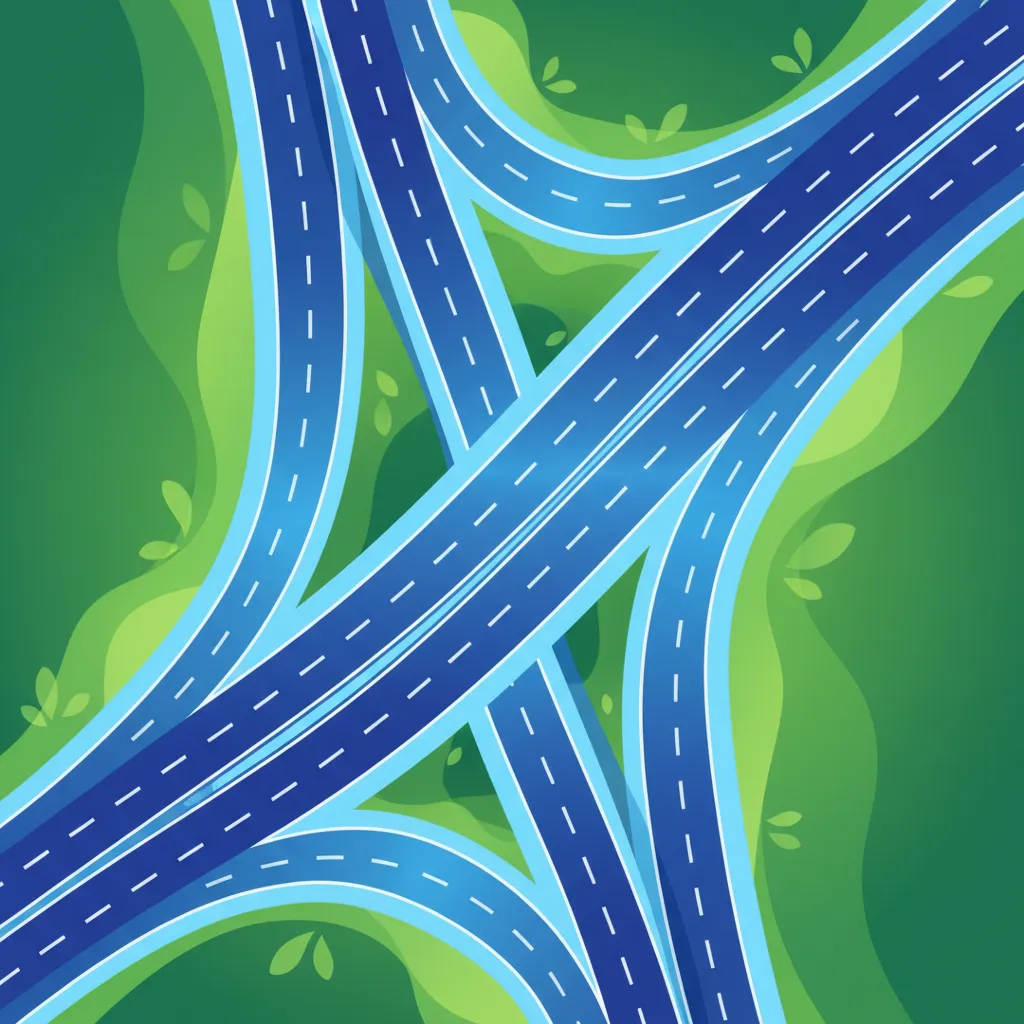
This lesson focuses on interpreting road surface markings, including solid and broken lines that govern lane changes and positioning. Learners will understand the rules associated with turning arrows, pedestrian crossings, and markings for dedicated lanes. Correctly reading these markings is essential for maintaining proper lane discipline and navigating complex road layouts safely.
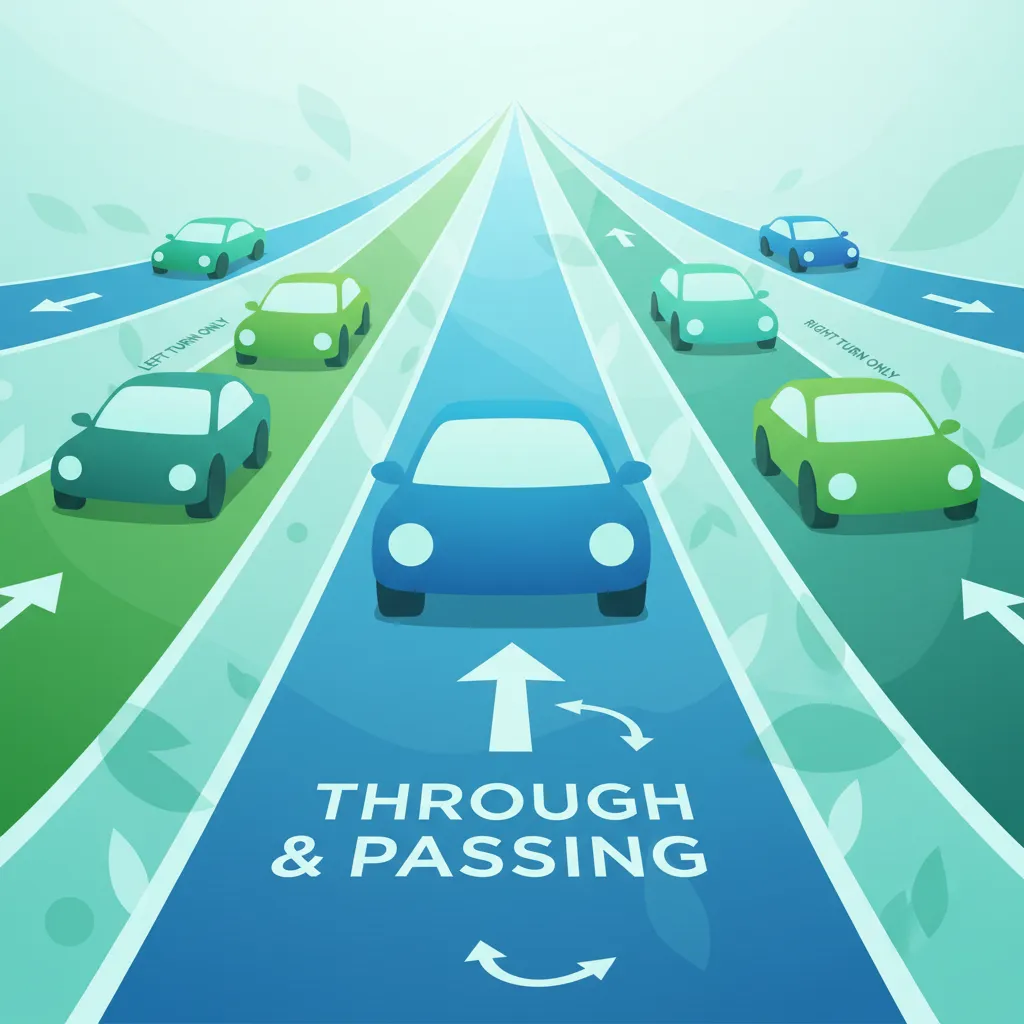
This lesson outlines best practices for positioning a moped on urban roads to maximize visibility and safety. It explains how to choose a lane position that makes you visible to drivers ahead and behind, while avoiding road debris and dooring hazards from parked cars. The content addresses adapting your position based on traffic speed, density, and road conditions.
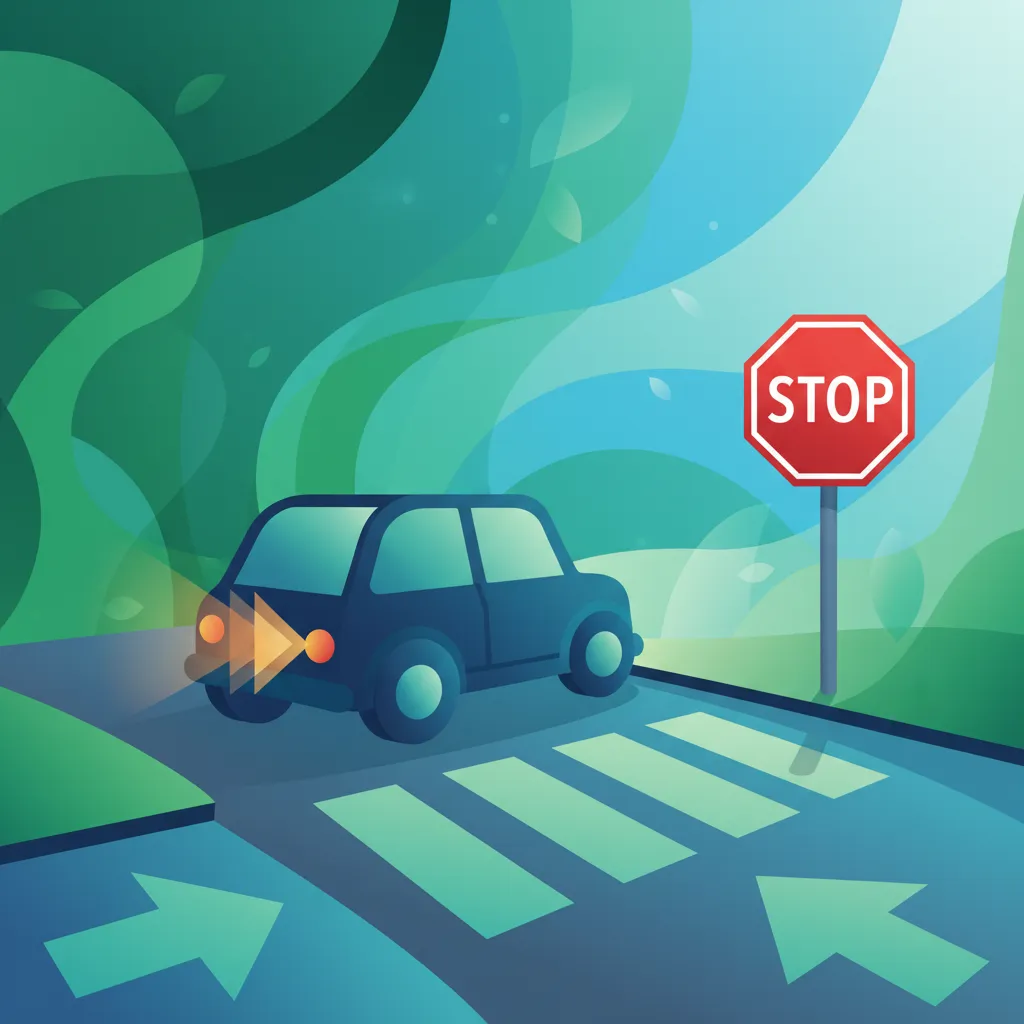
This lesson focuses on the principles of executing safe turns, highlighting the correct use of turn signals and lane positioning before initiating a turn. Learners examine the timing required for signaling, the rules governing right-turns and left-turn yields, and the importance of checking blind spots and cyclist lanes. The lesson also addresses the concept of turning radius to ensure drivers can complete turns without compromising the safety of others on the road.

This lesson explores the conduct required at uncontrolled crossings where the right-hand rule typically applies. It emphasizes the need to reduce speed, be prepared to stop, and establish clear communication with other road users. Riders will learn to assess the situation carefully and proceed only when it is confirmed to be safe, a critical skill for rural and residential areas.
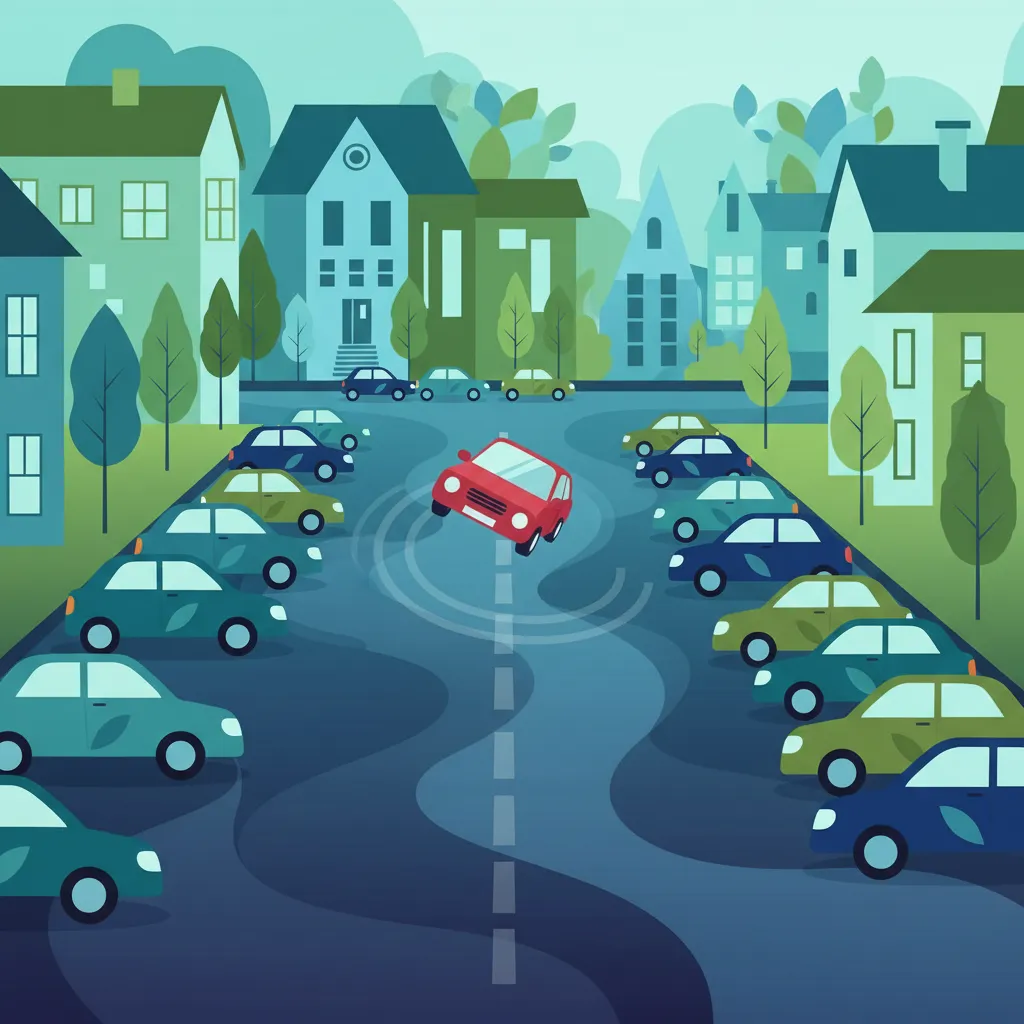
This lesson covers the conditions under which U-turns and three-point turns are permitted in Iceland, focusing on road width, visibility, and legal restrictions. The content outlines the step-by-step procedure for safely performing a three-point turn in confined spaces, including correct mirror usage and blind spot checks. Learners also explore scenarios where U-turns are prohibited, such as on narrow gravel roads or where signage explicitly bans such manoeuvres.
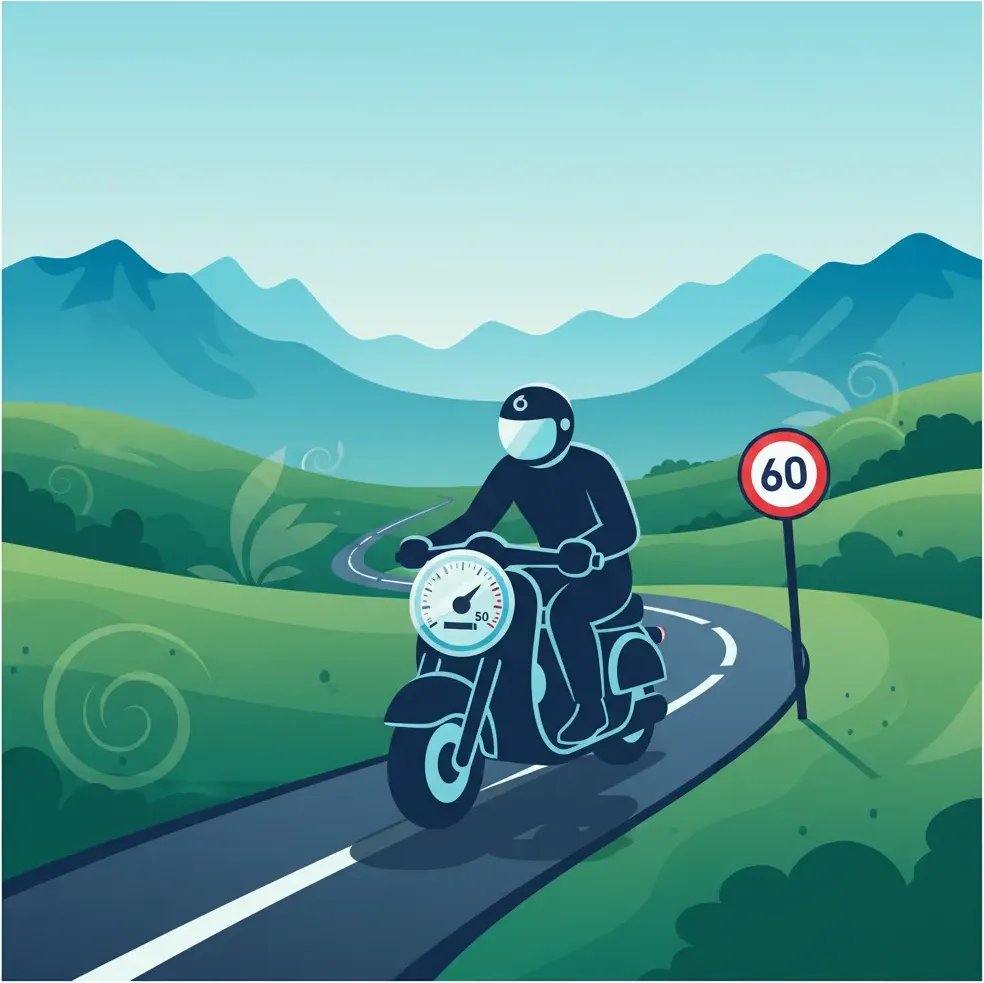
This lesson covers the statutory speed limits applicable to Category AM vehicles in various environments, from urban centers to rural roads. It emphasizes the critical importance of adapting speed to conditions such as rain, wind, or poor visibility. Riders will learn practical techniques for managing acceleration and maintaining a safe, legal speed at all times.
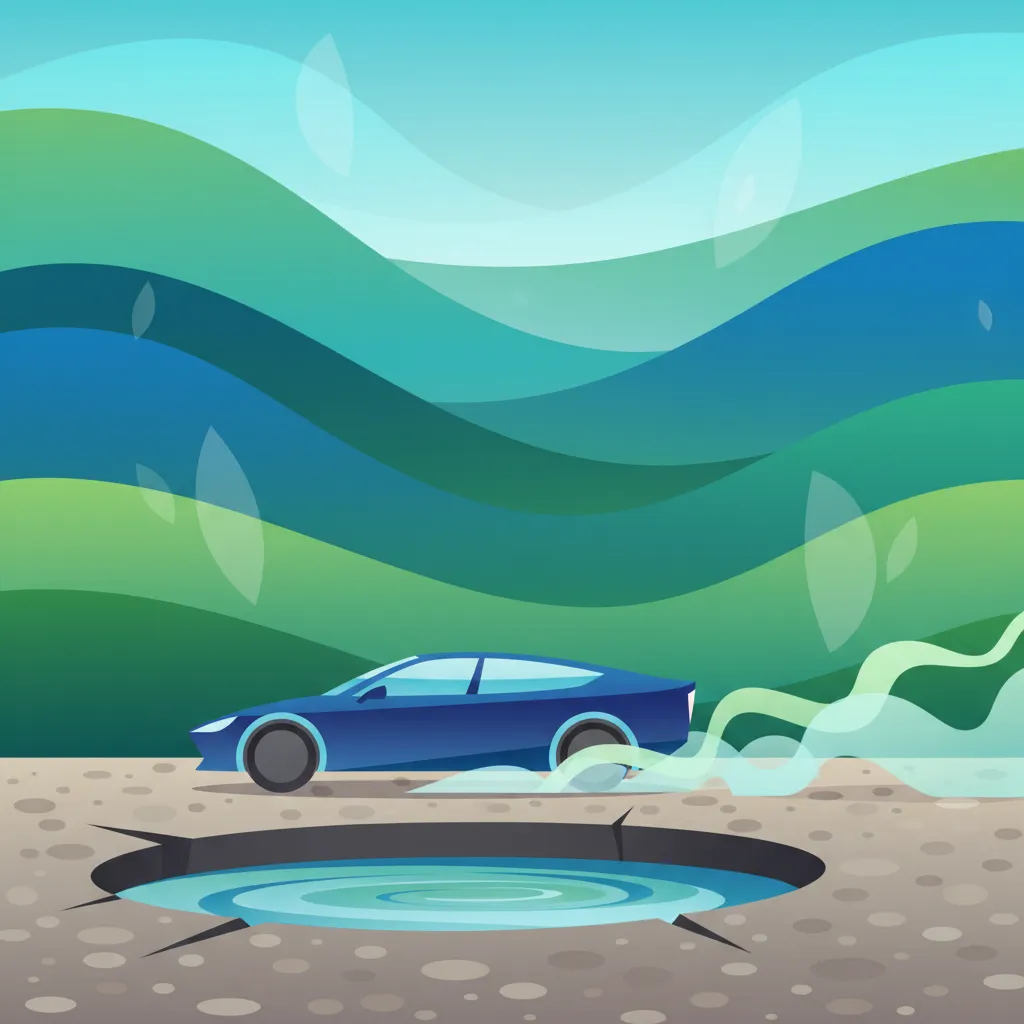
This lesson focuses on the specific challenges of riding on gravel and uneven rural roads. It teaches techniques for maintaining stability and traction on loose surfaces, including speed management, body positioning, and gentle control inputs. Understanding how to handle these conditions is essential for safely exploring areas outside of main urban centers in Iceland.
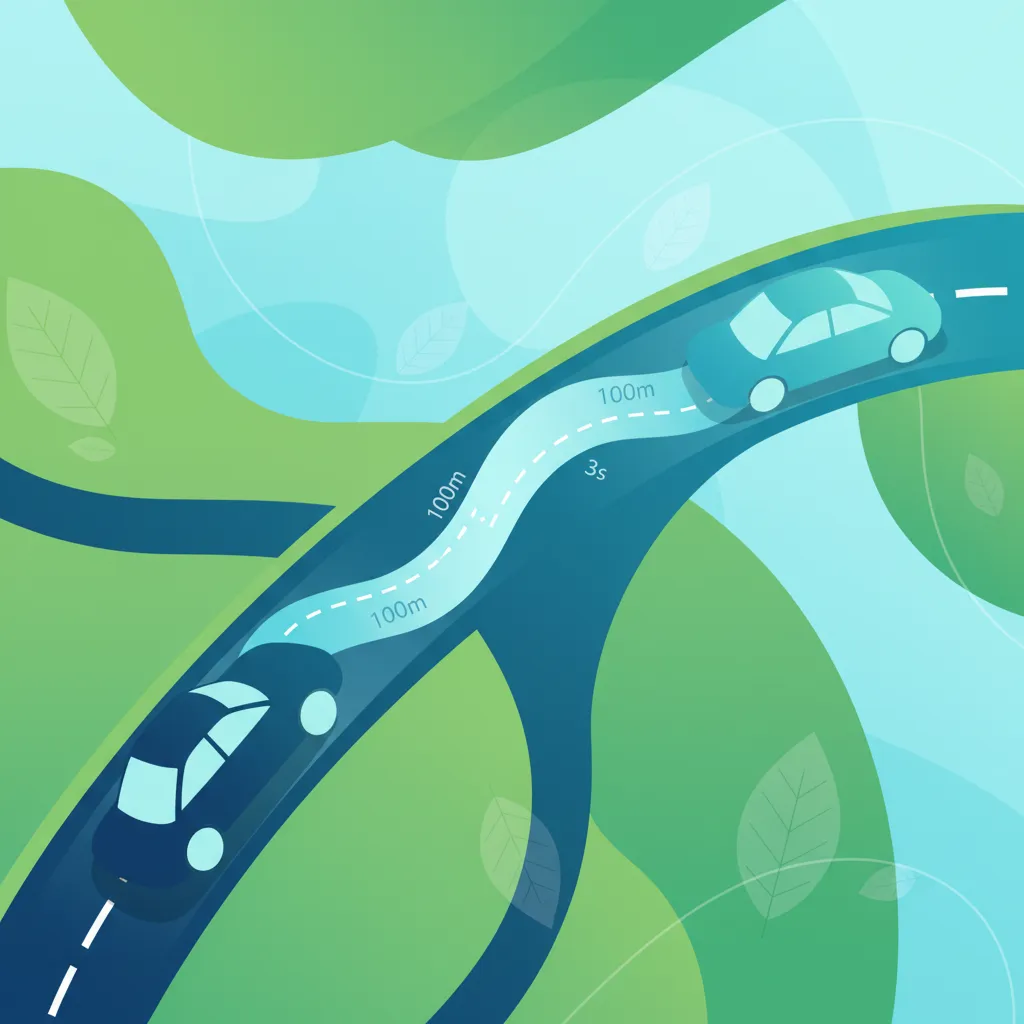
This lesson focuses on the concept of maintaining a safe following distance using the time-gap method. It explains how to create a sufficient buffer zone to react to sudden stops by the vehicle ahead. Riders will learn to adjust this gap based on speed, weather, and visibility to prevent rear-end collisions and ensure adequate reaction time.
Master safe navigation through various Icelandic intersections, focusing on correct lane positioning and signalling. Learn how to anticipate and interact safely with vulnerable road users like pedestrians and cyclists during turns and lane changes.
This lesson outlines best practices for positioning a moped on urban roads to maximize visibility and safety. It explains how to choose a lane position that makes you visible to drivers ahead and behind, while avoiding road debris and dooring hazards from parked cars. The content addresses adapting your position based on traffic speed, density, and road conditions.

This lesson investigates the significant hazards posed by parked vehicles, particularly the risk of a driver opening a door into a rider's path. It teaches techniques for maintaining a safe buffer zone and scanning for signs of occupancy in parked cars. Riders will learn how to anticipate this common urban danger and plan escape routes to avoid sudden collisions.
This lesson explores the conduct required at uncontrolled crossings where the right-hand rule typically applies. It emphasizes the need to reduce speed, be prepared to stop, and establish clear communication with other road users. Riders will learn to assess the situation carefully and proceed only when it is confirmed to be safe, a critical skill for rural and residential areas.
This lesson examines the psychological factors crucial for safe riding, promoting a defensive mindset and heightened risk awareness. It provides strategies for managing stress, identifying potential hazards early, and making proactive decisions to prevent dangerous situations. Cultivating mental discipline and a safety-conscious attitude is fundamental to long-term rider safety on Icelandic roads.
This lesson focuses on the concept of maintaining a safe following distance using the time-gap method. It explains how to create a sufficient buffer zone to react to sudden stops by the vehicle ahead. Riders will learn to adjust this gap based on speed, weather, and visibility to prevent rear-end collisions and ensure adequate reaction time.
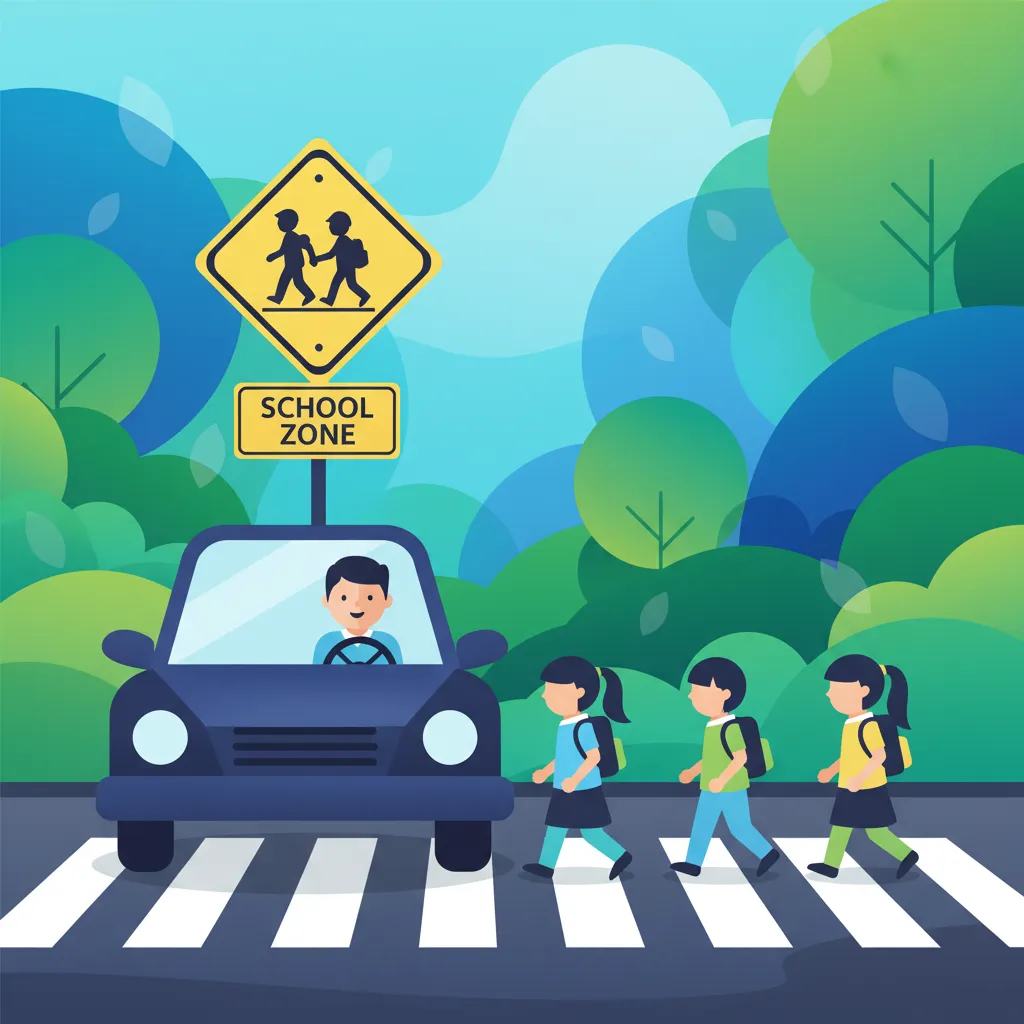
This lesson covers the strict rules governing pedestrian crossings and school zones, where riders have a heightened duty of care. It details the obligation to yield to pedestrians, recognize school zone signage, and reduce speed significantly. Riders learn to be extra vigilant for the unpredictable movements of children and other vulnerable road users in these sensitive areas.

This lesson focuses on methods to enhance a rider's visibility, covering high-visibility clothing, reflective materials, and strategic lighting. Learners will understand how to use daytime running lights and position themselves to minimize time in others' blind spots. These proactive techniques are essential for being seen by other road users, significantly reducing the risk of collisions.
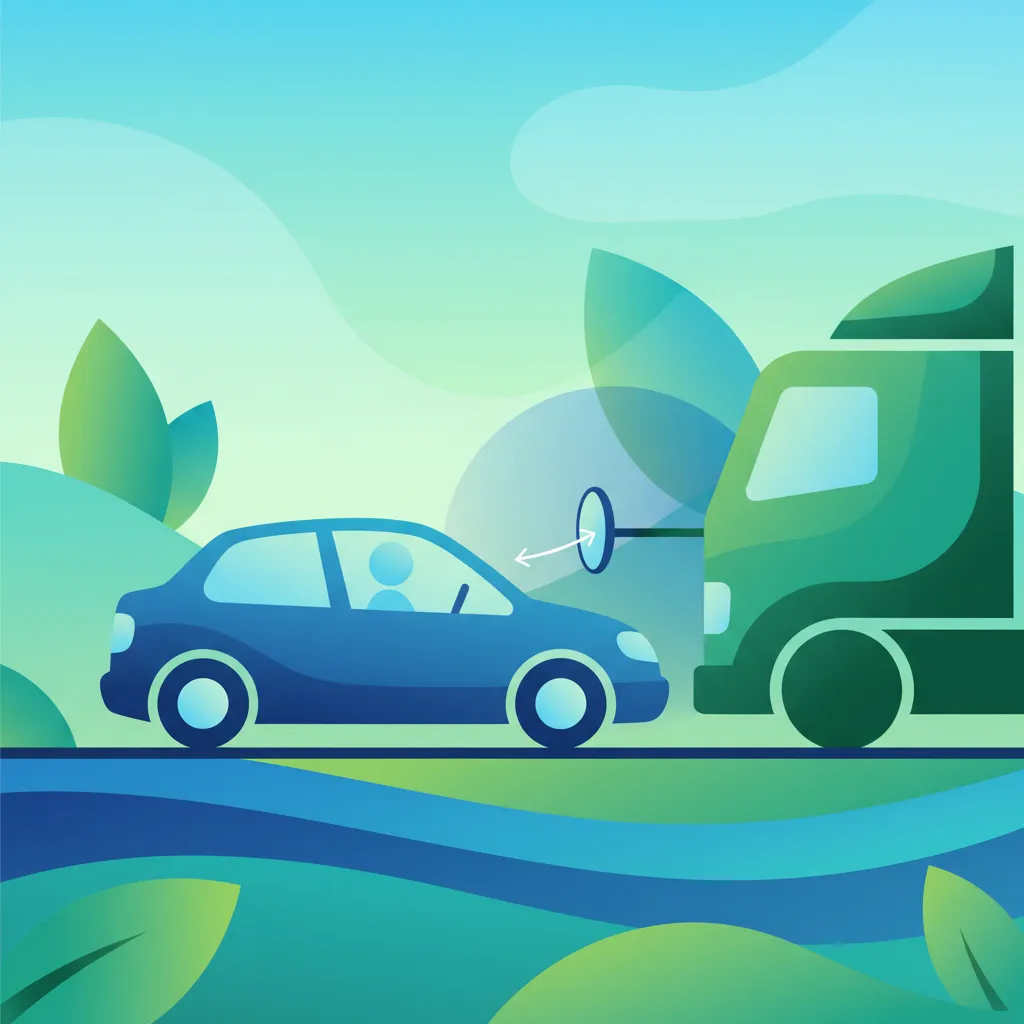
This lesson explores the blind spot zones of cars, trucks, and buses, highlighting the vulnerability of moped riders. It provides effective strategies for positioning your vehicle to remain visible to other drivers at all times. Riders will learn to anticipate lane changes and movements from larger vehicles, significantly reducing the risk of being unseen in traffic.
This lesson provides a detailed guide to navigating roundabouts, focusing on the rule to yield to circulating traffic before entering. It covers correct lane positioning for different exits, proper signaling, and maintaining a safe speed within the roundabout. Special guidance is provided for moped riders to enhance their visibility and safety among larger vehicles.
This lesson focuses on the interaction between motor vehicles and cyclists or e-scooter users on Icelandic roads, exploring the dedicated cyclist lane system and safe overtaking regulations. The content covers the required minimum passing distance, the legal status of e-scooters, and the importance of awareness when sharing narrow urban streets. Recommended signaling practices are also discussed to alert vulnerable users of your intentions, especially during nighttime riding.
Find clear answers to common questions learners have about Lane Use and Proper Turning Techniques. Learn how the lesson is structured, which driving theory objectives it supports, and how it fits into the overall learning path of units and curriculum progression in Iceland. These explanations help you understand key concepts, lesson flow, and exam focused study goals.
In Iceland, you must use your turn signals to indicate your intention to turn left or right, change lanes, or pull away from the side of the road. Always signal well in advance of the maneuver to give other road users, including drivers and pedestrians, sufficient time to react. Ensure your signal is cancelled after the maneuver is complete.
Safely approaching a turn involves checking mirrors, signaling your intention, and positioning your moped correctly in the lane. At the intersection, ensure you have priority or yield as required. When turning, slow down appropriately, maintain your lane position if it's a single-lane turn, and be vigilant for other traffic, cyclists, and pedestrians. For left turns across traffic, wait for a safe gap.
A common mistake is not signaling early enough or at all, leading to confusion and dangerous situations. Another is incorrect lane positioning, either too close to parked cars (risking dooring) or too far left/right, impeding other traffic. Inconsistent speed during turns and failing to check blind spots before changing lanes are also frequent errors learners make.
Speed limits dictate the safe speeds for your moped. You should reduce speed significantly before a turn to maintain control and avoid skidding. For lane changes, you need to be travelling at a speed that allows for a swift and safe maneuver, ensuring you can merge smoothly into the traffic flow of the new lane without causing disruption or risk.
Dooring occurs when a driver or passenger of a parked car opens their door into your path. To avoid this hazard, always maintain a safe distance from parked vehicles – ideally, the width of a car door or more. Scan ahead for parked cars and be prepared to react if a door opens unexpectedly.
Utilize our advanced practice set search to pinpoint the exact Icelandic driving theory topics you need to review. Filter by subject, difficulty, or question type to create a highly effective study plan and ensure you are fully prepared for your official driving licence test in Iceland.