
This lesson details the critical differences between your motorcycle's front and rear braking systems. You will learn how weight transfer affects stopping power and how to balance both controls to maintain stability during standard and emergency stops.
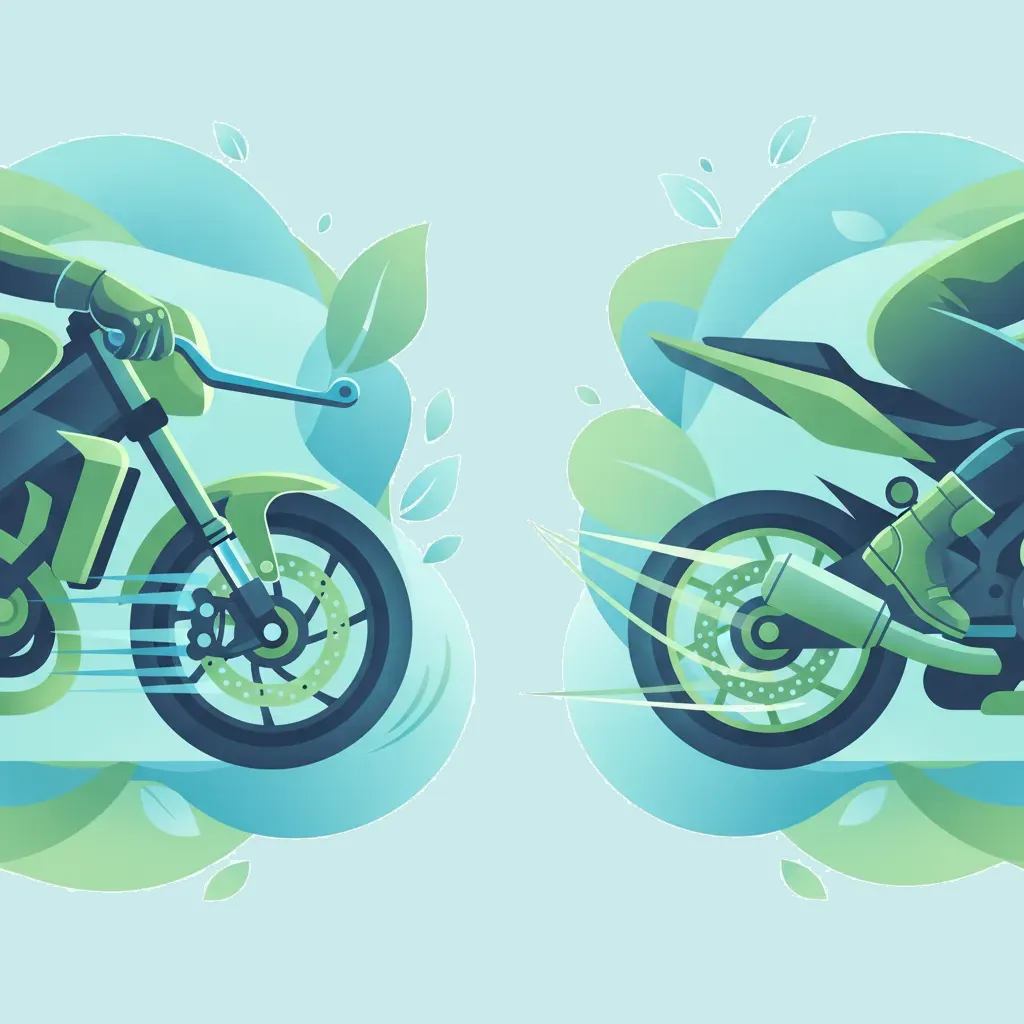
Lesson content overview
Safe and effective motorcycle braking is a fundamental skill for any rider, forming a cornerstone of accident prevention and control. Unlike cars, motorcycles utilize two independent braking systems: one for the front wheel and one for the rear. Mastering the nuanced application of each, and understanding the physics behind their operation, is crucial for maintaining stability, maximizing stopping power, and navigating diverse road conditions with confidence. This lesson delves into the distinct functions of the front and rear brakes, the critical concept of weight transfer during deceleration, and how to optimize your braking technique for the Italian roads and beyond.
When a motorcycle decelerates, the forces of inertia cause a significant shift in its weight. This phenomenon, known as weight transfer, redistributes the motorcycle's mass and the rider's weight towards the front wheel. Understanding this dynamic shift is the key to comprehending why the front brake is inherently more powerful than the rear.
In a stationary motorcycle, weight is distributed relatively evenly between the front and rear wheels, known as static weight distribution. However, the moment you apply the brakes, this balance changes dramatically. As the motorcycle slows down, its momentum tries to carry it forward, effectively pushing more weight onto the front tire and reducing the load on the rear tire. On a dry surface during hard braking, up to 80% or even more of the motorcycle's total weight can shift to the front wheel.
This increase in load on the front wheel directly translates to increased grip or traction. Conversely, the rear wheel, now carrying significantly less weight, experiences a reduction in its available traction. This practical meaning of weight transfer dictates how brake force should be distributed to achieve the shortest stopping distance without losing control. Riders must avoid applying excessive rear brake pressure during hard braking, as the reduced load on the rear wheel makes it far more susceptible to locking up.
Due to the principles of weight transfer, the front brake is the most powerful braking system on a motorcycle, responsible for approximately 70-80% of the vehicle's total stopping power. This isn't because the front brake is inherently stronger in terms of its mechanical design, but rather because the front tire gains significant traction under deceleration.
When you apply the front brake, the increased load on the front tire allows it to generate a much greater frictional force with the road surface before reaching its traction limit and sliding. This makes the front brake your primary tool for reducing speed quickly and effectively in most riding situations, from routine stops to emergency braking maneuvers.
Modern motorcycles typically feature hydraulic front brakes, offering progressive and powerful stopping capabilities. Many also come equipped with an Anti-lock Braking System (ABS), which further enhances front brake effectiveness by preventing the wheel from locking up during heavy application, thereby maintaining steerability and maximizing grip. A common misunderstanding among novice riders is to over-rely on the rear brake, often out of a misguided sense of security or fear of using the "stronger" front brake. This approach significantly increases stopping distances and compromises safety.
For optimal braking, learn to apply the front brake smoothly and progressively. Start with a gentle squeeze and gradually increase pressure as the motorcycle's weight transfers forward, allowing the front tire to gain maximum grip.
While the front brake provides the majority of stopping power, the rear brake plays an indispensable role in motorcycle control, particularly for stability, low-speed maneuvering, and adapting to challenging road surfaces. Its function is less about outright deceleration and more about precise speed management and maintaining balance.
At low speeds, or during intricate maneuvers like U-turns or navigating tight spaces, the rear brake can be used subtly to control speed without destabilizing the motorcycle. A gentle application helps to steady the bike, making it easier to maintain balance and execute precise movements. This prevents the "wobble" that can occur if speed is reduced solely by releasing the throttle, and it allows for smoother, more controlled stops when navigating urban traffic or parking.
On surfaces with reduced traction, such as gravel, wet roads, or slippery painted lines, the rear brake can be invaluable. Its gentler deceleration force is less likely to cause a loss of traction compared to an abrupt front brake application. In these conditions, a careful and gradual application of the rear brake can help to scrub off speed while keeping the motorcycle upright and stable. However, even on loose surfaces, extreme care must be taken to avoid applying the rear brake too heavily, as this can still lead to a rear wheel lock-up and potential loss of control. The key is gradual application.
Some advanced riders utilize the rear brake during corner entry, a technique sometimes referred to as "trail braking" with the rear brake, to subtly adjust speed or tighten their line without unsettling the suspension significantly. This technique requires significant skill and practice and is generally not recommended for beginners. For most riders, the rear brake's primary role remains stabilization and supplementary braking, rather than primary deceleration.
Modern motorcycle technology has introduced systems designed to make braking more efficient and safer, particularly for less experienced riders. Combined Braking Systems (CBS) and Anti-lock Braking Systems (ABS) are two such innovations that significantly enhance a motorcycle's braking capabilities.
A Combined Braking System automatically distributes braking force between the front and rear wheels, even if the rider only activates one brake lever or pedal. For example, applying the front brake might also partially activate the rear brake, or vice-versa. This distribution is managed by a proportioning valve or a digital system, aiming to optimize braking performance and stability by ensuring both wheels contribute to deceleration. CBS is particularly beneficial for beginners, as it helps to prevent common errors like over-reliance on a single brake or applying an incorrect front/rear brake ratio, which can lead to instability or longer stopping distances.
ABS is a crucial safety feature that prevents either wheel from locking up during hard braking. Sensors monitor the speed of each wheel; if a wheel is about to lock, ABS rapidly modulates the brake pressure to that wheel, releasing and re-applying it many times per second. This action ensures that the tires maintain maximum possible grip with the road surface, allowing the rider to retain steering control while achieving optimal deceleration.
ABS is especially advantageous in emergency situations or on low-traction surfaces like wet roads, gravel, or uneven pavement. It prevents uncontrolled skids and greatly reduces the risk of crashes caused by wheel lock-up. In Italy, new motorcycles over a certain engine capacity sold since 2017 are legally required to be equipped with ABS, underscoring its importance for rider safety.
Every tire has a finite amount of grip it can generate with the road surface before it begins to slide. This is known as the traction limit, and it's a critical factor in safe braking. Exceeding this limit, even momentarily, leads to a loss of control and can result in a skid or fall.
Brake modulation is the rider's ability to precisely and smoothly control the amount of pressure applied to the brake levers or pedal. It is perhaps the most vital skill in effective braking. Instead of simply grabbing or stamping on the brakes, modulation involves a gradual, progressive application of force, allowing the rider to feel the available grip and adjust pressure accordingly.
Progressive Application: Start with a gentle squeeze or press, then steadily increase pressure. This allows weight transfer to occur, increasing front tire grip.
Feedback and Feel: Pay attention to how the motorcycle responds. If a wheel feels like it's about to lock up, slightly reduce pressure.
Smooth Release: Release the brakes as smoothly as you applied them, especially when coming to a complete stop, to prevent unsettling the motorcycle.
The traction limit varies significantly based on road surface, weather conditions, tire type, and even tire temperature. A dry, clean asphalt road offers high traction, allowing for strong braking. A wet, oily, or gravel-covered road, however, significantly reduces the available traction, demanding much gentler and more cautious brake application. Failing to modulate brakes properly to stay within these limits is a leading cause of motorcycle accidents.
The Italian Road Code (Codice della Strada) outlines general principles for vehicle operation, including braking, emphasizing safety and control. While it doesn't specify exact percentages for front/rear brake usage, it mandates responsible and safe driving practices that implicitly require correct braking technique.
Violations related to unsafe driving, including those stemming from improper braking that leads to dangerous situations or accidents, can result in fines, points deducted from the driving license, or even suspension of the license, depending on the severity of the offense. For instance, causing an accident due to an inability to stop in time because of incorrect braking would fall under negligent driving.
Even experienced riders can sometimes make braking errors, but for new riders, certain mistakes are particularly common and dangerous. Recognizing and correcting these habits is vital for safety.
Effective braking is not a one-size-fits-all skill. The optimal application of front and rear brakes changes significantly based on the prevailing conditions. A skilled rider constantly assesses the environment and adjusts their braking technique accordingly.
When approaching pedestrians, cyclists, or other vulnerable road users, smooth and gradual braking is essential. Abrupt or harsh braking can be startling, potentially causing other road users to react unpredictably or even causing you to lose control if an emergency stop becomes necessary. Plan your stops well in advance and use a balanced application of both brakes.
Mastering the use of your motorcycle's front and rear brakes is a critical skill for safe riding. It's a continuous learning process that improves with practice and experience.
Motorcycle braking relies on weight transfer principles that make the front brake dominant (70-80% of stopping power) while the rear brake provides stability. Front brake application must be smooth and progressive to allow weight transfer and maximize grip, whereas the rear brake excels at low-speed control and maintaining balance on loose surfaces. Combined Braking Systems (CBS) and Anti-lock Braking Systems (ABS) enhance safety by optimizing brake force distribution and preventing wheel lock-up. Riders must constantly adapt their technique to conditions—reducing pressure on wet or low-traction surfaces—while avoiding common errors like rear brake over-reliance, abrupt front brake grabs, or braking while cornered. The Italian Codice della Strada requires ABS on motorcycles over 125cc, underscoring its importance for rider safety.
A short set of high-value points that capture the most important learning from this lesson.
Weight transfer during deceleration shifts up to 80% of the motorcycle's weight to the front wheel, dramatically increasing front tire grip.
The front brake provides 70-80% of total stopping power and should be your primary deceleration tool in most riding situations.
Apply the front brake smoothly and progressively, gradually increasing pressure as weight transfers forward for maximum grip.
The rear brake is essential for stability at low speeds, on loose surfaces, and for subtle speed adjustments, not primary stopping.
ABS prevents wheel lock-up during hard braking by rapidly modulating pressure, maintaining traction and steering control.
Explore all units and lessons included in this driving theory course.
Weight transfer increases front traction during braking while reducing rear traction, making the front brake inherently more powerful.
Front brake dominance (70-80% stopping power) is due to increased load and grip, not mechanical strength.
Progressive brake application allows weight transfer to occur and maximizes available traction.
Traction limits vary with road surface, weather, and tire condition—always modulate accordingly.
Italian law requires ABS on new motorcycles over 125cc sold since 2017.
Over-relying on the rear brake significantly increases stopping distances and makes rear wheel lock-up more likely.
In emergencies, grabbing only the rear brake drastically reduces effectiveness and often causes a skid.
Abrupt front brake application without allowing weight transfer can lock the front wheel, leading to a low-side crash.
Applying heavy rear brake pressure on wet roads, gravel, or slippery surfaces easily causes rear wheel loss of traction.
Using aggressive front brake while leaned over in a corner can cause front wheel wash-out and loss of control.
Lesson content overview
A short set of high-value points that capture the most important learning from this lesson.
Weight transfer during deceleration shifts up to 80% of the motorcycle's weight to the front wheel, dramatically increasing front tire grip.
The front brake provides 70-80% of total stopping power and should be your primary deceleration tool in most riding situations.
Apply the front brake smoothly and progressively, gradually increasing pressure as weight transfers forward for maximum grip.
The rear brake is essential for stability at low speeds, on loose surfaces, and for subtle speed adjustments, not primary stopping.
ABS prevents wheel lock-up during hard braking by rapidly modulating pressure, maintaining traction and steering control.
Explore all units and lessons included in this driving theory course.
Weight transfer increases front traction during braking while reducing rear traction, making the front brake inherently more powerful.
Front brake dominance (70-80% stopping power) is due to increased load and grip, not mechanical strength.
Progressive brake application allows weight transfer to occur and maximizes available traction.
Traction limits vary with road surface, weather, and tire condition—always modulate accordingly.
Italian law requires ABS on new motorcycles over 125cc sold since 2017.
Over-relying on the rear brake significantly increases stopping distances and makes rear wheel lock-up more likely.
In emergencies, grabbing only the rear brake drastically reduces effectiveness and often causes a skid.
Abrupt front brake application without allowing weight transfer can lock the front wheel, leading to a low-side crash.
Applying heavy rear brake pressure on wet roads, gravel, or slippery surfaces easily causes rear wheel loss of traction.
Using aggressive front brake while leaned over in a corner can cause front wheel wash-out and loss of control.
Explore search topics learners often look for when studying Front vs Rear Brake Usage and Advantage. These topics reflect common questions about road rules, driving situations, safety guidance, and lesson level theory preparation for learners in Italy.
Browse additional driving theory lessons that cover connected traffic rules, road signs, and common driving situations related to this topic. Improve your understanding of how different rules interact across everyday traffic scenarios.
Understand the core physics of motorcycle braking, including weight transfer and traction limits. Learn how these principles influence effective front and rear brake usage for optimal stopping power and control on Italian roads.

This lesson provides an in-depth analysis of motorcycle braking systems, clearly defining the distinct roles of the front and rear brakes. It covers the mechanics of hydraulic disc brakes and explains the function and benefits of an Anti-lock Braking System (ABS). Learners will understand the principles of brake balance for achieving maximum stopping power and the importance of routine maintenance on pads, discs, and fluid.
This lesson details correct braking techniques, emphasizing progressive application of both front and rear brakes for optimal stopping power. It explains the function of ABS in preventing wheel lock-up on slippery surfaces like wet roads or gravel. You will learn how different surfaces affect braking distance and how to adjust braking force to maintain control.

This lesson focuses on the rider's active role in controlling the motorcycle through body positioning and weight shifts. It explains how to maintain a relaxed yet engaged posture to absorb road imperfections and provide precise inputs to the handlebars and footpegs. The content covers how leaning with the bike in corners and shifting weight during braking and acceleration significantly impacts the vehicle's stability and performance.
This lesson teaches the critical skill of executing a rapid and controlled stop in an emergency. It covers the technique of applying firm, progressive pressure to the brakes to achieve maximum deceleration without locking the wheels, both in a straight line and while cornering. The content also explains how Anti-lock Braking Systems (ABS) function in these scenarios and the correct body posture to maintain stability.
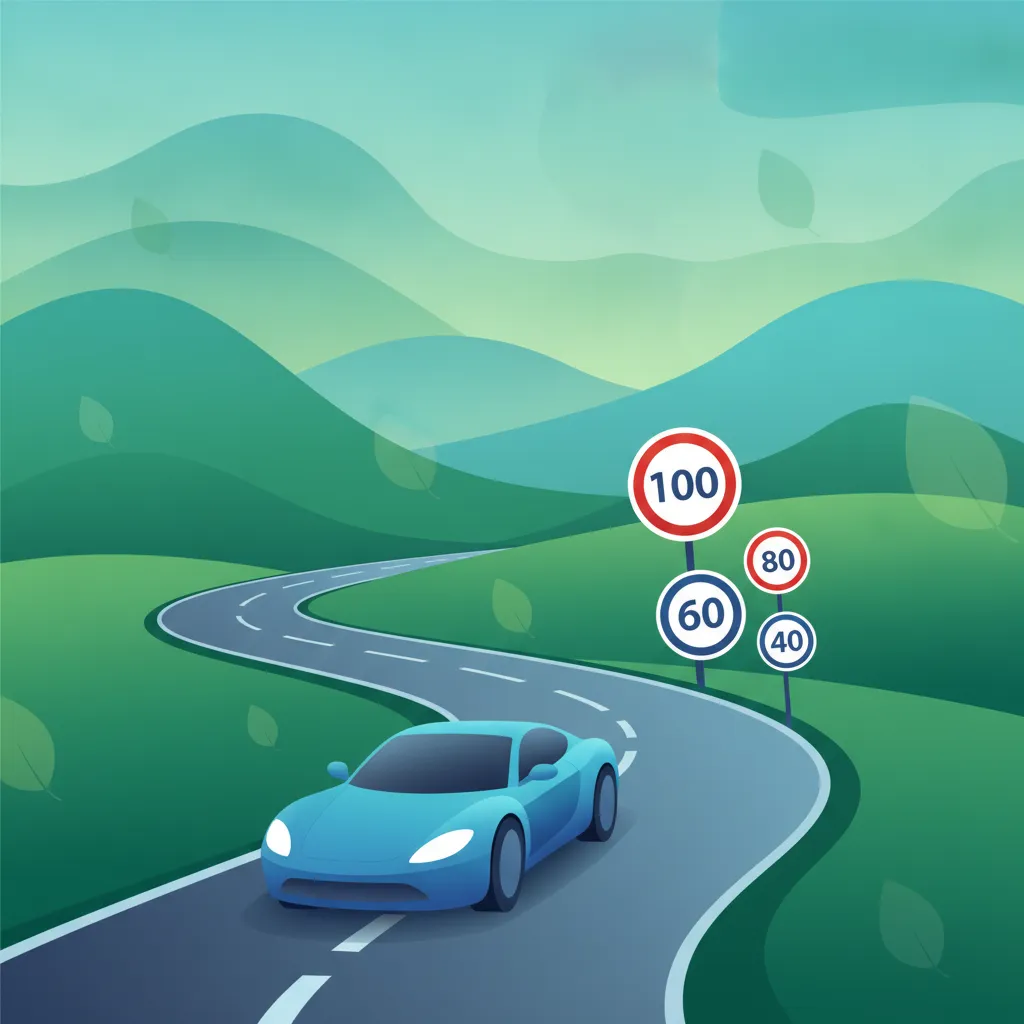
This lesson focuses on the factors that determine a motorcycle's total stopping distance: perception time, reaction time, and braking distance. It provides a clear understanding of how speed exponentially increases the distance required to come to a complete stop. Learners will be able to apply principles like the two-second rule to maintain a safe and appropriate following distance in various traffic situations.
This lesson demystifies the essential riding technique of countersteering, explaining how a gentle push on the handlebar initiates a lean and directs the motorcycle into a turn. It covers the physical principles at play, including gyroscopic forces, that contribute to the bike's stability at speed. Understanding this concept is crucial for smooth, controlled, and intuitive steering, especially when making quick directional changes.
This lesson focuses on how to adapt riding techniques to maintain traction on compromised surfaces. It identifies common hazards such as wet leaves, manhole covers, gravel, and painted lines that can reduce the tyre's grip. Learners will understand how to use smooth and gentle throttle, brake, and steering inputs to prevent traction loss and maintain control in these challenging situations.
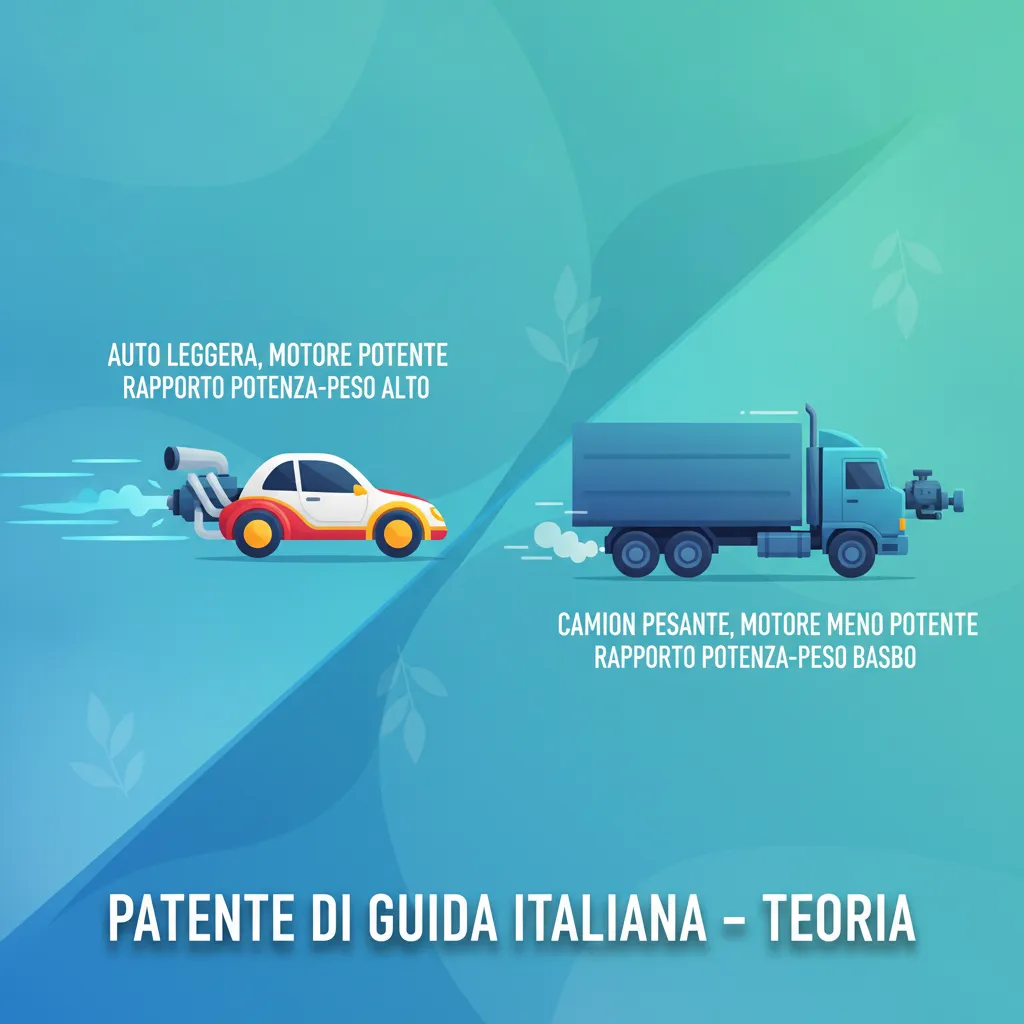
This lesson explains the core principles of motorcycle engines, focusing on key metrics like displacement, power, and the power-to-weight ratio. It details how these characteristics influence a motorcycle's acceleration, handling, and adherence to the specific limits of each license category. The content also covers different engine types and cooling systems, relating them to overall performance and reliability.
This lesson explores the practical, on-road consequences of the different motorcycle license categories. It analyzes how power and weight restrictions directly affect a motorcycle's handling, acceleration, and braking capabilities. Learners will understand how these factors shape riding strategies and safety considerations, highlighting the competency development needed for each successive license level.

This lesson teaches riders how to maintain a safe following distance using the two-second rule, which accounts for reaction time and braking distance. It covers grip management, explaining how tire condition and road surfaces like wet asphalt affect traction. Mastering these concepts is essential for anticipating hazards and preventing rear-end collisions.
Explore how Combined Braking Systems (CBS) and Anti-lock Braking Systems (ABS) enhance motorcycle safety. Learn their functions, benefits, and legal requirements for A1, A2, and A licences in Italy.
This lesson provides an in-depth analysis of motorcycle braking systems, clearly defining the distinct roles of the front and rear brakes. It covers the mechanics of hydraulic disc brakes and explains the function and benefits of an Anti-lock Braking System (ABS). Learners will understand the principles of brake balance for achieving maximum stopping power and the importance of routine maintenance on pads, discs, and fluid.

This lesson explains the function of the vehicle's braking system and key active safety technologies. It details how the Anti-lock Braking System (ABS) prevents wheels from locking during hard braking, allowing the driver to maintain steering control. The content also covers Electronic Stability Control (ESC), which helps prevent skidding by automatically applying brakes to individual wheels to stabilize the vehicle.
This lesson teaches the critical skill of executing a rapid and controlled stop in an emergency. It covers the technique of applying firm, progressive pressure to the brakes to achieve maximum deceleration without locking the wheels, both in a straight line and while cornering. The content also explains how Anti-lock Braking Systems (ABS) function in these scenarios and the correct body posture to maintain stability.
This lesson details correct braking techniques, emphasizing progressive application of both front and rear brakes for optimal stopping power. It explains the function of ABS in preventing wheel lock-up on slippery surfaces like wet roads or gravel. You will learn how different surfaces affect braking distance and how to adjust braking force to maintain control.
This lesson focuses on the factors that determine a motorcycle's total stopping distance: perception time, reaction time, and braking distance. It provides a clear understanding of how speed exponentially increases the distance required to come to a complete stop. Learners will be able to apply principles like the two-second rule to maintain a safe and appropriate following distance in various traffic situations.
This lesson focuses on the vital systems for visibility and communication: mirrors, lighting, and signals. It provides instruction on the proper adjustment of mirrors to minimize blind spots and the correct use of headlamps, indicators, and brake lights as per Italian regulations. The content underscores how maintaining these systems in full working order is crucial for being seen and signalling intentions clearly in traffic.
This lesson focuses on how to adapt riding techniques to maintain traction on compromised surfaces. It identifies common hazards such as wet leaves, manhole covers, gravel, and painted lines that can reduce the tyre's grip. Learners will understand how to use smooth and gentle throttle, brake, and steering inputs to prevent traction loss and maintain control in these challenging situations.
Find clear answers to common questions learners have about Front vs Rear Brake Usage and Advantage. Learn how the lesson is structured, which driving theory objectives it supports, and how it fits into the overall learning path of units and curriculum progression in Italy. These explanations help you understand key concepts, lesson flow, and exam focused study goals.
Because of weight transfer. When you brake, the motorcycle's weight shifts forward onto the front tyre, increasing its grip on the road surface and allowing for much greater stopping power.
No. While the front brake provides the majority of the stopping force, the rear brake is essential for stabilizing the bike, especially at low speeds or when navigating corners where heavy front braking might upset the bike's balance.
Locking the rear wheel causes it to slide, which can lead to a loss of control or a slide-out. If this happens, you should try to maintain your focus, keep the bike upright, and modulate the pressure.
Yes, the fundamental physics of braking and weight transfer apply to all motorcycle categories. Understanding these principles is a core requirement for all theory tests.
Start searching now to pinpoint exactly which Italian driving theory topics, road signs, or traffic rules you need to master. Use our advanced filters to build a custom practice session and ensure you're fully prepared for every aspect of your official driving licence exam.