
This lesson introduces the professional conduct and safety mindset expected of heavy vehicle drivers in Italy. You will explore your legal obligations, the importance of integrity, and how your daily decisions impact overall road safety and the public perception of the logistics industry.

Lesson content overview
Operating a heavy goods vehicle (HGV) in Italy, whether for C, C1, C1E, or CE license categories, demands more than just technical driving skills. It requires a deep understanding and unwavering commitment to ethical conduct and a proactive road safety culture. This lesson delves into the non-technical but equally crucial aspects of professional driving, emphasizing integrity, responsibility, and the profound impact a driver's behavior has on public safety and the reputation of the entire logistics industry.
Professional ethics in driving encompasses the moral principles and standards that guide a driver's behavior on the road and in all aspects of their work. It goes beyond merely following traffic laws, encouraging a mindset that prioritizes the safety and well-being of all road users, the cargo, and the vehicle itself. This ethical foundation builds trust with employers, clients, regulatory bodies, and the public.
Several foundational principles underpin ethical conduct for professional goods vehicle drivers:
Professional Integrity: This is the commitment to honest, transparent, and law-abiding conduct in all professional activities. It builds trust with clients, regulators, and the public, while actively preventing fraud and unsafe practices. A driver with integrity will always disclose accurate information, avoid shortcuts, and maintain honesty in reporting incidents.
Public Safety Commitment: Prioritizing the safety of all road users, including pedestrians, cyclists, motorcyclists, and other drivers, must always come before personal convenience or commercial pressures. This principle is paramount for reducing accidents, protecting vulnerable users, and upholding a driver's societal responsibility. Professional drivers must consistently adopt safe driving practices, respect speed limits, and avoid any risky maneuvers.
Responsibility and Accountability: This involves accepting the consequences of one's actions, including strict adherence to legal and professional standards. It encourages diligence and proactive safety measures. Drivers are responsible for maintaining proper documentation, reporting violations, and accepting penalties when appropriate.
Role Modeling: Professional drivers serve as highly visible representatives of their profession and the logistics industry. Acting as a positive exemplar for other drivers, employers, and the public influences the broader road safety culture through the demonstration of best practices. Consistently applying safe, ethical behavior positively influences peers and customers alike.
Continuous Improvement: The road transport environment is constantly evolving, with new regulations, vehicle technologies, and best practices emerging. A commitment to ongoing learning and self-assessment is vital to enhance safety performance. This includes active participation in refresher courses and staying informed on legislative changes.
A strong road safety culture is a collective commitment among drivers, employers, and industry stakeholders to prioritize safety above all other operational considerations. It's an environment where safety is integrated into every decision and action, not just seen as a separate compliance task.
Road safety culture is reinforced through various mechanisms:
Safety Management Systems (SMS): These are organizational structures that systematically support and manage safety. They involve identifying hazards, assessing risks, implementing controls, and continuously monitoring safety performance. For professional drivers, this means adhering to company safety policies and reporting any potential risks.
Behavior-Based Safety (BBS): This approach focuses on individual behavior patterns and aims to improve safety by observing and providing feedback on driving practices. It encourages drivers to self-correct unsafe behaviors and reinforce positive ones, ensuring that safe practices become habitual.
A robust safety culture goes beyond mere paperwork; it translates into practical actions. Companies regularly implement safety briefings, while drivers consistently observe and practice safe loading procedures, proper vehicle maintenance, and defensive driving techniques. It's a continuous process, not a one-off event, requiring ongoing reinforcement and active participation from everyone involved.
Professional drivers frequently encounter situations where commercial pressures may conflict with safety imperatives. Ethical decision-making is the process of evaluating potential actions based on moral principles and their likely safety outcomes, ensuring safety always takes precedence.
Key aspects of ethical decision-making include:
Cost-Benefit Analysis with a Safety Lens: This involves weighing financial pressures, such as tight delivery schedules or customer demands, against the potential risks to safety. An ethical driver will always choose the safer option, even if it means a slight delay or increased cost. For instance, declining to overload a vehicle, despite commercial pressure, is a clear ethical choice that protects both the driver and other road users.
Accurate Risk Perception: This is the ability to accurately assess hazards and potential dangers in various driving situations. It means not underestimating the severity of risks, such as driving in adverse weather conditions or with a minor vehicle defect. Choosing a longer, safer route to avoid driving through a severe storm, rather than rushing through hazardous conditions, exemplifies sound ethical decision-making.
A common misunderstanding is viewing minor infractions, like slight overloading, as a minor inconvenience. In reality, even a small excess in weight can dramatically increase braking distance and compromise vehicle stability, transforming a minor issue into a significant safety hazard with severe consequences.
The conduct of individual professional drivers profoundly shapes the public image of the entire logistics and heavy transport sector. Every action on the road, from driving style to customer interactions, contributes to how the public perceives the professionalism and reliability of the industry.
Aspects contributing to the professional image include:
Customer Interaction: Politeness, respect, and reliability in dealings with clients and customers are essential. A professional driver delivers not just goods, but also a positive experience.
Community Relations: Respect for residential areas, mindful driving in urban environments, and adherence to noise regulations are crucial. Properly securing loads to prevent objects from falling and affecting community safety is another example of community consideration.
Assuming that professional status excuses occasional rule violations is a significant misunderstanding. On the contrary, the public expects higher standards from professional drivers due to the increased risks associated with heavy vehicles. Consistently using hazard lights correctly to warn other road users of a stationary vehicle or a sudden stop contributes to the collective safety and reinforces a positive professional image.
Adhering to the specific articles of the Codice della Strada (Italian Road Code) is a fundamental aspect of ethical conduct for professional drivers in Italy. These regulations provide the legal framework for safe and responsible operation of goods vehicles.
| Rule | Applicability | Legal Status | Rationale | Correct Example | Incorrect Example |
|---|---|---|---|---|---|
| Article 169 – Driver's Duty of Conduct | All professional drivers on public roads. | Mandatory | Ensures orderly traffic flow and safety. | Driver yields at an uncontrolled intersection. | Driver proceeds without checking cross traffic. |
| Article 137 – Overloading Prohibition | Vehicles of categories C, C1, C1E, CE. | Mandatory | Prevents compromised braking and handling, and road damage. | Driver adheres strictly to gross vehicle weight limits (GVW). | Driver overloads beyond declared maximum weight. |
| Article 141 – Vehicle Roadworthiness Inspection | All motor vehicles before usage. | Mandatory | Guarantees safe operating condition and prevents mechanical failures. | Driver conducts a comprehensive pre-trip inspection before departure. | Driver neglects to check critical components like brakes and tires. |
| Article 23 – Duty to Report Accidents | Any driver involved in an accident. | Mandatory | Facilitates emergency response, legal processes, and data collection. | Driver immediately reports even a minor collision to authorities. | Driver leaves the scene of an accident without notification. |
| Article 98 – Penalties for Professional Misconduct | Professional drivers. | Mandatory | Deters unethical practices and ensures public trust in the profession. | Driver accepts and transports only legally compliant loads. | Driver knowingly drives an overloaded or unsafe vehicle. |
| Article 136 – Compliance with Signage | All drivers. | Mandatory | Ensures visibility of dangerous conditions and proper traffic management. | Driver obeys a temporary speed limit in a construction zone. | Driver ignores a temporary speed limit sign. |
Beyond the Codice della Strada, professional drivers must also be aware of and comply with EU dimension regulations, such as Regulation (EU) No 165/2014 concerning tachographs and drivers' hours, which are critical for fatigue management and accurate record-keeping.
Failure to adhere to ethical standards and regulations can lead to severe consequences, not only for the driver but also for other road users and the logistics company. Understanding common violations helps in preventing them.
| Violation | Reason Incorrect | Correct Behavior | Consequence |
|---|---|---|---|
| Accepting Unsecured Load | Compromises vehicle stability, causes load shift. | Refuse to transport the load until properly secured. | Fines, loss of license points, increased accident risk, damage to cargo. |
| Driving While Fatigued | Significantly reduces reaction time and judgment. | Take mandatory breaks; strictly adhere to Hours of Service regulations. | Accidents, legal penalties (fines, license suspension), employer sanctions. |
| Falsifying Logbooks/Records | Undermines regulatory compliance and safety oversight. | Maintain accurate and truthful records of driving and rest hours. | License suspension or revocation, heavy fines, criminal charges in severe cases. |
| Overloading Vehicle | Extends braking distance, damages suspension, reduces control. | Always check load weight against the maximum permissible Gross Vehicle Weight (GVW). | Heavy fines (Article 137 CdS), forced offloading, vehicle impoundment. |
| Ignoring Hazard Lights When Stopped | Endangers other road users by failing to signal a hazard. | Activate hazard lights whenever the vehicle is immobile and creating a potential hazard. | Potential accidents, fines (Article 146 CdS). |
Falsifying logbooks or other mandatory documentation is a serious offense that can lead to severe legal penalties, including license suspension or revocation, and may even result in criminal charges.
Ethical conduct is not static; it requires dynamic application based on prevailing conditions and environments. A professional driver's responsibility includes adjusting behavior to mitigate risks effectively.
Weather Conditions: In adverse conditions like heavy rain, fog, or snow, ethical conduct mandates significantly slowing down, increasing following distances, and using appropriate lighting (e.g., dipped headlights, fog lights). Ignoring these adjustments violates safety principles and specific regulations, such as Articles 146 and 147 of the Codice della Strada concerning visibility and caution.
Road Types: On motorways (autostrade), professional drivers must adhere strictly to lane discipline, especially maintaining the right-hand lane unless overtaking, and respecting minimum speed limits where applicable. In contrast, driving in residential zones or urban areas demands extra caution for vulnerable road users (pedestrians, cyclists) and strict adherence to local speed limits and noise ordinances.
Vehicle State: If a vehicle exhibits any defect, such as worn brakes, damaged tires, or malfunctioning lights, an ethical driver must refrain from operation until the issue is safely resolved. This directly relates to Article 141 of the Codice della Strada concerning vehicle roadworthiness. Operating a vehicle known to be unsafe is a serious breach of ethical and legal duty.
Vulnerable Road Users: Professional drivers of heavy goods vehicles must proactively anticipate the actions of pedestrians, cyclists, and motorcyclists, who are significantly more vulnerable in a collision. This means maintaining larger safe distances, exercising extreme caution at intersections and when turning, and being particularly aware of blind spots.
Every decision and action taken by a professional driver has a direct impact, creating a chain of cause-and-effect that can lead to positive or negative outcomes.
Adhering to Ethical Conduct: This leads to building trust with all stakeholders, significantly reduces traffic violations, and improves the overall public perception of the logistics industry. Crucially, it translates into fewer accidents, protecting lives and property.
Violating Ethical Standards: This inevitably results in severe legal repercussions, including fines, loss of license points, or even license suspension. It dramatically increases the probability of accidents, causes damage to cargo and vehicles, and severely tarnishes the professional reputation of both the driver and their employer.
Proper Load Securing: This ensures the vehicle maintains its stability throughout transit, which prevents dangerous load shifts, thereby directly reducing the risk of rollovers or loss of control, especially during braking or cornering.
Effective Fatigue Management: Adhering to mandated rest periods and managing fatigue leads to adequate driver alertness and improved cognitive function. This directly translates into better judgment, quicker reaction times, and ultimately, lower accident rates.
For those pursuing the Italian Goods Vehicle License Theory Course (C, C1, C1E, CE), understanding and internalizing ethical conduct and a strong road safety culture is as critical as mastering technical driving skills. Professional drivers must uphold the highest standards of integrity, responsibility, and accountability in line with both legal and ethical imperatives. This commitment reinforces a broader safety culture that safeguards all road users and elevates the public perception of the profession.
Drivers are expected to meticulously maintain documentation, strictly respect load limits, diligently manage fatigue, and operate vehicles safely under all conditions, adapting their behavior to specific environments such as adverse weather or urban areas. Deviations from these principles carry severe legal penalties, exponentially increase the risk of accidents, and can irrevocably damage a driver's professional reputation. Ultimately, the consistent application of these principles ensures safe, compliant, and highly respected heavy goods vehicle operation.
This lesson covers the ethical obligations and safety culture required for professional heavy vehicle drivers in Italy holding C, C1, C1E, or CE licenses. Key legal foundations come from specific Codice della Strada articles governing driver conduct, vehicle roadworthiness, load limits, and accident reporting. Professional drivers must balance commercial pressures against safety imperatives, maintain rigorous pre-trip inspections, and adapt their behavior to weather, road conditions, and vulnerable road users. Violations carry severe consequences including fines, license suspension, and criminal charges, while ethical adherence builds trust and reduces accidents.
A short set of high-value points that capture the most important learning from this lesson.
Professional ethics require prioritizing safety over commercial pressures, even when it means delays or additional costs.
Heavy vehicle drivers serve as visible ambassadors for the entire logistics industry, influencing public perception through every action.
Adhering to Codice della Strada articles is both a legal obligation and an ethical duty that protects all road users.
Ethical conduct must dynamically adapt based on weather, road type, vehicle condition, and the presence of vulnerable road users.
Accurate risk perception means never underestimating hazards, including minor vehicle defects or adverse weather conditions.
Explore all units and lessons included in this driving theory course.
Article 137 CdS prohibits overloading; even minor excess weight dramatically increases braking distance and reduces vehicle stability.
Article 141 CdS requires comprehensive pre-trip inspections; a driver must never operate a vehicle with known defects.
Driving while fatigued violates hours of service regulations and significantly reduces reaction time and judgment.
Unsecured loads compromise vehicle stability and can cause dangerous load shifts during braking or cornering.
Hazards lights must be activated whenever the vehicle is stationary and creating a potential hazard to warn other road users.
Viewing minor infractions like slight overloading as unimportant, when any excess weight creates serious safety hazards.
Assuming professional status excuses occasional rule violations; the public expects higher standards from heavy vehicle drivers.
Neglecting to check critical components during pre-trip inspections, especially brakes and tires.
Leaving the scene of even minor collisions without reporting to authorities as required by Article 23 CdS.
Falsifying logbooks or records, which can result in license suspension, revocation, and criminal charges.
Lesson content overview
A short set of high-value points that capture the most important learning from this lesson.
Professional ethics require prioritizing safety over commercial pressures, even when it means delays or additional costs.
Heavy vehicle drivers serve as visible ambassadors for the entire logistics industry, influencing public perception through every action.
Adhering to Codice della Strada articles is both a legal obligation and an ethical duty that protects all road users.
Ethical conduct must dynamically adapt based on weather, road type, vehicle condition, and the presence of vulnerable road users.
Accurate risk perception means never underestimating hazards, including minor vehicle defects or adverse weather conditions.
Explore all units and lessons included in this driving theory course.
Article 137 CdS prohibits overloading; even minor excess weight dramatically increases braking distance and reduces vehicle stability.
Article 141 CdS requires comprehensive pre-trip inspections; a driver must never operate a vehicle with known defects.
Driving while fatigued violates hours of service regulations and significantly reduces reaction time and judgment.
Unsecured loads compromise vehicle stability and can cause dangerous load shifts during braking or cornering.
Hazards lights must be activated whenever the vehicle is stationary and creating a potential hazard to warn other road users.
Viewing minor infractions like slight overloading as unimportant, when any excess weight creates serious safety hazards.
Assuming professional status excuses occasional rule violations; the public expects higher standards from heavy vehicle drivers.
Neglecting to check critical components during pre-trip inspections, especially brakes and tires.
Leaving the scene of even minor collisions without reporting to authorities as required by Article 23 CdS.
Falsifying logbooks or records, which can result in license suspension, revocation, and criminal charges.
Explore search topics learners often look for when studying Ethical Conduct and Road Safety Culture. These topics reflect common questions about road rules, driving situations, safety guidance, and lesson level theory preparation for learners in Italy.
Browse additional driving theory lessons that cover connected traffic rules, road signs, and common driving situations related to this topic. Improve your understanding of how different rules interact across everyday traffic scenarios.
Understand the core legal framework and ethical responsibilities for professional drivers in Italy. This lesson covers key articles of the Codice della Strada related to driver conduct, integrity, and accountability, essential for your driving theory exam.

This lesson delves into the specific articles of the Italian Codice della Strada that apply to heavy goods vehicles. It outlines the core legal and professional obligations of a driver, including the heightened duty of care owed to other road users and the responsibility for the vehicle's roadworthiness and load. Learners will understand the legal consequences of non-compliance, such as fines and sanctions, reinforcing the importance of adhering to all traffic regulations.
This lesson provides a clear overview of the legal consequences for failing to comply with road transport regulations in Italy. It covers the system of fines for common offenses like speeding, overloading, and violations of driving hours. The lesson also explains the penalty point system that can lead to license suspension and touches upon the responsibilities and potential liability of the transport company.

This lesson bridges the gap between general traffic laws and their specific application to heavy goods vehicles. It examines how rules regarding speed limits, lane discipline, overtaking, and priority are modified or have special considerations for trucks due to their size, weight, and reduced maneuverability. Drivers will learn to correctly interpret road signs and signals within the context of operating a large vehicle, ensuring safe and compliant integration with other traffic.

This lesson provides a detailed overview of the legal framework for load securing in Italy, focusing on the relevant articles of the Codice della Strada. It outlines the driver's legal responsibility for ensuring the load is secure and covers the standards that securing equipment must meet. Learners will be made aware of the significant fines and other penalties that can be imposed for violations, reinforcing the importance of diligent compliance.

This lesson focuses on the specific regulations and techniques for operating a heavy vehicle on high-speed motorways. It covers mandatory lane discipline for trucks, the rules governing overtaking other heavy vehicles, and the specific speed limits that apply. Best practices for merging onto and exiting the motorway, maintaining safe following distances, and using the hard shoulder only in genuine emergencies are also detailed.

This lesson provides a comprehensive overview of the essential documentation required for both the driver and the vehicle. It covers the driver's license (patente), CQC card, vehicle registration (carta di circolazione), insurance certificate, and transport-specific documents like the cargo manifest. Learners will understand the importance of ensuring all documents are valid and readily available for inspection by authorities to avoid legal penalties and operational delays.

This lesson examines the set of legal obligations for all drivers holding a Patente B license under the Codice della Strada. It covers mandatory responsibilities such as maintaining valid vehicle insurance, ensuring proper registration, and adhering to periodic technical inspection (revisione) schedules. The content also emphasizes the legal requirement to carry necessary documents while driving and the penalties for non-compliance.

This lesson outlines the correct protocols for stopping to make a delivery in a public area. It covers the legal use of designated loading bays, the importance of making the vehicle highly visible with hazard lights, and ensuring that the parking brake is securely applied. The lesson stresses the need to conduct loading and unloading activities efficiently and safely, without causing undue obstruction or danger to other road users and pedestrians.
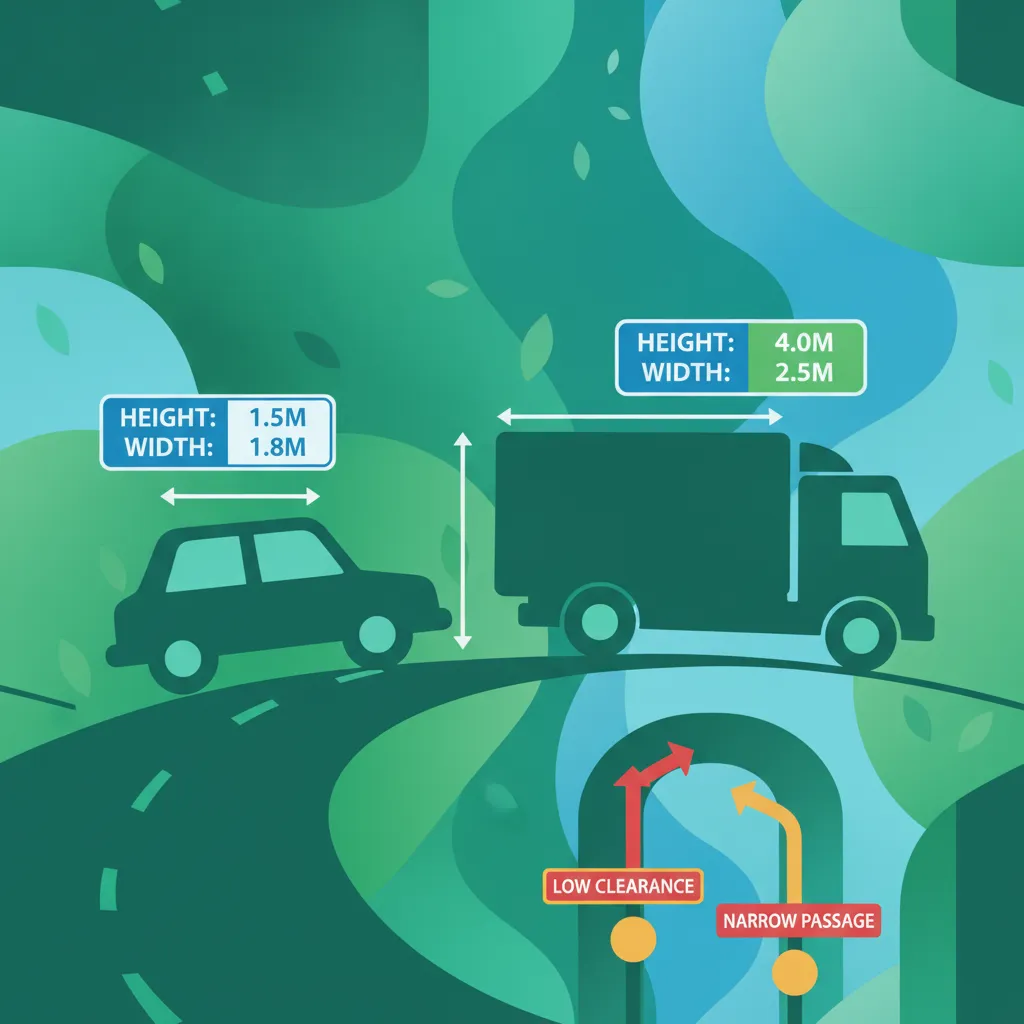
This lesson focuses on the specific dimensional limits that heavy goods vehicles must adhere to on Italian roads, as stipulated by the Codice della Strada. It covers the maximum permissible length, width, and height, explaining how these restrictions impact navigation through tunnels, under bridges, and within urban environments. Learners will also understand the conditions under which special permits for exceptional or oversized transport are required.

This lesson prepares drivers for incidents beyond a simple breakdown, such as losing part of the load onto the roadway or dealing with a spillage. It outlines the immediate priorities: ensuring personal safety, warning other traffic of the hazard, and notifying the authorities. The lesson also covers the fundamental principles of managing an accident scene, including protecting the area, assessing for casualties, and providing essential information to emergency services.
Explore the principles of a strong safety culture and how to develop effective risk perception as a professional heavy vehicle driver in Italy. Learn to balance commercial pressures with safety imperatives and understand the impact of driver behavior on public perception.

This lesson covers the complete set of lighting, reflective equipment, and protective guards mandated for heavy vehicles. It explains the function of each light, from headlights to side markers, and the importance of keeping them clean and operational to ensure the vehicle is visible to others. The lesson also details the legal requirements and safety purpose of side guards and rear underrun protection, which are designed to protect vulnerable road users in a collision.

This lesson addresses the critical responsibility of protecting vulnerable road users, such as pedestrians, cyclists, and motorcyclists, who are most at risk in a collision with a heavy vehicle. It teaches drivers to be hyper-aware in urban settings, to anticipate the unpredictable movements of VRUs, and to provide ample space, especially when turning at junctions. A key focus is on scanning for VRUs in blind spots before moving off or making any maneuver.

This lesson provides essential guidance on how to adjust driving techniques for a range of hazardous weather conditions. It covers reducing speed and increasing following distances in rain to prevent aquaplaning, using lights correctly in fog, and understanding the vehicle's reduced traction on snow and ice. It also explains how to anticipate and counteract the effects of strong crosswinds on high-sided vehicles.

This lesson provides an in-depth focus on sharing the road with the most vulnerable users. It teaches drivers to be acutely aware of pedestrians at crossings, cyclists filtering through traffic, and motorcyclists who may be in blind spots. The lesson emphasizes the importance of leaving extra space, signaling intentions clearly, and exercising extreme caution at junctions, where the majority of serious incidents occur.
This lesson prepares drivers for incidents beyond a simple breakdown, such as losing part of the load onto the roadway or dealing with a spillage. It outlines the immediate priorities: ensuring personal safety, warning other traffic of the hazard, and notifying the authorities. The lesson also covers the fundamental principles of managing an accident scene, including protecting the area, assessing for casualties, and providing essential information to emergency services.
This lesson delves into the specific articles of the Italian Codice della Strada that apply to heavy goods vehicles. It outlines the core legal and professional obligations of a driver, including the heightened duty of care owed to other road users and the responsibility for the vehicle's roadworthiness and load. Learners will understand the legal consequences of non-compliance, such as fines and sanctions, reinforcing the importance of adhering to all traffic regulations.
This lesson focuses on the specific regulations and techniques for operating a heavy vehicle on high-speed motorways. It covers mandatory lane discipline for trucks, the rules governing overtaking other heavy vehicles, and the specific speed limits that apply. Best practices for merging onto and exiting the motorway, maintaining safe following distances, and using the hard shoulder only in genuine emergencies are also detailed.
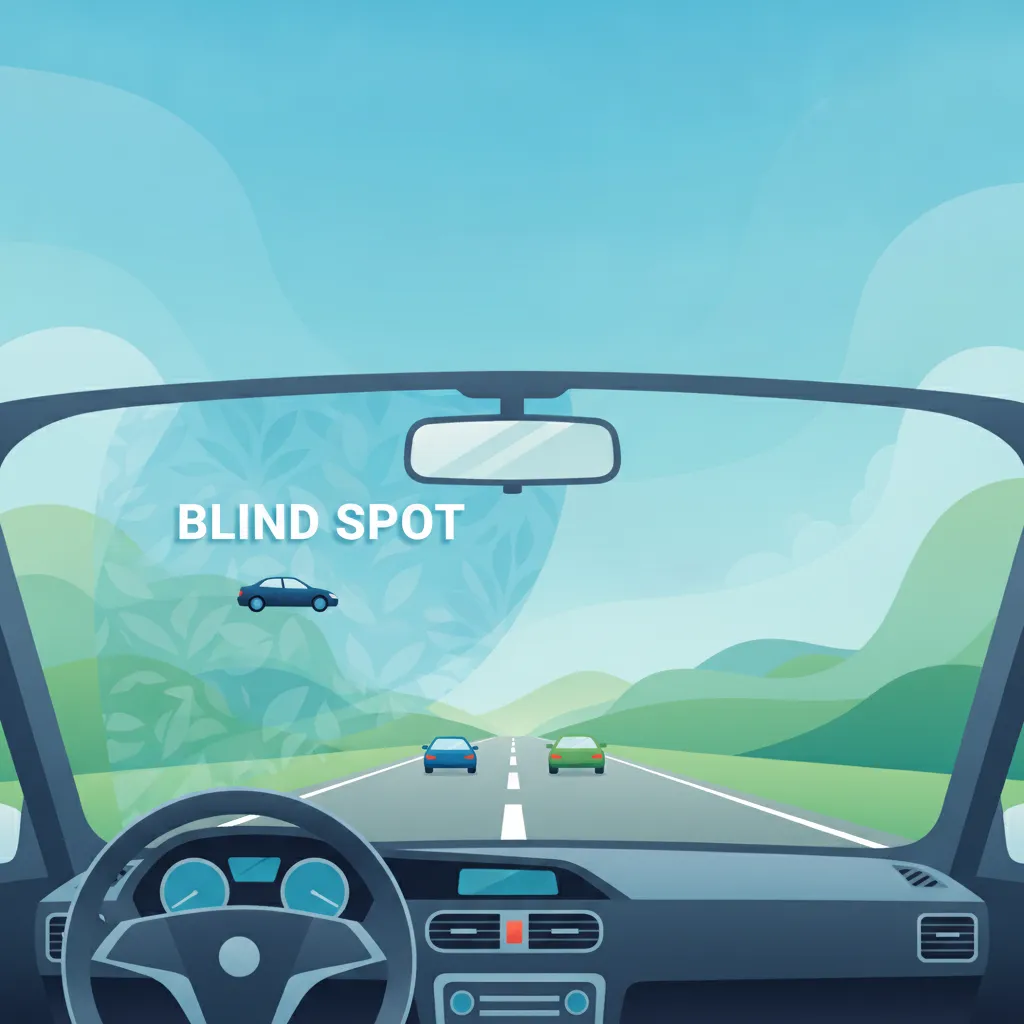
This lesson highlights the large blind spots—or 'no-zones'—that exist to the front, back, and sides of a heavy vehicle, where smaller vehicles, cyclists, and pedestrians can disappear from view. It teaches proactive scanning techniques, the importance of anticipating hazards, and how to use mirrors and direct vision effectively to manage these high-risk areas. Awareness and mitigation of blind spots are crucial for preventing collisions, especially in urban traffic.

This lesson provides a step-by-step guide for managing a vehicle breakdown safely. It reinforces the procedure for stopping on the hard shoulder, activating hazard lights, and placing a warning triangle at the correct distance. The lesson emphasizes the importance of wearing high-visibility clothing, exiting the vehicle from the side away from traffic, and waiting in a safe location before contacting a roadside assistance service.
This lesson bridges the gap between general traffic laws and their specific application to heavy goods vehicles. It examines how rules regarding speed limits, lane discipline, overtaking, and priority are modified or have special considerations for trucks due to their size, weight, and reduced maneuverability. Drivers will learn to correctly interpret road signs and signals within the context of operating a large vehicle, ensuring safe and compliant integration with other traffic.
Find clear answers to common questions learners have about Ethical Conduct and Road Safety Culture. Learn how the lesson is structured, which driving theory objectives it supports, and how it fits into the overall learning path of units and curriculum progression in Italy. These explanations help you understand key concepts, lesson flow, and exam focused study goals.
Professional driving involves significant responsibility due to the size and weight of the vehicles. The theory exam tests your understanding of these duties because your conduct directly impacts public safety and the reputation of the logistics sector.
Road safety culture refers to the collective attitudes and behaviors of drivers. By prioritizing safety over speed and adhering to regulations, you contribute to a system that prevents accidents and protects vulnerable road users like cyclists and pedestrians.
Yes, the Italian theory exam often includes situational questions that require you to identify the most responsible course of action for a professional driver, testing your understanding of safety prioritization and legal awareness.
Start searching now to pinpoint exactly which Italian driving theory topics, road signs, or traffic rules you need to master. Use our advanced filters to build a custom practice session and ensure you're fully prepared for every aspect of your official driving licence exam.