
This lesson explores the essential priority rules for managing special traffic situations involving emergency vehicles and public transport. By understanding these critical protocols, you will learn how to respond safely to sirens and flashing lights while mastering the specific right-of-way rules for trams and buses. These skills are vital for maintaining road safety and passing your Patente B theory exam.

Lesson content overview
Understanding and correctly applying right-of-way rules is fundamental to safe driving, especially within the complex traffic environment of Italy. While general priority rules dictate who proceeds first at intersections, specific situations arise that grant superior priority to certain vehicles. This lesson, crucial for your Italian Patente B theory preparation, clarifies these special priority rules concerning emergency vehicles, trams (ferrovie urbane), and public buses (autobus) departing from stops. Mastering these concepts ensures not only your safety but also the effectiveness of emergency services and the smooth flow of public transport.
In the Italian Patente B Theory: Comprehensive Driving License Preparation Course, we learn that the Codice della Strada (Italian Road Code) establishes a hierarchy of road users and their rights. Beyond the standard "give way to the right" or traffic light indications, certain vehicles are granted exceptional priority due to their vital functions. This superior priority is not merely a courtesy; it is a legal obligation designed to ensure rapid emergency response and efficient public transport, directly impacting public safety and urban mobility. Your ability to anticipate and react correctly in these situations is a core component of responsible driving.
Emergency vehicles play an indispensable role in maintaining public safety and responding to critical situations. Their ability to reach incidents swiftly can be a matter of life or death. Consequently, the Codice della Strada grants them unconditional right-of-way when they are actively signaling their emergency status. This means all other road users must proactively facilitate their passage.
The special priority of an emergency vehicle is activated when it uses both audible warning devices (sirens) and visual warning devices (flashing lights). It's crucial that both are active for the vehicle to assert its special right-of-way.
A vehicle equipped with active sirens and flashing lights used by police, firefighters, medical services, or other authorized emergency personnel.
In Italy, common types of emergency vehicles include:
When you hear sirens or see flashing lights, your immediate response should be to identify the direction from which the emergency vehicle is approaching and prepare to yield. Do not assume the siren is for someone else; always be prepared to react.
When an emergency vehicle with active sirens and flashing lights approaches, your legal obligation is to move aside safely and promptly to clear its path. This maneuver must be executed without causing danger to yourself or other road users.
Observe and Identify: As soon as you perceive an emergency vehicle (siren or lights), quickly assess its direction and speed relative to your position. Check your mirrors and surroundings.
Signal Your Intent: Activate your right turn signal (indicatore) to communicate your intention to pull over.
Move to the Right: Safely steer your vehicle towards the right side of the road.
Pull Over and Stop (If Safe):
Maintain Safety: Avoid abrupt braking or sudden lane changes that could cause a collision. Ensure you do not block pedestrian crossings or intersections. Once the emergency vehicle has passed, wait a moment before re-entering the traffic flow safely.
Even if an emergency vehicle seems to be on the opposite side of a dual carriageway or motorway, you must still be prepared to yield. In some cases, emergency vehicles may use any available lane to proceed. Always be vigilant.
Mistakes in yielding can be dangerous and costly. Common errors include:
Trams, or ferrovie urbane in Italy, are an integral part of urban public transport. Operating on fixed tracks, they have limited maneuverability compared to other road vehicles. To ensure their smooth and punctual operation, as well as passenger safety, trams are generally granted an absolute right-of-way over all other road users.
Trams have priority over other road users at intersections and whenever they are in motion, unless explicitly overridden by specific traffic signals or signs. This means that drivers must almost always yield to an approaching tram.
The rationale behind this rule is simple: a tram cannot swerve to avoid obstacles or stop as quickly as a car. Its path is predetermined by its tracks. Therefore, it is the responsibility of other drivers to anticipate and respect the tram's movement.
Do not assume a tram will stop for you. Trams primarily stop for designated passenger stops or when traffic signals explicitly require them to. They do not stop for other vehicles at intersections unless forced to by traffic signals or specific circumstances.
At intersections where tram tracks cross the roadway, drivers must be particularly vigilant.
Public transport buses (autobus) are crucial for urban mobility. To facilitate their smooth operation and prevent delays, the Codice della Strada grants them a special priority when they are signaling to re-enter traffic from a designated bus stop.
When a public bus at a designated stop activates its turn signal (indicatore), signaling its intention to pull out and merge back into the traffic flow, other drivers in the adjacent lane must yield.
A light that indicates a driver’s intention to change direction or lane. Public buses use it to signal their departure from a stop.
This rule requires you to:
This priority applies specifically to buses departing from designated stops. It does not mean buses have general priority in other traffic situations, such as when changing lanes between stops or at normal intersections without signaling from a stop.
Yielding to buses departing from stops is vital for:
The rules discussed in this lesson are enshrined in the Codice della Strada, Italy's comprehensive road traffic law. Compliance is mandatory, and violations can lead to fines and penalty points on your driving license.
The Codice della Strada, particularly Article 146, governs the use of warning devices by emergency vehicles and the obligation of other drivers to yield. It states that when these vehicles are using their acoustic (sirens) and visual (flashing lights) warning devices, they have priority over all other road users, who must facilitate their passage.
Failing to yield to an emergency vehicle can result in significant fines and the deduction of penalty points from your license, in addition to potentially impeding critical life-saving operations.
The specific rules regarding tram priority are found in various articles of the Codice della Strada, with Article 145 Bis often cited for its general principles concerning vehicles on rails. This article establishes the special priority given to trams, emphasizing that other vehicles must yield to them.
The obligation to yield to public buses signaling their departure from a stop is typically covered by Article 150 of the Codice della Strada. This article pertains to the behavior of drivers when approaching bus stops and the need to facilitate the re-entry of buses into traffic.
Understanding the rules in theory is one thing; applying them in real-world driving conditions requires adaptability and quick judgment.
Imagine a situation where an emergency vehicle is approaching an intersection where a tram is also preparing to cross.
Proceeding through a red light to yield to an emergency vehicle must be done with utmost care. It is an exceptional circumstance. Ensure you do not endanger pedestrians or cross-traffic.
Failure to yield to emergency vehicles, trams, or buses signaling departure from a stop carries serious consequences:
This lesson covers the special priority rules that apply to emergency vehicles, trams, and buses in Italian traffic. Emergency vehicles gain absolute right-of-way only when both sirens and flashing lights are active, requiring all drivers to safely pull over to the right and use the hard shoulder on motorways. Trams have inherent priority over other vehicles due to their fixed track limitations and cannot swerve or stop quickly, meaning drivers must always yield to them at intersections. Public buses receive priority only when signaling departure from designated stops. These rules are enforced under specific articles of the Codice della Strada, with non-compliance resulting in fines and penalty points.
A short set of high-value points that capture the most important learning from this lesson.
Emergency vehicles only have special priority when BOTH sirens and flashing lights are actively operating, not just one or the other.
When an emergency vehicle approaches, you must always move to the right and pull over as far as possible; on motorways, use the hard shoulder to create a clear lane.
Trams have absolute priority over other vehicles at intersections and while in motion because they cannot swerve or stop quickly due to their fixed tracks.
You must yield to buses only when they are signaling departure from a designated bus stop using their turn indicator, not in other traffic situations.
The Codice della Strada establishes these priority rules under Articles 146, 145 Bis, and 150, and failing to comply carries fines and penalty points.
Explore all units and lessons included in this driving theory course.
Both audible sirens AND visual flashing lights must be active for an emergency vehicle to claim special priority.
On motorways, create an emergency corridor by moving left vehicles left and right vehicles right, with the hard shoulder kept clear.
Trams do not stop for other vehicles at intersections unless traffic signals specifically require them to stop.
Bus departure priority only applies at designated stops when the bus is actively signaling with its turn indicator.
If you must proceed through a red light to clear a path for emergency vehicles, do so only with extreme caution and only when absolutely necessary.
Slowing down but remaining in your lane, forcing the emergency vehicle to maneuver dangerously around you and wasting critical time.
Braking abruptly when an emergency vehicle approaches, which can cause a rear-end collision with the vehicle behind you.
Pulling over in a way that blocks an intersection, trapping the emergency vehicle or other traffic.
Attempting to yield by moving to the left instead of the right, which contradicts the standard safe procedure.
On motorways, failing to use the hard shoulder when available and instead creating an improper yielding maneuver.
Lesson content overview
A short set of high-value points that capture the most important learning from this lesson.
Emergency vehicles only have special priority when BOTH sirens and flashing lights are actively operating, not just one or the other.
When an emergency vehicle approaches, you must always move to the right and pull over as far as possible; on motorways, use the hard shoulder to create a clear lane.
Trams have absolute priority over other vehicles at intersections and while in motion because they cannot swerve or stop quickly due to their fixed tracks.
You must yield to buses only when they are signaling departure from a designated bus stop using their turn indicator, not in other traffic situations.
The Codice della Strada establishes these priority rules under Articles 146, 145 Bis, and 150, and failing to comply carries fines and penalty points.
Explore all units and lessons included in this driving theory course.
Both audible sirens AND visual flashing lights must be active for an emergency vehicle to claim special priority.
On motorways, create an emergency corridor by moving left vehicles left and right vehicles right, with the hard shoulder kept clear.
Trams do not stop for other vehicles at intersections unless traffic signals specifically require them to stop.
Bus departure priority only applies at designated stops when the bus is actively signaling with its turn indicator.
If you must proceed through a red light to clear a path for emergency vehicles, do so only with extreme caution and only when absolutely necessary.
Slowing down but remaining in your lane, forcing the emergency vehicle to maneuver dangerously around you and wasting critical time.
Braking abruptly when an emergency vehicle approaches, which can cause a rear-end collision with the vehicle behind you.
Pulling over in a way that blocks an intersection, trapping the emergency vehicle or other traffic.
Attempting to yield by moving to the left instead of the right, which contradicts the standard safe procedure.
On motorways, failing to use the hard shoulder when available and instead creating an improper yielding maneuver.
Explore search topics learners often look for when studying Special Priority Situations (Emergency Vehicles, Trams). These topics reflect common questions about road rules, driving situations, safety guidance, and lesson level theory preparation for learners in Italy.
Browse additional driving theory lessons that cover connected traffic rules, road signs, and common driving situations related to this topic. Improve your understanding of how different rules interact across everyday traffic scenarios.
Understand the critical Italian traffic laws and obligations for yielding to emergency vehicles with sirens and lights, and the absolute right-of-way granted to trams. Essential knowledge for safe urban driving and passing your Patente B theory exam.
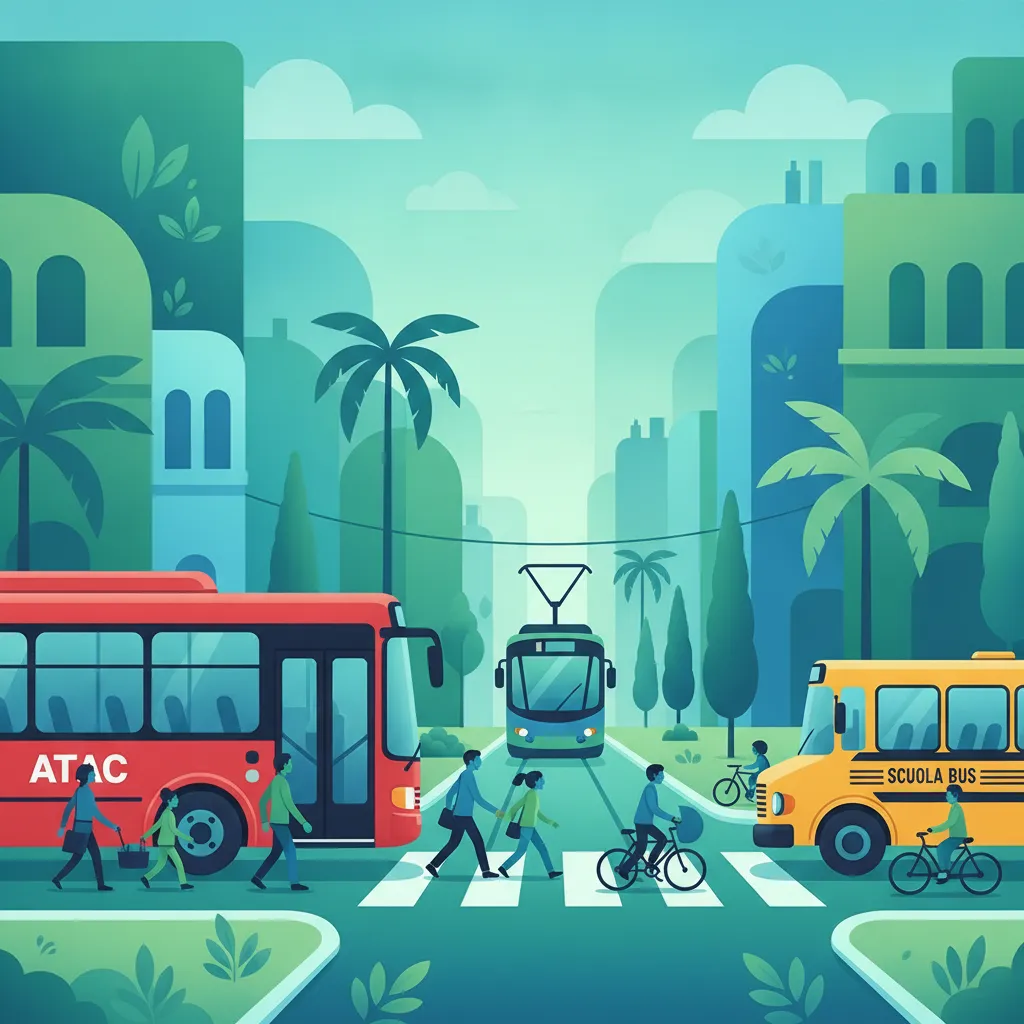
This lesson details the correct procedures for interacting with public transport and school buses. It explains the rules for dedicated bus lanes, the absolute priority of trams, and the legal requirement to yield to buses pulling out from a stop. The content also covers the specific laws requiring drivers to stop when a school bus is loading or unloading passengers, to ensure child safety.
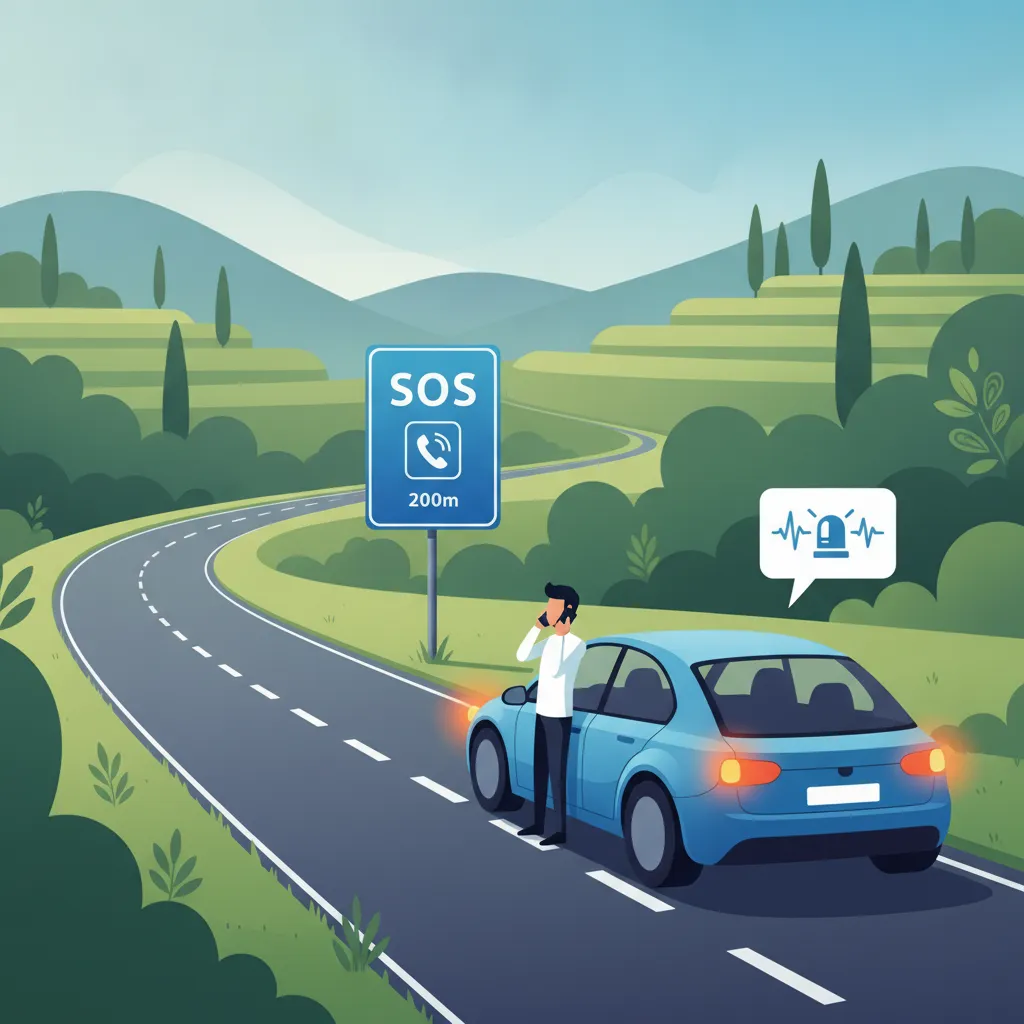
This lesson outlines the proper conduct when encountering emergency vehicles on the road or interacting with responders at an incident. It details the rules for yielding the right-of-way to ambulances, police, and fire services, ensuring they have a clear path. You will also learn how to provide clear and concise information to authorities to facilitate an effective emergency response.
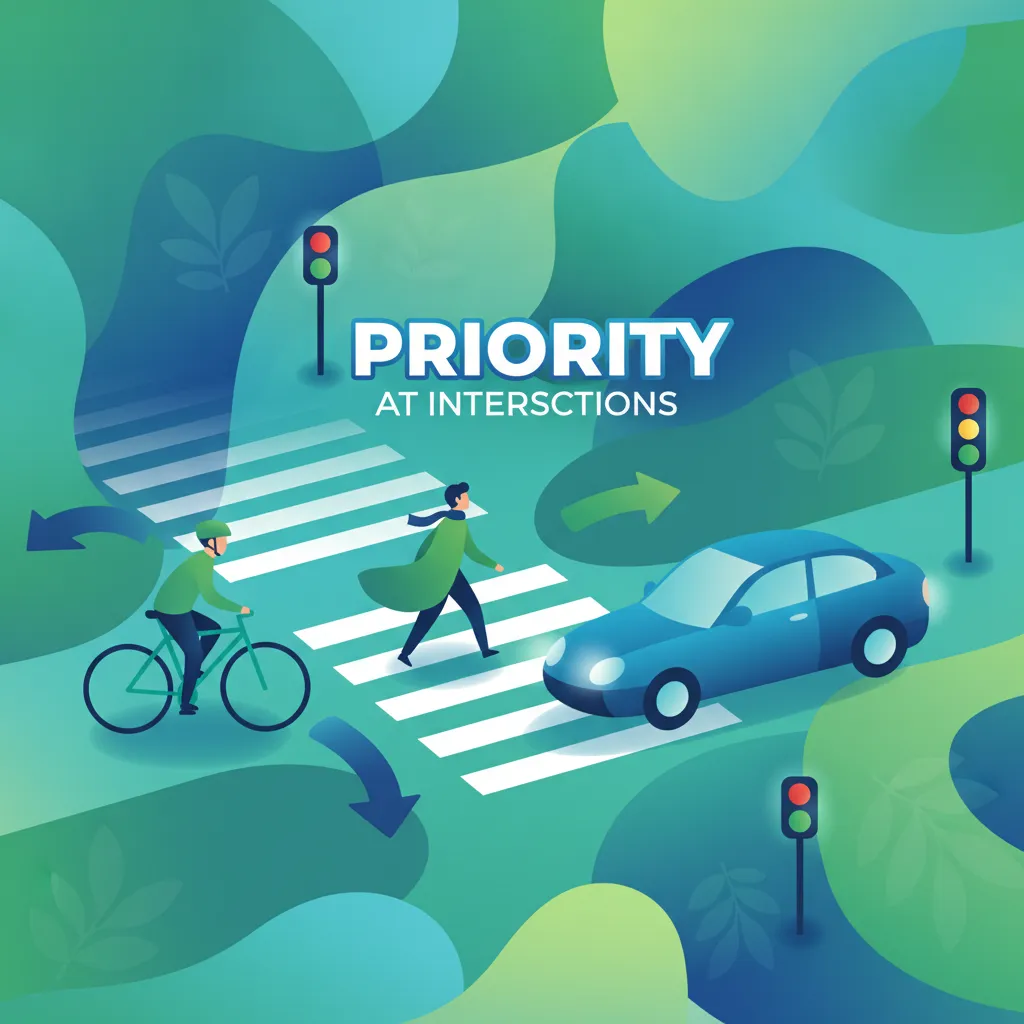
This lesson covers the general principles of priority at intersections governed by traffic signs and signals. It explains how to identify a priority road and the obligation to yield to traffic when encountering a 'dare la precedenza' (yield) or stop sign. The content also reviews the hierarchy of authority, where signals from a traffic officer override all other signs and lights.

This lesson reinforces the correct procedures for interacting with emergency vehicles that are responding to a call with sirens and lights active. It explains the legal obligation to yield the right-of-way by safely moving to the side of the road and stopping if necessary. The content emphasizes making smooth, predictable movements to create a clear path, allowing emergency responders to proceed without delay.
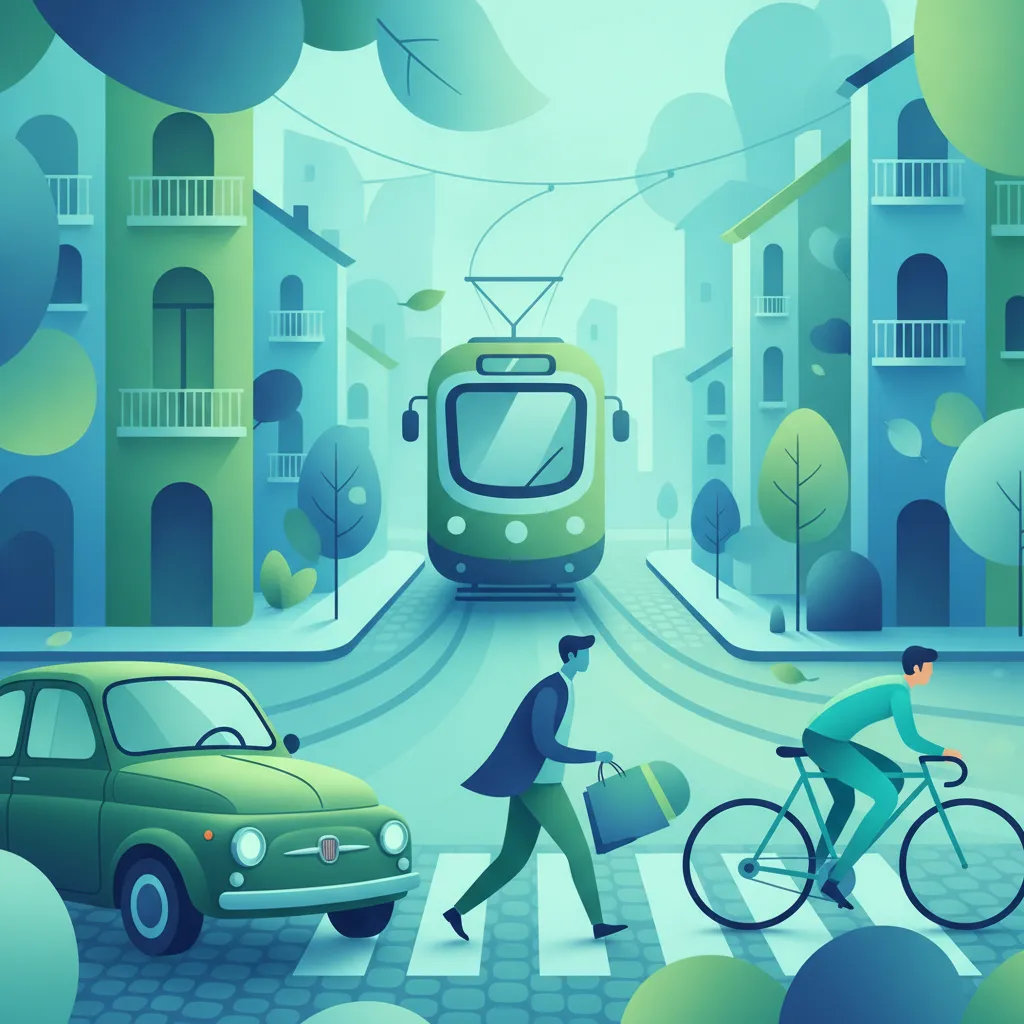
This lesson is dedicated to fostering awareness and safe interaction with vulnerable road users commonly found in cities. It details the legal priority of pedestrians at crossings and the importance of giving ample space to cyclists. Additionally, it covers the specific hazards associated with tram tracks and the need to be vigilant around public transport vehicles like buses and taxis.
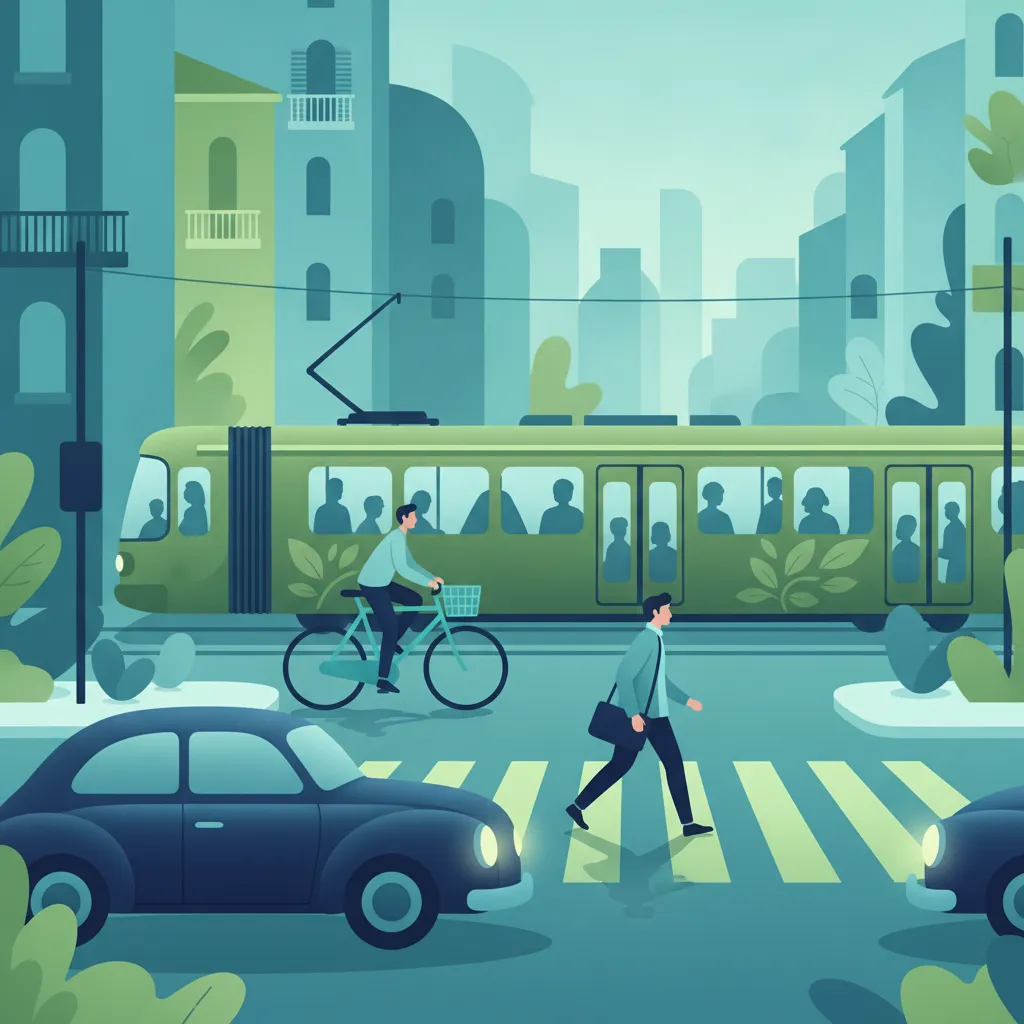
This lesson explains the fundamental principles of right of way that govern interactions between different types of road users in Italy. It clarifies the legal precedence at intersections, pedestrian crossings, and when interacting with public transport like buses and trams. The content also details the absolute priority given to emergency vehicles and how to safely yield in accordance with the Codice della Strada.
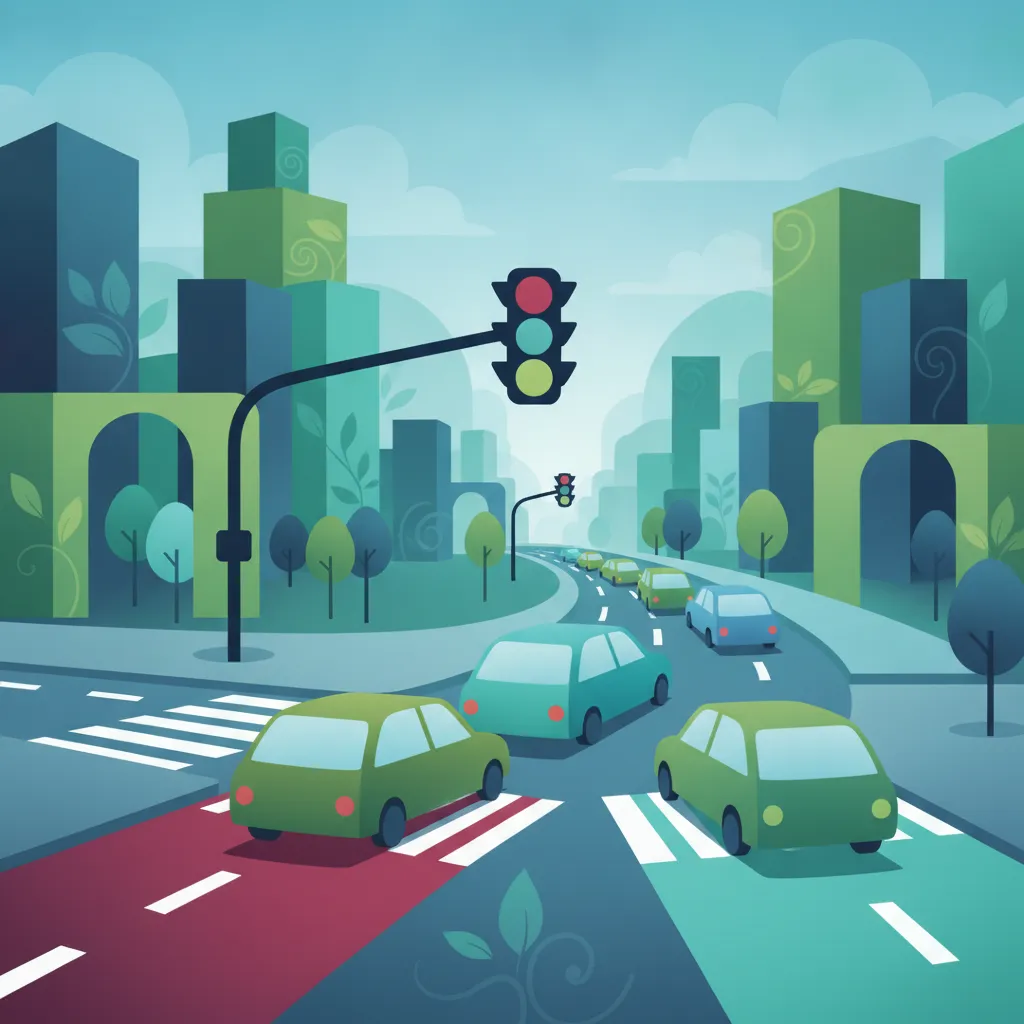
This lesson delivers a comprehensive explanation of right-of-way regulations at Italian intersections. It covers the interpretation of traffic light signals, the absolute requirement to stop at stop signs, and yielding at give-way signs. Furthermore, it details the default priority rules for unmarked intersections and the specific obligations a rider has towards pedestrians on crossings.

This lesson provides a detailed explanation of the priority rules that govern Italian intersections and roundabouts. You will learn to identify priority roads and correctly apply the rules for stop and give way signs. It also covers the specific procedures for entering, navigating, and exiting roundabouts, emphasizing when to yield to circulating traffic.
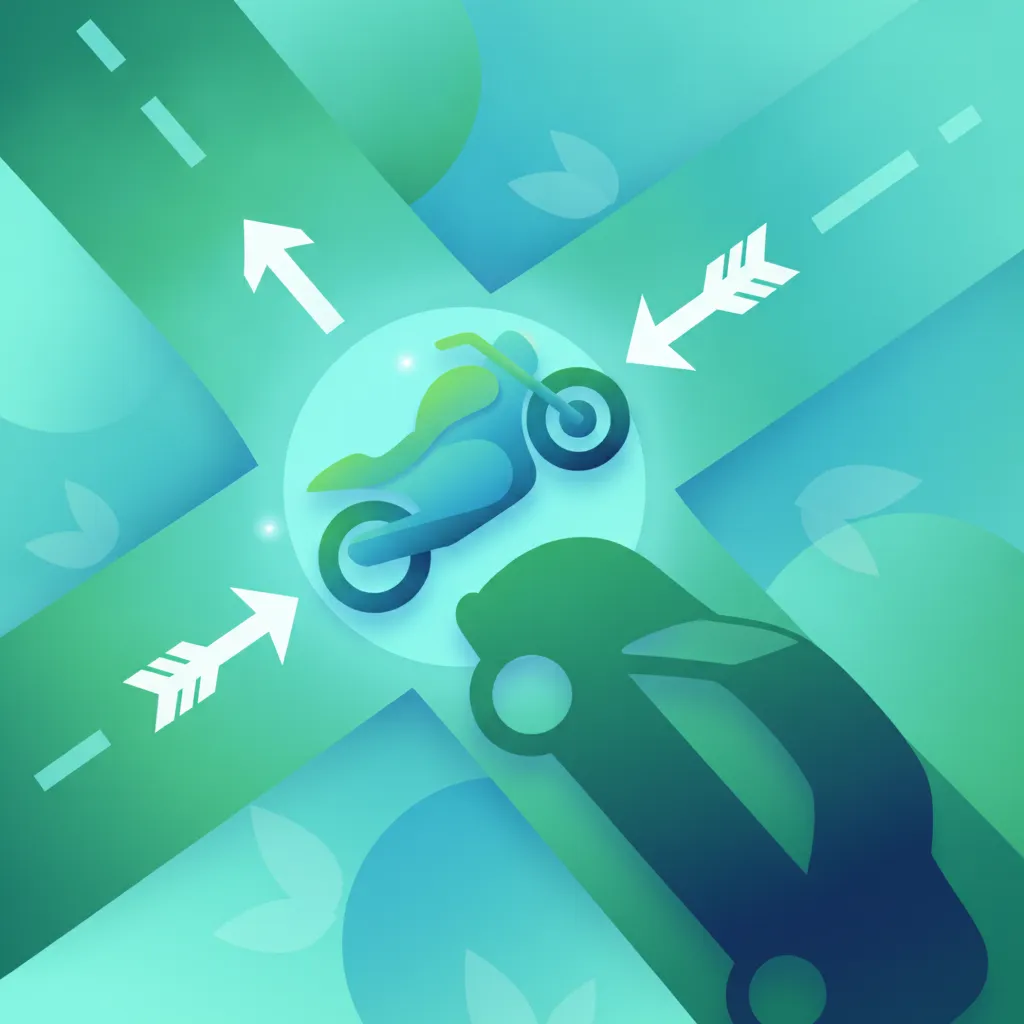
This lesson focuses on the crucial rule for navigating uncontrolled intersections in Italy: yielding to vehicles approaching from the right (precedenza a destra). It explains how to apply this default rule when no signs or signals are present to direct traffic flow. Learners will understand how to approach these junctions with caution, assess traffic, and proceed safely, while also learning about the few exceptions to this rule.
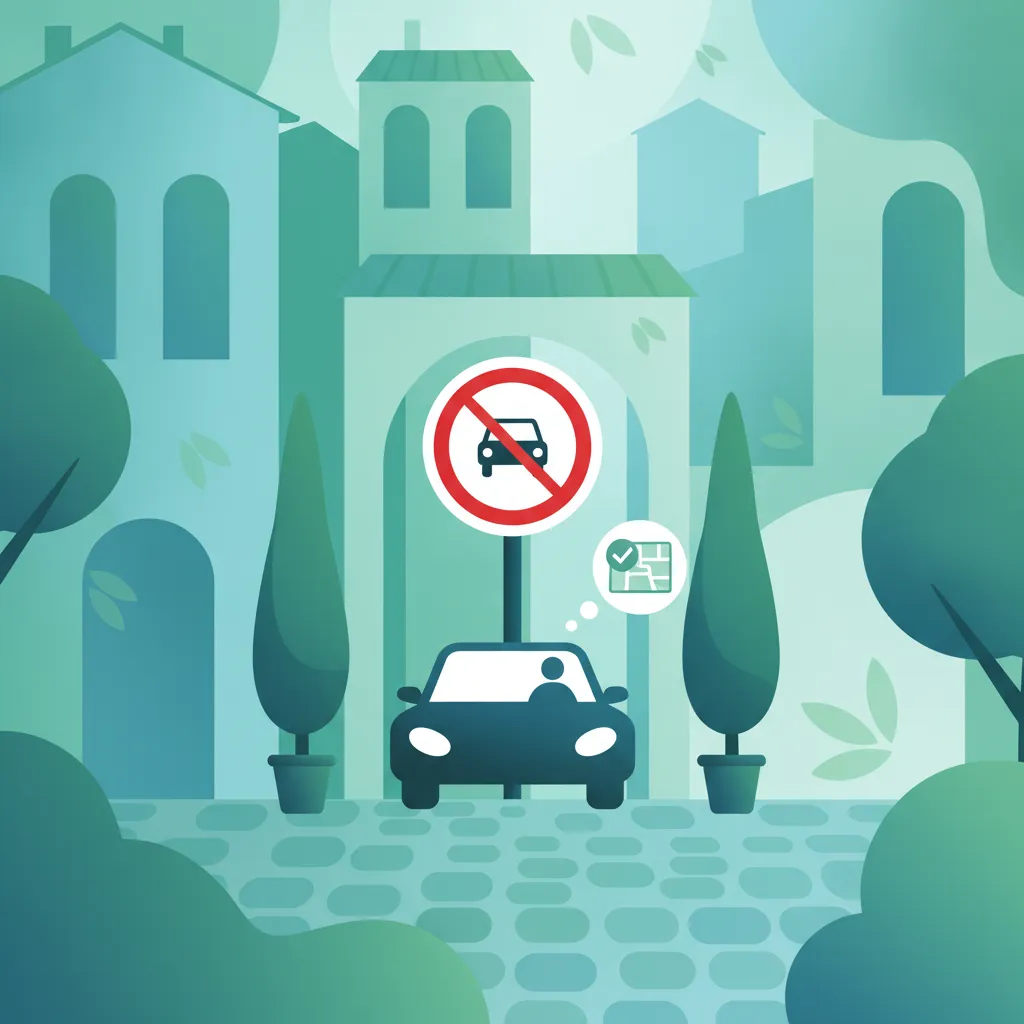
This lesson explains the concept of 'Zone a Traffico Limitato' (ZTL), common in Italian city centers, which restricts vehicle access at certain times. It covers how to identify ZTL boundaries, understand the operating hours, and the procedures for obtaining permits for commercial deliveries. The lesson also touches on environmental zones that may restrict access based on a vehicle's emission standards.
Learn the specific rules and practical scenarios for yielding to public buses that signal their intention to leave a bus stop. Essential for smooth urban traffic flow and understanding Italian driving conventions.
This lesson details the correct procedures for interacting with public transport and school buses. It explains the rules for dedicated bus lanes, the absolute priority of trams, and the legal requirement to yield to buses pulling out from a stop. The content also covers the specific laws requiring drivers to stop when a school bus is loading or unloading passengers, to ensure child safety.
This lesson covers the general principles of priority at intersections governed by traffic signs and signals. It explains how to identify a priority road and the obligation to yield to traffic when encountering a 'dare la precedenza' (yield) or stop sign. The content also reviews the hierarchy of authority, where signals from a traffic officer override all other signs and lights.
This lesson focuses on the driver's responsibility to protect pedestrians, especially at designated crossings (strisce pedonali). It reinforces the legal requirement to yield to pedestrians who are on or about to enter a crosswalk. The content also covers the importance of reducing speed and increasing vigilance in urban areas, school zones, and other places with high pedestrian activity.
This lesson provides a step-by-step guide to navigating roundabouts safely and efficiently. It focuses on the critical rule of yielding to traffic already circulating within the roundabout before entering. You will also learn how to select the correct lane based on your intended exit and how to use your indicators to signal your maneuvers clearly.
This lesson reinforces the correct procedures for interacting with emergency vehicles that are responding to a call with sirens and lights active. It explains the legal obligation to yield the right-of-way by safely moving to the side of the road and stopping if necessary. The content emphasizes making smooth, predictable movements to create a clear path, allowing emergency responders to proceed without delay.
This lesson provides a practical guide to parking regulations in Italian urban areas. It explains the meaning of different colored parking lines (blue for paid, white for free, yellow for reserved), the use of the parking disc (disco orario) for time-limited zones, and how to operate pay-and-display machines. The content also covers how to identify no-parking zones to avoid fines and towing.
This lesson provides essential rules and techniques for driving on Italian motorways (autostrade) and major extra-urban roads. It explains how to safely merge onto the motorway from an entry ramp, the strict lane discipline required (drive right, overtake left), and how to exit correctly. The content also covers speed regulations, maintaining a safe following distance at high speed, and procedures for using service areas and handling emergencies.
This lesson explains the fundamental principles of right of way that govern interactions between different types of road users in Italy. It clarifies the legal precedence at intersections, pedestrian crossings, and when interacting with public transport like buses and trams. The content also details the absolute priority given to emergency vehicles and how to safely yield in accordance with the Codice della Strada.
This lesson focuses on the crucial rule for navigating uncontrolled intersections in Italy: yielding to vehicles approaching from the right (precedenza a destra). It explains how to apply this default rule when no signs or signals are present to direct traffic flow. Learners will understand how to approach these junctions with caution, assess traffic, and proceed safely, while also learning about the few exceptions to this rule.
This lesson focuses on regulatory signs, which impose legal obligations and prohibitions on drivers. It explains the meaning of critical signs such as 'Stop', 'Yield' (dare la precedenza), and various speed limit signs. The content also covers signs that prohibit certain actions like overtaking, parking, or entry, as well as those that mandate a specific direction of travel or lane usage.
Find clear answers to common questions learners have about Special Priority Situations (Emergency Vehicles, Trams). Learn how the lesson is structured, which driving theory objectives it supports, and how it fits into the overall learning path of units and curriculum progression in Italy. These explanations help you understand key concepts, lesson flow, and exam focused study goals.
Yes, you are legally required to clear a path for any emergency vehicle with active sirens and flashing lights. You should safely move to the side of the road and slow down or stop, ensuring you do not create danger for other road users or pedestrians.
In most cases, yes. Trams have an absolute right of way unless specific signs indicate otherwise. Always treat them with caution as they cannot steer to avoid a collision.
Yes, in urban areas, you must yield to a public bus that has signaled its intention to pull away from a designated bus stop. Be prepared to slow down or stop to allow it to merge safely.
You must prioritize the emergency vehicle. If it is safe to do so, move your vehicle to create space. Do not cross red lights if it is dangerous, but try to clear the path as much as possible without risking a collision.
Start searching now to pinpoint exactly which Italian driving theory topics, road signs, or traffic rules you need to master. Use our advanced filters to build a custom practice session and ensure you're fully prepared for every aspect of your official driving licence exam.