
This lesson provides a foundational understanding of Polish driving licence categories, with a specific focus on Category B. You'll learn the eligibility criteria, required documents, and the step-by-step process to obtain your licence, from enrolling in driving school to passing the theory and practical exams. This is essential knowledge for anyone starting their driving journey in Poland and sets the stage for mastering subsequent traffic rules.
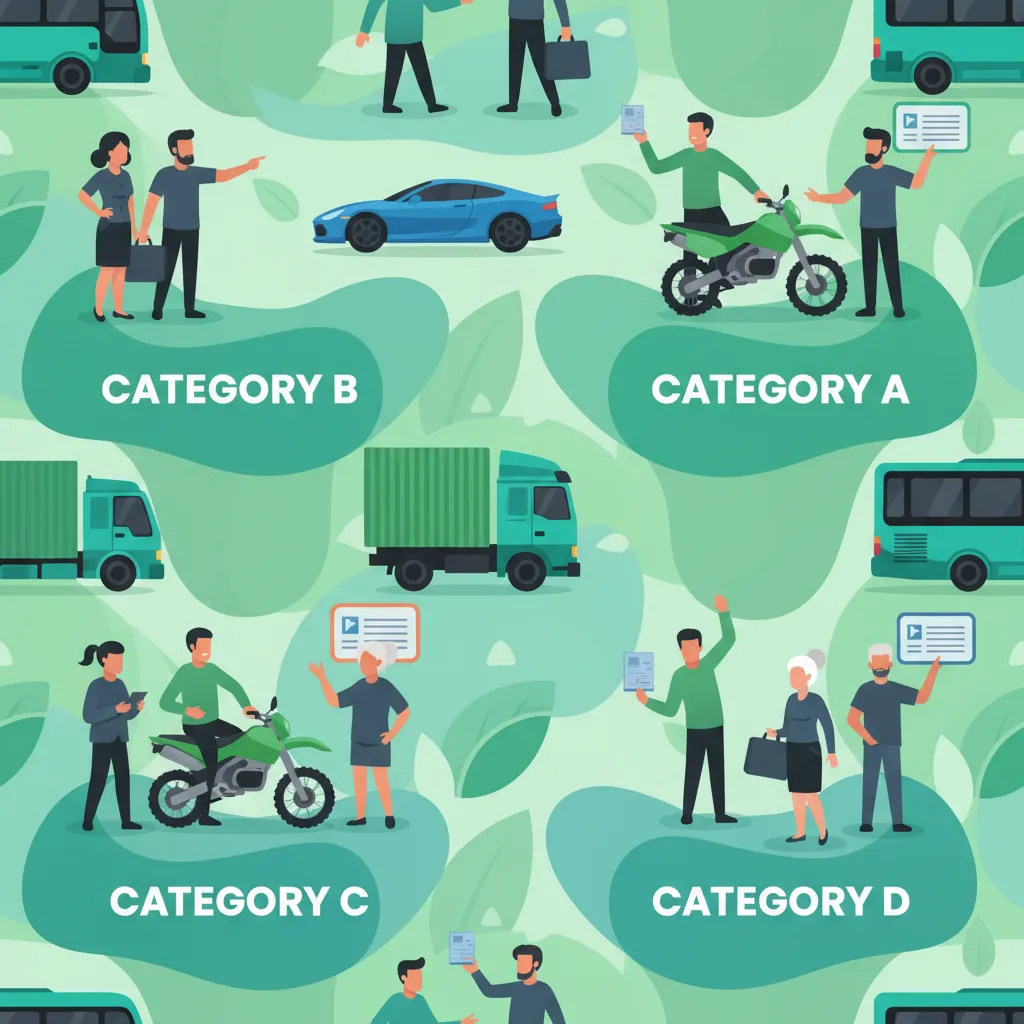
Lesson content overview
Embarking on the journey to obtain a Polish driving licence, particularly for Category B, requires a clear understanding of the legal requirements, categories, and the application process. This lesson provides a detailed overview of the Polish driving licence classification system, focusing on the privileges and limitations associated with Category B. It clarifies the minimum age requirement, the necessity of a medical certificate, and the structured process of enrolling in a driving school. Understanding these foundational elements is crucial, as they establish the legal framework for safe and responsible driving on Polish roads. Without proper eligibility, no individual may legally operate a vehicle in Poland.
The Polish driving licence system employs a hierarchical classification structure to define the types of vehicles an individual is legally permitted to drive. Each category, such as A, B, C, or D, corresponds to specific vehicle types, weight limits, and passenger capacities, aligning driver competence with vehicle complexity and associated risks. This ensures that drivers possess the appropriate skills and knowledge for the vehicles they operate.
Category B is the most common driving licence category in Poland, primarily covering passenger cars. It grants the holder the privilege to drive motor vehicles with a Gross Vehicle Weight (GVW) of up to 3,500 kilograms. Additionally, these vehicles may be designed and constructed for the transport of no more than 8 passengers in addition to the driver. This classification covers the vast majority of personal cars, including sedans, hatchbacks, SUVs, and smaller vans.
It is a common misconception that a Category B licence permits driving any sized truck or larger commercial vehicle. This is incorrect; the 3,500 kg weight limit and 8-passenger seat restriction are strict. For instance, a typical 2,000 kg sedan with five seats falls comfortably within Category B. However, a larger vehicle such as a 6,000 kg delivery truck or a bus designed for more than eight passengers would require a different licence category, such as Category C or D, respectively.
While Category B covers most passenger cars, specific rules apply when towing trailers. A standard Category B licence allows you to tow a light trailer, which is defined as a trailer with a GVW of up to 750 kg. The combined Gross Combination Weight Rating (GCWR) of the car and the light trailer must not exceed 4,250 kg.
However, if you intend to tow a heavy trailer, which has a GVW exceeding 750 kg, you will typically need an extension to your Category B licence, known as Category B+E. This extension permits the towing of a heavy trailer, provided the combined GCWR of the towing vehicle (Category B) and the trailer does not exceed 4,250 kg. For instance, if you wish to tow a caravan weighing 800 kg, you would need to obtain the B+E endorsement to do so legally. Acquiring a B+E licence requires a separate driving test focused specifically on towing skills.
Before you can even begin the training and examination process, certain fundamental eligibility criteria must be met. These requirements are in place to ensure that all drivers possess the necessary maturity, cognitive ability, and physical health to operate a vehicle safely, protecting both themselves and other road users.
In Poland, the legally defined minimum age at which an individual may apply for a Category B driving licence is 18 years old. This age threshold reflects the necessary maturity and cognitive development required for safe vehicle operation, including sound decision-making and impulse control. Applicants must have reached their 18th birthday on the day of the practical driving examination.
It is important to note that while the licence cannot be issued before the age of 18, candidates may begin the theoretical part of their driving course and even take the theory examination slightly earlier. Specifically, you can typically apply to take the theory exam once you are 17 years and 8 months old. However, the practical exam and subsequent licence issuance will strictly require you to be 18. This early start for theory allows candidates to be fully prepared to take the practical lessons and exam immediately upon reaching the legal age.
Attempting to schedule a practical driving examination before your 18th birthday, even if you have passed the theory test and completed practical lessons, will result in denial. The system will verify your age on the scheduled exam date.
A critical component of the eligibility process is obtaining a medical fitness certificate (zaświadczenie lekarskie). This official document, issued by an authorized medical professional, confirms that the applicant meets the health standards required to drive safely. Its primary purpose is to prevent medically unsafe individuals from operating vehicles, thereby mitigating health-related hazards such as sudden loss of consciousness or impaired vision that could lead to accidents.
The medical examination assesses various aspects of an applicant's health, including:
Visit an Accredited Medical Centre: You must see a physician who is specifically authorized to conduct medical examinations for drivers. A general doctor's note is not sufficient.
Complete the Examination: The doctor will perform a series of tests and assessments to verify your health against the driving standards.
Receive Your Certificate: If deemed fit to drive, you will be issued a certificate. This certificate is typically valid for 5 years, though it may be issued for a shorter period if specific medical conditions require more frequent monitoring.
You must present a valid medical certificate before you are permitted to take the theory examination. Failure to obtain or present this certificate will invalidate your licence application.
Once you meet the fundamental age and medical fitness criteria, the next steps involve formal training and documentation. The Polish system emphasizes structured instruction to ensure all drivers receive comprehensive education and practical experience.
A mandatory step for all new learners is formal enrolment with a state-approved driving school (ośrodek szkolenia kierowców). These certified institutions provide structured, standardized instruction, ensuring that candidates are thoroughly prepared for both the theory and practical examinations. Self-study alone does not fulfill the practical training requirement; practical sessions must be conducted in a vehicle on public roads under the direct supervision of a certified instructor.
The training curriculum is divided into two main parts:
Upon successful completion of the required theory and practical training hours, the driving school will issue a "Certificate of Completion" (zaświadczenie o ukończeniu kursu) and a lesson logbook (dziennik zajęć). These documents confirm that you have met the mandatory training requirements and are essential for practical exam eligibility.
Throughout the application process, you will need to gather and submit several official documents. These papers are crucial for verifying your identity, residency, medical fitness, and completion of required training.
Valid Identification: A current Polish national ID card (dowód osobisty) or a passport.
Proof of Residency: A document confirming your address in Poland, such as a utility bill, rental agreement, or a residency certificate (zaświadczenie o zameldowaniu).
Medical Fitness Certificate: The official document from an authorized physician confirming your fitness to drive.
Biometric Photograph: A recent, clear biometric photograph (3.5 x 4.5 cm), meeting specific requirements for official documents.
Application Form: The official driving licence application form, usually available at your local Department of Transportation (Wydział Komunikacji) or online.
Proof of Theory Exam Pass: A certificate or official confirmation that you have successfully passed the theoretical examination.
Driving School Certificate of Completion & Lesson Logbook: Documents issued by your driving school confirming you have completed all mandatory theory and practical training hours.
Payment Receipt: Proof of payment for the driving licence issuance fee.
All these documents must be submitted to your local Department of Transportation, often before your practical exam can be officially scheduled. It is vital to ensure all paperwork is correct and up-to-date to avoid delays in your application.
The culmination of your preparation is the successful completion of both the theoretical and practical driving examinations. These tests are administered by the Central Register of Vehicles and Drivers (CEPiK – Centralna Ewidencja Pojazdów i Kierowców) and are designed to assess your knowledge of road law and your ability to apply driving skills safely and effectively in real-world conditions.
The theory examination is a computer-based test covering a wide range of topics related to Polish traffic law, road signs, vehicle operation, and safety principles. It serves as a verification of your knowledge of the legal framework and safe driving concepts.
The structure of the theory exam typically includes:
Thorough preparation using official study materials, practice tests, and active participation in your driving school's theory lessons significantly increases your chances of passing the exam on the first attempt.
Before you can take the theory exam, you must hold a valid medical fitness certificate and be at least 17 years and 8 months old. A passing score on the theory exam is mandatory and valid for three years, during which you must complete your practical training and pass the practical exam. If you fail the theory test, you can usually retake it, but some regulations may impose a waiting period after multiple failed attempts.
After successfully passing the theory exam and completing your mandatory driving school lessons (minimum 30 hours, with a signed lesson logbook), you become eligible to schedule your practical driving examination. This on-road assessment evaluates your real-world driving skills, performed by an examiner from CEPiK.
The practical exam typically consists of several components:
To pass the practical examination, you must demonstrate a high level of competence and safety. This generally means:
The examiner is assigned by the local road authority, and you cannot choose your examiner. Upon successful completion of the practical exam, the examiner will issue a positive result, paving the way for the final issuance of your driving licence.
The process of obtaining a driving licence in Poland is governed by strict regulations designed to ensure competence and safety. Adherence to these rules is not optional but mandatory for all applicants.
| Regulation | Statement | Applicability | Rationale |
|---|---|---|---|
| Minimum Age for Category B | Driver must be at least 18 years old on the day of the practical exam. | All Category B applicants. | Ensures sufficient maturity and legal responsibility for complex driving tasks. |
| Medical Fitness Certificate | Applicant must present a valid medical certificate before taking the theory exam. | All new licence applicants. | Prevents health-related hazards from impacting driving safety. |
| Theory Exam Pass Requirement | Must achieve at least 68% correct answers (22/32 questions). | All candidates for the theory exam. | Guarantees a fundamental understanding of Polish traffic law and safety principles. |
| Practical Exam Scheduling | Practical exam may be scheduled only after presenting proof of theory pass and a completed lesson logbook (minimum 30 hours). | Candidates ready for the practical test. | Ensures adequate practical preparation and supervised experience before solo driving assessment. |
| Driving School Enrollment | Applicant must enroll in an approved driving school for mandatory lessons before taking any exams. | All new learners for Category B. | Guarantees standardized, professional training from accredited instructors. |
| Licence Issuance | Licence is issued only after successful completion of both theory and practical exams. | All successful candidates. | Confirms both theoretical knowledge and practical driving skill. |
Navigating the driving licence process can be complex, and certain common mistakes or attempts to bypass regulations can lead to significant delays, penalties, or even legal consequences. Understanding these pitfalls is crucial for a smooth and successful licence acquisition.
The rules and regulations for driving are not static but can be influenced by various conditional factors. These variations highlight the importance of adaptability and responsible decision-making behind the wheel, even once licensed.
Understanding licence categories and eligibility is merely the first step in your comprehensive Category B licence preparation. This foundational knowledge will serve as a prerequisite for more advanced topics. For instance, a clear grasp of vehicle classification (e.g., weight and passenger limits) is essential before delving into lessons on specific vehicle controls and operation. Similarly, knowing your legal responsibilities as a licence holder provides critical context for understanding penalties, the points system, and other legal obligations discussed in later units. This course aims to build your knowledge systematically, ensuring you are well-prepared for both the exam and a lifetime of safe driving.
Obtaining a Polish Category B driving licence requires adherence to a structured process and specific eligibility criteria. This includes reaching the minimum age of 18, possessing a valid medical fitness certificate, and successfully completing mandatory theory and practical training at a state-approved driving school. The theoretical exam assesses your knowledge of traffic laws, while the practical exam evaluates your ability to operate a vehicle safely and competently. Compliance with all regulations, including documentation and training hours, is crucial to avoid delays and legal issues. Understanding these initial steps forms the bedrock of becoming a responsible and legal driver in Poland.
This lesson covers the foundational requirements for obtaining a Polish Category B driving licence, including the 3,500 kg GVW limit and 8-passenger capacity rule, the minimum age of 18 for the practical exam, and the option to take theory at 17 years 8 months. Key prerequisites include a medical fitness certificate from an authorized physician and enrollment at a state-approved driving school with a minimum of 20 theory hours and 30 practical hours. The theory exam consists of 32 questions requiring 68% to pass, valid for three years, while the practical exam evaluates vehicle control, maneuvers, and traffic interaction without serious errors. Understanding these eligibility criteria and avoiding common pitfalls such as incomplete training hours or invalid medical documentation will ensure a smooth licence acquisition process.
A short set of high-value points that capture the most important learning from this lesson.
Category B licence permits driving vehicles up to 3,500 kg GVW with up to 8 passengers plus the driver.
You must be 18 years old to take the practical exam, but you can attempt the theory exam at 17 years and 8 months.
A medical fitness certificate from an authorized physician is mandatory before taking the theory exam.
You need a minimum of 20 hours of theory and 30 hours of practical driving lessons at an approved driving school.
The theory exam requires 22 out of 32 correct answers (68%) to pass, with a 3-year validity window to complete the practical exam.
Explore all units and lessons included in this driving theory course.
Category B+E is required for towing heavy trailers over 750 kg GVW, with combined weight not exceeding 4,250 kg.
The medical fitness certificate is typically valid for 5 years, though shorter periods may apply for certain conditions.
Your lesson logbook must be signed by your instructor; incomplete training hours will result in exam denial.
No serious errors are permitted during the practical exam; exceeding two minor faults also results in failure.
All documents must be submitted to your local Wydział Komunikacji before the practical exam can be scheduled.
Scheduling the practical exam before turning 18, even if all other requirements are met.
Using a medical certificate from a non-authorized physician, which will be rejected by authorities.
Arriving at the theory exam without valid government-issued photo identification.
Attempting to take the practical exam without completing the mandatory 30 hours of driving lessons.
Driving a vehicle exceeding Category B limits (over 3,500 kg or more than 8 passengers) without the appropriate licence.
Lesson content overview
A short set of high-value points that capture the most important learning from this lesson.
Category B licence permits driving vehicles up to 3,500 kg GVW with up to 8 passengers plus the driver.
You must be 18 years old to take the practical exam, but you can attempt the theory exam at 17 years and 8 months.
A medical fitness certificate from an authorized physician is mandatory before taking the theory exam.
You need a minimum of 20 hours of theory and 30 hours of practical driving lessons at an approved driving school.
The theory exam requires 22 out of 32 correct answers (68%) to pass, with a 3-year validity window to complete the practical exam.
Explore all units and lessons included in this driving theory course.
Category B+E is required for towing heavy trailers over 750 kg GVW, with combined weight not exceeding 4,250 kg.
The medical fitness certificate is typically valid for 5 years, though shorter periods may apply for certain conditions.
Your lesson logbook must be signed by your instructor; incomplete training hours will result in exam denial.
No serious errors are permitted during the practical exam; exceeding two minor faults also results in failure.
All documents must be submitted to your local Wydział Komunikacji before the practical exam can be scheduled.
Scheduling the practical exam before turning 18, even if all other requirements are met.
Using a medical certificate from a non-authorized physician, which will be rejected by authorities.
Arriving at the theory exam without valid government-issued photo identification.
Attempting to take the practical exam without completing the mandatory 30 hours of driving lessons.
Driving a vehicle exceeding Category B limits (over 3,500 kg or more than 8 passengers) without the appropriate licence.
Explore search topics learners often look for when studying Licence Categories and Eligibility. These topics reflect common questions about road rules, driving situations, safety guidance, and lesson level theory preparation for learners in Poland.
Browse additional driving theory lessons that cover connected traffic rules, road signs, and common driving situations related to this topic. Improve your understanding of how different rules interact across everyday traffic scenarios.
Understand the essential requirements for obtaining a Polish Category B driving licence. This guide covers age, medical fitness, and mandatory training prerequisites needed for your licence application.
This lesson details the exact requirements to qualify for a Category D driving licence. It covers the minimum age, the mandatory medical examinations for health fitness, and the hierarchy of prerequisite licences like Category B and C. You will also learn about the accredited training process and the necessary documentation for certification.
This lesson details the documentation required for a Category B licence application and vehicle operation. It explains the function of the vehicle registration certificate (dowód rejestracyjny), the mandatory civil liability insurance (OC), and the certificate of technical inspection. Learners will understand the verification process and the importance of keeping these documents current and accessible.
This lesson details the formal prerequisites for obtaining a Category T licence, focusing on the minimum age and mandatory health assessment. It outlines the specific medical certificates required, the process for submitting proof of identity and residency, and the role of the local road transport office. The content also clarifies the importance of maintaining up-to-date health documentation and the legal consequences of non-compliance.
This lesson defines the scope of vehicles permitted under a Category B licence, primarily passenger cars up to 3,500 kg maximum permissible mass. It clarifies the rules on seating capacity and the regulations for towing trailers, distinguishing between a standard B licence and a B+E entitlement. Understanding these classifications ensures drivers operate vehicles legally and safely.

This lesson delineates each motorcycle licence category defined in Polish law, explaining the technical specifications of vehicles allowed under AM, A1, A2, and A. It clarifies the age limits and competency criteria required for each category, highlighting how riders can progress from a light two-wheel vehicle to high-performance motorcycles. The content also outlines the mandatory training modules that must be completed to obtain each licence tier, ensuring learners understand the legal framework governing their riding privileges.
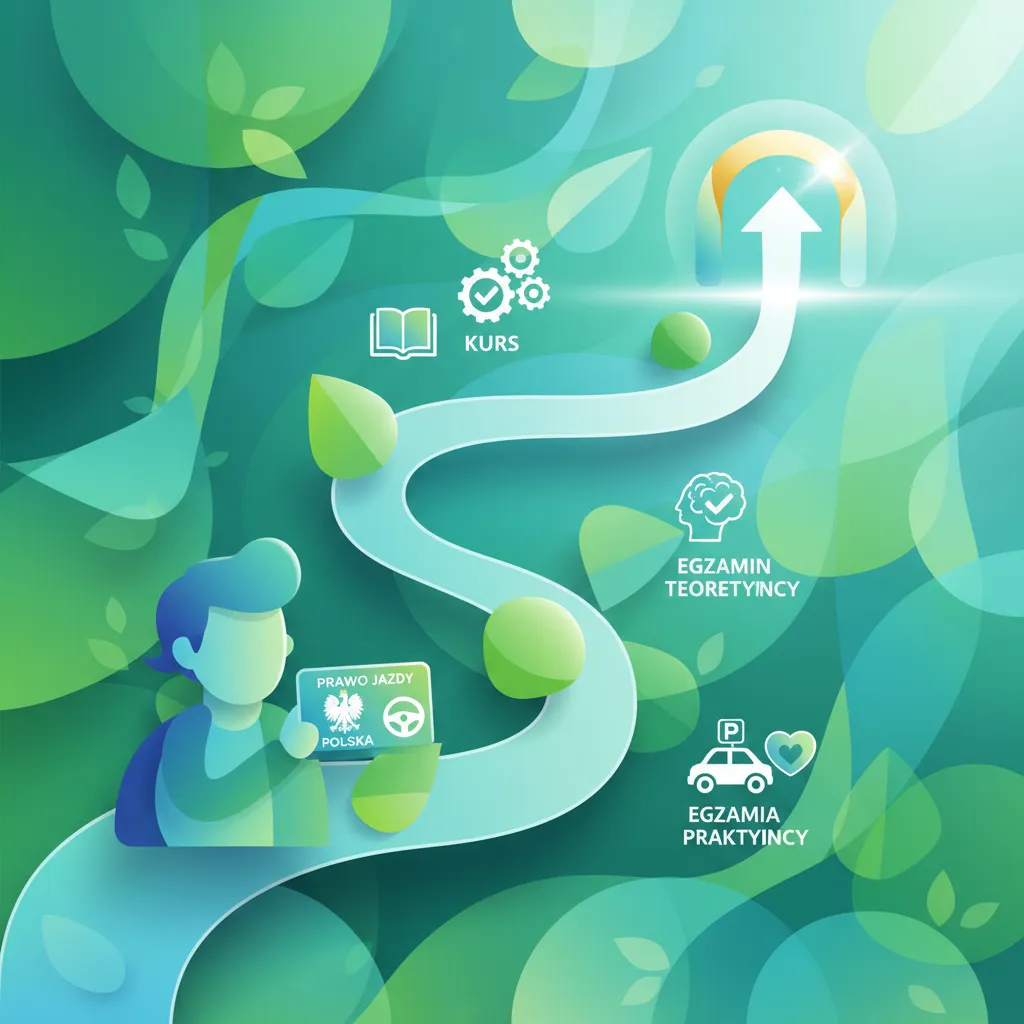
This lesson details the structured pathway to acquiring a Polish Category C driving licence. It explains the necessary eligibility criteria, such as holding a valid Category B licence and meeting the minimum age requirement. Learners will understand the sequence of the licensing process, from submitting the initial application to passing both the theoretical and practical examinations, ensuring full awareness of the regulatory journey to becoming a professional HGV driver.

In this lesson, learners explore the administrative aspects of obtaining and maintaining a motorcycle licence, including the necessary documentation such as identity proof, medical certificates, and training completion records. It explains the steps for submitting an application, understanding fee structures, and the typical processing timeline administered by Polish licensing authorities. The lesson also covers renewal procedures and best practices for ensuring procedural compliance throughout the licence lifecycle.

This lesson focuses on the stringent health standards mandated for operating heavy goods vehicles. It details the required medical assessments, including vision, cardiovascular, and neurological checks, that prospective drivers must pass. Learners will understand the process of obtaining a medical certificate, the requirements for periodic renewals to ensure ongoing fitness for duty, and the legal implications of failing to meet these essential health criteria for professional driving.
This lesson explains the scope of the Category T licence, distinguishing it from other categories and outlining the vehicles covered, such as agricultural and forestry vehicles. It details the legal basis for operating these vehicles on public roads, including specific provisions in the Prawo o ruchu drogowym. Learners will understand the regulatory environment defining where and how Category T vehicles may be driven within Poland.
Navigate the official steps for applying for a Polish driving licence. Learn about the required documents, mandatory driving school training, and how to prepare for theory and practical examinations.
This lesson details the documentation required for a Category B licence application and vehicle operation. It explains the function of the vehicle registration certificate (dowód rejestracyjny), the mandatory civil liability insurance (OC), and the certificate of technical inspection. Learners will understand the verification process and the importance of keeping these documents current and accessible.

This lesson provides a detailed overview of the examination process required to obtain a motorcycle licence in Poland, describing the format of the theoretical test, pass criteria, and the structure of the practical riding assessment. It highlights the importance of familiarity with official question banks, registration steps, and the procedural rules governing test day conduct. Learners will also be guided on effective preparation strategies, including the use of mock exams and targeted review of knowledge gaps to ensure comprehensive readiness.
In this lesson, learners explore the administrative aspects of obtaining and maintaining a motorcycle licence, including the necessary documentation such as identity proof, medical certificates, and training completion records. It explains the steps for submitting an application, understanding fee structures, and the typical processing timeline administered by Polish licensing authorities. The lesson also covers renewal procedures and best practices for ensuring procedural compliance throughout the licence lifecycle.
This lesson details the formal prerequisites for obtaining a Category T licence, focusing on the minimum age and mandatory health assessment. It outlines the specific medical certificates required, the process for submitting proof of identity and residency, and the role of the local road transport office. The content also clarifies the importance of maintaining up-to-date health documentation and the legal consequences of non-compliance.
This lesson details the structured pathway to acquiring a Polish Category C driving licence. It explains the necessary eligibility criteria, such as holding a valid Category B licence and meeting the minimum age requirement. Learners will understand the sequence of the licensing process, from submitting the initial application to passing both the theoretical and practical examinations, ensuring full awareness of the regulatory journey to becoming a professional HGV driver.
This lesson details the exact requirements to qualify for a Category D driving licence. It covers the minimum age, the mandatory medical examinations for health fitness, and the hierarchy of prerequisite licences like Category B and C. You will also learn about the accredited training process and the necessary documentation for certification.
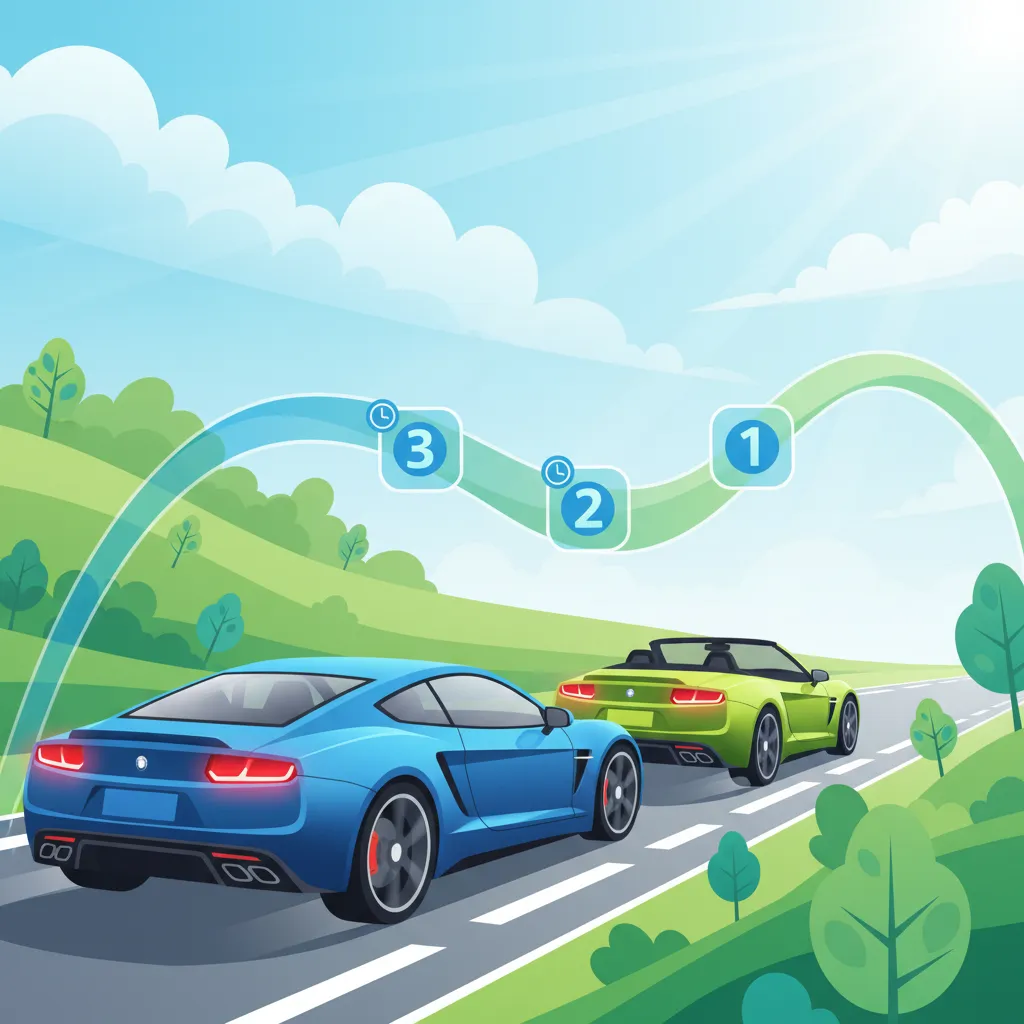
This lesson provides practical methods for maintaining a safe buffer zone behind the vehicle in front. It explains the 'two-second rule' as a minimum following distance in good conditions and how to increase it to three or more seconds in adverse weather. This skill is critical for allowing enough time to react and brake safely to avoid rear-end collisions.
This lesson delineates each motorcycle licence category defined in Polish law, explaining the technical specifications of vehicles allowed under AM, A1, A2, and A. It clarifies the age limits and competency criteria required for each category, highlighting how riders can progress from a light two-wheel vehicle to high-performance motorcycles. The content also outlines the mandatory training modules that must be completed to obtain each licence tier, ensuring learners understand the legal framework governing their riding privileges.
This lesson covers the fundamental procedures for vehicle operation, from starting the engine to securing the vehicle after a journey. It explains the correct use of the ignition system, handbrake, and techniques for smooth starts, including on an incline. The content also addresses fuel-efficient idling and proper engine shutdown protocols to protect the vehicle and the environment.
Find clear answers to common questions learners have about Licence Categories and Eligibility. Learn how the lesson is structured, which driving theory objectives it supports, and how it fits into the overall learning path of units and curriculum progression in Poland. These explanations help you understand key concepts, lesson flow, and exam focused study goals.
In Poland, the minimum age to start a Category B driving course is typically 17 years and 9 months, allowing you to take the exam upon turning 18. This early start helps ensure you are fully prepared once you reach legal driving age.
Yes, a valid medical certificate from an authorized physician is mandatory. This certificate confirms your fitness to drive and is a prerequisite for enrolling in a driving school and registering for the theory exam for your Polish Category B licence.
Yes, if you pass your practical exam in a manual car, your Category B licence will allow you to drive both manual and automatic vehicles in Poland. If you pass in an automatic, your licence will have a restriction, permitting only automatic vehicles.
Category B allows you to drive vehicles up to 3.5 tonnes with up to 8 passenger seats plus the driver, and light trailers. Category B1, available from age 16, is for quadricycles (like light quads or microcars) weighing up to 400 kg (or 550 kg for goods transport), making it a much more limited category.
Yes, you can take the theory course and even pass the theory exam before you turn 18, typically from 17 years and 9 months. However, you must be at least 18 years old to take the practical driving exam and officially obtain your Category B licence.
Build custom practice sessions tailored precisely to your needs. Focus on areas requiring improvement, review specific Polish road signs, or master complex traffic rules to ensure full preparation for your official driving license exam.