
Ace the DGT theory test by mastering complex right-of-way rules at intersections, roundabouts, and narrow Spanish roads. This section covers everything from the basic priority to the right rule to specific DGT regulations for roundabouts and emergency vehicles, ensuring safe and confident driving.
Master essential DGT traffic rules by understanding correct right-of-way procedures at complex intersections, roundabouts, and narrow roads. These specialized study materials clarify official priority protocols to help you navigate every junction safely during your Spanish theory test.
Learners will discover the legal hierarchy of road surfaces and why the standard priority-to-the-right rule does not apply when transitioning from a dirt path to a paved street. This guide clarifies the responsibilities of both the driver on the main road and the driver entering from an unpaved area to ensure safe traffic flow. Mastering these nuances is essential for passing the DGT theory exam and maintaining hazard perception skills in rural and semi-rural Spanish environments.
Understanding how to correctly navigate roundabouts, known locally as glorietas, is a fundamental requirement for the Spanish driving theory test. This guide breaks down the legal obligations for priority, proper lane positioning, and signaling to help you avoid common exam traps and real-world accidents. Whether you are driving in urban or rural settings, these principles ensure you remain compliant with the Reglamento General de Circulación.
When approaching a roundabout, or 'glorieta', in Spain, it's vital to understand who has the right of way. This article details the DGT's clear mandate that drivers entering must yield to vehicles already circulating within the roundabout. We cover essential aspects like correct lane usage and the special rules for cyclist groups, ensuring you navigate these busy junctions safely and pass your theory test.
These articles provide detailed explanations for all Spanish priority rules and intersection scenarios. Master DGT theory test questions on roundabouts, uncontrolled junctions, and merging traffic to ensure you understand crucial traffic rules.

Learners will discover the legal hierarchy of road surfaces and why the standard priority-to-the-right rule does not apply when transitioning from a dirt path to a paved street. This guide clarifies the responsibilities of both the driver on the main road and the driver entering from an unpaved area to ensure safe traffic flow. Mastering these nuances is essential for passing the DGT theory exam and maintaining hazard perception skills in rural and semi-rural Spanish environments.
Updated on Sep 29, 2026
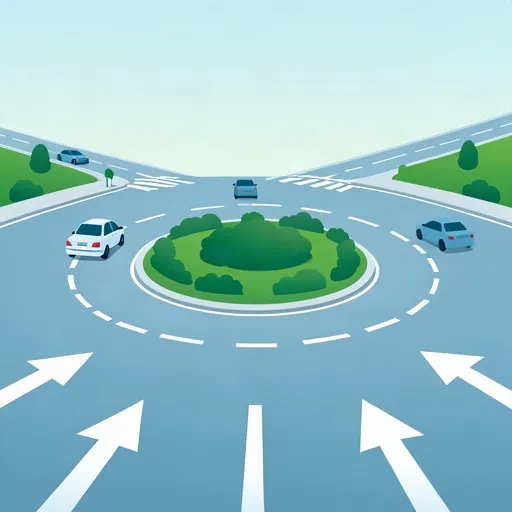
Understanding how to correctly navigate roundabouts, known locally as glorietas, is a fundamental requirement for the Spanish driving theory test. This guide breaks down the legal obligations for priority, proper lane positioning, and signaling to help you avoid common exam traps and real-world accidents. Whether you are driving in urban or rural settings, these principles ensure you remain compliant with the Reglamento General de Circulación.
Updated on Aug 28, 2026

When approaching a roundabout, or 'glorieta', in Spain, it's vital to understand who has the right of way. This article details the DGT's clear mandate that drivers entering must yield to vehicles already circulating within the roundabout. We cover essential aspects like correct lane usage and the special rules for cyclist groups, ensuring you navigate these busy junctions safely and pass your theory test.
Updated on Jul 1, 2026
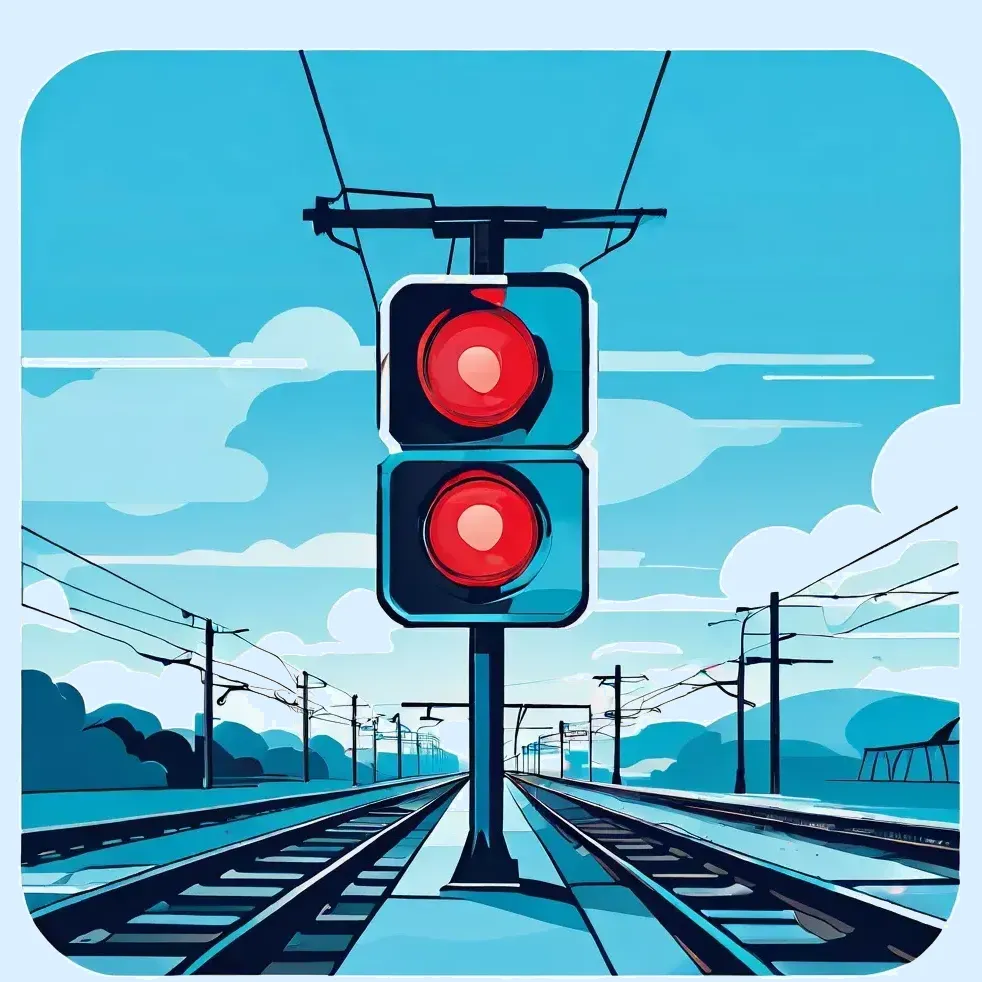
Navigate Spain's unique traffic situations by understanding the priority rules for trams and 'pasos a nivel' (level crossings). This guide details your obligations to yield to rail traffic and outlines critical safety procedures for level crossings, directly preparing you for the DGT theory exam and real-world driving challenges.
Updated on May 28, 2026

Learn how Spanish traffic law considers a group of cyclists as a single entity, significantly affecting priority at junctions and roundabouts. This understanding is essential for passing your DGT theory test, as specific exam questions focus on drivers yielding to the entire group once the first cyclist has entered. Master this rule to ensure road safety and exam success.
Updated on May 23, 2026

Learn to interpret critical Spanish priority traffic signs like 'Calzada con prioridad' (R-3) and 'Fin de prioridad' (R-4), essential for understanding right-of-way at intersections. This article also deciphers signs governing narrow passages, such as R-5 and R-6, helping you avoid collisions and pass your DGT theory exam.
Updated on May 18, 2026
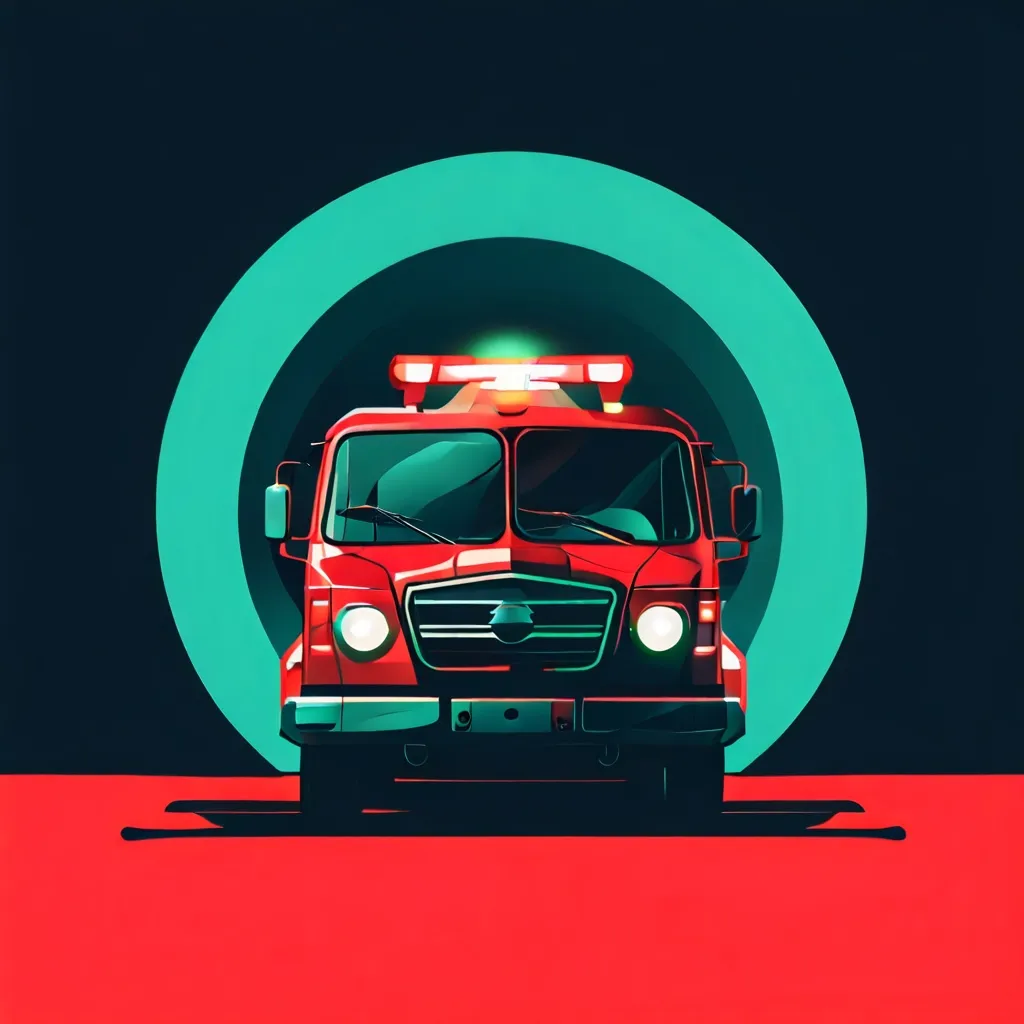
When an emergency vehicle is on 'servicio de urgencia,' Spanish law mandates that all drivers must facilitate their passage. This article details the specific actions required, from urban streets to highways, ensuring you comply with DGT regulations and contribute to road safety. Mastering these priority rules is essential for passing your theory exam and driving responsibly in Spain.
Updated on May 10, 2026

This article delves into the critical 'prioridad a la derecha' rule, Spain's default priority system at intersections lacking specific signage or traffic signals. You will learn precisely when and how to yield to vehicles on your right, a key topic tested in the DGT driving theory exam. Understanding this fundamental principle ensures safer driving practices and helps you navigate Spanish roads with confidence, avoiding common errors that lead to accidents.
Updated on May 4, 2026

When driving on steep, narrow Spanish roads ('grandes pendientes') where passage is difficult, a specific priority rule applies that learners must grasp for the DGT theory exam. This article clarifies that the ascending vehicle typically has priority, and explains the reasoning behind this regulation and its exceptions.
Updated on Apr 21, 2026

Prepare for your DGT theory exam by mastering the unique Spanish rules for priority involving livestock, herds, and animal-drawn vehicles. Learn when to yield on designated 'cañadas' and how to safely pass animals on rural roads, ensuring you understand this often-overlooked aspect of Spanish traffic law.
Updated on Apr 17, 2026

This essential guide breaks down the crucial differences between Spain's 'Stop' (R-2) and 'Ceda el paso' (R-1) priority signs. You will learn the exact legal obligations associated with each, including the mandatory full stop required by 'Stop' signs and the conditional yielding at 'Ceda el paso' signs. This knowledge is critical for navigating Spanish roads safely and passing your Dirección General de Tráfico (DGT) theory exam, as misinterpreting these signs is a common pitfall for learners.
Updated on Apr 12, 2026

Navigating Spanish intersections requires understanding the priority between traffic lights and vertical signs. This article clarifies the DGT's rules on which signal to obey when both are present, explaining the hierarchy that dictates whether a Stop or Yield sign takes precedence over a functioning traffic light, or vice-versa. Mastering this nuanced rule is essential for your Spanish driving theory exam.
Updated on Apr 12, 2026
Discover other categories connected to Priority and Intersections in Spain. These sections help you explore additional topics, expand your understanding of driving theory in Spanish, and build a more complete picture of the rules and situations tested during the exam.
Find answers to common questions learners ask about Priority and Intersections in Spain. This section helps clarify difficult concepts, highlight critical exam information, and support your preparation for the Spanish driving theory exam in Spain.
At an unmarked intersection in Spain, the general rule is priority to the right. You must yield to vehicles approaching from your right.
According to DGT rules, vehicles already circulating inside the roundabout have priority over those attempting to enter it.
On a narrow pass or a steep slope where two vehicles cannot pass each other, the vehicle that does not have priority may need to reverse. In general, the vehicle going uphill has priority, but specific circumstances can affect the situation.
You must yield to emergency vehicles such as police, fire engines, and ambulances when they are using their emergency signals. You should slow down and, if necessary, stop to allow them to pass.
Yes, knowing right-of-way rules and the rules for intersections and roundabouts is essential for passing the DGT theory exam.
Select an article category to begin your focused study on specific DGT driving theory topics. Master Spanish road signs, traffic rules, and safe driving practices with our organised content. Choose your next learning journey and confidently prepare for your licence exam.
Browse All Theory Article Categories