
Entry prohibition signs are a critical part of traffic control, clearly indicating where you are not allowed to go. This section will equip you to recognise these signs, understand their specific restrictions, and know exactly how to react when you encounter them on the road. Mastering these signs is essential for both passing your theory exam and ensuring your safety and the safety of others.
An explanation of how Entry Prohibition Signs road signs apply in real traffic situations in Spain. Learn where these signs are typically placed, what drivers are expected to do when they appear, and how correct reactions help you stay safe, avoid fines, and succeed in your Spanish driving theory exam.
Entry prohibition signs are frequently encountered in various traffic situations to manage flow, protect specific areas, or enforce traffic rules. You'll see signs like 'No Entry' (R-101) at the end of one-way streets or where a road is closed for maintenance. 'No Motor Vehicles' (R-102) might appear on pedestrian streets or cycle paths, while more specific signs like 'No heavy goods vehicles' (R-107) or 'No vehicles carrying dangerous goods' (R-108) are used on bridges, tunnels, or through residential areas to reduce noise, pollution, or risk. Similarly, 'No pedestrians' (R-116) signs protect areas where foot traffic would be hazardous. Understanding these signs is crucial for choosing the correct route, avoiding illegal entry, and preventing potential accidents.
An overview of the key learning outcomes when studying the Entry Prohibition Signs road sign category. Understand the main concepts, sign meanings, and traffic situations covered here so you can recognise patterns, answer theory questions more confidently, and build a solid foundation for safe driving in Spain.
This collection details entry prohibition signs, crucial for understanding DGT traffic rules and navigating Spanish roads safely. Learn to identify critical road signs that restrict access for specific vehicles or all traffic, preventing illegal entry and ensuring correct driving behavior. This knowledge is vital for your driving theory test preparation.
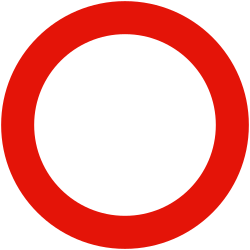
What the 'R-100 No Vehicles' Sign Means for Your Drive in Spain
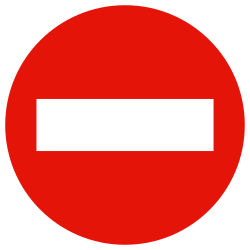
Obey the R-101 'No Entry' sign to avoid violations and ensure road safety.
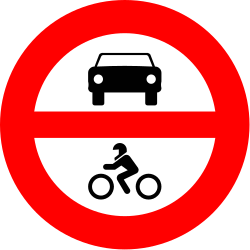
Understand the 'No Motor Vehicles' Sign (R-102)
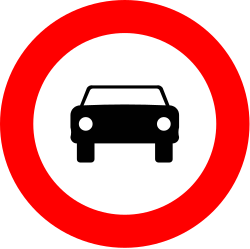
R-103: No Motor Vehicles Allowed, Except for Two-Wheeled Motorcycles
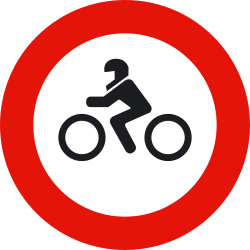
What the R-104 'No Motorcycles' sign means for your drive in Spain.
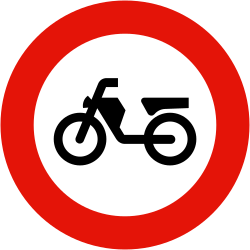
What the 'No Mopeds (and vehicles for people with reduced mobility)' road sign means
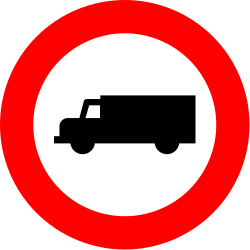
What does the R-106 'No vehicles intended for the transport of goods' sign mean?
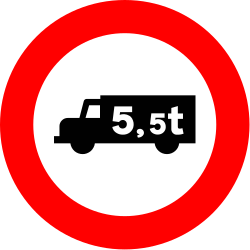
Understand the 'No Heavy Goods Vehicles Over Indicated Mass' Restriction Sign (R-107)
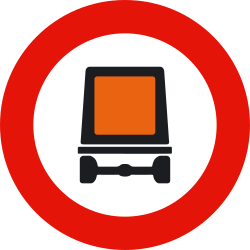
R-108: Understand the 'No Vehicles Carrying Dangerous Goods' Road Sign
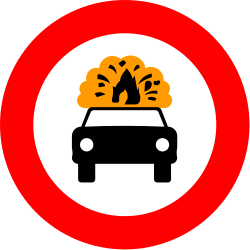
R-109: Restriction for Vehicles Transporting Explosive or Flammable Goods
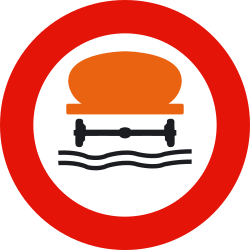
The R-110 Sign: No Entry for Vehicles Transporting Water Polluting Products (over 1,000L)
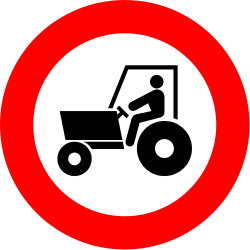
R-111: No Agricultural Motor Vehicles Allowed Beyond This Point
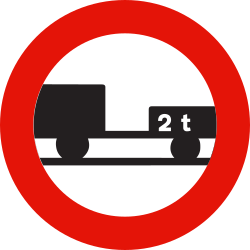
What the R-112 'No Motor Vehicles with Trailer' Sign Means
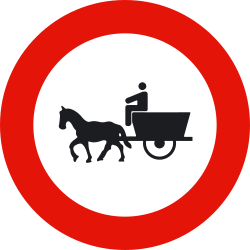
R-113: This sign prohibits animal-drawn vehicles.
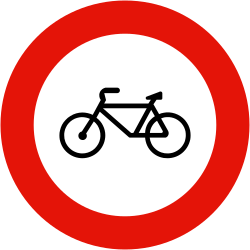
Understand the R-114 'No Bicycles' Prohibition Sign
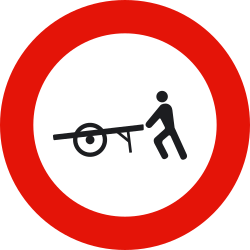
The R-115 sign prohibits the entry of handcarts.
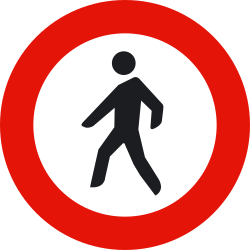
R-116: Understand the 'No Pedestrians' Prohibition Sign in Spain
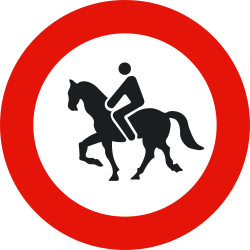
The R-117 'No Mounted Animals' sign prohibits animals being ridden from entering this area.
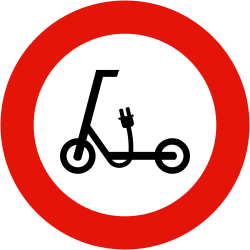
Understand the 'No Personal Mobility Devices' sign (R-118) in Spain.
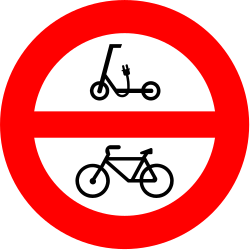
This R-119 sign prohibits personal mobility devices and bicycles from entering this section of road.
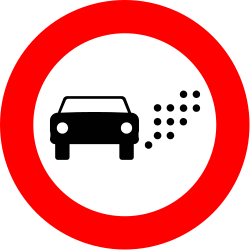
What does the R-120 sign mean for vehicles restricted to low emission zones?
Clear answers to common questions about the Entry Prohibition Signs road sign category. Use this FAQ to review tricky rules, understand how these signs appear in exam scenarios, and remove confusion that often leads to mistakes in the Spanish driving theory exam in Spain.
The 'No Entry' sign (R-101) typically means no traffic is allowed to enter a particular road or lane from the direction you are approaching it, often because it's a one-way street in the opposite direction. The 'No Vehicles' sign (R-100) is a broader prohibition, meaning no vehicles of any kind are permitted, which could include situations where only pedestrians or cyclists are allowed, or where the road is completely closed to traffic.
These specific prohibition signs are used to manage traffic effectively. For instance, 'No heavy goods vehicles' (R-107) signs are often placed on roads that cannot support the weight of large trucks or where they would cause congestion or damage. 'No motorcycles' (R-104) or 'No mopeds' (R-105) might be used in pedestrian zones or areas where noise is a concern. Drivers should always check these specific signs to ensure their vehicle type is permitted.
Yes, there are. The 'Vehicles restricted to specified low emission vehicles' (R-120) sign indicates that only vehicles meeting certain emission standards are allowed. Conversely, signs prohibiting vehicles carrying dangerous goods (R-108, R-109, R-110) are crucial for safety, preventing high-risk vehicles from entering tunnels or sensitive areas.
If you see a 'No pedestrians' sign (R-116), it means the area ahead is not safe or designated for people on foot. This is common on high-speed roads, industrial areas, or specific construction sites. As a driver, you should be aware that pedestrians are prohibited and therefore unlikely to be present, but you should still maintain vigilance for any unexpected hazards.
Most entry prohibition signs, like 'No Entry' or 'No Vehicles', apply to all traffic. However, many signs are specific, such as 'No motor vehicles' (R-102), 'No motorcycles' (R-104), 'No bicycles' (R-114), or prohibitions based on weight (R-107) or cargo (R-108, R-109, R-110). You must check the sign carefully to see if your vehicle type, weight, cargo, or status as a pedestrian/cyclist falls under the restriction. If in doubt, it's always best to assume the prohibition applies to you and find an alternative route.
Dive deeper into specific road sign groups to test your knowledge and reinforce your understanding of Spanish traffic regulations. Start exploring each category to build a strong foundation for your DGT driving theory exam and ensure you drive safely on Spanish roads.
Browse Road Sign Categories