
This group covers a variety of important signs that place limitations or prohibitions on your driving behaviour. From speed limits and overtaking restrictions to specific parking rules, these signs are crucial for maintaining order and safety on the road. Mastering them is vital for both passing your theory exam and ensuring you drive responsibly and legally in everyday situations.
An explanation of how Other Prohibition or Restriction Signs road signs apply in real traffic situations in Spain. Learn where these signs are typically placed, what drivers are expected to do when they appear, and how correct reactions help you stay safe, avoid fines, and succeed in your Spanish driving theory exam.
You will encounter these 'other prohibition and restriction' signs in numerous real-world driving scenarios. For example, 'No U-turn' (R-304) or 'No right turn' (R-302) and 'No left turn' (R-303) signs are common at complex intersections or where such manoeuvres would be dangerous. 'No overtaking' (R-305) and 'No overtaking by heavy goods vehicles' (R-306) signs are frequently seen on roads with limited visibility or high traffic density. Speed limits, such as the 'Maximum speed limit 10 km/h' (R-301), are usually found in zones requiring extreme caution, like school areas or temporary road works. Parking and stopping restrictions, including 'No stopping and parking' (R-307) and its variations, along with 'Parking prohibited' (R-308) and alternate parking rules (R-308c, R-308d), are prevalent in urban areas, near bus stops, driveways, and along busy streets where obstruction must be prevented. The 'Minimum separation' (R-300) sign guides drivers on safe following distances, particularly on highways or in adverse weather. Finally, 'No honking' (R-310) signs are placed in noise-sensitive areas like hospitals or residential zones. Understanding and obeying these signs is paramount for avoiding fines, preventing accidents, and ensuring smooth traffic flow.
An overview of the key learning outcomes when studying the Other Prohibition or Restriction Signs road sign category. Understand the main concepts, sign meanings, and traffic situations covered here so you can recognise patterns, answer theory questions more confidently, and build a solid foundation for safe driving in Spain.
These crucial road signs regulate critical aspects of Spanish traffic, including speed limits, overtaking rules, and parking restrictions. Studying these traffic rules together helps you quickly recognize common patterns and understand their sign meanings, which is vital for safe driving and passing your DGT theory test revision with confidence. They directly influence your daily driving behavior.
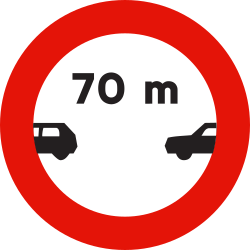
Understand the R-300 'Minimum Separation' road sign and maintain safe distances.
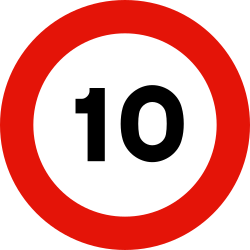
Understand the R-301 sign: Strict 10 km/h Speed Limit Ahead
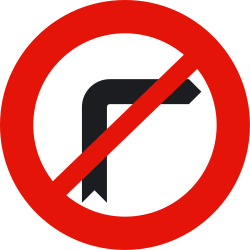
Understand the 'No Right Turn' (R-302) Traffic Sign
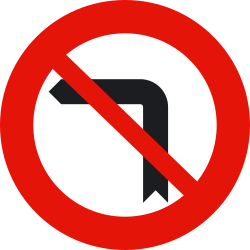
Understand the R-303 'No Left Turn' Prohibition Sign
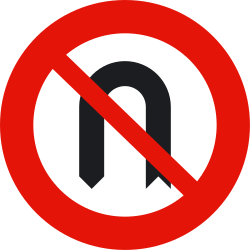
Master the 'No U-turn' sign (R-304) and drive confidently.
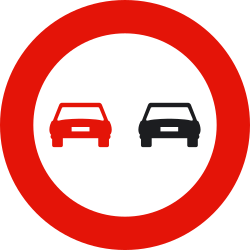
R-305: Prohibited Overtaking Traffic Sign
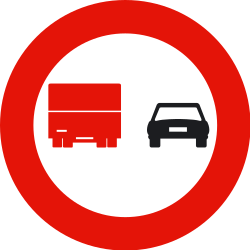
R-306: No Overtaking for Heavy Goods Vehicles
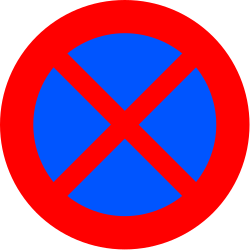
R-307: Understand Spain's 'No Stopping and Parking' Road Sign
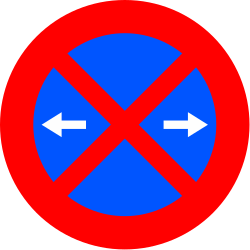
Understand the R-307a Sign: No Stopping or Parking on Either Side
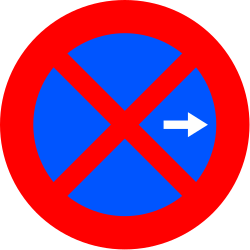
Learn the R-307b sign: No Stopping and Parking on the Right Side in Spain
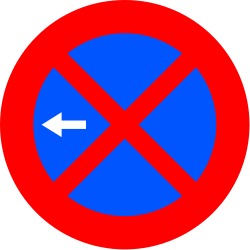
Understand the R-307c Sign: No Stopping and Parking on the Left Side

What does the R-308 'Parking Prohibited' road sign mean?
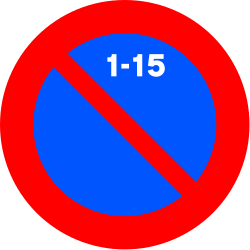
R-308c: Understand Spain's Alternate Parking Rules (No Parking Days 1-15)
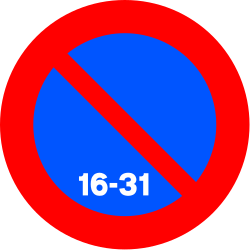
This R-308d sign prohibits parking on odd-numbered days (16th-31st).
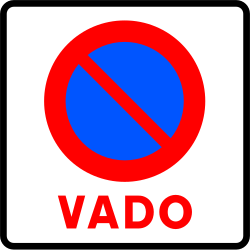
The R-308e Sign: Strictly No Parking on Driveways
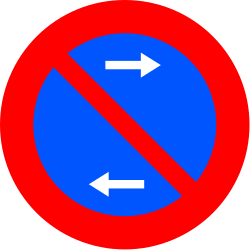
Understand the R-308f Sign: No Parking on Both Sides
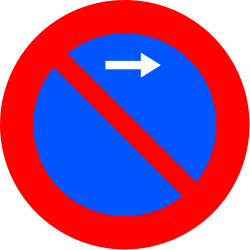
Understand the R-308g Sign: No Parking Restriction on the Right Side
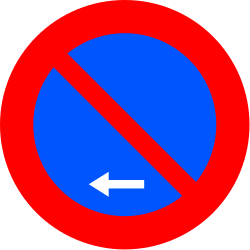
Understand the Spanish 'No Parking (Only Left)' Sign (R-308h)
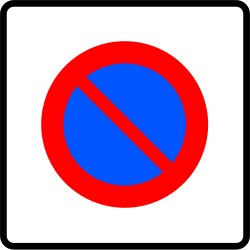
What the R-309 Restricted Parking Zone sign means for your driving.
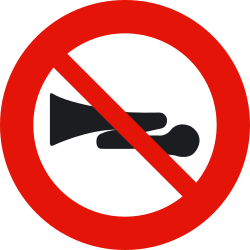
Silence is Golden: Understanding the R-310 No Honking Traffic Sign
Clear answers to common questions about the Other Prohibition or Restriction Signs road sign category. Use this FAQ to review tricky rules, understand how these signs appear in exam scenarios, and remove confusion that often leads to mistakes in the Spanish driving theory exam in Spain.
The 'No stopping and parking' sign (R-307) is more restrictive. It means you cannot stop your vehicle at all, even briefly, for example, to let a passenger alight or load. The 'Parking prohibited' sign (R-308) means you can stop briefly for essential purposes like picking up or dropping off passengers, but you cannot park or leave your vehicle unattended.
Alternate parking signs, such as R-308c (no parking from days 1 to 15) and R-308d (no parking from days 16 to 31), require you to adjust your parking based on the date. On odd-numbered days (1st to 15th), you must not park on the side of the road designated by the sign, and on even-numbered days (16th to 31st), you must not park on the other side. This is often used to keep streets clear for cleaning. Pay close attention to which side the sign applies to.
This sign (R-306) is used on roads where overtaking is already difficult or dangerous, but especially so for larger, slower vehicles like trucks. It's implemented to improve traffic flow and reduce the risk of accidents. As a driver, if you are in a heavy goods vehicle, you must not overtake. If you are in a smaller vehicle, you should be aware that heavy goods vehicles are prohibited from overtaking, which might affect traffic behind them.
The 'Minimum separation' sign (R-300) indicates the recommended or mandatory minimum distance you should maintain between your vehicle and the one in front. This is often specified in metres. It's particularly important on motorways or in conditions where sudden braking could occur. You should constantly gauge your distance and ensure it is at least equal to the distance shown on the sign, taking into account your speed and road conditions.
Yes, 'No U-turn' (R-304) signs are very common in locations where performing a U-turn would be exceptionally dangerous due to limited visibility, high traffic speeds, multiple lanes, or proximity to junctions. You'll often see them on main roads, divided highways, or near intersections where a turn could cause a major obstruction or collision.
Dive deeper into specific road sign groups to test your knowledge and reinforce your understanding of Spanish traffic regulations. Start exploring each category to build a strong foundation for your DGT driving theory exam and ensure you drive safely on Spanish roads.
Browse Road Sign Categories