
Priority signs are crucial for navigating junctions and conflict points safely, as they clearly indicate who has the right of way. This section covers essential signs like 'Give Way', 'Stop', and 'Priority Road' to help you make correct decisions. Mastering these will not only boost your confidence on the road but is also key to passing your theory exam with flying colours.
An explanation of how Priority Signs road signs apply in real traffic situations in Spain. Learn where these signs are typically placed, what drivers are expected to do when they appear, and how correct reactions help you stay safe, avoid fines, and succeed in your Spanish driving theory exam.
Priority signs are encountered frequently at junctions, intersections, and merges where traffic flow needs to be regulated. You'll see 'Give Way' (R-1) signs often, typically before entering a busier road or at T-junctions, requiring you to slow down and let other traffic pass if necessary. The 'Stop' sign (R-2) is a more stringent requirement, mandating a complete halt before proceeding when safe, usually at junctions with poor visibility. 'Priority Road' (R-3) signs inform you that you have the right of way on your current road, often displayed at the start of a junction. Conversely, 'End of Priority Road' (R-4) signals that this privilege ceases, and you must be prepared to yield. Signs like 'Give Way to Oncoming Traffic' (R-5) and 'Priority over Oncoming Traffic' (R-6) are typically found on narrow stretches of road, such as bridges or roadworks, where only one vehicle can pass at a time, dictating who must wait for whom. Recognizing these signs is vital for anticipating potential conflicts and making safe, decisive actions to avoid collisions.
An overview of the key learning outcomes when studying the Priority Signs road sign category. Understand the main concepts, sign meanings, and traffic situations covered here so you can recognise patterns, answer theory questions more confidently, and build a solid foundation for safe driving in Spain.
This collection of Spanish priority road signs is crucial for mastering right-of-way rules at junctions, intersections, and narrow sections across Spain. Understanding these traffic signs allows you to quickly interpret complex scenarios, ensuring safe, compliant driving decisions essential for your DGT theory test success.
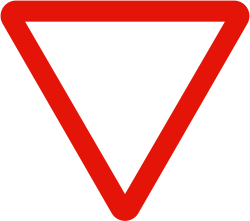
Master the R-1 'Give Way' sign to navigate Spanish junctions safely.
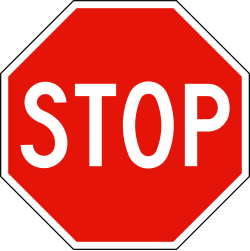
The R-2 'Stop' sign means you must always yield, and often stop completely, at Spanish junctions.
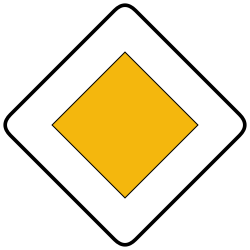
The R-3 Priority Road sign ensures clarity on who has right of way.
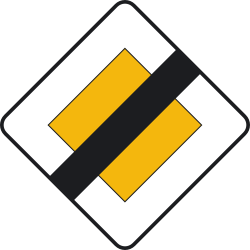
The R-4 Sign Marks the End of Your Priority Road
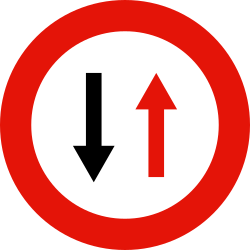
This is the R-5 road sign: Give Way to Oncoming Traffic
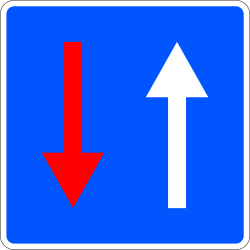
The R-6 sign grants you priority over oncoming traffic.
Clear answers to common questions about the Priority Signs road sign category. Use this FAQ to review tricky rules, understand how these signs appear in exam scenarios, and remove confusion that often leads to mistakes in the Spanish driving theory exam in Spain.
A 'Give Way' sign (R-1) means you must let other traffic pass if they have priority, but you don't necessarily have to stop if the way is clear. A 'Stop' sign (R-2) requires you to come to a complete halt before proceeding, regardless of whether traffic is present, and then yield to all other traffic.
You'll typically see a 'Priority Road' sign (R-3) at the beginning of a road that has priority at subsequent junctions. This means other vehicles entering from side roads must give way to you. However, remember that other priority signs, like 'Give Way' or 'Stop' signs on those side roads, take precedence over general road rules.
If you encounter a 'Give Way to Oncoming Traffic' sign (R-5), it means that traffic coming from the opposite direction has priority on that narrow section. You must wait until it's clear before entering the narrow part. The 'Priority over Oncoming Traffic' sign (R-6) indicates the opposite: you have the right of way, and oncoming traffic must wait for you.
While a 'Priority Road' sign (R-3) grants you priority at junctions, it doesn't make you invincible. You must still be aware of your surroundings and other road users, especially those who might not follow the rules. Always be prepared to take evasive action or yield if a situation becomes potentially dangerous, even if you technically have priority.
When you see the 'End of Priority Road' sign (R-4), it means the road you are on no longer has automatic priority. You must now be prepared to yield to traffic from side roads, just as you would at any other standard junction. Look out for 'Give Way' or 'Stop' signs on the roads entering yours.
Dive deeper into specific road sign groups to test your knowledge and reinforce your understanding of Spanish traffic regulations. Start exploring each category to build a strong foundation for your DGT driving theory exam and ensure you drive safely on Spanish roads.
Browse Road Sign Categories