Service signs are your helpful guides on the road, pointing you towards essential facilities and amenities. This group includes signs for everything from fuel and repairs to food, rest stops, and emergency assistance. Learning to recognise and understand these signs will not only help you plan your journeys more effectively but is also a key part of preparing for your driving theory exam and ensuring safer travels.
An explanation of how Service Signs road signs apply in real traffic situations in Spain. Learn where these signs are typically placed, what drivers are expected to do when they appear, and how correct reactions help you stay safe, avoid fines, and succeed in your Spanish driving theory exam.
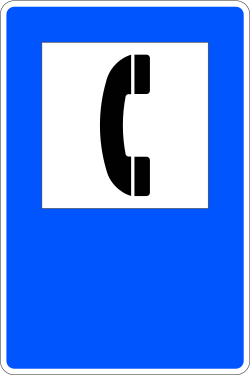
Service signs are frequently encountered on various types of roads, from highways and major routes to smaller roads leading to specific amenities. You'll see signs for petrol stations (S-101) and repair workshops (S-102) well before you reach them, especially on longer journeys or motorways, helping you avoid running low on fuel or facing unexpected breakdowns. Signs for first aid posts (S-100) or emergency assistance are strategically placed for rapid access in critical situations. Facilities like restaurants (S-104), hotels (S-105), and rest areas (S-121) are indicated to help drivers plan breaks, especially on long trips, ensuring they can rest and refresh. Smaller service signs, like phone booths (S-103) or drinking water (S-107), might appear near rest stops or in more remote areas. Understanding these signs means you can confidently locate needed services without disruptive last-minute decisions or dangerous manoeuvres.
An overview of the key learning outcomes when studying the Service Signs road sign category. Understand the main concepts, sign meanings, and traffic situations covered here so you can recognise patterns, answer theory questions more confidently, and build a solid foundation for safe driving in Spain.
Studying Spanish service road signs together helps you quickly identify crucial roadside facilities and avoid confusion. This collection features essential symbols for fuel, food, medical aid, and rest areas, all vital for your driving theory test. Master these traffic signs to enhance road awareness and ensure DGT exam readiness.

Find Car Wash Services with the S-122 Informational Road Sign.
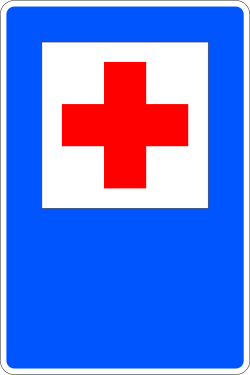
Understand the S-100 First Aid Post Service Sign in Spain
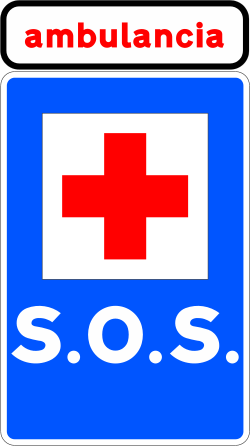
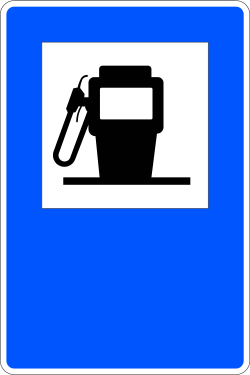
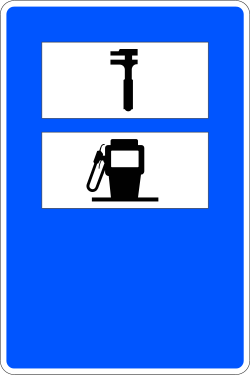
S-101 Petrol Station Sign: Your Guide to Essential Roadside Services

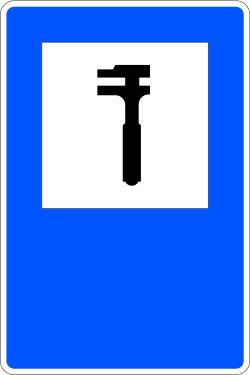
Find Mechanical Repair Services with the S-102 Sign
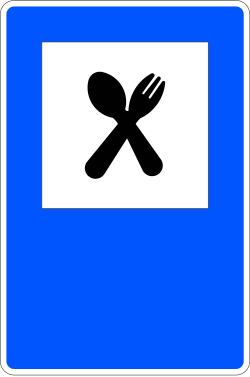
The S-104 'Restaurant' sign guides you to essential services while driving.
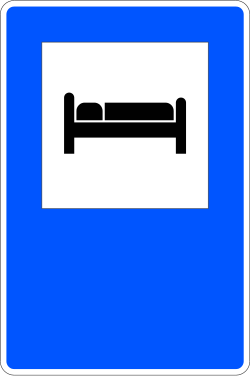
The S-105 Hotel or Motel sign guides you to essential roadside accommodation.
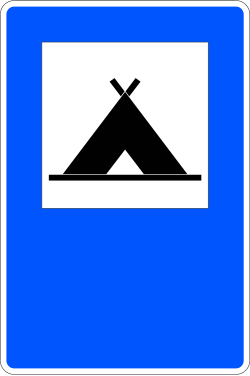
This 'Campsite' sign guides you to essential services on your journey.
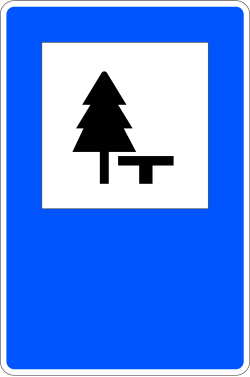
The S-105c Picnic Area sign guides you to a rest stop.
Find Youth Hostels with the S-105d Informational Road Sign
The S-105e Information Office sign guides you to essential services on your journey.
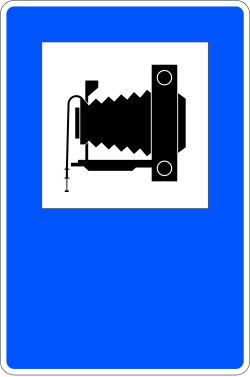
Understand the S-105f Tourist Interest Point sign to find key destinations.
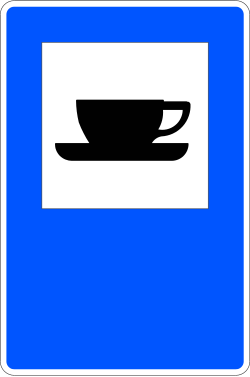
Understand the S-106 Refreshments service sign in Spain
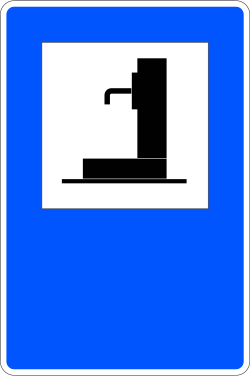
The S-107 Drinking Water sign helps you find essential services on Spanish roads.
Find Camping Sites Easily with the S-108 Service Sign
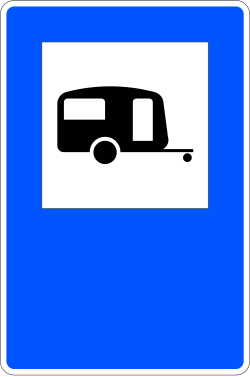
The S-109 Caravan Site sign guides you to essential facilities for your journey.
What does the S-110 'Refuge' service sign mean for your journey?
The S-111 Viewpoint sign helps you find scenic spots and facilities on your journey.
S-112 Aerodrome: Information Sign for Airports and Airfields
The S-113 sign indicates a nearby Railway Station, guiding you to essential services.
Recognise the S-114 Bus Station sign to find essential services.
The S-115 'Port' Sign: Your Guide to Port Facilities in Spain
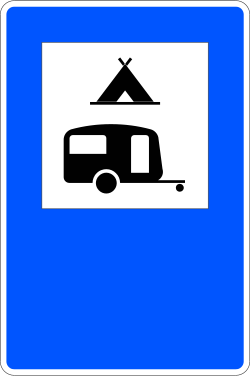
The S-116 Place of Worship sign guides you to essential services.
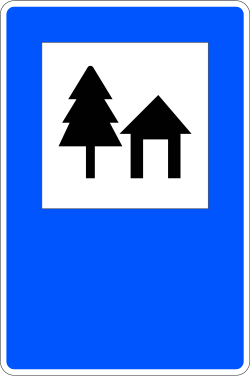
The S-117 Industrial Estate sign directs you to essential services for your journey.
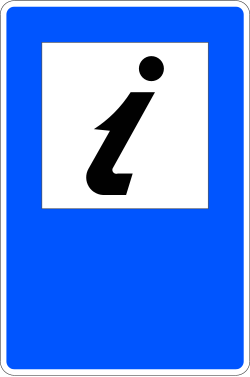
Identify Customs Offices with the S-118 Service Sign

Understanding the S-119 Border Post Service Sign in Spain
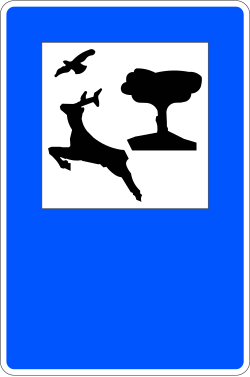
The S-120 sign directs you to a vehicle inspection station.
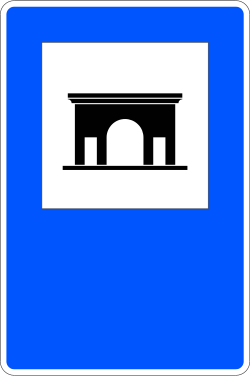
The S-121 Rest Area Sign: Your Guide to Essential Roadside Facilities
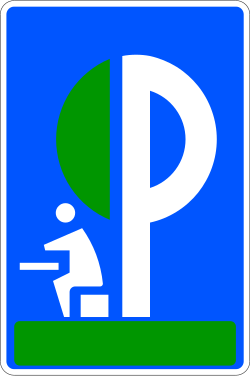
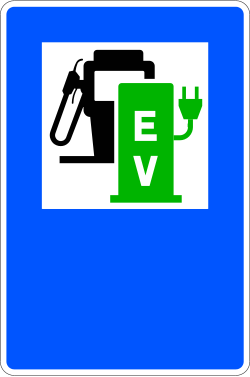
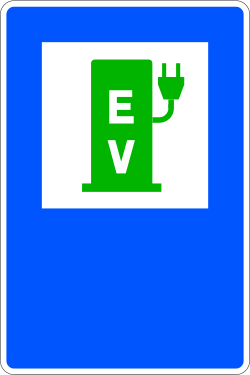
Find Electric Vehicle Charging Stations with the S-123 Service Sign
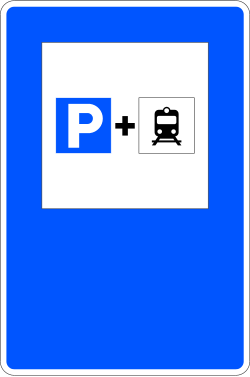
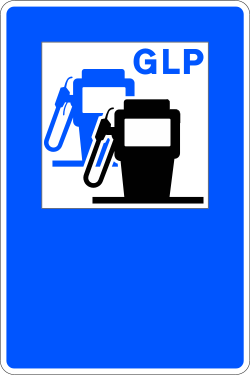
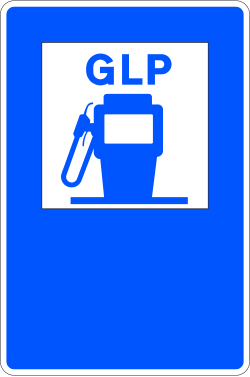
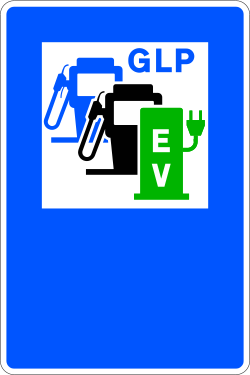
Understand the S-124 LPG Station Sign for Your Spanish Driving Theory Exam
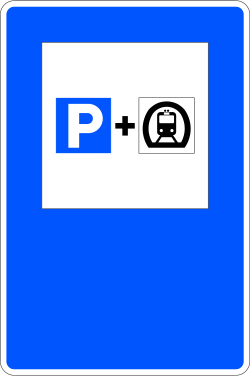
This sign indicates a Compressed Natural Gas (CNG) refueling station ahead.
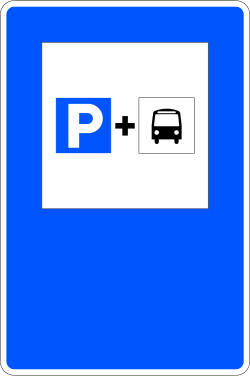
Locate a Liquefied Natural Gas Station with the S-126 Service Sign
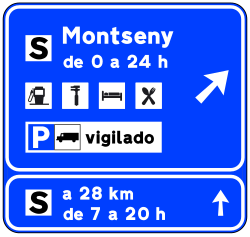
Understand the S-127 sign: Hydrogen Refuelling Station ahead.
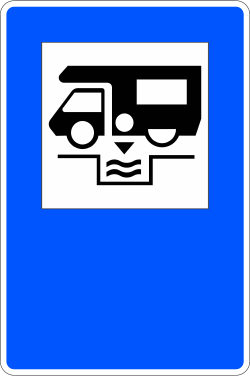
The S-128 sign indicates a Secure Parking Area ahead.
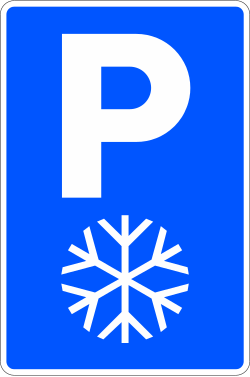
The S-129 sign indicates a Secure Parking Area with Services ahead.
Clear answers to common questions about the Service Signs road sign category. Use this FAQ to review tricky rules, understand how these signs appear in exam scenarios, and remove confusion that often leads to mistakes in the Spanish driving theory exam in Spain.
While both indicate places to eat or drink, a 'Restaurant' sign (S-104) typically suggests a more formal dining establishment offering full meals. A 'Refreshments' sign (S-106) is more general and could refer to a simpler cafe, a snack bar, or a place offering lighter food and drinks. Always look for additional details or context if you have specific needs.
For your theory exam, it's important to recognise that there are specific signs for different types of camping, such as 'Campsite' (S-105b), 'Camping Site' (S-108), and 'Caravan Site' (S-109). Understanding their general purpose helps you locate appropriate overnight or longer-stay facilities if needed, but you don't need to memorise the subtle distinctions between each specific camping sign code.
No, service signs are generally informational. They indicate the availability and direction of services but do not mandate that you must use them or take a specific exit unless combined with other directional signs that do. They offer options and support your journey planning.
These signs (like S-123 for electric, S-124 for LPG, S-125 for CNG, S-126 for LNG, S-127 for Hydrogen) indicate that these specific fuel types are available at or near the location. If you drive an electric or alternative fuel vehicle, these signs are crucial for planning your refuelling stops. For conventional vehicles, they are simply informational and do not affect your driving unless they are on your planned route.
The distance can vary depending on the type of road and the service. On motorways, distances are often clearly indicated on or below the service sign (e.g., '5 miles' or '8 km'). On other roads, they might appear closer to the facility or simply point towards a town where services are available. It's good practice to be aware of these signs as you approach towns or service areas and look for any accompanying distance markers.
Dive deeper into specific road sign groups to test your knowledge and reinforce your understanding of Spanish traffic regulations. Start exploring each category to build a strong foundation for your DGT driving theory exam and ensure you drive safely on Spanish roads.
Browse Road Sign Categories