
De-restriction signs are your signal that an earlier traffic rule is no longer in effect. Understanding these signs is crucial because they indicate where a specific prohibition, speed limit, or obligation ceases, and general traffic regulations take over. Mastering this group will boost your confidence on the road and help you pass your theory test by clarifying when to revert to standard driving practices.
An explanation of how De-restriction Signs road signs apply in real traffic situations in Spain. Learn where these signs are typically placed, what drivers are expected to do when they appear, and how correct reactions help you stay safe, avoid fines, and succeed in your Spanish driving theory exam.
You will encounter de-restriction signs after passing through a section of road where specific rules were in place, such as a temporary speed limit due to roadworks, a zone with restricted parking, or a section prohibiting overtaking. For instance, after a stretch with a reduced speed limit, you'll see a sign indicating the end of that limit, allowing you to resume the normal speed for that type of road. Similarly, after a no-overtaking zone, a de-restriction sign will tell you that overtaking is permitted again, provided it's safe and legal. Some signs in this category also mark the end of access restrictions for certain vehicles, like bicycles or trucks, meaning those types of vehicles can rejoin the general traffic flow.
An overview of the key learning outcomes when studying the De-restriction Signs road sign category. Understand the main concepts, sign meanings, and traffic situations covered here so you can recognise patterns, answer theory questions more confidently, and build a solid foundation for safe driving in Spain.
De-restriction road signs are critical for understanding when special rules or prohibitions end, restoring general traffic conditions. Studying these sign meanings together helps you quickly recognize when speed limits, overtaking bans, or other restrictions no longer apply. This knowledge is essential for safe driving and passing your Spanish driving theory test.
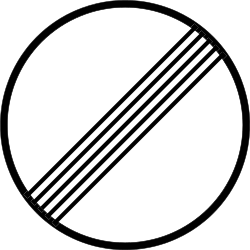
The R-500 sign means all previous road restrictions have now ended.
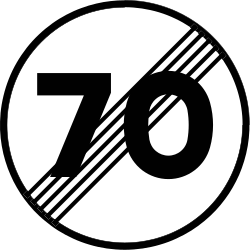
You've reached the end of the speed limit with the R-501 sign.
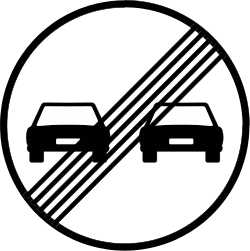
You can now overtake: The 'End of No Overtaking' sign means the restriction is over.
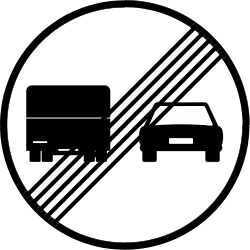
The R-503 sign marks the end of restrictions on truck overtaking.

The R-504 sign means the end of limited parking restrictions is here.
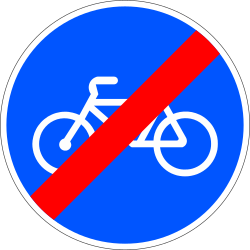
End of Road for Bicycles Sign (R-505): What it Means and How to React
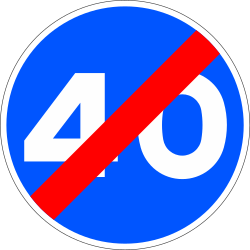
The R-506 sign signals the end of a minimum speed requirement.
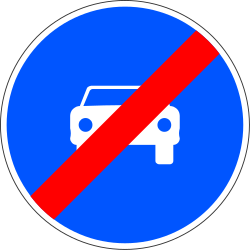
The R-507 sign marks the end of a specific restriction for cars.
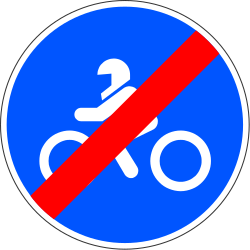
R-508: End of Restriction for Motorcycles Without Sidecar
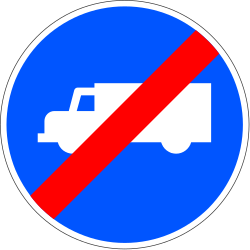
The R-509 sign means the restriction for trucks and vans is now over.
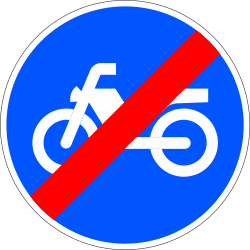
The R-510 Sign: Ending Restrictions for Mopeds and Other Vehicles
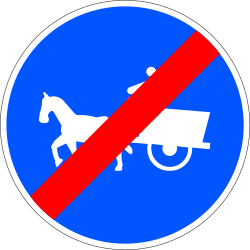
The R-511 sign signals the end of restrictions for animal-drawn vehicles.
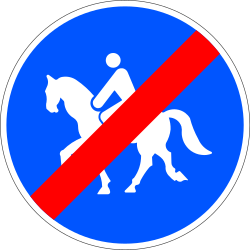
R-512: Signalling the End of a Restriction for Horses
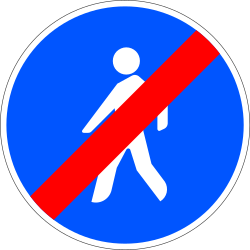
The R-513 Sign: Signalling the End of a Restriction for Pedestrians
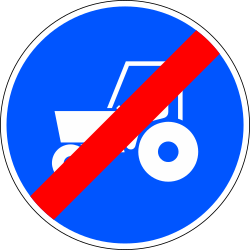
This R-514 sign means the restriction for tractors has ended.
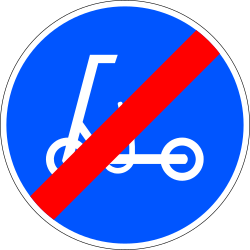
R-515: Signalling the End of Restrictions for Personal Mobility Devices
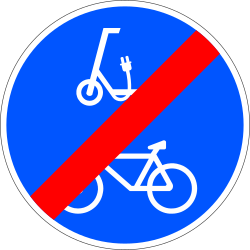
R-516: Signalling the End of Restrictions for Personal Mobility Devices and Bicycles
Clear answers to common questions about the De-restriction Signs road sign category. Use this FAQ to review tricky rules, understand how these signs appear in exam scenarios, and remove confusion that often leads to mistakes in the Spanish driving theory exam in Spain.
The main purpose of de-restriction signs is to clearly inform drivers that a previously imposed restriction, such as a speed limit, an overtaking ban, or a parking prohibition, is no longer in effect. They signal the end of a regulated zone and the return to general traffic rules.
Most de-restriction signs are specific. For example, a sign showing a crossed-out speed limit indicates the end of a speed restriction, while a sign showing a crossed-out car signifies the end of a prohibition for cars. The 'End of all previously signed restrictions' sign is the most general and applies when no specific de-restriction sign is present but a prior restriction was indicated.
Yes, de-restriction signs are very important for the theory test. Examiners will often ask questions about interpreting these signs to ensure you understand when you can resume normal driving speeds and manoeuvres, and when specific prohibitions no longer apply. Understanding them is key to safe decision-making.
A prohibition sign tells you what you are *not* allowed to do (e.g., 'No Overtaking'). A de-restriction sign, on the other hand, indicates that a prohibition or limit *no longer applies*. Often, a de-restriction sign for a specific prohibition will visually resemble the prohibition sign itself, but with a red bar through it.
On motorways, you'll frequently see signs for the end of speed limits, especially after temporary reductions due to roadworks or traffic incidents. You'll also see signs indicating the end of no-overtaking restrictions for certain vehicles, like trucks, allowing them to overtake if conditions permit and they are not otherwise prohibited.
Dive deeper into specific road sign groups to test your knowledge and reinforce your understanding of Spanish traffic regulations. Start exploring each category to build a strong foundation for your DGT driving theory exam and ensure you drive safely on Spanish roads.
Browse Road Sign Categories