
Welcome to the essential knowledge hub for your Spanish driving licence journey. Dive into a wide range of detailed articles and study guides explaining official DGT traffic laws, road signs, priority rules, and safe vehicle operation. These resources are designed to help you master crucial theory concepts for all licence categories and build confidence for your exam.

Navigate the full scope of Spanish driving theory through our structured article categories. Quickly find precise guidance on specific traffic rules, road signs, or licence procedures, making your DGT exam preparation more efficient and targeted.
Explore our detailed articles for practical explanations of Spanish driving theory and DGT traffic rules. They offer essential licence guidance, clarifying complex road signs and regulations to boost your DGT exam preparation and secure confident driving knowledge.

Electric vehicles are transforming Spanish roads, and their technical features are increasingly relevant to DGT theory exams. This guide breaks down essential concepts like charging capabilities, battery types, and ADAS integration, helping you answer modern vehicle-related questions with confidence. Prepare yourself for the future of driving by understanding how these innovations influence road safety and vehicle operation under current Spanish regulations.
Updated on Oct 11, 2026
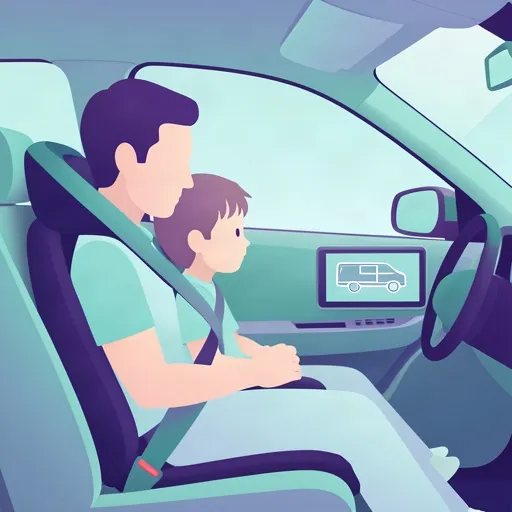
Understanding the nuances of child safety in vehicles is essential for both passing the DGT theory exam and ensuring real-world protection. This guide clarifies the regulations for Child Restraint Systems (SRI), the necessary steps for safely transporting minors, and why best-practice safety often exceeds the minimum legal requirements. You will learn how to handle specific installation scenarios and stay informed on modern active safety features like anti-abandonment technology.
Updated on Oct 10, 2026
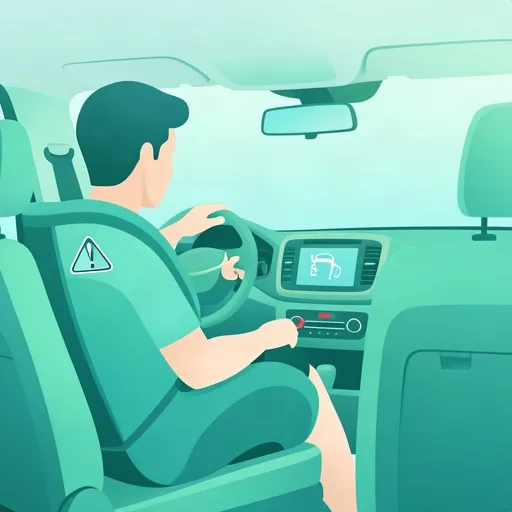
Traveling with children requires strict adherence to safety protocols set by the DGT. This guide explains when a child may legally occupy the front seat, the necessity of correct airbag configuration, and the importance of appropriate child restraint systems (SRI) to protect young passengers.
Updated on Oct 10, 2026

As vehicle technology advances, drivers must balance new innovations like anti-abandonment smartphone alerts with established safety rules regarding child restraint systems. This guide explains how to properly configure your vehicle for young passengers, covering essential protocols such as airbag deactivation and the correct use of SRI until the required height is met. Mastery of these rules is vital for ensuring passenger safety and correctly answering safety-related questions on your Spanish driving theory exam.
Updated on Oct 10, 2026

The introduction of the Sustainable Mobility Law represents a major paradigm shift in Spanish traffic legislation, moving from vehicle-focused infrastructure to a more integrated, citizen-oriented approach. This guide clarifies the legal obligations for drivers and the evolving role of the DGT in managing modern traffic systems. By understanding these concepts, you will be better prepared to answer exam questions regarding environmental compliance and future-ready road safety standards in Spain.
Updated on Oct 9, 2026
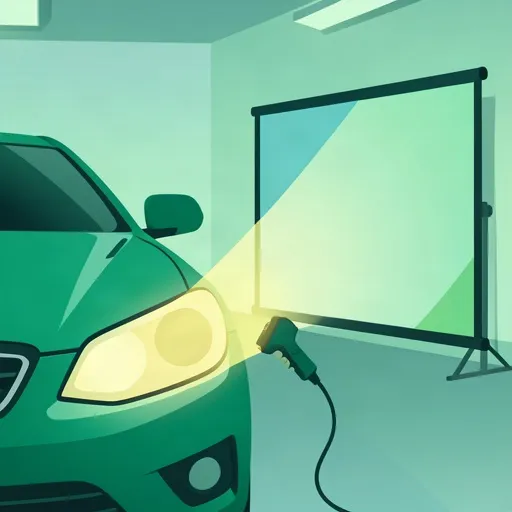
Proper headlight care is far more than a cosmetic choice; it is a fundamental safety responsibility and a key requirement of the Inspección Técnica de Vehículos (ITV). By understanding how lens degradation affects light output and beam projection, drivers can ensure they meet DGT safety standards and avoid serious defects during their mandatory vehicle inspections.
Updated on Oct 3, 2026
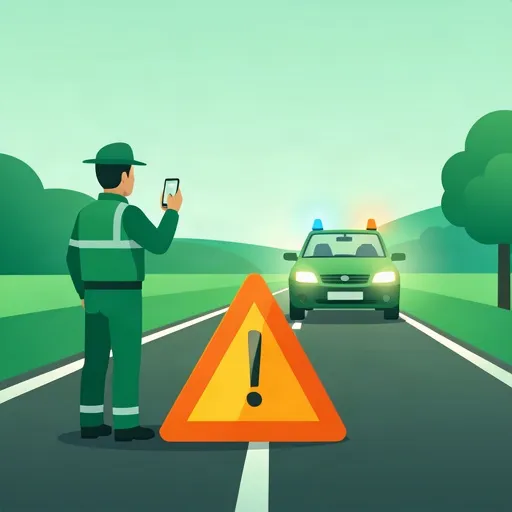
Understanding the PAS protocol is a fundamental requirement for every driver under Spanish traffic law. By learning the correct sequence of Proteger, Avisar, and Socorrer, you will be prepared to secure the scene, contact emergency services, and provide safe assistance while avoiding common pitfalls that could endanger yourself or others.
Updated on Oct 2, 2026
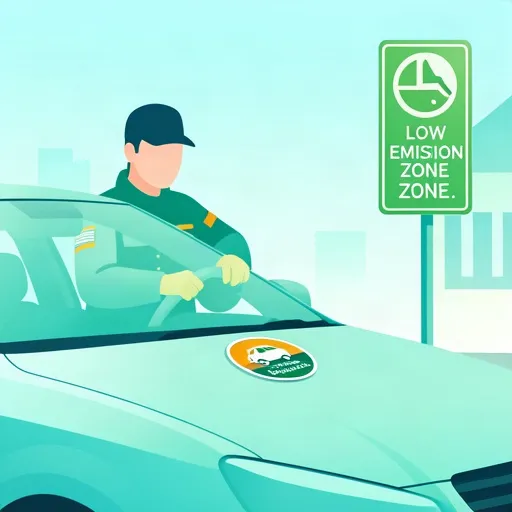
The DGT emissions classification system is a critical part of modern Spanish traffic law, designed to manage urban air quality and regulate traffic during high-pollution events. By understanding these labels, you will be prepared for exam questions regarding Low Emission Zones (ZBE) and the legal requirements for vehicle circulation. This guide breaks down how the four environmental categories function and what they mean for your rights and responsibilities as a driver in Spain.
Updated on Oct 1, 2026
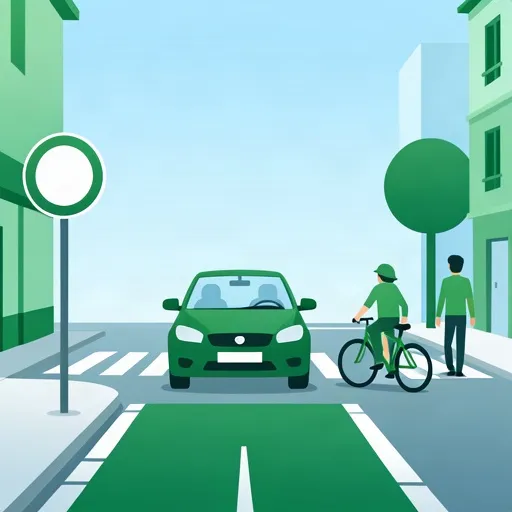
Navigating Spanish city streets requires a clear understanding of the tiered speed limit system established to enhance pedestrian safety. This guide clarifies the distinctions between platforma única streets, single-lane roads, and multi-lane thoroughfares, helping you avoid common pitfalls during your DGT theory test. By learning how to correctly interpret these categories—including the exclusion of bus and taxi lanes from your count—you will be better prepared to make safe and legal decisions on the road.
Updated on Sep 30, 2026
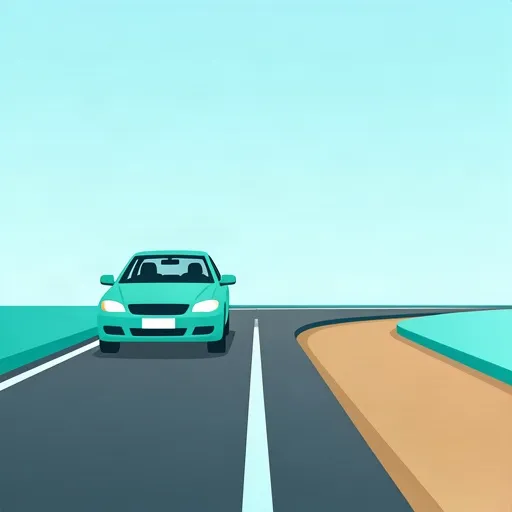
Learners will discover the legal hierarchy of road surfaces and why the standard priority-to-the-right rule does not apply when transitioning from a dirt path to a paved street. This guide clarifies the responsibilities of both the driver on the main road and the driver entering from an unpaved area to ensure safe traffic flow. Mastering these nuances is essential for passing the DGT theory exam and maintaining hazard perception skills in rural and semi-rural Spanish environments.
Updated on Sep 29, 2026
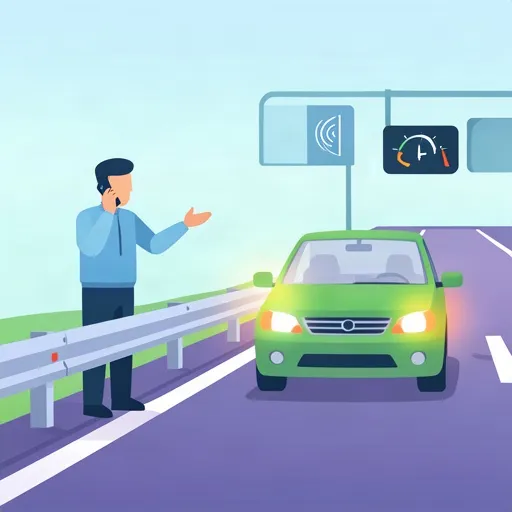
Understanding how to effectively communicate with emergency services is a core requirement of Spanish traffic law and a common topic in the driving theory exam. This guide clarifies the correct steps for calling 112, the critical data points required by operators, and the role of automated eCall technology in modern vehicles. You will learn the exact sequence of actions to take to ensure rapid response and compliance with safety regulations.
Updated on Sep 28, 2026

Understanding the points system is essential for any driver in Spain, as it directly impacts your legal right to operate a vehicle. This guide covers how penalty points are assigned and deducted, the specific rules for new drivers, and the necessary procedures for license recovery after serious infractions.
Updated on Sep 27, 2026
Begin your preparation for the Spanish DGT driving licence exam today. Browse our full curriculum to find guided courses, detailed lessons on traffic legislation, road signs, and essential driving practices. Start learning systematically and confidently.