
Explore a complete collection of Spanish driving theory topics covering all aspects of DGT road legislation, traffic signs, and safe driving practices. This hub provides detailed explanations designed to build your foundational knowledge and ensure a thorough understanding of the rules applied across Spain's unique road network. Prepare effectively for your licence exam by mastering critical concepts.
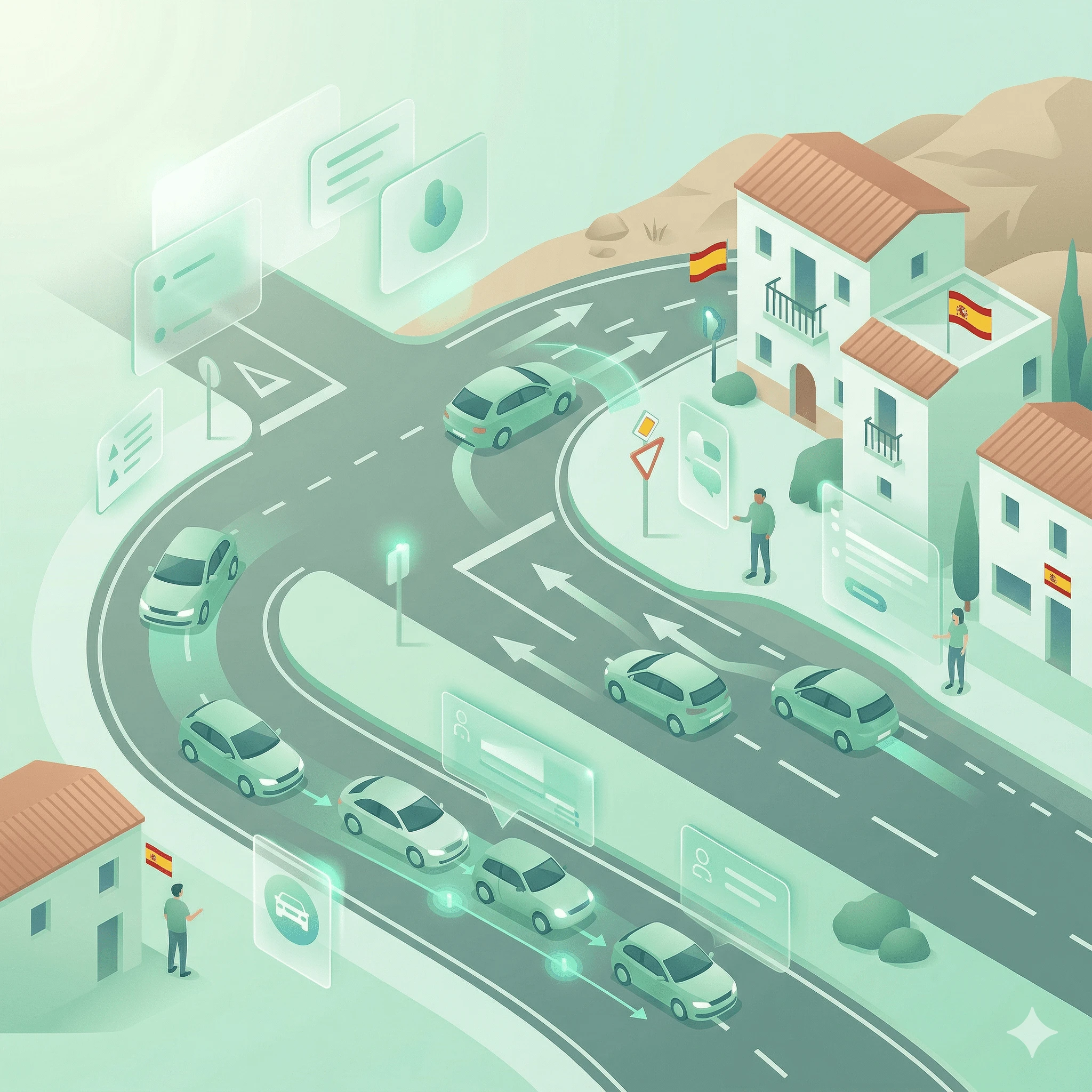
Navigate the Spanish driving theory by isolating essential topics like complex road signs, priority at roundabouts, and motorway speed limits. Our structured curriculum allows you to target specific traffic rules and safety regulations required to pass.
11 topics
6 topics
5 topics
4 topics
3 topics
3 topics
3 topics
2 topics
2 topics
1 topic
1 topic
1 topic
Dive into comprehensive driving theory topics covering official Spanish traffic rules, road signs, and DGT regulations. Use our search to quickly find specific information or browse subjects to strengthen your overall exam study.
Filter by category
50 theory topics found
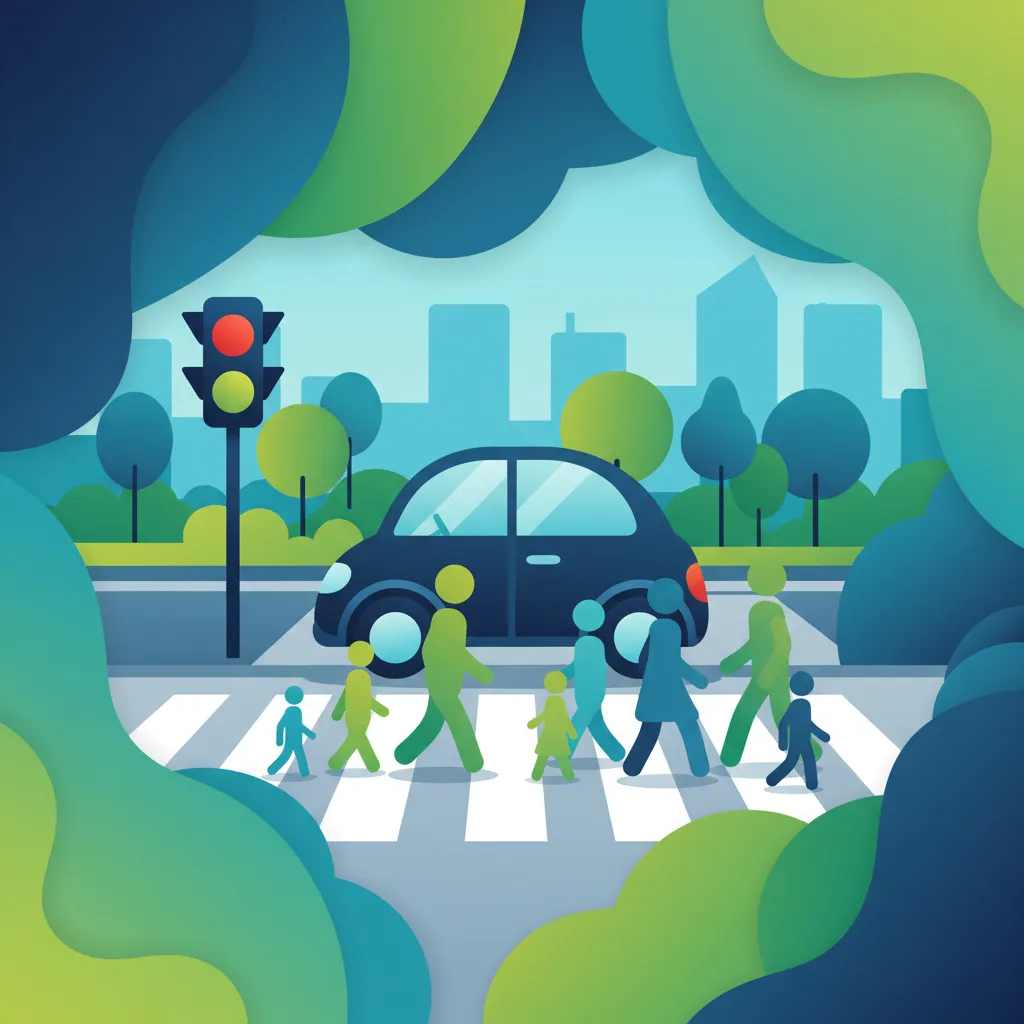
In Spain, drivers hold a significant responsibility towards pedestrians, who are among the most vulnerable road users. This page explains the specific situations, as defined by DGT regulations, where vehicles must yield priority to people on foot. Recognizing these rules is crucial for both passing your driving theory test and ensuring safety on Spanish roads.
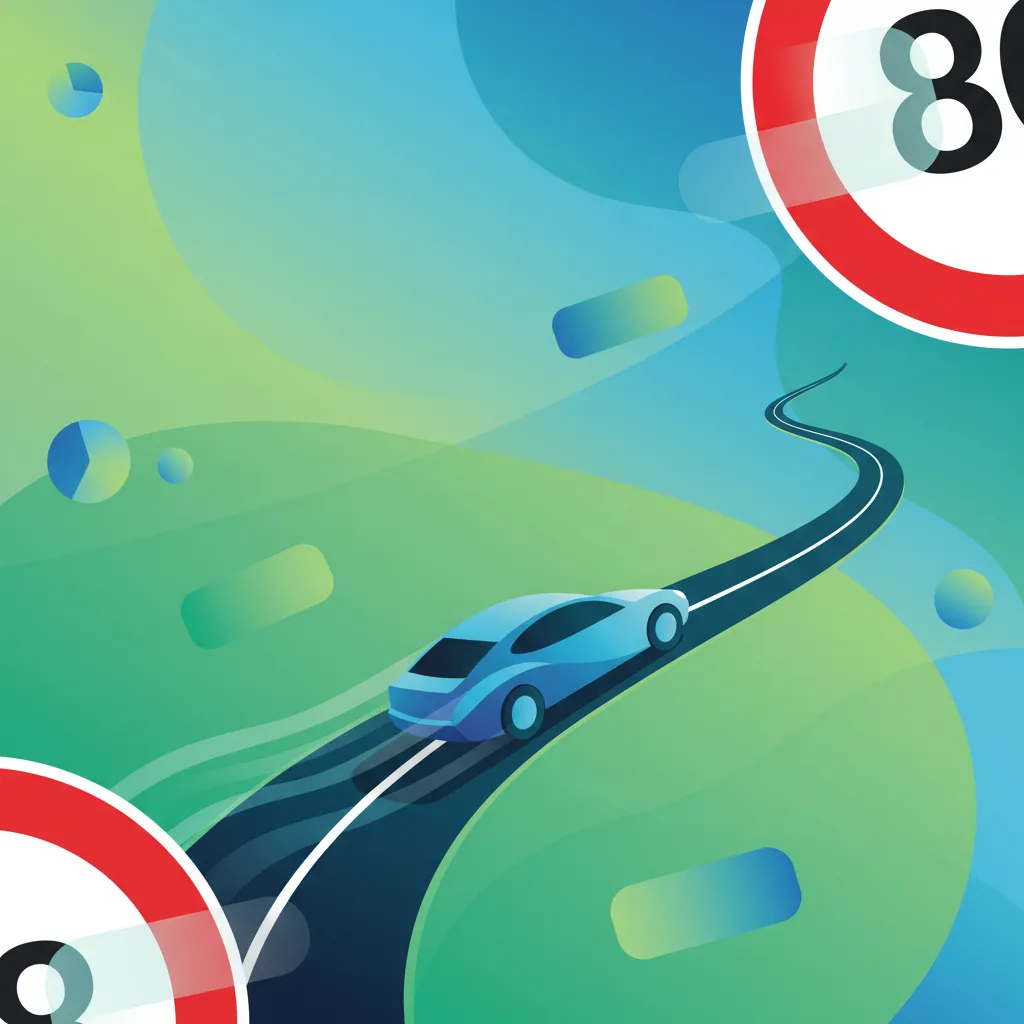
Speed limits are critical traffic regulations in Spain that define the maximum legal speed for different road types and environments. While these limits set an upper boundary, a safe driver always adjusts their speed dynamically based on current road, weather, and traffic conditions. This page will explain the general speed regulations across Spanish urban areas, conventional roads, and motorways, emphasizing the importance of 'velocidad adecuada' (adequate speed) as taught by the DGT.
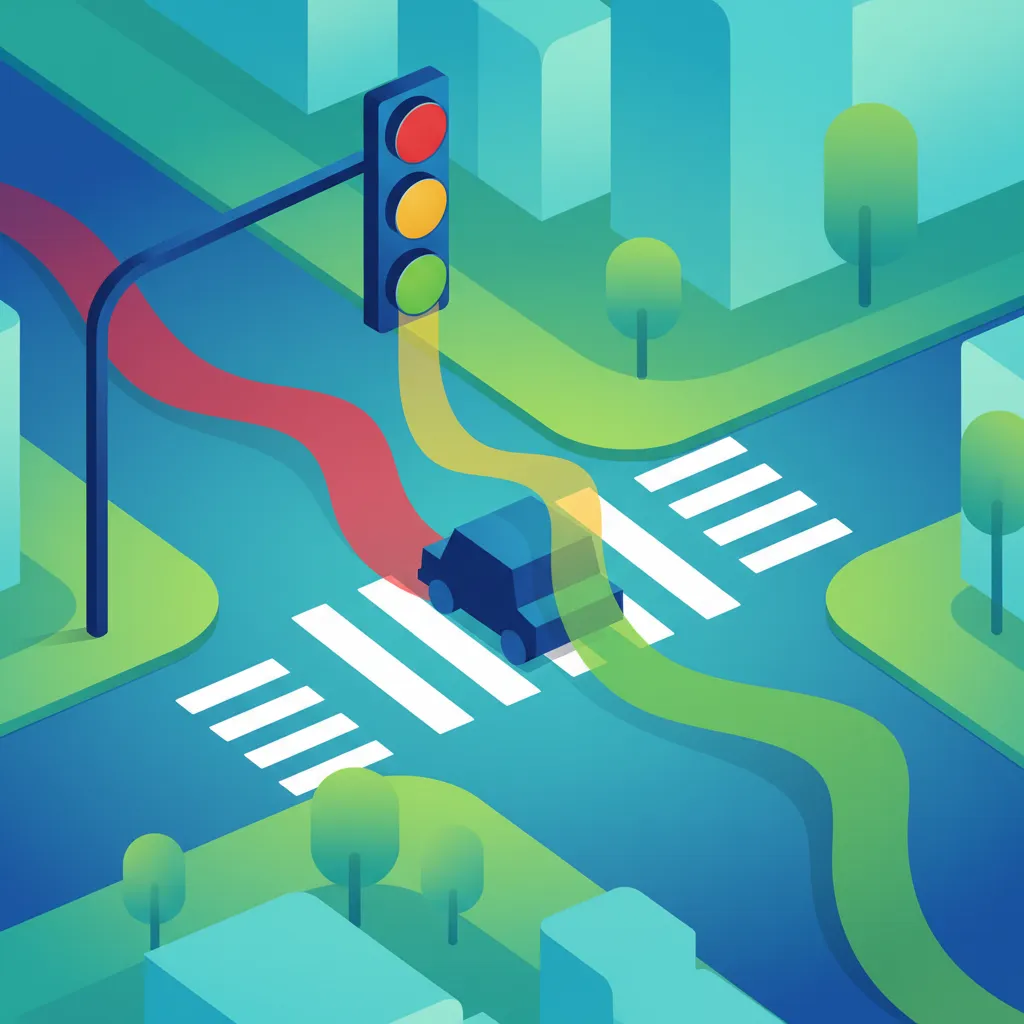
Traffic lights, known as 'semáforos' in Spain, are vital devices for organizing the flow of vehicles and pedestrians, primarily at intersections. This page details the specific meaning of each light signal – fixed red, yellow, and green – along with important variations like flashing lights and directional arrows. Mastering these rules ensures safe navigation and compliance with DGT regulations.
The Stop sign (or 'Señal de Stop' in Spain) is one of the most critical regulatory traffic signs, demanding a complete halt before proceeding. This page details the legal obligations, the precise stopping procedure, and how it differs significantly from other priority signs like 'Ceda el Paso' (Yield) in Spanish road regulations. Always be prepared to stop and assess traffic carefully.

Alcohol is a central nervous system depressant that significantly reduces the skills needed for safe driving. Even small amounts can severely impact your judgment, coordination, reaction time, and ability to concentrate. The Dirección General de Tráfico (DGT) strongly advises against driving after consuming any alcohol due to the increased accident risk it poses.
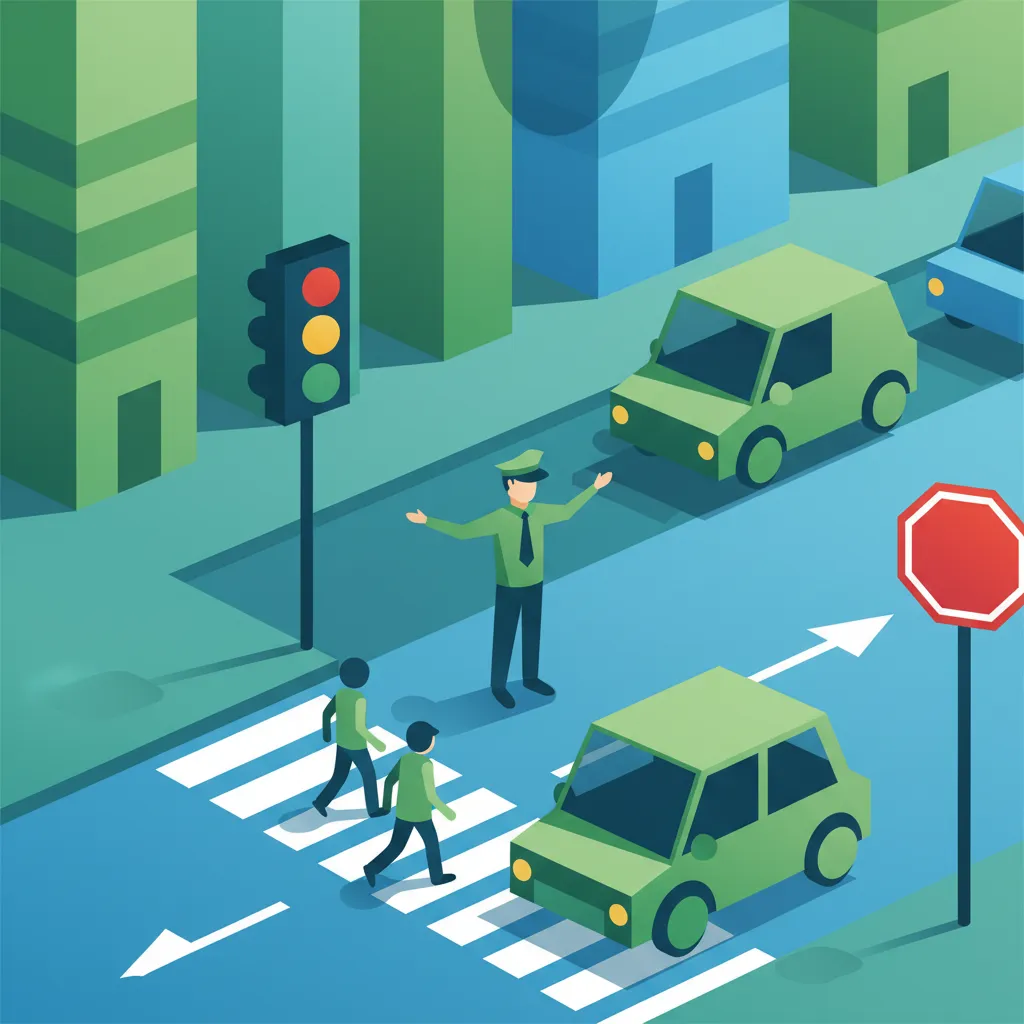
Right of way, or "prioridad de paso" in Spain, dictates which road user has the legal right to proceed first when paths conflict. This fundamental principle prevents collisions and ensures smooth traffic flow. Understanding the precise hierarchy of rules – from traffic agents to general norms – is vital for every driver navigating Spanish roads.

Defensive driving, known in Spain as "conducción preventiva," is a proactive approach that helps you anticipate and respond to potential hazards before they become dangerous. It emphasizes constant observation, maintaining safe distances, and adapting your driving to various conditions. By applying these principles, you can significantly reduce your risk of accidents, even when other road users make mistakes.
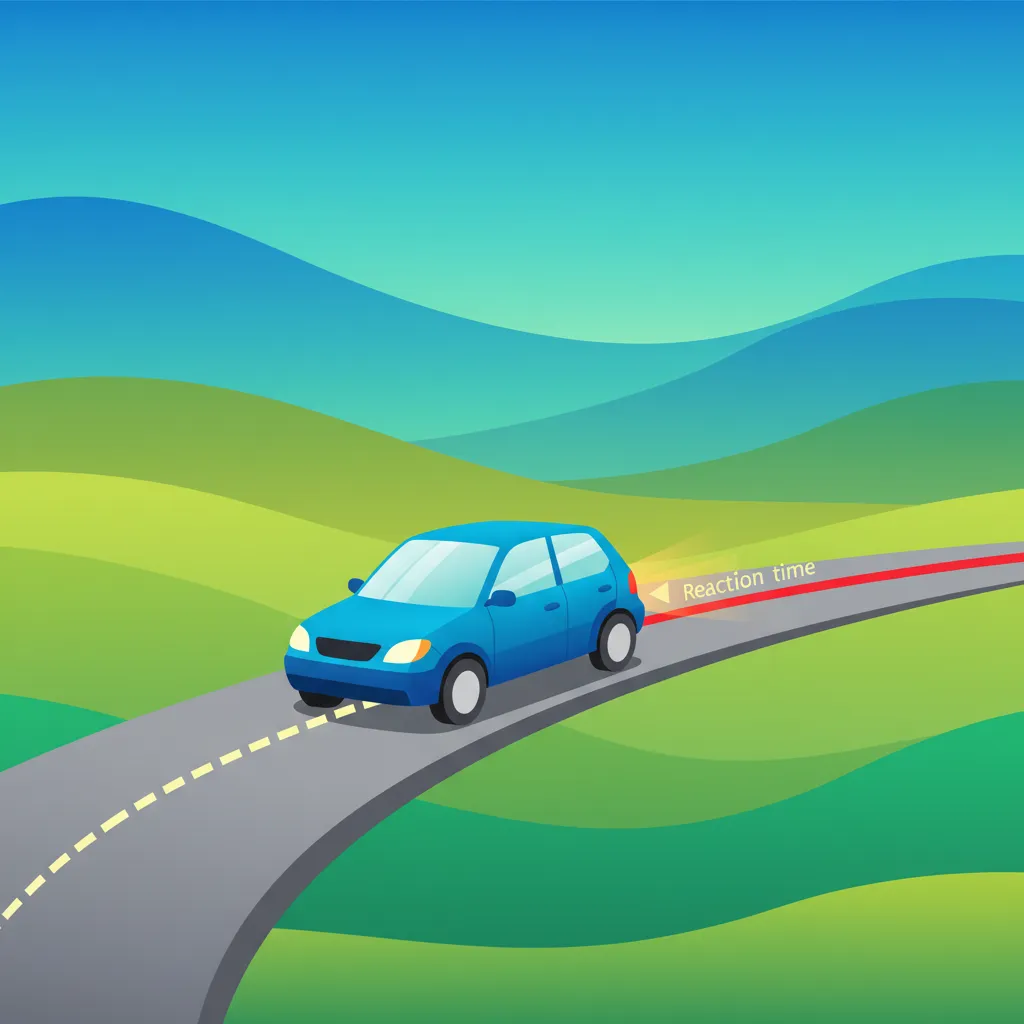
Stopping distance is the total distance your vehicle travels from the moment you detect a hazard until it comes to a complete stop. This includes two critical phases: reaction distance and braking distance. Mastering this concept is fundamental for hazard perception, maintaining safe following distances, and successfully navigating traffic in Spain, especially given varied road conditions and speed limits.
Stopping distance is the total distance your vehicle travels from the moment you identify a hazard until you come to a complete stop. It consists of two crucial components: reaction distance and braking distance. Understanding how speed affects each of these is fundamental for safe driving and a key part of the DGT driving theory in Spain.

In Spain, understanding how and when to use your vehicle's lighting systems is crucial for both your safety and that of other road users. This page details the DGT regulations for headlights, fog lights, and other essential lights, explaining their purpose in different visibility conditions like night, rain, and fog. Mastering these rules will help you drive safely and pass your driving theory exam.
In Spain, wearing a seat belt is not merely a recommendation but a strict legal obligation for every person in a vehicle equipped with them. This fundamental safety measure, enforced by the Dirección General de Tráfico (DGT), is designed to protect you and your passengers from severe harm in the event of a sudden stop or collision. Understanding the rules and the life-saving science behind seat belts is key to both passing your theory test and driving safely on Spanish roads.

Pedestrian crossings, or "pasos de peatones" in Spain, are designated areas designed to allow pedestrians to cross the road safely. As a driver, it is your responsibility to understand and strictly adhere to the rules governing these areas. This ensures the safety of vulnerable road users and promotes smooth traffic flow according to DGT regulations.
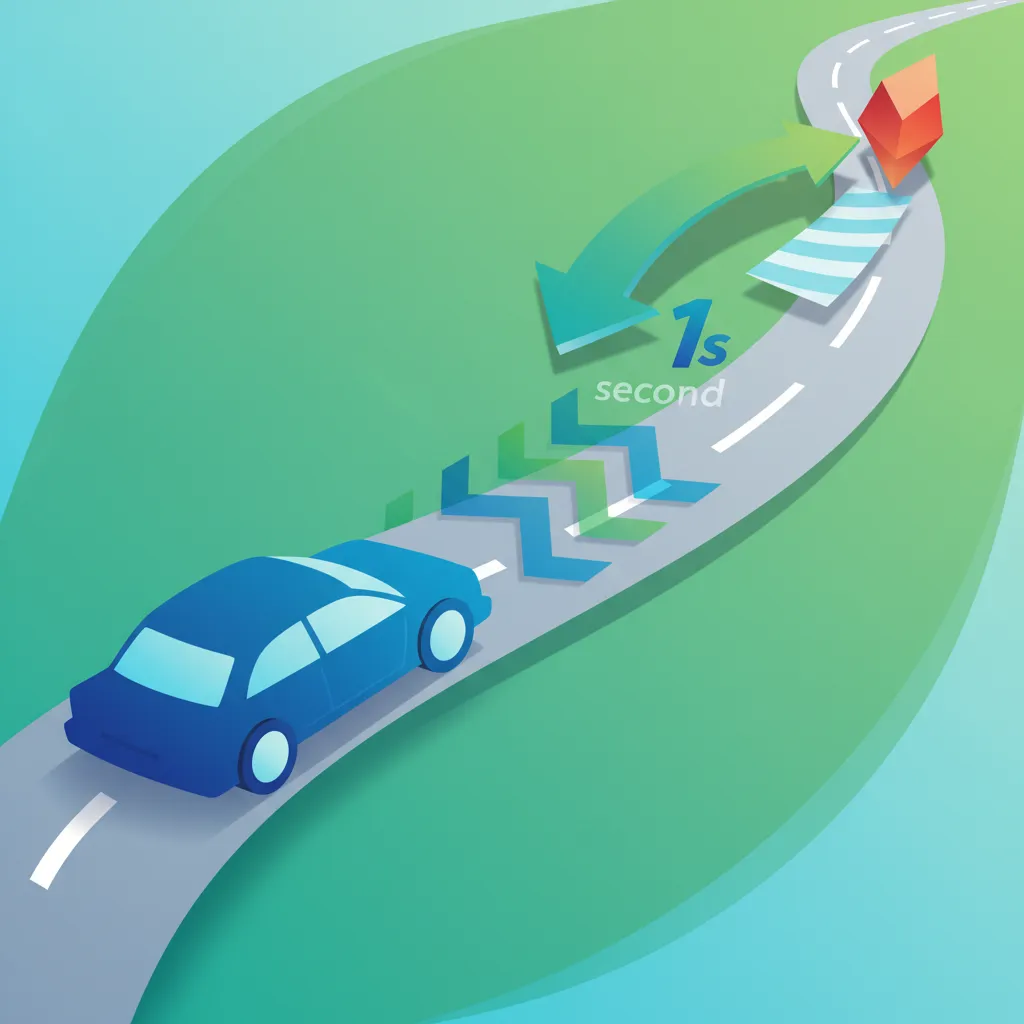
Reaction distance is the meters your vehicle travels from the moment you perceive a hazard until you physically begin to apply the brakes. This critical period is directly influenced by your speed and your state as a driver, distinct from the actual braking process. In Spain, DGT guidelines emphasize mastering this concept for effective hazard management and exam readiness.
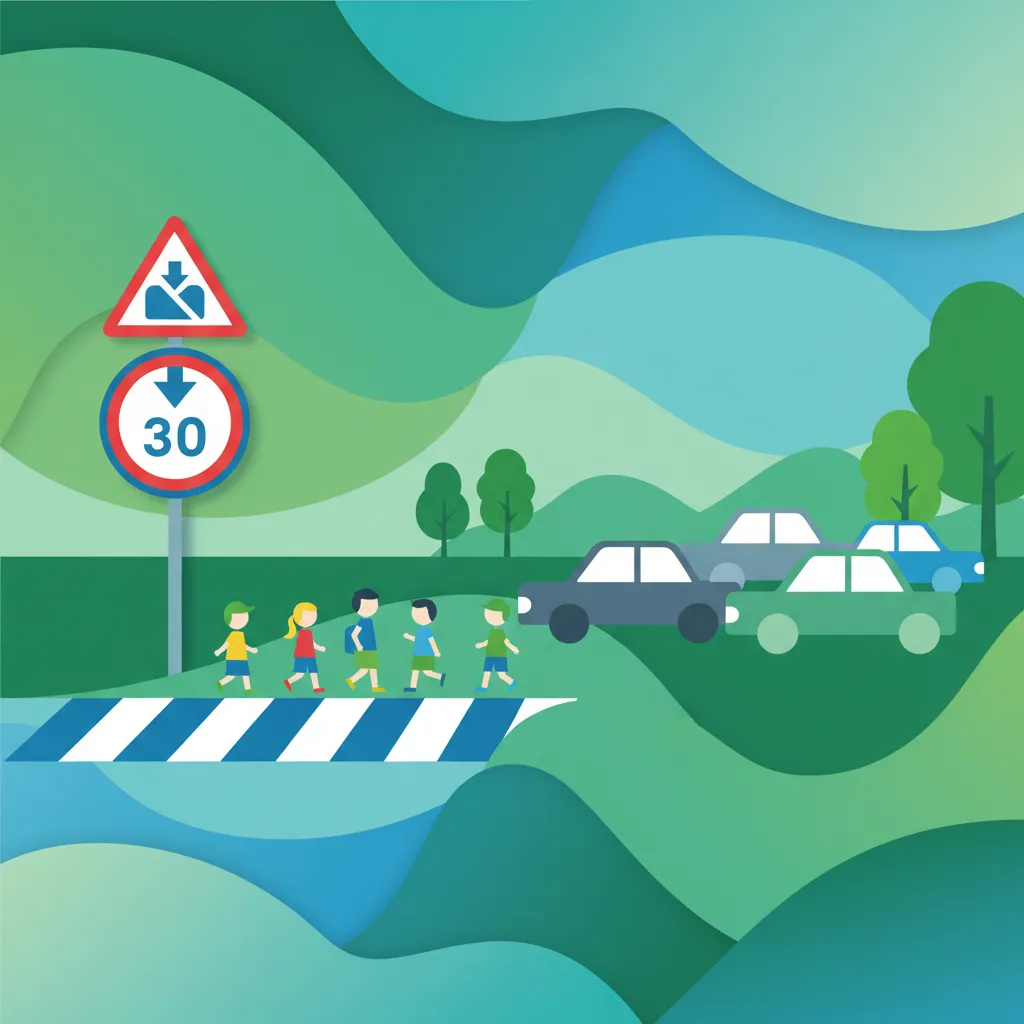
Driving near schools in Spain demands a unique level of vigilance. These areas, often marked with specific signs, require drivers to drastically reduce speed and anticipate unexpected movements from children. Understanding the DGT's emphasis on protecting vulnerable road users is fundamental for both your theory exam and real-world safe driving.

Driving demands your full and continuous attention. Using a mobile phone, whether for calls, messages, or navigation, creates dangerous distractions that severely impair your ability to drive safely. This section explains why such distractions are so hazardous, the types of distraction they cause, and the strict rules enforced by the DGT in Spain.
Entering a motorway (autovía or autopista) in Spain requires a careful transition from slower roads to high-speed traffic. The primary goal is to integrate smoothly and safely without disrupting the flow of vehicles already on the motorway. This means understanding how to effectively use acceleration lanes, match your speed, and choose the right moment to merge.
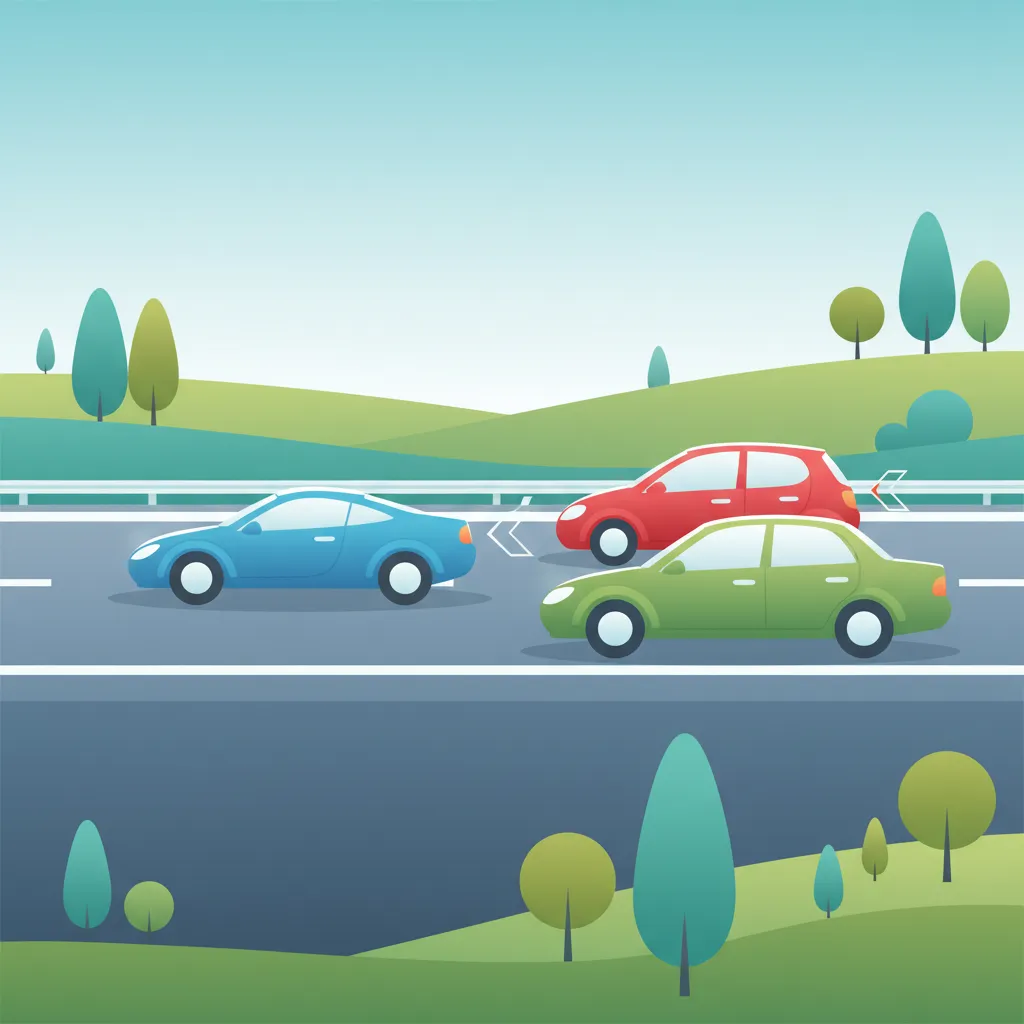
On high-speed roads like Spanish motorways (autopistas and autovías), proper lane use is essential not only for your safety but also for maintaining smooth traffic flow. The Dirección General de Tráfico (DGT) establishes clear rules to prevent congestion and reduce accident risks. This guide will clarify when and how to use different lanes, especially focusing on the 'keep right unless overtaking' principle.
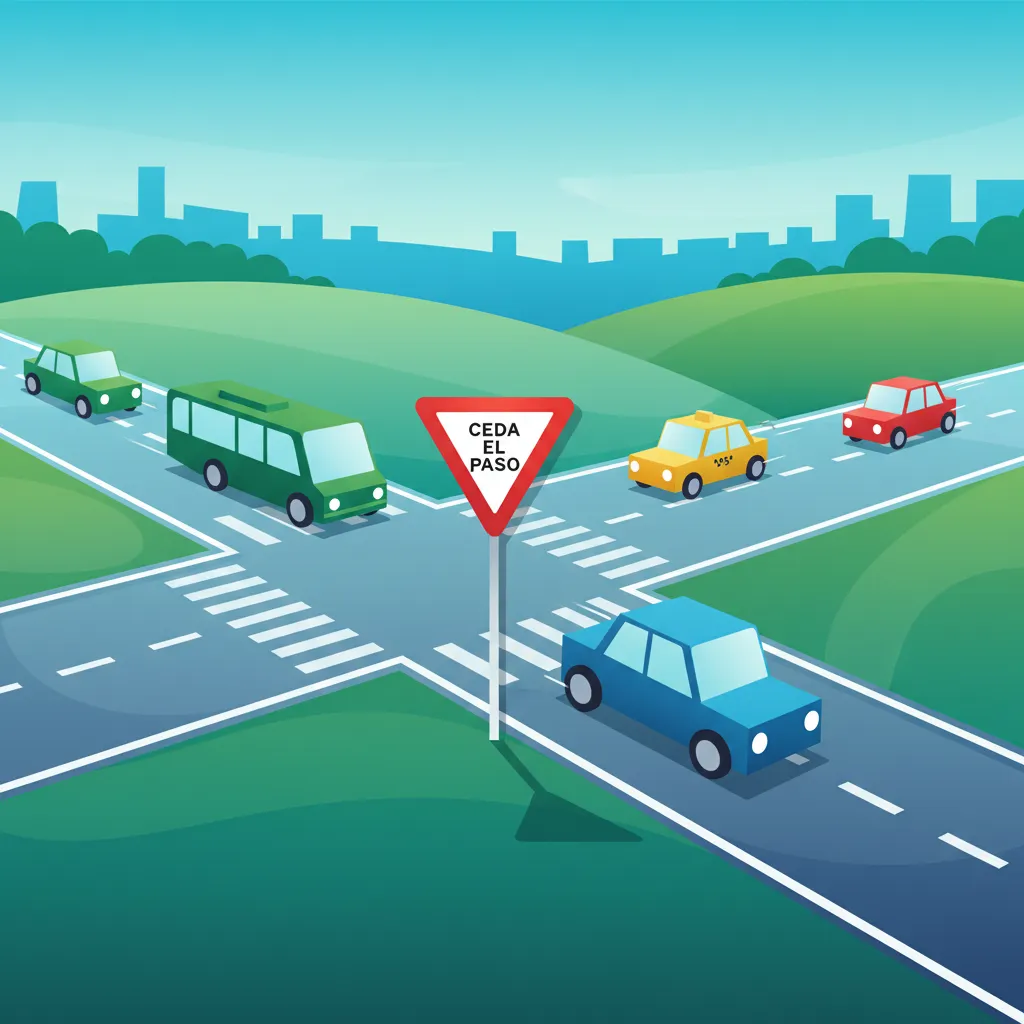
The Give Way sign, or 'Ceda el Paso' (R-1) in Spain, is a triangular sign that requires drivers to yield priority to vehicles on the intersecting road or lane. Unlike a Stop sign, a complete stop is not always mandatory, but you must be prepared to stop and only proceed when it is safe to do so without interrupting other traffic flow. Mastering this rule is fundamental for safe driving and passing the Spanish theory exam.
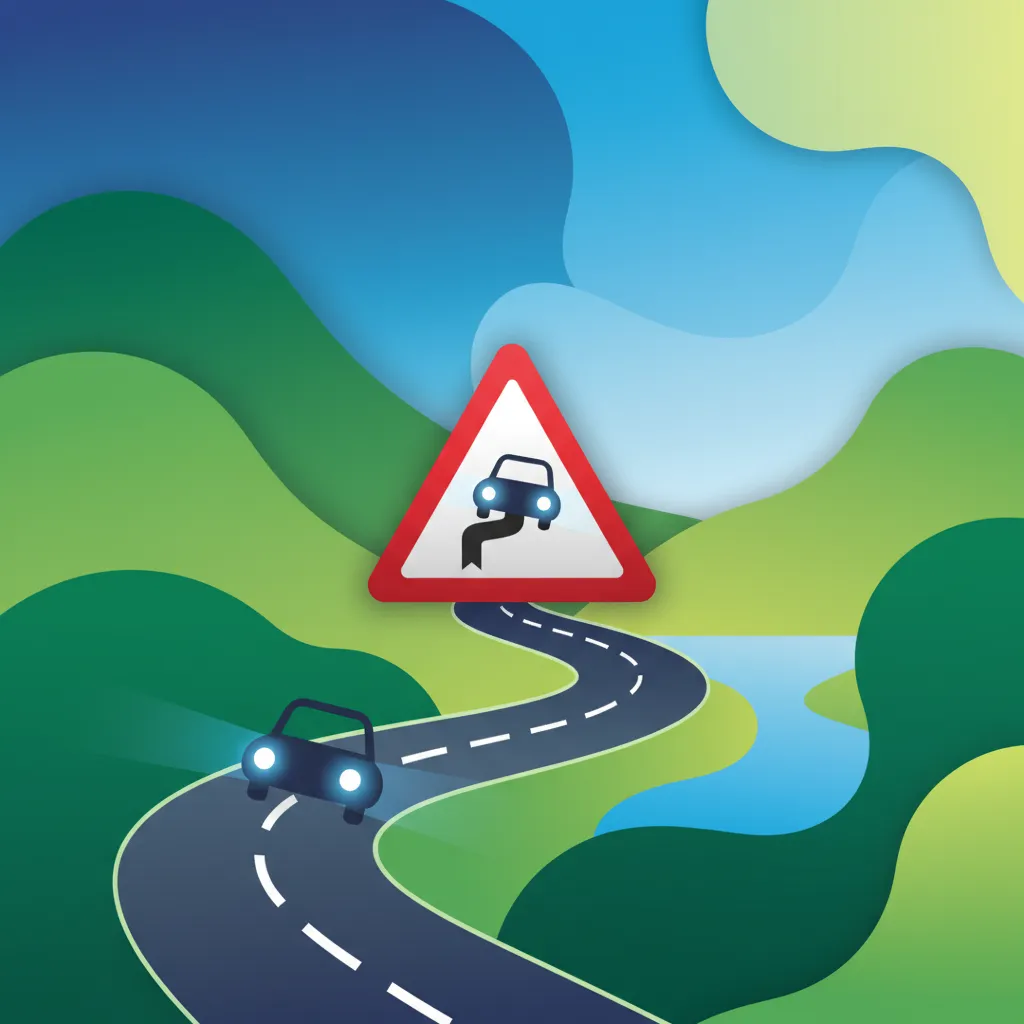
In Spain, warning signs, officially known as 'Señales de Advertencia de Peligro,' play a vital role in road safety by alerting drivers to dangers or special conditions ahead. These signs are designed to give you enough time to react appropriately, whether it means reducing speed, increasing vigilance, or preparing for a specific maneuver. Ignoring them can lead to dangerous situations and jeopardize your safety and that of others.

Prohibition traffic signs are a vital part of the Spanish road network, designed to clearly indicate actions that are forbidden for drivers. These regulatory signs play a crucial role in maintaining traffic order, preventing accidents, and ensuring predictable driving behavior. Familiarizing yourself with their distinct appearance and meaning is fundamental for passing your DGT theory exam and driving safely across Spain.
Page 1 of 3
Continue your learning journey by browsing our full collection of in-depth articles. Find detailed explanations of DGT traffic rules, road signs, driving procedures, and essential safety knowledge to ensure you are fully prepared for your Spanish driving licence exam.
Spanish Driving Theory Articles & Guides