
Improve your chances of passing the DGT theory exam and become a safer driver. Explore active and passive safety systems in depth, from how ABS works to the correct use of seatbelts and child restraint systems.
Understand how active safety systems like ABS and ESP prevent collisions, alongside the crucial role passive measures like airbags and headrests play in minimizing occupant injuries. Mastering these mechanisms is vital for both your DGT examination and maintaining high safety standards on Spanish roads.
Learners will discover how modern driver assistance features, particularly Intelligent Speed Assistance (ISA), work to help maintain safe speeds on Spanish roads. The content clarifies the driver's ongoing legal duty to obey official speed limits regardless of technology, while addressing common limitations like sensor errors and GPS inaccuracies. This knowledge is crucial for both passing the DGT theory exam and ensuring safe driving practices in real-world scenarios.
Understanding how to correctly adjust your headrest is more than just a matter of comfort; it is a fundamental requirement for passive safety as mandated by Spanish traffic law. In this guide, you will learn the precise mechanics of headrest positioning to prevent severe neck injuries, which are among the most frequent insurance claims in Spain. This knowledge is essential for both your upcoming DGT theory exam and your future safety on the road.
Modern vehicles are increasingly equipped with Advanced Driver Assistance Systems (ADAS) designed to support human vigilance and reduce accident risks. This guide explains how these technologies function within the scope of DGT safety principles, reinforcing that systems like blind-spot detection or automated braking are supportive tools that do not replace the driver's ultimate responsibility for road safety.
Explore driving theory articles detailing essential active and passive safety systems designed to protect you on Spanish roads. These comprehensive exam explanations cover everything from ABS and airbags to seatbelts and child restraint systems, crucial for your DGT theory exam preparation.
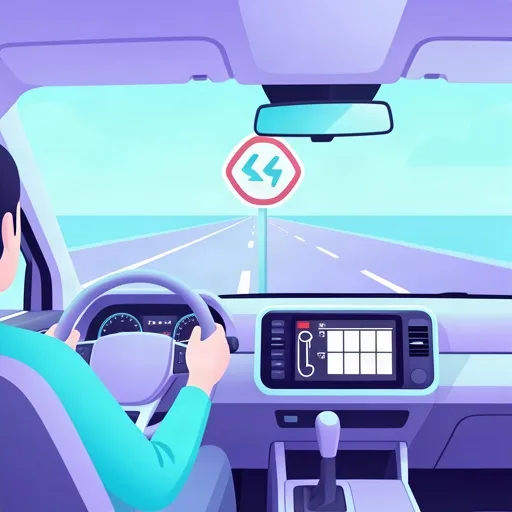
Learners will discover how modern driver assistance features, particularly Intelligent Speed Assistance (ISA), work to help maintain safe speeds on Spanish roads. The content clarifies the driver's ongoing legal duty to obey official speed limits regardless of technology, while addressing common limitations like sensor errors and GPS inaccuracies. This knowledge is crucial for both passing the DGT theory exam and ensuring safe driving practices in real-world scenarios.
Updated on Nov 28, 2026

Understanding how to correctly adjust your headrest is more than just a matter of comfort; it is a fundamental requirement for passive safety as mandated by Spanish traffic law. In this guide, you will learn the precise mechanics of headrest positioning to prevent severe neck injuries, which are among the most frequent insurance claims in Spain. This knowledge is essential for both your upcoming DGT theory exam and your future safety on the road.
Updated on Nov 27, 2026

Modern vehicles are increasingly equipped with Advanced Driver Assistance Systems (ADAS) designed to support human vigilance and reduce accident risks. This guide explains how these technologies function within the scope of DGT safety principles, reinforcing that systems like blind-spot detection or automated braking are supportive tools that do not replace the driver's ultimate responsibility for road safety.
Updated on Nov 24, 2026
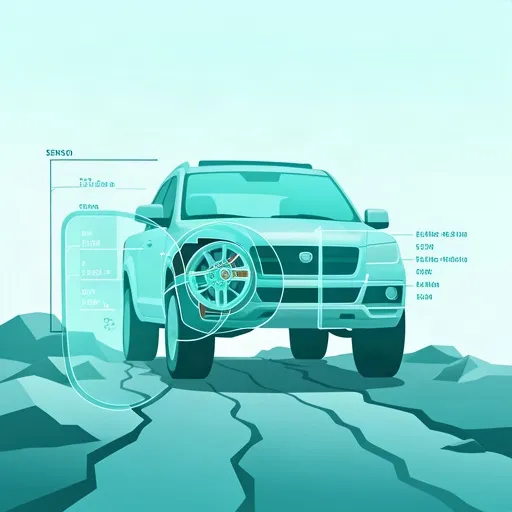
Understanding modern suspension technology is a key component of vehicle maintenance and safety awareness for the DGT theory exam. This article breaks down the mechanics behind predictive systems, from adaptive dampers to fully active actuators, and explains their critical role in preventing loss of control during maneuvers like braking or cornering. By mastering these concepts, you will gain a deeper insight into how advanced automotive engineering complements essential vehicle maintenance to ensure maximum road safety.
Updated on Nov 18, 2026

Learners will gain a clear understanding of how features like lane-keeping assist and active cruise control operate on Spanish roads. This guide clarifies the legal distinction between system intervention and human responsibility, helping students prepare for DGT theory questions regarding modern vehicle technology and safe driving practices.
Updated on Nov 11, 2026

As vehicle technology advances, understanding the role of Advanced Driver Assistance Systems is crucial for both practical driving and passing your DGT theory exam. This guide clarifies how these systems mitigate human error while reinforcing the legal principle that the driver remains solely responsible for the vehicle at all times. You will learn the difference between driving support and full automation to ensure you are prepared for modern driving scenarios.
Updated on Oct 29, 2026

Understanding the nuances of child safety in vehicles is essential for both passing the DGT theory exam and ensuring real-world protection. This guide clarifies the regulations for Child Restraint Systems (SRI), the necessary steps for safely transporting minors, and why best-practice safety often exceeds the minimum legal requirements. You will learn how to handle specific installation scenarios and stay informed on modern active safety features like anti-abandonment technology.
Updated on Oct 10, 2026
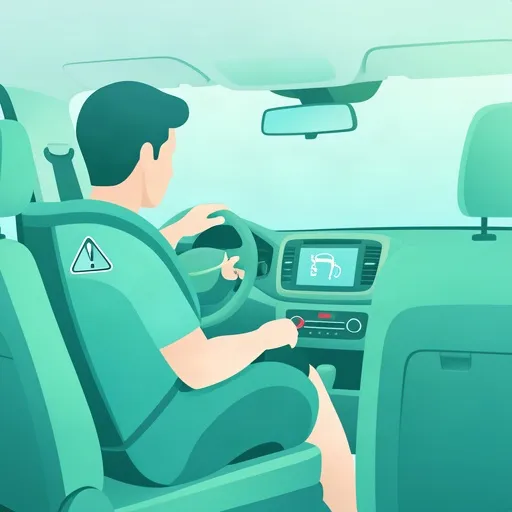
Traveling with children requires strict adherence to safety protocols set by the DGT. This guide explains when a child may legally occupy the front seat, the necessity of correct airbag configuration, and the importance of appropriate child restraint systems (SRI) to protect young passengers.
Updated on Oct 10, 2026

As vehicle technology advances, drivers must balance new innovations like anti-abandonment smartphone alerts with established safety rules regarding child restraint systems. This guide explains how to properly configure your vehicle for young passengers, covering essential protocols such as airbag deactivation and the correct use of SRI until the required height is met. Mastery of these rules is vital for ensuring passenger safety and correctly answering safety-related questions on your Spanish driving theory exam.
Updated on Oct 10, 2026

Learner drivers must be fully familiar with the strict Spanish regulations surrounding the transport of minors to ensure safety and compliance with DGT standards. This article explains the mandatory use of child seats, the importance of correct ISOFIX installation, and the legal consequences of non-compliance, providing the essential knowledge required for your theory exam.
Updated on Sep 25, 2026
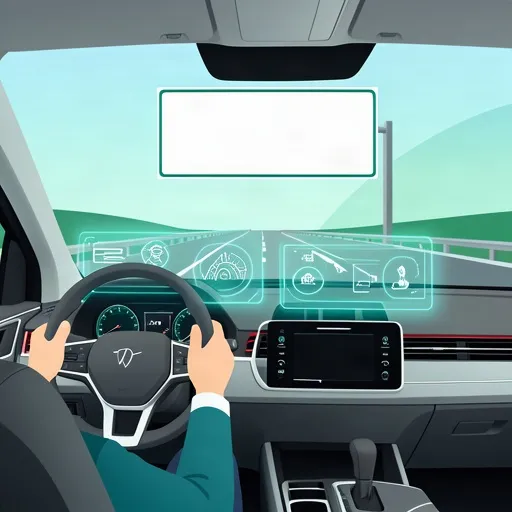
As vehicle technology evolves, understanding how systems like adaptive cruise control, lane-keeping assistance, and hybrid powertrain labels affect your driving is crucial for both safety and the DGT theory exam. This guide clarifies the limits of electronic aids and reinforces the legal expectation that the human driver must always maintain full control of the vehicle. You will learn to distinguish between vehicle features and your personal duty as a driver to prioritize traffic safety and compliance.
Updated on Sep 18, 2026

Explore the advanced driver assistance systems (ADAS) and the innovative e-POWER hybrid technology found in the 2026 Nissan X-Trail. This guide details how these features enhance safety and efficiency, providing essential knowledge for drivers preparing for their theory exam in Spain, administered by the DGT. Understanding these systems is key to safe driving practices and exam success.
Updated on Jul 2, 2026

Explore the advanced M xDrive all-wheel-drive system and its selectable driving modes, understanding how they impact your vehicle's stability and performance on diverse Spanish road conditions. This knowledge is vital for developing better driving awareness and preparedness for your DGT theory exam, as it illustrates practical applications of vehicle dynamics and safety principles.
Updated on Jun 29, 2026

Learn the fundamental differences between active safety systems, which are designed to prevent accidents before they happen, and passive safety systems, which protect occupants if a crash occurs. This knowledge is essential for passing the Spanish driving theory exam and ensuring safer driving practices on Spanish roads.
Updated on Jun 12, 2026

Learn how to properly maintain your car's critical safety features, from brakes and steering to seatbelts and airbags, in accordance with Spanish Directorate General of Traffic (DGT) regulations. This knowledge is vital not only for safe driving but also for passing your theory test by demonstrating a comprehensive understanding of vehicle safety.
Updated on Jun 12, 2026

Even classic vehicles like the Lada Niva Legend are seeing updates in safety and technology, offering valuable learning points for Spanish driving theory students. We examine how features like the driver's airbag, improved braking, and new electronic systems demonstrate the continuous evolution of automotive safety and technology essential for passing your DGT theory test.
Updated on Jun 10, 2026

Explore the sophisticated Advanced Driver Assistance Systems (ADAS) present in modern vehicles like the BMW iX3 and understand their implications for driving in Spain. This content will clarify how these technologies operate, their role in preventing accidents, and why they are increasingly important for safe driving practices and the Spanish driving theory exam set by the DGT.
Updated on May 26, 2026

While a helmet is always mandatory, Spain's commitment to motorcyclist safety extends significantly further. This article explores the critical protective gear required by the DGT, including gloves, airbag vests, and high-visibility clothing, as part of 'Seguridad Pasiva'. Understanding these regulations and their rationale, especially in light of evolving practical exam standards, is vital for every Spanish motorcyclist to ensure safety and legal compliance.
Updated on May 16, 2026

Learn the critical steps to wearing your seatbelt correctly in Spain to maximize safety and comply with traffic law. This guide details how to achieve a secure fit, understand common mistakes that reduce effectiveness, and highlights the significant legal repercussions, including fines and penalty points, for non-compliance as enforced by the DGT.
Updated on May 15, 2026

Learn about the essential safety function of laminated glass in Spanish vehicle windshields. This introduction explores how the 'parabrisas' is designed to protect occupants by resisting shattering and maintaining visibility, a key consideration for the DGT driving theory exam and safe driving practices.
Updated on Apr 27, 2026

Learn how the Anti-lock Braking System (ABS) is a critical safety feature that allows you to steer even when braking hard in an emergency. This article delves into how ABS prevents wheel lock-up, helping you understand its importance for the Spanish driving theory exam and everyday safe driving.
Updated on Apr 27, 2026

This article delves into the Autonomous Emergency Braking System (AEBS), a vital active safety feature becoming standard in Spanish vehicles. You will understand how AEBS uses technology to detect potential hazards, alert drivers, and automatically apply brakes to avoid or mitigate collisions, a key concept for understanding accident prevention and succeeding in your DGT theory exam.
Updated on Apr 12, 2026

Learn how electric vehicles behave during emergency maneuvers like the elk test and slalom, focusing on the crucial roles of vehicle dynamics, electronic stability programs (ESP), and tire grip. This knowledge is fundamental for safe driving on Spanish roads and directly supports your preparation for the DGT theory exam by clarifying how to maintain control in critical situations.
Updated on Apr 12, 2026

Learn why Spanish traffic law and safety experts recommend keeping children in rear-facing car seats, or 'a contramarcha', until they are at least four years old. This practice significantly enhances protection for a child's developing neck and spine, especially during frontal impacts, a key consideration for the Dirección General de Tráfico (DGT) theory exam.
Updated on Apr 12, 2026
Discover other categories connected to Active and Passive Safety DGT. These sections help you explore additional topics, expand your understanding of driving theory in Spanish, and build a more complete picture of the rules and situations tested during the exam.
Find answers to common questions learners ask about Active and Passive Safety DGT. This section helps clarify difficult concepts, highlight critical exam information, and support your preparation for the Spanish driving theory exam in Spain.
Active safety refers to systems that help avoid an accident, such as ABS brakes, stability control, and proper lighting. Passive safety includes elements that protect occupants during an accident, such as seatbelts, airbags, headrests, and vehicle structure.
The seatbelt is the most important passive safety system. It significantly reduces the risk of serious or fatal injuries in a collision or sudden stop. Its use is mandatory for all vehicle occupants in Spain.
Child restraint systems are devices designed to protect children in an accident, such as child seats and booster seats. They must be used for all children under 135 cm in height, and whenever possible for children under 12 or who have not reached the minimum height.
Tires in good condition and with the correct pressure, together with an effective braking system, are crucial for active safety. They provide good grip and controlled braking, which can prevent many accidents, especially in adverse weather conditions.
The headrest, although part of passive safety, must be adjusted correctly. The top should be at head height and as close as possible to the back of the neck. This helps prevent or reduce neck injuries in a collision.
Yes, helmet use is mandatory in Spain for mopeds, motorcycles, tricycles, and quadricycles, both for the driver and passenger, on all roads. It is the most important passive safety element for two-wheeled vehicles.
Select an article category to begin your focused study on specific DGT driving theory topics. Master Spanish road signs, traffic rules, and safe driving practices with our organised content. Choose your next learning journey and confidently prepare for your licence exam.
Browse All Theory Article Categories