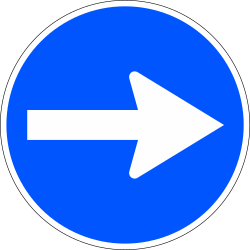
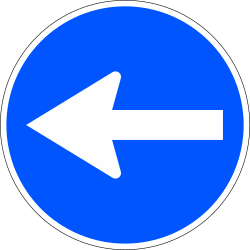
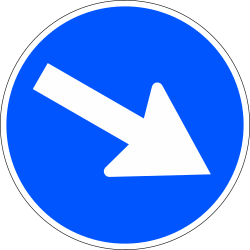
Mandatory signs are crucial directives on the road, telling you precisely what you *must* do. This group includes signs for required directions, designated routes for specific vehicles, and minimum speed requirements. Familiarizing yourself with these signs is essential for both ensuring your safety and the smooth flow of traffic, and it's a key component of the driving theory exam.
An explanation of how Mandatory Signs road signs apply in real traffic situations in Spain. Learn where these signs are typically placed, what drivers are expected to do when they appear, and how correct reactions help you stay safe, avoid fines, and succeed in your Spanish driving theory exam.
You will encounter mandatory signs in various traffic situations where specific rules must be followed for safety and traffic organization. For instance, signs like 'Turn right' (R-400a), 'Turn left' (R-400b), or 'Go straight' (R-400c) are common at intersections and junctions, dictating your lane usage and intended path. Signs indicating specific routes, such as 'Road for cars' (R-404) or 'Road for cyclists' (R-407a), are used to separate different types of traffic, often seen on motorways, rural roads, or within urban areas to manage flow and prevent conflicts. You might also see 'Keep right' (R-401a) or 'Keep left' (R-401b) signs near obstacles or in areas where traffic needs to be channelled. 'Roundabout' (R-402) signs clearly indicate the required procedure for navigating a traffic circle, while 'Minimum speed limit' (R-411) signs appear on faster roads or specific lanes where slower traffic could be hazardous. Some signs, like 'Snow chains mandatory' (R-412) or 'Winter tires' (R-412b), are context-specific, appearing during certain weather conditions, usually in higher-altitude or colder regions.
An overview of the key learning outcomes when studying the Mandatory Signs road sign category. Understand the main concepts, sign meanings, and traffic situations covered here so you can recognise patterns, answer theory questions more confidently, and build a solid foundation for safe driving in Spain.
Mandatory signs, typically circular and blue, convey specific instructions you must obey to ensure traffic flow and safety. Understanding these crucial traffic signs helps you predict required actions, like turns, minimum speeds, or designated lanes, which is vital for your Spanish driving theory test. Study these road signs as a group to master their immediate commands and prevent common errors.
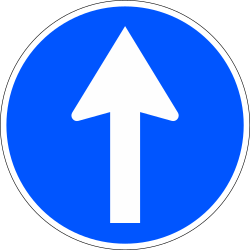
Mandatory 'Go Straight' Sign (R-400c): Know Your Compulsory Direction
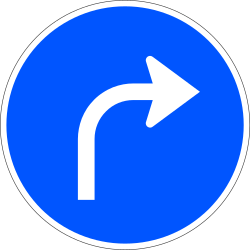
Obey the R-400d Sign: You Must Turn Right Here
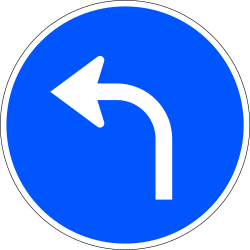
Mandatory Turn Left: Know What This Sign Demands on Spanish Roads
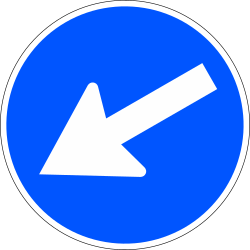
The R-401b 'Keep Left' Sign: Your Compulsory Direction in Spain
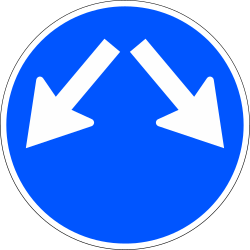
Mandatory R-401c Sign: You Must Pass On This Side
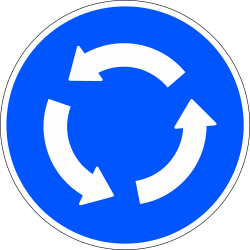
Understand the R-402: Mandatory Roundabout Maneuver Sign
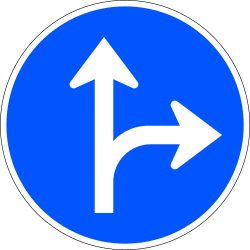
Mandatory Direction: You must go straight or turn right.
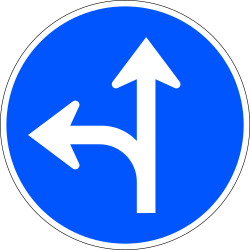
Mandatory Direction: You Must Go Straight or Turn Left
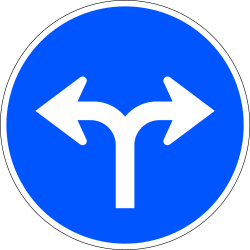
Mandatory Right or Left Turn Sign (R-403c)
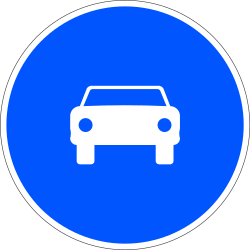
R-404: Mandatory Road for Cars Sign - Follow the Designated Route
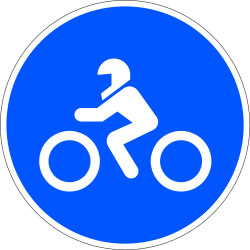
R-405: This is a Mandatory Road for Motorcycles Without Sidecars
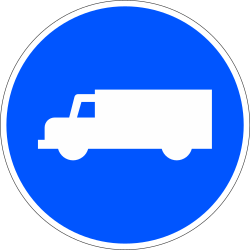
Mandatory Road for Trucks and Vans Sign (R-406)
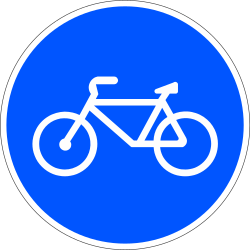
R-407a: You Must Use This Dedicated Road for Cyclists
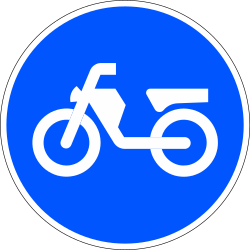
This R-407b sign mandates a specific road for mopeds and vehicles for people with reduced mobility.
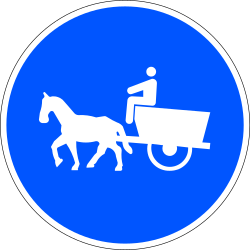
The R-408 sign indicates a mandatory road or route for animal-drawn vehicles.
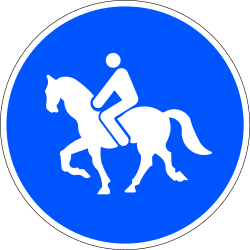
The R-409 Sign Mandates Use of the Road for Mounted Animals
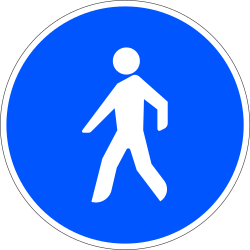
The R-410 Sign: You Must Use This Road For Pedestrians
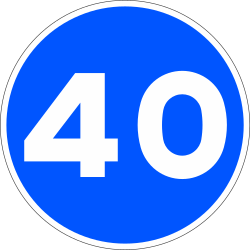
You must not drive slower than the indicated minimum speed on this R-411 sign.
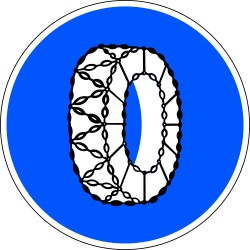
Mandatory Snow Chains: Understand the R-412 Sign and What It Requires
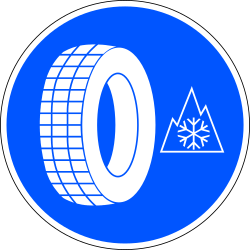
Mandatory Winter Tires: What This Sign Requires You to Do
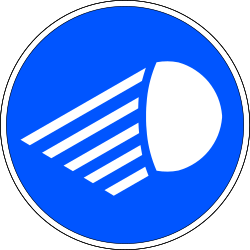
This R-413 sign means you must use your headlamps.
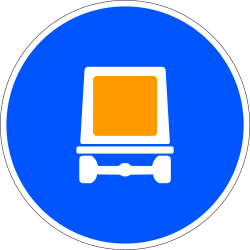
You must follow this road if you are carrying dangerous goods.
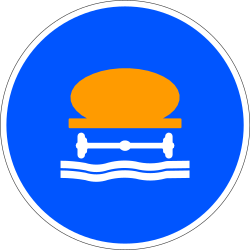
Mandatory Route for Vehicles Carrying Water Pollutants
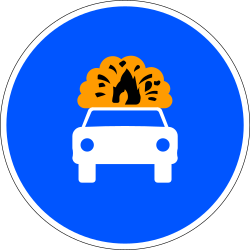
This R-416 sign mandates a specific route for vehicles carrying explosives.
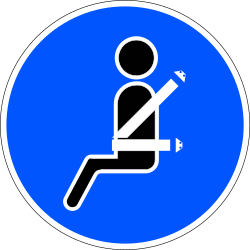
The R-417 sign mandates the use of seat belts for all road users.
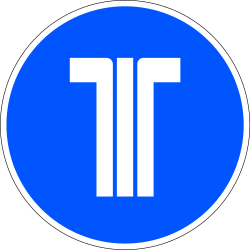
Exclusive Lane for Electronic Tolls: You Must Use This Lane
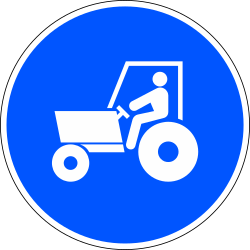
Obey the R-419 Mandatory 'Road for Tractors' Sign
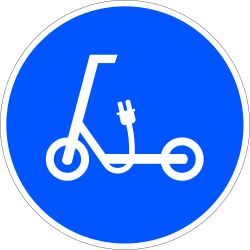
This R-420 sign indicates a mandatory road exclusively for personal mobility devices.
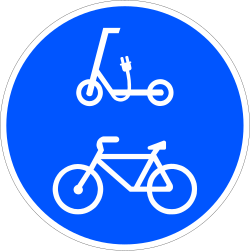
This R-421 sign mandates a specific road for personal mobility devices and bicycles.
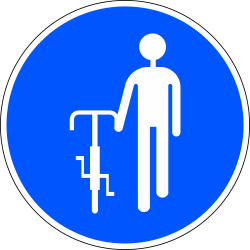
R-422: You must dismount and continue on foot
Clear answers to common questions about the Mandatory Signs road sign category. Use this FAQ to review tricky rules, understand how these signs appear in exam scenarios, and remove confusion that often leads to mistakes in the Spanish driving theory exam in Spain.
The key difference is that mandatory signs indicate an obligation; they tell you what you *must* do. Unlike warning signs that alert you to potential hazards, or prohibition signs that tell you what you *cannot* do, mandatory signs leave no room for choice. Examples include signs dictating your direction of travel, the side you must pass an obstacle, or the minimum speed you must maintain.
Ignoring a mandatory sign is a traffic violation and can have serious consequences. Depending on the sign, it could lead to dangerous situations, accidents, or traffic disruption. For example, failing to follow a mandatory direction at an intersection could put you on a dangerous route or against the flow of traffic. You could also face fines or penalty points on your driving licence.
Yes, learners often get confused between 'Go straight or turn right' (R-403a) and simply 'Go straight' (R-400c) or 'Turn right' (R-400a). It's crucial to understand that R-403a offers a choice, while R-400a/b/c require a specific action. Also, distinguishing between signs that reserve a road for specific vehicles (like R-404 for cars) and general regulatory signs is important for test questions.
These signs are crucial for managing traffic flow and safety. If you are driving a car, you must follow the 'Road for cars' (R-404) sign. If you see a 'Road for cyclists' (R-407a) sign, it means that lane or road is exclusively for bicycles, and you should not enter it with your car. Similarly, signs for trucks, motorcycles, or pedestrians indicate dedicated routes that you must not use with your vehicle unless explicitly permitted by other signs.
The 'Minimum speed limit' sign indicates the lowest speed at which you are legally permitted to travel on that particular road or lane. This is often used on faster roads or specific lanes to ensure traffic keeps moving and to prevent slower vehicles from causing obstructions or hazards to faster-moving traffic behind them.
Dive deeper into specific road sign groups to test your knowledge and reinforce your understanding of Spanish traffic regulations. Start exploring each category to build a strong foundation for your DGT driving theory exam and ensure you drive safely on Spanish roads.
Browse Road Sign Categories