
Master speed rules in Spain, from new urban regulations to speeds on motorways and conventional roads. Understand the dangers of excessive speed and how the DGT enforces compliance so you can pass your theory exam.
This section details the latest DGT speed limit regulations across all Spanish road classifications, helping you understand mandatory enforcement and legal requirements for your theory test. You will learn to identify speed thresholds for various vehicle types and the critical safety implications of speed management in diverse driving environments.
Navigating Spanish city streets requires a clear understanding of the tiered speed limit system established to enhance pedestrian safety. This guide clarifies the distinctions between platforma única streets, single-lane roads, and multi-lane thoroughfares, helping you avoid common pitfalls during your DGT theory test. By learning how to correctly interpret these categories—including the exclusion of bus and taxi lanes from your count—you will be better prepared to make safe and legal decisions on the road.
Candidates preparing for the Spanish driving licence exam must clearly distinguish between the regulatory frameworks for Personal Mobility Vehicles (VMPs) and mopeds (ciclomotores). This article provides a comprehensive overview of speed limits, prohibited road types like motorways, and mandatory traffic behaviour as defined by the DGT. Mastering these distinctions is critical for accuracy in your theory test and essential for maintaining safety on public roads.
Learn the critical Spanish traffic law regarding 'velocidad anormalmente reducida' (abnormally reduced speed) and the vital minimum speed regulations mandated by the DGT. Understanding these rules, particularly the 50% guideline on most roads and the 60 km/h minimum on autovías and autopistas, is essential for safe driving and passing your theory test.
Explore detailed articles explaining all current Spanish speed limits for urban, conventional, and motorway roads, crucial for your DGT driving theory exam. Learn effective speed management and discover how DGT traffic rules are enforced to ensure road safety and avoid penalties in Spain.
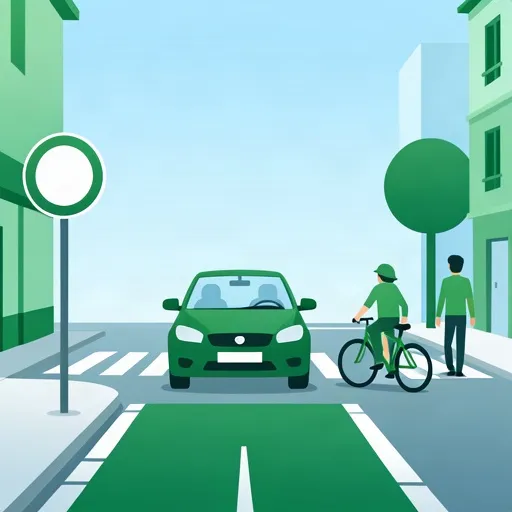
Navigating Spanish city streets requires a clear understanding of the tiered speed limit system established to enhance pedestrian safety. This guide clarifies the distinctions between platforma única streets, single-lane roads, and multi-lane thoroughfares, helping you avoid common pitfalls during your DGT theory test. By learning how to correctly interpret these categories—including the exclusion of bus and taxi lanes from your count—you will be better prepared to make safe and legal decisions on the road.
Updated on Sep 30, 2026
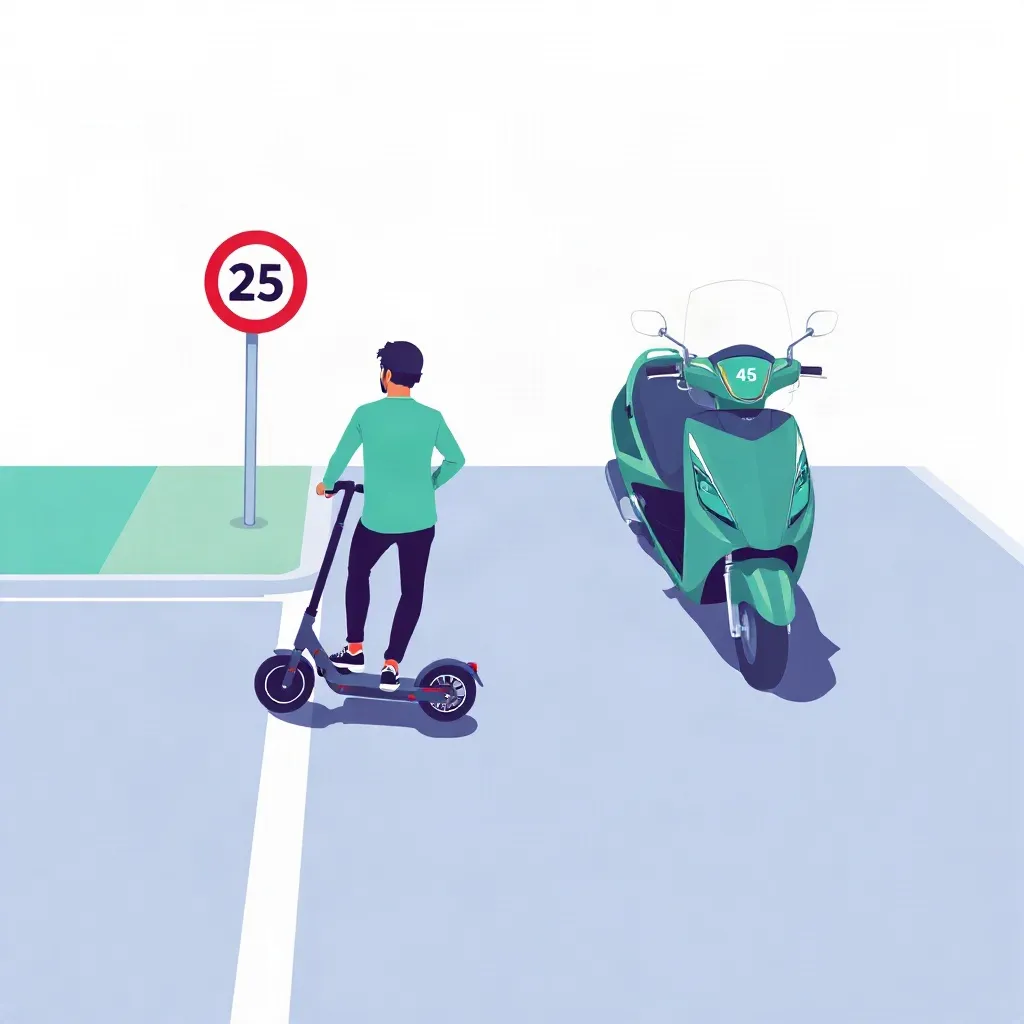
Candidates preparing for the Spanish driving licence exam must clearly distinguish between the regulatory frameworks for Personal Mobility Vehicles (VMPs) and mopeds (ciclomotores). This article provides a comprehensive overview of speed limits, prohibited road types like motorways, and mandatory traffic behaviour as defined by the DGT. Mastering these distinctions is critical for accuracy in your theory test and essential for maintaining safety on public roads.
Updated on Aug 29, 2026

Learn the critical Spanish traffic law regarding 'velocidad anormalmente reducida' (abnormally reduced speed) and the vital minimum speed regulations mandated by the DGT. Understanding these rules, particularly the 50% guideline on most roads and the 60 km/h minimum on autovías and autopistas, is essential for safe driving and passing your theory test.
Updated on Jun 11, 2026
Navigate Spain's extensive network of conventional roads (carreteras convencionales) with confidence by understanding the critical 90 km/h speed limit and its associated dangers. This article delves into why exceeding this limit, especially after the removal of the overtaking margin, significantly increases risks like head-on collisions and run-offs. Crucial knowledge for safe driving and passing your DGT theory exam.
Updated on May 20, 2026

Prepare for your Spanish driving theory test by understanding the DGT's diverse speed enforcement methods. This article breaks down fixed, mobile, and average speed ('tramo') cameras, detailing their operation and typical locations. Familiarise yourself with these systems to ensure compliance and avoid common driving fines on Spanish roads.
Updated on May 6, 2026

Navigating Spain's speed limits requires understanding the difference between general rules and specific road signage. This article breaks down how the DGT (Dirección General de Tráfico) sets speed limits and how specific signs, like the R-301, modify these defaults. Mastering this distinction is key to passing your Spanish driving theory test and driving safely and legally.
Updated on Apr 12, 2026

Navigating Spain's high-speed roads requires precise knowledge of speed regulations. This article breaks down the maximum speed limits for autopistas and autovías, clearly distinguishing between different vehicle types like cars, motorcycles, buses, and trucks, including the special category for 'pick-up' trucks. Understanding these DGT-enforced limits is vital for safe driving and for passing your theory test.
Updated on Apr 12, 2026
Discover other categories connected to DGT Speed Limits. These sections help you explore additional topics, expand your understanding of driving theory in Spanish, and build a more complete picture of the rules and situations tested during the exam.
Find answers to common questions learners ask about DGT Speed Limits. This section helps clarify difficult concepts, highlight critical exam information, and support your preparation for the Spanish driving theory exam in Spain.
The general maximum speed on motorways and dual carriageways in Spain is 120 km/h for cars and motorcycles. However, this speed may be lower for other vehicles such as buses or trucks, or on specifically signposted sections.
General speed is the limit that applies to a type of road when there is no specific sign. Specific speed is the limit established by traffic signs on a particular section, which may be higher or lower than the general limit.
New regulations set a 30 km/h limit on streets with one lane in each direction, while the general limit on urban roads remains 50 km/h. On some roads the limit may be 20 km/h, and on others it may reach 70 km/h if road design allows it.
Inappropriate speed means driving too fast or abnormally slowly in a way that compromises safety. Driving too slowly can be as dangerous as driving too fast because it may cause traffic buildup, collisions, and difficulties for other road users.
The DGT uses several types of speed cameras: fixed cameras, mobile cameras in patrol cars, section control cameras that calculate average speed, and Pegasus helicopters.
Select an article category to begin your focused study on specific DGT driving theory topics. Master Spanish road signs, traffic rules, and safe driving practices with our organised content. Choose your next learning journey and confidently prepare for your licence exam.
Browse All Theory Article Categories