
Prepare for your DGT driving theory exam by becoming familiar with the mechanical and maintenance aspects of your vehicle. Make sure your car is in proper condition and complies with all current Spanish regulations so you can drive safely and legally.
Understand critical vehicle mechanics, safety systems, and mandatory maintenance protocols required to pass your Spanish driving theory test. This comprehensive resource covers essential topics like ITV compliance, dashboard indicators, and standard safety equipment checks.
Electric vehicles are transforming Spanish roads, and their technical features are increasingly relevant to DGT theory exams. This guide breaks down essential concepts like charging capabilities, battery types, and ADAS integration, helping you answer modern vehicle-related questions with confidence. Prepare yourself for the future of driving by understanding how these innovations influence road safety and vehicle operation under current Spanish regulations.
Proper headlight care is far more than a cosmetic choice; it is a fundamental safety responsibility and a key requirement of the Inspección Técnica de Vehículos (ITV). By understanding how lens degradation affects light output and beam projection, drivers can ensure they meet DGT safety standards and avoid serious defects during their mandatory vehicle inspections.
Understanding the outcomes of your vehicle's ITV inspection is a fundamental requirement for every driver in Spain to ensure legal and safe circulation. This guide details the differences between favorable, unfavorable, and negative reports, clarifying when you must visit a workshop and when your vehicle is strictly prohibited from being driven. These rules are essential knowledge for the DGT theory test to demonstrate your competence in maintaining roadworthy, compliant vehicles.
This collection of driving theory articles clarifies all essential vehicle mechanics DGT topics, from mandatory equipment to maintenance checks. Gain crucial learner guidance on ensuring your vehicle is roadworthy and compliant with Spanish regulations for your DGT driving licence.
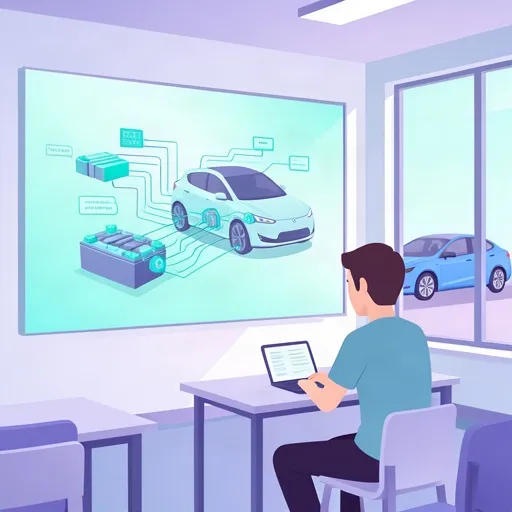
Electric vehicles are transforming Spanish roads, and their technical features are increasingly relevant to DGT theory exams. This guide breaks down essential concepts like charging capabilities, battery types, and ADAS integration, helping you answer modern vehicle-related questions with confidence. Prepare yourself for the future of driving by understanding how these innovations influence road safety and vehicle operation under current Spanish regulations.
Updated on Oct 11, 2026
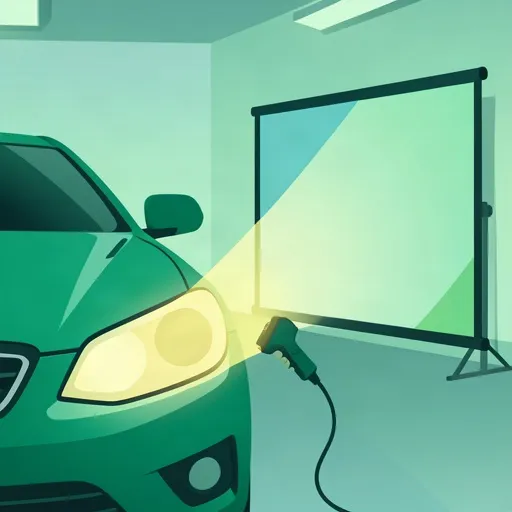
Proper headlight care is far more than a cosmetic choice; it is a fundamental safety responsibility and a key requirement of the Inspección Técnica de Vehículos (ITV). By understanding how lens degradation affects light output and beam projection, drivers can ensure they meet DGT safety standards and avoid serious defects during their mandatory vehicle inspections.
Updated on Oct 3, 2026
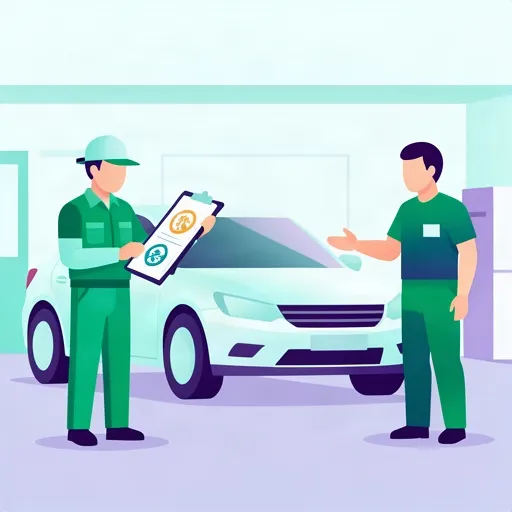
Understanding the outcomes of your vehicle's ITV inspection is a fundamental requirement for every driver in Spain to ensure legal and safe circulation. This guide details the differences between favorable, unfavorable, and negative reports, clarifying when you must visit a workshop and when your vehicle is strictly prohibited from being driven. These rules are essential knowledge for the DGT theory test to demonstrate your competence in maintaining roadworthy, compliant vehicles.
Updated on Sep 23, 2026
Understanding the nuances of modern car design is essential for new drivers as they navigate different vehicle handling characteristics. This guide breaks down the technical and ergonomic shifts in the automotive market while reinforcing the absolute requirement that all vehicles meet rigorous safety standards under DGT regulations.
Updated on Aug 27, 2026
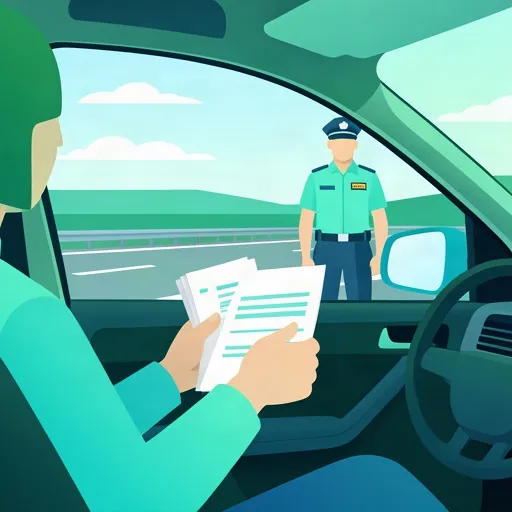
Driving in Spain requires you to present specific official documents upon request by traffic authorities. This guide clarifies which original documents are strictly mandatory, the role of the MiDGT app in digital verification, and why maintaining physical or digital proof of your credentials is a fundamental part of safe and legal driving.
Updated on Aug 25, 2026
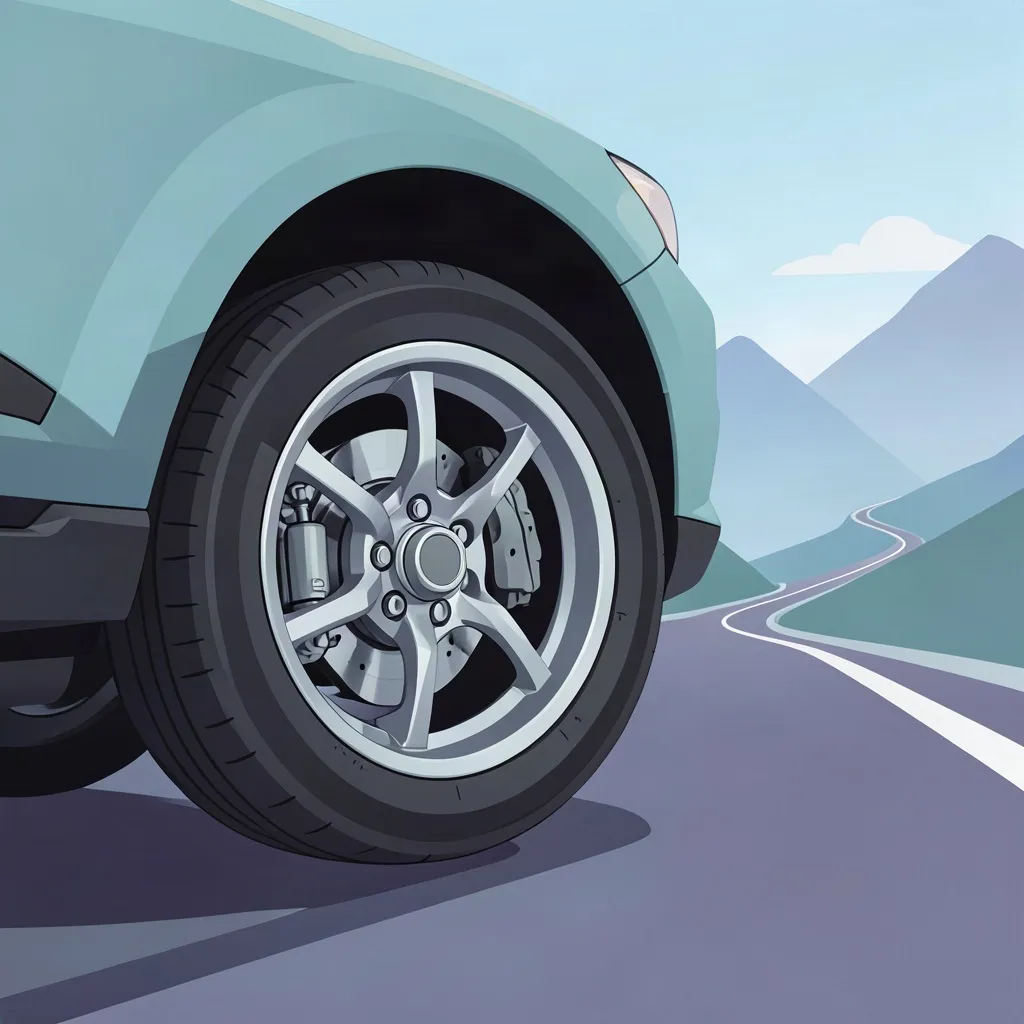
Understanding how your vehicle stops is a core component of the Spanish driving theory. This guide covers the hydraulic circuit, the vital role of brake fluid, and the dangers of overheating, ensuring you are prepared for technical exam questions about vehicle maintenance and emergency driving maneuvers.
Updated on Aug 23, 2026
As electric vehicles become more prevalent on Spanish roads, understanding their technology is essential for passing your driving theory exam. This article breaks down the Zeekr 7X's charging times, battery life, and performance metrics, providing practical insights for drivers. Gaining this knowledge ensures you are prepared for questions related to modern automotive technology, as required by the Dirección General de Tráfico (DGT).
Updated on Jul 5, 2026

Learn about the aerodynamic forces and mechanical issues that can cause car mirrors to vibrate excessively at high speeds on Spanish roads. This knowledge is vital for safe driving and a thorough understanding of vehicle dynamics, directly aiding your preparation for the DGT theory driving exam.
Updated on Jul 2, 2026
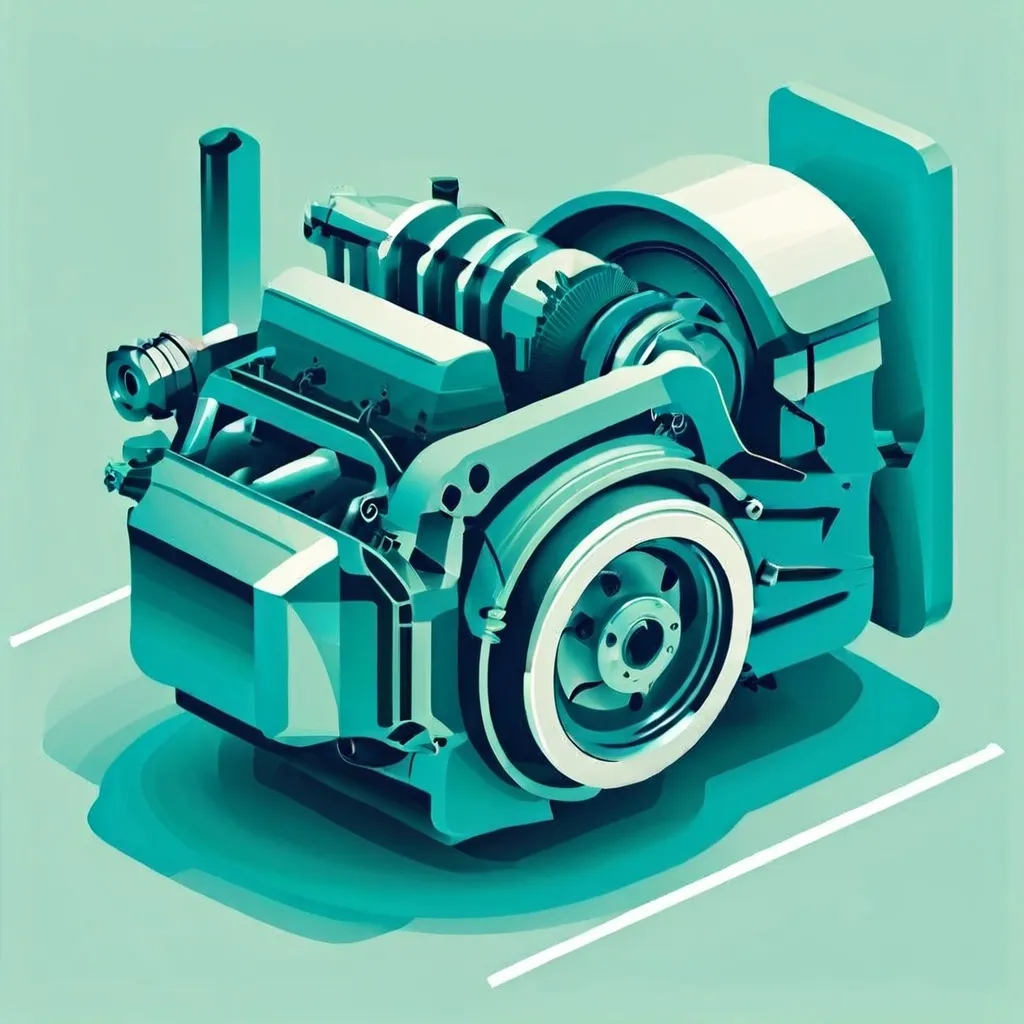
Driving in high gears at very low RPMs, often done in an attempt to save fuel, can lead to significant mechanical strain on your vehicle. This article details how components like the dual-mass flywheel and engine bearings can suffer premature wear, and how emission systems like the DPF and EGR can become clogged. For your Spanish driving theory test, grasping these concepts is vital for demonstrating a comprehensive understanding of vehicle care and efficient driving practices, as advocated by the DGT.
Updated on Jul 2, 2026
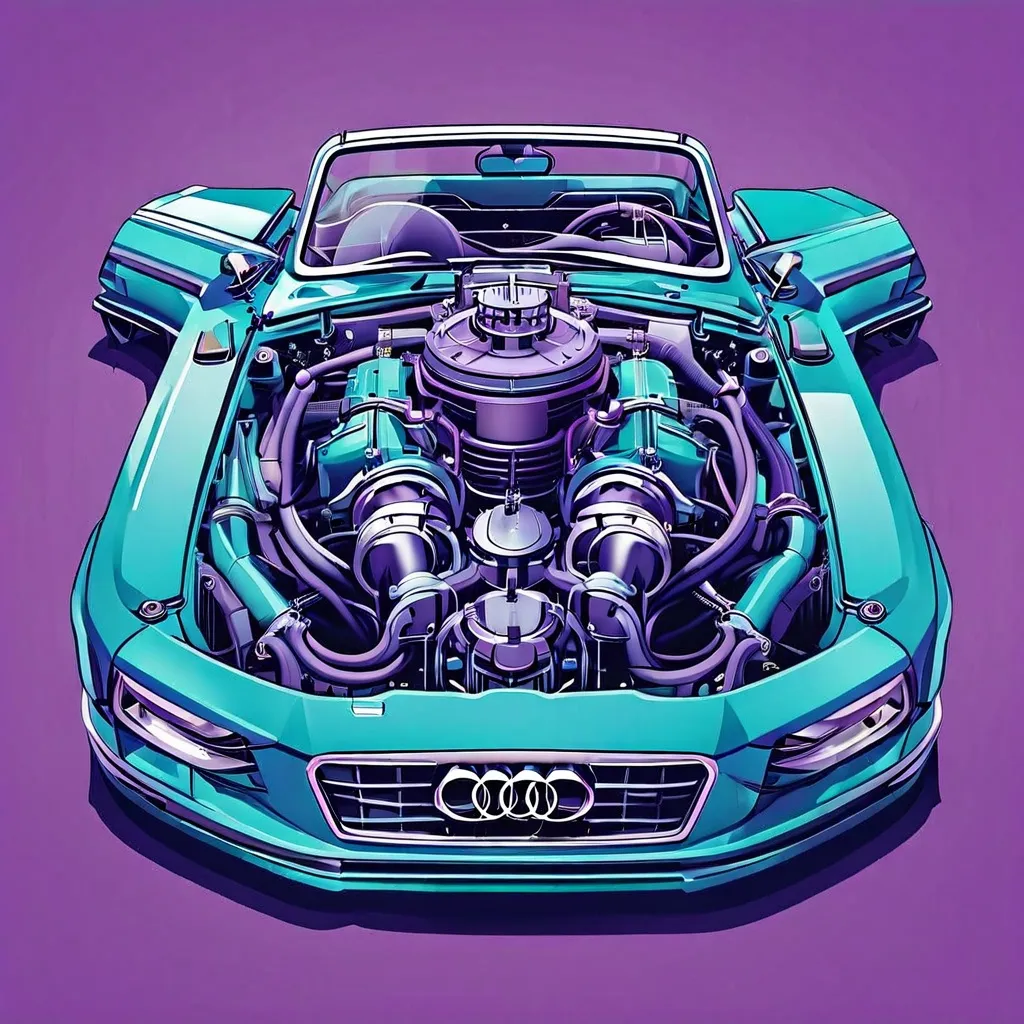
Delve into the sophisticated hybrid powertrain of the Audi Nuvolari, understanding how its V8 engine works in conjunction with electric motors. This article explains the engineering concepts behind torque vectoring and regenerative braking, offering insights into the evolution of vehicle technology relevant to automotive enthusiasts and students of engineering principles.
Updated on Jun 25, 2026

As the automotive industry shifts towards more sustainable options, understanding multi-energy vehicles is vital for passing the Spanish DGT theory test. This article introduces the upcoming Fiat Grizzly, highlighting its gasoline and electric variants, and explains why familiarity with these new technologies and vehicle types is key to your exam success.
Updated on Jun 10, 2026
Learn about the physics behind how newly fitted tires can lead to a marginal increase in fuel usage, explained through concepts like rubber hysteresis and tire geometry. This knowledge helps drivers in Spain understand their vehicle's efficiency and make informed decisions about maintenance, contributing to both economical driving and road safety.
Updated on Jun 2, 2026
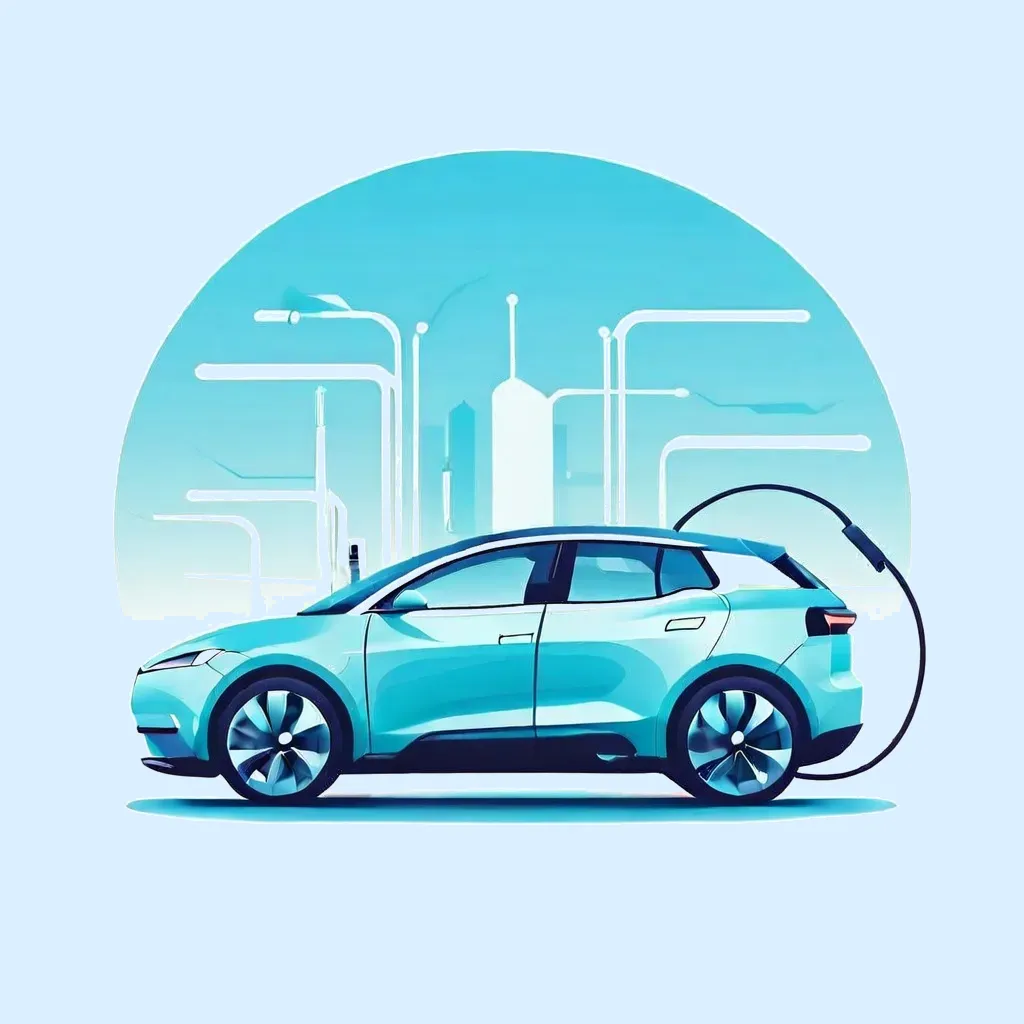
As electric vehicles become more prevalent on Spanish roads, understanding their key features is essential for new drivers. This article breaks down the Leapmotor B05's pricing, battery capabilities, and performance, providing practical knowledge that complements your Spanish driving theory preparation. It aims to clarify aspects of electric mobility pertinent to the DGT's syllabus.
Updated on May 28, 2026

Learn about the essential role of 'dirección asistida' (power steering) in Spanish vehicles and how to detect problems with wheel alignment ('alineación') and balancing ('equilibrado'). Recognizing these issues is vital for vehicle control, tire longevity, and passing your DGT theory test, ensuring you can identify and react to potential steering system faults.
Updated on May 26, 2026

Delve into the advanced features of the upcoming Lexus TZ electric SUV, focusing on aspects crucial for driving theory in Spain. We will cover its impressive WLTP range, efficient charging options, and the enhanced safety technologies designed to promote safer driving. Understanding these innovations is essential for learner drivers preparing for their theory exams and for staying informed about the future of electric mobility on Spanish roads.
Updated on May 14, 2026
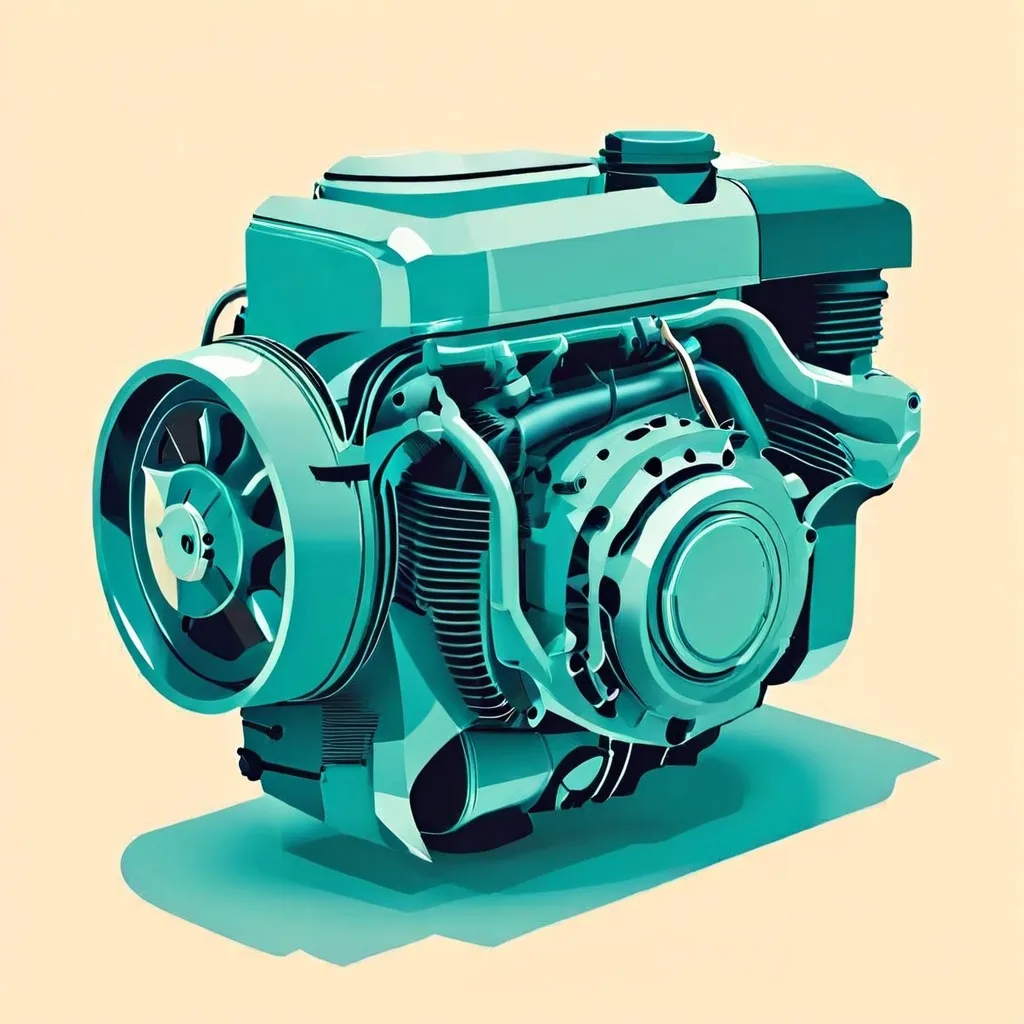
Learn the correct DGT-approved procedures for starting both petrol and diesel engines to enhance fuel efficiency and reduce environmental impact. We will clarify the nuances between the two fuel types, highlighting why immediate departure is best for petrol, while diesel requires a brief pause for lubrication, and explaining why the old practice of idling to warm up an engine is detrimental and out-of-date for your Spanish driving theory.
Updated on May 8, 2026

Ensuring your vehicle meets safety and environmental standards is a key part of responsible driving and passing your Spanish theory exam. This article breaks down the specific inspection frequency for cars in Spain, known as the ITV, detailing when your vehicle first needs a check and how often thereafter based on its age. This knowledge is vital for avoiding penalties and understanding your legal obligations on Spanish roads.
Updated on May 4, 2026
Learn how to maintain your car's battery to avoid common issues faced by drivers in Spain. This guide covers how to spot a weakening battery and provides critical advice on winter battery maintenance to prevent breakdowns. Mastering these practical aspects will enhance your driving safety and readiness for the DGT theory exam.
Updated on Apr 27, 2026

Learn how the Diesel Particulate Filter (DPF) and catalytic converter work to reduce emissions in Spanish vehicles. This guide explains why their proper function is vital for meeting ITV requirements and accessing restricted traffic areas like ZBE zones, directly impacting your driving legality and success in the DGT theory exam.
Updated on Apr 17, 2026
Learn why your tires are your vehicle's sole contact with the road and a fundamental component of active safety, as defined by Spanish driving regulations. This article emphasizes the critical 1.6mm minimum tread depth required by law in Spain and explores the dangers of insufficient tread, including aquaplaning and potential blowouts. Mastering this knowledge is essential for safe driving and succeeding in your Spanish driving theory test.
Updated on Apr 12, 2026
While refueling in Spain, it's vital to respect the automatic shut-off mechanism on the fuel nozzle. This article delves into the technical implications of forcing extra fuel into your tank, focusing on potential damage to the evaporative emission control (EVAP) system and the financial consequences. Understanding these principles is key for your Spanish driving theory exam and ensures safe, long-term vehicle operation.
Updated on Apr 12, 2026

Worn shock absorbers ('amortiguadores') significantly compromise vehicle stability and increase braking distances, posing a direct risk to road safety in Spain. This article explains the direct consequences of degraded suspension, including accelerated tire wear and potential failures during the mandatory ITV (roadworthiness test), crucial knowledge for your DGT theory exam preparation.
Updated on Apr 12, 2026

Delve into the mechanics of retarders and intarders, vital auxiliary braking systems for heavy goods vehicles and buses in Spain. This text-based explanation clarifies how these systems provide non-wear braking on steep descents, preventing the dangerous phenomenon of brake fade. Understanding their function is crucial for Category C and D drivers to pass the DGT theory exam and ensure safe operation on challenging Spanish roads.
Updated on Apr 11, 2026
Discover other categories connected to Vehicle Knowledge and Maintenance DGT. These sections help you explore additional topics, expand your understanding of driving theory in Spanish, and build a more complete picture of the rules and situations tested during the exam.
Find answers to common questions learners ask about Vehicle Knowledge and Maintenance DGT. This section helps clarify difficult concepts, highlight critical exam information, and support your preparation for the Spanish driving theory exam in Spain.
The DGT exam covers the fundamentals of vehicle mechanics, including the engine, lubrication and cooling systems, the battery, and the general operation of the vehicle to ensure safety and legality on the road.
The ITV is mandatory in Spain to ensure vehicles meet safety and emissions standards. Passing the ITV is essential to drive legally.
The mandatory vehicle documents in Spain are the Registration Certificate, the Vehicle Inspection Card with valid ITV sticker, and proof of compulsory insurance.
Pay attention to warning lights on the dashboard, unusual noises, or changes in the vehicle’s behavior. Regular checks of fluid levels, tire pressure, and brakes are also essential.
Select an article category to begin your focused study on specific DGT driving theory topics. Master Spanish road signs, traffic rules, and safe driving practices with our organised content. Choose your next learning journey and confidently prepare for your licence exam.
Browse All Theory Article Categories