These general indication signs are your road map to understanding traffic organization and services. They provide vital information about road types, facilities, and essential services, often displayed on blue backgrounds to be easily recognisable. Understanding these signs is crucial for smooth navigation, safe driving practices, and successfully passing your driving theory exam.
An explanation of how General Indication Signs road signs apply in real traffic situations in Spain. Learn where these signs are typically placed, what drivers are expected to do when they appear, and how correct reactions help you stay safe, avoid fines, and succeed in your Spanish driving theory exam.
General indication signs are frequently encountered on all types of roads, from major highways to urban streets. You'll see signs like 'Motorway' (S-1) and 'End of Motorway' (S-2) to delineate these high-speed routes. Information about one-way roads (S-11 series), pedestrian crossings (S-13), and cyclist paths (S-33) helps manage traffic flow in built-up areas. Signs for parking (S-17), bus stops (S-19), and taxis (S-18) inform drivers about available services and designated areas. Recommended speed signs (S-7, S-9) guide drivers on appropriate speeds in specific conditions, such as entering tunnels (S-5) or navigating challenging road sections. Understanding these signs helps you anticipate road layouts, plan your movements, and be aware of other road users' needs, contributing to overall road safety and a more predictable driving experience.
An overview of the key learning outcomes when studying the General Indication Signs road sign category. Understand the main concepts, sign meanings, and traffic situations covered here so you can recognise patterns, answer theory questions more confidently, and build a solid foundation for safe driving in Spain.
General indication signs, often blue in Spain, provide essential information about road types, facilities, and traffic flow. Studying these traffic signs together helps you quickly recognize critical details for navigating motorways, urban areas, and service zones. This understanding is vital for your Spanish driving theory test revision and recognizing sign meanings.
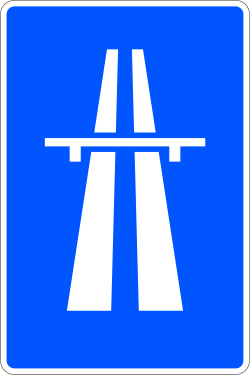
The S-1 'Motorway' sign tells you you're entering a high-speed road designed for rapid transit.
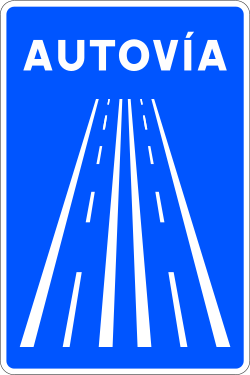
The S-1a sign indicates the start of a dual carriageway.
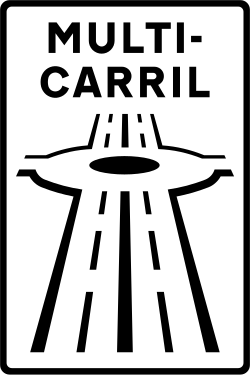
Understand the S-1b Multi-lane Road Sign for Smooth Navigation
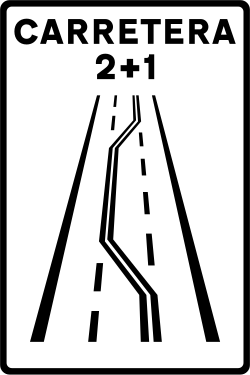
The S-1c sign indicates a 2+1 Road, guiding you through specific lane configurations.
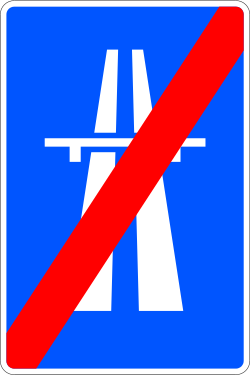
The S-2 Sign: Learn How to Safely End Your Motorway Journey
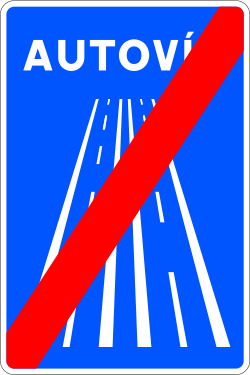
Prepare for the S-2a sign: End of Dual Carriageway
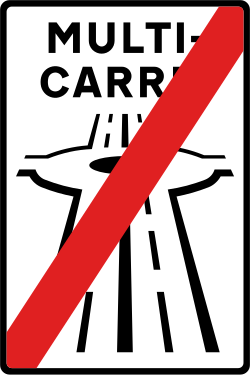
The S-2b sign signals the end of a multi-lane road section.
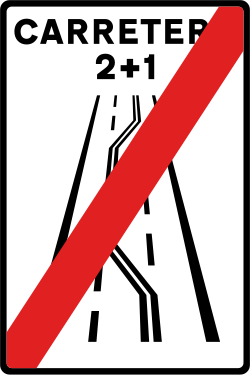
The S-2c Sign: Understanding the End of a 2+1 Road Layout
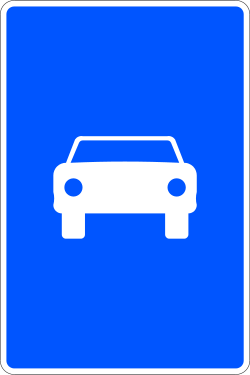
What Does the S-3 Limited-Access Highway Sign Mean?
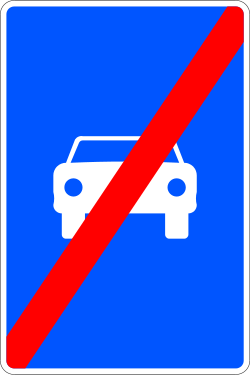
The S-4 Sign: You're Leaving the Limited-Access Highway
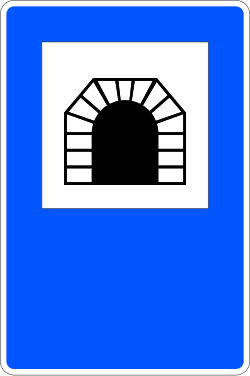
Approaching a Tunnel: Understand the S-5 Tunnel Sign
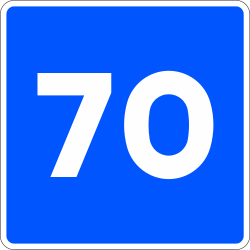
The S-7 sign advises a recommended maximum speed for your safety.
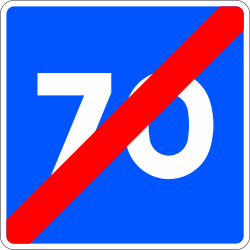
End of Recommended Maximum Speed: What You Need to Know
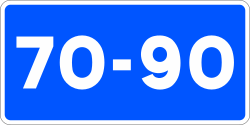
Know the Recommended Speed Range with the S-9 Traffic Sign
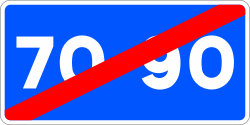
End of Recommended Speed Range: Know When to Adjust Your Speed

The S-11 Sign Means It's a One-Way Road, Guiding Your Direction Safely
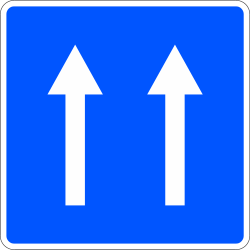
Understand the One-Way Road (Two Lanes) Sign (S-11a) in Spain
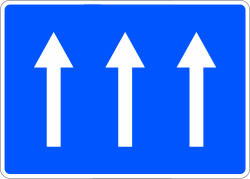
This is a one-way road ahead, featuring three lanes.

This 'Section of One-Way Road' sign shows how the road ahead is organised.
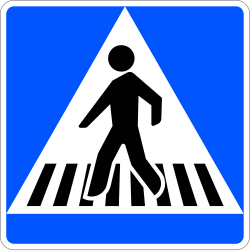
Understand the S-13 Pedestrian Crossing Sign in Spain
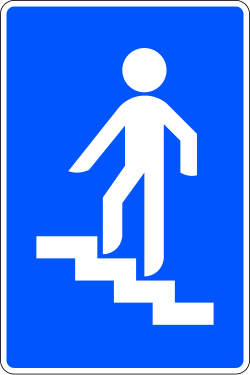
Understand the Pedestrian Overpass Sign (S-14a) and its implications for drivers.
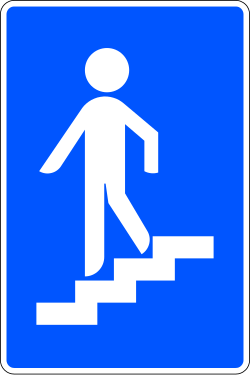
Understand the Pedestrian Underpass (S-14b) Sign in Spain
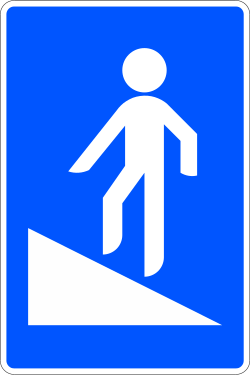
S-14c Pedestrian Ramp Sign: Navigating Accessible Crossings Safely
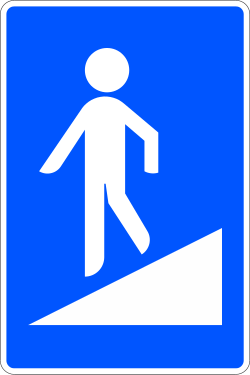
The S-14d sign indicates a pedestrian ramp ahead.
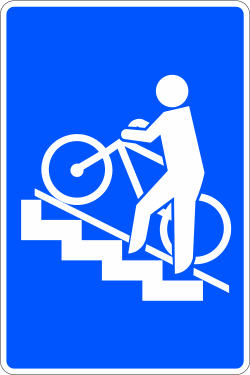
This is the Cyclist Overpass sign (S-14e) – Know where cyclists are crossing above!
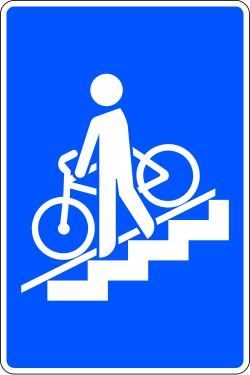
Understand the S-14f Cyclist Underpass Sign and cyclist safety.
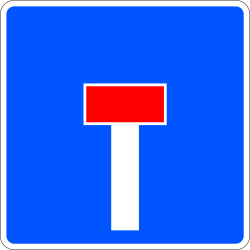
The S-15a 'Dead End' Sign: Navigate Spanish Roads Safely
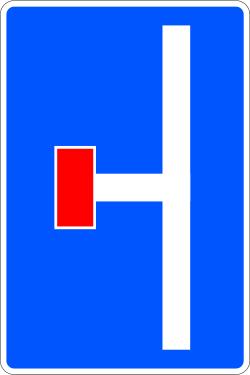
What does the 'Dead End' (S-15b) road sign mean?
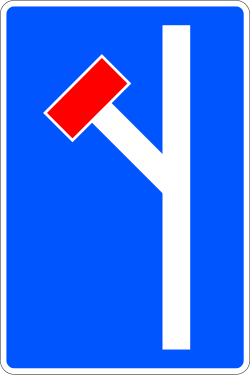
Understand the 'Dead End' (S-15c) road sign in Spain
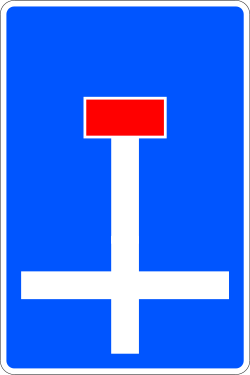
Understand the S-15d 'Dead End' Road Sign in Spain
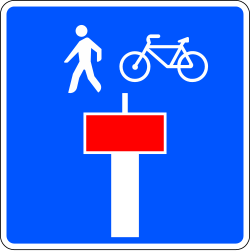
This is a dead end, but pedestrians and cyclists can still pass.
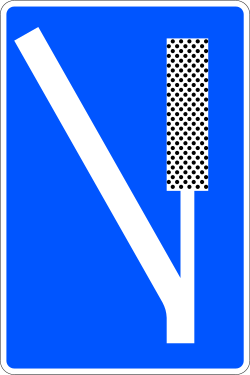
What the Emergency Braking Zone sign (S-16) means and how to react
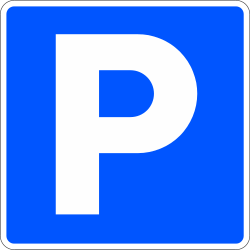
The S-17 'Parking' sign provides crucial information about parking availability and regulations.
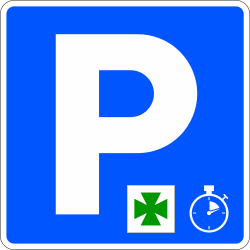
Understand the S-17a Sign: Parking Reserved for Essential Purposes
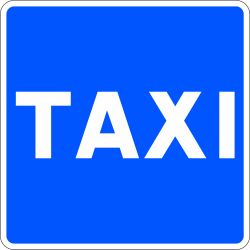
The S-18 sign designates a reserved area specifically for taxis.
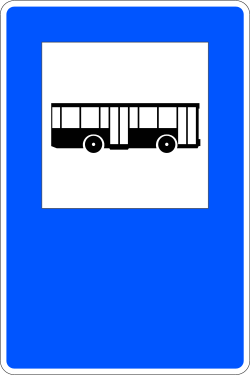
Recognise and understand the S-19 Bus Stop road sign in Spain.
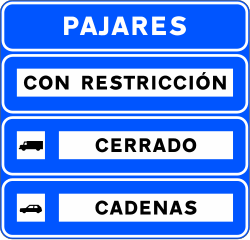
Understand the S-21 Sign for Mountain Road Transitability in Spain
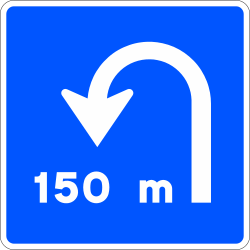
Know the distance to where you can legally make a U-turn with the S-22 sign.
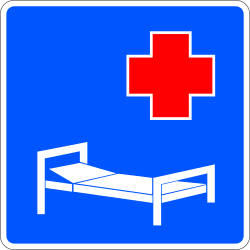
What the 'Hospital' Sign (S-23) Means in Spain

You can now switch off your short-range headlamps.
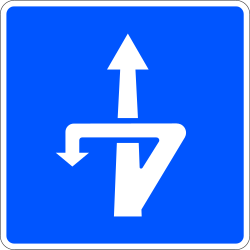
Navigate Changes in Direction at Different Levels with the S-25 Sign
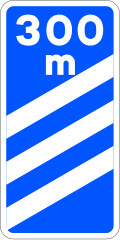
Prepare for the S-26a Countdown Beacon (300 m) road sign in Spain.
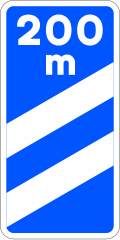
Prepare for the S-26b Countdown Beacon (200m) road sign in Spain.
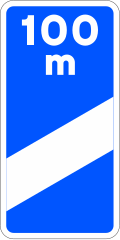
S-26c Countdown Beacon (100m) Sign: Prepare for what's ahead!
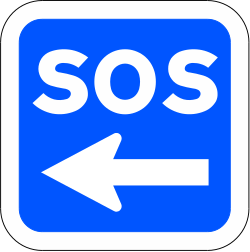
S-27: Roadside Assistance Sign Indicates Available Services
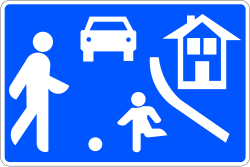
The S-28 Residential Area Sign: What You Need to Know
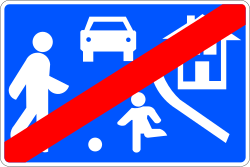
S-29 End of Residential Area: Signalling the End of Special Speed Zones
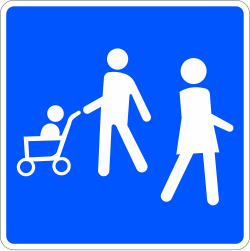
What the S-30a Pedestrian Zone sign means for your driving in Spain.
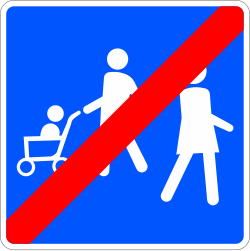
You're Leaving the Pedestrian Zone: Understand the S-31a Sign
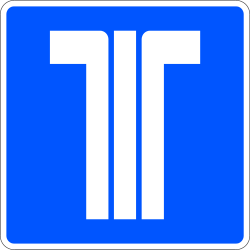
What the S-32 Electronic Toll sign means for your journey in Spain.
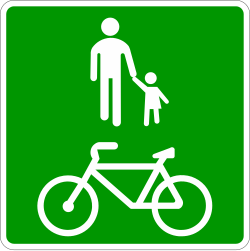
S-33 Cycle Path: Know Where Cycles Have Priority
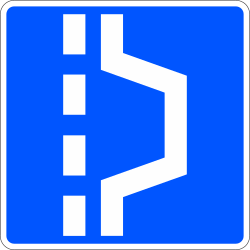
S-34: Understand the Siding in Roads Sign for Spanish Driving
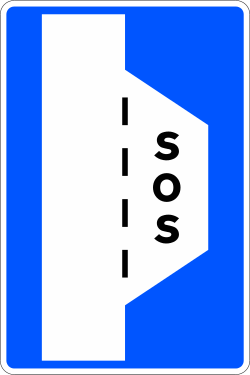
What does the S-34a 'Siding in Tunnels (SOS)' sign mean in Spain?
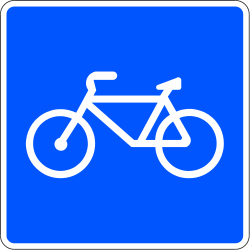
S-35: Designated Path for Bicycles Ahead
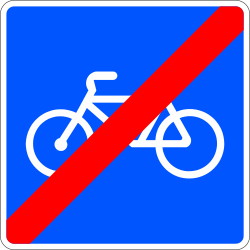
This Spanish traffic sign marks the end of a path exclusively for bicycles.
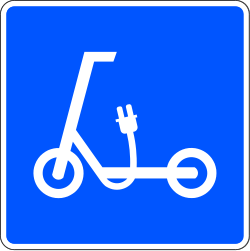
S-37: Path Reserved for Personal Mobility Devices Sign
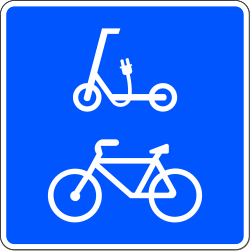
Understand the 'Path Reserved for Bicycles and Personal Mobility Devices' Sign (S-38)
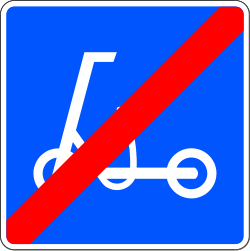
The S-39 Sign: Path Reserved for Personal Mobility Devices Has Ended
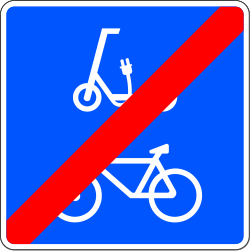
S-40: The End of the Dedicated Path for Cycles and PMVs
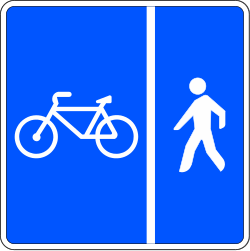
The S-41 sign indicates a shared path for pedestrians and cyclists.
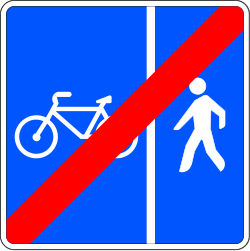
This Sign Means the Pedestrian and Bicycle Path is Ending
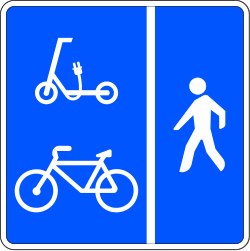
Understand the S-43 Sign for Pedestrian, Bicycle, and Personal Mobility Device Paths in Spain
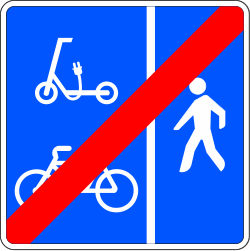
This is the 'End of path for pedestrians, bicycles and personal mobility devices' sign (S-44).
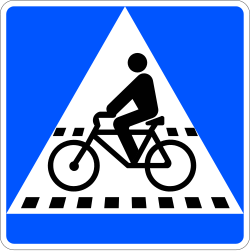
Prepare for cyclists with the S-45 Cyclist Crossing traffic sign.
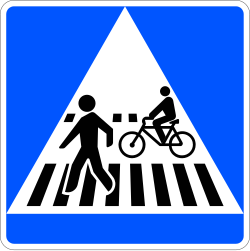
Understand the S-46 sign for crossings shared by bicycles and pedestrians.
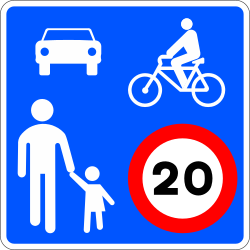
The S-47 Sign Indicates a Shared Area for All Users
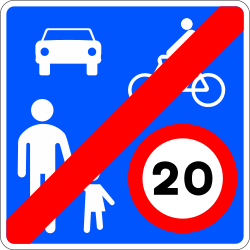
The S-48 'End of Shared Area' sign marks the conclusion of a specially designated zone.
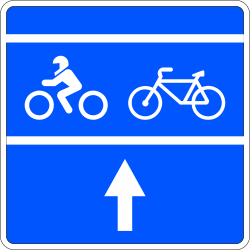
Know the Advanced Stop for Bicycles and Motorcycles Sign (S-49) in Spain
Clear answers to common questions about the General Indication Signs road sign category. Use this FAQ to review tricky rules, understand how these signs appear in exam scenarios, and remove confusion that often leads to mistakes in the Spanish driving theory exam in Spain.
General indication signs are primarily designed to provide drivers with essential information about the road network and services. They help you understand road types (like motorways or one-way streets), locate facilities (such as parking or hospitals), and be aware of specific traffic management arrangements (like pedestrian zones or cycle paths), ultimately aiming to make your journey smoother and safer.
While many general indication signs, particularly those providing directional information and identifying road types like motorways, are typically blue in many regions, their colour can vary. The key is to understand the *information* the sign conveys, rather than relying solely on its colour, as other types of signs might also use blue backgrounds for different purposes.
The 'Motorway' sign (S-1) typically indicates a road designed for high-speed traffic with strict access control, usually featuring separate carriageways for each direction. A 'Dual carriageway' sign (S-1a) signifies a road with at least two lanes in each direction, separated by a central reservation, but it might not have the same level of access control or speed limits as a true motorway.
A 'Recommended speed' sign (S-7 or S-9) suggests a speed that is considered safe and appropriate for the conditions ahead, such as a curve, a tunnel, or a specific road section. It is not a mandatory speed limit, but it is highly advisable to adhere to it for your safety and the safety of others. The 'End of recommended speed' sign (S-8 or S-10) indicates that the recommendation no longer applies.
When you see a 'Residential area' sign (S-28), it means you are entering an area where pedestrians have priority, and vehicle speed should be reduced significantly, typically to walking pace. A 'Pedestrian zone' sign (S-30a) indicates an area exclusively or primarily for pedestrians, where vehicle access may be restricted or prohibited, except for specific circumstances often indicated by additional signs. You must always be vigilant for pedestrians and cyclists in these zones and follow any explicit access rules.
Dive deeper into specific road sign groups to test your knowledge and reinforce your understanding of Spanish traffic regulations. Start exploring each category to build a strong foundation for your DGT driving theory exam and ensure you drive safely on Spanish roads.
Browse Road Sign Categories