
Lane signs are your visual guides to how traffic lanes are arranged, reserved, opened, or closed. They are essential for ensuring smooth traffic flow, especially before junctions, diversions, or areas with specific lane rules. Understanding these signs is key to anticipating changes in the road ahead, driving safely, and successfully passing your theory test.
An explanation of how Lane Signs road signs apply in real traffic situations in Spain. Learn where these signs are typically placed, what drivers are expected to do when they appear, and how correct reactions help you stay safe, avoid fines, and succeed in your Spanish driving theory exam.
Lane signs are typically encountered on multi-lane roads, highways, and urban arterial routes where traffic management is crucial. You'll see them most frequently before road splits, merges, or where lanes are temporarily or permanently designated for specific purposes. For instance, a 'Bus Lane' sign (S-51) indicates that a particular lane is exclusively for buses, and other vehicles must not use it during specified times. Signs like S-50a through S-50e warn drivers that lanes are reserved based on a posted speed limit, meaning you might need to move to a slower lane if you're not travelling at that speed. As you approach junctions or areas where the number of lanes changes, signs such as S-53 series will show you how lanes will merge or split, requiring you to anticipate which lane you need to be in for your intended direction. Cycle lane signs (S-64 and S-65 series) clearly demarcate paths for cyclists, ensuring their safety and informing other road users. Understanding these signs helps you choose the correct lane well in advance, avoid sudden manoeuvres, and contribute to a safer, more orderly traffic flow.
An overview of the key learning outcomes when studying the Lane Signs road sign category. Understand the main concepts, sign meanings, and traffic situations covered here so you can recognise patterns, answer theory questions more confidently, and build a solid foundation for safe driving in Spain.
These Spanish road signs are vital for understanding how to position your vehicle correctly and manage changes in traffic flow. Studying this collection helps you anticipate lane merges, splits, and reserved sections, crucial knowledge for the DGT theory test and safe driving in Spain. Recognizing these traffic signs improves your decision-making and ensures compliance with Spanish traffic rules.
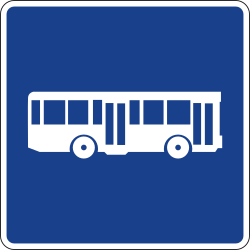
The S-51 Bus Lane sign tells you where buses have priority or exclusive access.
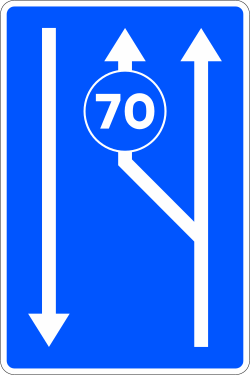
Understand Spain's S-50a sign for lanes reserved by speed.
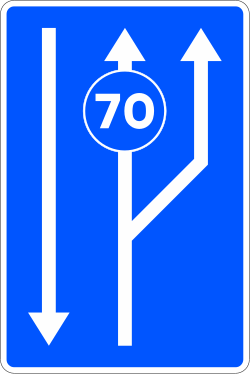
Understand 'Lanes Reserved According to Signed Speed' Road Signs (S-50b)
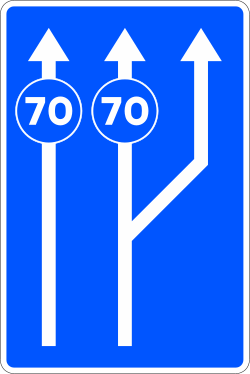
Understand the S-50c sign: Lanes Reserved According to the Signed Speed
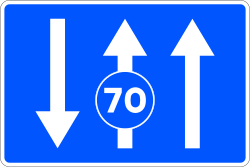
Know Your Lanes: Understanding the S-50d 'Lanes Reserved According to Signed Speed' Sign
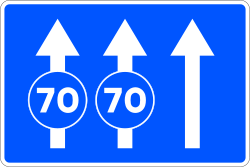
Know Your Lanes: Understanding the 'Lanes Reserved According to Signed Speed' Sign (S-50e)
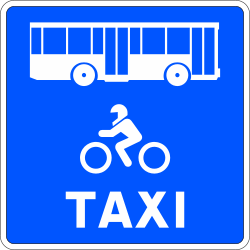
What Does the S-51a 'Lane Reserved for Specific Vehicle Types' Sign Mean?
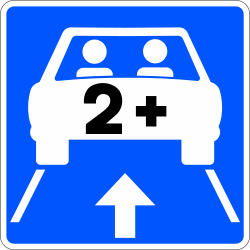
Understand the High-Occupancy Vehicle Lane (HOV) sign (S-51b)
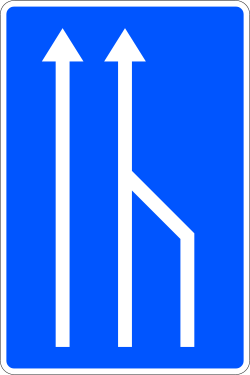
The S-52 sign indicates the end of a designated traffic lane.
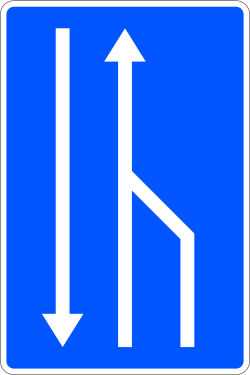
End of Designated Traffic Lane Sign (S-52a): What You Need to Know
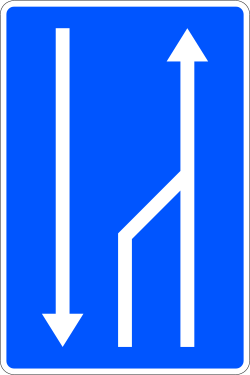
Understand the 'End of Designated Traffic Lane' Sign (S-52b)
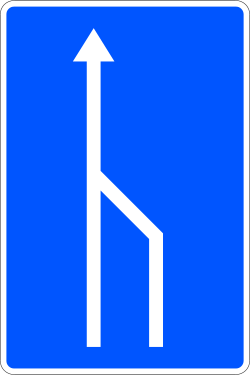
Know When Your Designated Lane Ends with the S-52c Sign
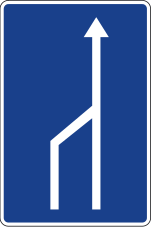
End of Designated Traffic Lane: Prepare for Lane Changes Safely
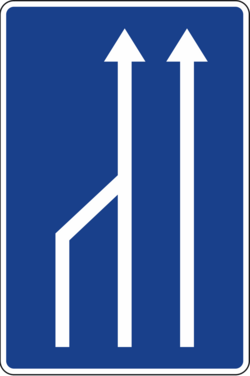
The S-52e Sign: Understanding the End of a Designated Traffic Lane
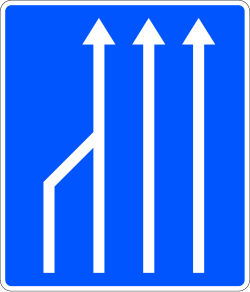
Prepare for the S-52f sign: Understanding the End of a Designated Traffic Lane
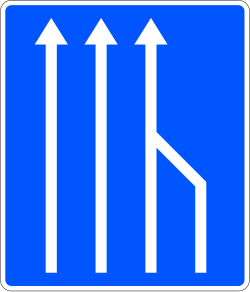
Understand the S-52g Sign: End of Designated Traffic Lane
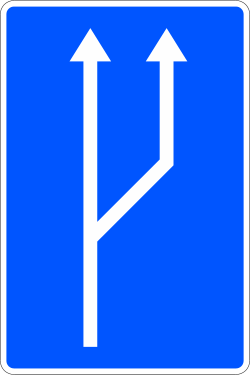
Prepare for the S-53 sign: Transition from One to Two Traffic Lanes ahead.
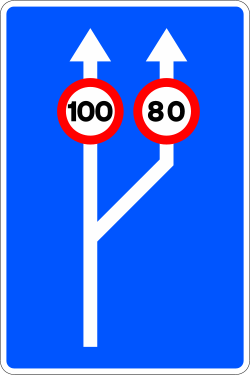
Navigating the Transition to Two Lanes with Specific Speed Limits
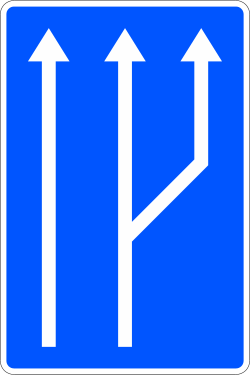
Prepare for the S-53b sign: Transition from Two to Three Traffic Lanes ahead.
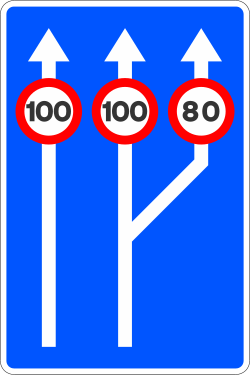
Learn about the S-53c road sign for transitioning to three lanes with specific speed limits per lane.
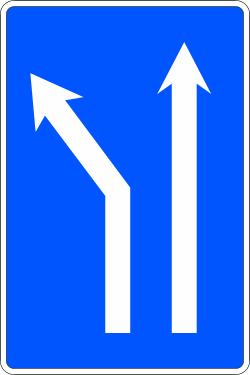
Navigate safely with the S-60a Left Fork on a Two-lane Road sign.
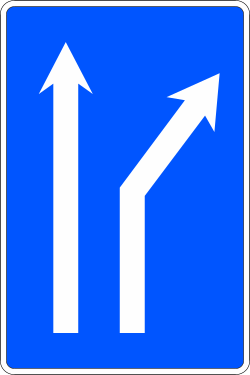
Understand the S-60b Right Fork on a Two-lane Roadway Sign
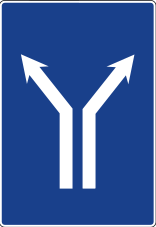
This 'Fork on a Two-lane Roadway' sign guides you through road splits.
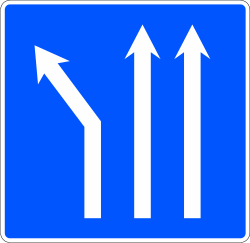
Know How to Navigate a Left Fork on a Three-Lane Roadway with Sign S-61a
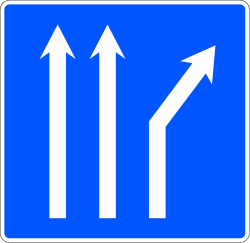
Master the Right Fork on a Three-lane Roadway Sign (S-61b)
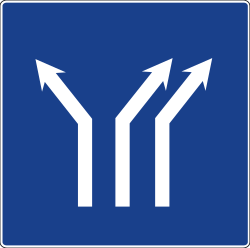
Understand the Right Fork Road Sign for Multi-Lane Roads (S-61c)
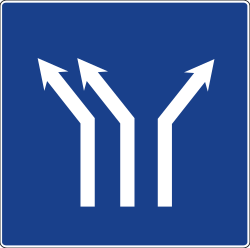
Understand the Left Fork Road Sign (S-61d) for Two Lanes in Your Direction
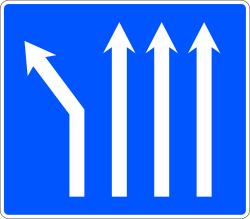
Decipher the Left Fork on a Four-lane Roadway Sign (S-62a) in Spain
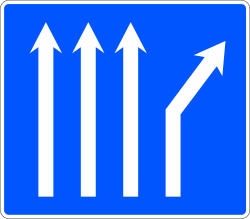
Prepare for a right fork on a four-lane roadway with sign S-62b
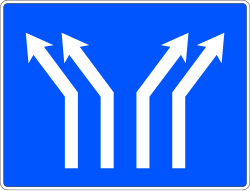
Prepare for a fork in the road on a four-lane highway with the S-63a sign.
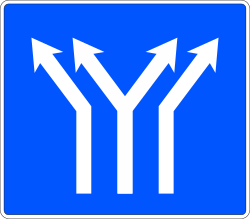
Prepare for a fork in the road with the S-63b Three-lane Fork Information Sign.
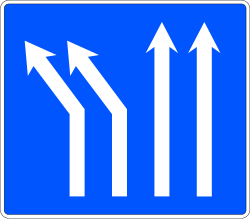
Navigate safely with the Two-lane Left Fork on a Four-lane Roadway sign (S-63c)
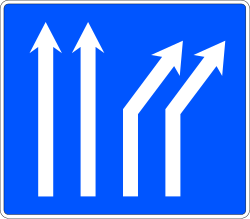
Navigate a Two-Lane Right Fork on a Four-Lane Roadway with the S-63d Sign
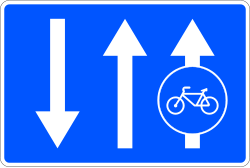
This S-64a sign means you must use the mandatory cycle lane next to a one-way road.
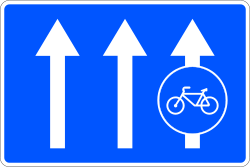
Mandatory Cycle Lane Alongside a Two-Way Road Sign (S-64b) Explained
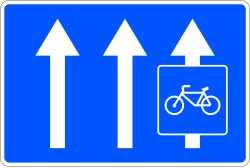
Learn the S-65a Sign: Cycle Lane Alongside a One-Way Roadway
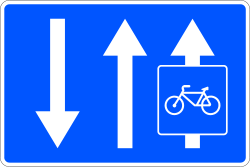
Understand the 'Cycle Lane Alongside a Two-way Road' Sign (S-65b)
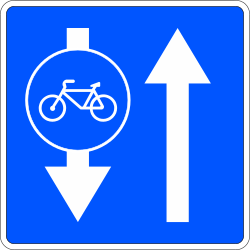
Understand the S-66 Contraflow Cycle Lane sign and cycle lane rules.
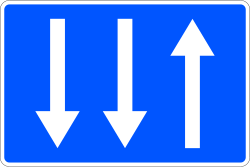
S-68: Prepare for a Road Section with One Lane in Your Direction and Two in the Opposite Direction
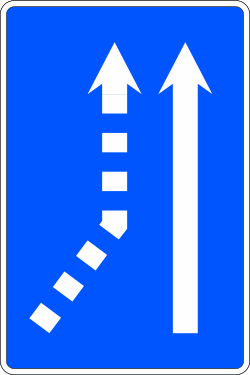
S-70a: Prepare for Lane Merging from the Left
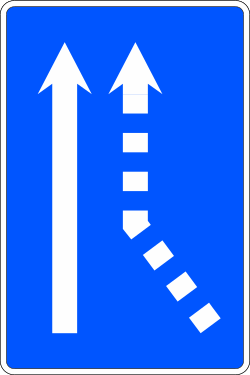
Traffic sign S-70b: Right lane merging ahead on a single-lane road.
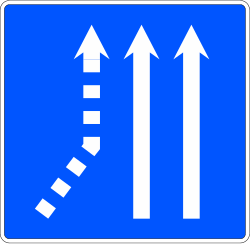
Lane Merging from the Left Ahead on a Two-Lane Road
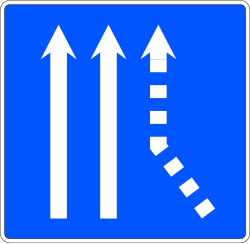
Prepare for lane confluence from the right on a two-lane road with the S-71b sign.
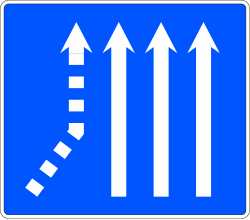
Understand the S-72a sign: Left lane merges into a three-lane road.
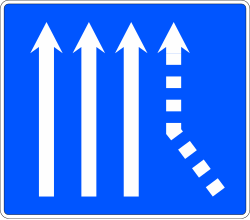
Understand the S-72b sign: Lane Merging from the Right on a 3-Lane Roadway
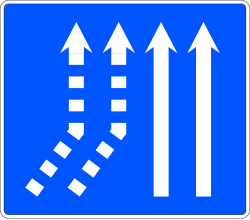
Understand the S-73a Sign: Merging Lanes from the Left on a Two-Lane Roadway
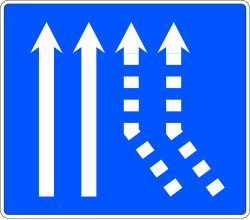
Merging Lanes Ahead: Understand the S-73b Sign for Right-Side Lane Convergence
Clear answers to common questions about the Lane Signs road sign category. Use this FAQ to review tricky rules, understand how these signs appear in exam scenarios, and remove confusion that often leads to mistakes in the Spanish driving theory exam in Spain.
A mandatory cycle lane sign (S-64 series) means that cyclists MUST use that lane, and other vehicles are prohibited from entering it. A regular cycle lane sign (S-65 series) indicates a dedicated lane for cyclists, but it may not be strictly mandatory for them to use it, and other vehicles might be permitted to enter under specific conditions or when not occupied by cyclists.
You'll see these signs (like S-60, S-61, S-62, S-63 series) when a road divides into multiple paths or when the number of lanes changes. They are crucial for indicating which lane leads to which destination or how many lanes will continue in your direction versus turning off. It's vital to check these signs early to position your vehicle correctly for your intended route, especially if they indicate a change in the number of lanes available for your direction of travel.
Signs like S-50a-e indicate that certain lanes are designated for vehicles travelling at or above a specific speed limit. Typically, on multi-lane roads, the rightmost lanes are for faster traffic and the leftmost lanes for slower traffic. If you are travelling below the indicated speed limit for a particular lane, you should move to a lane designated for slower traffic to avoid impeding faster vehicles and to ensure smooth traffic flow.
Not necessarily. While these signs (S-52 series) often signal that a lane is about to end and you will need to merge, they can also indicate the end of a special-purpose lane, like a bus lane or an HOV lane, after which it becomes a general traffic lane. The key is to recognise that the lane you are in is no longer available in its current form and to prepare for a change in road layout or lane usage.
Bus lane signs (S-51) clearly state that the lane is reserved for buses. Unless signs indicate otherwise (e.g., specific hours of operation or exceptions), other vehicles are prohibited. High-occupancy vehicle lanes (S-51b) are typically for vehicles with a minimum number of occupants (often two or more). Always check accompanying signs for specific rules, times, and vehicle types allowed in these designated lanes.
Dive deeper into specific road sign groups to test your knowledge and reinforce your understanding of Spanish traffic regulations. Start exploring each category to build a strong foundation for your DGT driving theory exam and ensure you drive safely on Spanish roads.
Browse Road Sign Categories