
While a helmet is always mandatory, Spain's commitment to motorcyclist safety extends significantly further. This article explores the critical protective gear required by the DGT, including gloves, airbag vests, and high-visibility clothing, as part of 'Seguridad Pasiva'. Understanding these regulations and their rationale, especially in light of evolving practical exam standards, is vital for every Spanish motorcyclist to ensure safety and legal compliance.
Article content overview
Riding a motorcycle or moped in Spain offers a sense of freedom and practicality, whether navigating bustling city streets or scenic rural roads. However, this freedom comes with significant responsibility, particularly regarding rider safety. While the helmet is the most visible and critical piece of protective equipment, Spanish law and safety best practices, guided by the Dirección General de Tráfico (DGT), mandate a comprehensive approach to rider protection. Understanding these requirements, known collectively as 'Seguridad Pasiva' or passive safety, is crucial not only for legal compliance and avoiding hefty fines but also for success in your driving theory and practical exams. This guide delves into the essential motorcycle safety equipment in Spain, extending far beyond the helmet, to ensure you are fully prepared for the Spanish roads.
The DGT continually updates regulations to enhance road safety, and motorcyclists have seen an increasing emphasis on protective gear. Historically, the focus has been on the mandatory helmet, but recent years have seen a push for more extensive rider protection. This evolution is driven by data demonstrating how appropriate clothing significantly reduces the severity of injuries in the event of an accident. By adhering to these standards, riders contribute to a safer road environment for themselves and others, aligning with the DGT's commitment to reducing road fatalities and injuries.
Spanish traffic law, primarily governed by Royal Decrees and DGT directives, outlines the requirements for vehicle and rider safety. For motorcycles and mopeds, this legislation specifies not only the technical aspects of the vehicles but also the mandatory protective equipment for their operators and passengers. These regulations are designed to protect riders from impact, abrasion, and environmental factors, thereby minimizing the risk of serious harm. As the DGT aims to foster a culture of proactive safety, understanding the 'why' behind these rules is as important as knowing the 'what.'
While the helmet is non-negotiable, Spanish regulations and safety recommendations extend to other vital pieces of equipment. These items are designed to protect the most vulnerable parts of a rider's body and are increasingly scrutinized in practical driving tests.
The helmet is unequivocally the most important piece of safety equipment for any motorcyclist or moped rider in Spain. The DGT mandates that all riders and passengers must wear an approved and properly fastened helmet whenever operating a motorcycle, moped, three-wheeled vehicle, quad, or a similar vehicle on any public road, whether urban or interurban. Helmets must be homologated according to European Union standards (ECE R22.05 or its successor, ECE R22.06). It's crucial that the helmet fits correctly, offering full head, jaw, and often chin protection, depending on the type. The visor should be clean and free of scratches to ensure clear visibility, and it should ideally be clear, not tinted, for all-weather use, although tinted visors can be used if conditions permit.
There are very specific exemptions, which apply only to vehicles equipped with a protective structure and safety belts, as certified on their technical inspection card (tarjeta de inspección técnica). However, for the vast majority of riders, the helmet is an absolute requirement.
In recent years, there has been a significant push, particularly for the A1, A2, and A license categories, to make protective gloves mandatory. While not universally enforced across all categories and road types historically, current DGT recommendations and the evolving practical exam requirements highlight their critical importance. Gloves are essential because, in the event of a fall, hands are typically the first point of contact with the road surface. Standard gloves can offer protection against abrasions and minor impacts, but homologated motorcycle gloves, often made of leather or abrasion-resistant synthetic materials with reinforced knuckles and palms, provide superior protection.
The practical exam for motorcycle licenses now strictly requires riders to wear homologated gloves. Failure to do so will result in disqualification from the test. This signifies a clear trend towards making gloves a fundamental component of a rider’s safety ensemble on Spanish roads.
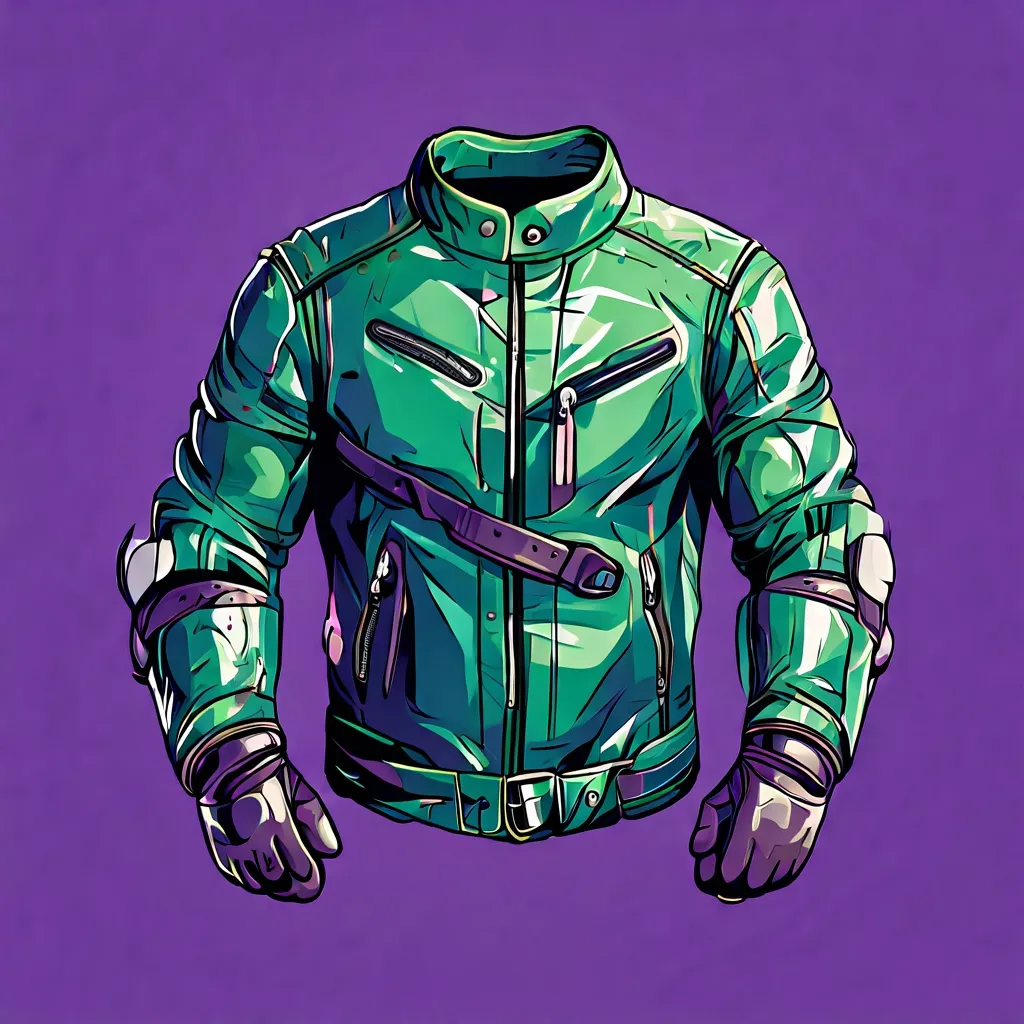
Beyond gloves, appropriate motorcycle jackets and trousers are vital for passive safety. These garments are designed to resist abrasion, providing a barrier between the rider's skin and the asphalt in case of a slide. They should also incorporate protective padding (protectors) at key impact points such as the shoulders, elbows, and back for jackets, and hips and knees for trousers. Jackets made from materials like leather or high-denial textile fabrics offer excellent protection. They should be well-fitting, allowing for a full range of motion while ensuring the protectors stay in place during a fall.
The DGT recommends, and practical exams now often demand, that riders wear specific motorcycle trousers, not everyday jeans. Standard denim offers minimal protection against abrasion and can wear through very quickly, sometimes in under a second at moderate speeds, exposing the skin to serious injury. Technical motorcycle trousers, conversely, can withstand several seconds of sliding. The distinction between regular clothing and protective motorcycle attire is a key area of focus for the DGT's safety initiatives and is reflected in the practical assessment of riders.
Footwear is another critical element of a rider's protective gear. Standard shoes or trainers are entirely inadequate for motorcycle riding. The DGT and motorcycle safety experts strongly advise wearing dedicated motorcycle boots that extend at least over the ankle. These boots are constructed from durable materials and often feature reinforced areas around the ankle, shin, and toes to protect against impacts and abrasions. They also provide a secure fit, preventing the foot from slipping out during an accident and offering better control over the motorcycle's footpegs and controls. Similar to gloves and jackets, wearing unsuitable footwear can lead to disqualification in practical driving tests.
Visibility is a cornerstone of road safety, and this is especially true for motorcyclists who are often less conspicuous than other vehicles. Wearing clothing in bright, fluorescent colours, particularly during daylight hours, significantly enhances a rider's visibility to other road users. Many motorcycle jackets and trousers incorporate reflective elements that are crucial for night-time or low-visibility conditions.
Furthermore, the use of high-visibility vests or, increasingly, airbag jackets is highly recommended and becoming a standard in motorcycle training. Airbag vests, when worn over or integrated into a jacket, are designed to detect a potential crash scenario and rapidly inflate, providing a protective cushion around the rider's torso, neck, and spine. While not always mandatory for all license categories or road types yet, the adoption of this technology by training centres and its recommendation by the DGT signal its growing importance in comprehensive rider safety, particularly for advanced licenses.
The concept of 'Seguridad Pasiva' (passive safety) is paramount in the Spanish driving theory and practical exams. It refers to all safety features and equipment that protect the rider during an accident, as opposed to active safety systems that help prevent an accident. The practical motorcycle exam, especially for the A, A1, and A2 licenses, rigorously assesses the rider's adherence to passive safety standards.
The practical exam in Spain is designed to ensure that candidates not only possess the technical skills to operate a motorcycle but also demonstrate a commitment to their own safety and that of others through appropriate attire. As of recent updates, the examiners will look for:
Any deviation from these requirements, such as wearing jeans, trainers, or non-motorcycle specific jackets, will lead to immediate disqualification from the practical test. This strictness underscores the DGT's commitment to ensuring that all licensed riders understand and practice essential safety measures.
Beyond the equipment, understanding specific road situations relevant to Spain is key to safe riding. This includes navigating roundabouts, priority rules, speed limits, and road markings. While this article focuses on equipment, remember that theory knowledge underpins safe practice.
Spanish roundabouts, particularly those with multiple lanes, can be challenging. Understanding priority rules is essential. Generally, vehicles already within the roundabout have priority over those entering. However, always be observant and anticipate potential driver errors. Defensive riding—assuming others might not see you or might make mistakes—is a crucial aspect of 'Seguridad Pasiva' that complements your physical protective gear.
Adhering to speed limits is fundamental. In Spain, speed limits vary significantly: typically 120 km/h on autopistas (motorways), 100 km/h on autovías (dual carriageways), and lower limits in urban areas (often 30 km/h or 50 km/h) and on rural roads. Maintaining a safe riding distance from the vehicle ahead is equally important, allowing ample space to react and brake safely, especially on a motorcycle where braking distances can be shorter but stability more precarious than in a car.
Familiarity with Spanish road signs and markings is a core part of the DGT theory exam. Many signs, like prohibitory signs (e.g., speed limits, no entry) and mandatory signs (e.g., direction to be followed), directly impact your riding decisions.
Riding a motorcycle in Spain is a rewarding experience, but it requires a diligent approach to safety. The DGT's emphasis on comprehensive protective equipment, extending far beyond the helmet, is a testament to the commitment to rider well-being. By investing in and consistently using approved helmets, gloves, protective jackets, trousers, and boots, you are not only complying with legal requirements and preparing for your practical exam but, most importantly, safeguarding yourself against potential injuries. Embracing 'Seguridad Pasiva' is an integral part of responsible motorcycling in Spain, ensuring that the freedom of two wheels can be enjoyed safely and legally.
Spanish motorcycle safety regulations under the DGT mandate comprehensive protective equipment beyond the helmet, including homologated gloves, protective jackets and trousers with integrated protectors, and motorcycle boots covering the ankle. The practical driving exam for A1, A2, and A licenses rigorously assesses compliance with these passive safety ('Seguridad Pasiva') requirements, and any deviation results in disqualification. Technical motorcycle clothing provides dramatically superior abrasion resistance compared to everyday clothing like jeans, which fails rapidly in slide scenarios. All protective gear must be officially homologated to meet EU standards, and the DGT's evolving regulations reflect data-driven approaches to reducing rider injuries.
A short set of high-value points that capture the most important ideas from this article.
All motorcycle riders in Spain must wear EU-homologated helmets (ECE R22.05 or R22.06) on any public road
Homologated gloves are now mandatory for practical exams in A1, A2, and A license categories
Protective motorcycle jackets and trousers incorporate impact protectors at shoulders, elbows, back, hips, and knees
Motorcycle boots must cover at least the ankle and are constructed from reinforced materials for impact and abrasion protection
The DGT's 'Seguridad Pasiva' concept covers all safety equipment that protects riders during an accident, not just the helmet
Seguridad Pasiva (passive safety) refers to protective equipment that minimizes injury during accidents, as opposed to active safety that prevents them
Homologado means equipment certified to official EU safety standards and approved by authorities
Failure to wear required protective gear results in immediate disqualification from the practical motorcycle exam
Standard denim offers minimal abrasion protection and can fail in under a second at moderate speeds
Airbag vests are increasingly recommended and mandatory in some training contexts, providing protection for torso, neck, and spine
Wearing standard jeans or casual trousers instead of technical motorcycle trousers with hip and knee protectors
Using regular trainers or casual shoes instead of dedicated motorcycle boots covering the ankle
Assuming tinted or dark visors are acceptable in all conditions when clear visors provide all-weather visibility
Wearing non-homologated gloves or no gloves at all, which leads to automatic exam disqualification
Relying solely on a helmet while neglecting other protective equipment that addresses abrasion and impact risks
Article content overview
A short set of high-value points that capture the most important ideas from this article.
All motorcycle riders in Spain must wear EU-homologated helmets (ECE R22.05 or R22.06) on any public road
Homologated gloves are now mandatory for practical exams in A1, A2, and A license categories
Protective motorcycle jackets and trousers incorporate impact protectors at shoulders, elbows, back, hips, and knees
Motorcycle boots must cover at least the ankle and are constructed from reinforced materials for impact and abrasion protection
The DGT's 'Seguridad Pasiva' concept covers all safety equipment that protects riders during an accident, not just the helmet
Seguridad Pasiva (passive safety) refers to protective equipment that minimizes injury during accidents, as opposed to active safety that prevents them
Homologado means equipment certified to official EU safety standards and approved by authorities
Failure to wear required protective gear results in immediate disqualification from the practical motorcycle exam
Standard denim offers minimal abrasion protection and can fail in under a second at moderate speeds
Airbag vests are increasingly recommended and mandatory in some training contexts, providing protection for torso, neck, and spine
Wearing standard jeans or casual trousers instead of technical motorcycle trousers with hip and knee protectors
Using regular trainers or casual shoes instead of dedicated motorcycle boots covering the ankle
Assuming tinted or dark visors are acceptable in all conditions when clear visors provide all-weather visibility
Wearing non-homologated gloves or no gloves at all, which leads to automatic exam disqualification
Relying solely on a helmet while neglecting other protective equipment that addresses abrasion and impact risks
Explore related topics, search based questions, and concepts that learners often look up when studying Motorcycle Safety Gear Spain. These themes reflect real search intent and help you understand how this topic connects to wider driving theory knowledge in Spain.
Find clear and practical answers to common questions learners often have about Motorcycle Safety Gear Spain. This section helps explain difficult points, remove confusion, and reinforce the key driving theory concepts that matter for learners in Spain.
No, while an approved helmet is always mandatory, Spain increasingly emphasizes 'Seguridad Pasiva' (passive safety). For certain licenses and road types, additional gear like gloves is now mandatory, and specific equipment is required for practical exams.
As of recent DGT regulations, approved motorcycle gloves ('guantes de protección homologados') are mandatory for riders on all interurban roads for A1, A2, and A licenses.
The practical exam in Spain requires full protective gear, including an approved helmet, homologated gloves, a jacket with shoulder and elbow protectors, specific motorcycle trousers, and ankle-covering motorcycle boots.
'Seguridad Pasiva' refers to protective measures that reduce injury severity in an accident. For motorcyclists, this includes all gear beyond the helmet, such as abrasion-resistant clothing, impact protectors, and airbag vests, which are crucial for minimizing harm in case of a fall.
While not universally mandatory for all riding, airbag vests are increasingly recommended and are now a mandatory part of the training for the A license and often required during practical training sessions in motorcycle schools for advanced licenses.
Now that you have found specific articles, continue to deepen your understanding by exploring related DGT regulations or other driving theory topics. Strengthen your knowledge of road signs, traffic scenarios, and essential Spanish driving procedures to prepare for your official driving license exam.