
As electric vehicles become more prevalent, understanding their technology and safety features is essential for Spanish drivers. This article breaks down the Volkswagen ID. Polo, covering its innovative systems and how they relate to DGT's driving theory curriculum. Prepare yourself for modern road challenges and your theory exam by grasping the fundamentals of EV driving.
Article content overview
The automotive landscape is rapidly transforming, with electric vehicles (EVs) moving from a niche market to the forefront of personal transportation. For aspiring drivers in Spain, understanding these advancements is not just about staying current; it's a crucial aspect of passing the Dirección General de Tráfico (DGT) theory exam and navigating the roads of tomorrow safely and confidently. The upcoming Volkswagen ID. Polo, set to launch in 2026, serves as an excellent case study for delving into the technologies and principles that are becoming increasingly vital for every driver. By familiarising yourself with its features and the broader context of EV adoption in Spain, you'll be well-prepared for your theory test and the evolving Spanish driving environment.
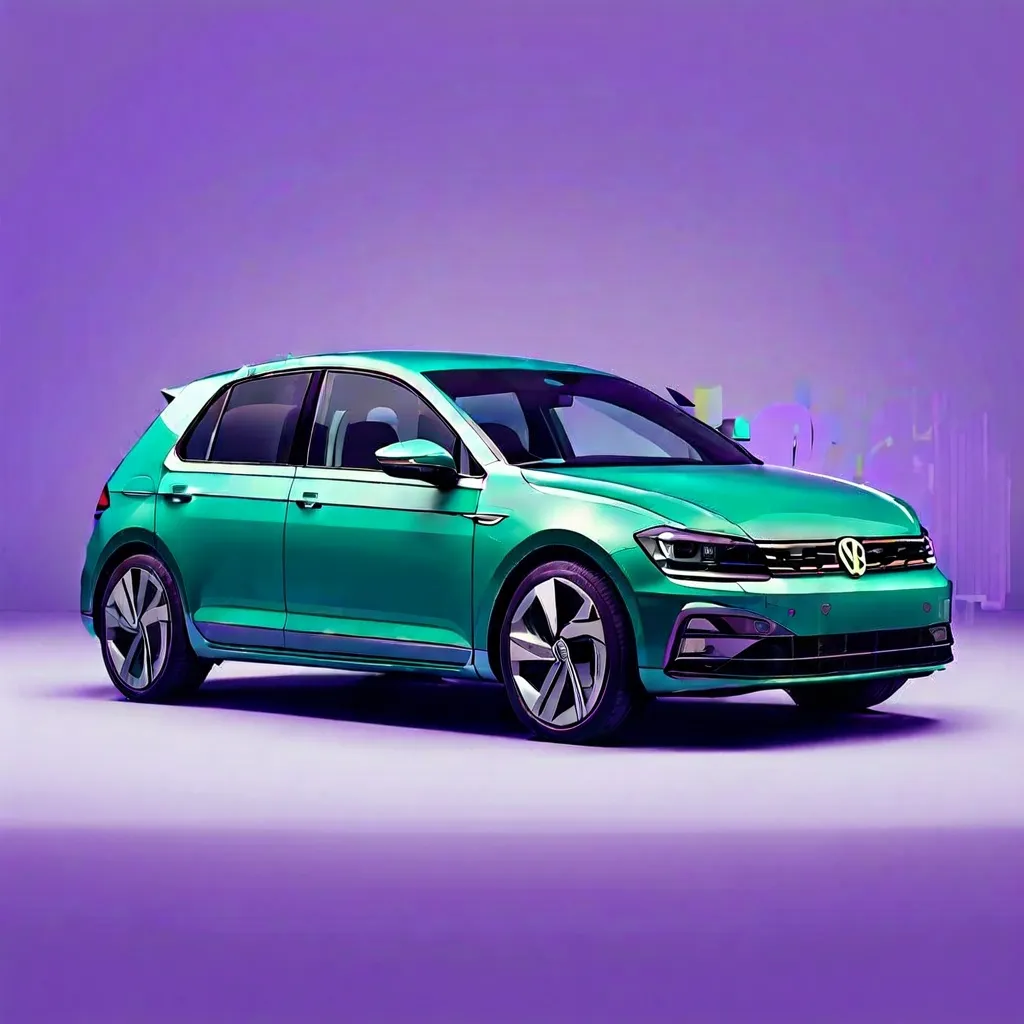
The Volkswagen ID. Polo, a compact electric vehicle with a length of 4.05 meters, represents a significant step in making electric mobility more accessible and practical for everyday drivers in Spain. Competing in a segment with established players like the Lancia Ypsilon, Nissan Micra, Opel Corsa Electric, and Renault 5 E-TECH, its arrival signals a heightened focus on this segment by major manufacturers. Understanding its specifications, such as its various power outputs ranging from 116 to 226 horsepower, and battery options – a 37 kWh unit offering 329 km of range and a larger 52 kWh pack providing 450 km – is essential for grasping the operational differences compared to traditional combustion engine vehicles. These figures are not just abstract numbers; they directly influence how a driver plans journeys, manages energy consumption, and understands the vehicle's capabilities, all of which are relevant to the DGT's focus on sensible and safe driving practices.
The ID. Polo will utilize advanced battery technologies, including LFP (Lithium Iron Phosphate) and NCM (Nickel Cobalt Manganese), employing a 'cell-to-pack' construction method. This method optimises space and cost efficiency, contributing to a more competitive pricing structure, with initial estimates starting around 30,705 euros. The interior showcases a modern digital cockpit, featuring dual screens: a 10-inch display for driver instrumentation and a larger 13-inch screen for infotainment. While embracing digital interfaces, the car thoughtfully retains physical controls for essential functions like climate adjustment, aiming for a balance of technology and user-friendliness. The practicalities of an EV are also highlighted by its generous 441-litre boot capacity, a substantial improvement over its petrol-powered namesake, demonstrating the design advantages of electric powertrains.
A cornerstone of modern vehicle safety, and a topic increasingly emphasized by the DGT, is the integration of Advanced Driver Assistance Systems (ADAS). The Volkswagen ID. Polo will feature sophisticated ADAS technologies, including 'Connected Travel Assist.' This system goes beyond conventional cruise control by leveraging online data and even recognizing traffic light signals to enhance safety and reduce driver fatigue. For learners preparing for their Spanish driving theory test, understanding the function and limitations of these systems is paramount. While ADAS can significantly improve safety, they are designed to assist, not replace, the driver's responsibility and vigilance.
The DGT curriculum explicitly incorporates knowledge of these emerging technologies, as many modern vehicles now come equipped with features like adaptive cruise control, lane-keeping assist, and automatic emergency braking. The 'Connected Travel Assist' in the ID. Polo exemplifies how interconnectedness is enhancing vehicle safety, allowing the car to adapt to real-time traffic conditions and infrastructure signals. This aligns perfectly with the DGT's objective of fostering a driving culture that is both technologically aware and safety-conscious. When preparing for your theory exam, expect questions that assess your understanding of how these systems operate, their benefits, and crucially, the driver's role in monitoring and overriding them when necessary.
As electric vehicles become more common on Spanish roads, the DGT theory exam will inevitably include questions relating to their unique characteristics. Understanding concepts such as range anxiety, charging infrastructure, and battery types is no longer optional but a core component of modern driving knowledge. The ID. Polo's battery technology, for instance, represents an evolution in energy storage for vehicles, and knowing the fundamental differences between LFP and NCM chemistries, even at a basic level, can help you answer questions about battery longevity, charging performance, and safety.
Furthermore, the MEB+ platform on which the ID. Polo is built is designed for front-wheel-drive configurations, a common setup for many EVs. This differs from some of Volkswagen's earlier ID. models that featured rear-wheel or all-wheel drive. This architectural difference can subtly influence vehicle dynamics, which is a concept that may appear in more advanced theory questions related to handling and stability. The app's focus on Spanish driving conditions, from urban traffic to motorways like autovías and autopistas, means that understanding how an EV performs in these varied environments is key. For example, regenerative braking, a feature inherent in EVs that helps recapture energy during deceleration, impacts driving technique and can be a point of inquiry in the exam.
Spain is actively promoting sustainable mobility, and the integration of electric vehicles is a significant part of this strategy. The DGT's curriculum is designed to prepare drivers for the realities of the road, and this includes adapting to new vehicle technologies and their implications for traffic flow and safety. The Volkswagen ID. Polo, with its advanced features and electric powertrain, is a harbinger of this future. The principles it embodies – efficiency, safety through technology, and reduced environmental impact – are precisely what the DGT aims to instill in all licensed drivers.
When preparing for your theory test, consider how these new technologies intersect with established traffic rules. For instance, understanding how an EV's instantaneous torque affects acceleration is relevant when considering priority rules at junctions or when merging into traffic. Similarly, the increased prevalence of charging infrastructure will influence parking regulations and urban planning, topics that may be touched upon in the exam. The app's comprehensive coverage of Spanish road signs, traffic rules, and priority situations will provide the foundational knowledge, while understanding these new automotive developments will enhance your preparedness for the modern driving context.
The introduction of vehicles like the Volkswagen ID. Polo underscores the dynamic nature of driving regulations and expectations. To excel in the DGT driving theory exam, it is essential to grasp not only the fundamental rules of the road but also the technological advancements that are shaping our driving experience. Focus on understanding the practical implications of EV technology, such as range management, charging procedures, and the role of ADAS. These elements are increasingly becoming part of the official curriculum to ensure drivers are well-equipped for the present and future of motoring in Spain.
This article introduces electric vehicle technology relevant to the DGT driving theory exam, covering battery types (LFP and NCM chemistries), Advanced Driver Assistance Systems (ADAS) like Connected Travel Assist, and the safety considerations specific to EVs. Understanding these technologies is increasingly important for passing the theory test and driving safely in Spain, as the DGT curriculum incorporates questions on EV characteristics, ADAS functionality, and the driver's continued responsibility when using these systems. The content clarifies that while modern EVs offer advanced safety features, drivers must remain vigilant and understand how these systems operate and their limitations.
A short set of high-value points that capture the most important ideas from this article.
Electric vehicles like the Volkswagen ID. Polo use LFP or NCM battery chemistries with different performance characteristics that affect range and charging
ADAS features such as Connected Travel Assist assist but never replace the driver's responsibility to remain vigilant
Understanding regenerative braking is important as it affects driving technique and energy recovery
The DGT theory exam increasingly includes questions about EV technology, ADAS functions, and driver roles
Quiet EV operation requires extra awareness of pedestrians and cyclists who may not hear the vehicle
LFP batteries (Lithium Iron Phosphate) are known for safety and longevity, while NCM (Nickel Cobalt Manganese) batteries offer higher energy density
ADAS systems require the driver to monitor and override them when necessary - they are assistance tools, not autonomous features
Regenerative braking recovers kinetic energy during deceleration in EVs
The DGT covers how new vehicle technologies intersect with established traffic rules and road safety principles
Range figures (e.g., 329 km or 450 km) directly influence journey planning and energy management decisions
Assuming ADAS systems fully automate driving - they assist but do not replace driver attention
Confusing different battery chemistries without understanding their distinct characteristics and applications
Overlooking the safety implications of quieter EV operation for vulnerable road users
Thinking EV knowledge is optional - the DGT exam includes questions on electric vehicle characteristics and technology
Neglecting to understand how vehicle platform differences (e.g., front-wheel-drive vs rear-wheel-drive) affect handling dynamics
Article content overview
A short set of high-value points that capture the most important ideas from this article.
Electric vehicles like the Volkswagen ID. Polo use LFP or NCM battery chemistries with different performance characteristics that affect range and charging
ADAS features such as Connected Travel Assist assist but never replace the driver's responsibility to remain vigilant
Understanding regenerative braking is important as it affects driving technique and energy recovery
The DGT theory exam increasingly includes questions about EV technology, ADAS functions, and driver roles
Quiet EV operation requires extra awareness of pedestrians and cyclists who may not hear the vehicle
LFP batteries (Lithium Iron Phosphate) are known for safety and longevity, while NCM (Nickel Cobalt Manganese) batteries offer higher energy density
ADAS systems require the driver to monitor and override them when necessary - they are assistance tools, not autonomous features
Regenerative braking recovers kinetic energy during deceleration in EVs
The DGT covers how new vehicle technologies intersect with established traffic rules and road safety principles
Range figures (e.g., 329 km or 450 km) directly influence journey planning and energy management decisions
Assuming ADAS systems fully automate driving - they assist but do not replace driver attention
Confusing different battery chemistries without understanding their distinct characteristics and applications
Overlooking the safety implications of quieter EV operation for vulnerable road users
Thinking EV knowledge is optional - the DGT exam includes questions on electric vehicle characteristics and technology
Neglecting to understand how vehicle platform differences (e.g., front-wheel-drive vs rear-wheel-drive) affect handling dynamics
Explore related topics, search based questions, and concepts that learners often look up when studying VW ID. Polo Electric for Spain. These themes reflect real search intent and help you understand how this topic connects to wider driving theory knowledge in Spain.
Find clear and practical answers to common questions learners often have about VW ID. Polo Electric for Spain. This section helps explain difficult points, remove confusion, and reinforce the key driving theory concepts that matter for learners in Spain.
The ID. Polo represents the next wave of electric vehicles (EVs) entering the Spanish market, offering new technologies and safety features that learners must understand for their DGT theory exams and future driving.
The DGT is increasingly incorporating knowledge of ADAS into the theory curriculum, as these systems are becoming standard in new vehicles like the ID. Polo, impacting safe driving behaviour and hazard perception.
For EVs like the ID. Polo, key technologies include battery types (LFP, NCM), range considerations, charging methods, and the integration of digital interfaces and driver assistance systems relevant to modern road conditions in Spain.
Yes, by understanding the principles behind modern EVs like the ID. Polo, including their safety features and operational differences from combustion engine cars, you will be better prepared for questions on new vehicle technology and road safety mandated by the DGT.
Now that you have found specific articles, continue to deepen your understanding by exploring related DGT regulations or other driving theory topics. Strengthen your knowledge of road signs, traffic scenarios, and essential Spanish driving procedures to prepare for your official driving license exam.