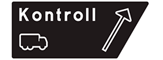
The P6 'Control (Enter Inspection Area)' road sign, sometimes called a police checkpoint or vehicle inspection control, instructs you to drive into a designated area for inspection. This sign indicates a roadside control, which could be for traffic supervision, vehicle safety, or compliance checks. If the sign shows general symbols, all vehicles must enter; if specific vehicle symbols are displayed, only those types of vehicles are required to stop, unless directed otherwise by officials on site. Always follow instructions from personnel at the control point.
This P6 control sign mandates entry into a roadside inspection area, crucial for understanding Swedish traffic control procedures. Mastering its meaning is essential for effective theory test revision and safe driving.
This sign or display indicates that a roadside control is in operation and that drivers must drive into the designated control place for inspection. The instruction applies to all vehicle drivers when general symbols and text are shown. When symbols indicate particular vehicle types, the obligation to enter applies only to those vehicles. Controls can relate to traffic supervision, vehicle inspections, transport compliance, or similar official checks, and you must follow any further directions on site.
When the symbols and text are shown, drivers must enter the control area for inspection. If specific vehicle symbols are shown, only those vehicles are required to enter.
Get clear, practical answers to the most common questions about the P6 - Control (Enter Inspection Area) road sign. Learn how the sign works, what rules it represents, and how it affects real driving situations. This FAQ strengthens your understanding and supports accurate decision making for the Swedish driving theory exam in Sweden.
The P6 sign means you must enter a designated area for inspection. This could be a police checkpoint, a vehicle inspection stop, or a compliance check. You need to follow the sign's instructions and any directions given by officials.
You must enter the control area if the sign shows general symbols indicating all vehicles should stop. If the sign displays specific vehicle types (e.g., trucks or motorcycles), only those vehicles are obligated to enter, unless an official directs you otherwise. Other vehicles can usually proceed.
A common mistake is assuming the control is optional or simply passing by when your vehicle type is targeted. Learners might also try to avoid inspection by turning off or stopping elsewhere, which is prohibited. Always be prepared to enter the control area when required.
Once you enter the control area, follow any lane guidance or specific instructions from the officials managing the inspection. You may be asked to prepare documents or answer questions. Drive slowly and carefully within the designated zone.
Yes, if the P6 sign displays symbols for specific vehicle types and yours is not among them, you can generally continue on your route unless an official directs you to stop. Always observe any on-site instructions carefully, as they override general sign interpretations.
A clear reference image of the P6 - Control (Enter Inspection Area) road sign used in Sweden.
The P6 - Control (Enter Inspection Area) road sign may also be known by these alternative names or terms.
The P6 - Control (Enter Inspection Area) road sign is part of the Signals by Police Officer (P) category, which groups together signs with similar rules and functions.
Mastering Swedish road signs means understanding their nuances. Comparing the 'Control (Enter Inspection Area)' sign with similar traffic signs aids in precise recognition and recall, crucial for your theory test revision. This focused approach helps prevent mistakes in traffic sign comparison scenarios.

Stop Your Vehicle Immediately If an Officer is Facing You or Your Rear

What to do when a police vehicle signals you to follow and stop.

P11: Pull Over and Stop for Police Vehicle Instructions

You must stop when the police officer's palm faces you.

Understand the P3 'Stop' Sign with a Police Lantern

Understand the Police 'Proceed' Signal (P4) and How to React Safely

P5: Slow Down When You See the Officer Facing You
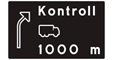
P7 Advance Information: Control Ahead warns you of an upcoming checkpoint.
Connect visual signage with essential Swedish traffic rules by exploring our curated set of practice questions and detailed road safety explanations. These resources reinforce your ability to interpret complex road situations according to Transportstyrelsen standards.
This guide explains the typical procedures and your responsibilities when encountering a Swedish police roadside check. It emphasizes the importance of remaining calm and cooperative, ensuring both your safety and adherence to traffic laws. This knowledge is essential for demonstrating responsible driving behaviour, a key aspect of the Swedish driving theory curriculum.
For professional driving licenses in Sweden (trucks, buses, taxis), the theory exam delves deeper than standard driving. This article clarifies the increased responsibilities, focusing on critical areas such as secure load handling for trucks, paramount passenger safety for buses, and stringent adherence to driving and rest time regulations for all professional drivers. Prepare effectively by understanding the 'why' behind these stricter rules, which are essential for both your exam success and public safety.
Master the Art of Speed Adaptation and Drive Safely in All Swedish Conditions.
Master essential pre-trip lighting and visibility checks to ensure safety on Swedish roads.
This sign indicates a place where stopping and parking are restricted to a stated purpose, such as taxis, buses, loading, or a specific user group. It is used to reserve curb space for operational needs and to prevent misuse that would block intended users. The restriction starts at the sign and applies to the designated bay or section. You may only stop or park if your reason matches the purpose shown; otherwise, you must not stop or park there. Always check any additional plates for times, vehicle types, or permit requirements.
This warning sign indicates a railway level crossing that does not have barriers. Because there are no gates to physically block traffic, you must rely on observation and any warning signals present. Reduce speed, look and listen carefully for trains from both directions, and be prepared to stop. Do not cross unless you are sure the track area is clear and you can complete the crossing without stopping. Visibility may be reduced by curves, vegetation, buildings, or weather, making cautious approach essential.
After reviewing this complete list of Swedish road signs, deepen your understanding by exploring signs by category or practicing with simulated test questions. Solidify your recognition skills and ensure you are fully prepared for every aspect of the official driving theory exam.
All Swedish Road Signs List