The P8 traffic sign is displayed by a police vehicle to signal drivers behind them to reduce speed. This often indicates that the police are approaching an incident, managing road workers, or dealing with a temporary hazard ahead. You must slow down smoothly and be prepared for potential dangers or further instructions. In poor visibility or at night, the signal might be accompanied by a white or yellow light or reflector for better visibility.
Mastering the P8 'Reduce Speed' road sign meaning is crucial for safe driving behind police vehicles in Sweden, ensuring you can interpret its intent and react appropriately. This explanation aids your theory test revision by clarifying when and why to slow down, and what signals to watch for.
This signal is displayed from a police vehicle to instruct following traffic to slow down. It is often used when the police vehicle is approaching an incident, protecting road workers, or managing a temporary hazard ahead. The command applies to drivers behind the police vehicle, and you should reduce speed smoothly to match the situation. In darkness or reduced visibility, the signal may be clarified with a white or yellow light or reflective equipment returning white or yellow light.
Drivers behind the police vehicle must reduce speed when this signal is shown. At night or in poor visibility, it may be reinforced with a white or yellow light or reflector.
Get clear, practical answers to the most common questions about the P8 - Reduce Speed (Traffic Behind Police Vehicle) road sign. Learn how the sign works, what rules it represents, and how it affects real driving situations. This FAQ strengthens your understanding and supports accurate decision making for the Swedish driving theory exam in Sweden.
The P8 sign is a direct instruction for you, as a driver following a police vehicle, to reduce your speed. It signifies that the police are managing a situation ahead, so you should slow down smoothly to match the traffic flow and be ready for anything.
You must not overtake the police vehicle to avoid slowing down, as this defeats the purpose of the signal and could be dangerous. Tailgating while reducing speed is also prohibited, as is maintaining your original speed, even if the road ahead seems clear. Harsh braking without checking mirrors is also a common mistake to avoid.
You should always reduce your speed smoothly and early when you see the P8 sign. Maintain a safe distance from the police vehicle and stay in your lane unless directed otherwise. Be extra vigilant for hazards, cones, or personnel ahead, and be prepared to stop if the situation requires it. At night or in poor visibility, be extra attentive to any lights or reflectors accompanying the sign.
A common trap is assuming you can maintain speed if you can't see a clear hazard immediately. Remember, the police vehicle is there to manage a situation you may not be aware of yet. Another trap is trying to overtake to avoid slowing down, which is dangerous and prohibited. Always prioritize safety and compliance with the police instruction.
A clear reference image of the P8 - Reduce Speed (Traffic Behind Police Vehicle) road sign used in Sweden.

The P8 - Reduce Speed (Traffic Behind Police Vehicle) road sign may also be known by these alternative names or terms.
The P8 - Reduce Speed (Traffic Behind Police Vehicle) road sign is part of the Signals by Police Officer (P) category, which groups together signs with similar rules and functions.
Understanding subtle differences between similar road signs is crucial for accurate recognition during your theory test revision. Comparing these signs helps prevent common errors and builds confidence in your understanding of Swedish traffic rules.

Stop Your Vehicle Immediately If an Officer is Facing You or Your Rear

What to do when a police vehicle signals you to follow and stop.

P11: Pull Over and Stop for Police Vehicle Instructions

You must stop when the police officer's palm faces you.

Understand the P3 'Stop' Sign with a Police Lantern

Understand the Police 'Proceed' Signal (P4) and How to React Safely

P5: Slow Down When You See the Officer Facing You
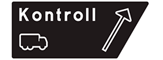
P6 Control Sign: You Must Enter the Inspection Area
Connect visual signage with essential Swedish traffic rules by exploring our curated set of practice questions and detailed road safety explanations. These resources reinforce your ability to interpret complex road situations according to Transportstyrelsen standards.
Being prepared for an accident is a critical component of safe driving and a core topic in the Swedish driving theory exam. You will learn the correct protocol for securing a scene, providing accurate information to SOS operators, and identifying specialized risks such as vehicles transporting hazardous substances. Mastery of these steps helps you fulfill your legal obligations and act with confidence during emergencies.
When you encounter a traffic accident in Sweden, your immediate actions can be critical. This guide explains how to prioritise your own safety while fulfilling your legal duty to assist and report the incident. Learn the correct procedures for securing the scene, offering aid, and contacting emergency services like Polisen or the national emergency number 112, all essential knowledge for passing your driving theory test.
Master Emotional Control for Safer Driving and a Confident Exam Pass.
Master the hazards of slush and melting snow for a safer drive and a successful exam.
This sign warns that you are approaching a bridge that can open for boat traffic. When the bridge is opening or about to open, traffic may be stopped using signals, barriers, or both. You should reduce speed, watch for traffic lights and gate arms, and be ready to stop at short notice. Never drive around barriers or ignore red signals, as the roadway may separate or become unsafe. Wet surfaces and metal bridge components can also reduce grip.
This sign prohibits overtaking other motor vehicles on the road section it applies to. The prohibition typically allows overtaking only of two-wheeled mopeds and two-wheeled motorcycles without a sidecar. It is used where overtaking would be dangerous, such as on narrow roads, bends, hills, or areas with poor visibility. The restriction starts at the sign and continues as regulated until an end sign or another instruction changes the rule. Drivers must remain behind slower vehicles and wait for a permitted overtaking zone.
After reviewing this complete list of Swedish road signs, deepen your understanding by exploring signs by category or practicing with simulated test questions. Solidify your recognition skills and ensure you are fully prepared for every aspect of the official driving theory exam.
All Swedish Road Signs List