
Logo
Learn with Swiss Theory Courses

Swiss Driving Theory M: Hand Signals, Indicator Usage, and Communication

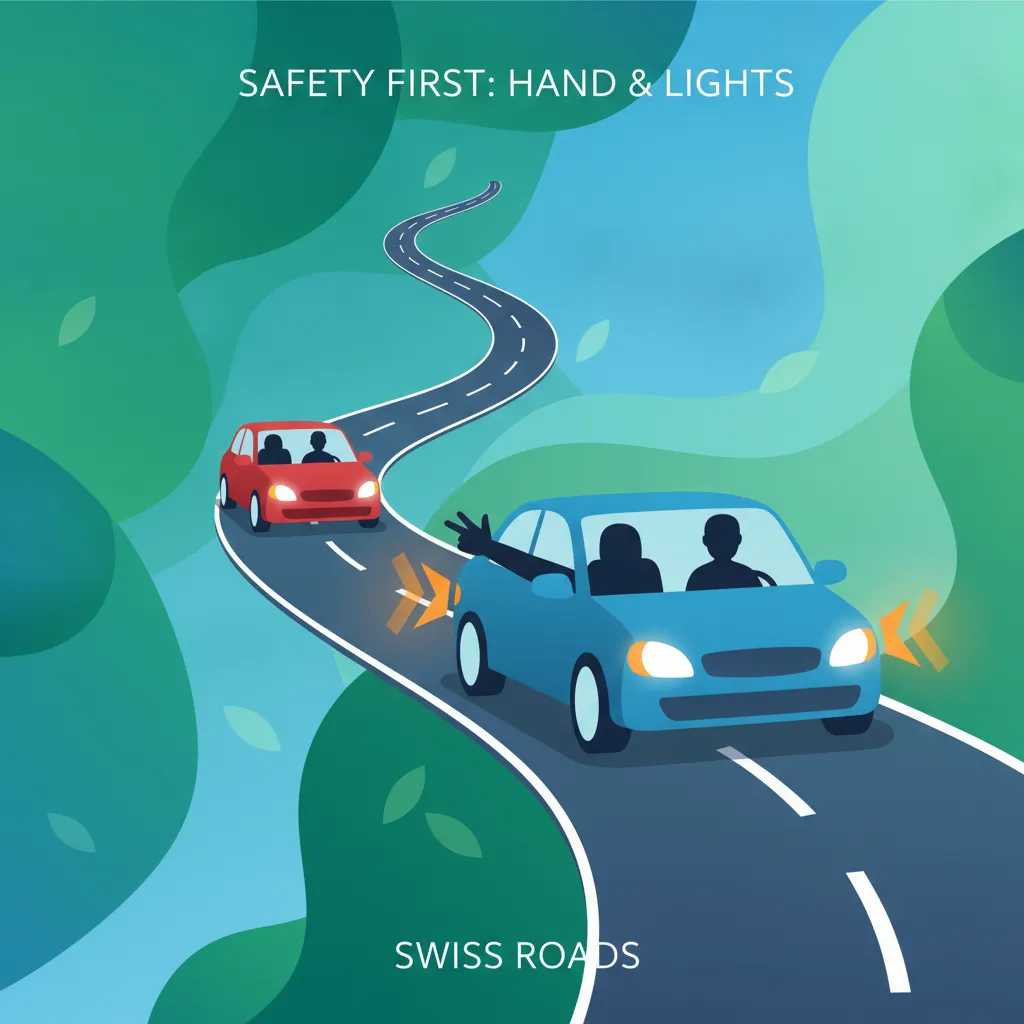
Hand Signals, Indicator Usage, and Communication lesson overview image

This lesson covers the methods riders use to communicate their intentions to other traffic. It details the correct use of electronic turn indicators and the standard hand signals for turning and stopping. The content emphasizes signaling in a timely manner to ensure other road users can anticipate your actions.

Category Mdriving theoryhand signalstraffic rulesexam preproad safety
Swiss Driving Theory M curriculum

Part of the full Swiss Driving Theory M curriculum

The Hand Signals, Indicator Usage, and Communication lesson belongs to the structured Swiss Driving Theory M curriculum, a complete learning program designed to help learners in Switzerland master every key topic required for the Swiss driving theory exam. By studying this lesson, you continue building the knowledge, traffic awareness, and exam readiness developed throughout the units of the curriculum.
moped theorycategory MSwitzerlandtheory exam preproad signspriority rulessafe ridinge-bikedriving license theorytraffic laws
Swiss Driving Theory M curriculum image

Swiss Driving License Theory Course for Category M (Mopeds)

Prepare for your Swiss Category M driving license with our comprehensive theory course. Learn all about Swiss traffic laws, road signs, priority rules, and safe riding practices for mopeds and e-bikes. This structured curriculum ensures you understand the core principles of road safety and vehicle control, providing the knowledge needed to pass your exam and ride confidently.

7 units30 lessons
View curriculum

Why the Hand Signals, Indicator Usage, and Communication lesson matters

The Hand Signals, Indicator Usage, and Communication lesson explains one of the most important subjects in the Observation, Visibility, Positioning, and Communication unit of the Swiss Driving Theory M curriculum. It focuses on essential exam content that every learner in Switzerland needs for the Swiss driving theory exam. Through clear explanations, practical examples, and real traffic situations, this lesson helps you understand how the rules work in practice and strengthens your overall exam preparation.

Browse curriculum
Learning objectives

What you will learn in the Hand Signals, Indicator Usage, and Communication lesson

Identify when to use electronic indicators for turns and lane changes.
Perform the correct hand signals for turning left, turning right, and stopping.
Explain the importance of timely signaling for safe traffic interaction.
Recognize how to communicate intentions in non-standard situations without electronic lights.
What you will gain

What you will understand after completing the Hand Signals, Indicator Usage, and Communication lesson

By the end of this lesson, you will be able to signal your maneuvers with confidence, significantly reducing the risk of misunderstandings at intersections and roundabouts. You will know exactly which signals are legally required and which are encouraged to improve your visibility to other motorists and vulnerable road users.

You will gain the expertise to answer exam questions accurately by distinguishing between mandatory indicator usage and manual signaling scenarios. This knowledge directly translates to safer real-world riding, where proactive communication is a primary tool for hazard prevention and maintaining smooth traffic flow.
Start reading topics
What you will understand after completing the Hand Signals, Indicator Usage, and Communication lesson
Learners who benefit the most from the Hand Signals, Indicator Usage, and Communication lesson
Who should study this

Learners who benefit the most from the Hand Signals, Indicator Usage, and Communication lesson

This lesson is perfect for all Category M riders, whether you are preparing for your initial theory exam or looking to refine your practical communication skills. It is especially useful for those who need to master the intersection of legal requirements and safe road manners in Swiss traffic.

View all lesson topics
Questions

FAQs about the Hand Signals, Indicator Usage, and Communication lesson

Find answers to common questions about the Hand Signals, Indicator Usage, and Communication lesson, including how it connects to the Observation, Visibility, Positioning, and Communication unit and the full Swiss Driving Theory M curriculum. Learn how long the lesson takes, what topics it covers, and how it supports your preparation for the driving theory exam in Switzerland.
Why learners trust the Hand Signals, Indicator Usage, and Communication lesson

Why learners trust the Hand Signals, Indicator Usage, and Communication lesson

The Hand Signals, Indicator Usage, and Communication lesson is designed to make complex driving theory topics easier to understand. Content is written in a clear and practical way, aligned with exam expectations in Switzerland, and supported by examples that reflect real traffic situations. Whether you are reviewing or starting from scratch, this lesson helps you study efficiently and make steady progress inside the Swiss Driving Theory M curriculum.

Covers all important concepts linked to this lessonCreated using exam relevant topics from SwitzerlandEvery topic explained using real world traffic situationsLesson layout that guides you step by stepReflects the latest rules required for the driving theory examStrengthens your preparation for the Swiss theory exam
Start now

More units in the Swiss Driving Theory M curriculum

Explore additional units that make up the complete Swiss Driving Theory M curriculum. Each unit focuses on important driving theory subjects, helping learners in Switzerland build strong exam knowledge and improve understanding of rules, signs, and traffic behaviour.

Swiss Category M Context and First-Rider Responsibility unit image
1

Swiss Category M Context and First-Rider Responsibility

Understand the Swiss Category M license basics, including the Lernfahrausweis and your first-rider responsibilities. Essential for all new moped and e-bike riders in Switzerland.

4 lessons
Learn more
Swiss Signs, Signals, Markings, and Priority Rules unit image
2

Swiss Signs, Signals, Markings, and Priority Rules

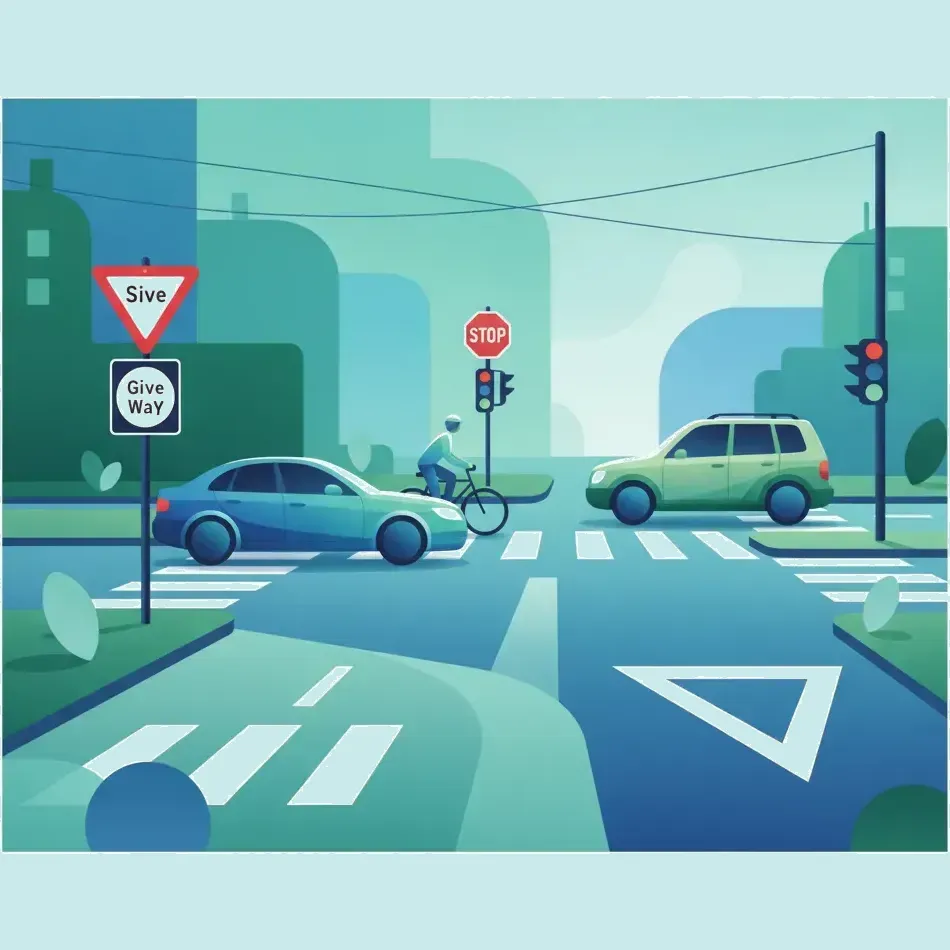
Master Swiss road signs, traffic signals, and priority rules, including Rechtsvortritt and roundabout navigation. Essential for Category M theory exam success and safe riding.

5 lessons

Learn more
Observation, Visibility, Positioning, and Communication unit image
3

Observation, Visibility, Positioning, and Communication

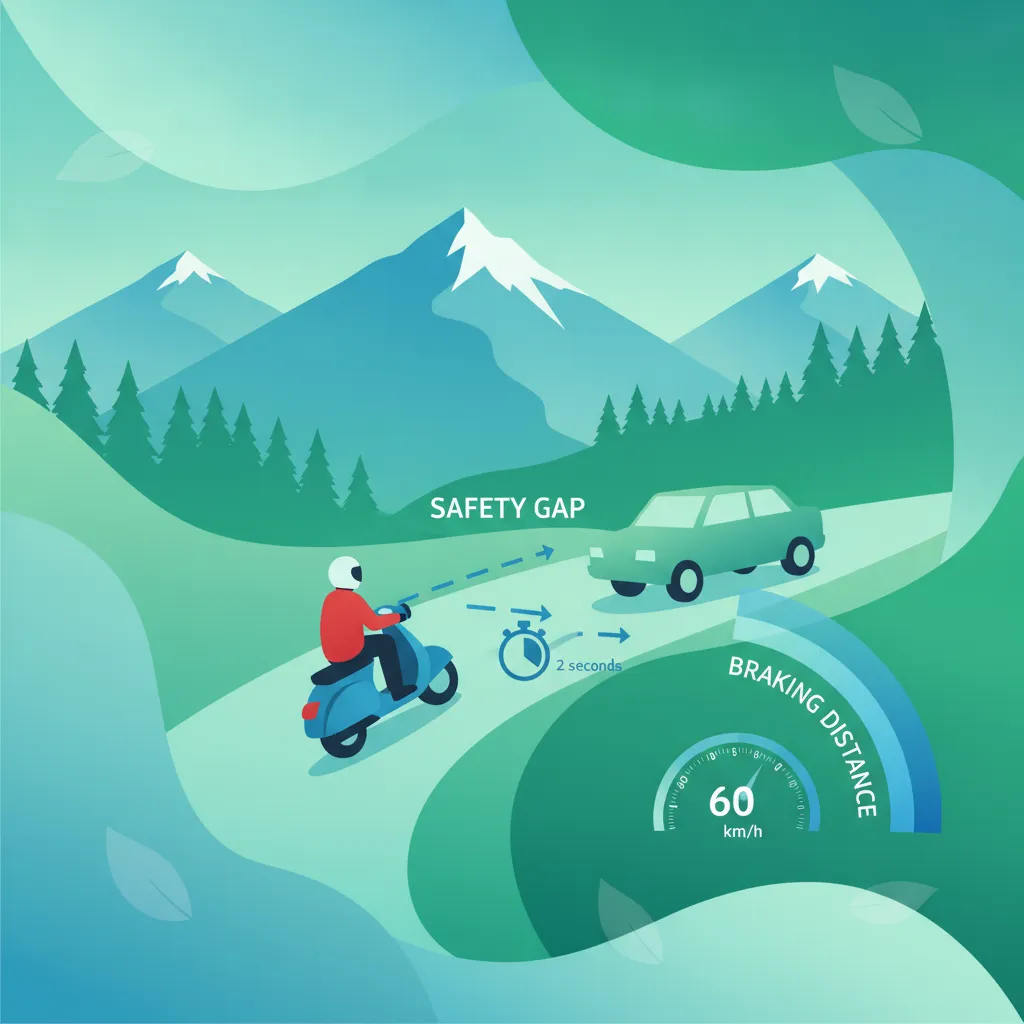
Learn to observe effectively, be visible, position yourself safely, and communicate clearly on Swiss roads. Essential skills for moped and e-bike riders preparing for their theory exam.

4 lessons
Learn more
Speed, Braking, Following Distance, and Vehicle Control unit image
4

Speed, Braking, Following Distance, and Vehicle Control

Master essential moped riding skills: learn Swiss speed limits, safe braking techniques, and how to maintain a safe following distance to pass your theory test and ride safely.

4 lessons

Learn more
Navigating Intersections, Roundabouts, Tram Tracks, and Mixed Traffic unit image
5

Navigating Intersections, Roundabouts, Tram Tracks, and Mixed Traffic

Learn to safely navigate Swiss intersections, roundabouts, tram tracks, and mixed traffic, including interactions with buses and trucks. Essential for your Category M theory test success.

4 lessons

Learn more
Weather, Road Surfaces, Protective Equipment, and Vehicle Safety unit image
6

Weather, Road Surfaces, Protective Equipment, and Vehicle Safety

Learn to ride your Swiss moped safely by understanding weather impacts, road surfaces, essential protective gear, and conducting vital vehicle safety checks before every ride. Crucial for exam success and daily safety.

5 lessons

Learn more
Risk Behaviour, Legal Consequences, Breakdowns, and Emergencies unit image
7

Risk Behaviour, Legal Consequences, Breakdowns, and Emergencies

Learn about risky driving behaviours, legal penalties in Switzerland, how to handle breakdowns, and essential first aid for emergencies. Crucial for your Category M theory exam success.

4 lessons
Learn more

Ready to Target Specific Weaknesses in Your Swiss Driving Theory Knowledge?

Pinpoint specific Swiss traffic rules, road signs, or driving situations you need to master. Use the practice search to start a focused revision session now and build confidence for your official driving theory exam.

Search Practice Theory Questions

Explore more content on Swiss driving theory

Swiss road signsSwiss article topicsSearch Swiss road signsSwiss driving theory homeSwiss road sign categoriesSwiss driving theory topicsSearch Swiss theory articlesSwiss driving theory coursesSwiss Driving Theory B courseSwiss Driving Theory M courseSwiss Driving Theory D courseSwiss driving theory articlesSwiss driving theory practiceSwiss practice set categoriesSwiss driving licence proceduresSwiss Motorcycle Theory (A) courseSearch Swiss driving theory practiceSwiss driving theory terminology A–ZSwiss driving theory terms and glossarySwiss Truck Driving Theory (C/C1) courseSwiss Signs, Signals, Markings, and Priority Rules unit in Swiss Driving Theory MSwiss Category M Context and First-Rider Responsibility unit in Swiss Driving Theory MRoad Users, Core Behaviour Rules and Safe Communication unit in Swiss Driving Theory BSwiss D, D1, D1E & DE Scope and Professional Responsibility unit in Swiss Driving Theory DSwiss C, C1, C1E & CE Scope and Professional Context unit in Swiss Truck Driving Theory (C/C1)Passenger Vehicle Construction, Controls, and Pre-Trip Inspections unit in Swiss Driving Theory DMotorcycle Construction, Controls, Equipment and Safety Checks unit in Swiss Motorcycle Theory (A)Swiss Category B, Learner Permit, Examination and Driver Responsibility unit in Swiss Driving Theory BSwiss Motorcycle Categories, Licence Scope and Rider Responsibility unit in Swiss Motorcycle Theory (A)Road Positioning for Optimal Visibility lesson in Observation, Visibility, Positioning, and CommunicationHeavy-Vehicle Dimensions, Masses, Axle Loads and Operating Limits unit in Swiss Truck Driving Theory (C/C1)Effective Observation Techniques and Scanning lesson in Observation, Visibility, Positioning, and CommunicationHand Signals, Indicator Usage, and Communication lesson in Observation, Visibility, Positioning, and CommunicationVehicle Visibility: Lights, Reflectors, and Clothing lesson in Observation, Visibility, Positioning, and Communication