
This lesson teaches you how to position your moped correctly on the road to maximize your visibility to other drivers. Understanding these techniques is a key part of your Category M training, helping you stay safe in traffic and prepare effectively for your theory exam.

Lesson content overview
Navigating Swiss roads safely on a moped requires more than just following speed limits and traffic signs. A critical aspect of proactive safety is strategic road positioning. This lesson, part of your Swiss Category M driving license theory course, delves into how thoughtful placement within your lane can dramatically improve your visibility to other road users, help you avoid dangerous blind spots, provide a clear line of sight through turns, and ensure you always have an escape route in an emergency. Mastering these techniques is fundamental for reducing collision risks and fostering smoother, more predictable interactions in traffic.
Road positioning is a dynamic skill, requiring constant adjustment based on traffic, road conditions, and your immediate environment. It's about consciously choosing your spot on the road to maximize safety, not just passively occupying space. The primary goal is to make yourself easily seen and understood by others, while also giving yourself the best possible view and options.
Your position on the road directly impacts how well you are perceived by drivers ahead, behind, and to your sides. Mopeds, being smaller vehicles, can easily disappear from a driver's field of vision if not positioned carefully. By strategically placing yourself, you increase the time other drivers have to detect your presence, understand your intentions, and react accordingly, significantly reducing the likelihood of a collision.
Every vehicle, especially cars, trucks, and buses, has blind spots – areas around them that their drivers cannot see, even with properly adjusted mirrors. For moped riders, these zones are particularly dangerous. Positioning yourself to remain outside these blind spots, ideally within the driver's mirror view, is a vital defensive riding technique that prevents you from being unseen and potentially cut off or hit.
When approaching a turn, your line of sight dictates how far ahead you can see and how well you can assess the curve's exit, potential hazards, and oncoming traffic. Proper positioning before and during a turn ensures that obstacles like guardrails, trees, or other vehicles do not block your view, allowing you to judge your speed and trajectory accurately and safely.
No matter how carefully you ride, unexpected situations can arise. Maintaining an adequate escape route means deliberately leaving enough space around your moped – both laterally and to the front – to swerve or brake suddenly without colliding with another vehicle or obstacle. This buffer provides a crucial margin of safety, giving you options when quick reactions are necessary.
When you ride predictably, other drivers can more easily anticipate your actions. This reduces confusion, minimizes surprises, and contributes to a smoother, safer traffic flow for everyone. Erratic or unconventional positioning can lead to misinterpretations and increase the risk of incidents.
Effective road positioning integrates these core principles into practical riding techniques. It's a proactive approach to safety that demands constant vigilance and awareness of your surroundings.
Choosing the right position within your lane is paramount. Instead of hugging the curb, which many new riders mistakenly believe is safer, central positioning often offers the best visibility.
On a straight road with a single lane, positioning your moped near the lane center or slightly to the right of it significantly increases your forward and rear visibility. This places you within the direct line of sight of oncoming vehicles and allows drivers behind you to see you clearly, even if they are in an adjacent lane or slightly offset. It also keeps you clear of road debris and potholes often found at the lane edges.
When approaching intersections or side roads, lateral visibility becomes crucial. Position yourself so that drivers pulling out from side streets have a clear view of your approaching moped. Avoid riding too close to parked cars, as they can obscure your presence from drivers exiting driveways or side roads.
Blind spots are invisible dangers. Learning to identify and actively avoid them is a critical safety skill for moped riders.
Every vehicle has specific blind spot areas. For cars, the most common side blind spots are just behind the front wheels, extending a few metres to the side. For larger vehicles like trucks and buses, these areas are significantly larger, extending further along their sides and directly behind them. Never assume a driver can see you just because you can see their vehicle.
When driving near other vehicles, always strive to position your moped where you can see the driver's face in their side mirror. If you can see their eyes, they can likely see you. This is especially important when overtaking or being overtaken. If you cannot see them, they almost certainly cannot see you.
When following a larger vehicle, especially trucks or buses, maintain a generous following distance. This keeps you out of their rear blind spot and gives you ample time and space to react if they brake suddenly or encounter a hazard. It also allows you to see the road ahead over or around the vehicle.
Navigating curves effectively relies on seeing where you are going. Your approach and entry position into a turn are critical.
When approaching a right-hand bend, position your moped slightly to the right side of your lane (not on the very edge). This allows you to "open up" the curve, giving you the best possible view through the bend and of its exit point. It helps you identify any hazards, such as debris or oncoming traffic, earlier.
Conversely, for a left-hand bend, position your moped slightly towards the left side of your lane. This again broadens your view through the curve, allowing you to see further ahead and assess the road conditions and potential hazards more effectively.
Always think about "what if" scenarios and position yourself to have options.
Maintain sufficient lateral space from curbs, parked cars, and other roadside obstacles. Riding too close to the edge of the road restricts your ability to swerve left or right if, for example, a car door opens unexpectedly or a pedestrian steps out. A gap of at least 0.5 metres from the curb is often recommended where lane width permits.
In congested traffic, avoid boxing yourself in between vehicles. Maintain enough space to allow for an emergency stop or maneuver. Look for "escape lanes" or gaps that you could use if the traffic ahead suddenly stops.
Consistency in your road positioning helps all road users interact more safely.
Unless actively overtaking or making a turn, ride within the designated lane markings. Weaving in and out of your lane or riding on the shoulder without reason can confuse other drivers and lead to dangerous situations.
Always use appropriate hand signals (if not equipped with indicators, or to supplement them) when changing your lane position, preparing to turn, or slowing down. Clear communication of your intentions allows others to react predictably.
While specific laws often focus on what not to do (e.g., riding on sidewalks), good positioning is largely governed by principles of due diligence and safety, which are strongly emphasized in the Swiss traffic code.
Swiss traffic regulations require all vehicles, including mopeds, to stay within the designated traffic lanes. Riding on sidewalks, pedestrian zones, or road shoulders is generally prohibited unless explicitly marked otherwise or in specific emergency situations. Your position should always be chosen to avoid obstructing traffic or endangering others.
Drivers and riders in Switzerland have a general duty of care. This includes positioning yourself to be as visible as possible and ensuring you have a clear view of the road ahead. This principle underpins many of the "recommended best practices" for line of sight and blind spot avoidance.
The Swiss Vehicle Code (SVG) mandates that drivers and riders clearly indicate their intentions, particularly before changing direction or lane. While indicators are common, hand signals remain mandatory for mopeds not equipped with electric indicators, or as a supplement for enhanced clarity.
Left Turn/Lane Change Left: Extend your left arm straight out horizontally, palm open or index finger pointing left.
Right Turn/Lane Change Right: Extend your left arm straight out horizontally, bent at the elbow, pointing upwards with your palm facing forward. (Alternatively, extend your right arm straight out horizontally, palm open or index finger pointing right, if safe and practical).
Slowing Down/Stopping: Extend your left arm downwards, palm open and facing backward.
Many incidents involving mopeds occur due to poor positioning that compromises visibility or maneuverability. Be aware of these common errors:
Your ideal lane position is not static; it changes based on a variety of factors.
The principles of road positioning aren't merely suggestions; they are crucial safety measures supported by human factors, physics, and accident statistics.
To ensure optimal visibility and safety on the road, always remember these key principles:
By consciously applying these techniques, you significantly enhance your safety and confidence as a moped rider, contributing to a safer road environment for everyone in Switzerland.
This lesson covers the essential skill of road positioning for moped riders in Switzerland, emphasizing how strategic placement within your lane dramatically improves visibility, blind spot avoidance, line of sight through turns, and emergency escape options. Key techniques include central positioning on straight roads, adjusting toward the inside of curves, maintaining mirror-view alignment with other drivers, and preserving lateral clearance from obstacles. The content also addresses Swiss-specific requirements including lane discipline rules and mandatory hand signals for Category M mopeds, while providing practical guidance for adapting positioning to weather, lighting, and road conditions. By mastering these positioning principles, riders significantly reduce collision risk and develop the defensive riding habits essential for both the Swiss theory exam and real-world safety.
A short set of high-value points that capture the most important learning from this lesson.
Strategic lane positioning directly impacts how visible you are to other drivers and how well you can see the road ahead
Position yourself where you can see the driver's face in their side mirror—if you can see their eyes, they can likely see you
Approach right-hand bends from the right side of your lane and left-hand bends from the left side to maximize your line of sight through the curve
Always maintain at least 0.5 metres of lateral clearance from curbs and parked cars to preserve an escape route
Consistent, predictable positioning within lane markings reduces driver confusion and improves traffic flow for everyone
Explore all units and lessons included in this driving theory course.
Central lane positioning on straight roads maximizes forward and rear visibility compared to hugging the curb
Blind spots are largest on trucks and buses—never assume a driver sees you without confirming through their mirror view
In rain or fog, stay centrally positioned and increase following distance to compensate for reduced visibility for all road users
Swiss law requires hand signals for mopeds without electric indicators, or as a supplement for enhanced clarity
Riding on the far lane edge can paradoxically make you more vulnerable and encourage unsafe overtaking by other drivers
Riding too close to the curb or road edge, which restricts your escape route and reduces visibility to oncoming and following traffic
Lingering in the blind spots of larger vehicles like trucks and buses, especially when overtaking or being overtaken
Entering curves without adjusting position, which limits line of sight and reduces reaction time for hazards
Following large vehicles too closely, placing yourself in their rear blind spot and reducing your ability to see the road ahead
Failing to signal lane position changes, even minor shifts that might affect other traffic's expectations
Lesson content overview
A short set of high-value points that capture the most important learning from this lesson.
Strategic lane positioning directly impacts how visible you are to other drivers and how well you can see the road ahead
Position yourself where you can see the driver's face in their side mirror—if you can see their eyes, they can likely see you
Approach right-hand bends from the right side of your lane and left-hand bends from the left side to maximize your line of sight through the curve
Always maintain at least 0.5 metres of lateral clearance from curbs and parked cars to preserve an escape route
Consistent, predictable positioning within lane markings reduces driver confusion and improves traffic flow for everyone
Explore all units and lessons included in this driving theory course.
Central lane positioning on straight roads maximizes forward and rear visibility compared to hugging the curb
Blind spots are largest on trucks and buses—never assume a driver sees you without confirming through their mirror view
In rain or fog, stay centrally positioned and increase following distance to compensate for reduced visibility for all road users
Swiss law requires hand signals for mopeds without electric indicators, or as a supplement for enhanced clarity
Riding on the far lane edge can paradoxically make you more vulnerable and encourage unsafe overtaking by other drivers
Riding too close to the curb or road edge, which restricts your escape route and reduces visibility to oncoming and following traffic
Lingering in the blind spots of larger vehicles like trucks and buses, especially when overtaking or being overtaken
Entering curves without adjusting position, which limits line of sight and reduces reaction time for hazards
Following large vehicles too closely, placing yourself in their rear blind spot and reducing your ability to see the road ahead
Failing to signal lane position changes, even minor shifts that might affect other traffic's expectations
Explore search topics learners often look for when studying Road Positioning for Optimal Visibility. These topics reflect common questions about road rules, driving situations, safety guidance, and lesson level theory preparation for learners in Switzerland.
Browse additional driving theory lessons that cover connected traffic rules, road signs, and common driving situations related to this topic. Improve your understanding of how different rules interact across everyday traffic scenarios.
Learn key strategies for moped riders to identify and avoid dangerous blind spots of cars, trucks, and buses. Understand how proper lane positioning protects you from being unseen by other drivers on Swiss roads.

This lesson focuses on safe interaction with large vehicles. It highlights the significant blind spots (or 'no-zones') around trucks and buses and teaches riders how to position themselves to remain visible. The content also provides guidance on overtaking large vehicles safely and anticipating their wide turning radius at intersections.

This lesson focuses on mitigating the risk of collisions at intersections, particularly from vehicles turning across the rider's path. It teaches defensive strategies such as positioning for visibility, anticipating driver actions, and using head checks to be aware of surrounding traffic. Managing your own and others' blind spots is presented as a crucial survival skill.
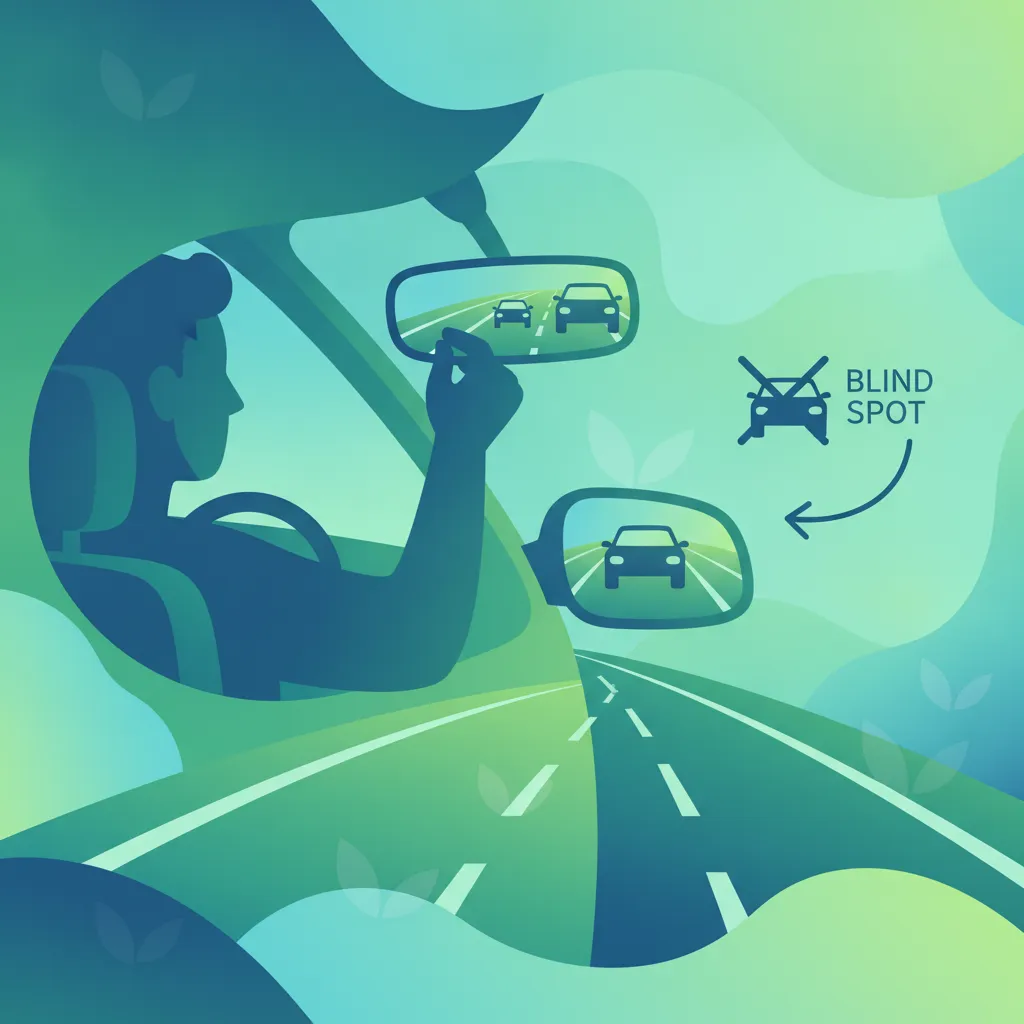
Despite the complex mirror systems, large areas around a truck remain hidden from the driver's view. This lesson maps out these significant blind spots: directly in front, behind, and along both sides of the vehicle. It teaches drivers to be constantly aware of these 'no-zones' and to anticipate that smaller vehicles, cyclists, or pedestrians may be hidden within them, especially before changing lanes or turning.

Buses and coaches have significant blind spots to the front, sides, and rear. This lesson maps out these 'no-zones' and teaches a continuous and active scanning process using all available mirrors and direct vision. The goal is to minimize the time any other road user spends undetected in a blind spot.

This lesson focuses on the concept of conspicuity, or how easily a rider can be seen by others. It explains the legal requirements for vehicle lights and reflectors in Switzerland and the benefits of wearing bright or reflective clothing. Learners will understand how to maximize their visibility during the day, at night, and in poor weather conditions.

This lesson covers the systematic use of rearview and side mirrors, combined with head checks, to maintain full awareness of surrounding traffic. It emphasizes frequent observation to detect vehicles in blind spots, especially during lane changes and turns. The content also details the proper timing for head checks and the role of scanning techniques in preventing collisions.

This lesson teaches riders how to establish and maintain a safe following distance from the vehicle ahead. It introduces the 'two-second rule' as a simple and effective method for gauging a safe gap in ideal conditions. The content also explains why this distance must be increased in wet weather, at night, or when visibility is poor.

This lesson identifies and analyzes high-risk behaviors that contribute to a majority of accidents involving small vehicles. It explains the severe consequences of riding while distracted, fatigued, or under the influence of alcohol or drugs. The content aims to build a rider's awareness of these dangers and reinforce a responsible and defensive mindset.
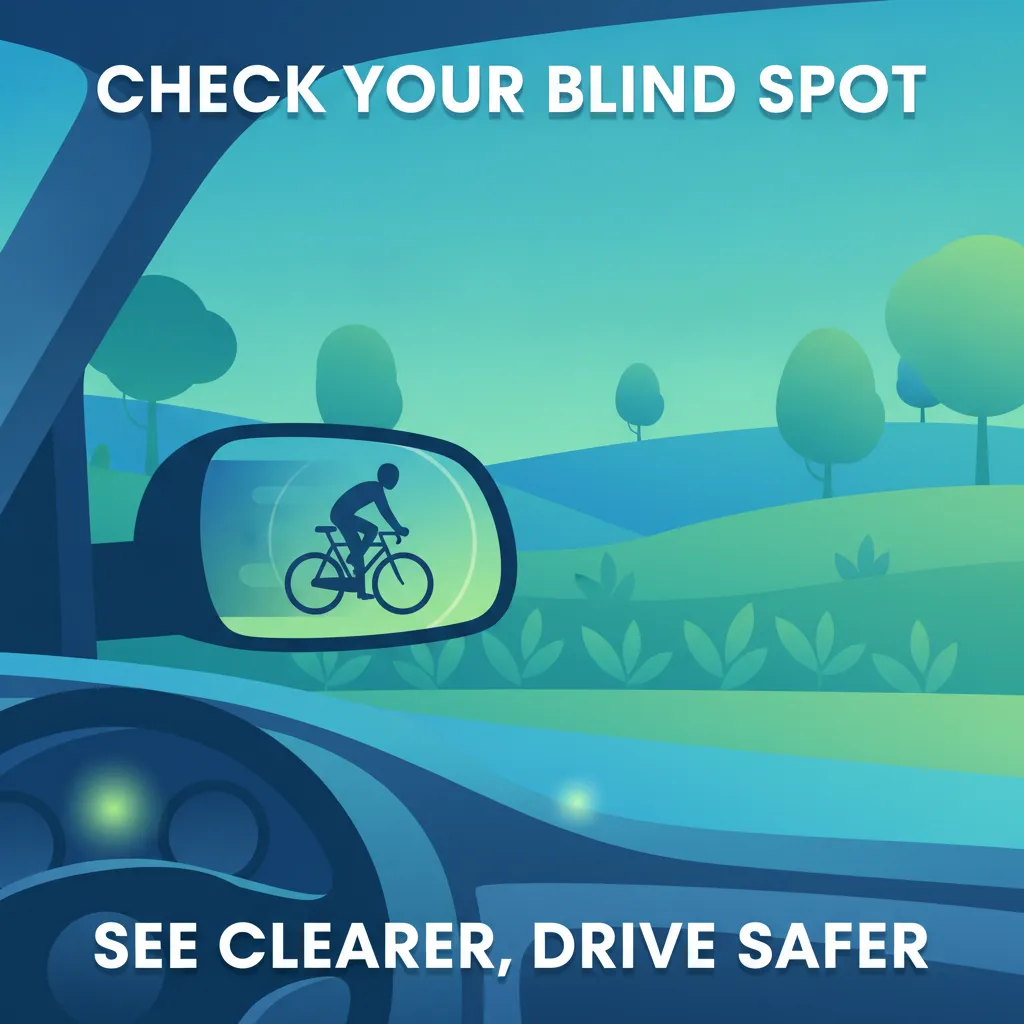
This lesson teaches the correct techniques for positioning and using mirrors to maintain situational awareness. It emphasizes that mirrors alone are insufficient and must be supplemented with physical shoulder and head checks to cover blind spots. Combining these observation methods is essential for making safe lane changes and maneuvers in traffic.
This lesson teaches the principles of active observation, a crucial skill for rider safety. It covers how to develop a scanning routine that includes checking mirrors, blind spots via shoulder checks, and looking far ahead down the road. These techniques allow a rider to identify potential conflicts early and create more time to react safely.
Discover how strategic road positioning enhances your visibility to other road users and improves your line of sight through turns and intersections. Essential theory for safe Swiss Category M riding.
This lesson focuses on the concept of conspicuity, or how easily a rider can be seen by others. It explains the legal requirements for vehicle lights and reflectors in Switzerland and the benefits of wearing bright or reflective clothing. Learners will understand how to maximize their visibility during the day, at night, and in poor weather conditions.

This lesson focuses on techniques and equipment designed to increase a motorcyclist's visibility to others. It explains the strategic use of reflective materials, high-visibility clothing, and the mandatory use of daytime running lights. Understanding how to enhance conspicuity is a critical component of proactive self-protection on the road.

This lesson provides essential strategies for riding in adverse weather like rain and fog. It explains how to increase following distances, reduce speed, and use lights effectively to enhance visibility. The content also addresses the loss of traction on wet roads and the importance of smooth control inputs for braking, accelerating, and steering.
This lesson teaches the principles of active observation, a crucial skill for rider safety. It covers how to develop a scanning routine that includes checking mirrors, blind spots via shoulder checks, and looking far ahead down the road. These techniques allow a rider to identify potential conflicts early and create more time to react safely.

This lesson explains strategic lane positioning to enhance visibility and safety in traffic. It covers how to choose a lane position that helps you see and be seen by other drivers, avoiding their blind spots. The content emphasizes maintaining a space cushion around the motorcycle to allow for reaction time and potential escape routes.

This lesson examines the different lighting systems on a vehicle, including headlamps, fog lights, and turn signals. It explains the appropriate use of low-beam and high-beam headlights and the conditions for activating fog lights. Understanding proper lighting usage improves visibility and safety, especially in low-light or adverse weather conditions.
This lesson teaches riders how to establish and maintain a safe following distance from the vehicle ahead. It introduces the 'two-second rule' as a simple and effective method for gauging a safe gap in ideal conditions. The content also explains why this distance must be increased in wet weather, at night, or when visibility is poor.
This lesson teaches the correct techniques for positioning and using mirrors to maintain situational awareness. It emphasizes that mirrors alone are insufficient and must be supplemented with physical shoulder and head checks to cover blind spots. Combining these observation methods is essential for making safe lane changes and maneuvers in traffic.
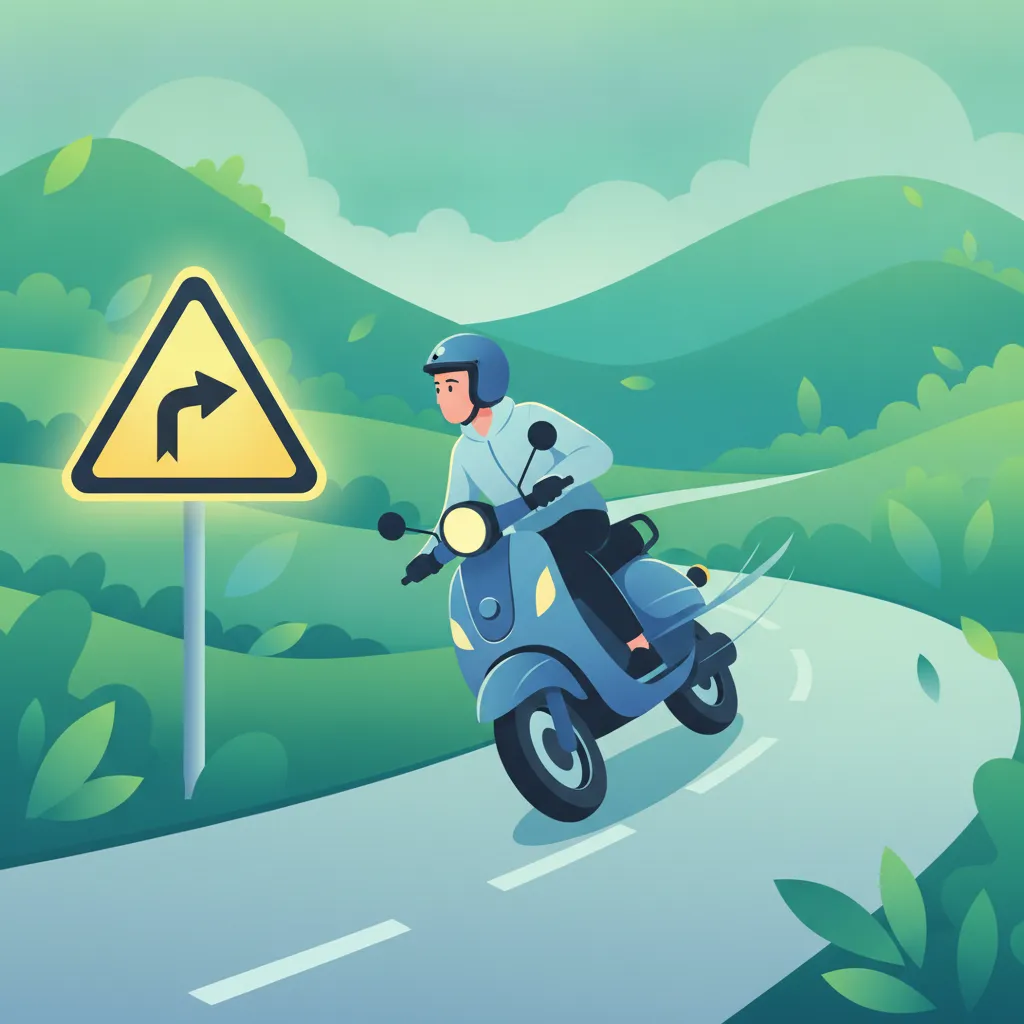
This lesson introduces the fundamental traffic signs that directly impact small vehicle riders. It covers the classification of signs into regulatory, warning, and mandatory categories, explaining how their shape and color indicate their function. Learners will be able to recognize and correctly interpret speed limits, priority signs, and other key information vital for safe navigation.

This lesson emphasizes the rider's responsibility for ensuring their vehicle is in safe, roadworthy condition. It outlines a simple pre-ride inspection routine covering key safety components like tyres, brakes, lights, and controls. Regular maintenance is presented as a critical component of overall rider safety.
Find clear answers to common questions learners have about Road Positioning for Optimal Visibility. Learn how the lesson is structured, which driving theory objectives it supports, and how it fits into the overall learning path of units and curriculum progression in Switzerland. These explanations help you understand key concepts, lesson flow, and exam focused study goals.
Because mopeds are smaller than cars, they are easily missed. Proper positioning ensures you are seen by other drivers and provides you with the space needed to react to unexpected hazards.
Never ride directly alongside or behind a large vehicle where the driver cannot see you in their mirrors. Always position yourself so that you can see the driver's side mirror, or hang back until it is safe to overtake.
Yes. Proper positioning before a turn allows you a better view of the road ahead, helping you spot oncoming traffic or obstacles early while keeping your moped balanced and stable.
Yes, many theory questions focus on hazard perception. Knowing where to place your vehicle in different scenarios is essential for identifying the correct, safest answer.
Pinpoint specific Swiss traffic rules, road signs, or driving situations you need to master. Use the practice search to start a focused revision session now and build confidence for your official driving theory exam.