

This unit focuses on the proactive safety skills essential for operators of small vehicles. It teaches systematic observation techniques to identify hazards early, methods to enhance personal visibility through lights and clothing, and strategies for optimal road positioning. Learners will also understand how to use indicators and hand signals effectively to communicate their intentions to others.

Prepare for your Swiss Category M driving license with our comprehensive theory course. Learn all about Swiss traffic laws, road signs, priority rules, and safe riding practices for mopeds and e-bikes. This structured curriculum ensures you understand the core principles of road safety and vehicle control, providing the knowledge needed to pass your exam and ride confidently.
The Observation, Visibility, Positioning, and Communication unit is a key part of the Swiss Driving Theory M curriculum and helps learners in Switzerland understand essential theory topics in a clear and practical way. Each lesson breaks down a specific theme that often appears in the Swiss driving theory exam. With structured explanations and examples taken from real traffic situations, this unit helps learners study smarter, fix common misunderstandings, and build the knowledge required for confident exam performance.
After completing this unit, you will be equipped with the critical skills needed to anticipate and react to potential hazards on Swiss roads. You'll understand how to make yourself consistently visible to other road users, ensuring your safety, especially in complex traffic situations or adverse weather. You'll also learn the proper use of indicators and hand signals, which are vital for clear communication and preventing misunderstandings with drivers, cyclists, and pedestrians.
These skills directly translate to better performance in your Category M theory exam, as questions often assess your understanding of hazard perception and safe communication. More importantly, applying these principles in practice will make you a more confident, responsible, and safer rider, reducing the risk of accidents and ensuring you comply with Swiss traffic conventions.


This unit is designed for all new Category M license applicants in Switzerland, including those riding mopeds and e-bikes. It is particularly beneficial for first-time riders who need to develop a strong foundation in proactive safety skills to pass their theory exam and navigate traffic confidently.
See all lessonsExplore key lessons that shape the Observation, Visibility, Positioning, and Communication unit in the Swiss Driving Theory M curriculum. These lessons focus on exam related topics, important rules, and practical skills that help you progress faster and prepare effectively for the driving theory exam in Switzerland.

Learn the essential observation and scanning routines needed to stay safe on the road and pass your Swiss Category M theory exam. This lesson covers mirror usage, blind spots, and proactive hazard identification techniques.

Learn how to maximize your visibility as a Category M rider through mandatory lighting and smart clothing choices. This lesson covers the legal requirements for moped safety and provides practical advice for staying seen in diverse Swiss weather conditions, ensuring you are prepared for both the theory exam and real-world riding.

Learn how to choose the optimal road position to enhance your visibility and safety as a moped rider. This lesson provides essential techniques to help you avoid blind spots and better prepare for the Swiss Category M theory exam.
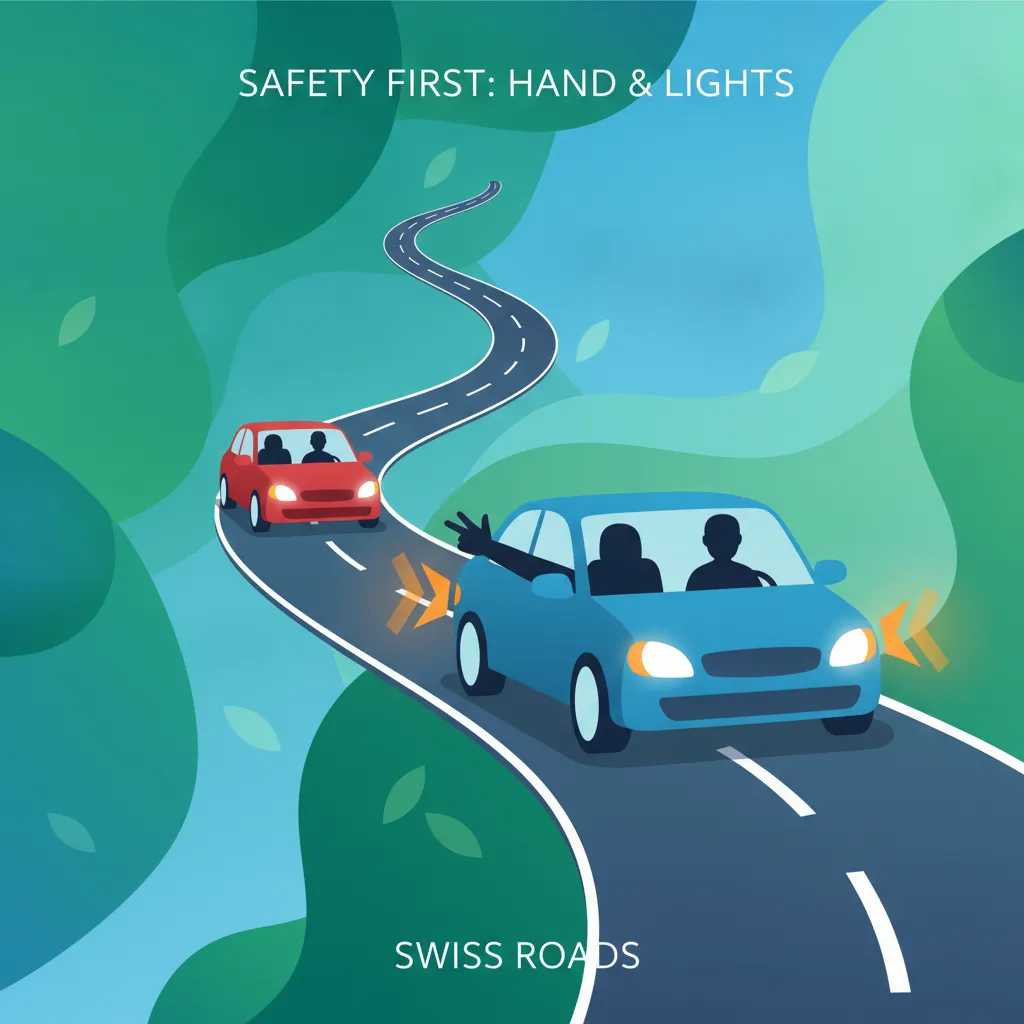
Master the art of road communication for your Category M license by learning the correct use of turn indicators and hand signals. This lesson ensures you can signal your intentions clearly, satisfying both exam requirements and real-world safety standards on Swiss roads.
Get answers to common questions about the Observation, Visibility, Positioning, and Communication unit and how it fits within the Swiss Driving Theory M curriculum. Learn how long the unit takes, how the lessons are structured, and how this unit supports your preparation for the driving theory exam in Switzerland.

The Observation, Visibility, Positioning, and Communication unit stands out because it teaches essential topics in a way that is simple, clear, and focused on exam success. All content is aligned with real requirements in Switzerland and designed to help learners build practical understanding, not just memorise facts. Whether you are revising or learning the material for the first time, this unit provides reliable guidance that supports measurable progress inside the Swiss Driving Theory M curriculum.
Discover additional units that form the complete Swiss Driving Theory M curriculum. These units cover a wide range of essential topics that help learners in Switzerland strengthen their understanding of road rules, traffic behaviour, and exam relevant theory. Exploring the other units gives you a broader view of the full learning path and helps you continue your progress with confidence.

Understand the Swiss Category M license basics, including the Lernfahrausweis and your first-rider responsibilities. Essential for all new moped and e-bike riders in Switzerland.
4 lessons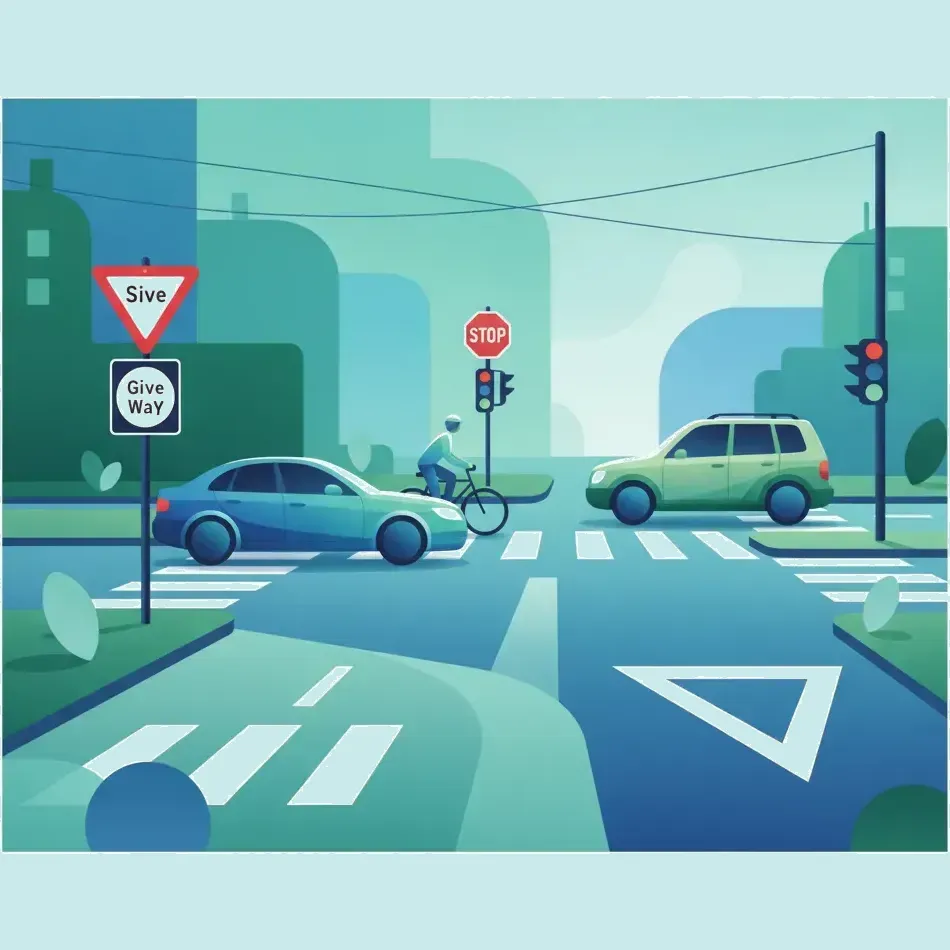
Master Swiss road signs, traffic signals, and priority rules, including Rechtsvortritt and roundabout navigation. Essential for Category M theory exam success and safe riding.
5 lessons
Master essential moped riding skills: learn Swiss speed limits, safe braking techniques, and how to maintain a safe following distance to pass your theory test and ride safely.
4 lessons
Learn to safely navigate Swiss intersections, roundabouts, tram tracks, and mixed traffic, including interactions with buses and trucks. Essential for your Category M theory test success.
4 lessons
Learn to ride your Swiss moped safely by understanding weather impacts, road surfaces, essential protective gear, and conducting vital vehicle safety checks before every ride. Crucial for exam success and daily safety.
5 lessons
Learn about risky driving behaviours, legal penalties in Switzerland, how to handle breakdowns, and essential first aid for emergencies. Crucial for your Category M theory exam success.
4 lessonsStart practicing for your Swiss driving theory exam today. Explore hundreds of exam-style questions covering road signs, traffic rules, and hazard perception. Identify areas for improvement and build robust confidence for a successful official test.