This lesson explores the vital intersection of professional ethics, safety protocols, and passenger trust required for D1, D, D1E, and DE category drivers. By mastering these principles, you will learn how to maintain a high level of service quality and ensure safety in your commercial transport career.

Lesson content overview
Operating a heavy passenger transport vehicle—such as a bus or coach under the French Category D1, D, D1E, or DE licenses—carries immense professional responsibility. Beyond the physical mechanics of steering and route navigation, a professional driver's primary mandate is to protect human life.
Creating a "culture of safety" means transforming safety from a checklist of rules into a core personal value and an active operational philosophy. When passengers step onto your vehicle, they must instantly feel safe. This trust is not accidental; it is cultivated through consistent driving habits, strict regulatory compliance, transparent communication, and meticulous vehicle maintenance.
In professional transport, safety and customer satisfaction are inextricably linked. A driver who prioritizes passenger comfort and smooth vehicle dynamics naturally reduces wear and tear on the vehicle, lowers fuel consumption, and mitigates the risk of accidents.
A shared commitment across an organization and its individual operators to prioritize safety above all other operational demands. It is characterized by active risk management, continuous education, and transparent reporting.
A positive feedback loop is established when a driver demonstrates visible professionalism:
[Visible Professionalism & Safety Checks]
                 │
                 ▼
     [Increased Passenger Trust]
                 │
                 ▼
  [Calmer Passenger Cabin Environment]
                 │
                 ▼
      [Reduced Driver Stress]
                 │
                 ▼
    [Safer Vehicle Operation]
This trust leads to better customer reviews, repeat business, a highly favorable public reputation for the transport company, and a significant reduction in insurance and legal liabilities.
French passenger transport regulations are designed to keep safety top of mind for professional drivers throughout their careers. The regulatory framework ensures that initial licensing is merely the beginning of a driver's safety education.
To maintain their professional standing and ensure they are up to date with the latest developments in transport law, vehicle technology, and emergency procedures, drivers must undergo structured safety training at regular intervals.
Rule 1: Professional drivers must complete mandatory safety refresher courses every 12 months to maintain their certification and ensure legal compliance.
These sessions cover critical regulatory updates, advanced defensive driving techniques, eco-driving practices (éco-conduite), and updated passenger accessibility protocols. Failing to complete these refreshers within the legal timeframe can result in the immediate suspension of your professional driving privileges.
Under Article R313-8 of the French Road Safety Code (Code de la Route), performing a systematic pre-trip inspection (vérification avant le départ) is a strict legal requirement before any passenger-carrying journey begins.
Skipping these checks, even under pressure to maintain a tight schedule, compromises safety, constitutes a serious regulatory violation, and can lead to severe penalties or catastrophic mechanical failures.
Exterior Walkaround: Inspect the vehicle's tires for proper inflation, tread depth, and damage. Verify that all wheel nuts are secure. Check that all mirrors, windows, and windshield wipers are clean and functional. Ensure all exterior lighting and signaling devices (headlights, indicators, brake lights, and hazard lights) work perfectly.
Pneumatic and Braking Systems: Start the engine and allow the air pressure to build up. Verify that there are no audible air leaks. Check the pressure gauges and confirm that the low-pressure warning devices (visual and audible) function correctly.
Access and Safety Doors: Test all passenger doors, including sensitive edges and anti-pinch safety sensors, to ensure they open and close completely and reverse automatically if they encounter an obstruction. Verify that the emergency door release valves function.
Interior Safety Equipment: Ensure the fire extinguishers are fully charged, in date, and securely mounted. Check that the first aid kit is stocked. Verify that emergency exit signs are illuminated and exit paths are entirely unobstructed. Ensure all passenger seat belts (where fitted) are undamaged and latch securely.
Accessibility Systems: Test any manual or automated wheelchair ramps, lifts, and securing mechanisms (systèmes d'arrimage) to ensure they are fully operational for passengers with reduced mobility.
Your pre-trip inspection priorities must adapt to specific operational conditions:
A progressive safety culture does not treat passenger complaints as simple customer-service nuisances. Instead, customer feedback is viewed as a critical diagnostic tool to detect hidden mechanical failures or operational hazards before they lead to an accident.
Rule 2: Transport operators must securely retain all passenger feedback and safety-related complaint records for a minimum of 24 months to facilitate audit trails, safety tracking, and continuous service improvements.
If a passenger reports that a handrail is loose, a step is slippery, or a seat belt buckle is sticking, the professional driver must:
How a driver communicates directly dictates the cabin's atmosphere. Under stressful conditions, such as mechanical delays, detours, or adverse weather, clear and reassuring announcements keep passengers calm, compliant, and cooperative.
True safety cannot exist in an environment of fear. Professional drivers must take ownership of safety outcomes and report any issues or "near-misses" without worrying about unjust punishment.
An unplanned event that did not result in injury, illness, or damage—but had the potential to do so under slightly different circumstances.
Reporting a near-miss—such as a close call with a cyclist in a blind spot or a sudden brake lag—allows the transport company to adjust route paths, retrain drivers, or inspect vehicle fleets before a tragedy occurs.
French labor law (Code du Travail) provides strong protections for whistleblowers and employees who report legitimate safety concerns or invoke their right of withdrawal (droit de retrait) if they believe their vehicle or working conditions present a grave and imminent danger to life or health.
Understanding the difference between compliant and non-compliant behaviors is vital for passing the French theory exam and avoiding legal penalties.
Understanding these critical links is key to maintaining a professional driving record and protecting public safety:
| Driver Action | Operational Effect | Legal & Passenger Outcome |
|---|---|---|
| Strictly executing daily pre-trip checks | Catching a worn tire or door sensor fault early | Zero unexpected roadside breakdowns, high passenger safety |
| Attending annual refresher courses | Up-to-date knowledge of traffic laws and emergency drills | Maintain valid professional status, lower crash risk |
| Maintaining smooth, defensive driving | Comfortable ride, reduced g-forces on passengers | High customer ratings, lower vehicle wear and tear |
| Promptly logging passenger feedback | Addressing interior defects (loose handrails, worn steps) | Prevents boarding/alighting injuries, ensures compliance |
Explore all units and lessons included in this driving theory course.
Lesson content overview
Explore all units and lessons included in this driving theory course.
Explore search topics learners often look for when studying Establishing a Culture of Safety and Passenger Trust. These topics reflect common questions about road rules, driving situations, safety guidance, and lesson level theory preparation for learners in France.
Browse additional driving theory lessons that cover connected traffic rules, road signs, and common driving situations related to this topic. Improve your understanding of how different rules interact across everyday traffic scenarios.
Learn the mandatory protocols for handling vehicle breakdowns and passenger evacuations on French roads. This theory guide covers the legal requirements for emergency equipment, clear passenger communication during crises, and the necessary steps to maintain safety in high-stress situations while operating Category D and DE vehicles.

This lesson covers immediate response steps for critical on-board events, including passenger medical emergencies and engine compartment fires. Learners will study the location and proper application of fire extinguishers, safety hammers, and first aid kits. It also explains how to coordinate effectively with French emergency services (SAMU, Fire Brigade) and reassure passengers to maintain calm during an incident.

This lesson details the emergency protocols for handling mechanical breakdowns or tire blowouts on public highways and motorways. Drivers will learn how to park the vehicle in the safest possible location, activate hazard warning lights, and deploy the reflective warning triangle. It teaches precise commands and steps for evacuating passengers quickly through safety exits, positioning them behind protective guardrails.

This lesson provides step-by-step instructions for utilizing vehicle accessibility systems, including wheelchair ramps, lifts, and specialized tie-down restraints. Drivers will study French regulatory frameworks mandating equal access to public transport services for all individuals. Crucially, the lesson covers respectful, safe, and efficient communication methods for guiding passengers with sensory, physical, or cognitive impairments.
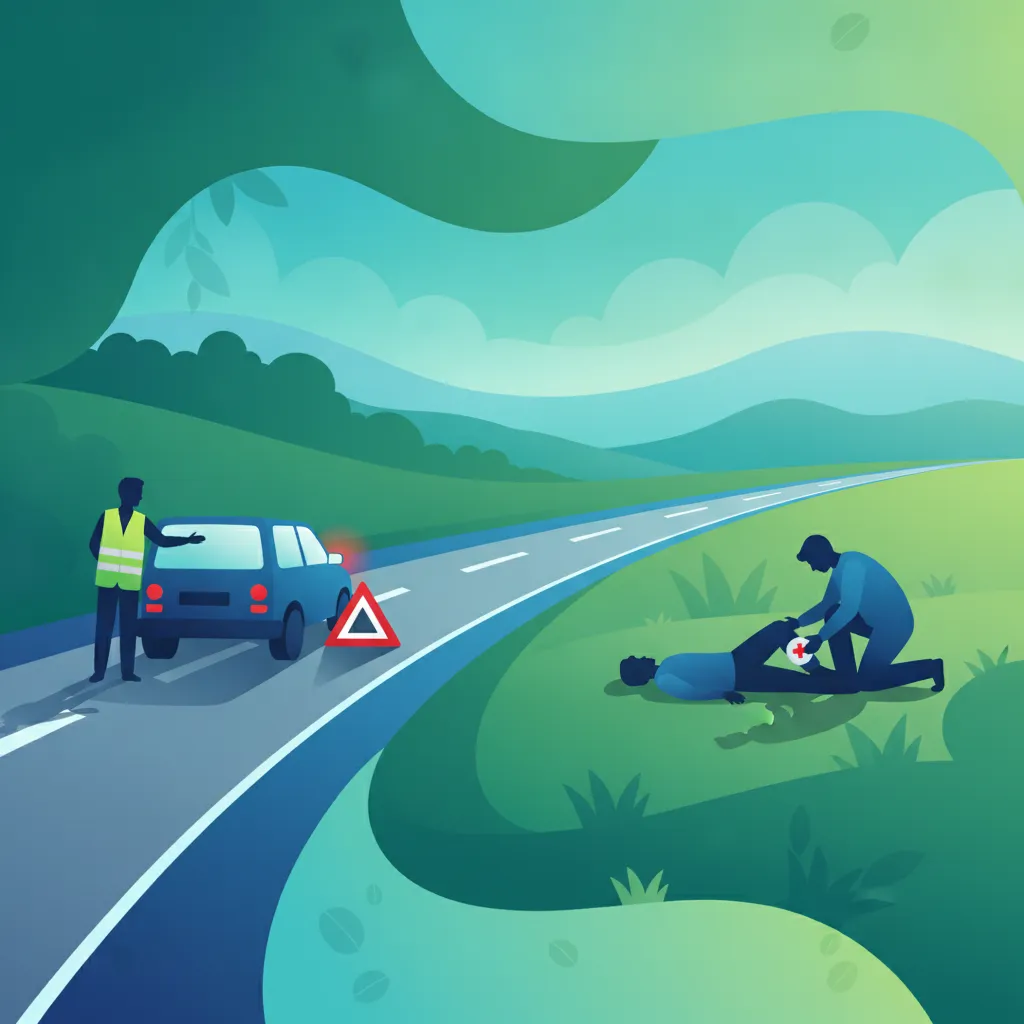
When encountering or participating in a road accident, following a strict safety protocol protects lives and prevents secondary crashes. This lesson covers the essential 'Protect, Alert, Rescue' (PAS) protocol, which involves wearing a yellow high-visibility vest, placing a warning triangle, and calling 112. You will also learn basic first-aid practices, how to secure victims, and the correct way to fill out an accident report.

This lesson covers the rules of driving passenger vehicles on high-speed French motorways (autoroutes). Learners will study entry-ramp merging protocols, lane restrictions for vehicles over 3.5 tonnes, and motorway-specific speed limits. The lesson also highlights the correct use of toll booths (péages), emergency hard-shoulder safety procedures, and accessing dedicated coach rest areas.
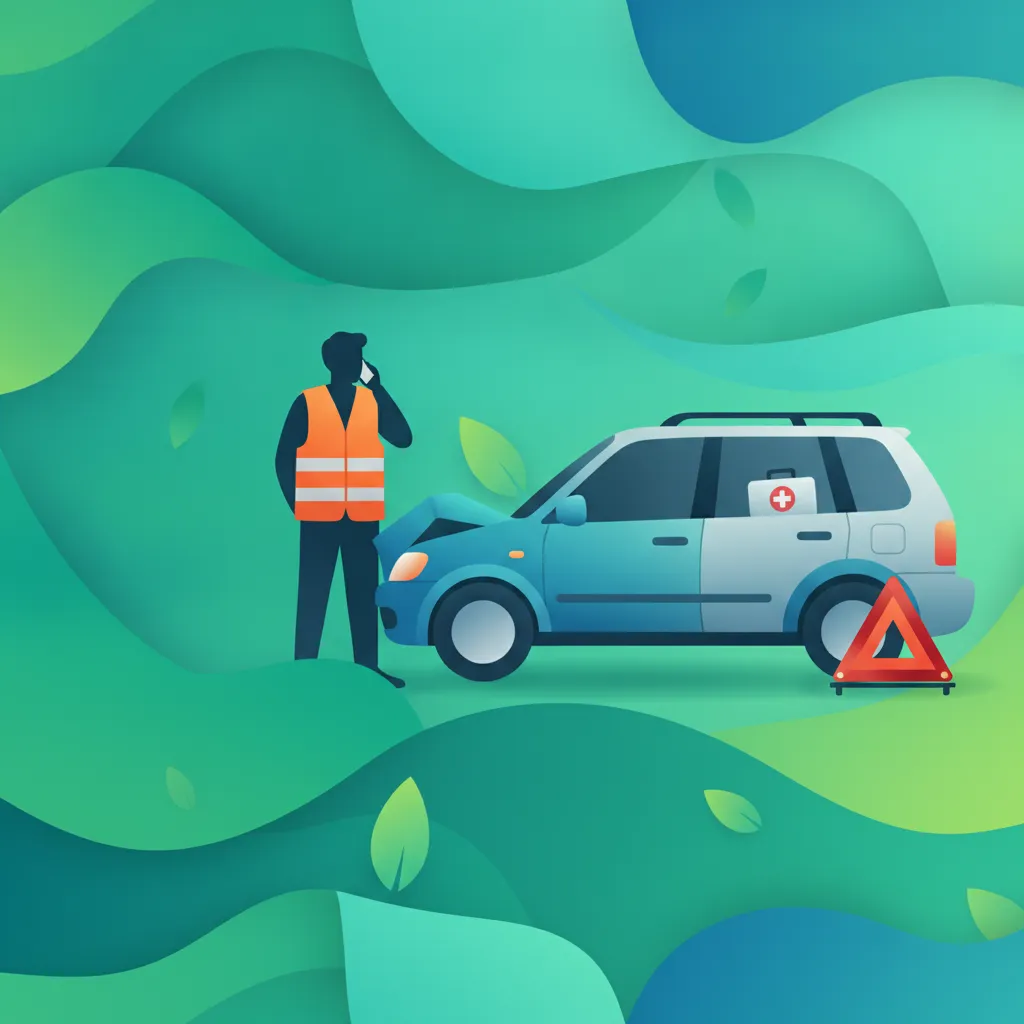
This lesson provides a clear, step-by-step procedure to follow if you witness or are involved in a traffic accident in France. You will learn how to secure the scene using your mandatory hazard triangle and yellow vest to prevent secondary collisions. Crucially, it explains how to contact emergency services via 112 and covers basic first-aid rules, including the absolute ban on removing an injured rider's helmet unless necessary.

This lesson examines the rigorous legal duties imposed on passenger vehicle operators by the French Code de la route and professional transport guidelines. Drivers must balance tight scheduling demands with the absolute priority of passenger safety and general public security. By studying real-world legal scenarios, candidates will learn how to maintain professional conduct, resolve on-board issues, and protect public trust during transit.
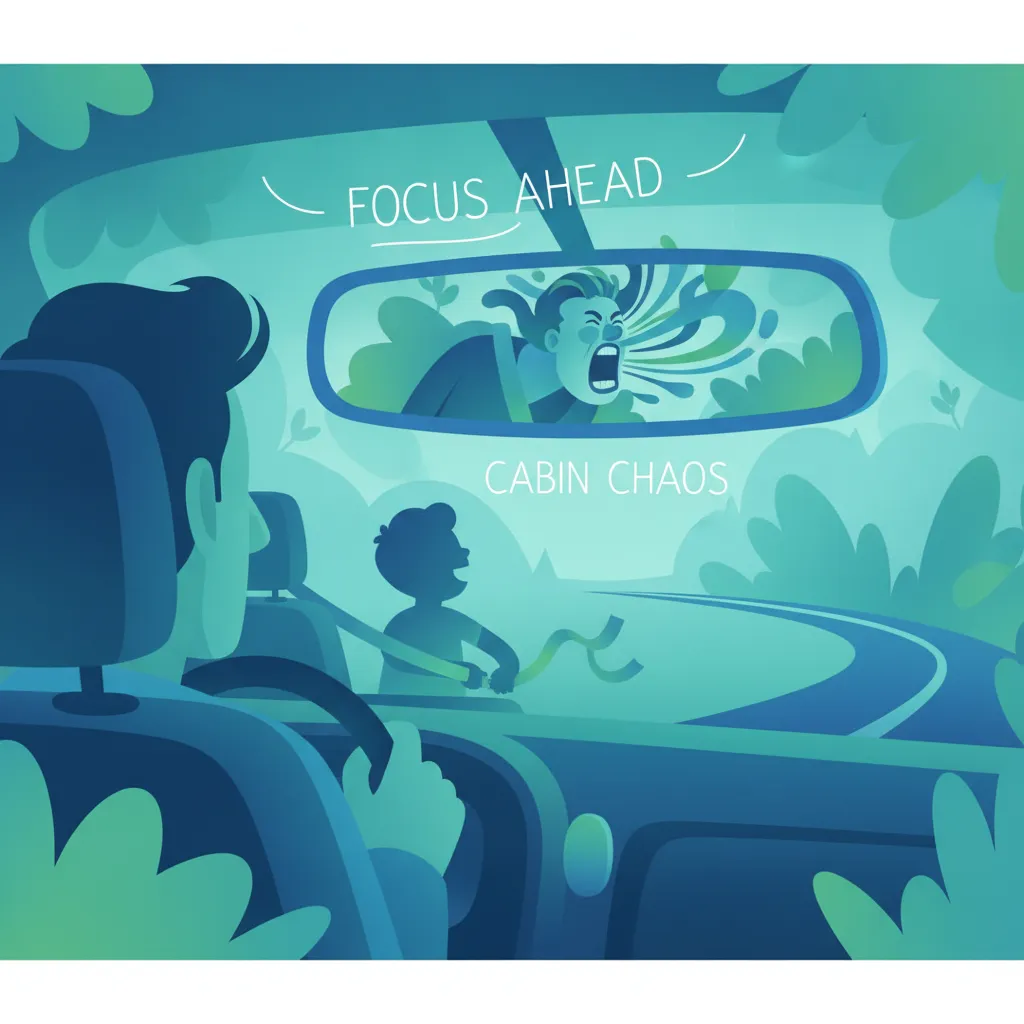
This lesson focuses on techniques for monitoring and managing passenger behavior to maintain a calm and safe environment during transit. Drivers will learn how to enforce seatbelt rules, manage noise levels, and de-escalate verbal conflicts between passengers. Proactive safety announcements and a confident, polite professional demeanor are highlighted as key tools to prevent behavioral issues before they compromise road safety.

This lesson outlines the core operational roles that drivers must perform, from ensuring safe passenger boarding to maintaining precise vehicle control throughout the journey. It details the active risk assessments required to identify hazards on the road and handle unexpected delays safely. Additionally, candidates will understand the specific procedures for reporting accidents and communicating effectively with both passengers and operations hubs.
In this lesson, learners will be equipped with the essential steps to take in the event of an emergency involving their goods vehicle, such as accidents, spills, or fires. The content covers the correct usage of the European emergency number 112, immediate safety measures to protect the scene, and the required use of driver emergency equipment like fire extinguishers and spill kits. Additionally, the lesson details the obligatory reporting processes, documentation of incidents, and cooperation with emergency services and law enforcement.
Understand the regulatory responsibilities involved in managing passenger safety, cabin behavior, and accessibility needs. This lesson explores the essential professional conduct for drivers, including proper boarding and alighting support, ensuring passenger comfort, and maintaining vehicle safety standards required for professional transport services under the French Code de la route.
This lesson outlines the core operational roles that drivers must perform, from ensuring safe passenger boarding to maintaining precise vehicle control throughout the journey. It details the active risk assessments required to identify hazards on the road and handle unexpected delays safely. Additionally, candidates will understand the specific procedures for reporting accidents and communicating effectively with both passengers and operations hubs.

This lesson highlights the critical ethical framework governing public and private passenger transport services within the French Republic. Drivers are trained to provide equitable, non-discriminatory assistance to all travelers while fully respecting passenger privacy and dignity. Understanding these moral obligations helps prevent conflicts, enhances service accessibility, and reinforces the high standard of social responsibility expected of professional coach operators.
This lesson provides step-by-step instructions for utilizing vehicle accessibility systems, including wheelchair ramps, lifts, and specialized tie-down restraints. Drivers will study French regulatory frameworks mandating equal access to public transport services for all individuals. Crucially, the lesson covers respectful, safe, and efficient communication methods for guiding passengers with sensory, physical, or cognitive impairments.

This lesson focuses on the technical skills required to position a large bus or coach parallel to the boarding curb. Drivers will learn to minimize the gap between the vehicle steps and the sidewalk, preventing tripping hazards for boarding passengers. The lesson also covers safe approach angles, mirror alignment, and positioning rules that avoid contact with curbside objects or waiting pedestrians.

This lesson details how to manage high-risk interactions with pedestrians who may step off curbs or cross the road near bus stops. Learners will study French Code de la route laws regarding pedestrian priority at crosswalks and near stopping transit vehicles. Developing heightened spatial awareness around blind zones near the front of the bus is emphasized to prevent tragic pedestrian collisions.
This lesson focuses on techniques for monitoring and managing passenger behavior to maintain a calm and safe environment during transit. Drivers will learn how to enforce seatbelt rules, manage noise levels, and de-escalate verbal conflicts between passengers. Proactive safety announcements and a confident, polite professional demeanor are highlighted as key tools to prevent behavioral issues before they compromise road safety.
This lesson examines the rigorous legal duties imposed on passenger vehicle operators by the French Code de la route and professional transport guidelines. Drivers must balance tight scheduling demands with the absolute priority of passenger safety and general public security. By studying real-world legal scenarios, candidates will learn how to maintain professional conduct, resolve on-board issues, and protect public trust during transit.

This lesson examines the flow of passengers entering and exiting the vehicle and how to organize this movement to reduce stop delays safely. Drivers will study the operation of door safety interlocks, sensitive edges, and onboard monitoring cameras to prevent boarding accidents. It also covers coordinating priority boarding for elderly, pregnant, or injured passengers in a polite and structured manner.

This lesson examines French Code de la route laws regarding pedestrian right-of-way, emphasizing the driver's legal duty to yield to any pedestrian engaged in crossing. It outlines proper approach speeds when approaching zebra crossings with obstructed views. Candidates will learn to maintain a safe physical buffer zone and verify that crosswalks are entirely clear of pedestrians before accelerating.
This lesson details the emergency protocols for handling mechanical breakdowns or tire blowouts on public highways and motorways. Drivers will learn how to park the vehicle in the safest possible location, activate hazard warning lights, and deploy the reflective warning triangle. It teaches precise commands and steps for evacuating passengers quickly through safety exits, positioning them behind protective guardrails.
Find clear answers to common questions learners have about Establishing a Culture of Safety and Passenger Trust. Learn how the lesson is structured, which driving theory objectives it supports, and how it fits into the overall learning path of units and curriculum progression in France. These explanations help you understand key concepts, lesson flow, and exam focused study goals.
Professional drivers carry significant responsibility for passenger lives. A strong safety culture ensures consistent compliance with laws, proactive risk management, and the protection of both the driver's career and the company's reputation.
Smooth acceleration, deceleration, and cornering directly impact physical comfort and perceived safety. Passengers are more likely to trust a driver who maintains a stable, calm, and predictable vehicle environment.
Regular, thorough pre-trip checks demonstrate professionalism and diligence. They prevent unexpected breakdowns and safety issues, which are essential for maintaining a reliable service that passengers can depend on.
Treat feedback as a valuable tool for improvement. Respond professionally, remain calm, and use the information to refine your driving habits and service quality, aligning with company policy.
Ready to focus your study? Use the practice search to find exactly the French driving theory questions you need for the Code de la route and permis de conduire ETG. Refine your knowledge on specific topics or challenging rules to boost your confidence and exam readiness.