
This lesson guides you through the technical and legal requirements for securing cargo in heavy goods vehicles, ensuring safety for both the driver and the public. You will learn to properly distribute loads and use restraints effectively, which is vital for both your professional licence exam and your daily operations on French roads.

Lesson content overview
Operating heavy goods vehicles (HGVs) in Category C or CE requires more than excellent driving skills; it demands a deep understanding of cargo physics and safety mechanics. When a vehicle carrying several tonnes of cargo accelerates, brakes, or negotiates a curve, immense physical forces act on the load. If the cargo is improperly secured, these forces will cause it to shift, creating immediate hazards for the driver, the vehicle, and other road users.
This lesson covers the methods, equipment, and strict legal frameworks mandated by the French Code de la route to secure cargo effectively against shifts during transport.
To safely transport goods, a driver must understand the dynamic forces at play during transit. When a vehicle is in motion, Newton's first law of motion applies: an object in motion will stay in motion, and an object at rest will stay at rest, unless acted upon by an external force.
During normal driving, three primary forces act on the cargo:
If cargo shifts even a few centimetres, it changes the vehicle's handling characteristics instantaneously:
To combat these physical forces, French transport safety guidelines rely on three fundamental principles.
Every load must be physically restrained so that it cannot move in any direction (longitudinal, lateral, or vertical). This is achieved through a combination of two methods:
Before applying securing devices, the cargo must be placed correctly on the trailer bed. Weight must be distributed evenly to satisfy legal axle load limits (charges maximales par essieu).
Always place the heaviest items at the bottom and near the horizontal center of the vehicle, slightly forward of the rear axle group, to ensure balanced weight distribution and maintain maximum steering and braking control.
Relying on a single securing device is a critical safety failure. The principle of redundancy dictates that multiple independent securing points and devices must be used. If one tie-down strap snaps due to friction or a tensioner fails, the remaining devices must have sufficient combined strength to keep the cargo in place until the vehicle can safely stop.
Selecting the right securing equipment depends on the cargo's weight, dimensions, shape, and fragility.
Webbing straps (sangles d'arrimage) are the most common securing devices. Made of high-strength synthetic fibers (usually polyester), they are flexible, lightweight, and highly resistant to weather.
An adjustable webbing strap equipped with a tensioning mechanism (such as a ratchet or cam buckles) used to apply a downward force on cargo, anchoring it to the vehicle's structure.
Common Mistakes to Avoid:
For exceptionally heavy, rigid, or sharp-edged loads—such as construction machinery, large steel coils, or concrete blocks—synthetic straps are easily damaged. In these cases, heavy-duty steel chains (chaînes d'arrimage) paired with turnbuckles (tendeurs) are used.
Chains provide immense structural strength and do not stretch under tension. However, they must be tensioned using turnbuckles equipped with safety pins or lock nuts to prevent them from vibrating loose during travel.
For loads consisting of multiple small, loose, or irregularly shaped items (such as parcel deliveries, luggage, or waste), individual strapping is impractical.
Position your cargo according to the load distribution plan, ensuring a low and centered centre of gravity.
Place rigid plastic or rubber edge protectors over any sharp corners or abrasive surfaces on the cargo where straps will make contact.
Feed your tie-down strap over the edge protectors, making sure the strap lies completely flat without twists.
Install adjustable load bars immediately behind or in front of the cargo block, locking them firmly into the vehicle's internal wall tracks to prevent sliding.
Attach the strap hooks to certified anchor points and tension the ratchets firmly, checking that the edge protectors remain correctly positioned.
The strongest strap or chain is useless if it is attached to a weak part of the vehicle. Heavy vehicles are equipped with certified anchor points or lashing rings (anneaux d'arrimage) built directly into the chassis or the trailer floor frame.
Under European safety standards and French regulations, these anchor points must withstand extreme dynamic forces:
Never attach securing straps or chains to sideboards, mudguards, wooden floorboards, or non-certified rails. Doing so can rip the structural components off the vehicle, resulting in cargo ejection.
In France, drivers use a practical rule of thumb known as the "Eye-The-Load" method to determine the minimal safety margins required for securing devices.
A safety calculation rule stating that the cumulative breaking strength of all securing devices controlling a specific load must be at least five times the actual weight of that load.
This is mathematically expressed as:
Let us look at a practical scenario to see how this rule is applied in professional transport operations:
If you are transporting a heavy industrial generator weighing ():
In France, cargo securing is governed strictly by the Code de la route (specifically articles R312-19 and R326-16 to R326-21). The law places ultimate operational responsibility on the driver.
The following key regulations apply to all commercial transport operations:
Professional drivers must actively avoid these ten common pitfalls:
Before turning the key, always conduct this professional inspection routine:
graph TD
    A[Start Pre-Trip Cargo Inspection] --> B[Check Load Distribution & Axle Weights]
    B --> C[Inspect Every Tie-Down Strap & Chain for Wear]
    C --> D[Verify All Ratchets are Locked and Turnbuckles Pin-Secured]
    D --> E[Confirm Edge Protectors are in Place on Sharp Corners]
    E --> F[Check Anchor Points for Structural Cracks or Rust]
    F --> G[Test Load Stability with a Manual Push Test]
    G --> H[Drive Safely & Re-Check at First Rest Stop]
Explore all units and lessons included in this driving theory course.
Lesson content overview
Explore all units and lessons included in this driving theory course.
Explore search topics learners often look for when studying Securing Cargo Against Shifts. These topics reflect common questions about road rules, driving situations, safety guidance, and lesson level theory preparation for learners in France.
Browse additional driving theory lessons that cover connected traffic rules, road signs, and common driving situations related to this topic. Improve your understanding of how different rules interact across everyday traffic scenarios.
Understand the legal requirements for managing vehicle weight and distributing heavy cargo across axles in France. Learn how correct load placement protects road infrastructure and ensures compliance with the French Code de la route for Category C and CE professional drivers.

In this lesson, the focus is on understanding weight limits for goods vehicles, including total gross vehicle weight and individual axle load restrictions. Learners will explore how French weight regulations define permissible loads and the consequences of exceeding these limits, such as increased wear on road surfaces and safety hazards. The lesson also discusses load balancing techniques to ensure optimal axle distribution, enhancing vehicle stability and compliance with legal standards.
This lesson focuses on the weight and dimension restrictions that goods vehicles must adhere to while traveling on French roads. Learners will understand bridge caps, tunnel clearances, and other physical limitations imposed by infrastructure, and how these restrictions impact route planning and vehicle loading. The content also highlights legal load limits and the importance of compliance checks to avoid fines and roadblocks.

Carrying heavy loads or pulling trailers significantly alters a passenger vehicle's braking distances and stability characteristics. This lesson covers how to read weight limits (like gross vehicle weight ratings), distribute cargo weight evenly, and secure items inside the boot or on roof racks. You will learn to use specialized cargo straps and understand the risks of overloading your suspension and tyres.
In this lesson, drivers will learn the specific speed limits that apply to goods vehicles across different road types in France, including urban areas, rural roads, and motorways. The content covers the differences between speed limit signs for heavy vehicles and standard passenger cars, the legal basis for these limits, and the importance of speed adaptation based on vehicle category and load. Learners will also be introduced to speed enforcement methods used in France, such as radar and speed cameras.

In this lesson, learners explore the fundamental principles governing load distribution in goods vehicles, focusing on how cargo placement affects the centre of gravity and overall vehicle stability. The content emphasizes the importance of achieving longitudinal and lateral balance to prevent adverse vehicle dynamics such as excessive sway or unintended pivoting. By understanding weight transfer phenomena and the impact of cargo positioning on the vehicle’s pivot point, drivers can make informed decisions to ensure safe loading.
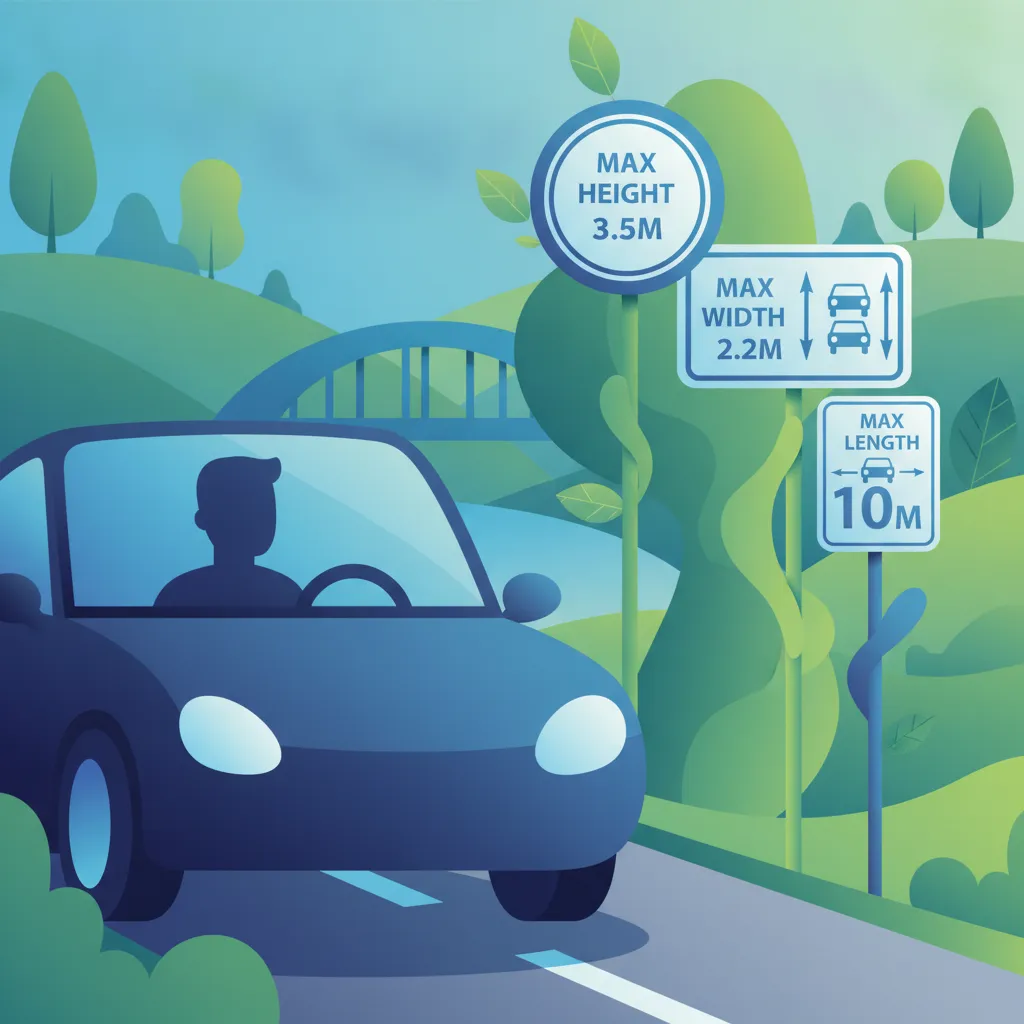
This lesson provides an in-depth analysis of how goods vehicles are classified according to their overall dimensions, such as length, width, height, and wheelbase. Learners will understand the legal limits imposed by French regulations for each vehicle class, and how these dimensions affect the vehicle’s classification and permissible routes. The material also explains the impact of cab size versus cargo space on maneuverability and route planning, highlighting the importance of accurate dimension assessment.

This lesson provides strategies for planning routes that accommodate oversized goods vehicles while complying with French road restrictions. Learners will learn how to identify prohibited routes, evaluate bridge and tunnel limitations, and obtain necessary access permits. The content also addresses the use of specialised GPS systems for heavy vehicle routing and the importance of contingency planning for detours, ensuring safe and efficient transport operations.
This lesson examines the effects that heavy goods vehicles have on road infrastructure, including pavement wear, bridge stress, and tunnel clearance issues. Learners will understand how increased weight and dimensions contribute to accelerated road degradation, leading to higher maintenance costs and potential restrictions on vehicle access. The material also highlights the importance of infrastructure capacity assessments and the role of weight restrictions in protecting road assets.
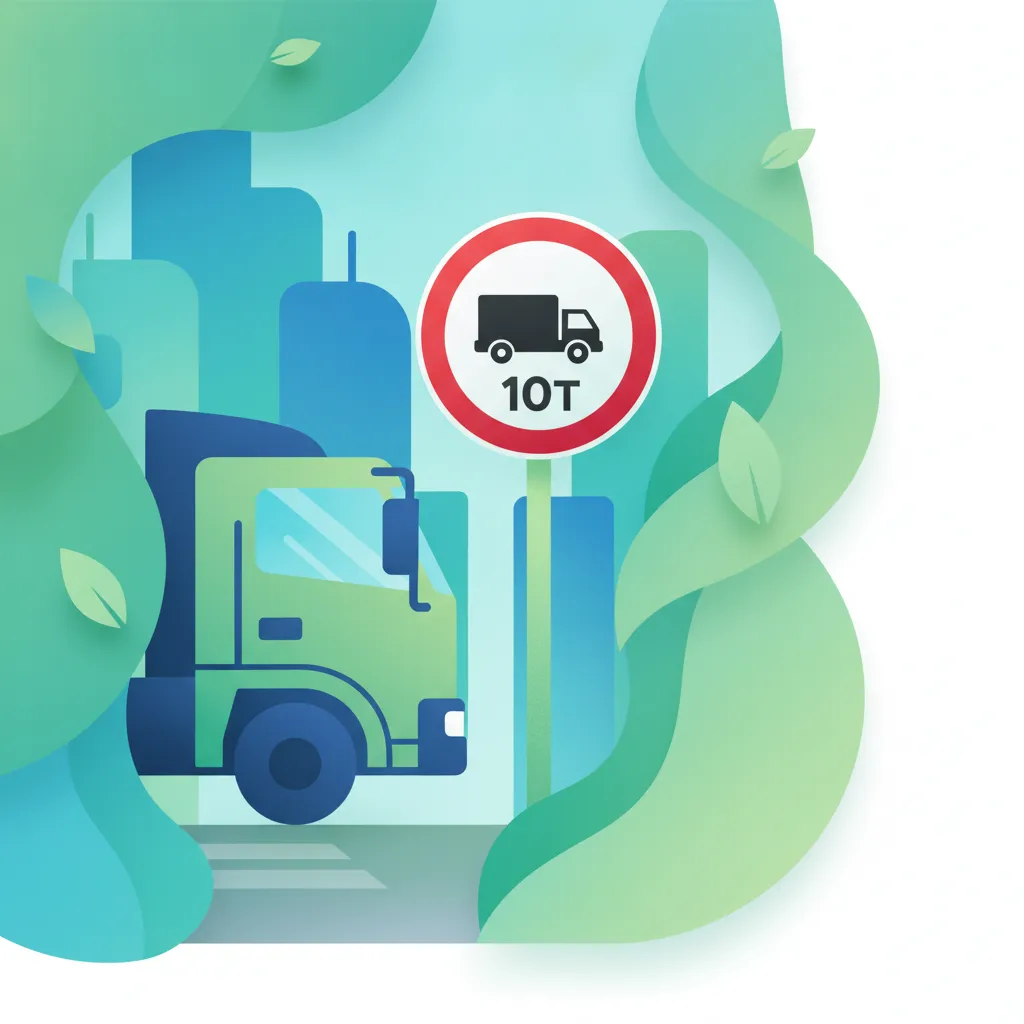
In this lesson, learners will explore the specific traffic signs that apply to goods vehicles, including weight, height, width, and load restrictions. The content focuses on how to interpret these signs correctly, the legal implications of non-compliance, and the role of signage in ensuring the safety of all road users. Emphasis is placed on recognizing sign variations and understanding enforcement practices related to goods vehicle signage in France.
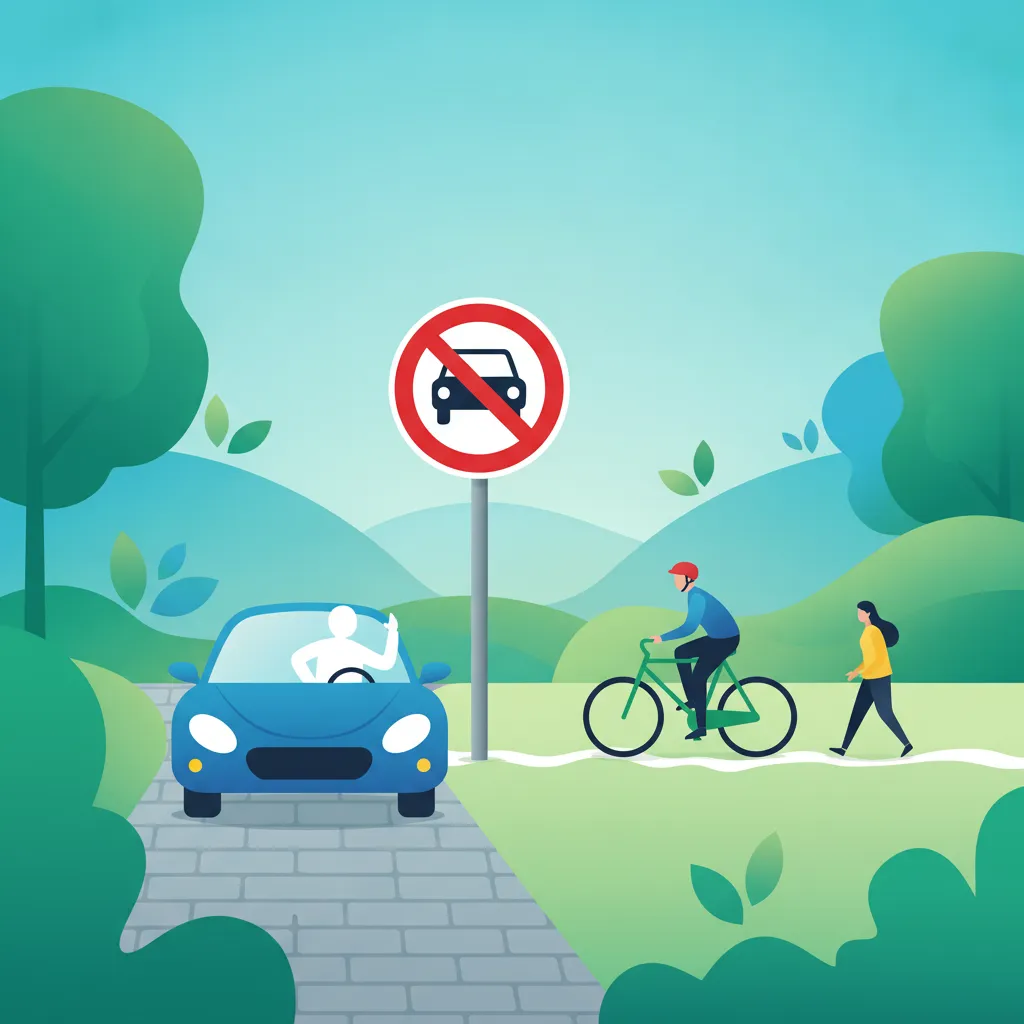
In this lesson, learners will explore the various access restrictions that apply to goods vehicles in France, such as low emission zones and weight-restricted areas. The focus is on understanding the process to obtain necessary access permits and authorisations, and how these restrictions influence route planning and operational decisions. Learners will also be introduced to specific regulations governing vehicle entry into city centres and environmentally sensitive zones.
Explore the specific challenges of operating heavy goods vehicles in dense urban environments. This lesson covers mitigating blind spots, interacting with vulnerable road users, and best practices for manoeuvring safely in tight delivery spaces as required for the French heavy goods vehicle theory syllabus.
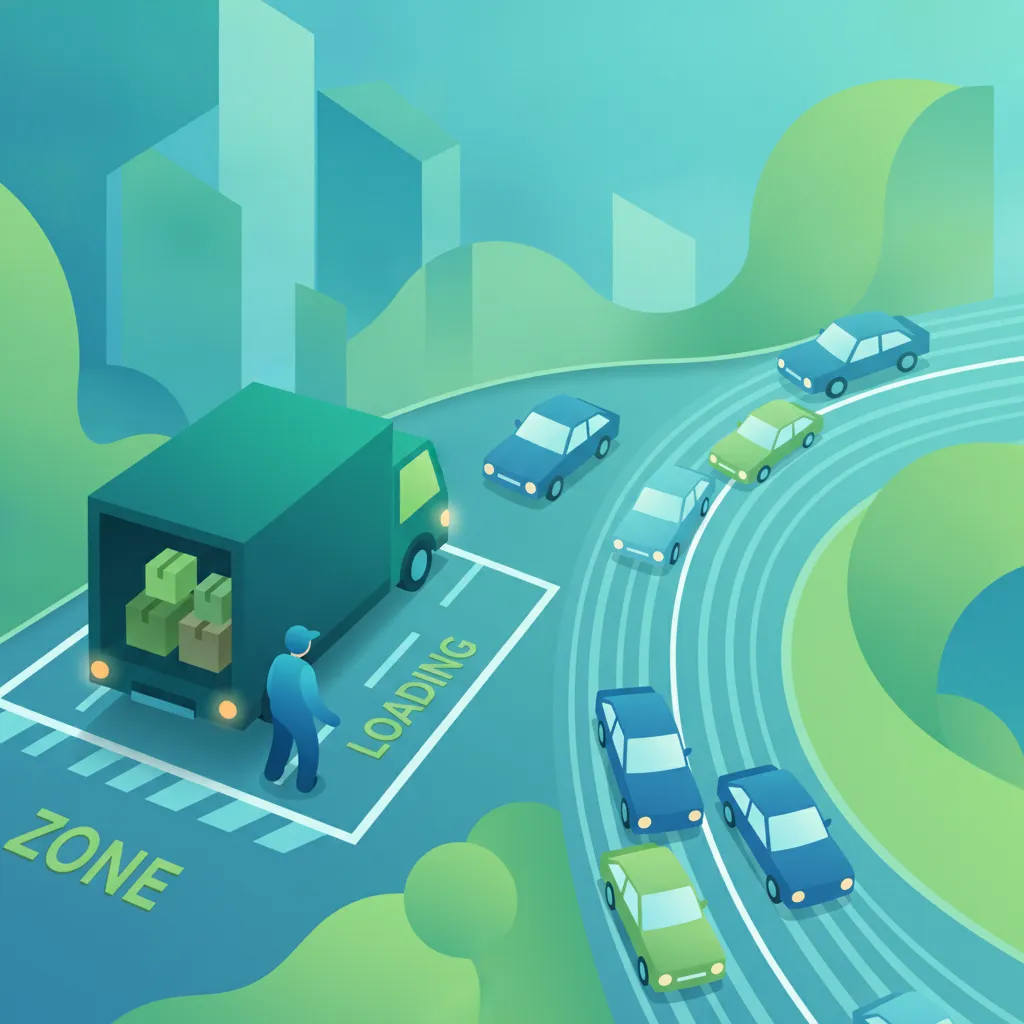
In this lesson, drivers will learn how to navigate urban delivery zones, understanding the rules surrounding loading bays, time windows, and restricted access areas. The content includes the process for obtaining delivery permits, strategies for safe maneuvering in congested city streets, and best practices for minimizing impact on pedestrian traffic. Learners will also be introduced to French city-specific regulations that govern goods vehicle deliveries.

This lesson focuses on the unique challenges of performing deliveries in dense urban areas. Learners will explore best practices for loading and unloading safely, navigating traffic congestion, and minimizing risks to pedestrians and cyclists. The content also covers compliance with city regulations for delivery zones, scheduling considerations, and the importance of careful maneuvering to avoid accidents.

This lesson analyzes the various traffic challenges unique to operating large passenger vehicles in historic and modern French urban areas. Drivers will learn to manage narrow street layouts, double-parked delivery trucks, and high-density multi-lane roundabouts safely. The lesson emphasizes defensive driving strategies, route adjustments, and maintaining mental focus under severe schedule and time pressures.

This lesson examines the specific challenges and responsibilities goods vehicle drivers face when interacting with pedestrians and cyclists in urban environments. Learners will understand right-of-way rules, the importance of yielding at pedestrian crossings, and safe turning practices that protect cyclists. The content emphasizes heightened driver vigilance, especially when navigating bike lanes and crowded sidewalks.

This lesson examines the regulatory limits and environmental controls applied to large passenger vehicles operating in dense French urban centers. Drivers will study the Crit'Air clean air sticker system and low-emission zones (ZFE) that restrict access for older, high-polluting vehicles. It also addresses navigating physical constraints, such as narrow streets, tight turning radii, and strict municipal weight limits.

This lesson focuses on maneuvering in extremely crowded areas, passenger terminals, or narrow streets blocked by parked vehicles and obstacles. Drivers will learn to assess clearance distances precisely before committing to narrow pathways. The content teaches steering techniques that maintain stability, optimize space usage, and prioritize public safety during slow-speed, high-difficulty maneuvers.

In this lesson, drivers will learn strategies to avoid conflicts with smaller vehicles, such as cars and vans, which may not be as visible in large vehicle blind spots. The content emphasizes maintaining adequate spacing, using proper lane discipline, and being aware of small vehicles' behavior during lane changes and turns. Learners will also be introduced to communication techniques, such as signalling and eye contact.
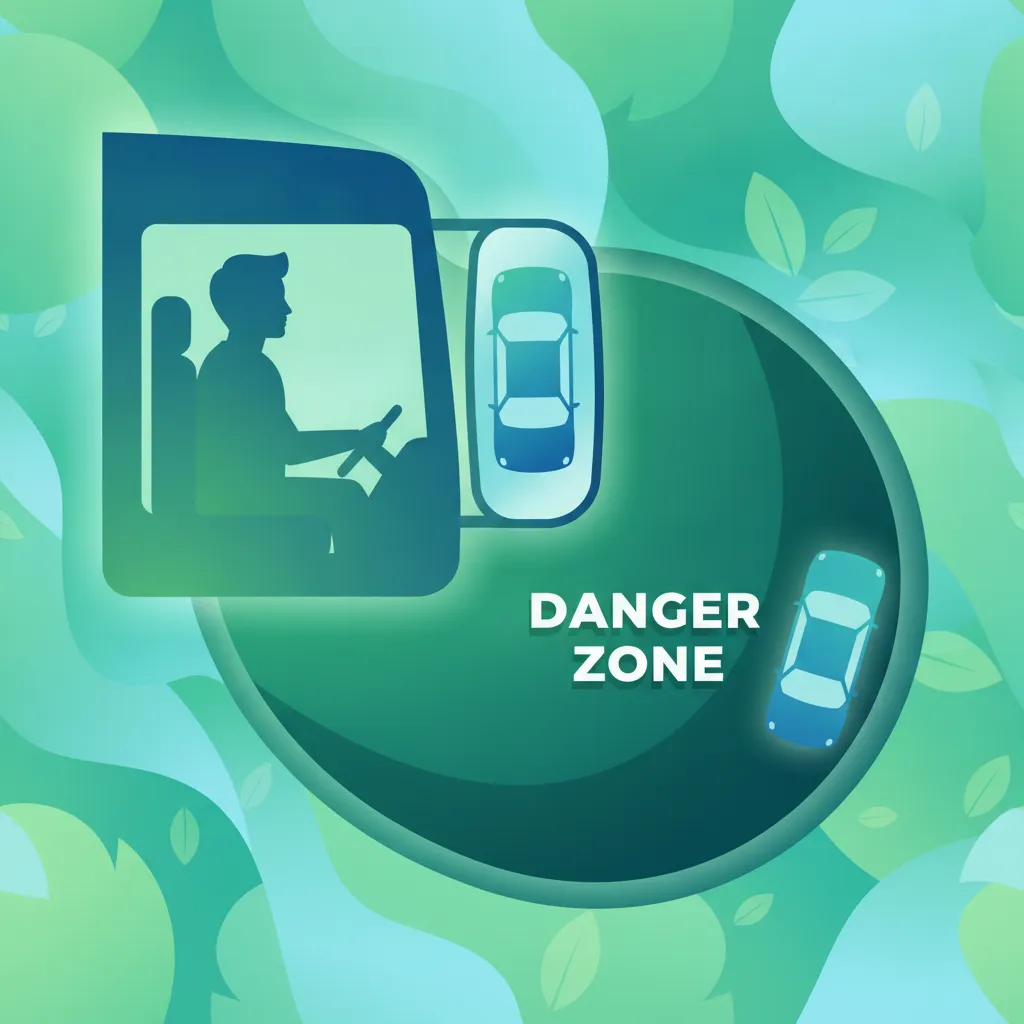
This lesson details the location and scale of blind spots around passenger cars and heavy goods vehicles, often referred to as the 'no-zone' or 'angles morts'. You will learn why truck drivers cannot see you directly behind or immediately adjacent to their cab doors. The lesson provides actionable strategies to minimize the time you spend in these dangerous zones, ensuring you always pass quickly and safely.

In this lesson, drivers will learn how to safely share the road with motorcycles and scooters, focusing on the specific blind spots and speed differentials that create risk. The content highlights proper lane positioning, caution when overtaking, and strategies for predicting motorcycle trajectories. Learners will also be introduced to the importance of being aware of scooter movements, especially in narrow streets.

This lesson covers the physical dimensions of passenger vehicles and how their high profile, length, and width alter spatial awareness on the road. Learners will study tail-swing mechanics and track the path of the rear wheels during sharp turns to avoid hitting roadside obstacles. Accurate measurement of overhead structures, bridges, and underpass clearances is taught to prevent catastrophic structural collisions.
Find clear answers to common questions learners have about Securing Cargo Against Shifts. Learn how the lesson is structured, which driving theory objectives it supports, and how it fits into the overall learning path of units and curriculum progression in France. These explanations help you understand key concepts, lesson flow, and exam focused study goals.
The most important factor is balanced load distribution. By keeping the load's centre of gravity as low as possible and centered, you significantly reduce the risk of the load shifting or the vehicle rolling over during sharp maneuvers.
Yes, all securing equipment such as straps and chains must be in good condition, certified for the weight of the load, and used in accordance with the manufacturer's recommendations. Failure to secure cargo properly can lead to heavy fines and legal liability.
An improperly secured load will continue to move forward during heavy braking, which can crush the driver's cabin or significantly increase your stopping distance. Proper restraint prevents this energy transfer.
Always perform a visual inspection to ensure no items are protruding, all straps are tensioned correctly, and the load distribution matches the weight limits for your vehicle category.
Ready to focus your study? Use the practice search to find exactly the French driving theory questions you need for the Code de la route and permis de conduire ETG. Refine your knowledge on specific topics or challenging rules to boost your confidence and exam readiness.