After an unfortunate collision, knowing what to do next is crucial for both legal compliance and a smooth insurance process. This lesson guides you through the essential steps following an accident in Poland, including when and how to report it to the police and your insurance provider, ensuring you're prepared for real-world driving scenarios and the Category B theory exam.

Lesson content overview
Driving in Poland comes with a comprehensive set of responsibilities, and knowing how to act after a road incident is crucial. This lesson guides you through the administrative aftermath of a motor vehicle collision, focusing on the mandatory procedural steps and legal responsibilities under Polish law. Understanding these obligations protects your rights, facilitates prompt claims processing, and ensures compliance with the Polish Road Traffic Law (Ustawa o ruchu drogowym) and your insurance policy terms.
Failing to follow the correct procedures after an accident can lead to significant consequences, including administrative penalties, complex liability disputes, delays in compensation, and even criminal charges in severe cases. This guide details when and how to report an incident to the police, the timeline for notifying your insurer, and the exact information that must be exchanged between all parties involved to ensure a smooth claims process.
After any road incident, the immediate actions you take are critical. While the previous lesson, "Immediate Actions After a Collision," covered scene safety and emergency calls, this lesson delves into the subsequent legal and administrative duties. The Polish legal system mandates specific steps to ensure safety, gather evidence, establish accountability, and facilitate insurance claims. These steps are designed to protect all road users and maintain order.
The administrative aftermath of an accident essentially comprises two parallel chains: the legal reporting chain (involving the police and relevant authorities) and the insurance claim chain (involving notification to insurers and data exchange). Both are governed by statutory time limits and require specific documentation. The core principles behind these obligations are rooted in safety and order, legal accountability, and the efficient functioning of the insurance system.
Always keep a clear head after an accident. Stress can lead to mistakes. A structured approach, following legal guidelines, will help you navigate the situation effectively.
One of the most critical aspects of post-accident procedure in Poland is understanding when you are legally obliged to involve the police. The Polish Road Traffic Act (Ustawa o ruchu drogowym) outlines clear conditions under which police notification is mandatory. If these conditions are met, you must stop at the scene and call the police, or report the incident to a police station afterward.
Police intervention is required in the following situations:
The specific steps you need to take depend on whether the police attend the scene:
Police-Present Accidents: If an accident meets any of the criteria above, especially if there are injuries, emergency services (numer 112) should be called immediately. When the police arrive, they will take control of the scene, secure it, gather evidence, interview parties and witnesses, and officially draft a police report (raport policyjny). This report serves as the official record of the incident, including details about liability, damages, and any citations issued. Your role will be to cooperate fully and provide accurate information.
Police-Absent Accidents (Self-Reporting): If an accident only involves material damage below the injury/death threshold and police do not attend the scene (for example, two cars with minor damage, where both drivers agree on fault and damage is below 500 zł), drivers are still legally required to report the incident to the nearest police station within 24 hours. This applies even if police were not called to the scene. You will need to complete an Accident Report Form (Formularz Zdarzenia) at the police station. This ensures an official record for insurance purposes and legal processes, protecting both parties.
Assess the situation: Determine if anyone is injured or if the material damage exceeds the 500 złoty threshold. Also note if a non-private vehicle is involved.
Call Emergency Services (112): If there are injuries, deaths, or if the situation is dangerous, call 112 immediately. Clearly state your location and the nature of the emergency.
Secure the scene: If it's safe to do so, move vehicles to the side of the road to prevent further hazards, but only if there are no injuries. Place a warning triangle.
Wait for police: If police have been called, remain at the scene until they arrive. Cooperate fully and provide all requested information.
Self-report within 24 hours: If police were not present at the scene but the accident still meets the reporting criteria (e.g., material damage > 500 zł), you and the other party must go to the nearest police station to file an "Accident Report" (Formularz Zdarzenia) within 24 hours.
Common misunderstanding: Many drivers believe that a minor fender-bender does not require police reporting if no one is injured. However, if the material damage exceeds the 500 złoty threshold, or if there is any dispute over fault, police involvement or a police-filed report within 24 hours is legally mandated.
Beyond legal reporting to the police, you also have a contractual and statutory obligation to notify your insurance company after an accident. This is a critical step that enables the insurer to begin their claim assessment process and ensures your compliance with the terms of your policy.
In Poland, there are two primary types of vehicle insurance relevant to accidents:
Most insurance policies in Poland, both OC and AC, stipulate that the policyholder must notify their insurer of an accident within a specific timeframe, typically 24 hours from the moment the driver becomes aware of the incident. This deadline is crucial.
Failing to notify your insurer within the contractual timeframe can lead to serious consequences. Your claim may be denied, or the compensation amount may be significantly reduced, leaving you financially responsible for damages.
When notifying your insurer, be prepared to provide:
Many insurers provide a dedicated hotline for accident reporting. It's advisable to call this number as soon as it is safe and practicable after an incident.
Regardless of whether the police are called to the scene, if another party is involved in an accident, you are legally obliged to exchange specific information with them. This is often referred to as the ICE (Information Exchange) Rule and is crucial for facilitating insurance claims and liability determination.
The mandatory sharing of specific personal, vehicle, and insurance data between involved parties at the accident scene to facilitate accurate claims processing and liability determination.
The Polish Road Traffic Act (§ 53) mandates the exchange of the following data:
Always aim for written proof of information exchange. Carry a small notepad or pre-printed forms in your vehicle. Both parties should sign the exchange sheet to acknowledge the accuracy of the shared details. A verbal exchange is insufficient and can lead to disputes later.
Missing or inaccurate data can significantly delay claims processing or even lead to disputes over liability. Therefore, take your time to accurately collect all necessary details from the other party and ensure they have yours. If you are unable to collect this information due to injuries or other circumstances, inform the police or your insurer as soon as possible.
The Accident Report Form (Formularz Zdarzenia) is a standardized document in Poland that serves as a vital record of an accident. It details the scenario, participants, damages, and any injuries. This form is either completed by the police at the scene (if they attend) or by the drivers themselves if police are absent (e.g., in a minor material damage collision where both parties agree on fault).
The Formularz Zdarzenia typically includes several key sections to ensure a comprehensive record:
Time is of the essence when reporting a road accident in Poland. There are specific legal and contractual deadlines that drivers must adhere to, and missing these deadlines can have severe repercussions.
Adhering to these deadlines is paramount for several reasons:
Always keep a record of when you reported an accident, to whom, and any reference numbers provided. This includes date and time of calls to police or insurer, and any report numbers.
Even experienced drivers can make mistakes in the stressful aftermath of an accident. However, certain omissions or incorrect actions can lead to serious legal and financial consequences in Poland.
Hit-and-Run (Leaving the Scene): This is one of the most severe offenses. If a driver leaves the scene of an accident without fulfilling legal obligations (stopping, assisting, exchanging information, reporting to police when required), they face:
Late Insurance Notification (>24 hours): If you contact your insurer after the stipulated deadline (commonly 24 hours):
Incomplete Information Exchange: Failing to provide or collect all required details (e.g., missing the other party's insurance policy number):
Failing to Report to Police When Required: For instance, if there's an injury or material damage exceeding 500 złoty, but the police are not called:
Incorrect Filing of Accident Report: Submitting the Formularz Zdarzenia to the wrong police precinct or failing to complete it correctly:
Assuming Insurance Handles Police Reporting: Believing that once you notify your insurer, they will also handle the police reporting for you:
Neglecting to Secure the Accident Scene: Failing to place a warning triangle or turn on hazard lights when required:
Providing False Information: Falsifying the accident description, extent of damage, or details of parties involved:
Understanding these pitfalls is as important as knowing the correct procedures. Always act honestly and diligently to protect yourself legally and financially.
The general rules for accident reporting remain consistent, but specific circumstances can influence the urgency, type, and detail required in your reports. Being aware of these contextual variations helps ensure you act appropriately in diverse situations.
These contextual factors highlight that while the core obligations remain, your approach to gathering information and interacting with authorities might need slight adjustments. Always err on the side of caution, especially when safety or the extent of damage is uncertain.
Navigating the aftermath of a road accident in Poland requires adherence to specific legal and insurance obligations. By understanding and following these rules, you can protect yourself and ensure a smoother resolution process.
Stop Immediately: Always stop your vehicle at the scene of any accident causing injury, death, or material damage exceeding 500 złoty.
Ensure Safety: Secure the scene, switch on hazard lights, place a warning triangle, and check for injuries.
Call Emergency Services (112): Dial 112 immediately if there are any injuries or deaths, or if the situation is dangerous. Police will attend and draft an official report.
Exchange Information (ICE Rule): With all involved parties, exchange names, addresses, contact numbers, vehicle registration numbers, insurance policy details (insurer name and policy number), and driver's licence numbers.
Document the Scene: Take photos of the damage, vehicle positions, road conditions, and any relevant signs or markings.
Complete the Accident Report Form (Formularz Zdarzenia): If police are not present and the accident meets reporting criteria (e.g., material damage > 500 zł), drivers must complete this form in duplicate, retaining one copy and submitting another to their insurer and police.
Report to Police within 24 Hours: If police were not at the scene but the accident met the criteria for their involvement, you must file a written report at a police station within 24 hours.
Notify Your Insurer within 24 Hours: Inform your OC (and AC, if applicable) insurance provider of the accident within the timeframe stipulated in your policy, typically 24 hours from when you became aware of the incident.
Do Not Admit Fault: While exchanging factual information, avoid admitting fault or making statements that could compromise your liability during the investigation. Stick to objective facts.
Retain All Documentation: Keep copies of the accident report, exchanged information, police report numbers, and communication with your insurer.
Key Takeaways:
By familiarizing yourself with these obligations, you will be well-prepared to handle the administrative and legal challenges that follow a road accident in Poland, ensuring compliance and protecting your interests.
After any road accident in Poland, you must immediately assess for injuries and call emergency services (112) if needed. Regardless of fault, you must exchange six specific pieces of information with all involved parties under the ICE Rule and notify your insurer within 24 hours. Police reporting is mandatory for injuries, deaths, or material damage exceeding 500 złoty, and if police are absent in such cases, you must file a Formularz Zdarzenia at a police station within 24 hours. Failing to follow these procedures can result in fines, criminal charges for hit-and-run, denial of insurance claims, and full personal financial liability.
A short set of high-value points that capture the most important learning from this lesson.
Police reporting is mandatory when there are injuries, deaths, material damage exceeds 500 złoty, or a non-private vehicle is involved.
You must notify your insurer within 24 hours regardless of fault for both mandatory OC and voluntary AC coverage.
The ICE Rule requires exchanging six specific items: names, addresses, contact numbers, vehicle registration, insurance details, and driver's license information.
If police are absent but damage exceeds 500 zł or there is a fault dispute, you must file a Formularz Zdarzenia at a police station within 24 hours.
Leaving the scene of an accident without fulfilling legal obligations constitutes a criminal offense under Polish law.
Explore all units and lessons included in this driving theory course.
The 500 złoty threshold is the current limit above which material damage requires mandatory police reporting.
24 hours is the standard deadline for both police self-reporting and insurer notification from the moment you become aware of the accident.
The Formularz Zdarzenia must be completed in duplicate when police are not present, with each party keeping a copy.
The emergency number in Poland for accidents involving injuries is 112.
OC insurance is mandatory for all registered vehicles; AC insurance is voluntary but recommended.
Assuming minor fender-benders don't require police reporting when damage exceeds 500 zł.
Failing to notify the insurer within the contractual deadline, risking claim denial or reduced compensation.
Not collecting all required exchange information, leading to delayed settlements and liability disputes.
Believing that notifying the insurer automatically fulfills the legal obligation to report to police.
Admitting fault at the scene before liability is properly established through official channels.
Lesson content overview
A short set of high-value points that capture the most important learning from this lesson.
Police reporting is mandatory when there are injuries, deaths, material damage exceeds 500 złoty, or a non-private vehicle is involved.
You must notify your insurer within 24 hours regardless of fault for both mandatory OC and voluntary AC coverage.
The ICE Rule requires exchanging six specific items: names, addresses, contact numbers, vehicle registration, insurance details, and driver's license information.
If police are absent but damage exceeds 500 zł or there is a fault dispute, you must file a Formularz Zdarzenia at a police station within 24 hours.
Leaving the scene of an accident without fulfilling legal obligations constitutes a criminal offense under Polish law.
Explore all units and lessons included in this driving theory course.
The 500 złoty threshold is the current limit above which material damage requires mandatory police reporting.
24 hours is the standard deadline for both police self-reporting and insurer notification from the moment you become aware of the accident.
The Formularz Zdarzenia must be completed in duplicate when police are not present, with each party keeping a copy.
The emergency number in Poland for accidents involving injuries is 112.
OC insurance is mandatory for all registered vehicles; AC insurance is voluntary but recommended.
Assuming minor fender-benders don't require police reporting when damage exceeds 500 zł.
Failing to notify the insurer within the contractual deadline, risking claim denial or reduced compensation.
Not collecting all required exchange information, leading to delayed settlements and liability disputes.
Believing that notifying the insurer automatically fulfills the legal obligation to report to police.
Admitting fault at the scene before liability is properly established through official channels.
Explore search topics learners often look for when studying Reporting Accidents and Insurance Obligations. These topics reflect common questions about road rules, driving situations, safety guidance, and lesson level theory preparation for learners in Poland.
Browse additional driving theory lessons that cover connected traffic rules, road signs, and common driving situations related to this topic. Improve your understanding of how different rules interact across everyday traffic scenarios.
Learn the detailed legal requirements for reporting accidents to police and insurance companies in Poland. Understand critical information exchange protocols and deadlines to ensure compliance and facilitate claims.
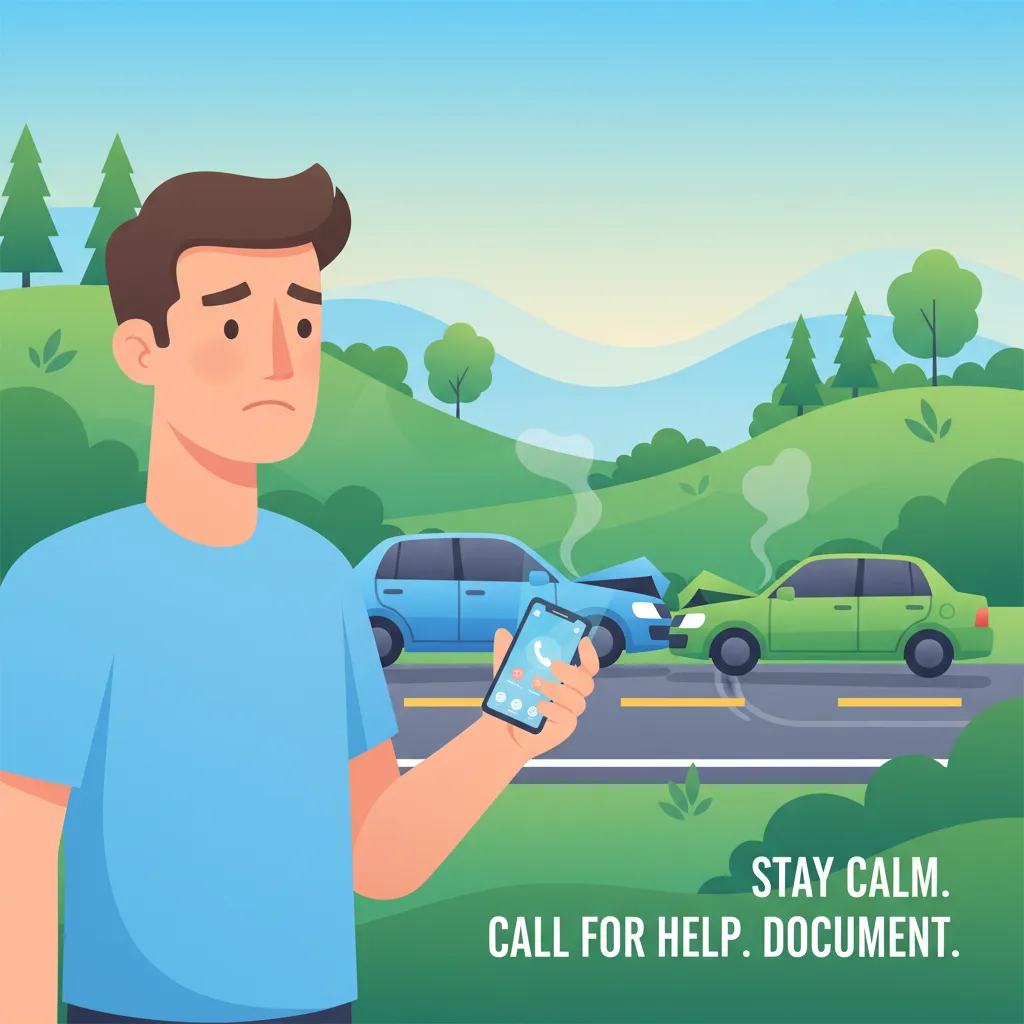
This lesson provides a clear, procedural guide for the moments following a road accident. It prioritizes safety, instructing on how to secure the scene with a warning triangle and hazard lights to prevent further incidents. The lesson also covers assessing for injuries and when it is necessary to call emergency services.
This lesson outlines the legal responsibilities of tractor drivers as stipulated by Polish traffic law, emphasizing the duty to comply with all rules of the road. It discusses the liability framework for accidents involving agricultural vehicles, including the need for appropriate insurance and potential penalties. The lesson also explains the importance of maintaining accurate documentation, such as registration papers and a driver’s licence.

This lesson equips drivers with essential first-aid knowledge applicable to a road accident scenario. It covers how to assess a casualty, control severe bleeding, and place an unconscious person in the recovery position. The lesson also emphasizes Poland's legal requirement for individuals to provide assistance to the injured within their capabilities.
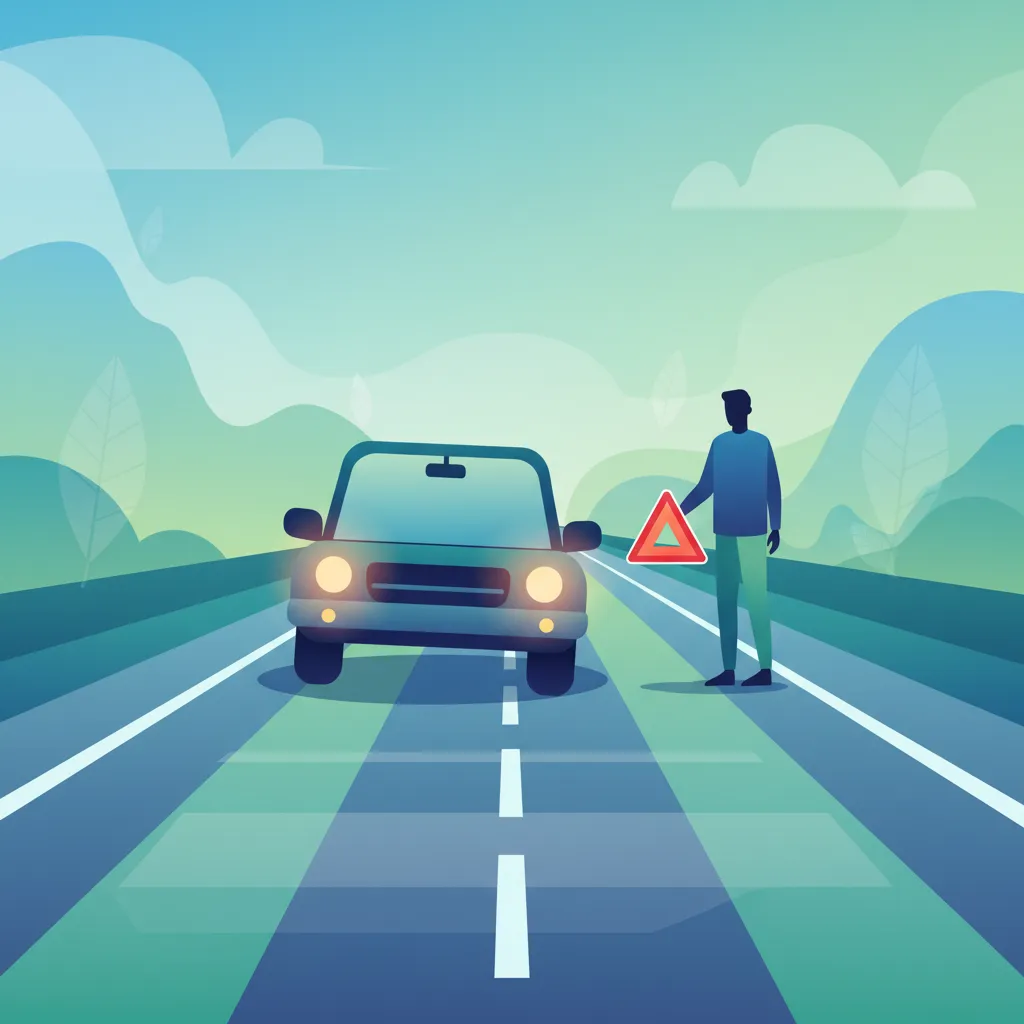
This lesson prepares drivers for the event of a vehicle breakdown on a motorway or expressway. It details the correct procedure: pulling over to the emergency lane, activating hazard lights, and placing the warning triangle at the legally required distance. The importance of wearing a reflective vest when outside the vehicle is also a key safety point.

This lesson details the professional driver's responsibilities in the event of a collision. It covers the immediate actions required to secure the scene, such as activating hazard lights and placing warning triangles, to prevent further incidents. Learners will understand the correct procedure for contacting emergency services, providing assistance to injured parties if trained, and the legal requirements for documenting and reporting the accident to the authorities and their employer.
This lesson details the documentation required for a Category B licence application and vehicle operation. It explains the function of the vehicle registration certificate (dowód rejestracyjny), the mandatory civil liability insurance (OC), and the certificate of technical inspection. Learners will understand the verification process and the importance of keeping these documents current and accessible.
In this lesson, learners examine the core legal obligations that apply to motorcyclists operating on Polish roads, including the mandatory use of helmets, periodic vehicle inspections, and the necessity of valid insurance and registration. The content details the classification of traffic offences and explains the associated penalty system, including fines, demerit points, and potential licence suspension. Additionally, the lesson outlines procedural requirements for accident reporting and interaction with law enforcement, providing a comprehensive view of a rider’s legal responsibilities.
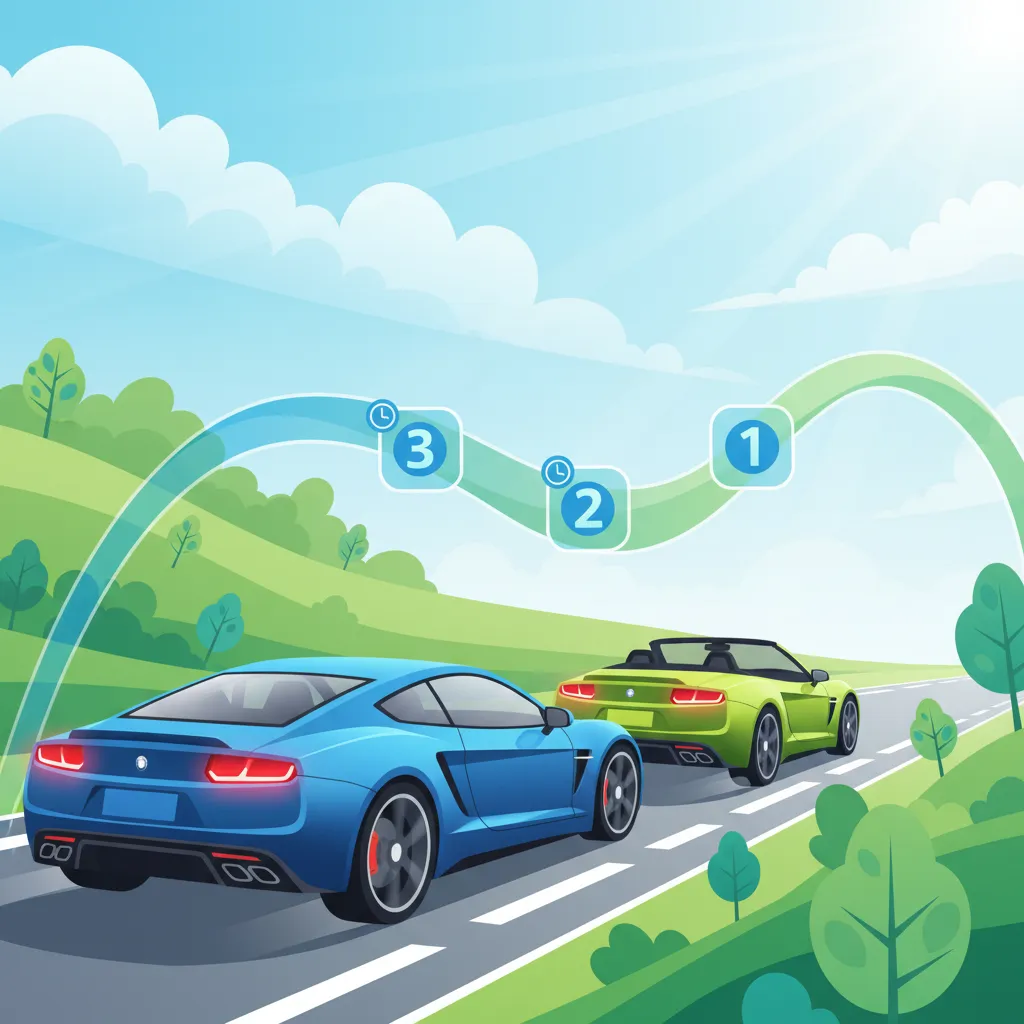
This lesson provides practical methods for maintaining a safe buffer zone behind the vehicle in front. It explains the 'two-second rule' as a minimum following distance in good conditions and how to increase it to three or more seconds in adverse weather. This skill is critical for allowing enough time to react and brake safely to avoid rear-end collisions.

This lesson details the legal framework for overtaking in Poland. It explains how to interpret road markings, such as solid and double solid lines, and prohibition signs that forbid passing. The content emphasizes the critical need for sufficient sight distance and a clear path before initiating an overtaking maneuver to ensure safety.

This lesson addresses the critical importance of the driver's physical and mental state. It details the dangers of driving under the influence of alcohol or drugs, explaining the legal blood alcohol concentration limit in Poland. The content also covers the subtle but significant risks of fatigue and distractions, advocating for full attentiveness behind the wheel.
Understand frequent errors drivers make after collisions and the severe legal and financial penalties for non-compliance with Polish accident reporting and insurance notification laws.
This lesson provides a clear, procedural guide for the moments following a road accident. It prioritizes safety, instructing on how to secure the scene with a warning triangle and hazard lights to prevent further incidents. The lesson also covers assessing for injuries and when it is necessary to call emergency services.
This lesson equips drivers with essential first-aid knowledge applicable to a road accident scenario. It covers how to assess a casualty, control severe bleeding, and place an unconscious person in the recovery position. The lesson also emphasizes Poland's legal requirement for individuals to provide assistance to the injured within their capabilities.
This lesson details the professional driver's responsibilities in the event of a collision. It covers the immediate actions required to secure the scene, such as activating hazard lights and placing warning triangles, to prevent further incidents. Learners will understand the correct procedure for contacting emergency services, providing assistance to injured parties if trained, and the legal requirements for documenting and reporting the accident to the authorities and their employer.
This lesson prepares drivers for the event of a vehicle breakdown on a motorway or expressway. It details the correct procedure: pulling over to the emergency lane, activating hazard lights, and placing the warning triangle at the legally required distance. The importance of wearing a reflective vest when outside the vehicle is also a key safety point.
This lesson outlines the emergency procedures a tractor driver must follow in case of a breakdown, trailer detachment, or accident. It covers immediate actions such as pulling over safely, deploying warning triangles, and using hazard lights to alert other road users. The lesson details the steps for reporting the incident, providing first aid, and securing the scene to prevent further hazards.
This lesson addresses the critical importance of the driver's physical and mental state. It details the dangers of driving under the influence of alcohol or drugs, explaining the legal blood alcohol concentration limit in Poland. The content also covers the subtle but significant risks of fatigue and distractions, advocating for full attentiveness behind the wheel.
This lesson provides practical methods for maintaining a safe buffer zone behind the vehicle in front. It explains the 'two-second rule' as a minimum following distance in good conditions and how to increase it to three or more seconds in adverse weather. This skill is critical for allowing enough time to react and brake safely to avoid rear-end collisions.
Find clear answers to common questions learners have about Reporting Accidents and Insurance Obligations. Learn how the lesson is structured, which driving theory objectives it supports, and how it fits into the overall learning path of units and curriculum progression in Poland. These explanations help you understand key concepts, lesson flow, and exam focused study goals.
In Poland, you must report an accident to the police if there are any injuries or fatalities, if the collision caused significant damage to property (other than the vehicles involved), if one of the drivers is under the influence of alcohol or drugs, or if there is a dispute about fault. If it's a minor collision with only vehicle damage and both parties agree on fault and exchange details, police involvement may not be required.
It's essential to exchange full names, addresses, telephone numbers, vehicle registration numbers, and insurance policy details (company name and policy number). If possible, take photos of the damage to all vehicles and the accident scene. This information is crucial for both parties to report the incident to their respective insurance companies.
You should contact your insurance company as soon as possible, usually within a few days of the accident, even if you weren't at fault. Provide them with all the details you collected at the scene, including the other driver's information and any police report numbers if applicable. They will guide you through the claims process.
If the other driver refuses to exchange details or flees the scene (hit-and-run), you must contact the police immediately. Document as much as you can about the other vehicle (make, model, colour, registration number if possible) and the circumstances of the accident. Your insurance company will need this information.
While there isn't one universal mandatory form for all situations, your insurance provider will likely supply you with a claim form or require specific documentation. Ensure you have the other party's insurance details (e.g., OC number in Poland) which will be vital for initiating the claim process with your insurer.
Build custom practice sessions tailored precisely to your needs. Focus on areas requiring improvement, review specific Polish road signs, or master complex traffic rules to ensure full preparation for your official driving license exam.