
This lesson details the essential procedures for safely handling passenger boarding and alighting in a bus, crucial for your Category D licence. You'll learn how to operate doors, deploy wheelchair ramps, and provide assistance to passengers with reduced mobility according to Polish regulations. Mastering these skills is vital for both the theory exam and ensuring safety and comfort in real-world public transport operations.
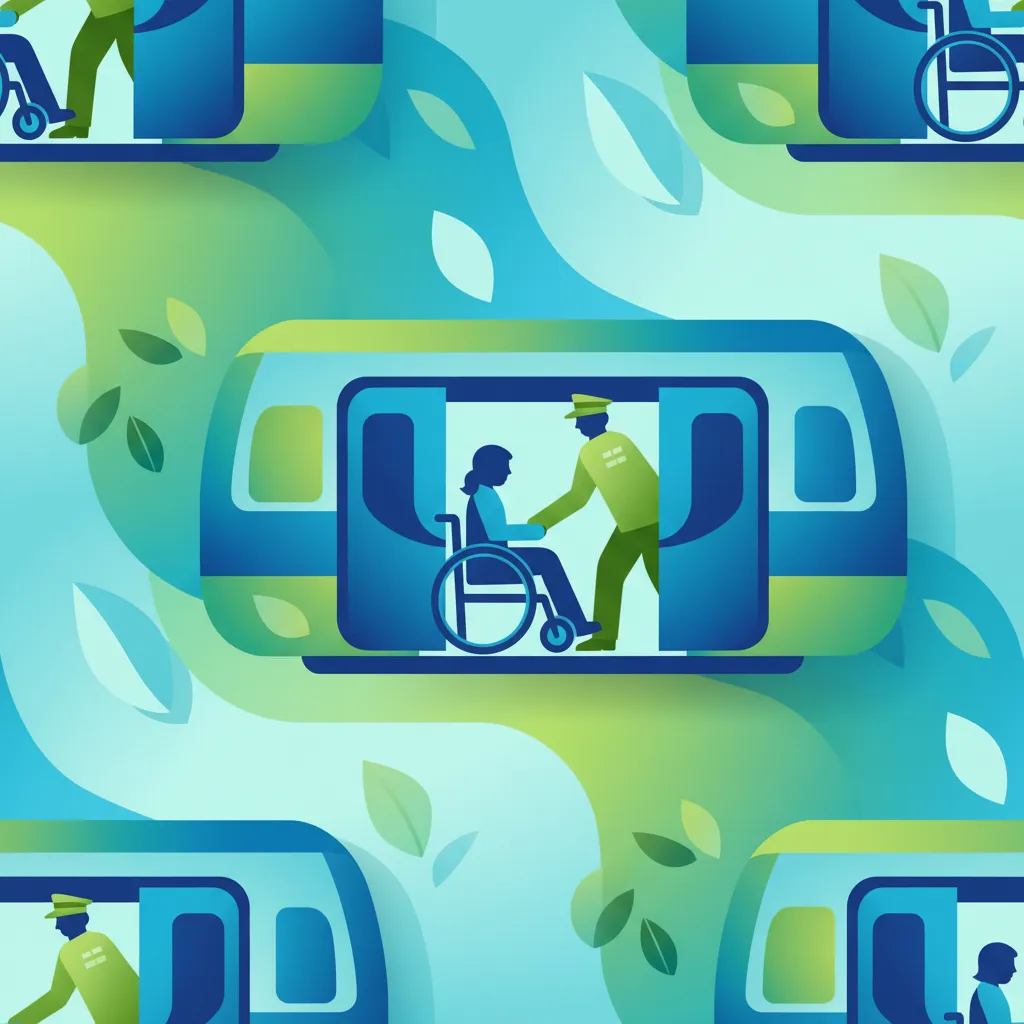
Lesson content overview
As a professional bus driver operating within the Polish Category D Driving Licence Theory Course, mastering safe passenger boarding and alighting procedures is paramount. This lesson delves into the comprehensive, legally mandated steps for ensuring every passenger, particularly those with reduced mobility (PRM), embarks and disembarks safely and efficiently. Proper execution of these procedures not only safeguards passengers but also ensures service punctuality and compliance with stringent Polish and European Union regulations.
Failure to adhere to these protocols can lead to serious consequences, including accidents, passenger injuries, significant legal fines, and even the loss of your driving licence privileges. Therefore, understanding the underlying principles of standardized communication, equipment deployment, and rigorous safety checks is fundamental to a successful and responsible career in public transport.
Safe passenger handling is at the core of public transport operations. It encompasses every interaction and movement related to passengers, from the moment they approach the bus to their safe departure. For bus drivers, this means more than just driving; it involves meticulous attention to detail during boarding and alighting, which are often the most dynamic and potentially hazardous phases of a journey.
Proper procedures are crucial because they directly impact the safety of all individuals involved, prevent delays that affect service schedules, and ensure legal compliance. A bus is a public space, and drivers bear a significant responsibility to create a controlled and predictable environment where all passengers, regardless of their mobility, feel secure.
Professional bus drivers in Poland must operate within a robust legal framework designed to protect passengers and ensure accessible public transport. This framework includes specific articles from the Polish Road Traffic Act (Ustawa o ruchu drogowym) and broader regulations from the European Union. Adherence to these laws is not optional; it is a mandatory part of a driver's duty.
The Polish Road Traffic Act (Ustawa o ruchu drogowym) contains several critical provisions directly applicable to bus drivers during passenger boarding and alighting:
Beyond national legislation, European Union regulations also dictate key aspects of bus operations:
Effective communication is the first line of defense in ensuring passenger safety during boarding and alighting. Standardized communication protocols, involving clear verbal announcements and visual cues, reduce ambiguity and ensure that passengers are aware of when it is safe to move or when to remain stationary. These protocols are crucial for controlling passenger flow and preventing accidents.
Before reaching a stop, drivers should make clear, audible announcements to prepare passengers for alighting. This allows passengers sufficient time to gather their belongings and move towards the exit.
Example Pre-Stop Announcement: "Approaching Plac Centralny stop. Please prepare to alight."
Upon arriving at a designated stop, the driver must bring the bus to a complete stop as required by Polish Road Traffic Act Art. 70(5). Only then should the doors be opened, ideally with another verbal cue. This prevents passengers from attempting to exit or board while the bus is still in motion or slowing down.
Example Door Opening Announcement: "Doors opening, please wait for the doors to fully open before boarding or alighting."
After all passengers have boarded or alighted, and especially after assisting passengers with reduced mobility, the driver must perform a series of visual checks and then issue an "all-clear" signal before preparing for departure. This signal confirms that all procedures are complete and it is safe to close the doors and move the vehicle.
Visual confirmation is critical: the driver must physically observe that all passengers are clear of the doors, that those boarding are safely inside, and that those alighting have moved away from the bus. For PRM passengers, this includes verifying that they are secured and that any ramps or lifts are fully retracted. Only after this comprehensive visual check should the "all-clear" signal be given and the doors closed.
Assisting Passengers with Reduced Mobility (PRM) is a core responsibility for Category D bus drivers, reflecting legal mandates for equal access and safety. This involves the correct operation of specialized equipment and diligent securing procedures to ensure their comfort and safety during the journey.
Buses designed for public transport are equipped with mechanisms to facilitate wheelchair access:
The operation of these devices must be precise and controlled.
Full Stop: Ensure the bus is completely stopped, and the handbrake is engaged.
Assessment: Visually assess the area around the ramp/lift for obstacles, pedestrians, or uneven ground that might impede safe deployment.
Deployment: Activate the ramp or lift mechanism. For ramps, ensure it extends fully and locks securely into position, creating a stable bridge to the curb or ground. For lifts, ensure the platform descends smoothly and is level with the ground.
Assistance: Offer verbal and physical assistance to the wheelchair user as they approach and move onto the ramp/lift. Maintain clear communication throughout this process.
Boarding: Guide the wheelchair user onto the bus. For lifts, ensure the wheelchair is centrally positioned on the platform before raising it.
Retraction: Once the passenger and wheelchair are safely inside the bus, or have fully alighted, retract the ramp or lift.
Locking: Confirm that the ramp/lift is fully stowed and securely locked in its retracted position. A visual and often an audible check (e.g., a "click" sound) should confirm this.
Common Misunderstandings: A frequent error is deploying the ramp while the vehicle is still moving or failing to ensure it is fully locked in either the deployed or stowed position. Either mistake can lead to mechanical damage or, more severely, an accident involving the passenger or others outside the bus.
Once a wheelchair user is on board, the priority shifts to securing their mobility device to prevent any movement during transit. This is a critical safety measure, as an unsecured wheelchair can shift during acceleration, braking, or cornering, leading to injury for the user and other passengers.
The securing process involves several steps:
The driver, or a designated conductor, must personally ensure that all these securing measures are correctly applied and tightened before the bus moves. Polish Road Traffic Act Art. 18b para. 3 explicitly requires the driver to ensure all mobility devices are secured.
Wheelchair anchor points are purpose-built to withstand significant forces exerted during sudden braking or acceleration. These points, along with compatible tie-down straps, form a critical restraint system. Drivers must be trained in the correct method of attaching these straps, ensuring they are snug but not overtightening to damage the wheelchair.
The safety belt or harness provided on the bus for the wheelchair user is a separate restraint system from the wheelchair's tie-downs. It is designed to secure the passenger's upper body, much like a standard seat belt, preventing them from being thrown forward in an impact. Both the wheelchair tie-downs and the passenger's safety harness must be used in conjunction.
Polish Regulation on Public Transport (Rozporządzenie) mandates that buses must be equipped with designated wheelchair spaces and appropriate anchoring devices. These spaces are typically larger, strategically located near an accessible entrance/exit, and clearly marked.
Important: Non-PRM passengers should not occupy designated wheelchair spaces if there is a possibility that a wheelchair user may need the space. If a PRM passenger boards, non-PRM passengers in this area must be asked to move to accommodate the wheelchair.
In addition to wheelchair spaces, buses also feature priority seating. These seats are typically located near the front and are reserved for elderly passengers, pregnant women, and individuals with other reduced mobility or temporary disabilities (e.g., injuries). Drivers and conductors should politely remind passengers to vacate these seats for those who need them. Proper management of these zones ensures accessibility and comfort for all vulnerable passengers.
Dwell time is the period a bus remains stationary at a stop to allow passengers to board and alight safely. Efficient dwell time management is a delicate balance between adhering to service schedules and providing sufficient time for all safety procedures, especially when assisting passengers with reduced mobility.
Service schedules for public transport routes are meticulously planned to ensure punctuality and maintain passenger flow. However, these schedules must always be flexible enough to accommodate unexpected delays or additional time required for safe operations. A driver must never compromise safety for the sake of adhering strictly to a schedule.
Factors influencing dwell time include:
While maximum allowed dwell times (e.g., 30-45 seconds in urban settings) might be set, drivers must use their judgment to extend this period when safety dictates. Any extended dwell time should be noted in the service log for record-keeping.
The Working Time Directive 2003/88/EC, applicable to all professional drivers, stipulates that dwell time counts towards a driver's total duty period. This means that time spent stationary at stops, even when not actively driving, contributes to the legal limits on daily and weekly working hours.
Drivers must be mindful of this to prevent exceeding their allowed duty periods. Rushing procedures to "catch up" on a schedule can lead to increased risk and driver fatigue. Proper planning by transport operators, which includes realistic scheduling that accounts for potential dwell time variations, is essential for both punctuality and driver compliance with working time regulations. Drivers are expected to report any consistent issues with schedules that compromise their ability to meet safety standards or working hour limits.
Before moving the bus from any stop, a systematic and thorough pre-departure safety check is mandatory. This is the final safeguard against potential hazards and ensures the vehicle is in a safe condition to resume travel. Skipping or rushing these checks can have severe consequences, including accidents and legal penalties under Polish Road Traffic Act Art. 108.
The first critical steps in a pre-departure check involve the doors and any deployed ramps or lifts:
Once doors and ramps are confirmed safe, the driver proceeds with a final comprehensive check:
Verify all passenger doors are fully closed and locked.
Confirm any ramps or lifts are fully retracted and stowed securely.
Scan the bus interior to ensure all passengers are safely positioned.
Check all mirrors for obstacles, pedestrians, or vehicles outside the bus.
Ensure no loose items are creating hazards in the aisles.
Communicate "All clear, departing" if appropriate.
Release the handbrake and smoothly move off.
Safe boarding and alighting procedures must adapt to various contextual conditions. Environmental factors, vehicle state, and interactions with other road users all demand careful consideration and potentially modified procedures from the bus driver.
Understanding common violations is as important as knowing the correct procedures. By recognizing these mistakes, drivers can proactively adopt best practices to ensure passenger safety and legal compliance.
| Situation | Why It’s Wrong | Correct Behaviour | Potential Consequence |
|---|---|---|---|
| Moving before ramp is fully retracted | Ramp could strike ground, cause wheelchair shift, or injure pedestrians/cyclists. | Wait until visual/audible confirmation of full retraction and locking. | Accident, passenger injury, mechanical damage, legal penalty (Art. 18b). |
| Not securing wheelchair after boarding | Wheelchair may slide during braking or acceleration, causing injury to the user or other passengers. | Engage wheel brakes, attach passenger safety belt, use all designated anchor point tie-downs. | Passenger injury, liability claim, violation of Art. 18b. |
| Rushing boarding to meet schedule | Reduces time for safety checks, increases error chance, causes stress for passengers. | Allocate minimum dwell time per legal standards; adjust schedule if consistently inadequate. | Increased accident risk, fines, non-compliance with accessibility laws. |
| Allowing passengers to board while bus is still moving | Vehicle motion can cause loss of balance, falls, or collisions. | Ensure vehicle is fully stopped, handbrake applied, before opening doors (Art. 70(5)). | Accident, injury, severe violation of traffic act. |
| Ignoring a malfunctioning ramp sensor | Sensor failure may lead to ramp deployment while moving or prevent safe operation. | Perform manual visual check; if malfunction persists, remove vehicle from service. | Mechanical failure, potential injury, legal violation. |
| Failing to report an incident where a PRM passenger was not assisted due to lack of equipment | Legal non-compliance, possible discrimination claim, system failure not addressed. | Report incident to operator, request repair/replacement, document in service log. | Penalties, loss of operating licence, damage to reputation. |
| Boarding/alighting on a steep incline without additional bus anchoring | Vehicle may roll backward/forward, creating unsafe conditions for passengers and others. | Use parking brake, ensure proper gear, use wheel chocks if available and necessary. | Vehicle movement, collision, injury. |
| Neglecting to inform the driver when a PRM passenger is on board (for conductor-assisted buses) | Driver may not allocate proper dwell time or be prepared to operate equipment. | Conductor/driver must communicate and confirm PRM passengers and plan dwell accordingly. | Unsuitable dwell time, missed assistance, passenger frustration. |
| Leaving doors ajar while moving | Risk of passenger falling out, door damage, collision with external objects. | Verify door interlock and visually confirm all doors are fully closed before departure (Art. 108). | Accident, fines, severe safety hazard. |
| Operating bus with malfunctioning wheelchair lift | Inability to safely board or alight PRM passengers; risk of injury during attempted use. | Take vehicle out of service immediately until repair is completed. | Legal violation, passenger injury, discrimination claim. |
This lesson covers the mandatory procedures for safe passenger boarding and alighting that Category D bus drivers must follow under Polish law. Key legal requirements include stopping completely before opening doors (Art. 70(5)), properly deploying and retracting wheelchair ramps (Art. 18b), and ensuring all mobility devices are secured before departure. Drivers must use standardized communication protocols and perform systematic pre-departure safety checks covering doors, ramps, passenger positioning, and mirror checks. The content emphasizes that dwell time at stops counts toward working hours and that safety must never be compromised for schedule adherence, especially when assisting passengers with reduced mobility.
A short set of high-value points that capture the most important learning from this lesson.
Polish Road Traffic Act Art. 70(5) mandates the vehicle must be completely stopped before doors open for passenger boarding or alighting
Art. 18b requires drivers to deploy ramps correctly, secure all mobility devices, and confirm ramp retraction before departure
Wheelchair securing requires both tie-down straps attached to anchor points AND a separate passenger safety harness used together
Standardized verbal announcements and visual confirmations control passenger flow and prevent accidents during boarding and alighting
Dwell time counts toward driver duty periods under Working Time Directive 2003/88/EC, requiring balanced scheduling
Explore all units and lessons included in this driving theory course.
Wheelchair ramps must lock securely in both deployed and retracted positions with visual and audible confirmation
Four tie-down straps connect to anchor points on the wheelchair chassis front and rear, plus a separate safety belt for the passenger
Pre-departure checklist includes: doors closed, ramps retracted, interior passengers safe, mirrors clear, aisles clear
Vehicle cannot move until handbrake is released last, after all other safety checks are confirmed
Non-PRM passengers must vacate designated wheelchair spaces when wheelchair users need them
Moving the bus before the ramp is fully retracted and locked, risking damage or pedestrian injury
Relying solely on wheelchair wheel locks without using anchor point tie-downs and safety harness
Opening doors before the vehicle is fully stopped, violating Art. 70(5) and risking passenger falls
Rushing boarding procedures to meet schedules, compromising safety checks for wheelchair users
Neglecting to visually confirm all doors are closed before departure, rather than trusting interlock systems alone
Lesson content overview
A short set of high-value points that capture the most important learning from this lesson.
Polish Road Traffic Act Art. 70(5) mandates the vehicle must be completely stopped before doors open for passenger boarding or alighting
Art. 18b requires drivers to deploy ramps correctly, secure all mobility devices, and confirm ramp retraction before departure
Wheelchair securing requires both tie-down straps attached to anchor points AND a separate passenger safety harness used together
Standardized verbal announcements and visual confirmations control passenger flow and prevent accidents during boarding and alighting
Dwell time counts toward driver duty periods under Working Time Directive 2003/88/EC, requiring balanced scheduling
Explore all units and lessons included in this driving theory course.
Wheelchair ramps must lock securely in both deployed and retracted positions with visual and audible confirmation
Four tie-down straps connect to anchor points on the wheelchair chassis front and rear, plus a separate safety belt for the passenger
Pre-departure checklist includes: doors closed, ramps retracted, interior passengers safe, mirrors clear, aisles clear
Vehicle cannot move until handbrake is released last, after all other safety checks are confirmed
Non-PRM passengers must vacate designated wheelchair spaces when wheelchair users need them
Moving the bus before the ramp is fully retracted and locked, risking damage or pedestrian injury
Relying solely on wheelchair wheel locks without using anchor point tie-downs and safety harness
Opening doors before the vehicle is fully stopped, violating Art. 70(5) and risking passenger falls
Rushing boarding procedures to meet schedules, compromising safety checks for wheelchair users
Neglecting to visually confirm all doors are closed before departure, rather than trusting interlock systems alone
Explore search topics learners often look for when studying Boarding and Alighting Procedures, Assistance for Reduced-Mobility Passengers. These topics reflect common questions about road rules, driving situations, safety guidance, and lesson level theory preparation for learners in Poland.
Browse additional driving theory lessons that cover connected traffic rules, road signs, and common driving situations related to this topic. Improve your understanding of how different rules interact across everyday traffic scenarios.
Learn the specific procedures for boarding and alighting passengers with reduced mobility (PRM) in Poland. Covers correct operation of wheelchair ramps and lifts, and essential techniques for securing mobility aids safely.
This lesson details the speed limits applicable to buses in Poland across urban, rural, and motorway settings. It emphasizes how vehicle size and passenger load influence safe operating speeds and required stopping distances. The content also covers speed-control device usage and practical techniques for maintaining consistent speed while ensuring passenger comfort.

This lesson outlines the precise steps for approaching a bus stop, ensuring correct positioning and safe deceleration. Learners will study the procedural aspects of door operation and managing passenger movement to prevent accidents. It also addresses coordination with traffic signals and pedestrians to maintain safety and schedule reliability.
This lesson focuses on the rules and social responsibility surrounding parking spaces designated for disabled individuals. It explains the eligibility requirements for a disabled parking permit and the correct way to display it. The content stresses the severe penalties for misuse and the importance of leaving these spaces available for those who genuinely need them.
This lesson focuses on the key provisions of the Polish road traffic act relevant to public transport. It explains the legal classification of buses, mandatory safety equipment, and the hierarchy of road users. Learners will understand the specific obligations of bus drivers, potential penalties for non-compliance, and the required operational documentation.

This lesson equips drivers with knowledge of emergency procedures, including how to conduct a rapid evacuation. Learners will identify the location and use of fire extinguishers and first-aid kits and learn to guide passengers to emergency exits. The content also covers legal reporting obligations and coordination with emergency services following an incident.
This lesson details the precise adjustment of interior and exterior mirrors to compensate for a bus's large blind spots. Learners will understand how to achieve maximum coverage of rear and side zones through proper mirror setup. It also addresses how passenger load and lighting conditions affect visibility and provides guidelines for maintaining clear sightlines.
This lesson introduces the various classes of passenger vehicles under Category D, detailing differences between standard, articulated, and minibuses. It covers key dimensional parameters like length, wheelbase, and turning circle that affect urban navigation. Learners will also understand passenger capacity calculations and weight distribution for safe, compliant operation.
This lesson explains the ideal seating position for operating a bus, focusing on adjustable features that ensure proper reach to pedals and the steering wheel. It covers ergonomic principles such as lumbar support and control layout to minimize distraction. The goal is to establish a comfortable and safe posture that reduces physical strain during extended driving periods.
Master the critical pre-departure safety checks for bus drivers, ensuring doors are closed, ramps/lifts are secured, and passengers are safe before moving off, in line with Polish traffic regulations.
This lesson outlines the precise steps for approaching a bus stop, ensuring correct positioning and safe deceleration. Learners will study the procedural aspects of door operation and managing passenger movement to prevent accidents. It also addresses coordination with traffic signals and pedestrians to maintain safety and schedule reliability.

This lesson details the critical pre-trip inspection routine that every professional driver must perform. It provides a step-by-step checklist for visually inspecting essential components such as tires, brakes, lights, and fluid levels to identify potential safety hazards. Learners will understand the importance of verifying that mirrors are correctly adjusted, emergency equipment is present, and cargo securing points are intact, thereby ensuring the vehicle's roadworthiness and preventing roadside failures.
This lesson equips drivers with knowledge of emergency procedures, including how to conduct a rapid evacuation. Learners will identify the location and use of fire extinguishers and first-aid kits and learn to guide passengers to emergency exits. The content also covers legal reporting obligations and coordination with emergency services following an incident.

This lesson teaches the fundamentals of safely reversing a bus using mirrors, cameras, and alarms. It covers low-speed control essential for depot navigation, where precise steering is required to avoid collisions. Specific techniques for handling articulated buses and coordinating with ground staff are also discussed to ensure safe maneuvers.
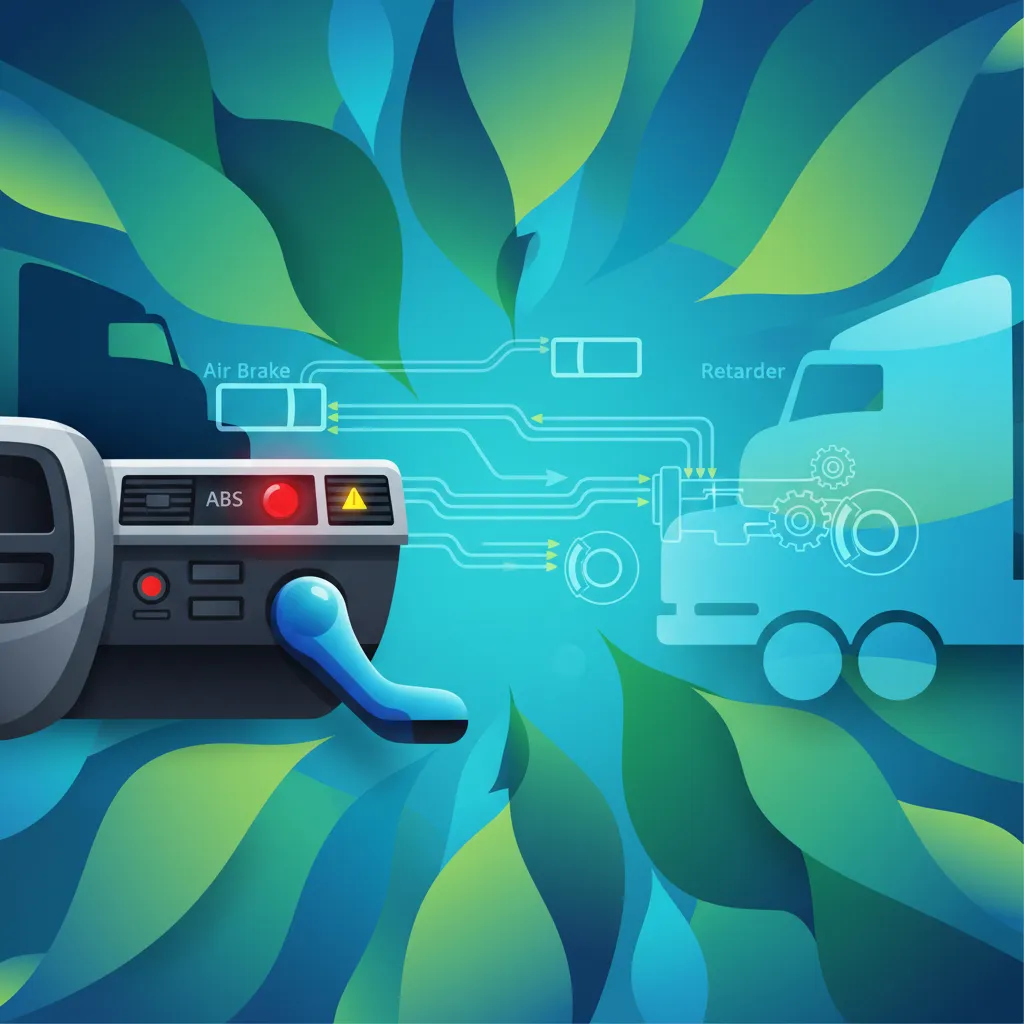
This lesson covers the braking mechanisms specific to large passenger vehicles, focusing on air brake systems and retarders. Learners will understand the components and operation of service and parking brakes, as well as the function of ABS and ESC. It also addresses strategies for emergency braking and the importance of regular maintenance for optimal performance.

This lesson introduces defensive driving strategies tailored for bus operation, emphasizing hazard perception and risk management. Learners will study techniques for continuous situational awareness and maintaining safe following distances for adequate reaction time. The content covers emergency maneuvers and interaction with vulnerable road users to reduce accident likelihood.

This lesson introduces routine vehicle safety checks that every driver should perform. It covers how to check tire pressure and tread depth, verify essential fluid levels like oil and coolant, and ensure all lights are operational. Performing these simple inspections regularly helps prevent breakdowns and enhances overall road safety for everyone.
This lesson enumerates the mandatory safety equipment every vehicle must carry in Poland, such as a warning triangle and a fire extinguisher. It explains their proper use and storage, alongside routine pre-journey inspections that a driver should perform. These checks include verifying lights, tire pressure, and fluid levels to ensure the vehicle is roadworthy and compliant with safety regulations.
Find clear answers to common questions learners have about Boarding and Alighting Procedures, Assistance for Reduced-Mobility Passengers. Learn how the lesson is structured, which driving theory objectives it supports, and how it fits into the overall learning path of units and curriculum progression in Poland. These explanations help you understand key concepts, lesson flow, and exam focused study goals.
Polish law requires bus drivers to provide necessary assistance to passengers with reduced mobility, which includes operating accessibility features like ramps and ensuring securement of wheelchairs. Drivers must be trained and proactive in offering help, ensuring the passenger's safety and comfort during boarding, alighting, and transit, in accordance with the Road Traffic Act and accessibility standards.
In case of a ramp malfunction, your priority is passenger safety. First, stop all operations and secure the vehicle. Attempt to safely resolve the issue if possible and trained to do so. If not, contact your dispatch or operations centre immediately for assistance or alternative transport arrangements for the passenger. Never force a malfunctioning ramp or put a passenger at risk.
Wheelchairs must be secured using designated restraints and anchorage points provided on the bus. Ensure the wheelchair brakes are applied and the occupant is facing the rear (unless an alternative securement is specified by the manufacturer). Always follow the bus manufacturer's instructions and your company's training, checking that all straps are correctly tensioned and secure before moving.
You may refuse transport only if the wheelchair or passenger's equipment poses a direct and demonstrable safety risk that cannot be mitigated, or if it exceeds the bus's design specifications for securement and space, as outlined by Polish transport regulations. Always explain your decision politely and offer alternative solutions or contact your supervisor. Discrimination is illegal, so such decisions must be based strictly on safety and regulatory compliance.
Build custom practice sessions tailored precisely to your needs. Focus on areas requiring improvement, review specific Polish road signs, or master complex traffic rules to ensure full preparation for your official driving license exam.