
This lesson details the critical pre-trip inspection routine every professional Category C driver in Poland must perform. It provides a step-by-step checklist for visually inspecting essential components to identify potential safety hazards and ensure legal compliance. Mastering this routine is crucial for passing your Polish HGV theory exam and ensuring vehicle roadworthiness before every journey.
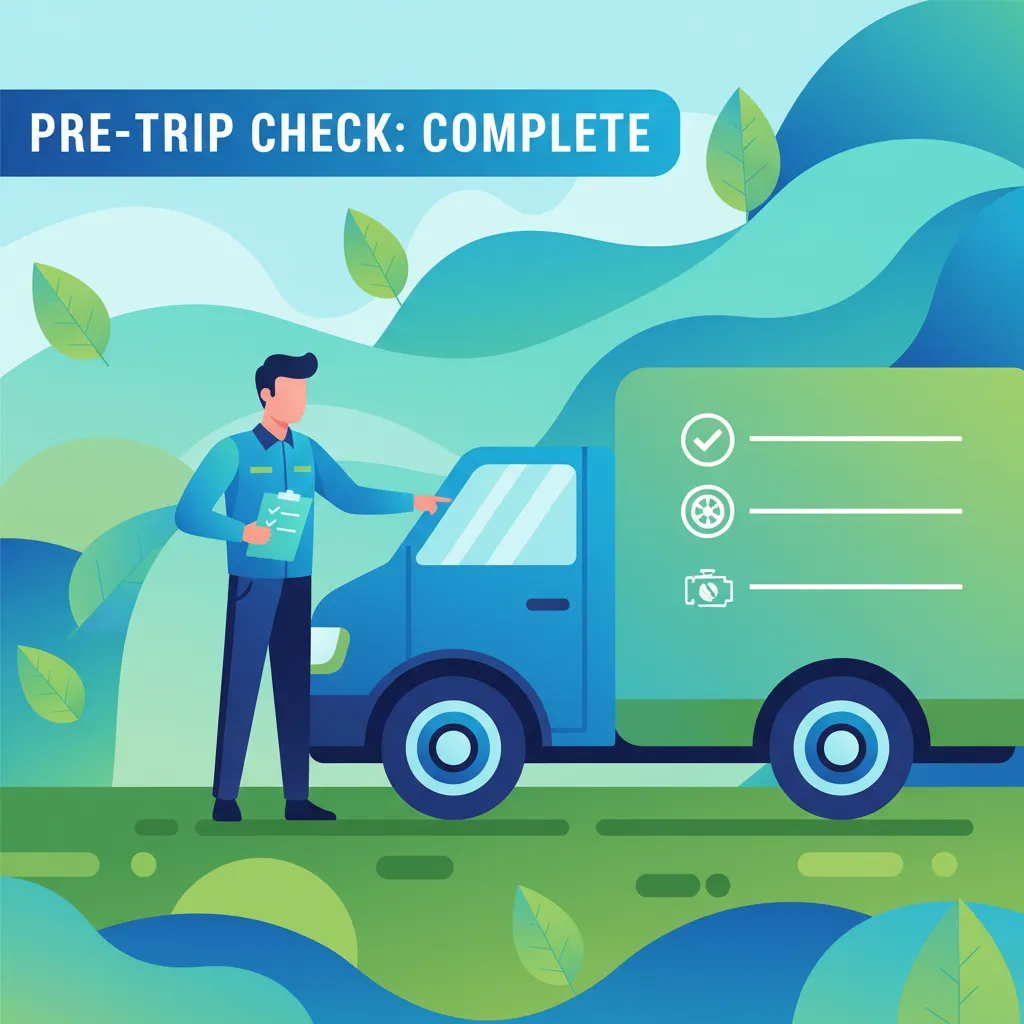
Lesson content overview
Every professional driver of a heavy goods vehicle (HGV), especially those operating under Polish Category C licensing, bears a significant responsibility for road safety. A critical component of this responsibility is the pre-trip vehicle inspection. This isn't merely a formality; it's a vital safety routine that ensures the vehicle is roadworthy, legally compliant, and safe for all road users before commencing any journey. This lesson will guide you through the comprehensive checks required, explaining their importance and legal context within the Polish Category C Heavy Goods Vehicle Theory curriculum.
A systematic pre-trip inspection is your first line of defense against mechanical failures and potential accidents. For heavy goods vehicles, which carry substantial weight and operate at high speeds, even minor defects can escalate into catastrophic events. This routine is designed to proactively identify and address issues before they become hazards on the road.
Beyond safety, a thorough inspection ensures compliance with Polish traffic law (Prawo o ruchu drogowym) and relevant EU regulations. Failure to maintain a roadworthy vehicle can lead to severe penalties, including fines, vehicle impoundment, and even the revocation of your driving permit. Ultimately, a consistent inspection routine protects not only your life and livelihood but also the cargo you transport and the safety of other individuals on the road.
The pre-trip inspection for a heavy goods vehicle is a structured process that integrates several core principles. It's a proactive safety management system that covers mechanical reliability, visual safety, and regulatory adherence.
The primary goal of any pre-trip inspection is to confirm the vehicle's roadworthiness. This means verifying that all essential systems – including tires, brakes, lights, steering, and suspension – meet functional and legal standards. As a driver, you are legally responsible for ensuring your vehicle is in a safe operating condition before you start a trip. Identifying defects and ensuring they are repaired or reported immediately is crucial. This vigilance prevents mechanical failures that could endanger lives and property, especially given the significant forces involved in operating an HGV.
The inspection process employs two main types of checks:
A complete pre-trip inspection also includes verifying all mandatory documentation. This means ensuring that vehicle registration (dowód rejestracyjny), the Periodic Technical Inspection certificate (przegląd techniczny), insurance documents, your driver's license, and any special permits (e.g., for oversized loads) are present, valid, and easily accessible. Operating without proper, current documentation is a legal violation that can lead to penalties and vehicle impoundment, disrupting your journey and affecting your professional standing.
Before any cargo is secured, or indeed, before any journey begins with cargo, the vehicle's readiness for that specific load must be confirmed. This involves verifying that the vehicle’s load capacity is not exceeded, axle distribution is correct, and all cargo securing points are intact and adequate for the planned load. This step is a prerequisite to Unit 3 (Load Management and Cargo Securement) and is vital for preventing overloading, dangerous cargo shifts, and axle over-stress, all of which can severely compromise braking efficiency and increase the risk of rollovers.
This section outlines the specific components you must inspect, providing details on what to look for and why each check is essential.
The tires, wheel rims, and associated components are your vehicle's only contact with the road. Their condition directly impacts traction, braking, and load-carrying capacity.
Example: A driver notices a deep cut on the sidewall of a rear tire during inspection. They report the defect and arrange for replacement before starting the journey, preventing a potential high-speed blow-out.
The air-operated braking system is paramount for controlling the massive kinetic energy of an HGV. A fault here can have catastrophic consequences.
Example: A driver notes the air pressure gauge showing a reading of 4.8 bar, below the safe service pressure. They identify a slow leak in a brake line and have it repaired, preventing reduced braking efficiency on the road.
Proper functioning of all lights and signaling devices is crucial for both your visibility to other road users and your ability to communicate your intentions.
Example: During a check, a driver observes a dim left turn signal at the rear of the trailer. They replace the bulb immediately, ensuring clear communication of their intentions to following vehicles.
Mirrors are indispensable for safe driving, providing the necessary visual coverage around your large vehicle, particularly for lane changes, overtaking, and monitoring trailer articulation.
Example: A driver ensures their passenger-side mirror is adjusted to cover the side of their trailer and the lane adjacent to it, effectively reducing a major blind spot before merging onto a motorway.
Adequate levels and proper condition of essential fluids are critical for the reliable operation of various vehicle systems.
Example: A driver notices the brake fluid level is slightly below the minimum mark. They top it up to prevent a spongy brake pedal feel and maintain optimal stopping power.
The suspension system absorbs road shocks and supports the vehicle's weight, while the steering system directs the wheels. Both must be in excellent condition for stable handling, especially under heavy loads.
Example: The driver observes a visible oil leak from a rear shock absorber. Recognizing this as a suspension defect, they report it and do not proceed with the journey until repaired.
The exhaust system channels harmful combustion gases away from the vehicle and reduces noise. Its integrity is important for both safety and environmental compliance.
Example: A driver hears an unusual rattling noise from under the truck. Upon inspection, they find a loose exhaust pipe clamp, which they tighten, preventing potential exhaust leaks into the cabin.
For articulated HGVs, the connection between the tractor and trailer, and the integrity of cargo securement points, are paramount for preventing accidents.
Example: Before moving off with a loaded trailer, the driver physically pulls on the trailer to confirm the fifth-wheel lock is fully engaged and the kingpin is secure, preventing accidental detachment.
The electrical system powers everything from engine start-up to safety lights, horn, and onboard electronics.
Example: The driver notices slight corrosion on the battery terminals. They clean them to ensure good electrical contact, preventing intermittent power loss to critical safety systems.
Having the correct and current documentation on board is a legal requirement and essential for smooth operations.
Example: A driver checks their documents and realizes their technical inspection certificate is due to expire next week. They schedule an appointment to avoid operating with an invalid certificate, which would lead to penalties.
Drivers of heavy goods vehicles in Poland must adhere to specific national and European regulations regarding vehicle condition and inspections. These rules reinforce the importance of the pre-trip checks:
The primary legal framework governing all aspects of road traffic in Poland, including vehicle requirements and driver responsibilities.
Even experienced drivers can sometimes overlook critical details. Being aware of common mistakes can help you maintain vigilance.
The focus of your pre-trip inspection should adapt to prevailing conditions and the nature of your journey.
The relationship between a diligent pre-trip inspection and safe, efficient operations is direct and undeniable:
The pre-trip inspection is not an isolated task; it builds upon and reinforces knowledge from across the Polish Category C Heavy Goods Vehicle Theory curriculum. It requires an understanding of:
This lesson forms a fundamental foundation, preparing you for safe maneuvering on motorways, effective emergency procedures, and confident operation during long-haul routes.
The pre-trip inspection is a mandatory systematic routine for Category C HGV drivers in Poland, combining visual walk-arounds with functional tests to verify roadworthiness before every journey. Key inspection areas include tires, air braking systems, lights, mirrors, fluid levels, suspension, steering, exhaust, coupling mechanisms, and cargo securement points—all governed by specific Polish regulations and EU directives. Common oversights include incorrect tire pressure for loaded conditions, unnoticed air leaks, mirror misalignment, faulty reverse lights, and inadequate cargo lashing. Adapting inspection focus to weather, road type, and vehicle load state significantly enhances safety outcomes.
A short set of high-value points that capture the most important learning from this lesson.
Pre-trip inspections are a legal obligation for Category C drivers under Polish Road Traffic Act, not an optional formality.
The inspection uses two complementary strategies: visual checks for obvious defects like cracks and leaks, and functional tests to verify system operation.
Critical systems requiring thorough checks include tires, air brakes, lights, mirrors, fluid levels, and cargo securement points.
Environmental conditions should influence inspection focus—rain demands extra attention to tires and lights, while mountainous routes require intensive brake and cooling system checks.
Proper pre-trip inspection directly prevents mechanical failures, ensures legal compliance, and protects road safety.
Explore all units and lessons included in this driving theory course.
Minimum tread depth for HGV tires in Poland exceeds that for passenger vehicles; always verify against manufacturer specifications for load.
Air-brake systems must maintain service pressure above 5 bar and parking pressure above 7 bar; listen for hissing sounds indicating leaks.
Verify valid przegląd techniczny (technical inspection certificate) and dowód rejestracyjny before every journey.
Tire pressure must be checked against specifications for the specific axle load, not just empty-vehicle settings.
Fifth-wheel coupling inspection must confirm kingpin engagement, proper lubrication, and secure locking mechanism before departure.
Inflating tires to empty-load pressure instead of the higher pressure required for the actual axle load, risking blowouts.
Overlooking slow air-brake leaks that don't trigger immediate warnings but gradually deplete braking efficiency.
Failing to readjust mirrors after seat changes or different drivers, creating dangerous blind spots.
Neglecting reverse light functionality, making backing maneuvers hazardous especially in low-light conditions.
Relying on friction alone or using insufficient straps for cargo, leading to dangerous load shifts during braking or cornering.
Lesson content overview
A short set of high-value points that capture the most important learning from this lesson.
Pre-trip inspections are a legal obligation for Category C drivers under Polish Road Traffic Act, not an optional formality.
The inspection uses two complementary strategies: visual checks for obvious defects like cracks and leaks, and functional tests to verify system operation.
Critical systems requiring thorough checks include tires, air brakes, lights, mirrors, fluid levels, and cargo securement points.
Environmental conditions should influence inspection focus—rain demands extra attention to tires and lights, while mountainous routes require intensive brake and cooling system checks.
Proper pre-trip inspection directly prevents mechanical failures, ensures legal compliance, and protects road safety.
Explore all units and lessons included in this driving theory course.
Minimum tread depth for HGV tires in Poland exceeds that for passenger vehicles; always verify against manufacturer specifications for load.
Air-brake systems must maintain service pressure above 5 bar and parking pressure above 7 bar; listen for hissing sounds indicating leaks.
Verify valid przegląd techniczny (technical inspection certificate) and dowód rejestracyjny before every journey.
Tire pressure must be checked against specifications for the specific axle load, not just empty-vehicle settings.
Fifth-wheel coupling inspection must confirm kingpin engagement, proper lubrication, and secure locking mechanism before departure.
Inflating tires to empty-load pressure instead of the higher pressure required for the actual axle load, risking blowouts.
Overlooking slow air-brake leaks that don't trigger immediate warnings but gradually deplete braking efficiency.
Failing to readjust mirrors after seat changes or different drivers, creating dangerous blind spots.
Neglecting reverse light functionality, making backing maneuvers hazardous especially in low-light conditions.
Relying on friction alone or using insufficient straps for cargo, leading to dangerous load shifts during braking or cornering.
Explore search topics learners often look for when studying Pre-Trip Vehicle Inspection Checklist. These topics reflect common questions about road rules, driving situations, safety guidance, and lesson level theory preparation for learners in Poland.
Browse additional driving theory lessons that cover connected traffic rules, road signs, and common driving situations related to this topic. Improve your understanding of how different rules interact across everyday traffic scenarios.
Learn the critical step-by-step process for conducting a thorough pre-trip inspection of heavy goods vehicles in Poland. This guide covers essential checks for tires, brakes, lights, and more, ensuring vehicle roadworthiness and driver compliance.
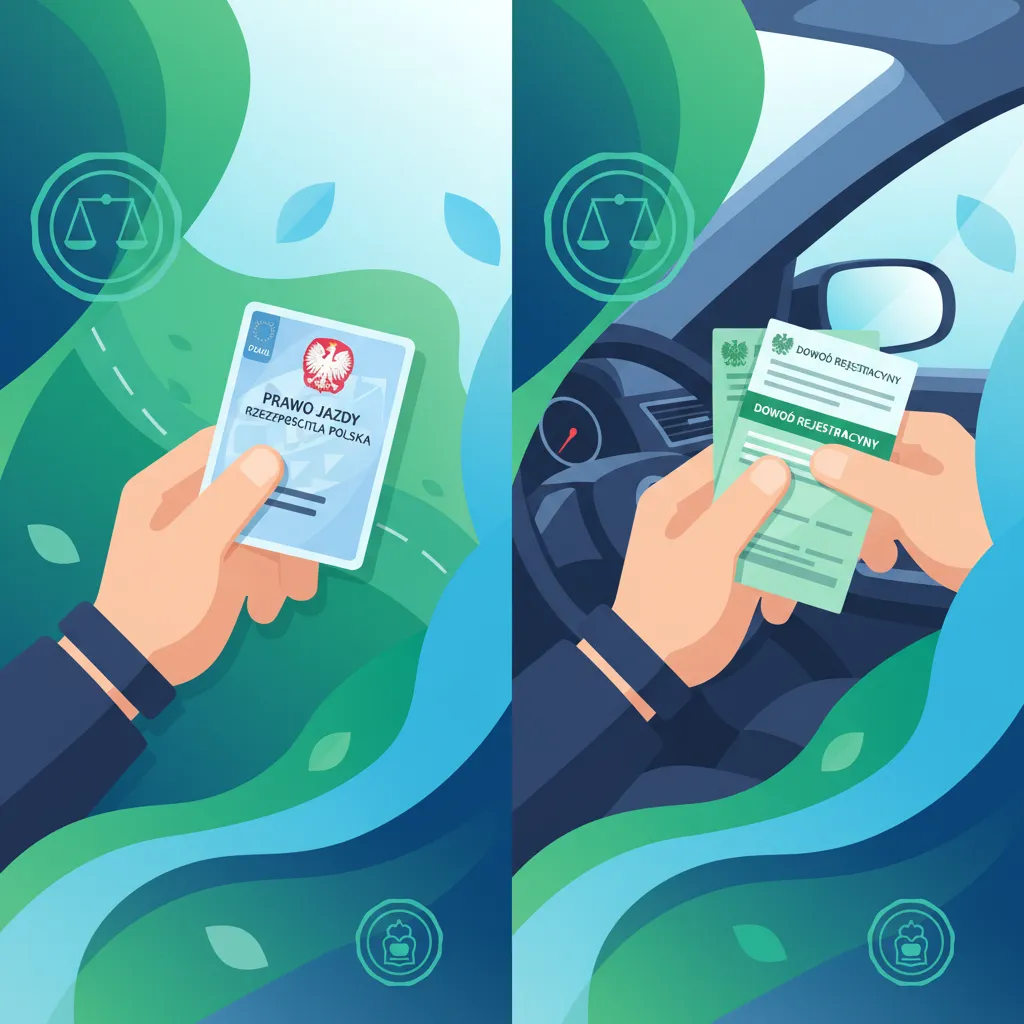
This lesson focuses on the critical documentation every professional driver must carry and maintain. It covers the driver's licence, vehicle registration, and tachograph records, explaining their legal importance and proper management. Learners will also study the requirements for transport permits, cargo declarations, and safety inspection reports, ensuring full compliance with Polish and EU regulations to avoid penalties and operational delays during roadside checks.

This lesson outlines the essential legal paperwork associated with freight transport. It details the purpose and content of key documents like the load manifest, cargo declaration, and official weight certificates. Learners will understand their legal responsibility to verify that all documentation is accurate and complete before departure, and the importance of maintaining proper records for potential inspections by transport authorities or for cross-border customs procedures.

This lesson focuses on the stringent health standards mandated for operating heavy goods vehicles. It details the required medical assessments, including vision, cardiovascular, and neurological checks, that prospective drivers must pass. Learners will understand the process of obtaining a medical certificate, the requirements for periodic renewals to ensure ongoing fitness for duty, and the legal implications of failing to meet these essential health criteria for professional driving.
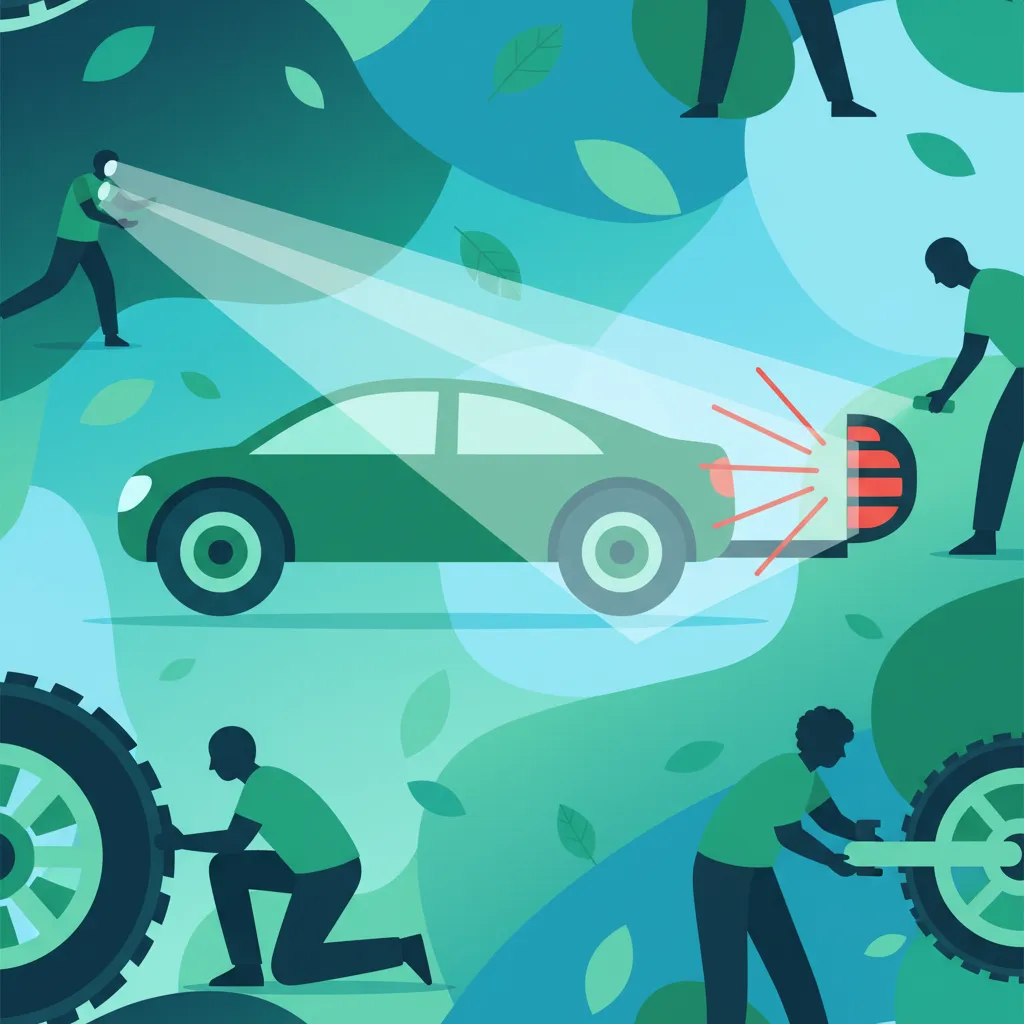
This lesson provides a systematic approach to pre-use inspections, covering essential components that must be checked before operating a tractor. Learners will learn how to assess tire pressure, test brakes, verify the operation of all lights and beacons, and examine hitch conditions. Performing these checks ensures vehicle roadworthiness and reduces the risk of mechanical failure during operation.

This lesson concentrates on the specific road signs that are of utmost importance to HGV drivers. It details how to interpret signs indicating maximum permissible weight, axle load, vehicle height, and overall length. Understanding these restrictions is crucial for effective route planning to avoid bridges with low clearance, roads with weight limits, or tunnels that cannot accommodate the vehicle's dimensions, thus preventing accidents and infrastructure damage.

This lesson provides a comprehensive breakdown of the right-of-way rules that govern intersections. It explains the clear directives given by traffic lights, stop signs, and yield signs, and clarifies the procedures at unmarked or uncontrolled intersections, where the 'priority to the right' rule often applies. Learners will understand the legal hierarchy of these rules to make correct, safe, and predictable decisions when navigating through any junction, reducing the risk of conflict with other traffic.

This lesson introduces routine vehicle safety checks that every driver should perform. It covers how to check tire pressure and tread depth, verify essential fluid levels like oil and coolant, and ensure all lights are operational. Performing these simple inspections regularly helps prevent breakdowns and enhances overall road safety for everyone.
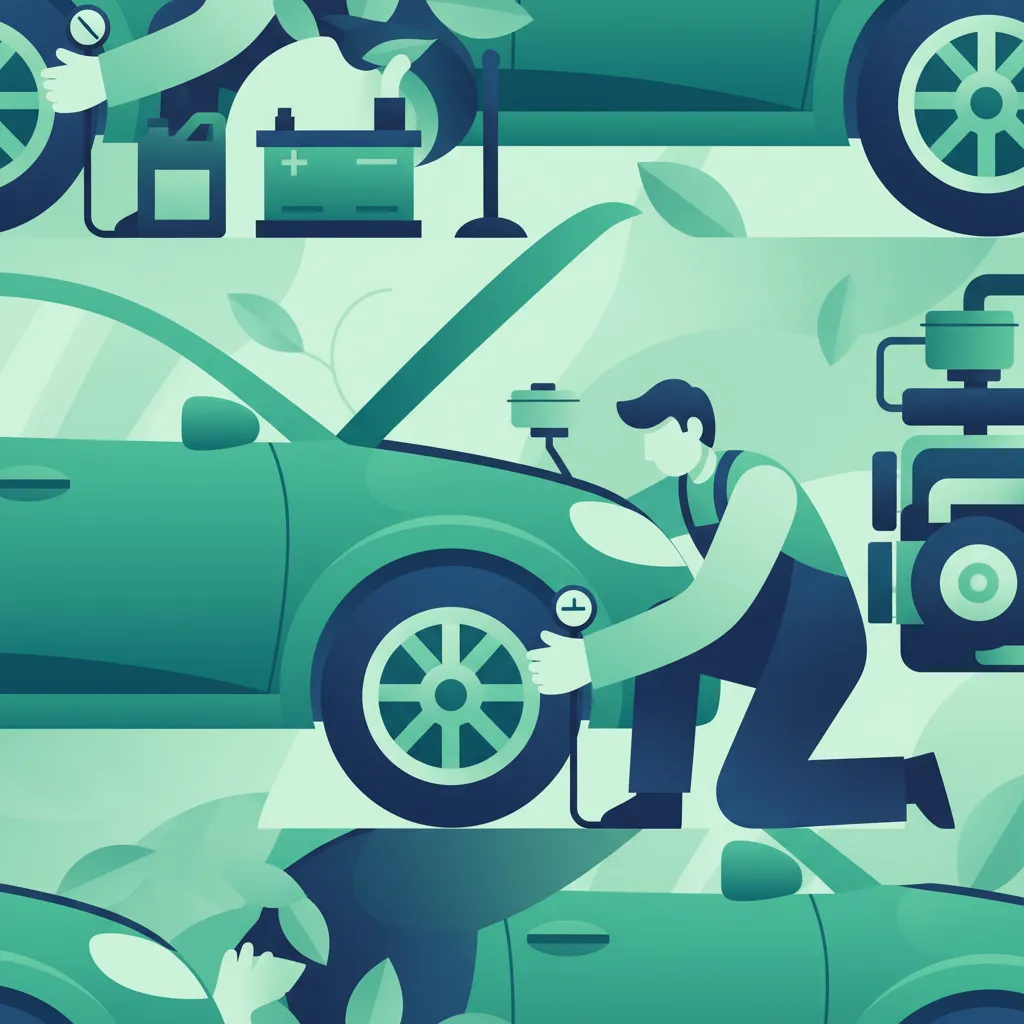
This lesson enumerates the mandatory safety equipment every vehicle must carry in Poland, such as a warning triangle and a fire extinguisher. It explains their proper use and storage, alongside routine pre-journey inspections that a driver should perform. These checks include verifying lights, tire pressure, and fluid levels to ensure the vehicle is roadworthy and compliant with safety regulations.

This lesson teaches drivers how to adapt their speed, following distance, and control inputs to safely navigate adverse conditions. It covers the challenges posed by rain, snow, and ice, explaining the loss of traction and the increased risk of skidding or aquaplaning. The content provides specific strategies for driving in fog, which reduces visibility, and strong crosswinds, which can affect the stability of a high-sided vehicle, promoting a proactive and defensive driving mindset.

This lesson provides a detailed breakdown of vehicle classifications relevant to the Category C licence. It explains the concept of 'dopuszczalna masa całkowita' (permissible total weight) and how it defines a vehicle's category. Learners will identify different truck types, such as rigid vehicles, based on their axle configurations and understand the specific roadworthiness and registration requirements for each class, ensuring correct vehicle operation under the law.
Understand common mistakes drivers make during pre-trip inspections and how to adapt checks for various weather and road conditions in Poland. Ensure your heavy goods vehicle is safe and compliant in all circumstances.
This lesson teaches drivers how to adapt their speed, following distance, and control inputs to safely navigate adverse conditions. It covers the challenges posed by rain, snow, and ice, explaining the loss of traction and the increased risk of skidding or aquaplaning. The content provides specific strategies for driving in fog, which reduces visibility, and strong crosswinds, which can affect the stability of a high-sided vehicle, promoting a proactive and defensive driving mindset.
This lesson introduces routine vehicle safety checks that every driver should perform. It covers how to check tire pressure and tread depth, verify essential fluid levels like oil and coolant, and ensure all lights are operational. Performing these simple inspections regularly helps prevent breakdowns and enhances overall road safety for everyone.
This lesson provides a systematic approach to pre-use inspections, covering essential components that must be checked before operating a tractor. Learners will learn how to assess tire pressure, test brakes, verify the operation of all lights and beacons, and examine hitch conditions. Performing these checks ensures vehicle roadworthiness and reduces the risk of mechanical failure during operation.

This lesson focuses on the specific hazards introduced by seasonal weather, such as mud, snow, ice, fog, and heavy rain. It explains how these conditions affect traction, braking, and driver visibility, and provides guidance on adjusting speed and using appropriate tires. The lesson also covers the proper use of lights and reflectors to improve visibility in low-light conditions.

This lesson addresses the high-risk maneuver of reversing a large truck. It provides systematic techniques for using mirrors and, if available, cameras to monitor the vehicle's path, while strongly emphasizing the importance of managing extensive blind spots. Learners will study procedures for maneuvering within tight spaces like loading docks and yards, including the proper use of a spotter (banksman) to ensure the area is clear and to provide guidance, minimizing the risk of collisions.
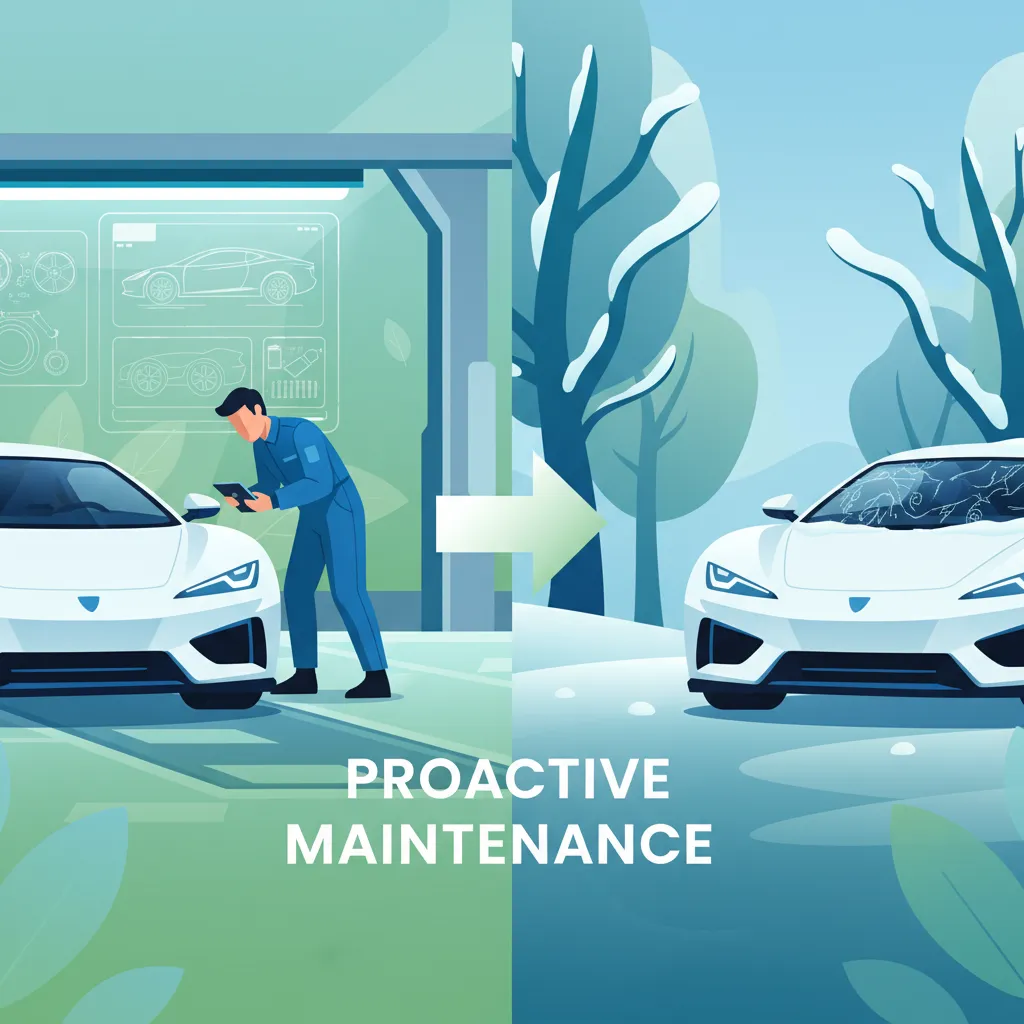
In this lesson, learners focus on the essential maintenance tasks required to keep a motorcycle in optimal condition across seasonal changes. The content outlines a comprehensive pre-ride checklist that includes tyre pressure verification, brake fluid inspection, battery performance checks, and chain lubrication. Learners will also study the selection of appropriate seasonal tyres and oil viscosity adjustments, helping prevent mechanical failures and enhance rider safety.

This lesson details the specific driving adjustments needed for adverse weather. It focuses on how rain, snow, and ice affect vehicle dynamics and driver perception. Learners will study techniques to prevent hydroplaning, use winter tires effectively, and increase following distances on slippery surfaces while using safety systems like fog lights.
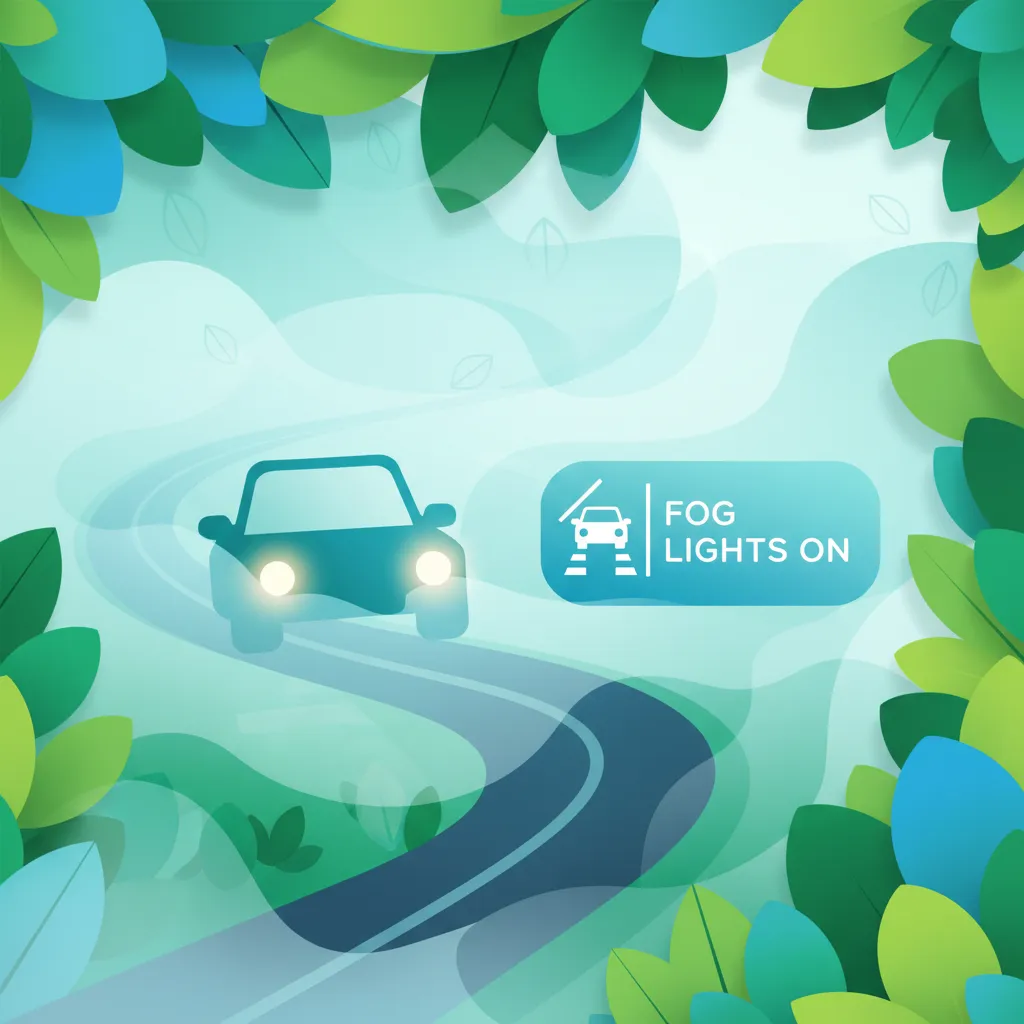
This lesson provides essential guidance for driving in fog, one of the most dangerous conditions. It instructs on the correct use of low-beam headlights and fog lights to maximize visibility without causing glare. The core advice is to significantly reduce speed and use the edge of the road or markings as a guide.

This lesson provides essential knowledge for responding to sudden and dangerous vehicle malfunctions. It outlines step-by-step procedures for handling a catastrophic tire blowout, managing a loss of braking power, and reacting to a shift in cargo that destabilizes the vehicle. The focus is on maintaining as much control as possible, bringing the vehicle to a safe stop away from traffic, and activating hazard warnings to protect the scene and other road users.
This lesson enumerates the mandatory safety equipment every vehicle must carry in Poland, such as a warning triangle and a fire extinguisher. It explains their proper use and storage, alongside routine pre-journey inspections that a driver should perform. These checks include verifying lights, tire pressure, and fluid levels to ensure the vehicle is roadworthy and compliant with safety regulations.
Find clear answers to common questions learners have about Pre-Trip Vehicle Inspection Checklist. Learn how the lesson is structured, which driving theory objectives it supports, and how it fits into the overall learning path of units and curriculum progression in Poland. These explanations help you understand key concepts, lesson flow, and exam focused study goals.
The primary purpose is to ensure the vehicle is safe, roadworthy, and legally compliant before beginning a journey. This proactive check helps identify potential mechanical faults, safety hazards, or non-compliance issues that could lead to accidents, breakdowns, or legal penalties in Poland.
Professional Category C drivers are legally required to perform a comprehensive pre-trip inspection before commencing each shift or daily driving period. This ensures the vehicle's continuous safety and compliance, especially given the significant weight and potential impact of HGVs.
Common pitfalls often include detailed knowledge of air brake system checks, specific tire wear limits, proper cargo securement validation, and ensuring all required documentation and emergency equipment are present and functional. The exam tests practical, in-depth understanding, not just a surface-level awareness.
If a defect is found that compromises safety or legal compliance, the vehicle must not be operated. The defect should be reported immediately to the appropriate authority (e.g., dispatcher, fleet manager) and rectified by a qualified mechanic before the vehicle is put into service again, in line with Polish transport regulations.
While there isn't a single 'inspection document' per se, drivers must maintain general vehicle documentation. The findings of pre-trip inspections, especially any identified defects and their remedies, should be logged or reported as per company policy and Polish transport regulations to ensure accountability and track maintenance.
Build custom practice sessions tailored precisely to your needs. Focus on areas requiring improvement, review specific Polish road signs, or master complex traffic rules to ensure full preparation for your official driving license exam.