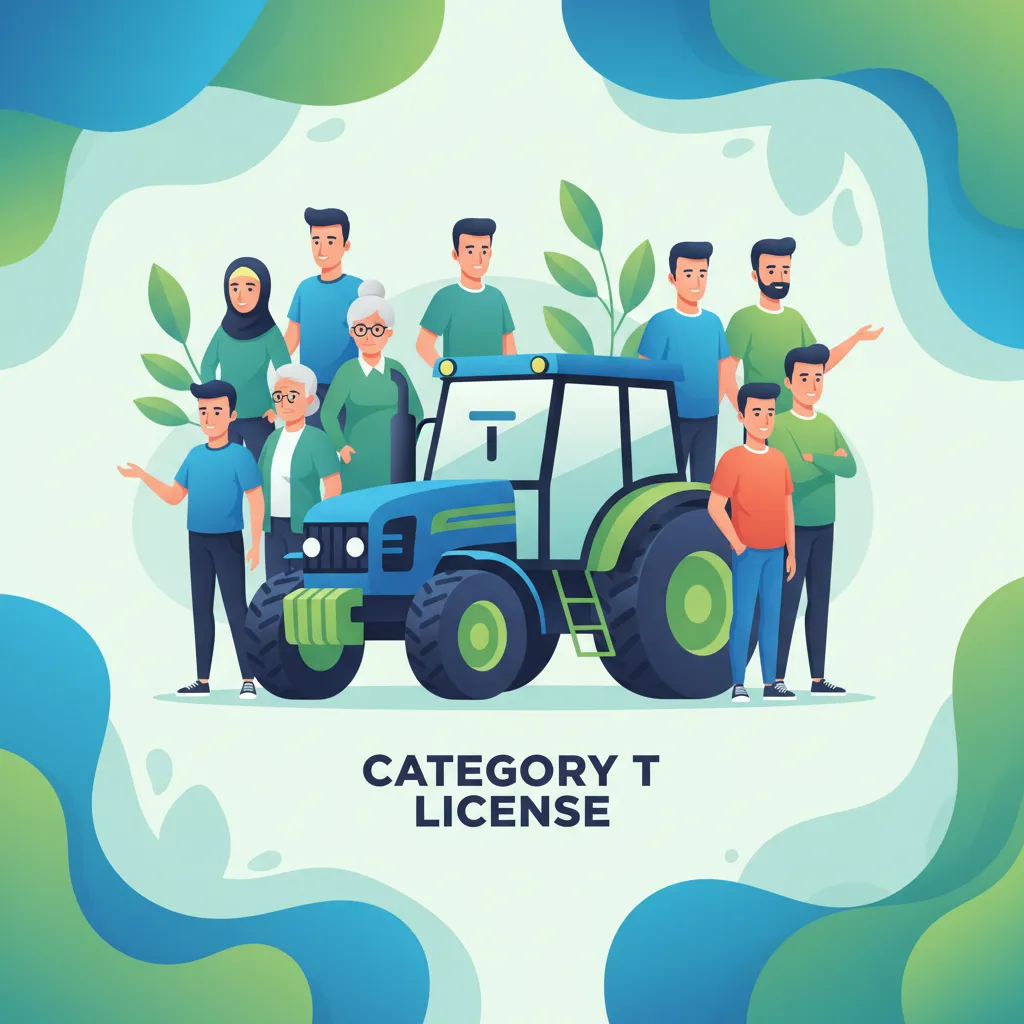
This foundational lesson introduces the Polish Category T driving licence, explaining its specific scope and distinguishing it from other licence categories. You will learn which agricultural and forestry vehicles are covered and understand the legal framework, particularly from the Prawo o ruchu drogowym, governing their operation on public roads in Poland. This knowledge is crucial for building a solid understanding of vehicle legality before delving into operational specifics.
Lesson content overview
The Polish Category T driving licence is specifically designed to authorize the operation of agricultural and forestry vehicles on public roads. This licence category ensures that drivers of these specialized machines possess the necessary knowledge and skills to navigate both rural and general traffic environments safely and legally. This comprehensive lesson will explore the legal framework, vehicle classifications, operational rules, and distinctions of the Category T licence within Poland, providing a foundational understanding essential for all aspiring agricultural and forestry vehicle operators.
The Category T licence is a distinct driving authorization within the Polish legal system, tailored for the unique characteristics and operational requirements of agricultural and forestry machinery. It acknowledges the vital role these vehicles play in the rural economy while establishing specific rules to ensure road safety.
The Category T licence is a statutory classification within Poland's Prawo o ruchu drogowym (Road Traffic Act) that grants its holder the right to operate agricultural tractors, self-propelled agricultural or forestry machines, and their associated towed equipment on public roads. Its primary purpose is to differentiate these specialized vehicles from passenger cars (Category B) or heavy goods vehicles (Category C), recognizing their differing performance capabilities, size, and operational contexts. This legal distinction ensures that drivers are specifically trained and certified for the unique challenges presented by such machinery.
The licence is crucial for individuals engaged in farming, forestry, and related industries, enabling them to transport produce, equipment, and livestock between fields, farms, processing sites, and markets. Without a valid Category T licence, operating these vehicles on public roads is strictly prohibited, leading to significant legal penalties.
Possession of a Category T licence authorizes the driver to operate the defined vehicle classes across various public road types, subject to specific restrictions detailed later in this lesson. It guarantees that the driver meets specific age, health, and knowledge requirements pertinent to slower, larger, and often less maneuverable vehicles. This specialized authorization is a prerequisite for anyone intending to operate agricultural and forestry machinery legally on any public thoroughfare in Poland.
The Prawo o ruchu drogowym (Polish Road Traffic Act) is the cornerstone of all traffic regulations in Poland. It provides the statutory framework that defines vehicle categories, driver entitlements, road usage rules, and operational limits. For Category T vehicles, specific articles within this Act are particularly relevant, dictating where and how these machines can be driven.
The legal framework for the Category T licence is primarily established through several key articles of the Prawo o ruchu drogowym:
The detailed provisions within the Prawo o ruchu drogowym have profound implications for Category T drivers. Any deviation from these regulations, such as driving a tractor on a motorway or exceeding prescribed speed limits, constitutes a legal offense. Such violations can lead to fines, points on the driving record, licence suspension, or even criminal charges, depending on the severity and consequences of the breach. Adherence to these laws is not merely a formality but a critical aspect of responsible and safe driving, protecting both the operator and other road users.
The Category T licence specifically covers a range of vehicles primarily designed for agricultural and forestry tasks. Understanding the precise definitions and technical specifications of these vehicles is crucial for ensuring compliance and avoiding unlawful operation.
The core of the Category T entitlement lies in the operation of agricultural tractors. These are self-propelled machines primarily designed for field work, such as tillage, planting, and harvesting, and are often equipped with a Power Take-Off (PTO) for powering implements. This category also extends to self-propelled agricultural machines, which include specialized vehicles like combine harvesters, forage harvesters, and crop sprayers. These machines are integral to modern farming and are covered under the Category T licence when operated on public roads.
Beyond traditional agriculture, the Category T licence also extends to forestry machines. This includes vehicles specifically equipped for logging operations, such as forwarders (which transport felled trees from the forest to a roadside landing) and timber harvesters (machines that fell, delimb, and cut trees). These specialized vehicles require the same level of driver competency and adherence to road regulations as agricultural tractors, especially when moving between forest plots or to processing facilities via public roads.
An important aspect of the Category T licence is the authorization to tow trailers and semi-trailers designed for agricultural or forestry use. This means a Category T licence holder can operate a tractor with a loaded hay trailer, a sprayer trailer, or a logging trailer on public roads. However, these trailers must always be towed by a Category T-authorized vehicle, and their use is subject to strict rules regarding load securing, weight limits, and coupling safety.
For a vehicle to be legally covered by a Category T licence, it must generally conform to specific technical definitions:
Obtaining a Category T licence, like any driving privilege, involves meeting specific age, medical, and documentation criteria. These requirements are in place to ensure that all drivers are physically and mentally capable of safely operating agricultural and forestry machinery.
To apply for a Category T licence in Poland, candidates must meet the following fundamental requirements:
Beyond age and medical fitness, several documents and procedural steps are necessary:
These rigorous requirements ensure that only qualified individuals, who understand the specific demands of operating Category T vehicles, are granted the privilege to drive them on public roads.
The Prawo o ruchu drogowym carefully defines which types of roads Category T vehicles may use. This differentiation is based on road design, typical traffic speeds, and safety considerations, balancing agricultural transport needs with the safety of all road users.
Category T vehicles are generally permitted on local (gmina) roads and county (powiat) roads. These road classes, often found in rural areas, are typically characterized by lower speed limits and are designed to accommodate a diverse range of traffic, including agricultural machinery.
National roads (drogi krajowe), which are major arteries connecting regions, are generally accessible to Category T vehicles where the speed limit is 80 km/h or less, provided there is no explicit prohibition sign. However, drivers must be highly aware that some sections of national roads, particularly those passing through or near urban areas, may have specific signage indicating "no agricultural vehicles" or specific types of heavy machinery. Ignoring such signs is a direct violation of traffic law.
A critical restriction for Category T vehicles is their prohibition on motorways (A-type roads) and expressways (S-type roads). These high-speed routes are designed for fast-moving traffic, and the presence of slow-moving agricultural machinery would pose a severe safety hazard. The speed differential and the design of entry/exit ramps make it inherently unsafe for tractors and similar vehicles.
Operating agricultural and forestry vehicles on public roads requires adherence to a specific set of operational rules and restrictions. These are designed to mitigate the inherent differences in performance and visibility compared to other vehicles, enhancing safety for everyone.
Category T vehicles are subject to distinct speed limits:
Due to their size and lower speeds, Category T vehicles have specific rules for lane usage and overtaking:
Visibility is paramount for large, slow-moving vehicles:
Improperly secured loads are a significant hazard:
It is common for new drivers to misunderstand the scope of different driving licence categories. A clear distinction between Category T and other categories is crucial to avoid unlawful operation.
The Category B licence permits the operation of passenger cars and light commercial vehicles with a Gross Vehicle Weight Rating (GVWR) of up to 3500 kg, and it may also allow towing a light trailer.
The Category C licence covers heavy goods vehicles (trucks) with a GVWR exceeding 3500 kg, which are typically designed for general freight transport.
The regulations surrounding the Category T licence are founded on core principles that guide safe and legal operation. These principles reflect the unique nature of agricultural transport and its interaction with general road traffic.
Agricultural and forestry vehicles often exhibit different performance characteristics compared to passenger cars or standard trucks. They typically have:
These factors underscore the need for strict operational rules, driver training, and constant vigilance to mitigate risks to other road users and the operator.
The existence and specific rules of the Category T licence also reflect an economic necessity. It enables farmers and forestry workers to efficiently transport produce, livestock, and equipment, which is vital for supporting rural economies. The legal framework strikes a delicate balance: it facilitates essential rural economic activity while maintaining stringent public road safety standards. This balance is achieved through carefully defined permitted road types, operational restrictions, and mandatory safety equipment, ensuring that agricultural operations can proceed without unduly compromising the safety of the general public.
Despite clear regulations, certain violations are common among Category T drivers, often due to oversight, misunderstanding, or intentional disregard. Awareness of these common pitfalls is the first step towards avoiding them.
Safe operation of Category T vehicles requires constant adaptation to changing environmental, road, and vehicle conditions. What is safe in one scenario may be dangerous in another.
Agricultural vehicles, due to their size, noise, and slower speeds, require particular care when interacting with vulnerable road users such as pedestrians and cyclists.
Understanding the underlying principles of physics and human perception helps explain why specific Category T rules are in place, fostering a deeper appreciation for safe driving practices.
The rule for lower speed limits for Category T vehicles directly relates to physics:
The emphasis on load securing and weight limits is critical due to load dynamics:
Proper load management ensures predictable vehicle behavior and significantly reduces the risk of accidents.
The mandatory lighting, reflective markings, and "T" plates are all designed to overcome visibility challenges:
This overview of the Category T licence is not an isolated piece of information but a foundational element of the broader Polish Driving License Theory – Category T curriculum. It serves as both a culmination of prerequisite knowledge and a necessary precursor to more specialized topics.
To fully grasp the concepts presented here, a basic understanding of general Polish traffic law terminology and familiarity with the concept of different driving licence categories (A, B, C, D) is beneficial. This lesson builds upon the general framework of road regulations that apply to all drivers.
This lesson forms the legal and conceptual bedrock for nearly all subsequent units in the Polish Driving License Theory – Category T course:
By mastering the information in this lesson, you establish a robust legal and conceptual framework necessary for safe, responsible, and compliant operation of agricultural and forestry vehicles on Polish public roads.
The Polish Category T driving licence authorizes operation of agricultural tractors, forestry machines, and their trailers on public roads, distinguished from Category B (cars) and Category C (heavy trucks) by its specific focus on farm and forestry machinery. Key restrictions include prohibition from motorways and expressways, mandatory 40 km/h speed limits in built-up areas, and requirement for retro-reflective T plates on front and rear. Drivers must hold a separate Category T licence (minimum age 18), pass both theory and practical exams, and meet medical fitness standards. The legal framework stems from the Prawo o ruchu drogowym, with strict penalties for violations such as motorway driving, speeding in urban areas, or operating without proper documentation and markings.
A short set of high-value points that capture the most important learning from this lesson.
Category T licence in Poland specifically authorizes operation of agricultural tractors, self-propelled agricultural and forestry machines, and their towed equipment on public roads.
Agricultural and forestry vehicles are strictly prohibited from motorways (A-type roads) and expressways (S-type roads) due to dangerous speed differentials.
Category T vehicles must display retro-reflective 'T' plates on both front and rear for visibility to other road users.
A Category B licence does NOT permit driving tractors or agricultural machinery on public roads—a separate Category T licence is required.
The legal basis for Category T operations derives from specific articles of the Prawo o ruchu drogowym (Polish Road Traffic Act).
Explore all units and lessons included in this driving theory course.
Maximum speed limits: 40 km/h in built-up areas (Road Class C), up to 60 km/h on open roads if posted limit allows and vehicle is capable.
Permitted roads: gmina (local) roads, powiat (county) roads, and national roads (drogi krajowe) where speed limit is 80 km/h or less and no prohibition sign exists.
Required documentation includes valid medical certificate, proof of identity, completed application, photograph, and passed theory and practical exams.
Low-beam headlights are mandatory during darkness or reduced visibility; high-beam headlights are prohibited on public roads for Category T vehicles.
Safety chains on trailer couplings act as fail-safes if the primary coupling detaches—always engage them.
Driving agricultural vehicles on motorways or expressways, which is a serious traffic offense carrying substantial fines and licence penalties.
Relying on a Category B licence to operate tractors, believing it covers agricultural machinery—it does not.
Exceeding the 40 km/h speed limit in built-up areas, increasing collision risk with pedestrians and cyclists.
Operating without properly displayed 'T' plates or functional lighting, reducing visibility and creating hazards for other road users.
Failing to properly secure loads or exceeding GVWR limits, causing unstable vehicle handling and increased braking distances.
Lesson content overview
A short set of high-value points that capture the most important learning from this lesson.
Category T licence in Poland specifically authorizes operation of agricultural tractors, self-propelled agricultural and forestry machines, and their towed equipment on public roads.
Agricultural and forestry vehicles are strictly prohibited from motorways (A-type roads) and expressways (S-type roads) due to dangerous speed differentials.
Category T vehicles must display retro-reflective 'T' plates on both front and rear for visibility to other road users.
A Category B licence does NOT permit driving tractors or agricultural machinery on public roads—a separate Category T licence is required.
The legal basis for Category T operations derives from specific articles of the Prawo o ruchu drogowym (Polish Road Traffic Act).
Explore all units and lessons included in this driving theory course.
Maximum speed limits: 40 km/h in built-up areas (Road Class C), up to 60 km/h on open roads if posted limit allows and vehicle is capable.
Permitted roads: gmina (local) roads, powiat (county) roads, and national roads (drogi krajowe) where speed limit is 80 km/h or less and no prohibition sign exists.
Required documentation includes valid medical certificate, proof of identity, completed application, photograph, and passed theory and practical exams.
Low-beam headlights are mandatory during darkness or reduced visibility; high-beam headlights are prohibited on public roads for Category T vehicles.
Safety chains on trailer couplings act as fail-safes if the primary coupling detaches—always engage them.
Driving agricultural vehicles on motorways or expressways, which is a serious traffic offense carrying substantial fines and licence penalties.
Relying on a Category B licence to operate tractors, believing it covers agricultural machinery—it does not.
Exceeding the 40 km/h speed limit in built-up areas, increasing collision risk with pedestrians and cyclists.
Operating without properly displayed 'T' plates or functional lighting, reducing visibility and creating hazards for other road users.
Failing to properly secure loads or exceeding GVWR limits, causing unstable vehicle handling and increased braking distances.
Explore search topics learners often look for when studying Category T Licence Overview. These topics reflect common questions about road rules, driving situations, safety guidance, and lesson level theory preparation for learners in Poland.
Browse additional driving theory lessons that cover connected traffic rules, road signs, and common driving situations related to this topic. Improve your understanding of how different rules interact across everyday traffic scenarios.
Understand the legal foundations of the Polish Category T driving licence according to Prawo o ruchu drogowym. Learn which agricultural and forestry vehicles are covered and the specific requirements for their operation on public roads in Poland.
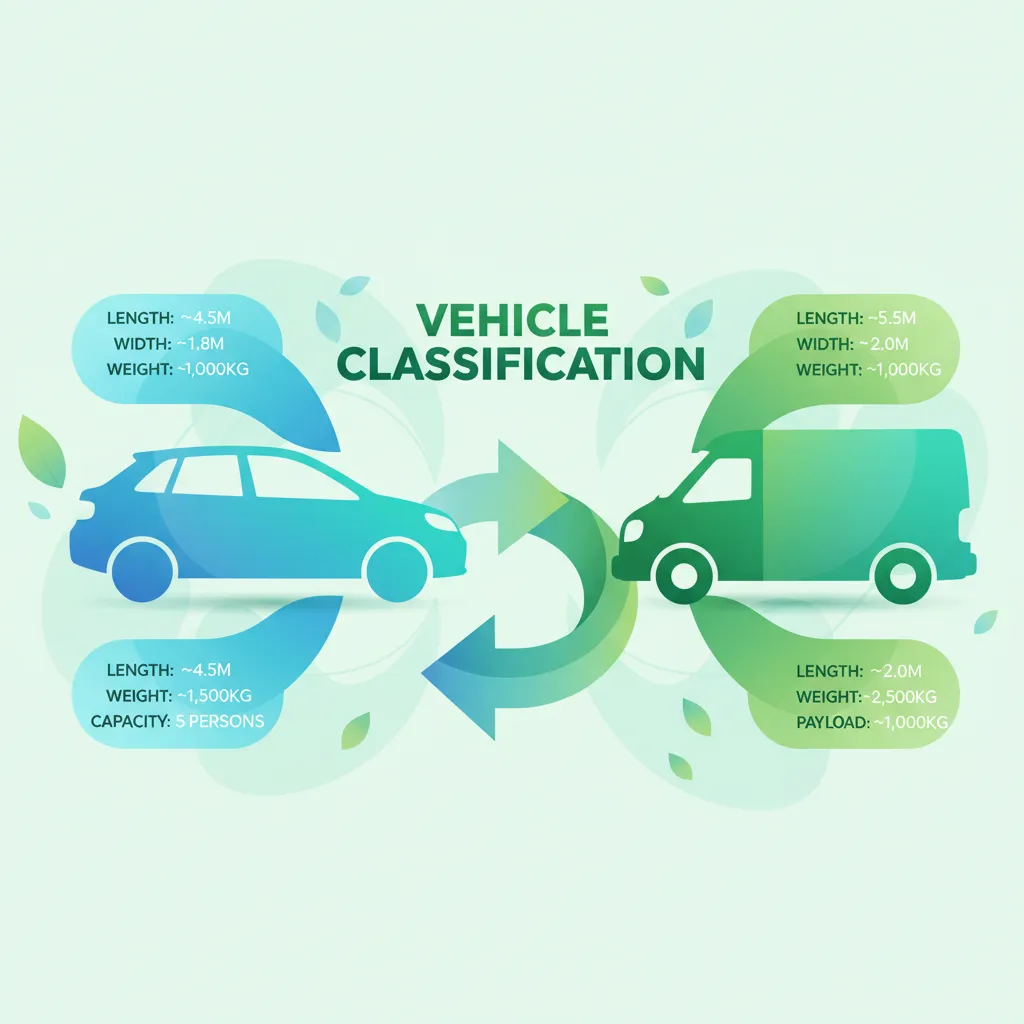
This lesson focuses on the precise classification of agricultural vehicles as defined by Polish law, differentiating between tractors, forestry machines, and trailers. It examines the legal parameters such as maximum permissible weight, width, height, and length that affect roadworthiness certifications. The lesson clarifies terminology used in official documents, ensuring learners can correctly identify the vehicles they are permitted to operate.
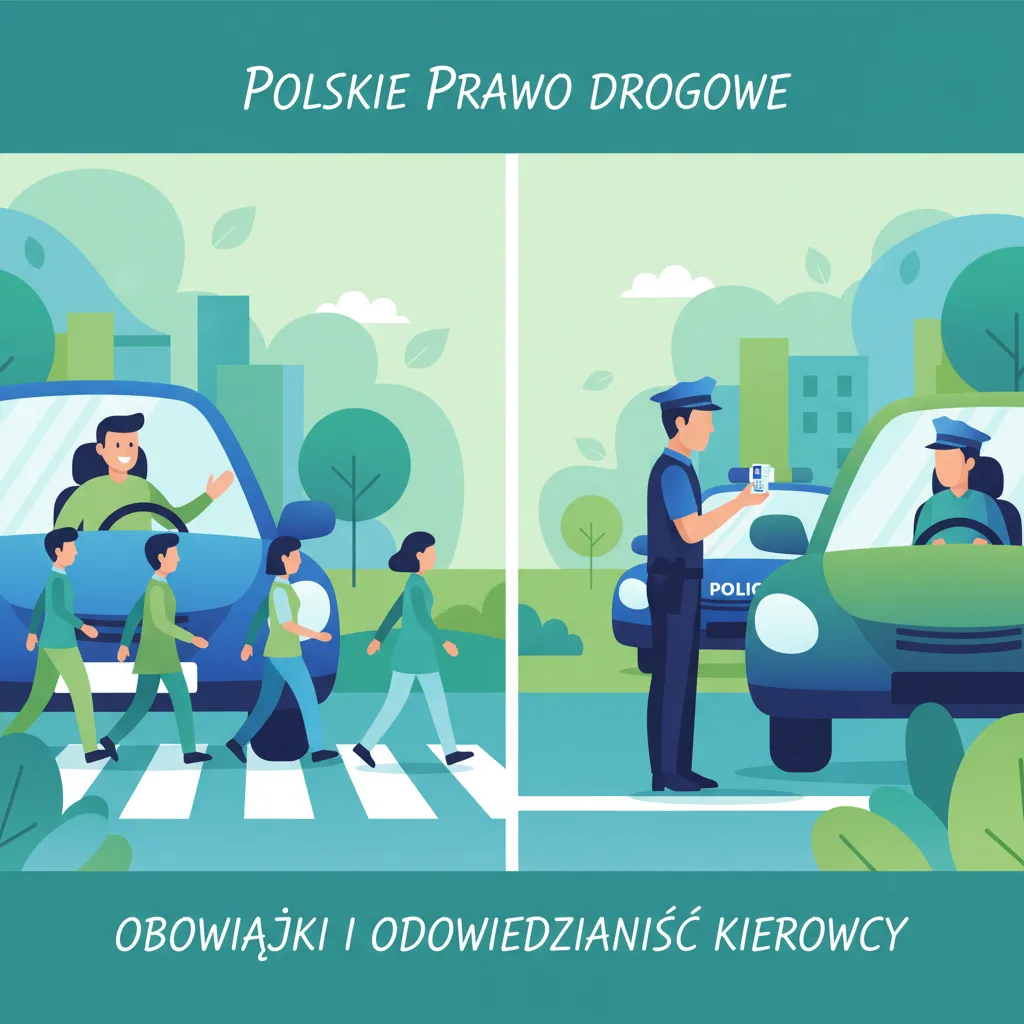
This lesson outlines the legal responsibilities of tractor drivers as stipulated by Polish traffic law, emphasizing the duty to comply with all rules of the road. It discusses the liability framework for accidents involving agricultural vehicles, including the need for appropriate insurance and potential penalties. The lesson also explains the importance of maintaining accurate documentation, such as registration papers and a driver’s licence.

This lesson details the formal prerequisites for obtaining a Category T licence, focusing on the minimum age and mandatory health assessment. It outlines the specific medical certificates required, the process for submitting proof of identity and residency, and the role of the local road transport office. The content also clarifies the importance of maintaining up-to-date health documentation and the legal consequences of non-compliance.
This lesson examines the signs that convey dimensional and weight restrictions, which are vital for safe tractor and trailer operation. It outlines how to read width, height, and weight limit signs and the legal implications of exceeding these limits. The lesson provides guidance on planning loads to comply with bridge and road classification restrictions found across Polish rural networks.
This lesson explores the correct lane and road positioning for tractors, emphasizing the use of the right-hand lane or shoulder where appropriate. It clarifies how speed limits differ between road types and provides guidelines for adjusting speed based on vehicle load, road condition, and traffic density. Proper positioning improves safety for both the tractor driver and other road users sharing the same space.
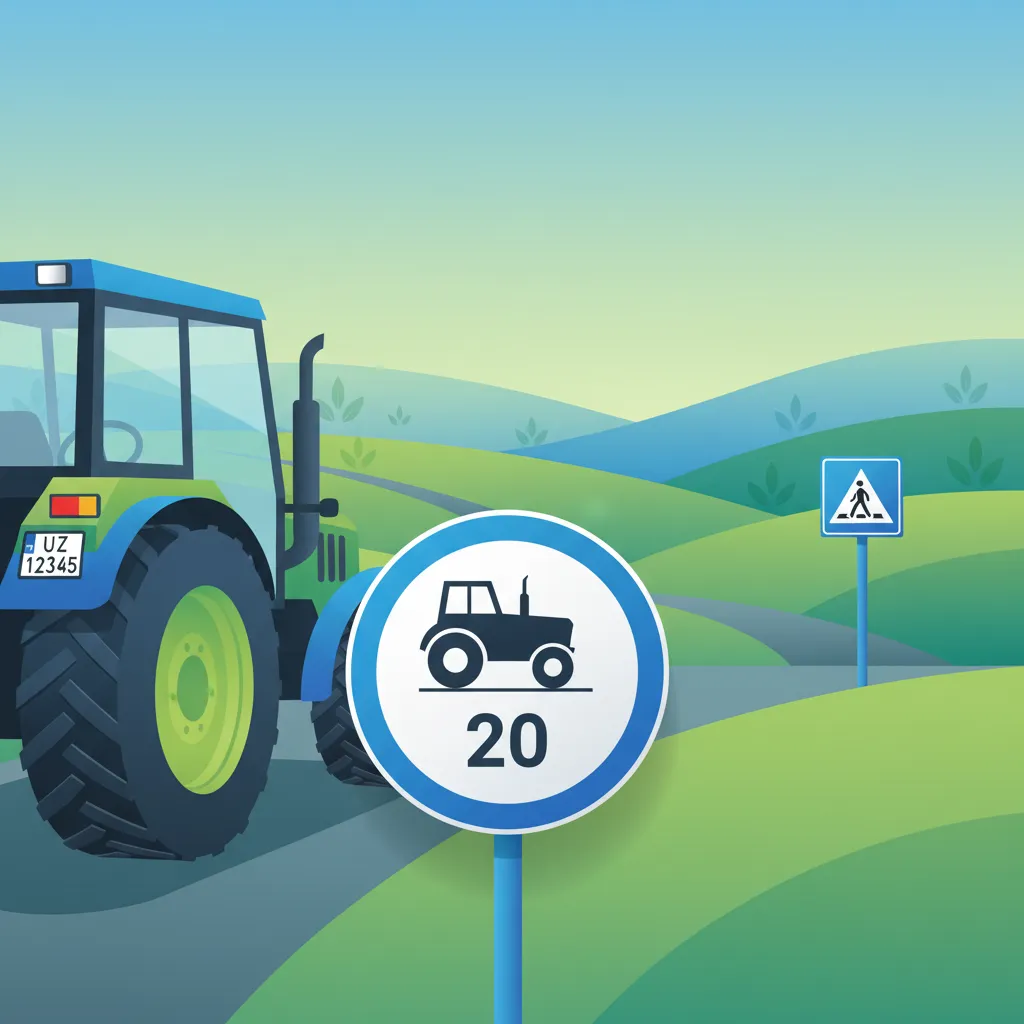
This lesson reviews the core set of regulatory and warning signs that all road users must obey, emphasizing those that affect agricultural tractors such as speed limits, stop, and give-way signs. It clarifies the colour and shape conventions used in Polish signage, enabling drivers to quickly recognize and react to sign information. The lesson also addresses the placement of signs in rural environments where visibility may be compromised.
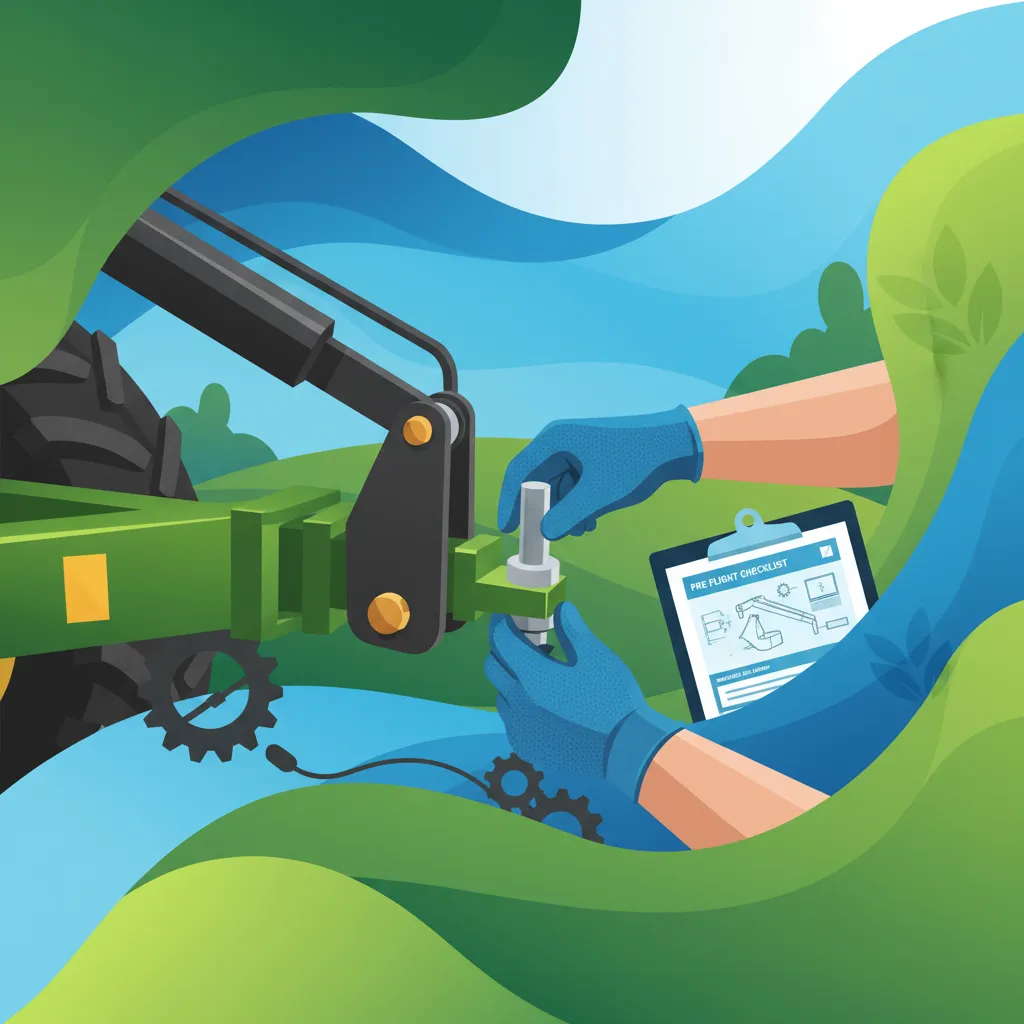
This lesson focuses on the maintenance of agricultural implements and attachments powered via the tractor’s PTO and hydraulic systems. It covers routine inspection of hydraulic lines, lubrication of moving parts, and verification of safety features before each use. Additionally, the lesson stresses the importance of keeping detailed maintenance logs and certification documents to satisfy legal standards.
Explore the specific speed limits, permitted road types, and essential operational rules for Category T vehicles in Poland. Learn about restrictions on motorways and expressways, as well as safe practices for maneuvering and visibility.
This lesson examines the signs that convey dimensional and weight restrictions, which are vital for safe tractor and trailer operation. It outlines how to read width, height, and weight limit signs and the legal implications of exceeding these limits. The lesson provides guidance on planning loads to comply with bridge and road classification restrictions found across Polish rural networks.
This lesson explores the correct lane and road positioning for tractors, emphasizing the use of the right-hand lane or shoulder where appropriate. It clarifies how speed limits differ between road types and provides guidelines for adjusting speed based on vehicle load, road condition, and traffic density. Proper positioning improves safety for both the tractor driver and other road users sharing the same space.
This lesson focuses on the precise classification of agricultural vehicles as defined by Polish law, differentiating between tractors, forestry machines, and trailers. It examines the legal parameters such as maximum permissible weight, width, height, and length that affect roadworthiness certifications. The lesson clarifies terminology used in official documents, ensuring learners can correctly identify the vehicles they are permitted to operate.
This lesson reviews the core set of regulatory and warning signs that all road users must obey, emphasizing those that affect agricultural tractors such as speed limits, stop, and give-way signs. It clarifies the colour and shape conventions used in Polish signage, enabling drivers to quickly recognize and react to sign information. The lesson also addresses the placement of signs in rural environments where visibility may be compromised.
This lesson outlines the statutory speed limits that professional drivers of Category C vehicles must adhere to on Polish roads. It clearly distinguishes the maximum permitted speeds in built-up areas, on single carriageways, and on motorways. The content also explains how to interpret road signs that may indicate temporary or vehicle-specific speed restrictions, ensuring drivers remain compliant with the law and avoid penalties from speed enforcement measures.
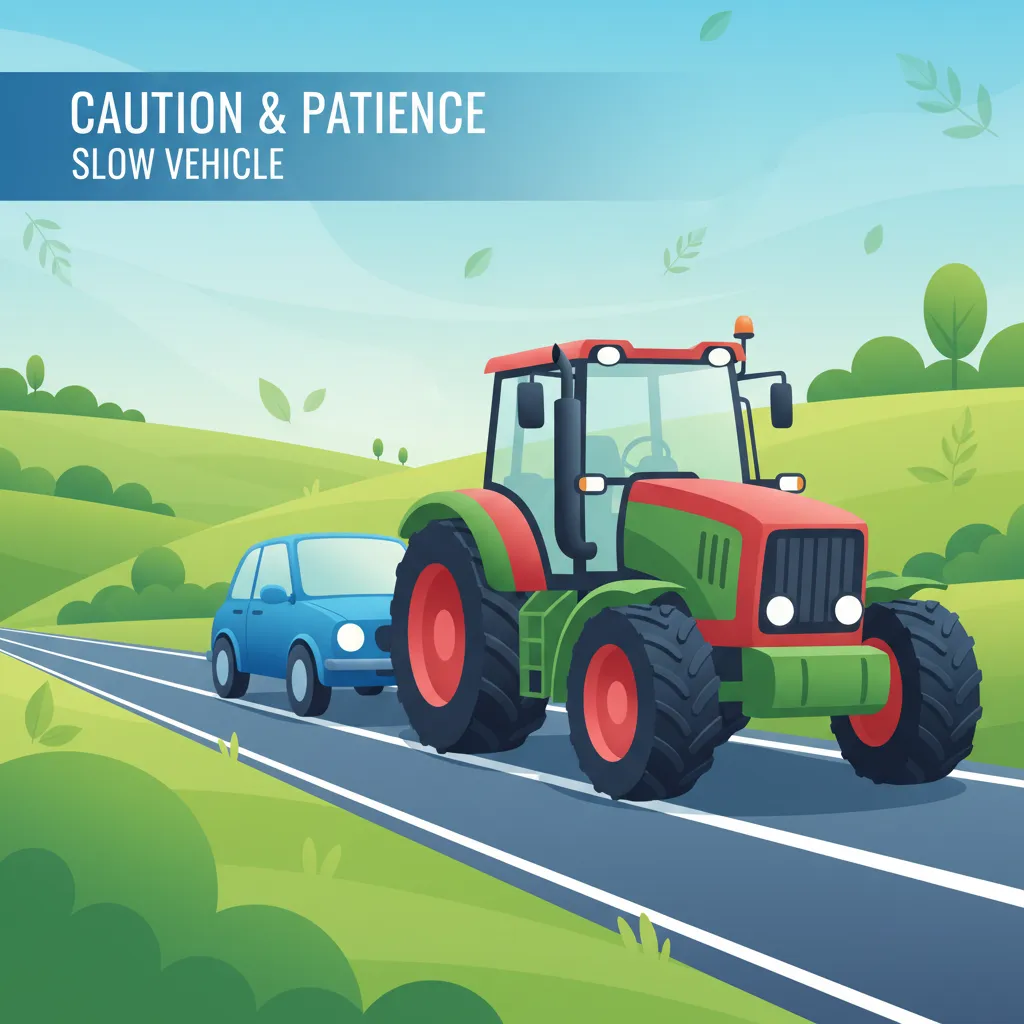
This lesson addresses encounters with slow-moving vehicles, such as tractors, which are common on rural roads. It teaches drivers to be patient, maintain a safe following distance, and only overtake when it is absolutely safe and legal to do so. Recognizing the large size and limited maneuverability of such vehicles is crucial for avoiding accidents.
This lesson outlines the legal responsibilities of tractor drivers as stipulated by Polish traffic law, emphasizing the duty to comply with all rules of the road. It discusses the liability framework for accidents involving agricultural vehicles, including the need for appropriate insurance and potential penalties. The lesson also explains the importance of maintaining accurate documentation, such as registration papers and a driver’s licence.

This lesson focuses on the specific signage and on-vehicle markings used to indicate slow-moving vehicles, a critical element for tractors on public roads. Learners will understand the design and meaning of the triangular sign and the requirements for flashing amber lights. The content also discusses proper lane positioning and speed adjustments required when sharing the road with faster traffic.
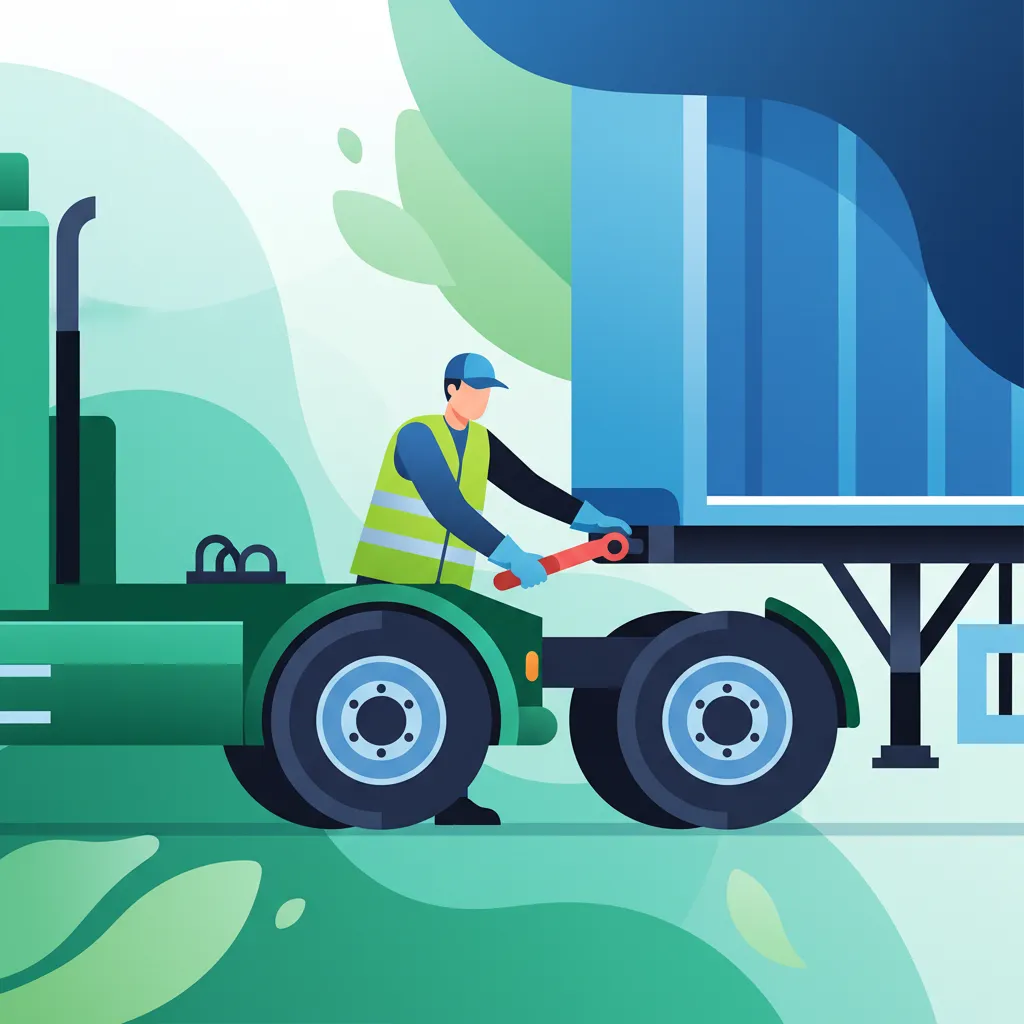
This lesson provides a step-by-step guide to safely coupling and uncoupling trailers, highlighting the correct use of hitches, drawbars, and safety chains. It emphasizes pre-couple inspections, alignment checks, and the necessity of confirming secure connections before movement. Learners will also study procedures for safely uncoupling, including establishing a safe zone and verifying trailer stability.
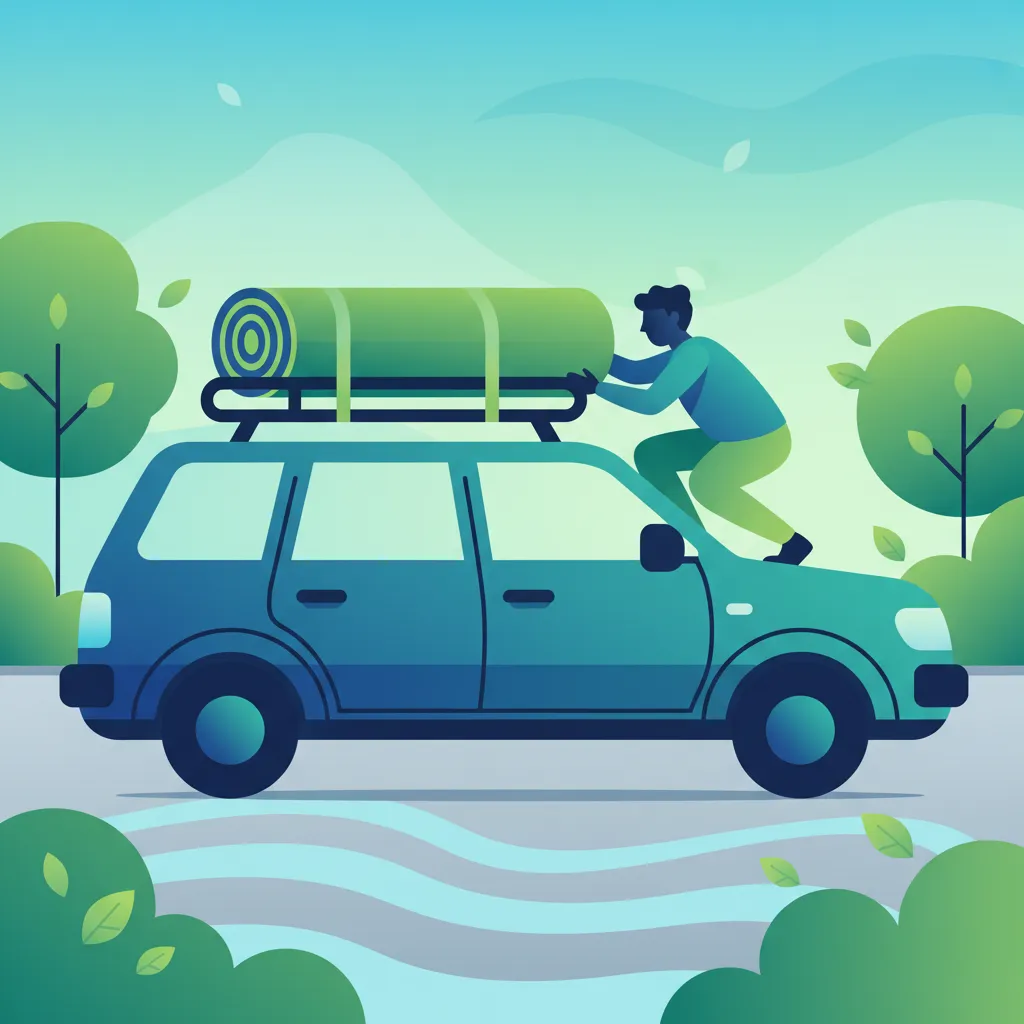
This lesson provides comprehensive guidelines for safely transporting agricultural equipment, focusing on proper load securing techniques and weight distribution calculations. It discusses route planning that accounts for road conditions, bridge weight capacities, and seasonal obstacles like mud or snow. The lesson also emphasizes the use of protective equipment and regular compliance verification for safe operations.
Find clear answers to common questions learners have about Category T Licence Overview. Learn how the lesson is structured, which driving theory objectives it supports, and how it fits into the overall learning path of units and curriculum progression in Poland. These explanations help you understand key concepts, lesson flow, and exam focused study goals.
The Polish Category T licence permits you to drive agricultural tractors and other self-propelled agricultural or forestry machinery, both with or without attached trailers (agricultural machines). This includes a wide range of farm equipment and certain types of forestry vehicles on public roads in Poland.
While Category T primarily covers agricultural tractors and machinery, specific provisions in Polish law address weight, width, and height limitations, especially when operating on public roads or with trailers. This lesson introduces these concepts, with subsequent lessons detailing specific restrictions.
A Category B licence in Poland is for passenger cars and light commercial vehicles, whereas Category T is specifically for agricultural tractors and farm machinery. While a Category B licence might allow you to drive some light vehicles, it does not permit the operation of agricultural tractors beyond very specific and limited circumstances or certain smaller farm vehicles.
Yes, the Polish Category T licence generally covers both agricultural and forestry self-propelled machinery. This ensures that operators of equipment used in forestry activities, similar to farming, are appropriately licensed to drive these specialized vehicles on public roads.
Passing the theory exam is a crucial step towards obtaining your Category T licence in Poland, but it's not the final one. You must also pass a practical driving exam specific to agricultural vehicles. Only after successfully completing both parts will you be fully licensed to operate these vehicles.
Build custom practice sessions tailored precisely to your needs. Focus on areas requiring improvement, review specific Polish road signs, or master complex traffic rules to ensure full preparation for your official driving license exam.