
This lesson introduces the fundamental traffic signs every Polish Category T driver must know. You'll learn to interpret regulatory and warning signs, understanding their specific impact on agricultural tractors. Mastering these core signs is crucial for safe operation on public roads and for successfully passing your Polish driving theory exam.
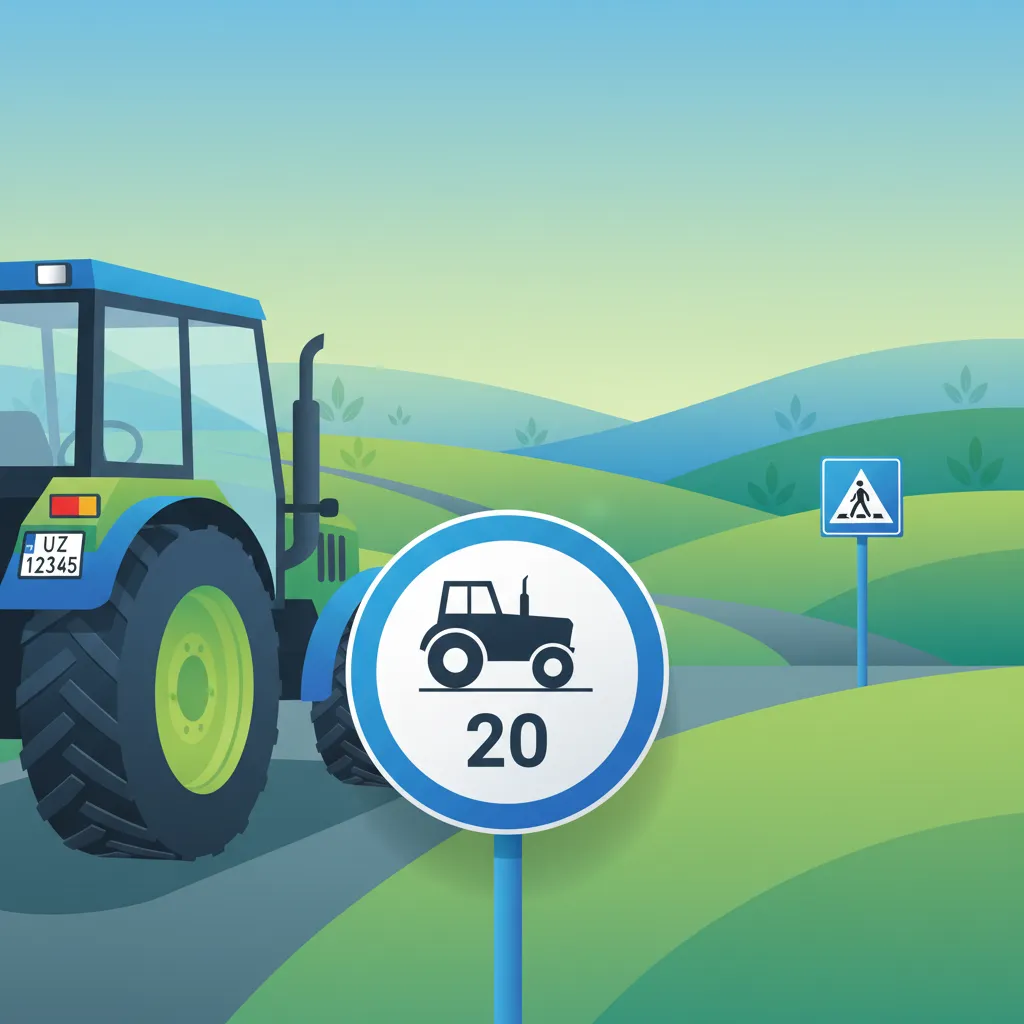
Lesson content overview
Understanding and correctly interpreting traffic signs is fundamental for all road users, especially for those operating agricultural vehicles under the Category T driving license in Poland. These signs, governed by Prawo o ruchu drogowym (Polish Road Traffic Law), convey critical information that ensures traffic flow, prevents accidents, and enforces legal obligations. For tractor drivers, whose vehicles often have unique characteristics such as lower speeds, larger dimensions, and specific operational contexts in rural areas, a precise grasp of these signs is not just a legal requirement but a crucial safety competency.
This lesson provides a comprehensive review of the core set of regulatory and warning signs relevant to agricultural tractors. It focuses on their specific meaning, the mandatory actions they require, and how their placement and visibility in rural environments impact driver behavior. Mastering this knowledge is essential for passing the Polish Category T driving license exam and for safe, compliant driving on public roads and farm tracks.
Traffic signs in Poland employ a standardized visual language, using specific shapes, colours, and symbols to convey information rapidly and unambiguously. This standardization is crucial, as it ensures that every driver, regardless of their location, interprets a given sign in the same way. For tractor operators, recognizing these visual cues quickly, even from a lower seating position or when visibility is challenging due to vehicle size or load, is paramount.
Several core principles underpin the design and interpretation of Polish traffic signs:
Regulatory signs, known in Polish as znaki obowiązkowe or znaki zakazu/nakazu, are the most authoritative type of traffic sign. They impose mandatory actions or prohibitions that drivers must obey. For Category T drivers, strict adherence to these signs is critical for safety and legal compliance, as violations can lead to severe penalties, including fines and the loss of driving privileges.
Priority signs dictate who has the right-of-way at intersections or specific road sections. Misinterpreting these signs is a common cause of collisions, especially in rural areas where tractor movements can be slower and less predictable.
The STOP sign is an octagonal sign with a red background and white lettering. It mandates a complete stop of the vehicle before the stop line. If there is no stop line, the driver must stop at a point from which visibility of the intersecting road is ensured. After stopping, the driver must yield to all traffic on the intersecting road before proceeding. This applies rigorously to tractors, even on private farm access roads leading to public highways.
The GIVE WAY sign is an inverted white triangle with a red border. It instructs drivers to yield to traffic on the intersecting road. While a full stop isn't always required, the driver must slow down sufficiently and be prepared to stop to allow other vehicles to pass without impedance. This is particularly relevant for tractors emerging from farm lanes or secondary roads onto main thoroughfares, where visibility can be limited.
The PRIORITY ROAD sign is a yellow diamond with a white border. It informs drivers that they are on a priority road, meaning they have the right-of-way at upcoming intersections, typically until a "End of Priority Road" sign (D2) or other priority-altering signs are encountered. This sign is crucial for maintaining smooth traffic flow, especially on longer rural routes where tractors often operate.
Speed limit signs, typically circular with a red border and a black number on a white background, indicate the maximum permissible speed. For tractor drivers, it's vital to remember that these limits are often maximums for passenger vehicles, and tractors may have different, sometimes lower, legal speed limits or require further speed reduction due to their operational characteristics.
A circular white sign with a red border and the number "50" indicates a maximum speed of 50 km/h. This is a common limit in built-up areas and many rural roads. While a tractor's maximum design speed might be lower than 50 km/h, if it can achieve that speed, it must adhere to the posted limit, but also consider its own limitations (load, braking, road surface).
Common Misunderstanding: Many Category T drivers mistakenly assume that if their tractor's top speed is, for instance, 40 km/h, then a 50 km/h speed limit sign does not apply to them, or that they can always drive at 40 km/h. The sign indicates the legal maximum for the road, not a target speed. Drivers must always travel at a speed safe for their vehicle, load, and prevailing conditions, even if that means driving well below the posted maximum.
When interpreting speed limits, tractor drivers must always consider the lower of two values: the posted speed limit or the legal maximum speed for their vehicle category (Category T tractors often have a maximum speed of 25 km/h, 30 km/h, or 40 km/h, depending on their registration and specific regulations).
Prohibition signs, generally circular with a red border, forbid specific actions. Ignoring these signs can lead to dangerous situations and legal penalties.
A red circular sign with a white horizontal bar means NO ENTRY. This sign prohibits all vehicles, including tractors, from entering the road or area from the direction it is facing. It is commonly found on one-way streets, restricted access roads, or at the exit of private farm lanes.
The NO OVERTAKING sign is a red circle with black and red car silhouettes. It prohibits overtaking other multi-track vehicles. While tractors are often the overtaken vehicle, tractor drivers must also be aware of this sign, as they are not permitted to overtake if the sign is present (e.g., if a slower farm machine is ahead).
Signs indicating WEIGHT RESTRICTIONS (e.g., a red circle with a numerical value in tonnes) prohibit vehicles whose actual total weight exceeds the specified limit. This is crucial for heavily loaded tractors and trailers, especially when crossing small bridges, culverts, or entering sensitive farm structures.
HEIGHT RESTRICTION signs (red circle with a height value) prohibit vehicles exceeding the stated height. These are vital for tractors with tall attachments or high loads when approaching underpasses, bridges, or low-hanging farm gate structures.
Mandatory direction signs are blue circles with white arrows, indicating the only permissible direction(s) of travel. They are essential for managing traffic at intersections, roundabouts, and complex road configurations.
A blue circular sign with a white arrow pointing right (C-1) indicates that drivers must turn right. Similar signs exist for turning left (C-2), proceeding straight (C-5), or combining directions (e.g., C-6 for straight or right). Tractor drivers must plan their maneuvers well in advance, as turning with a long tractor and trailer requires more space and time.
Warning signs, or znaki ostrzegawcze, are typically yellow triangles with a red border and black symbols. They alert drivers to potential hazards or changes in road conditions ahead, advising caution and requiring drivers to adapt their speed and vigilance. While not directly imposing a legal penalty for 'ignoring' them, failing to heed a warning sign and subsequently causing an accident will incur liability.
These signs prepare drivers for changes in the road surface or alignment.
A yellow triangle with a bumpy road symbol (A-11) warns of an UNEVEN ROAD ahead. This is particularly relevant for tractors, which can be unstable on rough terrain, especially when carrying heavy loads or operating at higher speeds. Drivers must reduce speed to prevent loss of control, damage to the vehicle, or dislodging of the load.
The SLIPPERY ROAD sign (A-12a), depicting a skidding car, warns that the road surface may be unusually slippery. This requires tractor drivers to reduce speed, increase following distance, and brake more gently, as the large tires and weight of a tractor can still lose traction easily on wet or muddy surfaces, a common occurrence in rural areas.
Signs like the DANGEROUS CURVE TO THE RIGHT (A-1) or LEFT (A-2) warn of sharp bends. Tractors, especially when towing trailers, have a higher risk of rollovers or jackknifing if entering curves at excessive speeds. Reduced speed and careful steering are essential.
These signs inform drivers about upcoming intersections or potential hazards from the surrounding environment.
The CROSSROADS AHEAD sign (A-5) indicates an upcoming intersection where normal right-of-way rules might apply (e.g., right-hand priority). Tractor drivers must be especially vigilant at such junctions, as they might need to yield to faster-moving traffic.
The FARM ANIMALS ON ROAD sign (A-18b), depicting a cow, alerts drivers to areas where farm animals might cross or graze near the road. Tractor drivers, being familiar with farm operations, must exercise extreme caution, reduce speed, and be prepared to stop suddenly to prevent collisions with livestock.
The SLOW-MOVING VEHICLE ZONE sign (A-32), typically a yellow triangle with a black silhouette of a tractor, is an advisory sign for all drivers, warning that slow-moving farm vehicles may be present. For tractor drivers, this sign serves as a reminder to be extra vigilant themselves, as other road users might be expecting and reacting to the presence of farm machinery. It also implies a higher duty of care for faster vehicles approaching the zone.
Treating warning signs as optional is a grave mistake. While they don't carry direct fines for ignoring them, they indicate a known hazard. Failing to adjust your driving and subsequently being involved in an accident due to that hazard will make you liable.
The specific shapes and colours of traffic signs are a crucial part of their universal recognition. Understanding these conventions allows drivers to quickly categorize a sign's meaning even before reading its specific symbol or text. This is particularly beneficial for tractor drivers who need to process information efficiently, especially on complex rural roads or in poor visibility conditions.
These distinct visual cues enable rapid identification. For a tractor driver, whose line of sight might be lower or who might be focused on operating complex machinery, quickly identifying a sign's category by its shape and colour can significantly reduce reaction time.
Determining the correct speed for an agricultural tractor in Poland involves more than just reading a speed limit sign. It requires understanding specific legal allowances for Category T vehicles, combined with an assessment of road conditions, vehicle state, and the tractor's inherent capabilities.
Beyond the legal limits, tractor drivers must always adjust their speed based on:
A speed limit sign indicates the maximum permissible speed. It is never a target speed. The driver must always choose a speed that is safe and appropriate for the actual conditions and their vehicle, even if that speed is well below the posted limit.
The effectiveness of a traffic sign hinges on its visibility. In rural environments, where agricultural tractors operate, specific challenges can arise due to varied terrain, vegetation, and farm infrastructure. The placement guidelines for traffic signs are designed to ensure they are seen by all drivers, including those in agricultural vehicles.
If a sign is genuinely obscured and cannot be seen, a driver cannot be held responsible for not obeying it. However, drivers have a general duty to drive with due care and attention, and should exercise increased caution if they suspect missing or obscured signage.
Adherence to traffic signs is a legal obligation clearly defined within Prawo o ruchu drogowym (the Polish Road Traffic Law). These laws provide the foundation for road safety and order, ensuring that all road users understand their responsibilities. For Category T drivers, specific articles pertain to speed limits, right-of-way at intersections, and general obedience to signage.
Consequences of Non-Compliance: Violations of regulatory traffic signs can result in:
Tractor drivers must be acutely aware that farm vehicles are subject to the same traffic laws as other vehicles when operating on public roads.
Even experienced tractor drivers can sometimes fall into common traps regarding traffic sign interpretation and compliance, particularly due to the unique nature of agricultural operations and vehicles. Understanding these pitfalls can help prevent accidents and legal issues.
Traffic signs provide universal rules, but their effective application in real-world driving scenarios, especially for tractor drivers, demands adaptation based on prevailing conditions. Factors like weather, light, road type, and the vehicle's state significantly influence how a driver should interpret and respond to signage.
Ultimately, contextual interpretation means exercising sound judgment, prioritizing safety over speed or convenience, and understanding that posted limits are often the absolute maximum under ideal conditions.
Behind every traffic sign lies a rationale rooted in safety, human psychology, and vehicle dynamics. For tractor drivers, understanding these underlying insights can foster a deeper appreciation for compliance and safer driving practices.
By understanding these principles, tractor drivers can move beyond rote memorization of signs to genuinely integrating them into a holistic approach to safe and responsible driving.
This lesson covers the core traffic signs every Polish Category T driver must master, including regulatory signs (priority, speed limits, prohibitions, mandatory directions) and warning signs (road conditions, intersections, animal crossings). Key patterns include recognizing sign types by shape and color—red circles for prohibitions, yellow triangles for warnings, blue circles for mandatory actions. Special attention is given to tractor-specific speed considerations, where drivers must obey the lower of posted limits or vehicle design maximums. The lesson emphasizes that while warning signs advise caution without direct fines, ignoring them and causing accidents creates liability. Understanding these signs and their contextual application is essential for exam success and safe, compliant tractor operation on Polish roads.
A short set of high-value points that capture the most important learning from this lesson.
Polish traffic signs use standardized shapes and colors: red octagon exclusively for STOP, red circle for prohibition, yellow triangle with red border for warning, blue circle for mandatory instructions
Regulatory signs (STOP B20, Give Way A7, Priority Road D1) carry legal obligations with consequences for non-compliance including fines, penalty points, and liability
Tractors must travel at the lower of two speeds: the posted limit OR the vehicle's maximum design speed (often 25-40 km/h for Category T)
Warning signs (A-11 Uneven Road, A-12a Slippery Road, A-32 Slow-Moving Vehicle Zone) advise caution but require adapted driving even without direct penalties
Speed limit signs indicate maximum permissible speed, never a target speed; actual speed must account for load, road surface, and conditions
Explore all units and lessons included in this driving theory course.
STOP sign (B20) requires a complete halt before the stop line or at the point of clearest visibility; rolling through is a violation even if traffic appears clear
Weight restriction (B13) and height restriction (B16) signs apply to actual vehicle weight including load, not just the tractor's unladen mass
Tractors with trailers face additional speed restrictions that can be lower than the tractor's solo maximum speed
When a sign is genuinely obscured by vegetation, the driver cannot be held responsible, but a duty of due care requires increased caution
Posted speed limits are absolute maximums under ideal conditions; actual safe speed must always consider weather, load, road surface, and visibility
Rolling through a STOP sign instead of making a complete halt, increasing collision risk with faster traffic on intersecting roads
Assuming a tractor's lower top speed exempts the driver from posted speed limit signs; the sign still sets the legal maximum
Exceeding speed limits on unpaved farm tracks where loose surfaces drastically increase braking distances and loss-of-control risk
Ignoring weight restriction signs on bridges or culverts, which can cause structural damage, legal penalties, and potential catastrophic failure
Treating warning signs as optional advisories rather than critical hazard alerts that require adjusted speed and heightened vigilance
Lesson content overview
A short set of high-value points that capture the most important learning from this lesson.
Polish traffic signs use standardized shapes and colors: red octagon exclusively for STOP, red circle for prohibition, yellow triangle with red border for warning, blue circle for mandatory instructions
Regulatory signs (STOP B20, Give Way A7, Priority Road D1) carry legal obligations with consequences for non-compliance including fines, penalty points, and liability
Tractors must travel at the lower of two speeds: the posted limit OR the vehicle's maximum design speed (often 25-40 km/h for Category T)
Warning signs (A-11 Uneven Road, A-12a Slippery Road, A-32 Slow-Moving Vehicle Zone) advise caution but require adapted driving even without direct penalties
Speed limit signs indicate maximum permissible speed, never a target speed; actual speed must account for load, road surface, and conditions
Explore all units and lessons included in this driving theory course.
STOP sign (B20) requires a complete halt before the stop line or at the point of clearest visibility; rolling through is a violation even if traffic appears clear
Weight restriction (B13) and height restriction (B16) signs apply to actual vehicle weight including load, not just the tractor's unladen mass
Tractors with trailers face additional speed restrictions that can be lower than the tractor's solo maximum speed
When a sign is genuinely obscured by vegetation, the driver cannot be held responsible, but a duty of due care requires increased caution
Posted speed limits are absolute maximums under ideal conditions; actual safe speed must always consider weather, load, road surface, and visibility
Rolling through a STOP sign instead of making a complete halt, increasing collision risk with faster traffic on intersecting roads
Assuming a tractor's lower top speed exempts the driver from posted speed limit signs; the sign still sets the legal maximum
Exceeding speed limits on unpaved farm tracks where loose surfaces drastically increase braking distances and loss-of-control risk
Ignoring weight restriction signs on bridges or culverts, which can cause structural damage, legal penalties, and potential catastrophic failure
Treating warning signs as optional advisories rather than critical hazard alerts that require adjusted speed and heightened vigilance
Explore search topics learners often look for when studying General Traffic Signs Relevant to Tractors. These topics reflect common questions about road rules, driving situations, safety guidance, and lesson level theory preparation for learners in Poland.
Browse additional driving theory lessons that cover connected traffic rules, road signs, and common driving situations related to this topic. Improve your understanding of how different rules interact across everyday traffic scenarios.
Understand mandatory actions and prohibitions conveyed by Polish traffic signs, including STOP, Give Way, weight, and height restrictions. Essential for Category T drivers to ensure legal compliance and safety on rural roads.
This lesson examines the signs that convey dimensional and weight restrictions, which are vital for safe tractor and trailer operation. It outlines how to read width, height, and weight limit signs and the legal implications of exceeding these limits. The lesson provides guidance on planning loads to comply with bridge and road classification restrictions found across Polish rural networks.
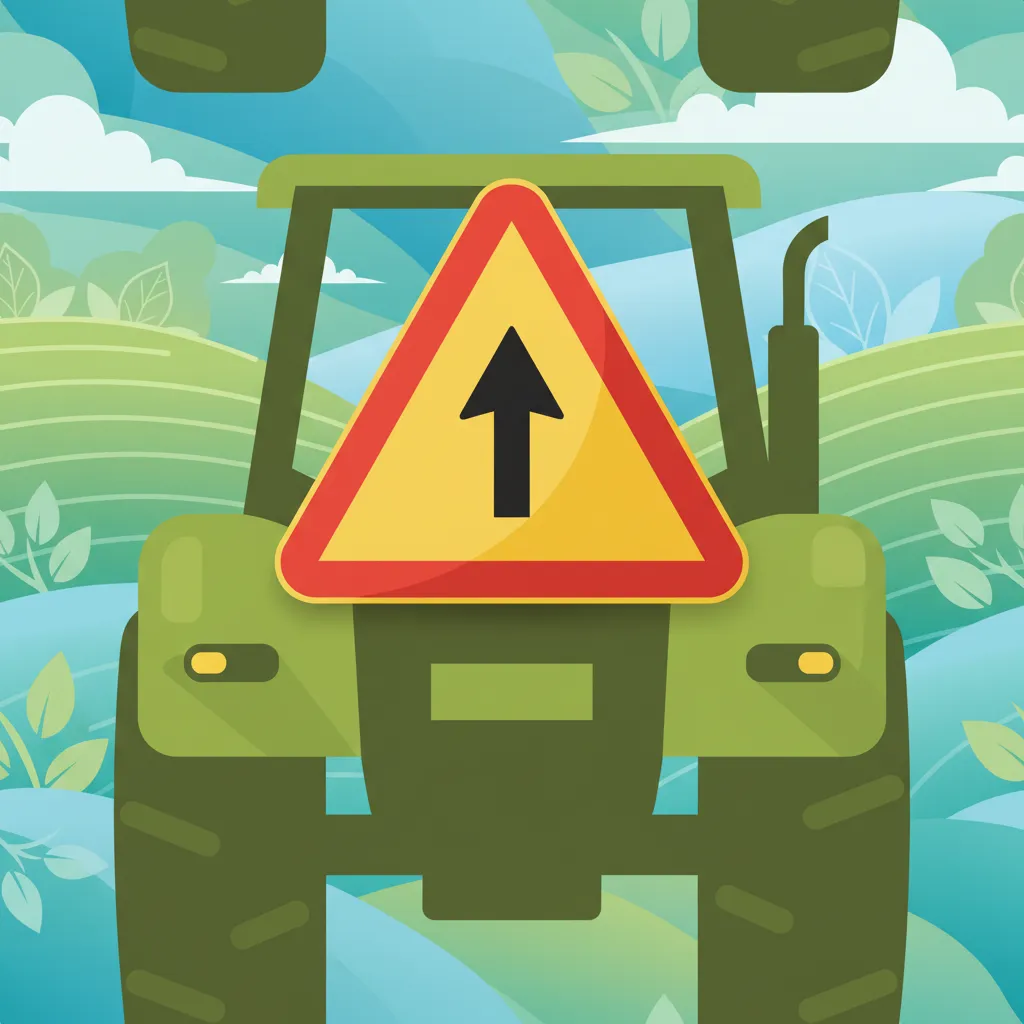
This lesson focuses on the specific signage and on-vehicle markings used to indicate slow-moving vehicles, a critical element for tractors on public roads. Learners will understand the design and meaning of the triangular sign and the requirements for flashing amber lights. The content also discusses proper lane positioning and speed adjustments required when sharing the road with faster traffic.
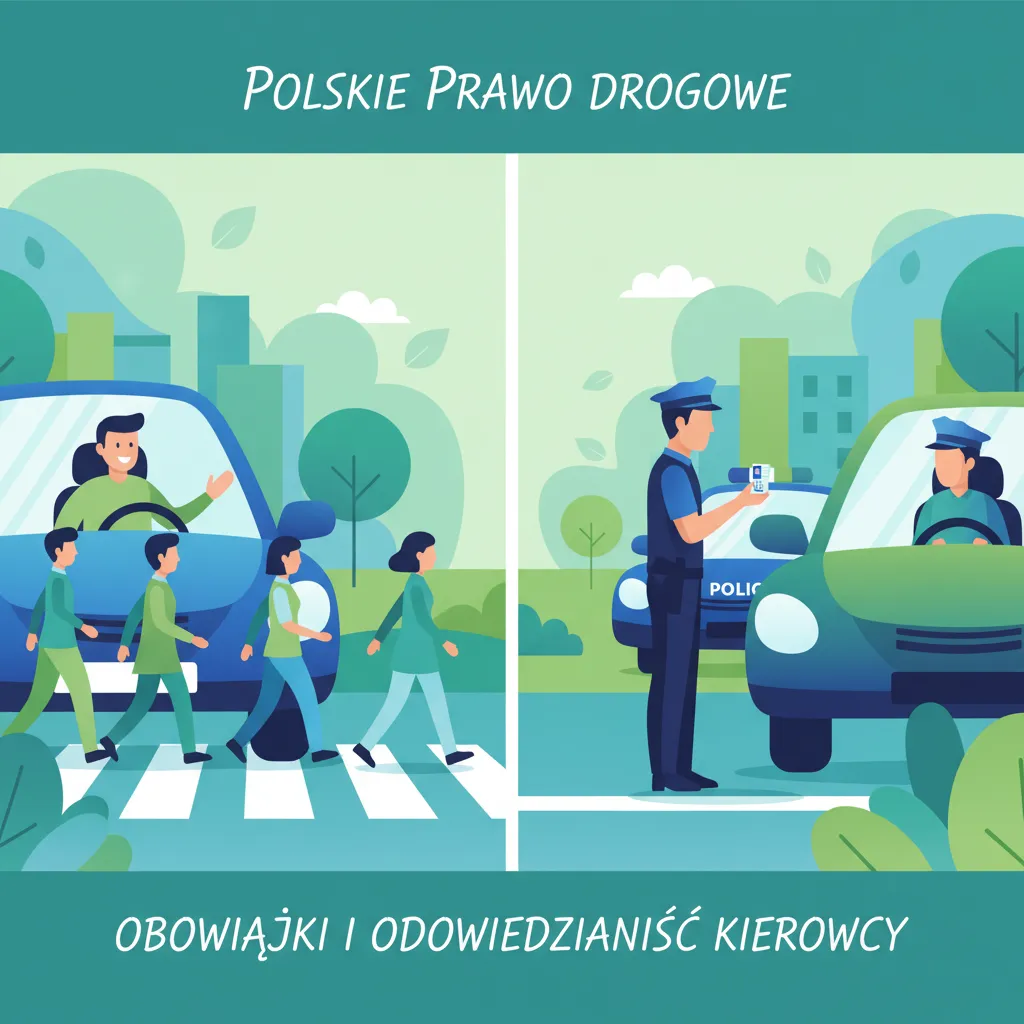
This lesson outlines the legal responsibilities of tractor drivers as stipulated by Polish traffic law, emphasizing the duty to comply with all rules of the road. It discusses the liability framework for accidents involving agricultural vehicles, including the need for appropriate insurance and potential penalties. The lesson also explains the importance of maintaining accurate documentation, such as registration papers and a driver’s licence.
This lesson explores the correct lane and road positioning for tractors, emphasizing the use of the right-hand lane or shoulder where appropriate. It clarifies how speed limits differ between road types and provides guidelines for adjusting speed based on vehicle load, road condition, and traffic density. Proper positioning improves safety for both the tractor driver and other road users sharing the same space.
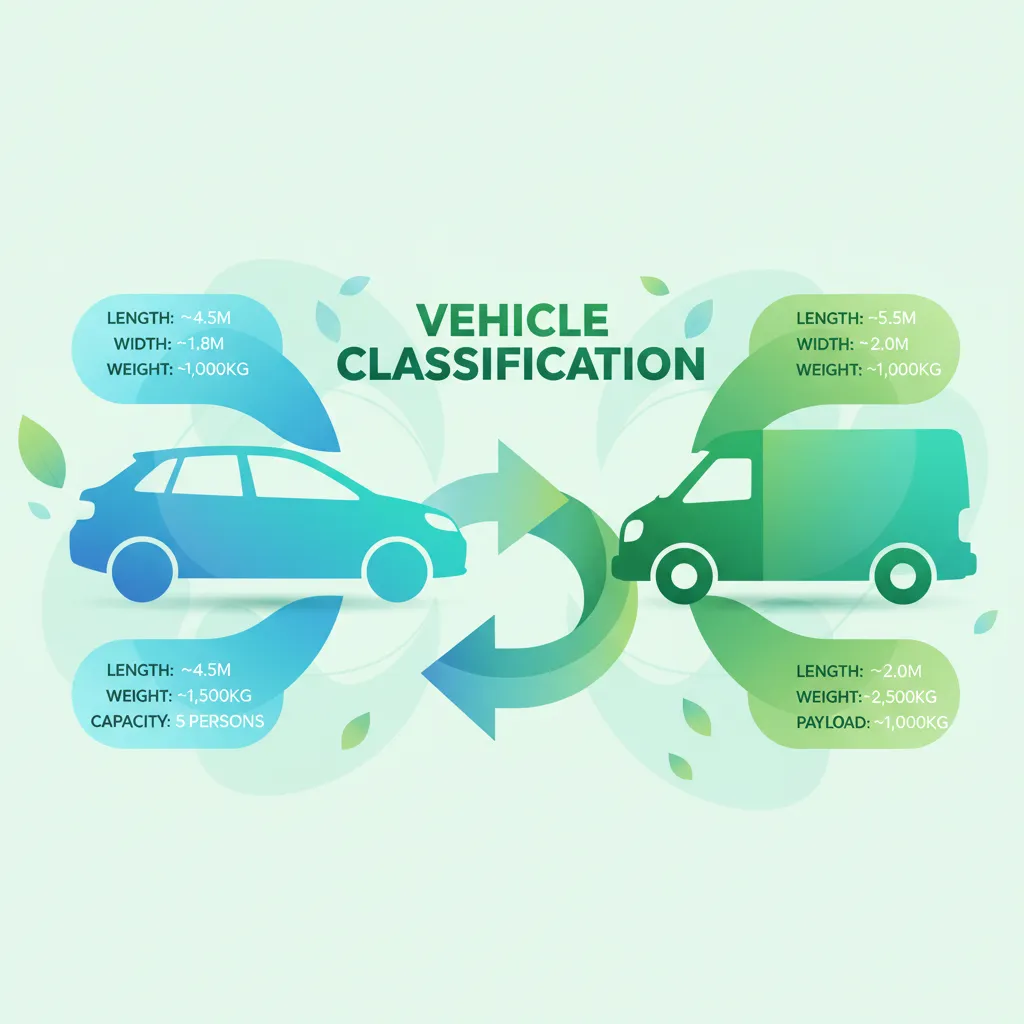
This lesson focuses on the precise classification of agricultural vehicles as defined by Polish law, differentiating between tractors, forestry machines, and trailers. It examines the legal parameters such as maximum permissible weight, width, height, and length that affect roadworthiness certifications. The lesson clarifies terminology used in official documents, ensuring learners can correctly identify the vehicles they are permitted to operate.
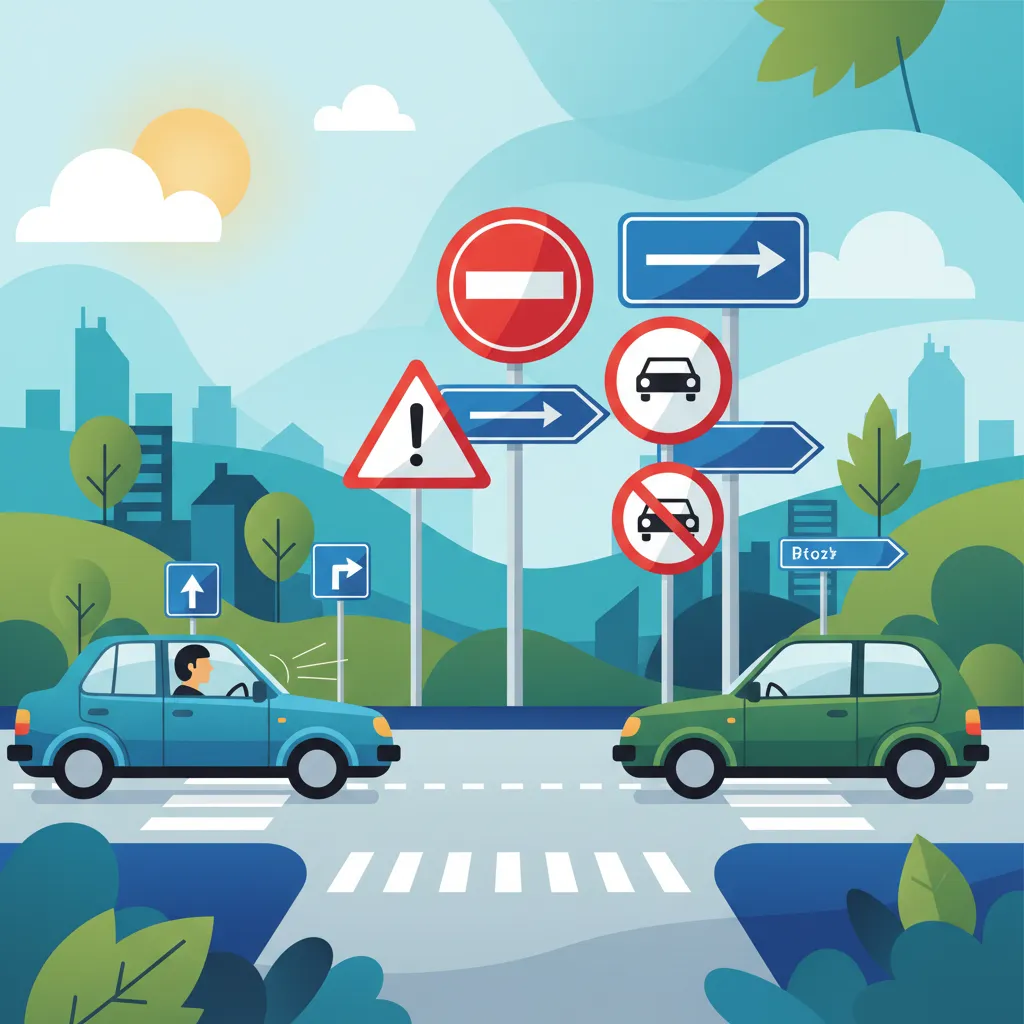
This lesson provides a foundational understanding of the Polish road sign system, categorizing signs into three main types: warning, prohibitory/mandatory, and informational. It explains the significance of different shapes and color codes, enabling drivers to quickly interpret their meaning and legal obligation. By mastering the visual language of road signs, learners will be equipped to make correct and safe decisions in any traffic situation they encounter.
This lesson outlines the emergency procedures a tractor driver must follow in case of a breakdown, trailer detachment, or accident. It covers immediate actions such as pulling over safely, deploying warning triangles, and using hazard lights to alert other road users. The lesson details the steps for reporting the incident, providing first aid, and securing the scene to prevent further hazards.
This lesson provides a step-by-step guide to safely coupling and uncoupling trailers, highlighting the correct use of hitches, drawbars, and safety chains. It emphasizes pre-couple inspections, alignment checks, and the necessity of confirming secure connections before movement. Learners will also study procedures for safely uncoupling, including establishing a safe zone and verifying trailer stability.
Learn how to interpret warning signs for hazards like slippery roads, animals, and uneven surfaces in rural Poland. Understand how to adapt driving to various conditions and sign context for Category T license holders.
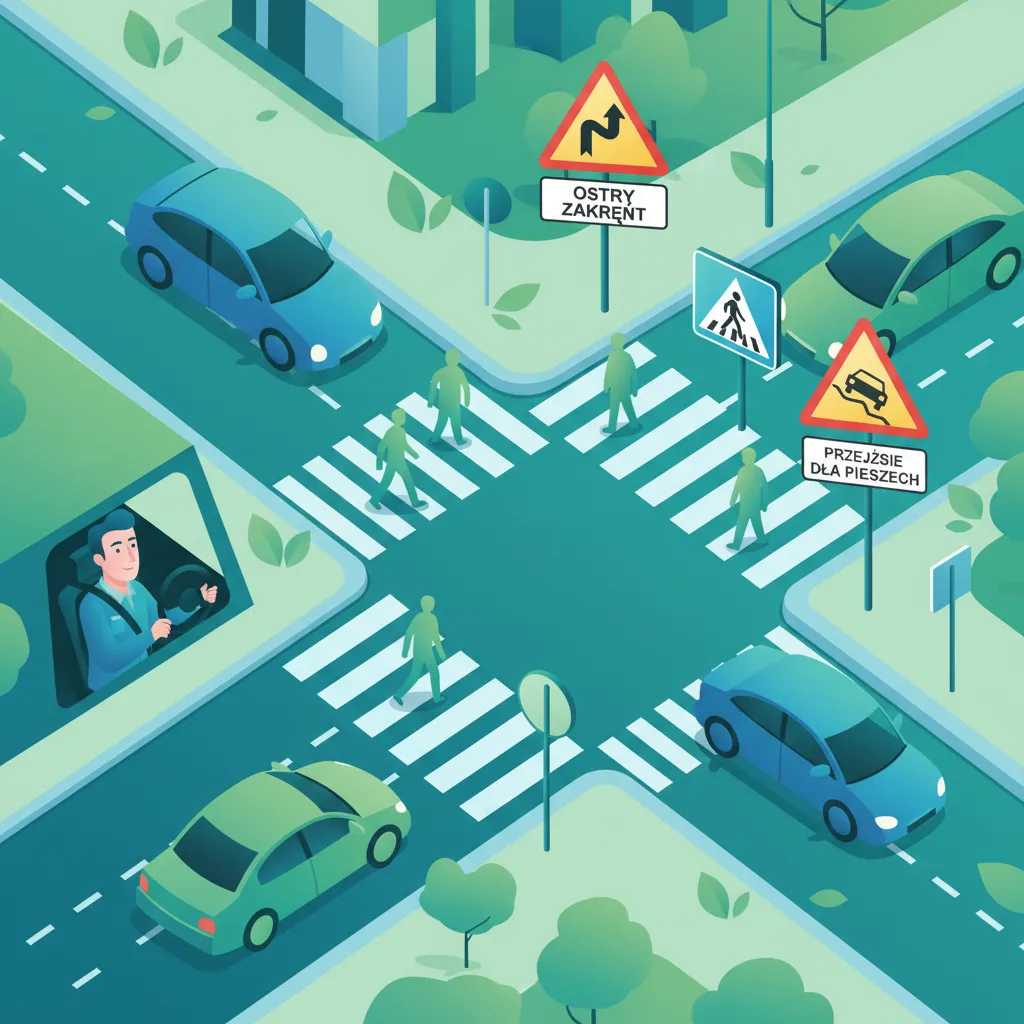
This lesson focuses on triangular warning signs, which are designed to alert drivers to upcoming hazards on the road. It covers the interpretation of various pictograms that indicate dangers like sharp turns, animal crossings, or road construction. Understanding these signs allows a driver to anticipate conditions and adjust their driving proactively.
This lesson examines the signs that convey dimensional and weight restrictions, which are vital for safe tractor and trailer operation. It outlines how to read width, height, and weight limit signs and the legal implications of exceeding these limits. The lesson provides guidance on planning loads to comply with bridge and road classification restrictions found across Polish rural networks.
This lesson focuses on the specific signage and on-vehicle markings used to indicate slow-moving vehicles, a critical element for tractors on public roads. Learners will understand the design and meaning of the triangular sign and the requirements for flashing amber lights. The content also discusses proper lane positioning and speed adjustments required when sharing the road with faster traffic.
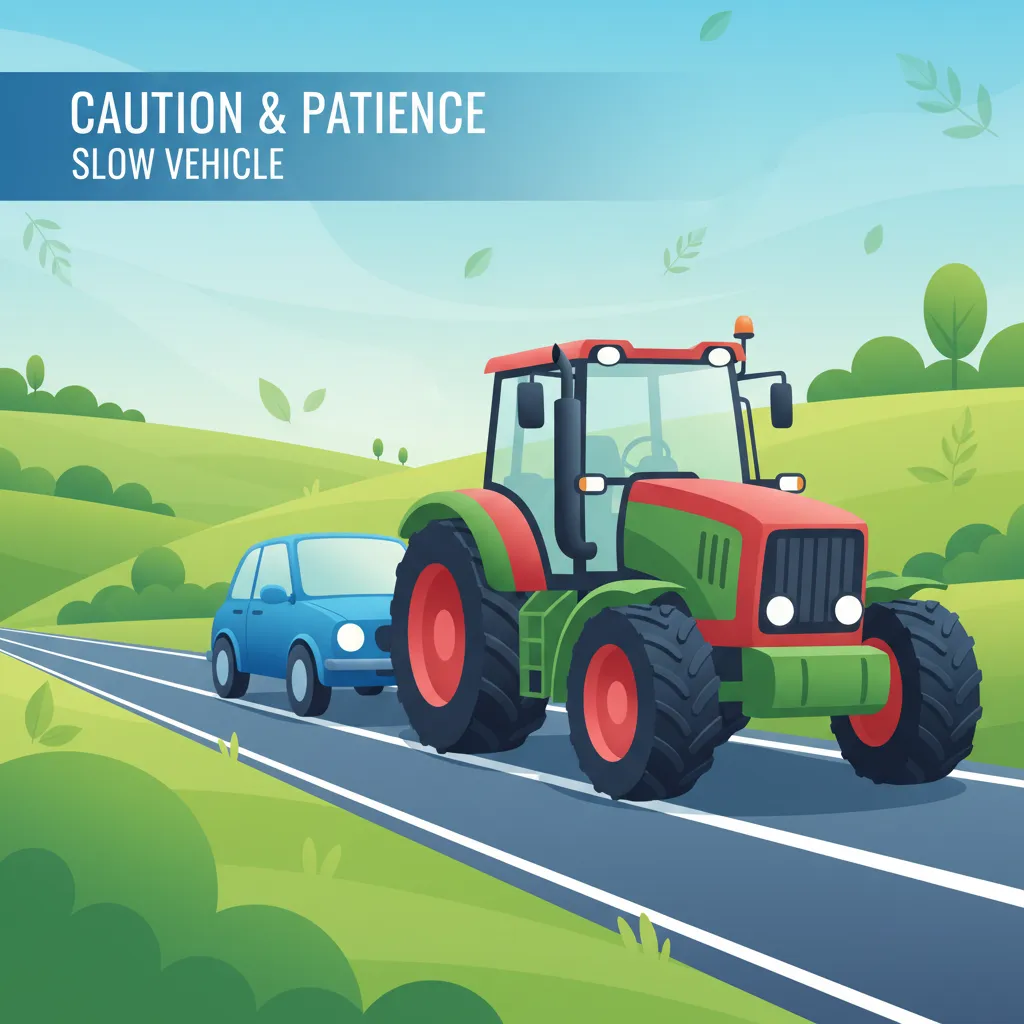
This lesson addresses encounters with slow-moving vehicles, such as tractors, which are common on rural roads. It teaches drivers to be patient, maintain a safe following distance, and only overtake when it is absolutely safe and legal to do so. Recognizing the large size and limited maneuverability of such vehicles is crucial for avoiding accidents.
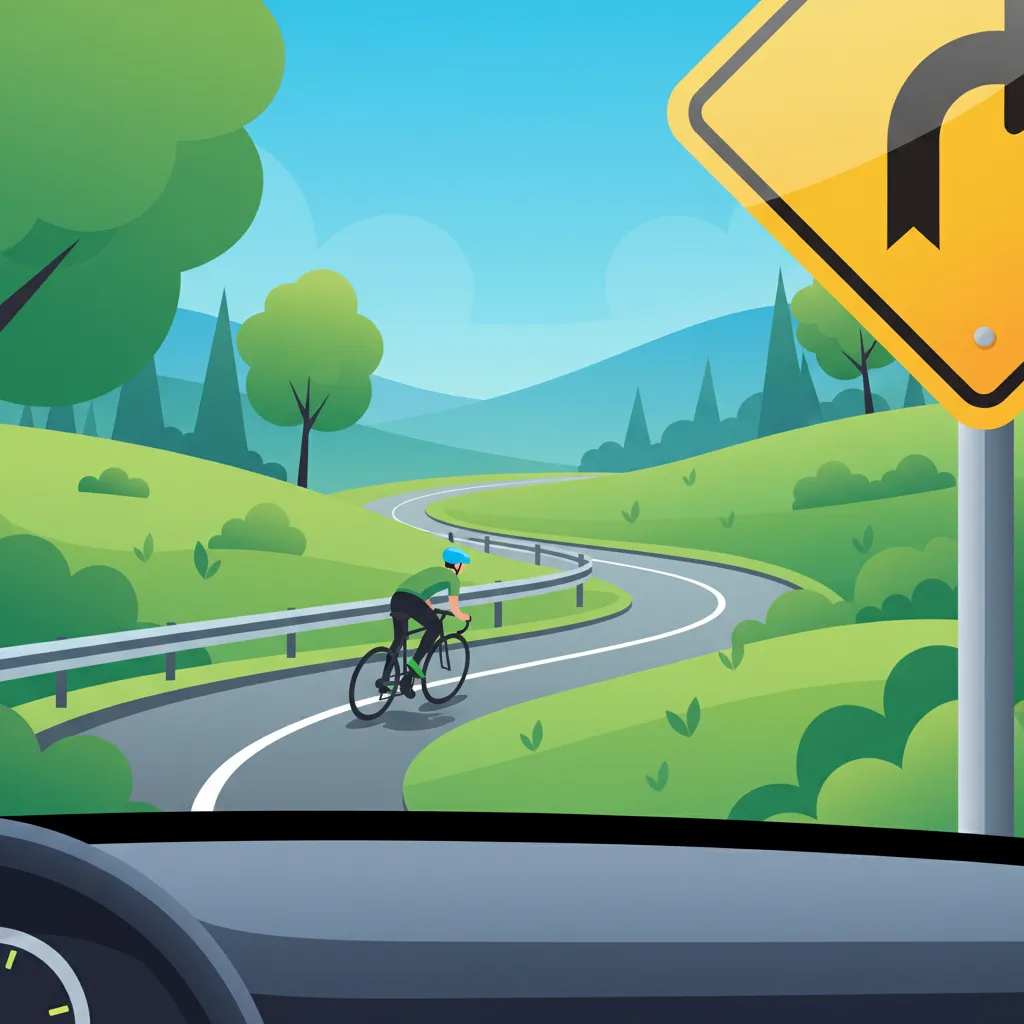
In this lesson, learners study warning signs that alert drivers to potential hazards, focusing on those that are particularly relevant to motorcyclists. The content includes signs indicating curves, slippery surfaces, animal crossings, tram tracks, and construction zones, each requiring specific riding adjustments. The lesson teaches riders how to interpret these signs to anticipate hazards, adjust speed appropriately, and maintain a safe distance from potential dangers.

This lesson provides comprehensive guidelines for safely transporting agricultural equipment, focusing on proper load securing techniques and weight distribution calculations. It discusses route planning that accounts for road conditions, bridge weight capacities, and seasonal obstacles like mud or snow. The lesson also emphasizes the use of protective equipment and regular compliance verification for safe operations.
This lesson introduces hazard perception concepts specific to agricultural vehicles, teaching learners how to identify potential dangers such as unexpected farm equipment or changing road conditions. It outlines a systematic approach to visual scanning, risk evaluation, and timely decision-making to avoid accidents. The lesson provides guidelines for interpreting scenario simulations that mirror real-world rural road hazards.
This lesson provides a foundational understanding of the Polish road sign system, categorizing signs into three main types: warning, prohibitory/mandatory, and informational. It explains the significance of different shapes and color codes, enabling drivers to quickly interpret their meaning and legal obligation. By mastering the visual language of road signs, learners will be equipped to make correct and safe decisions in any traffic situation they encounter.
This lesson examines real-world case studies of harvest traffic, where multiple tractors and trailers share limited road space during peak agricultural periods. Learners explore strategies for coordinating speed, maintaining safe distances, and using signaling to communicate intentions. The content also addresses the challenges of field access points and the need for cooperation with other drivers.
This lesson provides a step-by-step guide to safely coupling and uncoupling trailers, highlighting the correct use of hitches, drawbars, and safety chains. It emphasizes pre-couple inspections, alignment checks, and the necessity of confirming secure connections before movement. Learners will also study procedures for safely uncoupling, including establishing a safe zone and verifying trailer stability.
Find clear answers to common questions learners have about General Traffic Signs Relevant to Tractors. Learn how the lesson is structured, which driving theory objectives it supports, and how it fits into the overall learning path of units and curriculum progression in Poland. These explanations help you understand key concepts, lesson flow, and exam focused study goals.
Yes, the fundamental general regulatory and warning signs are universal for all road users in Poland, including Category T tractor drivers. However, understanding their specific impact and restrictions for larger, slower agricultural vehicles is crucial, especially regarding speed limits and road clearances.
In rural Polish environments, signs can sometimes be partially obscured by foliage, farm equipment, or terrain. Tractor drivers, due to their vehicle's size and speed, need enhanced vigilance to spot and react to signs early, ensuring safe maneuvering and compliance, particularly with upcoming hazards or turns.
Regulatory signs (e.g., speed limits, stop, give-way) indicate mandatory rules or prohibitions that must be followed. Warning signs (e.g., curves, crossroads ahead) alert drivers to potential hazards requiring caution. For Category T drivers, understanding the imperative nature of regulatory signs vs. the advisory nature of warning signs is critical for both safety and legal compliance.
Common confusion often arises with signs that seem similar but have distinct meanings, or signs that dictate priority rules at complex intersections. Additionally, signs related to speed limits, especially when towing trailers, can be tricky. This lesson clarifies these nuances to help avoid typical exam pitfalls.
Build custom practice sessions tailored precisely to your needs. Focus on areas requiring improvement, review specific Polish road signs, or master complex traffic rules to ensure full preparation for your official driving license exam.