This lesson explores the fundamental legal and moral responsibilities of a motorcyclist operating under Turkish road legislation. It provides a foundation for developing a defensive mindset and ethical conduct, ensuring you are prepared both for your theory examination and real-world riding safety.

Lesson content overview
Riding a motorcycle is an exhilarating experience that offers unmatched freedom and efficiency on the road. However, this freedom comes with a heightened level of responsibility. Because motorcyclists lack the protective metal cage, airbags, and crumple zones of passenger cars, they are significantly more vulnerable to severe injuries in the event of a collision.
For riders seeking an A1, A2, or A category licence under the Turkish licensing framework, understanding and internalizing rider obligations, traffic laws, and ethical riding practices is not just a requirement to pass the theoretical exam—it is a vital toolkit for survival on public roads. This lesson explores the legal, defensive, and ethical frameworks that govern safe motorcycling.
In Turkey, all road participants are governed by the Highway Traffic Law (Karayolları Trafik Kanunu or KTK). Motorcyclists are subject to the same general rules as other motorized vehicles, along with specific provisions tailored to two-wheeled transport.
Under the legal framework, a motorcycle is recognized as a full vehicle on the road. This means riders have the same rights to a full lane as cars, but they also carry the exact same legal obligations to obey traffic control devices, speed limits, and lane discipline.
Legal compliance refers to the strict adherence to all established traffic codes, regulations, and administrative mandates. For motorcyclists in Turkey, this includes complying with rules regarding lane usage, speed limits, overtaking, and mandatory safety equipment.
According to Turkish road regulations (specifically aligning with the framework of the Karayolları Trafik Yönetmeliği and related statutes like MVK No. 4915, §43(8)), motorcyclists must observe the following:
To legally operate a motorcycle in Turkey, both the rider and any passengers must wear certified protective gear. The law does not treat these as optional recommendations; they are strict legal requirements.
Approved Safety Helmet: Both the operator and the passenger must wear a securely fastened, certified protective helmet (kask). The helmet must meet international safety standards (such as ECE 22.05 or ECE 22.06).
Eye Protection: If the helmet does not feature a built-in visor, the rider must wear independent protective goggles to protect their eyes from wind, dust, insects, and debris, which could cause temporary blindness and loss of control.
Reflective Vest (Reflektörlü Yelek): According to recent updates in Turkish traffic regulations, motorcycle riders are required to wear reflective vests or high-visibility clothing during night-time riding and in conditions of significantly reduced visibility (such as heavy fog or torrential rain).
Failing to use this protective equipment not only dramatically increases the risk of fatality in an accident but also carries immediate legal consequences. If law enforcement stops a rider without an approved helmet, the rider will face monetary fines, penalty points on their driver's licence, and potentially the towing and impoundment of the motorcycle.
While legal compliance ensures you are riding within the boundaries of the law, Defensive Riding (Defansif Sürüş) is the proactive strategy that keeps you alive. Defensive riding is built on the premise that you should never assume other road users see you, behave predictably, or obey traffic laws.
A defensive rider is constantly scanning the environment to identify potential hazards before they develop into emergencies. This requires high levels of situational awareness and active visual scanning.
Space is your primary safety net. By maintaining a buffer zone around your motorcycle on all sides, you buy yourself the time and distance needed to react to unexpected events.
A harmonious traffic environment relies on mutual respect and courtesy among all road users. Motorcyclists, due to their agility and smaller profile, must take extra care to communicate clearly and respect the space of others.
A key aspect of ethical riding is recognizing that there is a hierarchy of vulnerability on public roads. Just as heavy commercial trucks pose a threat to motorcycles, motorcycles pose a significant threat to even more vulnerable road users.
Because motorcycles are small, other drivers often misjudge their speed and distance. Clear communication is your best tool to counteract this.
Ethical conduct on a motorcycle represents a commitment to personal accountability and safety that goes far beyond what is written in the legal code. It is the voluntary decision to prioritize the safety of yourself and others over personal convenience, speed, or ego.
The practice of making decisions on the road that prioritize human life, safety, and cooperation over speed, personal convenience, or asserting legal right-of-way.
The temptation to exploit a motorcycle’s small size to bypass traffic can lead to highly dangerous behaviors. Ethical riders resist these temptations by recognizing the risks involved:
Your ethical obligations shift depending on the environment, weather conditions, and the state of your vehicle.
| Driving Context | Risk Factor | Required Adaptation |
|---|---|---|
| Wet/Rainy Weather | Reduced tyre grip, poor visibility | Reduce speed, double the following distance, avoid sudden braking, wear high-visibility gear. |
| Night Riding | Limited headlight projection, driver fatigue | Ride at a speed that allows you to stop within the distance illuminated by your headlight (not outriding your headlight), wear a reflective vest. |
| Urban Residential Areas | Unpredictable pedestrians, opening car doors, children | Reduce speed, cover your brakes (keep fingers/foot resting lightly on levers for faster reaction times), watch for reversing vehicles. |
| Carrying a Passenger/Load | Altered centre of gravity, longer stopping distances | Adjust rear suspension preload, increase tyre pressure to manual specifications, brake earlier and smoother. |
Understanding where riders most frequently fail helps you consciously avoid these dangerous traps.
The Trap of Assertiveness: Many riders confuse being assertive with being safe. While you should ride decisively, trying to "teach other drivers a lesson" or asserting your right-of-way when a driver has cut you off is a recipe for disaster. On a motorcycle, you will always lose the physical battle against a car, regardless of who was legally in the right.
Safe and successful motorcycling is resting on three foundational pillars:
By combining these principles, you protect yourself, preserve your licence, and contribute to a safer, more respectful road culture across Turkey.
Explore all units and lessons included in this driving theory course.
Lesson content overview
Explore all units and lessons included in this driving theory course.
Explore search topics learners often look for when studying Rider Obligations and Ethical Conduct. These topics reflect common questions about road rules, driving situations, safety guidance, and lesson level theory preparation for learners in Turkey.
Browse additional driving theory lessons that cover connected traffic rules, road signs, and common driving situations related to this topic. Improve your understanding of how different rules interact across everyday traffic scenarios.
Learn proactive hazard anticipation techniques and the importance of space management in Turkish traffic. This lesson explains how to identify risks early, maintain essential following distances, and manage blind spots to ensure safety on public roads according to official traffic regulations.

In this lesson, learners will discover the principles of defensive riding, focusing on hazard anticipation, maintaining safe distances, and practicing proactive avoidance techniques. It emphasizes developing a vigilant riding posture, constantly scanning the environment, and preparing to react to potential dangers from other road users, road conditions, or unexpected traffic events.

Defensive riding is the practice of anticipating potential road conflicts and acting early to prevent accidents before they occur. This lesson teaches you how to systematically scan the road ahead for changing conditions, keep an adequate safety cushion around your moped, and pre-plan exit routes in tight spots. You will learn to assume you are invisible to other drivers and adapt your speed and road position proactively to protect yourself against sudden maneuvers.
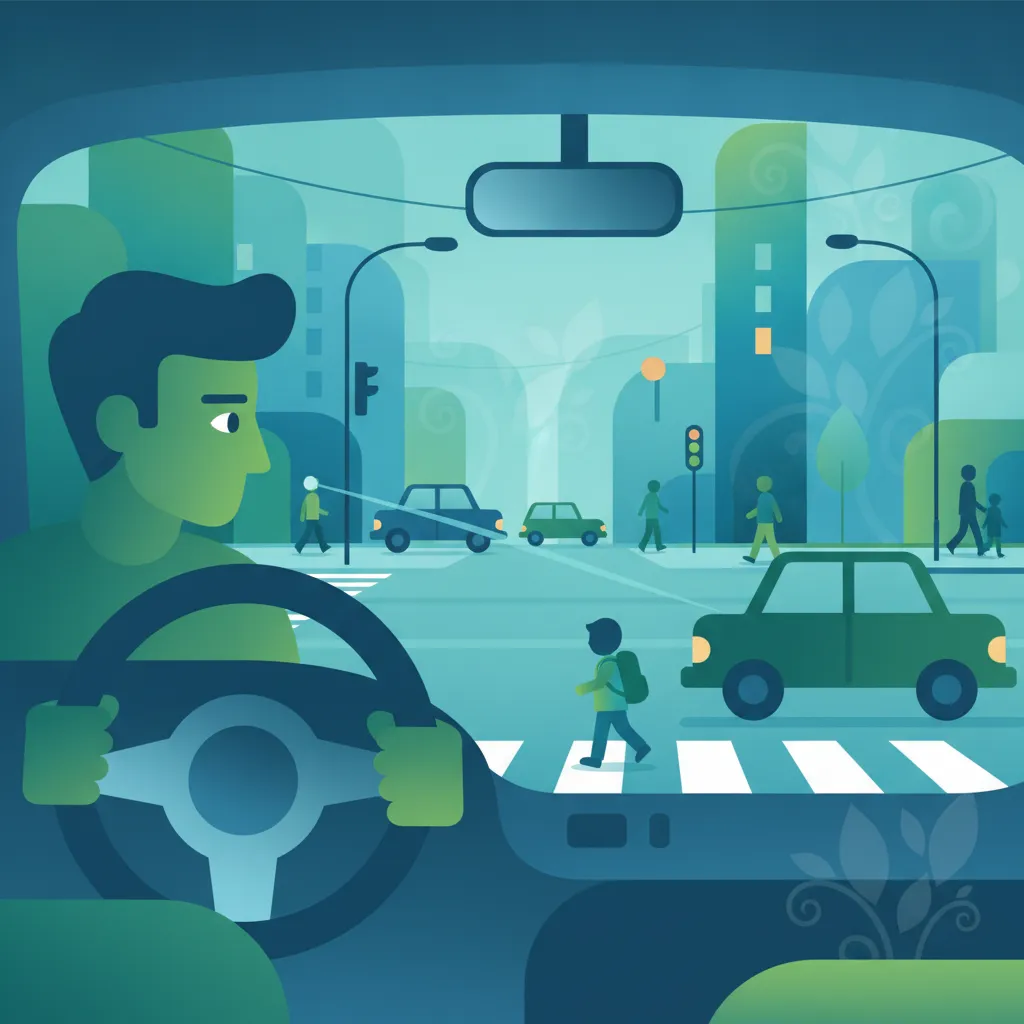
This lesson explores the critical skill of hazard identification and anticipation while driving. Topics include recognizing potential risks in traffic, road conditions, and environmental factors. Learners will develop skills in anticipatory driving to proactively address hazards before they become dangerous. Real-world examples illustrate how to maintain vigilance.
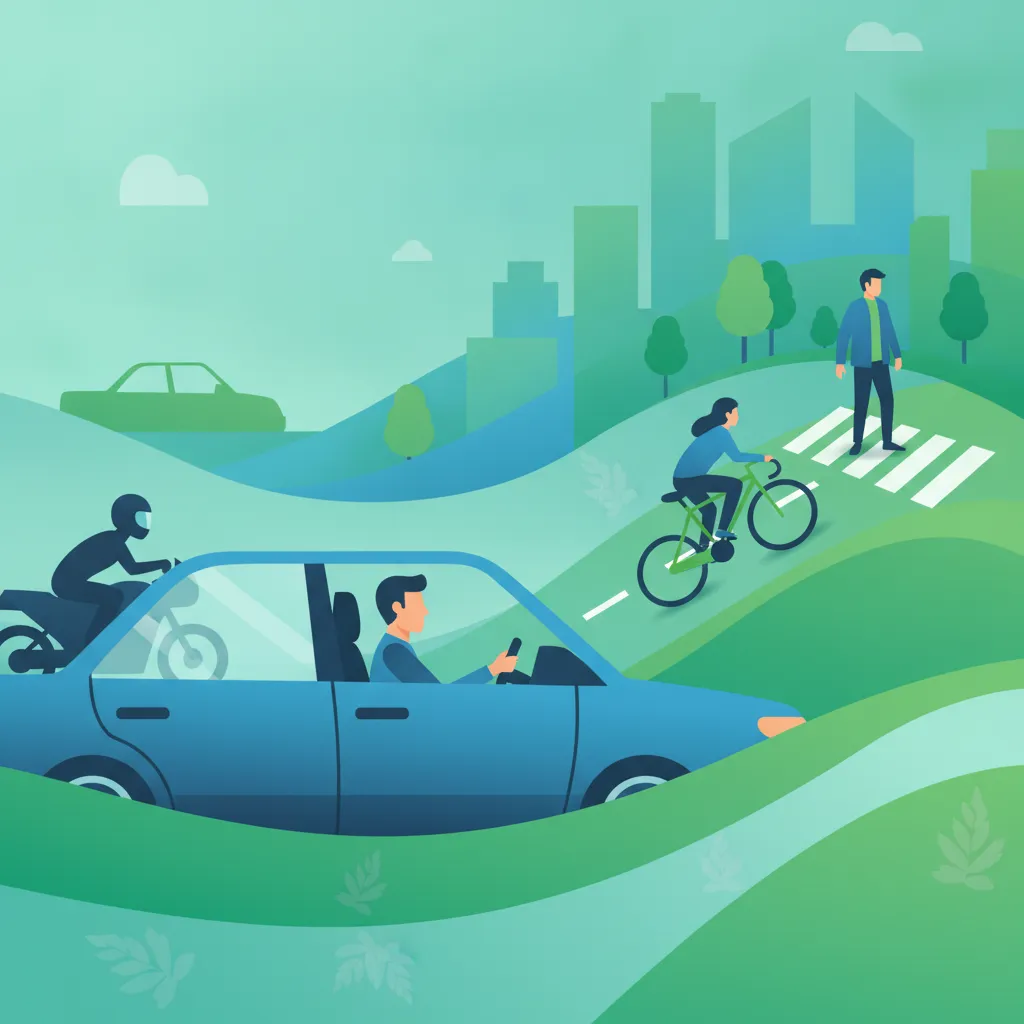
Learners will examine the complexities of operating in environments where various road users, including pedestrians, cyclists, and motorcyclists, coexist. The lesson emphasizes the need for heightened situational awareness, defensive driving techniques, and proactive hazard anticipation. Strategies for navigating mixed traffic safely, especially in congested urban areas, are highlighted.

This lesson details defensive driving techniques for adverse weather conditions such as rain, snow, black ice, dense fog, and strong winds. It explains the physics of aquaplaning and how to regain vehicle control when losing traction on slippery surfaces. Drivers will learn how to adjust speed and increase safety gaps to prevent weather crashes.
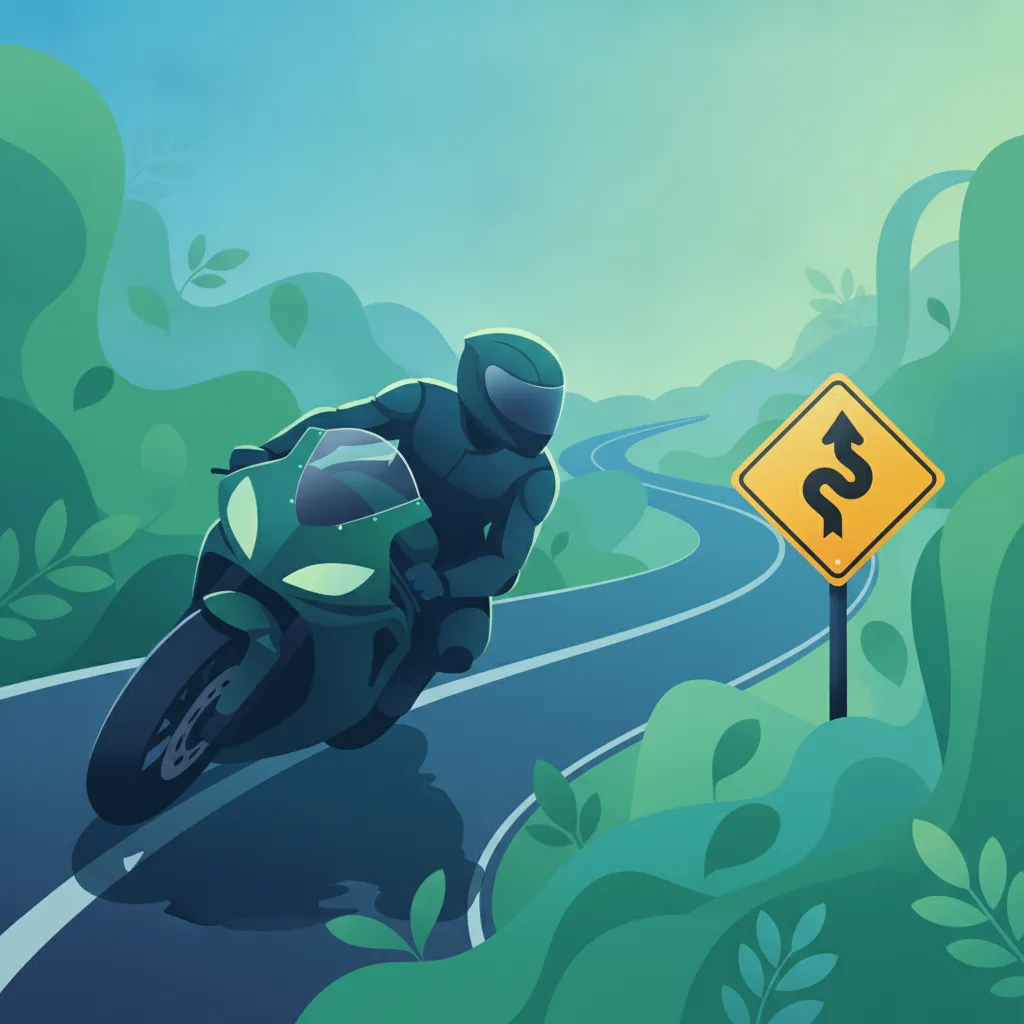
Warning signs alert road users to impending physical conditions, dangers, or layout alterations that require immediate driver attention and speed adjustment. This lesson focuses on indicators of sharp bends, narrowing paths, slippery road surfaces, upcoming pedestrian crosswalks, and school warning zones. You will study how to interpret these yellow-and-red triangular signs to safely modify your approach speed and gear your attention toward potential hazards unique to lightweight mopeds.
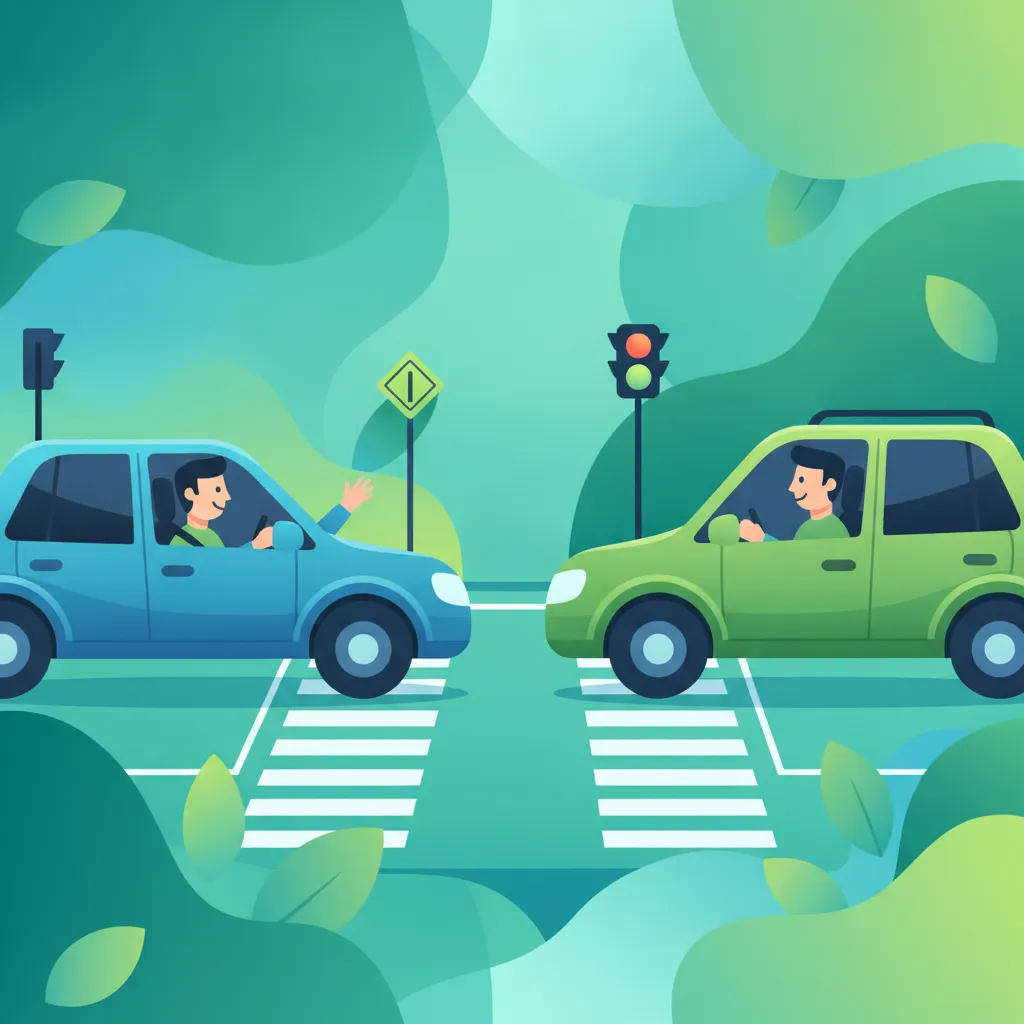
Riding an exposed lightweight vehicle in busy Turkish cities requires exceptional personal conduct, patience, and absolute control over your emotional reactions. This lesson discusses the psychological aspects of riding, teaching you how to avoid aggressive behaviors and stay calm under stressful traffic situations. It covers proper non-verbal communication, polite road sharing practices, and maintaining safe buffers from other motorists to establish a safe, predictable presence on any public street.
Low-speed riding maneuvers require precise coordination of throttle control, body balance, and subtle steering inputs to maintain vehicle stability. This lesson guides you through techniques for performing tight U-turns, navigating dense traffic queues, and parking your moped safely in designated urban areas. Additionally, you will learn to scan for immediate hazards, allowing you to execute steering corrections smoothly without risking tip-overs or collisions with low obstacles.
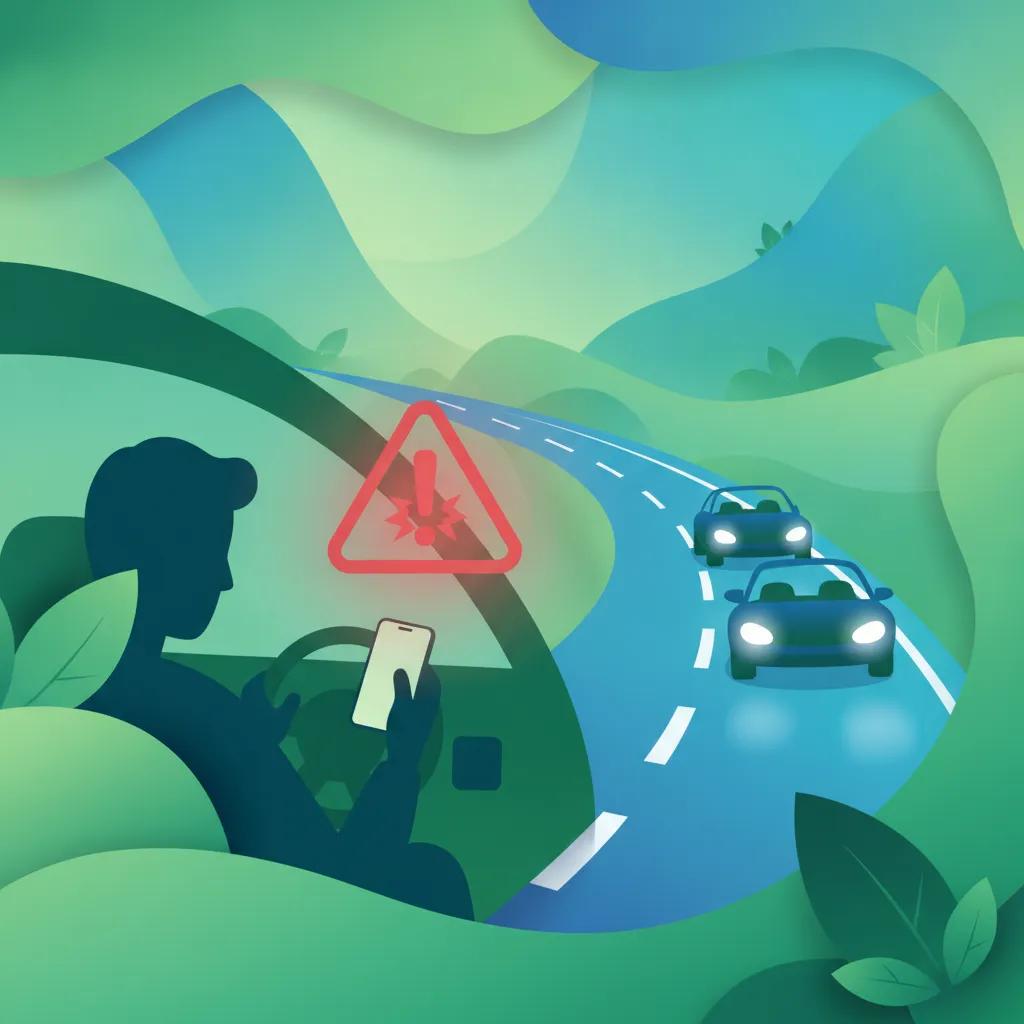
Human error and deliberate risk-taking represent the leading causes of traffic collisions among novice moped riders. This lesson analyzes the high dangers of using mobile phones while riding, weaving unsafely between lanes, and tailgating other motorists. It also covers the severe legal limits on alcohol and drug consumption under Turkish law, explaining how even minor impairments can drastically slower your hazard response times and lead to catastrophic accidents.
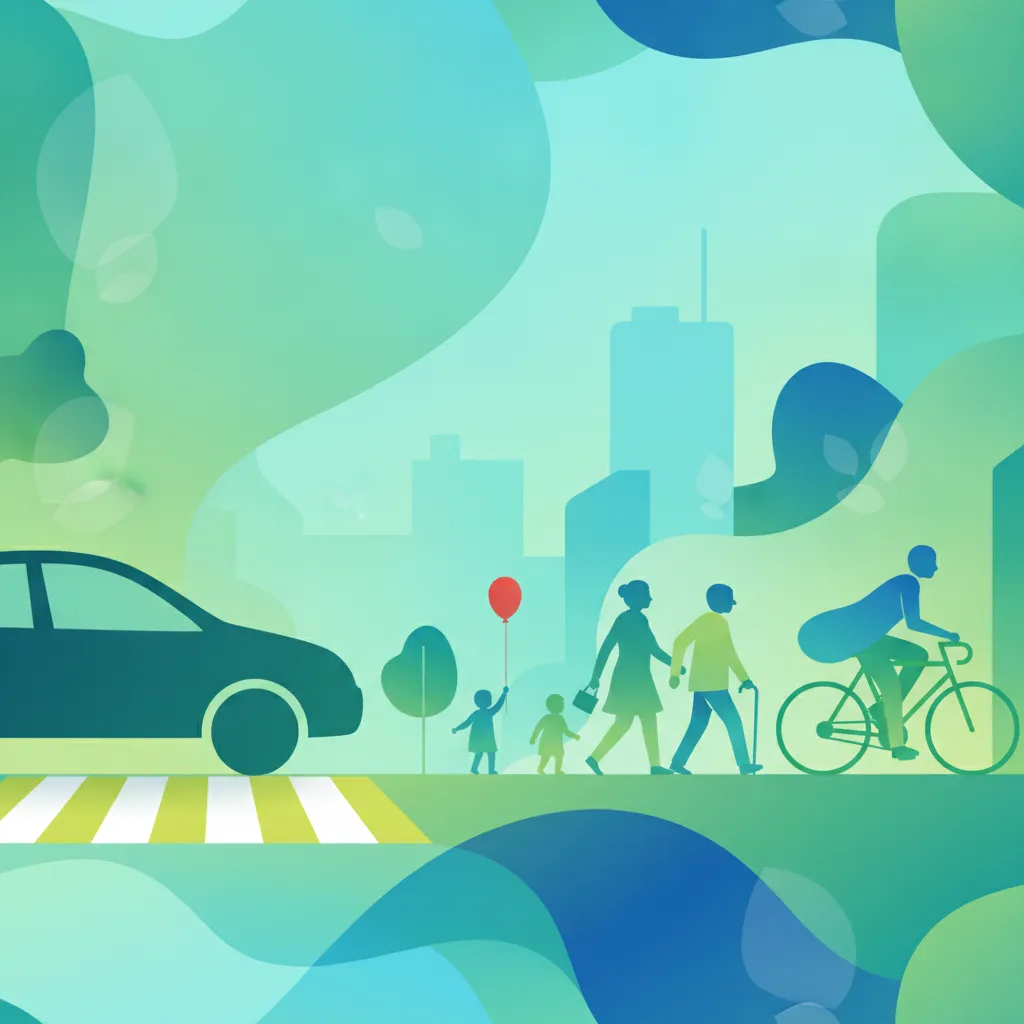
This lesson focuses on protecting vulnerable road users, such as pedestrians, cyclists, and motorcyclists, in mixed traffic environments. Learners will examine specific strategies for increased vigilance, anticipatory driving, and properly yielding to these users. The lesson also covers high-risk zones, such as school areas and public transport stops, emphasizing the need for heightened safety.
Understand the ethical and legal requirements for motorcyclists when sharing the road with pedestrians and cyclists. This guide details right-of-way rules, mandatory lateral clearance, and safety protocols for intersections and crosswalks as defined in the Turkish Highway Traffic Law.
This lesson covers the primary legal requirements that every moped rider must follow when navigating public traffic systems within Turkey. It focuses on the mandatory application of traffic signals, correct lane selection, appropriate overtaking procedures, and the specific speed limitations set for light motorized vehicles. By understanding these regulatory bounds, you will avoid high traffic fines and licence point deductions while ensuring that your riding practices strictly align with national highway laws.
Focusing on pedestrian safety, this lesson addresses the unique considerations motorcyclists must take when approaching zebra crossings, traffic signal-controlled pedestrian crossings, and designated school zones. Learners will understand the legal obligations to yield to pedestrians, especially children, and the importance of reducing speed in these high-risk areas. The lesson also provides practical tips for ensuring visibility.
In this lesson, learners explore the unique challenges and safety considerations related to motorcyclists and scooter riders. Topics include the importance of visibility, the use of protective gear, and the need for drivers to be aware of blind spots. The lesson also covers lane discipline for two-wheeled vehicles and safe overtaking practices.
Protecting vulnerable road users is a core legal and ethical responsibility for all motorized vehicle operators in Turkey. This lesson covers the absolute requirement to yield to pedestrians at marked crosswalks, zebra crossings, and designated school zones. You will learn how to identify these zones early, reduce your speed proactively, and maintain heightened situational awareness for children or distracted pedestrians who may step onto the road unexpectedly.
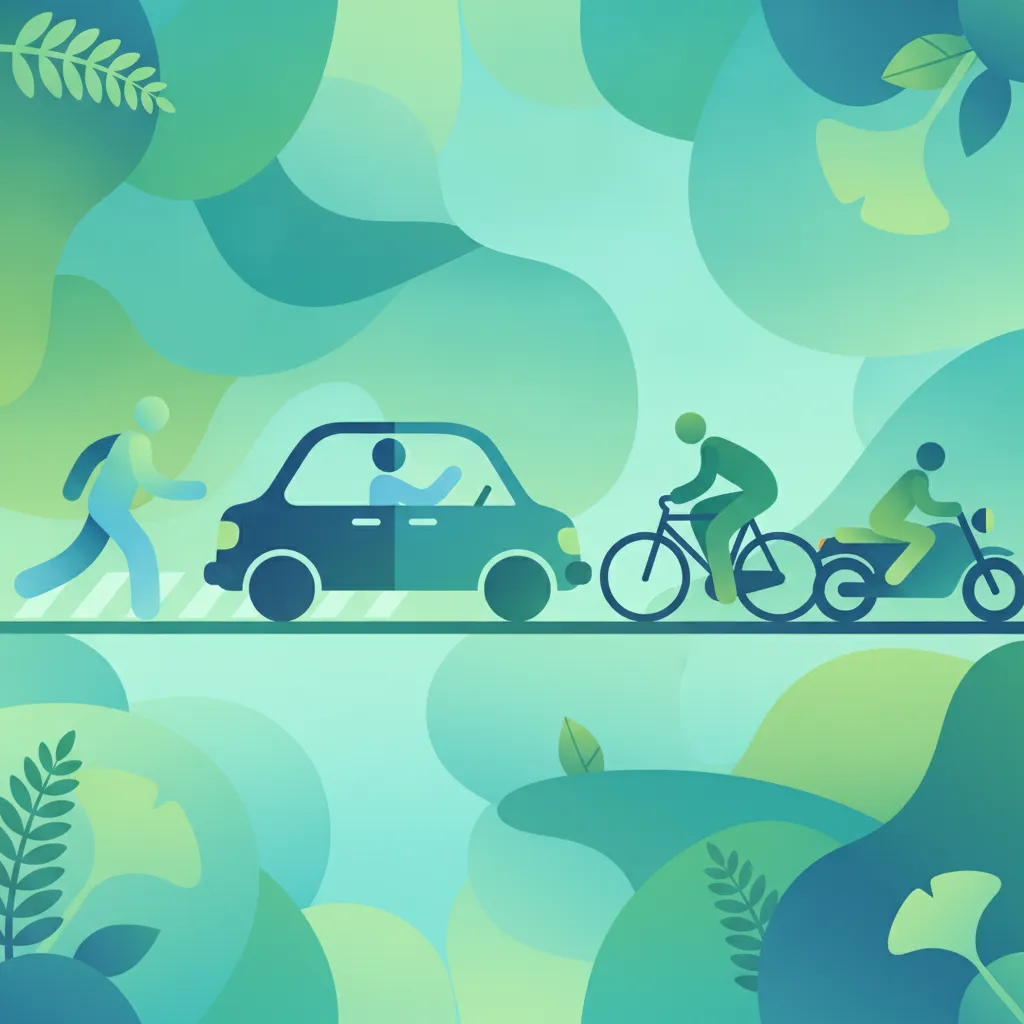
This lesson examines the critical interactions between goods vehicles and vulnerable road users such as pedestrians, cyclists, and motorcyclists, particularly in urban environments. Learners will explore right-of-way rules, maintaining safe distances, and strategies for anticipating the actions of these road users. The lesson emphasizes the importance of clear communication and protective driving.
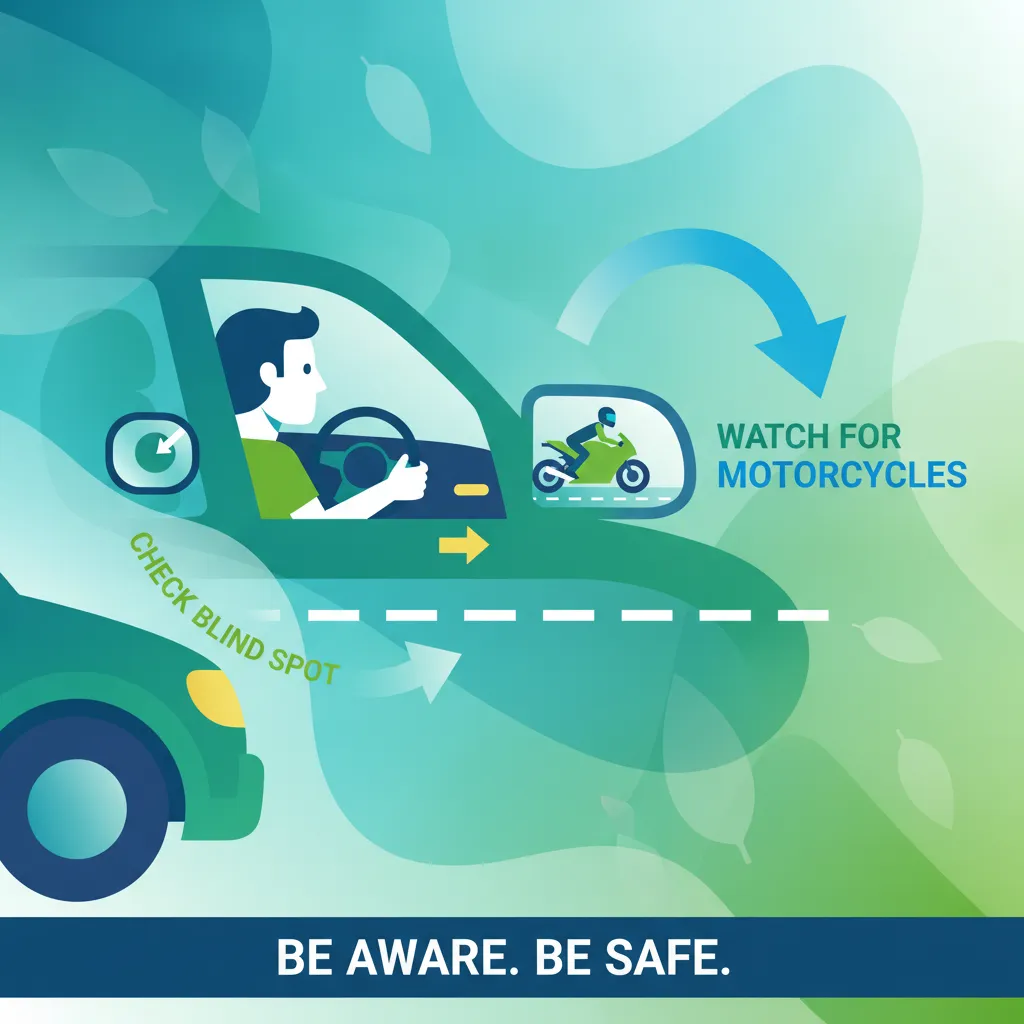
Learners will gain insight into the unique challenges posed by motorcycles and scooters sharing the road with passenger vehicles. The lesson highlights the importance of checking blind spots, maintaining safe following distances, and being aware of the faster acceleration and maneuverability of two-wheeled vehicles. Strategies for anticipating their movements and preventing collisions are discussed.
Riding an exposed lightweight vehicle in busy Turkish cities requires exceptional personal conduct, patience, and absolute control over your emotional reactions. This lesson discusses the psychological aspects of riding, teaching you how to avoid aggressive behaviors and stay calm under stressful traffic situations. It covers proper non-verbal communication, polite road sharing practices, and maintaining safe buffers from other motorists to establish a safe, predictable presence on any public street.
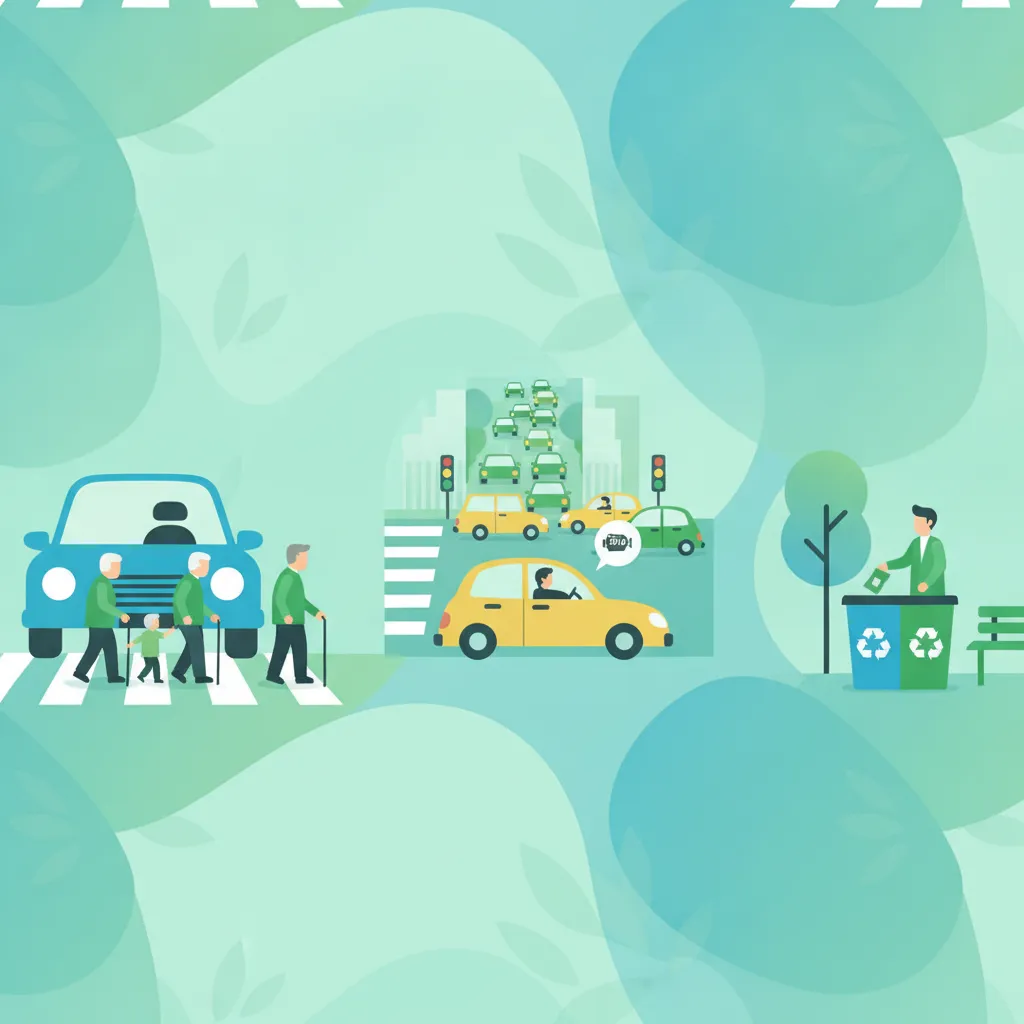
Operating a moped in highly populated Turkish urban areas requires a strong awareness of your environmental footprint and social impact. This lesson explains methods for reducing noise and exhaust emissions through timely vehicle maintenance and fuel-efficient riding techniques. You will also learn about the importance of protecting vulnerable road users like pedestrians, children, and cyclists, contributing to a cooperative, clean, and safe urban traffic ecosystem for everyone.

This lesson focuses on pedestrian rights and safety measures to ensure their protection on Turkish roads. Topics include proper use of crosswalks, pedestrian signals, and yielding to pedestrians at intersections. The lesson also addresses specific considerations for vulnerable pedestrians such as children, the elderly, and the visually impaired. Real-world scenarios illustrate safe crossing practices.
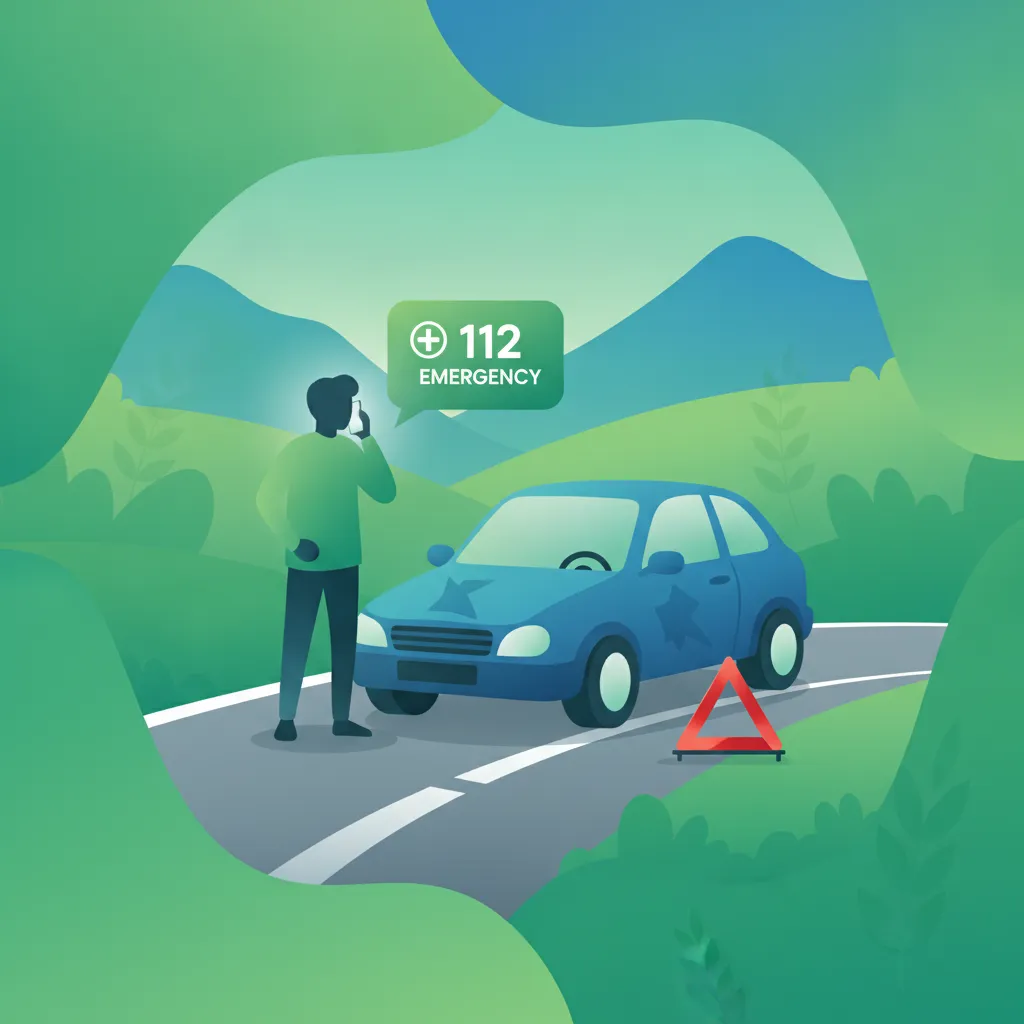
Knowing how to act immediately following a traffic accident or mechanical breakdown is crucial for saving lives and preventing secondary collisions. This lesson provides clear instructions on securing the scene using warning markers, assessing injuries, and immediately dialing the national 112 emergency number. You will learn what critical information to report, how to administer basic life-saving first aid within your capacity, and how to position a disabled moped safely out of active traffic lanes.
Find clear answers to common questions learners have about Rider Obligations and Ethical Conduct. Learn how the lesson is structured, which driving theory objectives it supports, and how it fits into the overall learning path of units and curriculum progression in Turkey. These explanations help you understand key concepts, lesson flow, and exam focused study goals.
The exam tests not just your knowledge of signs, but your understanding of social responsibility. Since motorcyclists are vulnerable, your ability to predict hazards and act courteously is essential to preventing accidents.
Defensive riding means constantly scanning for potential hazards, maintaining a safety margin, and anticipating that other drivers may not see you or may make mistakes, allowing you to react safely.
Yes, reckless or aggressive riding is a violation of the Highway Traffic Law. Such behaviors can lead to fines, points on your license, or in severe cases, the suspension of your driving privileges.
Yes, many scenario-based questions assess whether you can choose the safest and most socially responsible action in a given traffic situation. Choosing the 'ethical' option often correlates with the correct answer.
Use our comprehensive practice search to find exactly the Turkish driving theory questions you need to master. Whether reviewing specific road signs, traffic rules, or first aid scenarios, select your perfect practice set and boost your confidence for the official ehliyet sınavı.