
This lesson explores the critical link between rider behaviour and road safety, helping you identify high-risk actions that lead to accidents. By understanding the dangers of distraction, fatigue, and substance use, you will be better prepared to make responsible decisions on the road and succeed in your Turkish motorcycle theory examination.
Lesson content overview
Riding a motorcycle offers a unique sense of freedom and efficiency, but it also exposes the rider to significantly higher levels of physical risk compared to driving a car. Because motorcycles lack a protective cabin, crumple zones, and airbags, safety depends almost entirely on the rider’s decisions, behavior, and physical condition.
This lesson explores how various risk behaviors—such as aggressive riding, speeding, riding under the influence of substances, fatigue, and distraction—drastically increase the likelihood and severity of traffic accidents. By understanding these risks, recognizing your personal limits, and adhering to the Turkish Highway Traffic Regulation (Karayolları Trafik Yönetmeliği or GDPR), you will build the safety-first mindset required to pass your Turkish motorcycle driving licence exam (for A1, A2, and A categories) and protect yourself on the road.
At its core, risk behaviour refers to any intentional or unintentional action by a road user that undermines safety and disrupts the equilibrium of traffic. On a motorcycle, these behaviors are often driven by personal attitudes, emotional states, misjudgments of road conditions, or external pressures like running late.
The Vulnerability Factor: Statistics consistently show that motorcyclists are disproportionately represented in severe and fatal traffic accidents. This vulnerability means that a minor error or aggressive maneuver that might result in a "fender-bender" for a car can lead to catastrophic injuries for a motorcycle rider.
Safely navigating Turkish roads requires transition from a reactive mindset to a proactive, self-regulating mindset. This transition relies on four core principles:
| Principle | Definition | Rationale | Practical Implications |
|---|---|---|---|
| Self-Awareness | Continuous, realistic appraisal of your own skill, fatigue, emotional state, and impairment level. | Prevents you from riding when your physical or mental capacity is compromised. | Choosing to pull over and rest when you notice your reaction times slowing down. |
| Responsible Attitude | A commitment to prioritize safety over personal desires, such as speed or convenience. | Eliminates internal drivers of risky behaviors like road rage or competitive riding. | Respecting speed limits even on empty, inviting roads. |
| Risk Assessment | Ongoing evaluation of potential hazards and their likelihood in the current environment. | Allows you to proactively avoid dangers before they require emergency maneuvers. | Adjusting lane positioning and slowing down when approaching blind intersections. |
| Legal Compliance | Knowing and obeying traffic laws designed to reduce risky behaviors. | Establishes a predictable, standardized baseline for safe traffic interaction. | Adhering to the legal alcohol limits and mobile phone bans under the GDPR. |
Aggressive riding is a style of operating a motorcycle characterized by hostile, competitive, or impatient actions. When riders allow emotions like anger, frustration, or competitive urges to dictate their control inputs, they create highly unpredictable situations.
Hostile driving behaviors—including tailgating, sudden lane changes, weaving through traffic, and intimidation of other road users—that violate standard safety regulations and traffic laws.
Aggressive riders often fall victim to the cognitive bias that their superior handling skills or the motorcycle's agility will save them from an accident. In reality, aggressive riding violates multiple sections of the Turkish Highway Traffic Regulation:
Common mistakes include using hostile physical gestures, revving the engine excessively to threaten pedestrians or drivers, and cutting abruptly in front of larger vehicles at intersections. To counter this, defensive riding tactics must be used to maintain emotional control and space cushions.
Speeding is one of the primary contributors to motorcycle fatalities. It can be divided into two distinct safety hazards:
Stopping Distance = Reaction Distance + Braking Distance
As your speed increases, two critical physical changes occur:
Many riders believe that because motorcycles are light and equipped with advanced braking systems (like ABS), they can stop almost instantly. However, a motorcycle's contact patch—the actual area of the tires touching the road—is extremely small (roughly the size of a credit card). This limits the maximum braking force that can be applied before losing traction, especially on wet or uneven surfaces.
Riding at 80 km/h in an urban area with a 50 km/h limit (absolute speeding) or maintaining 90 km/h on a wet highway during a heavy downpour (relative speeding in violation of GDPR 298) greatly increases the risk of losing control.
Operating a motorcycle requires a high level of physical coordination, balance, rapid decision-making, and sensory processing. Introducing alcohol, illicit drugs, or certain prescription medications severely degrades these faculties.
The metric used to measure the amount of alcohol in a person's bloodstream, typically expressed as a percentage or in promil (‰) units.
Under Turkish law, driving under the influence of alcohol or drugs is strictly prohibited and heavily penalized.
If you are suspected of riding under the influence, you must submit to breathalyzer or blood testing when requested by law enforcement. Refusal to comply carries immediate penalties, including license suspension and heavy fines.
Even prescription medications (such as antihistamines, sedatives, or strong painkillers) can cause drowsiness and slow down your reflexes. Always read warning labels and consult your doctor before riding after taking medication.
Fatigue is a silent hazard that can be just as dangerous as alcohol impairment. It is a physical and mental state of reduced alertness caused by prolonged riding, lack of sleep, or physical exertion.
When you are fatigued, your brain experiences "microsleeps"—brief, involuntary episodes of sleep lasting from a fraction of a second up to several seconds. At highway speeds, a three-second microsleep means traveling completely blind for dozens of meters.
Get Adequate Sleep: Ensure you have 7 to 9 hours of quality sleep before embarking on any long journey.
Schedule Regular Breaks: Plan to stop, stretch, and hydrate every 2 hours or every 100 kilometers.
Avoid Heavy Meals: Large, high-carb meals before or during a ride can induce postprandial somnolence (food coma) and drowsiness.
Stay Hydrated: Dehydration accelerates physical fatigue and mental fog, especially when riding in warm weather.
Dress for the Weather: Extreme heat or cold drains your energy quickly. Use appropriate riding gear to regulate your body temperature.
A dangerous misconception is that stimulants like caffeine or energy drinks can fully compensate for tiredness. While they may provide a temporary burst of alertness, they do not restore your cognitive processing speed or prevent sudden lapses in concentration.
Distraction occurs when any activity, object, or mental process diverts your attention away from the primary task of riding safely. Because riding a motorcycle requires continuous active balance and path selection, even a brief distraction can lead to an immediate crash.
     ┌─────────────────────────────────────────────────────┐
     │                TYPES OF DISTRACTION                 │
     └─────────────────────────────────────────────────────┘
                                │
         ┌──────────────────────┼──────────────────────┐
         ▼                      ▼                      ▼
  [ Visual ]                [ Manual ]            [ Cognitive ]
  Eyes off road           Hands off controls     Mind off the task
  (e.g., checking GPS)    (e.g., adjusting gear) (e.g., daydreaming)
GDPR Articles 292 and 293 prohibit the use of handheld mobile communication devices while operating a vehicle.
To pass the Turkish motorcycle theory exam, you must memorize and understand how the following GDPR articles regulate safe riding behavior:
Let’s look at how these risk factors play out in real-world scenarios on Turkish roads.
A rider is traveling at the posted limit of 70 km/h on an intercity road when it begins to rain.
A rider approaching an urban intersection gets a notification on a phone mounted to the handlebars and glances down to read it.
Understanding risk behavior comes down to recognizing how positive choices yield safety, while negative actions trigger dangerous chain reactions:
By mastering these safety concepts and adhering to the legal guidelines of the GDPR, you will build the theoretical foundation needed to pass your Turkish motorcycle licensing exam and navigate the roads as a safe, defensive rider.
Explore all units and lessons included in this driving theory course.
Lesson content overview
Explore all units and lessons included in this driving theory course.
Explore search topics learners often look for when studying Understanding Risk Behaviour. These topics reflect common questions about road rules, driving situations, safety guidance, and lesson level theory preparation for learners in Turkey.
Browse additional driving theory lessons that cover connected traffic rules, road signs, and common driving situations related to this topic. Improve your understanding of how different rules interact across everyday traffic scenarios.
Learn proactive techniques to anticipate hazards and manage space on the road. This guide covers essential defensive riding methods for motorcycle operators in Türkiye, helping you identify and avoid dangerous traffic situations while maintaining constant awareness of your surroundings to ensure safer journeys.

In this lesson, learners will discover the principles of defensive riding, focusing on hazard anticipation, maintaining safe distances, and practicing proactive avoidance techniques. It emphasizes developing a vigilant riding posture, constantly scanning the environment, and preparing to react to potential dangers from other road users, road conditions, or unexpected traffic events.

Defensive riding is the practice of anticipating potential road conflicts and acting early to prevent accidents before they occur. This lesson teaches you how to systematically scan the road ahead for changing conditions, keep an adequate safety cushion around your moped, and pre-plan exit routes in tight spots. You will learn to assume you are invisible to other drivers and adapt your speed and road position proactively to protect yourself against sudden maneuvers.
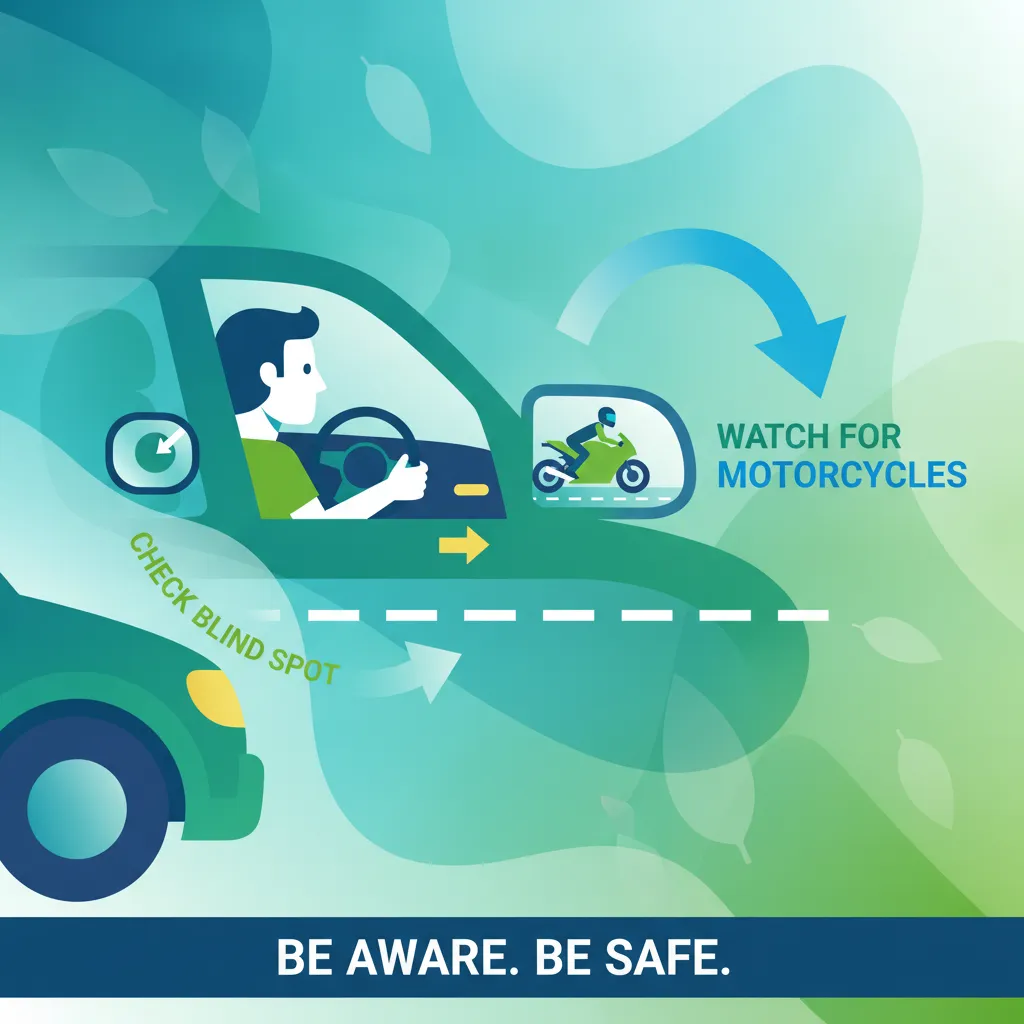
Learners will gain insight into the unique challenges posed by motorcycles and scooters sharing the road with passenger vehicles. The lesson highlights the importance of checking blind spots, maintaining safe following distances, and being aware of the faster acceleration and maneuverability of two-wheeled vehicles. Strategies for anticipating their movements and preventing collisions are discussed.

Proper road positioning is your primary shield against being squeezed, sideswiped, or overlooked by larger motor vehicles in daily traffic. This lesson explains how to ride in the center or slightly off-center of your lane to prevent unsafe overtaking within the same lane. You will study how to identify the massive blind spots of buses and trucks, maintain appropriate following distances, and execute overtaking maneuvers with maximum safety margin and clear signal warning.
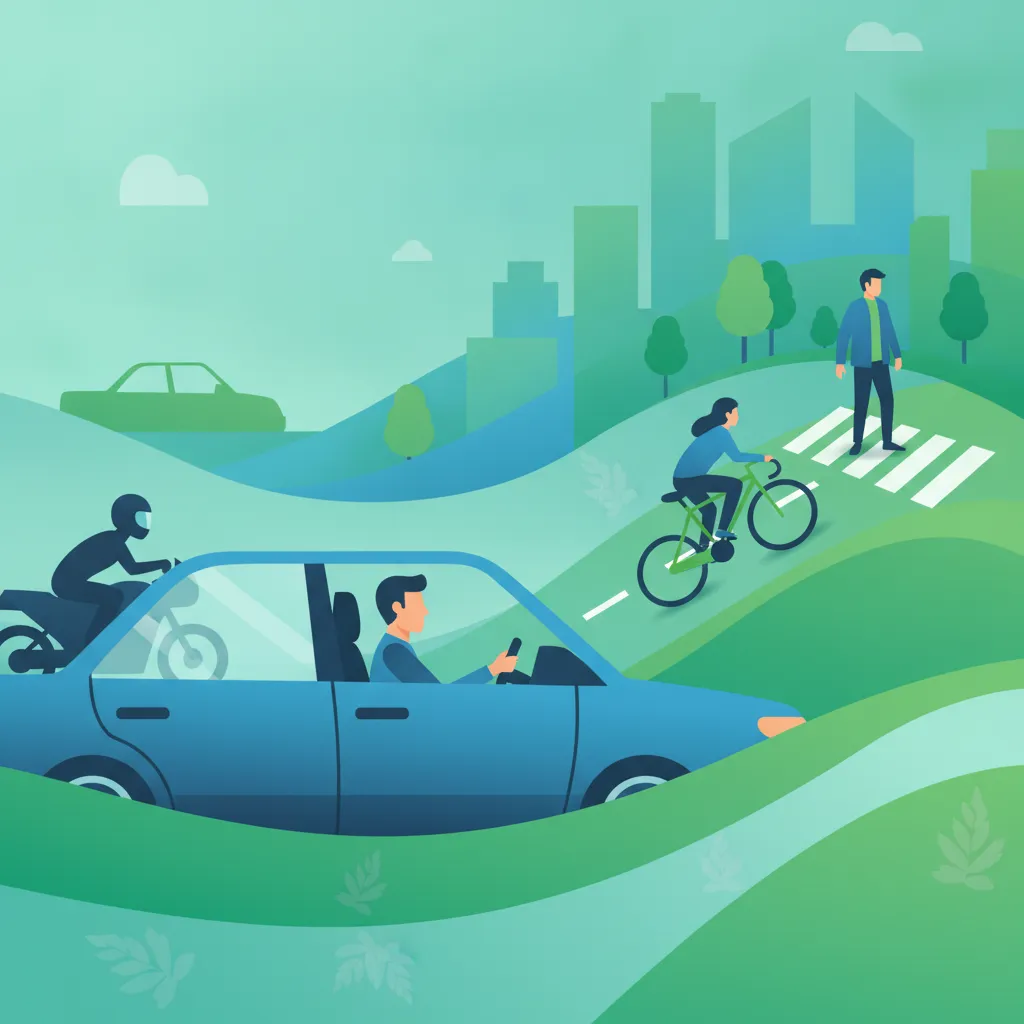
Learners will examine the complexities of operating in environments where various road users, including pedestrians, cyclists, and motorcyclists, coexist. The lesson emphasizes the need for heightened situational awareness, defensive driving techniques, and proactive hazard anticipation. Strategies for navigating mixed traffic safely, especially in congested urban areas, are highlighted.
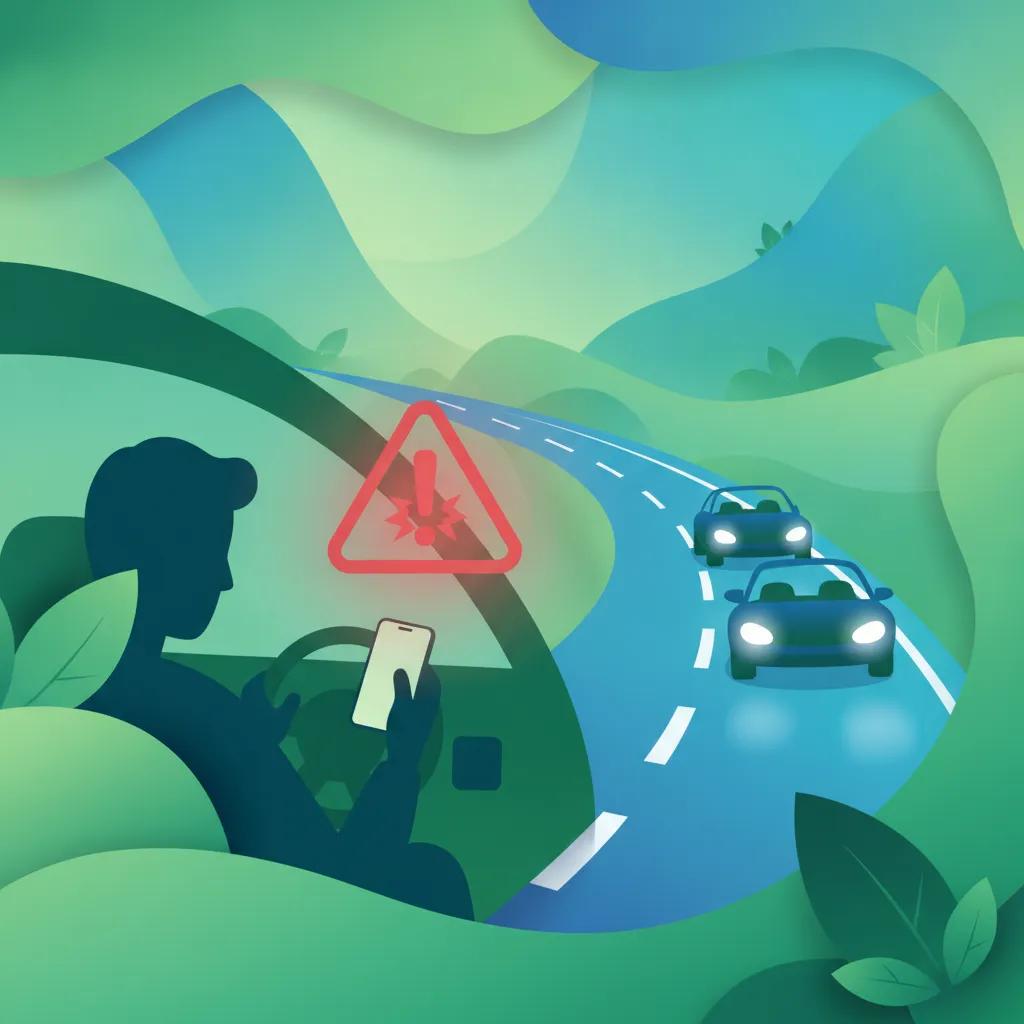
Human error and deliberate risk-taking represent the leading causes of traffic collisions among novice moped riders. This lesson analyzes the high dangers of using mobile phones while riding, weaving unsafely between lanes, and tailgating other motorists. It also covers the severe legal limits on alcohol and drug consumption under Turkish law, explaining how even minor impairments can drastically slower your hazard response times and lead to catastrophic accidents.
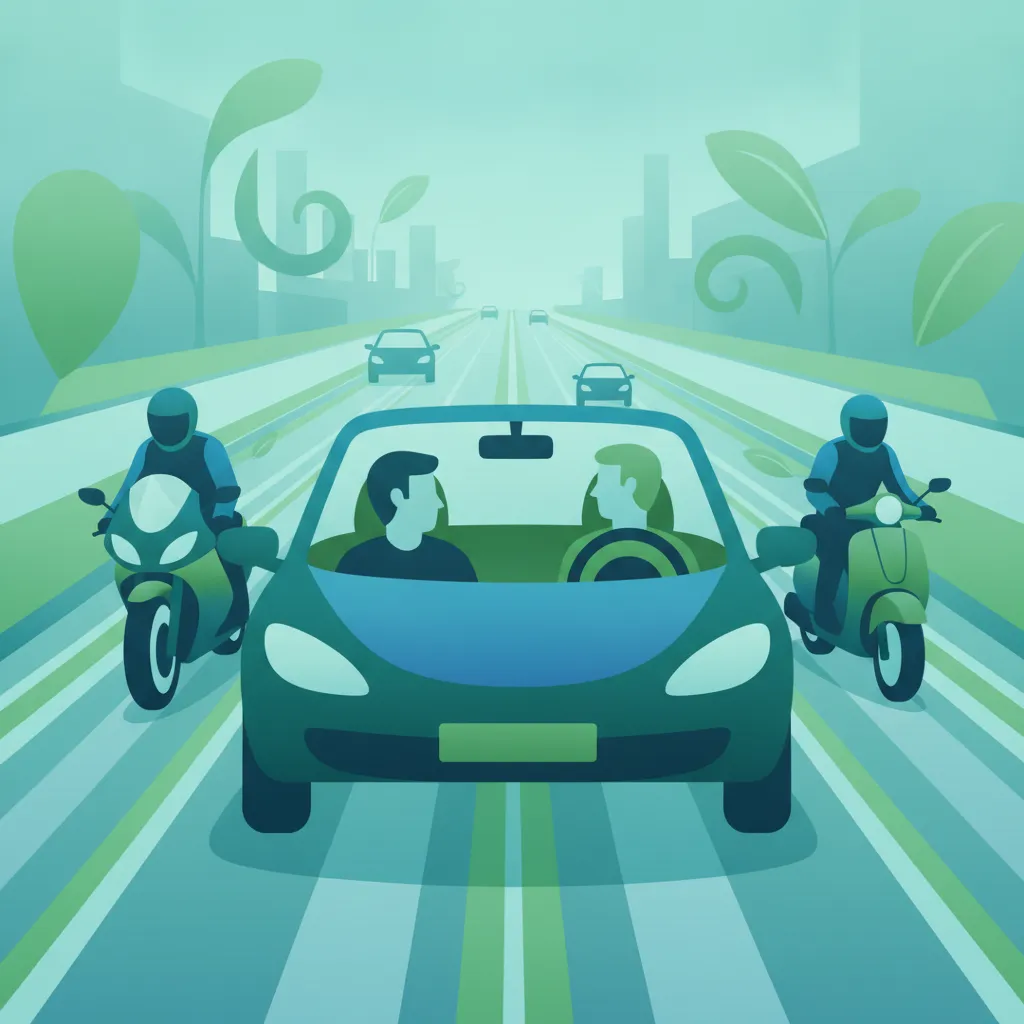
In this lesson, learners explore the unique challenges and safety considerations related to motorcyclists and scooter riders. Topics include the importance of visibility, the use of protective gear, and the need for drivers to be aware of blind spots. The lesson also covers lane discipline for two-wheeled vehicles and safe overtaking practices.
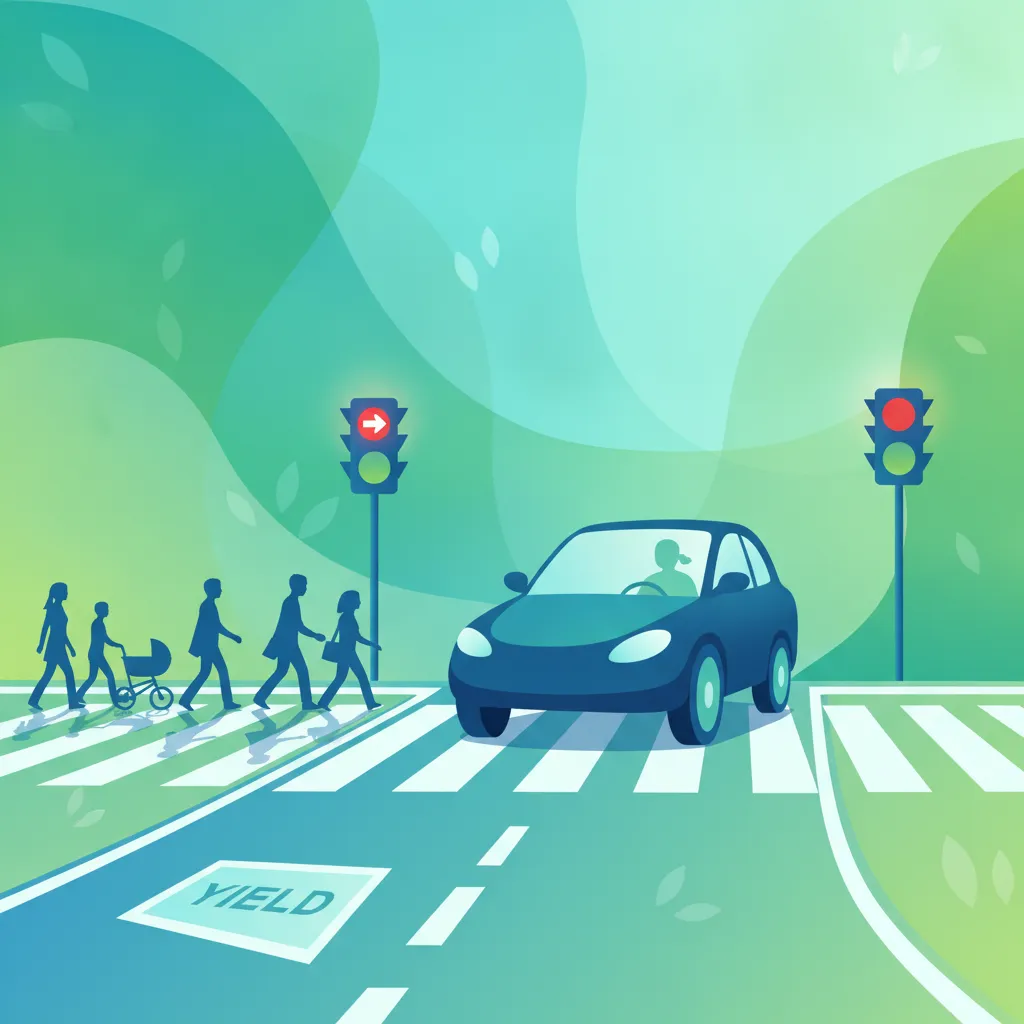
In this lesson, learners will master the skills required to safely navigate various types of intersections encountered in Turkish urban settings. The content covers interpreting traffic signals, understanding right-of-way rules, and executing proper lane positioning. Practical strategies for managing blind spots and ensuring visibility to other road users are emphasized. By the end of this session, participants will be equipped with safe crossing techniques.
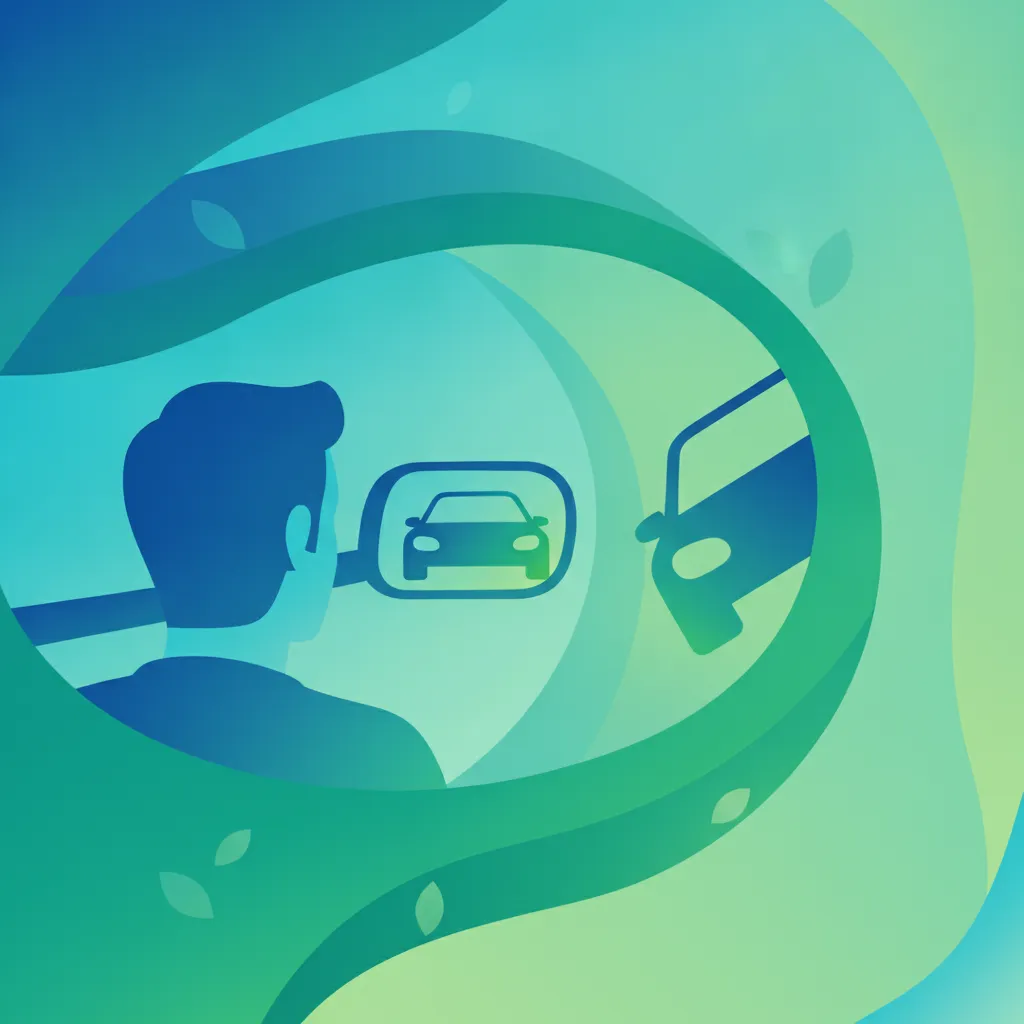
This lesson highlights the critical nature of blind spots for motorcyclists, teaching strategies to recognize and mitigate these hidden areas. Learners will practice techniques for checking blind spots before lane changes and overtaking, ensuring they are fully aware of surrounding traffic. The lesson emphasizes how proper mirroring and head checks can significantly reduce the risk of collisions.

In this lesson, learners will gain comprehensive knowledge of safe overtaking maneuvers during riding, emphasizing the importance of assessing traffic flow, checking blind spots, and signaling intentions. The content covers overtaking strategies on both straight roads and curves, considering visibility and speed differentials. By mastering these techniques, motorcyclists can execute overtaking safely.
Explore how environmental factors like wet asphalt, weather changes, and road surface conditions affect motorcycle stability. Understand the physical relationship between speed, braking distance, and environmental hazards to make informed, safe decisions when riding on Turkish intercity roads and motorways.

In this lesson, learners will explore the challenges presented by various weather conditions, such as rain, wind, fog, and temperature extremes, and how they affect motorcycle handling and safety. Topics covered include adjusting riding techniques for reduced traction, maintaining visibility in low-light or foggy conditions, and managing physical wind effects. The lesson emphasizes adjusting speed and braking.

In this lesson, learners will focus on the specific considerations and safety practices required when riding motorcycles on high-speed roads and motorways. Topics covered include maintaining appropriate lane discipline, safe overtaking at high speeds, dealing with increased wind resistance, and the importance of accurate speed control and appropriate following distances on faster roadways.

Riding in adverse weather presents significant challenges for open-vehicle operators, including reduced tire grip, obscured vision, and physical fatigue from wind or cold. This lesson covers safety techniques for navigating rainy conditions, avoiding the danger of hydroplaning, and managing strong crosswinds that can destabilize a lightweight moped. You will learn to adjust your speed, increase your following distance, and use high-visibility gear to ensure a safe journey under bad weather.

This lesson details defensive driving techniques for adverse weather conditions such as rain, snow, black ice, dense fog, and strong winds. It explains the physics of aquaplaning and how to regain vehicle control when losing traction on slippery surfaces. Drivers will learn how to adjust speed and increase safety gaps to prevent weather crashes.

Learners will explore techniques for adjusting driving styles based on different road surface conditions, such as gravel, potholes, and wet pavement. The lesson emphasizes the importance of adapting speed, braking, and steering inputs to maintain vehicle control and passenger comfort. Strategies for detecting and responding to road hazards are discussed to ensure safety across diverse driving environments.

Riding an exposed lightweight vehicle in busy Turkish cities requires exceptional personal conduct, patience, and absolute control over your emotional reactions. This lesson discusses the psychological aspects of riding, teaching you how to avoid aggressive behaviors and stay calm under stressful traffic situations. It covers proper non-verbal communication, polite road sharing practices, and maintaining safe buffers from other motorists to establish a safe, predictable presence on any public street.
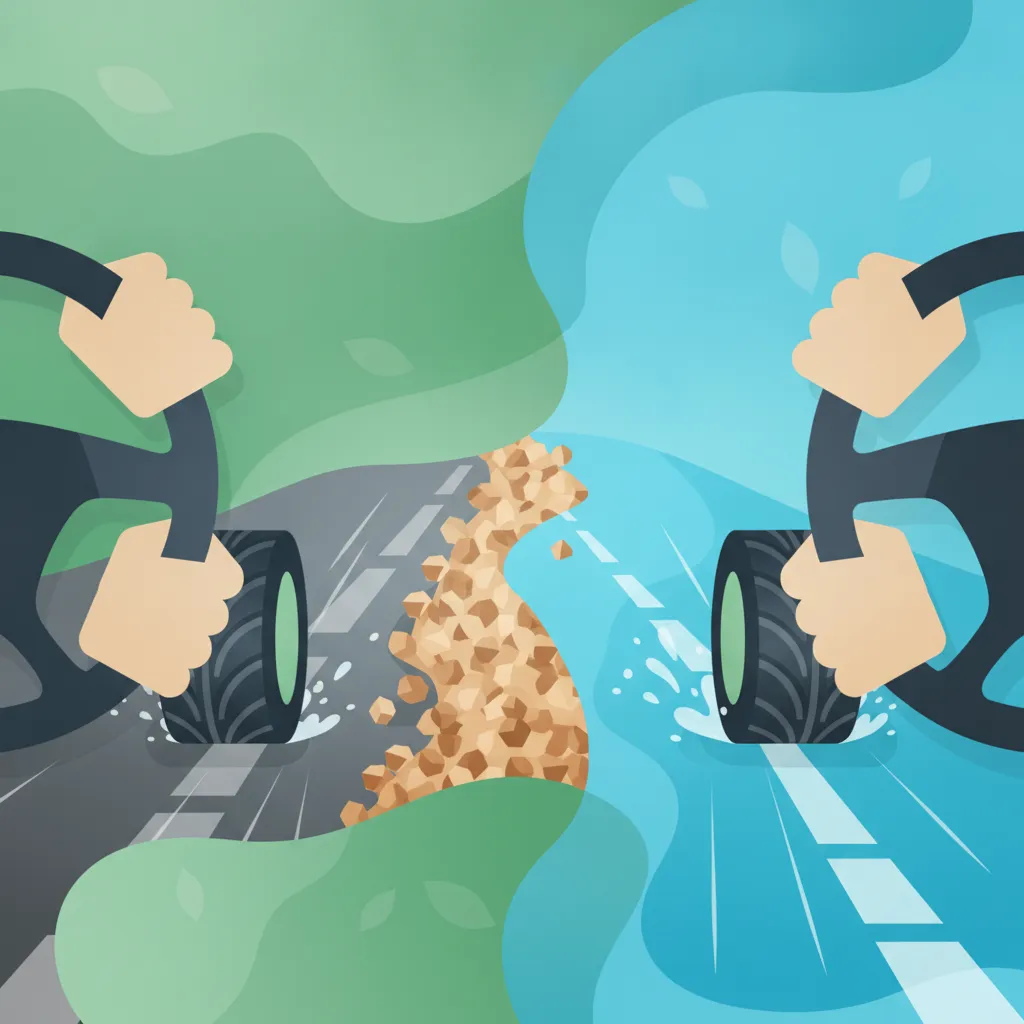
A moped's connection to the road is limited to two small tire contact patches, making tyre traction highly sensitive to surface changes. This lesson prepares you to recognize and negotiate hazardous road surfaces such as loose gravel, wet leaves, metal expansion joints, and painted lines. You will learn how to adjust your speed, maintain a vertical riding posture, and avoid sudden steering or braking inputs to prevent low-side falls when traction is severely reduced.
Learners will explore the specific challenges presented by adverse weather conditions, such as rain, fog, and nighttime driving. The lesson emphasizes the importance of adjusting speed, increasing following distances, and using appropriate lighting to maintain safety. Strategies for handling reduced road surface grip and visibility issues are discussed, ensuring drivers can adapt to changing weather while protecting passengers and other road users.

Warning signs alert road users to impending physical conditions, dangers, or layout alterations that require immediate driver attention and speed adjustment. This lesson focuses on indicators of sharp bends, narrowing paths, slippery road surfaces, upcoming pedestrian crosswalks, and school warning zones. You will study how to interpret these yellow-and-red triangular signs to safely modify your approach speed and gear your attention toward potential hazards unique to lightweight mopeds.
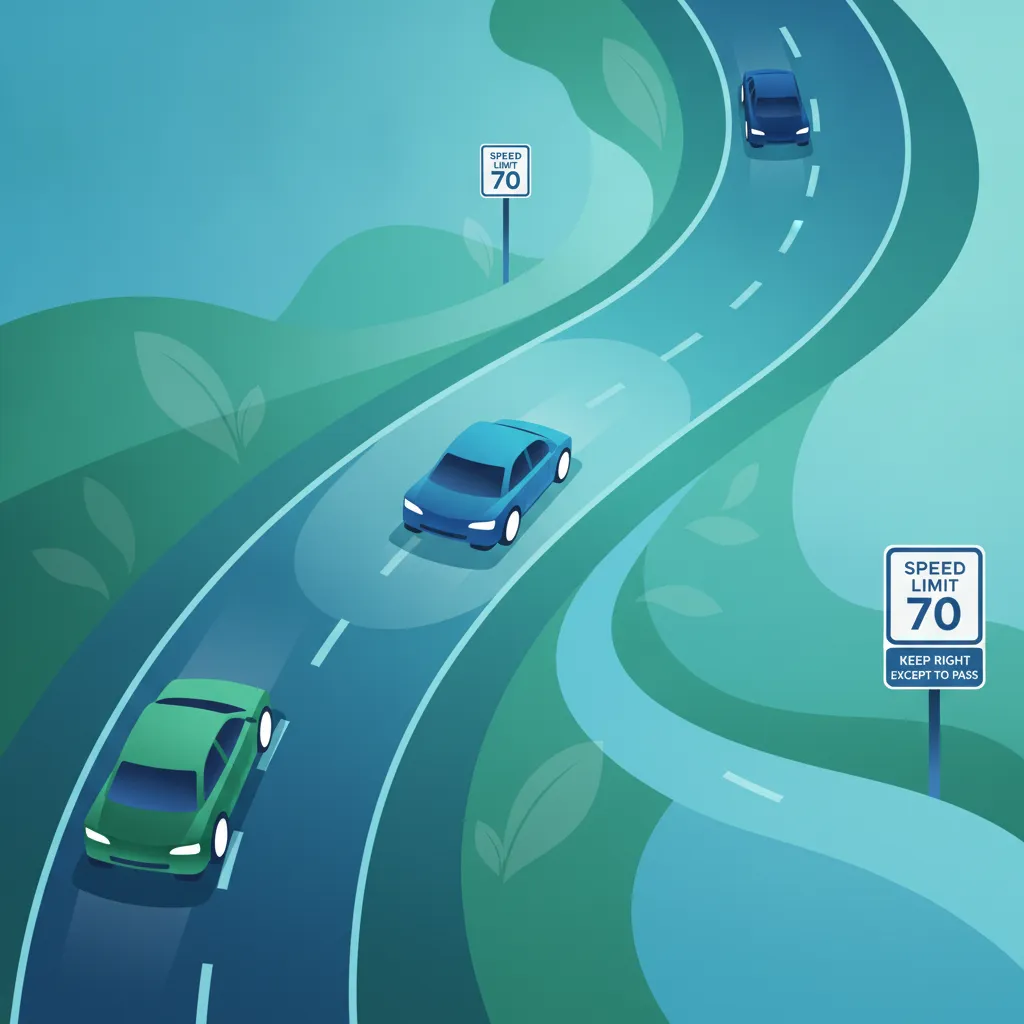
This lesson explains the specific rules, driving etiquette, and safety protocols for operating a vehicle on high-speed Turkish motorways. It covers correct lane usage, overtaking procedures, emergency lane restrictions, and how to maintain consistent high speeds safely. Drivers will learn to avoid dangerous tailgating and sudden lane changes.
Find clear answers to common questions learners have about Understanding Risk Behaviour. Learn how the lesson is structured, which driving theory objectives it supports, and how it fits into the overall learning path of units and curriculum progression in Turkey. These explanations help you understand key concepts, lesson flow, and exam focused study goals.
While conditions vary, lack of experience combined with overconfidence or speeding are major contributors. New riders often fail to anticipate the movements of other drivers or ignore their own physical limits, leading to avoidable accidents.
The exam often uses scenario-based questions where you must choose the safest action in a potential hazard situation. You will be tested on your ability to recognize how factors like fatigue or distraction compromise your reaction time and situational awareness.
Yes. Turkish traffic law mandates that a driver must be physically and mentally fit to operate a vehicle. Riding while fatigued is treated as a major safety violation because it slows reaction times and impairs your ability to process traffic signals and hazards effectively.
Motorcyclists have less protection than car drivers, meaning even a split-second loss of focus—such as checking a phone or being distracted by scenery—can lead to severe consequences. Maintaining constant scanning of the road is vital for survival.
Use our comprehensive practice search to find exactly the Turkish driving theory questions you need to master. Whether reviewing specific road signs, traffic rules, or first aid scenarios, select your perfect practice set and boost your confidence for the official ehliyet sınavı.