
This lesson guides you through the critical safety procedures for boarding and alighting passengers, a core requirement for the Turkish Class D license. You will learn to properly position your bus, manage doors, and ensure the safety of all passengers, including those with special needs, to prepare for official exam questions.

Lesson content overview
Operating a passenger-carrying vehicle under a Turkish Class D licence (D Sınıfı Sürücü Belgesi) comes with profound professional and legal responsibilities. Unlike standard passenger car drivers, a bus driver is directly responsible for the physical safety of dozens of passengers before they even step foot inside the vehicle, during their transit, and until they safely step away onto the pavement.
Statistical data indicates that a significant percentage of public transport accidents occur not during transit, but during the boarding (biniş) and alighting (iniş) phases. Falls on steps, door entrapments, and collisions with passing vehicles or cyclists during passenger exchange are highly preventable if the driver strictly adheres to standardized operating procedures and maintains acute situational awareness.
Under the Turkish Highway Traffic Law (Karayolları Trafik Kanunu No. 2918), public transport drivers must load and unload passengers only at designated stops (duraklar) and under strict safety conditions. Failing to do so not only compromises passenger safety but also incurs substantial administrative fines and points on the driver’s professional record.
The core principles of passenger transport demand that a driver prioritize:
Proper positioning of a large passenger vehicle is the first line of defense against boarding and alighting accidents. Proper positioning ensures passengers can transition smoothly from the sidewalk to the vehicle's first step without stepping into active traffic lanes or overextending across wide gaps.
When approaching a designated bus stop (durak), a Class D driver must execute a gradual deceleration, signaling their intention early. The goal is to align the bus parallel to the curb, maintaining an optimal distance.
To achieve a perfect parallel stop, drivers should use the "tapered approach" method:
Signal Intent: Activate the right-side turn indicator at least 50 metres before the stop to warn vehicles behind.
Scan the Stop Area: Check for waiting passengers, pedestrians standing too close to the curb edge, and potential obstacles like trash bins, parked cars, or low-hanging branches.
Angle the Entry: Guide the front of the bus gently toward the curb, flattening the angle as the front tire approaches the 20-30 cm mark.
Straighten and Align: Bring the rear of the bus parallel to the curb so that both front and rear passenger doors are at an equal distance from the sidewalk.
Secure the Vehicle: Once fully stopped, apply the parking brake (often called the station brake or bus-stop brake) to prevent any rolling.
The power-operated doors of modern buses are potential hazards if operated incorrectly. Pneumatic and hydraulic door systems exert significant force and can cause crushing injuries, or worse, trap a passenger's limb or clothing as the vehicle pulls away.
Critical Safety Rule: Never, under any circumstances, initiate door opening while the vehicle is still in motion. Conversely, never put the vehicle in gear or begin moving until the doors are completely closed and sealed.
A professional driver must follow a strict sensory checklist before operating passenger doors:
Class D vehicles are equipped with emergency door valves (acil kapı tahliye vanası) located both inside the bus (near the doors) and on the exterior body panels. These valves vent the pneumatic air pressure, allowing the doors to be pushed open manually in an emergency (such as a fire, water submersion, or electrical failure).
Drivers must inspect these valves during their pre-trip inspections to ensure safety seals are intact and the valves are not obstructed by passenger luggage or debris.
A key competency of a Class D professional driver is providing safe, dignified access for all passengers, regardless of their physical abilities. In Turkey, public transport vehicles must comply with national accessibility regulations, which mandate specialized equipment and driver assistance.
Modern transit buses are typically "low-floor" designs equipped with extendable boarding ramps (engelli rampası) at the middle door.
The driver’s responsibility for passenger safety does not end once the doors close. The interior environment of the bus must be actively managed to prevent interior falls and maintain emergency exit paths.
In urban transit buses, a specific number of standing passengers (ayakta yolcu) is legally permitted. However, in intercity coaches, standing passengers are strictly prohibited.
Unsecured luggage inside the passenger cabin represents a severe hazard. In the event of sudden braking or a collision, a flying suitcase can cause fatal head injuries.
Safe boarding and alighting rely heavily on clear communication between the driver, the passengers, and surrounding traffic.
A professional driver uses multiple tools to communicate intentions to passengers:
The environment outside the bus is dynamic and often unpredictable. The driver must maintain 360-degree situational awareness.
| Environmental Factor | Hazard | Driver Action / Mitigation |
|---|---|---|
| Rain, Snow, or Ice | Wet, slippery stepwells and icy sidewalk surfaces. | Activate stepwell heaters if equipped. Verbally warn passengers. Allow extra distance from the curb to avoid sliding into waiting crowds. |
| Night / Low Light | Reduced visibility of pedestrians, curb edges, and steps. | Ensure internal stepwell lights and external boarding lights are fully functional and illuminated. Scan mirrors longer to allow eyes to adjust. |
| Cyclists & Micromobility | Bicycles/scooters passing the bus on the right side. | Always check the passenger-side blind spot mirror before opening the doors. Do not open doors if a two-wheeler is overtaking on the right. |
| Pedestrians Running for the Bus | Pedestrians slipping under the wheels or hitting the side of the moving bus. | If the bus has already begun moving, do not stop in the middle of the road to let latecomers on. Keep moving safely to prevent a rear-end collision. |
To maintain professional standards and avoid serious accidents, drivers must be vigilant against these common operational errors:
Explore all units and lessons included in this driving theory course.
Lesson content overview
Explore all units and lessons included in this driving theory course.
Explore search topics learners often look for when studying Safe Boarding and Alighting Procedures for Passengers. These topics reflect common questions about road rules, driving situations, safety guidance, and lesson level theory preparation for learners in Turkey.
Browse additional driving theory lessons that cover connected traffic rules, road signs, and common driving situations related to this topic. Improve your understanding of how different rules interact across everyday traffic scenarios.
Learn the professional obligations for maintaining passenger safety while in transit. This lesson covers managing standing passengers, securing luggage, and techniques for smooth driving to prevent interior falls, ensuring compliance with Turkish passenger transport standards and regulations for Class D licence holders.

This lesson equips drivers with techniques to manage passenger behavior and foster effective in-vehicle communication. Topics include handling disruptive passengers, making clear announcements, and using non-verbal signals to maintain order. By promoting respectful conduct and clear communication, drivers can ensure a smoother, safer journey for everyone on board.

This lesson focuses on creating a comfortable and accessible environment for all passengers, addressing climate control, lighting, and ergonomic seating arrangements. It also discusses provisions for wheelchair users, the use of boarding ramps, and the importance of priority seating for those with special needs. Drivers will learn how to assist passengers effectively while maintaining comfort standards throughout the journey.

This lesson addresses the particular challenges posed by standing passengers and the handling of luggage within passenger vehicles. Learners will explore best practices for securing items, guiding passenger movement, and maintaining vehicle stability. Understanding these aspects helps prevent accidents caused by shifting loads or passenger instability, especially during sudden stops or turns.
Learners will understand the importance of ergonomic adjustments for both driver and passenger welfare, covering seat positioning, steering wheel adjustments, mirror settings, and control accessibility. The lesson emphasizes how proper ergonomics can reduce driver fatigue, improve reaction times, and enhance overall safety. Drivers will learn to customize their vehicle setup to suit their own needs and those of their passengers.

Learners will explore the core safety priorities for passenger transport, including the correct use of seat belts, securing luggage, and maintaining passenger stability during vehicle motion. The lesson highlights the importance of clear safety briefings, the location and operation of emergency exits, and conducting risk assessments before departure. By mastering these practices, drivers can significantly reduce the likelihood of accidents and injuries.
Learners will examine the broader concept of fostering a safety-oriented and professional culture within passenger transport services. The lesson discusses the impact of driver attitudes on passenger trust, the importance of ongoing safety training, and the role of ethical conduct in enhancing service quality. Strategies for promoting a proactive safety mindset among drivers and staff are presented.
This lesson explores the standards of conduct expected from passenger vehicle drivers, emphasizing ethical decision-making and interactions with passengers and the public. It covers the impact of driver behaviour on public perception, the importance of maintaining a professional image, and the responsibilities inherent in transporting passengers safely and courteously. Learners will develop an understanding of how ethical practices contribute to service excellence and public trust.

This lesson focuses on the specific considerations required when transporting children, elderly individuals, and passengers with reduced mobility. Topics include the proper installation of child safety seats, techniques for assisting elderly passengers, and procedures for safely boarding and securing wheelchair users. Drivers will learn how to use accessibility features and special equipment to ensure a safe and dignified travel experience for these vulnerable groups.

This lesson details the procedures for safely evacuating passengers from a bus in the event of a fire or other critical emergency. Topics include the location and use of emergency exits, fire extinguishers, and lighting, as well as the importance of clear communication and orderly movement of passengers. Practical steps for assisting vulnerable passengers during evacuation are emphasized.

Learners will examine common vehicle emergencies that may occur while transporting passengers, such as fires, tire blowouts, or brake failures. The lesson emphasizes quick recognition of warning signs and outlines step-by-step emergency protocols to ensure the safety of passengers and other road users. Strategies for effective incident response and communication are also covered.
Explore strategies for navigating dense city traffic and managing complex road environments with a large vehicle. Understand the challenges of urban manoeuvring, lane discipline, and blind spot management as required for professional driving and safe interaction with other road users in Turkish traffic conditions.
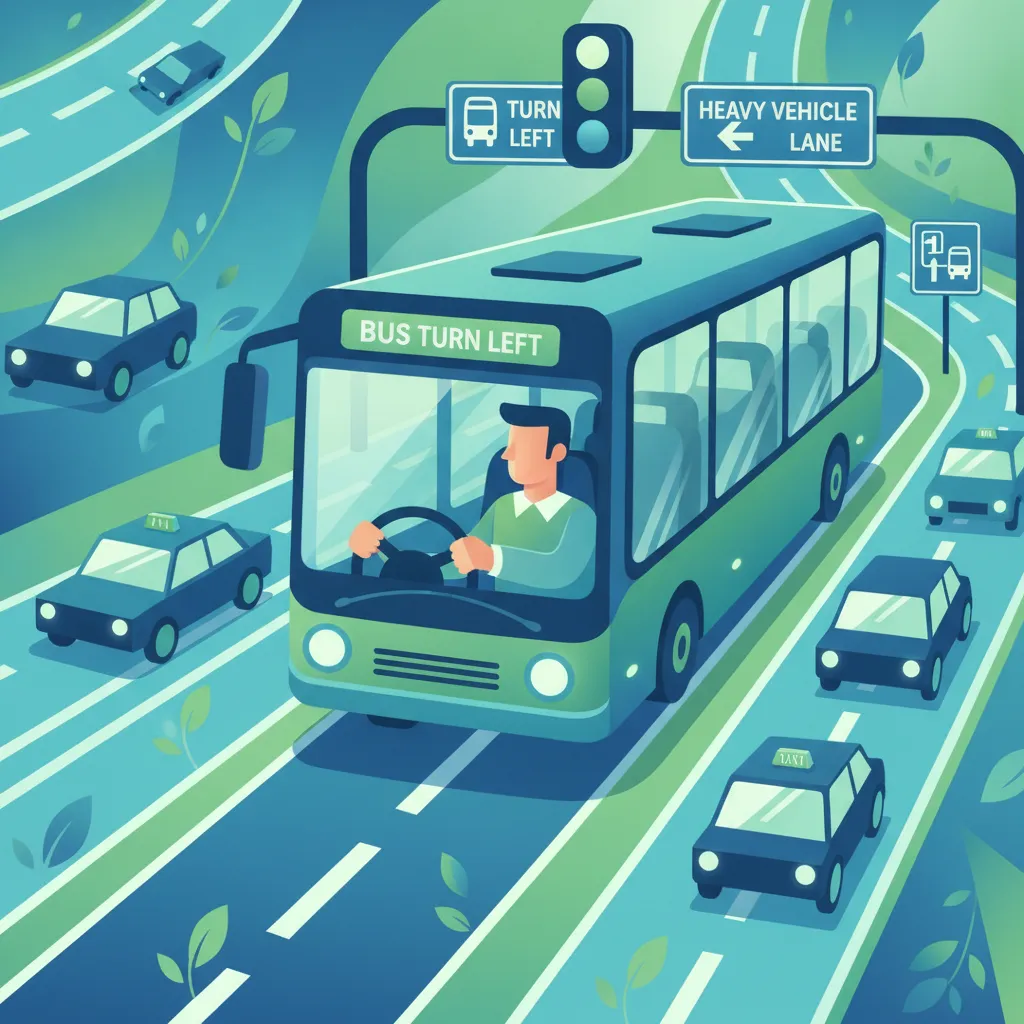
Learners will explore strategies for navigating congested urban traffic environments while operating large passenger vehicles. The lesson covers lane selection, adherence to traffic signals, and the use of bus lanes where applicable. Understanding how to maintain smooth traffic flow while ensuring passenger safety is crucial for efficient urban transportation.

This lesson delves into specific manoeuvring strategies required when navigating both tight urban environments and open rural roads with large passenger vehicles. Learners will explore techniques for handling narrow streets, tight turns, and intersections, while maintaining safety and efficiency. The content emphasizes planning and execution of manoeuvres based on road conditions and vehicle dimensions.

This lesson focuses on the challenges and techniques required when maneuvering goods vehicles in confined spaces such as loading docks, narrow streets, and urban environments. It addresses the importance of spatial awareness, precision driving, and understanding vehicle dimensions to avoid collisions. Learners will explore strategies for effective parking, reversing, and handling blind spots safely.
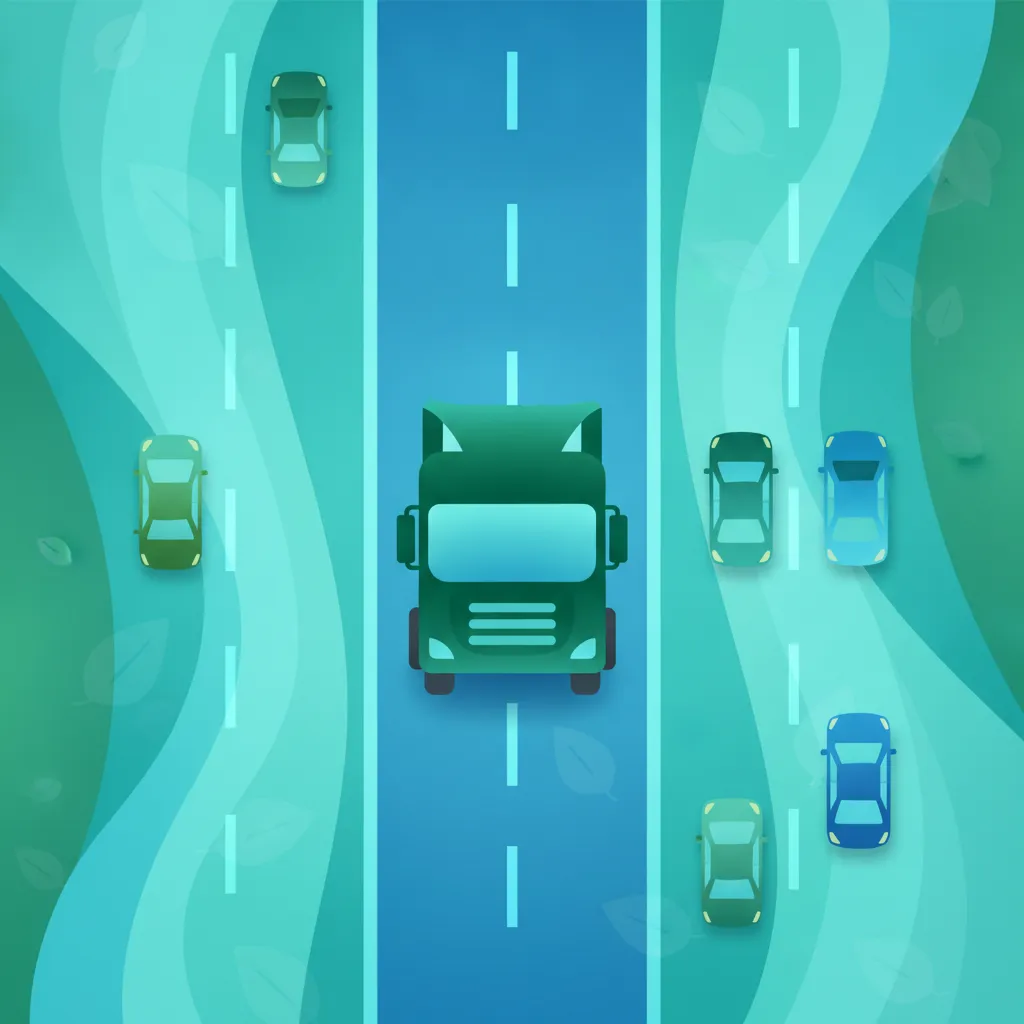
This lesson focuses on the critical importance of lane discipline and proper lane usage for large goods vehicles. Learners will understand the challenges posed by wider vehicle dimensions, the necessity of maintaining adequate lane occupancy, and the need for precise lane keeping. Emphasis is placed on selecting appropriate lanes, adhering to traffic flow, and ensuring general highway safety.
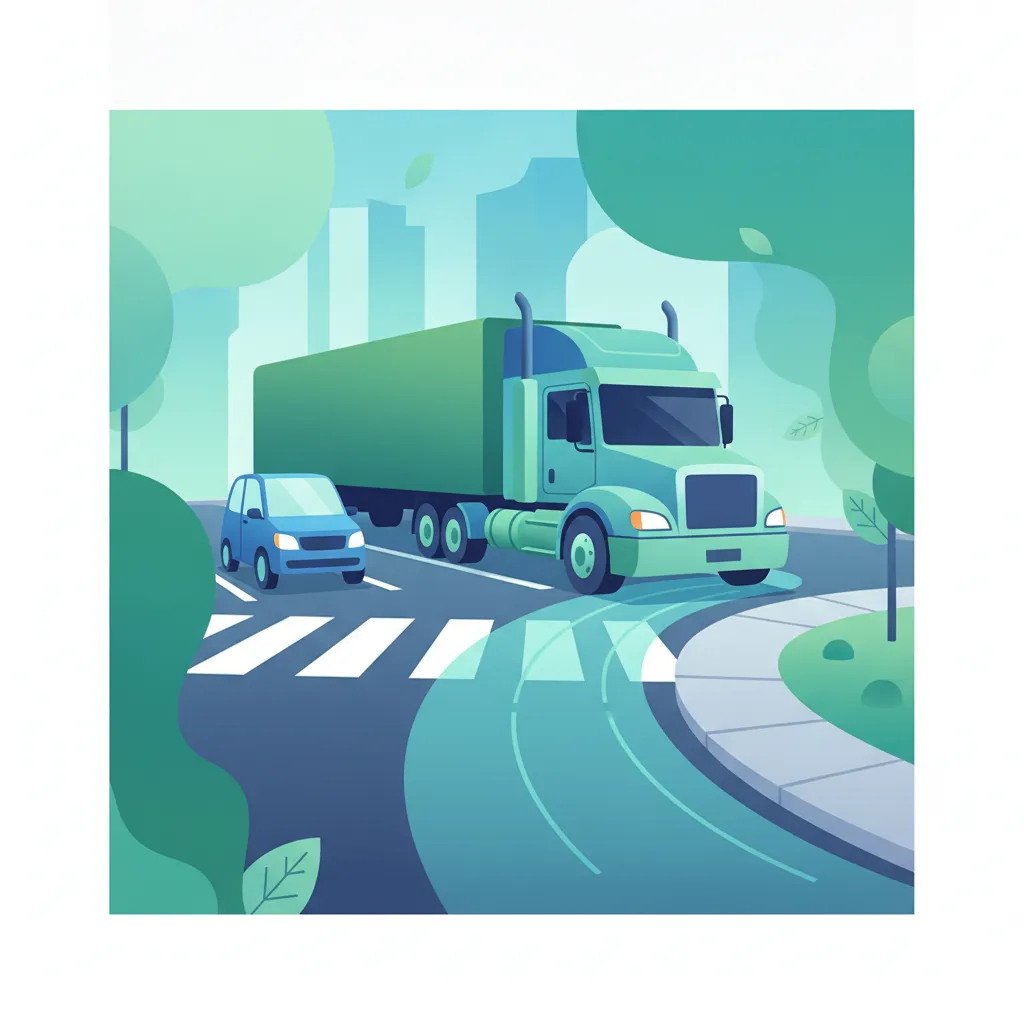
This lesson examines the specific road space requirements necessary for large goods vehicles to operate safely and efficiently. Topics include the need for adequate lane width, lateral clearance, and turning lanes to accommodate wider and longer vehicles. Learners will explore the proper use of shoulders, overtaking procedures, and the impact of large vehicles on overall road capacity in traffic.
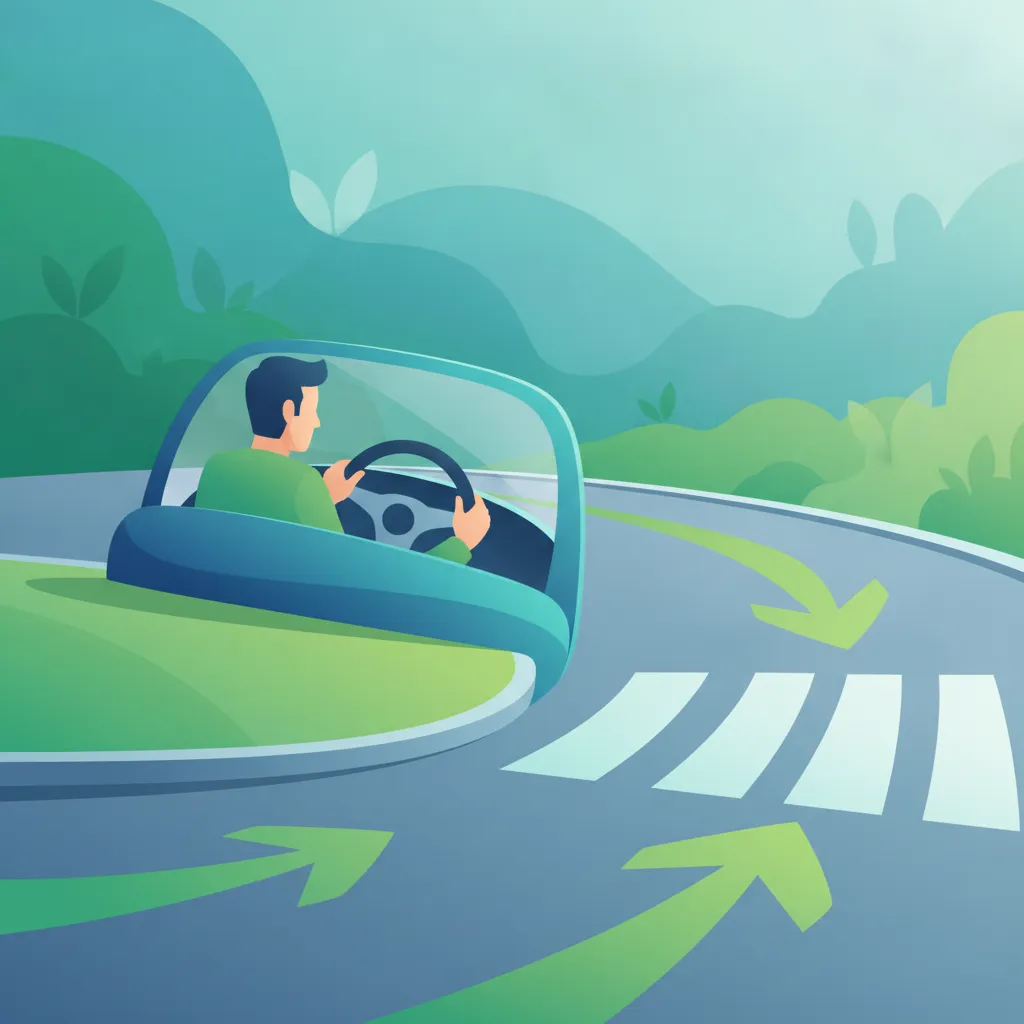
This lesson explores effective turning strategies for goods vehicles, focusing on managing the larger turn radius required due to vehicle size and load. Learners will understand how to approach corners safely, adjust speed, use signals appropriately, and compensate for off-tracking. The lesson also highlights how load distribution impacts turning dynamics and the importance of vehicle control.
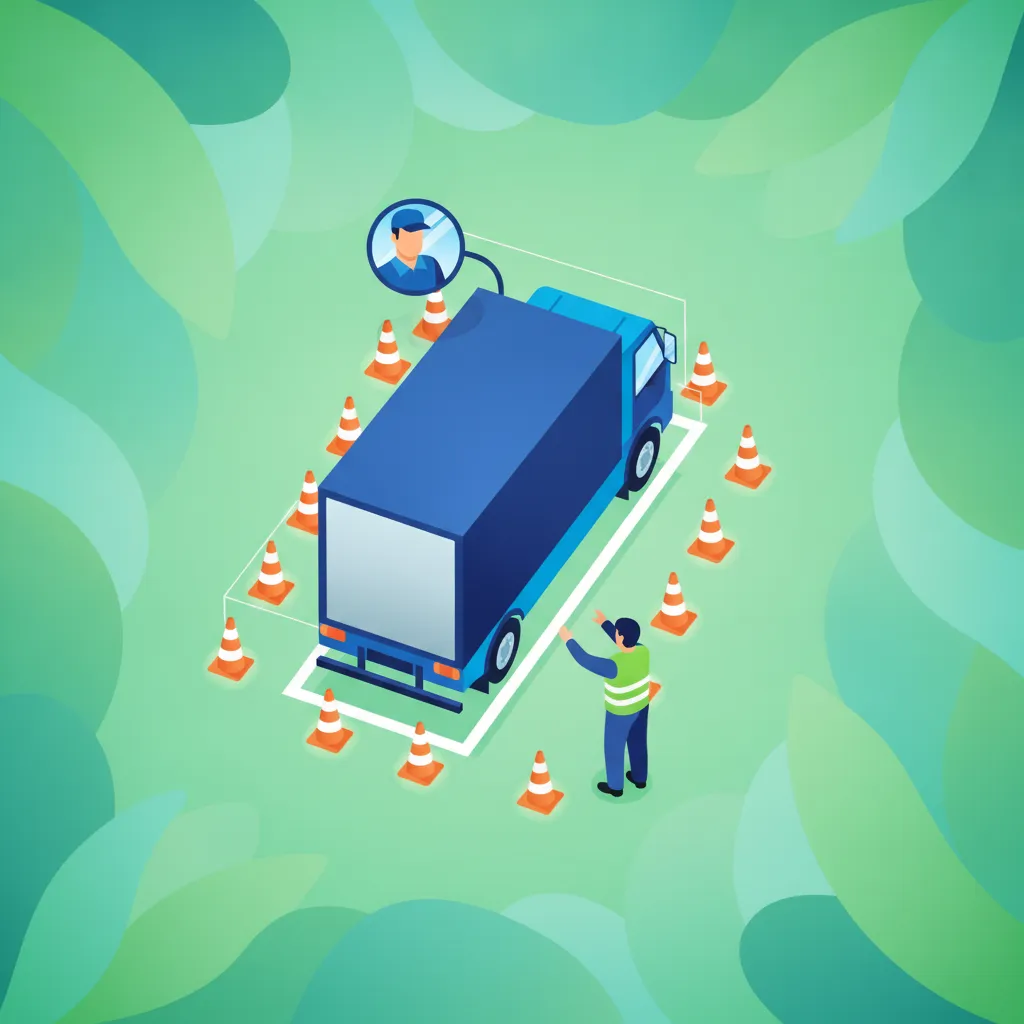
Learners will acquire skills for safely reversing large passenger vehicles in limited spaces, such as bus bays and loading docks. The lesson covers the effective use of mirrors, rear-view cameras, and precise steering inputs to navigate obstacles. Emphasis is placed on slow, controlled movements and constant observation to avoid collisions.

Learners will explore the fundamentals of maintaining correct lane discipline, focusing on appropriate lane positioning, understanding lane markings, and executing lane changes safely. Emphasis is placed on the unique considerations for large passenger vehicles within the lane, such as width and maneuverability. The lesson also addresses the impact of proper lane discipline on overall traffic flow and safety.
Find clear answers to common questions learners have about Safe Boarding and Alighting Procedures for Passengers. Learn how the lesson is structured, which driving theory objectives it supports, and how it fits into the overall learning path of units and curriculum progression in Turkey. These explanations help you understand key concepts, lesson flow, and exam focused study goals.
You must ensure the vehicle has come to a complete, stationary stop and that it is properly aligned within the designated boarding zone or as close to the curb as safely possible before operating any doors.
You must ensure the vehicle is leveled and, if available, utilize ramps or lowering systems while providing adequate time and assistance, always prioritizing the safety and stability of the passenger.
Yes, luggage must not obstruct aisles, emergency exits, or passenger flow. Ensure all bags are safely stowed to prevent trip hazards and injuries during sudden braking or acceleration.
As a professional Class D driver, you must verify that all passengers are either seated or securely holding onto grab rails before moving the vehicle to avoid falls and passenger injury.
Use our comprehensive practice search to find exactly the Turkish driving theory questions you need to master. Whether reviewing specific road signs, traffic rules, or first aid scenarios, select your perfect practice set and boost your confidence for the official ehliyet sınavı.