
This lesson explores the essential relationship between your motorcycle and the road surface through its tyres. You will learn how to perform critical pre-ride safety checks, maintain correct inflation, and understand how rubber compounds and tread patterns affect your grip in varying Danish weather conditions.

Lesson content overview
The tyres are arguably the most critical components of any motorcycle, serving as the sole point of contact between the machine and the road surface. Their condition directly dictates your motorcycle's grip, handling, braking performance, and ultimately, your safety. For riders in the Danish Motorcycle Theory course, understanding tyre types, pressures, and grip characteristics is fundamental to safe and confident riding. This lesson will delve into the essential knowledge required to maintain your tyres, choose the right ones, and understand how they interact with various road conditions.
Every aspect of a motorcycle's performance—from smooth cornering to emergency braking—hinges on the integrity and suitability of its tyres. Proper tyre maintenance isn't just a recommendation; it's a safety imperative that ensures optimal traction, stability, and control. Neglecting your tyres significantly increases the risk of accidents due to compromised handling and braking capabilities.
Maintaining tyres correctly helps prevent issues like premature wear, reduced fuel efficiency, and even dangerous blowouts. Understanding the relationship between tyre characteristics and road conditions is key to anticipating and managing traction limits, especially when integrated with knowledge of braking principles and emergency control.
Regular inspection and maintenance of your motorcycle tyres are non-negotiable for safe riding. A pre-ride check should always include a quick visual inspection, but more detailed assessments of pressure and tread depth are essential at regular intervals. These checks ensure your tyres can perform as designed, providing the necessary grip and stability in all conditions.
Tyre pressure refers to the internal air pressure within a tyre, typically measured in bar or pounds per square inch (psi). This seemingly simple factor profoundly influences how your motorcycle performs, how long your tyres last, and how much fuel you consume. The correct pressure is always specified by the motorcycle manufacturer in the owner's manual or on a sticker located on the swingarm or frame.
Always check your tyre pressure when the tyres are cold. Riding, even for a short distance, generates heat which increases internal pressure, leading to an inaccurate reading.
Ensure your motorcycle has been stationary for at least three hours, or ridden for less than 2 km.
Remove the valve cap from the tyre.
Firmly press an accurate tyre pressure gauge onto the valve stem. Listen for a brief hiss, then read the measurement.
Compare the reading to the manufacturer's recommended cold tyre pressure for both the front and rear tyres.
Add or release air as necessary until the correct pressure is achieved.
Replace the valve cap to prevent dirt and moisture from entering the valve.
Consequences of Incorrect Tyre Pressure:
Correct tyre pressure ensures the tyre maintains its intended shape and contact patch, allowing the tyre's tread pattern and compound to work effectively for optimal grip, handling, and braking.
The tread on a motorcycle tyre consists of grooves and sipes designed to channel water away from the contact patch. This is crucial for maintaining grip, especially on wet or damp surfaces. Tread depth is the measurement of these grooves from the tyre's surface.
In Denmark, as in most European countries, there is a legal minimum tread depth requirement for motorcycle tyres.
Generally, tyres must have a minimum tread depth of 1.6 mm across the entire tyre's width and circumference. However, for optimal performance, especially in wet conditions, more tread is always better. New tyres typically have a tread depth of around 6-8 mm. As the tread wears down, the tyre's ability to disperse water diminishes, drastically increasing the risk of aquaplaning.
Regularly checking your tread depth is as important as checking tyre pressure. Many tyres have tread wear indicators—small raised bars located in the main grooves of the tyre. When the tread wears down to the level of these indicators, the tyre has reached its minimum safe depth and must be replaced immediately.
Beyond pressure and tread depth, a thorough visual inspection of your tyres is essential. Look for any signs of uneven wear, cuts, cracks, bulges, or embedded foreign objects.
Motorcycle tyres are not all created equal. They are engineered with specific purposes in mind, utilizing various rubber compounds and tread patterns to optimize performance under different conditions. Understanding these characteristics helps you choose the right tyres for your riding style and environment.
The tyre compound refers to the specific rubber formulation used in the tyre's construction. This chemical mixture determines many of the tyre's performance characteristics, particularly its grip level and wear rate.
The ambient temperature and road surface temperature significantly affect how a tyre compound performs. Softer compounds may become too sticky in extreme heat, leading to faster wear, while harder compounds can lose considerable grip in cold weather. Choosing a compound suitable for your typical riding conditions and season is crucial.
The tread pattern is the design of the grooves, sipes, and blocks on the tyre's surface. This pattern plays a vital role in water dispersion, noise reduction, and overall handling stability.
Mixing tyre patterns on the same axle is generally not recommended unless explicitly approved by the manufacturer. Doing so can lead to unpredictable handling characteristics and compromise stability. Always ensure that both front and rear tyres are of compatible types and designs, preferably from the same manufacturer and model series.
Beyond pressure, tread, and design, two other critical factors govern a tyre's suitability and safety: its load-carrying capacity and its age. Ignoring these can lead to dangerous situations, regardless of how well you maintain pressure and tread.
Every tyre has a specified maximum load it can safely support when properly inflated. This capacity is indicated by the tyre load index, a numerical code found on the tyre's sidewall.
The load index must match or exceed the requirements for your motorcycle's maximum laden weight, which includes the rider, a passenger, and any luggage. Overloading a tyre, even if it appears correctly inflated, can cause excessive heat buildup, premature wear, and structural failure.
Tyres are not merely rubber; they are complex structures made of various rubber compounds, fabric plies, and steel belts. Over time, even if a tyre has minimal tread wear and appears to be in good condition, the rubber compounds degrade due due to exposure to UV light, ozone, and general environmental factors. This degradation causes the rubber to harden, lose elasticity, and become brittle, significantly reducing grip and increasing the risk of cracking and internal structural failure.
The age of a tyre is indicated by a four-digit DOT (Department of Transportation) code stamped on its sidewall. This code shows the week and year of manufacture. For example, "2319" means the tyre was manufactured in the 23rd week of 2019.
Most tyre manufacturers and safety organizations recommend replacing motorcycle tyres after 5 to 6 years from their manufacture date, regardless of their apparent tread wear. Tyres older than this are considered unsafe due to material degradation.
Adhering to legal regulations and manufacturer recommendations for motorcycle tyres is paramount for both safety and legality in Denmark. These rules ensure that all vehicles on the road meet a basic standard of safety.
By diligently following these rules and recommendations, riders can ensure their motorcycle tyres provide optimal performance and safety, complying with Danish traffic legislation.
The condition of your tyres fundamentally influences every aspect of your motorcycle's dynamic performance. Understanding these cause-and-effect relationships can help you appreciate why proper tyre maintenance is so vital.
In summary, every detail of your motorcycle's tyres—from the air inside to the rubber on the outside—plays a critical role in your ability to control the machine. Diligent tyre maintenance is not just about extending tyre life; it's about safeguarding your ride.
This lesson covers the essential relationship between motorcycle tyres and road safety, detailing how to perform pre-ride inspections including pressure checks (always when cold), tread depth assessment against the 1.6 mm legal minimum, and visual damage inspection for bulges, cuts, and uneven wear patterns. It explains how tyre compounds (soft, hard, dual) and tread patterns (directional, symmetrical, asymmetrical) affect grip and performance across different conditions. The content also addresses critical factors like load index matching and tyre age degradation, emphasizing that tyres over 5-6 years old must be replaced regardless of tread depth. For Danish riders, there are no mandatory winter tyre requirements for motorcycles, but seasonal compound selection is recommended for cold weather riding.
A short set of high-value points that capture the most important learning from this lesson.
Tyres are the only contact point between the motorcycle and road, making their condition the single most critical safety factor for handling and braking.
Always check tyre pressure when tyres are cold (stationary for 3+ hours or travelled less than 2 km) and compare to manufacturer specifications.
The legal minimum tread depth for motorcycles in Denmark is 1.6 mm, but deeper tread is essential for wet weather water evacuation and aquaplaning prevention.
Tyre compounds determine grip levels: soft compounds offer maximum grip but wear faster, hard compounds last longer with reduced traction, and dual compounds balance both.
Tyres degrade over time from UV exposure and environmental factors even with adequate tread; replace any tyre older than 5-6 years regardless of appearance.
Explore all units and lessons included in this driving theory course.
Underinflation causes excessive sidewall flex, heat buildup, shoulder wear, and increased blowout risk; overinflation reduces the contact patch, causing centre wear and poor wet grip.
Inspect tyres for bulges, cuts, cracks, and embedded objects - any bulge indicates internal structural damage and requires immediate replacement.
The DOT code on the tyre sidewall shows manufacture date (e.g., 2319 = 23rd week of 2019) and reveals the tyre's age.
Directional tyres must rotate in the correct direction as indicated by the arrow on the sidewall for proper water channeling.
Never mix different tyre types, sizes, or tread patterns on the same axle unless explicitly approved by the manufacturer.
Checking tyre pressure after riding or when tyres are warm, which gives inaccurate readings due to heat-induced pressure increases.
Assuming a tyre with adequate tread depth is safe without checking its age; rubber degradation is invisible and occurs over time.
Overlooking subtle damage signs like small cracks in the sidewall or minor bulges, which indicate serious structural compromise.
Relying solely on visual inspection without using a pressure gauge, leading to missed underinflation or overinflation.
Mounting tyres without verifying they meet the required load index for the motorcycle's maximum laden weight including rider, passenger, and luggage.
Lesson content overview
A short set of high-value points that capture the most important learning from this lesson.
Tyres are the only contact point between the motorcycle and road, making their condition the single most critical safety factor for handling and braking.
Always check tyre pressure when tyres are cold (stationary for 3+ hours or travelled less than 2 km) and compare to manufacturer specifications.
The legal minimum tread depth for motorcycles in Denmark is 1.6 mm, but deeper tread is essential for wet weather water evacuation and aquaplaning prevention.
Tyre compounds determine grip levels: soft compounds offer maximum grip but wear faster, hard compounds last longer with reduced traction, and dual compounds balance both.
Tyres degrade over time from UV exposure and environmental factors even with adequate tread; replace any tyre older than 5-6 years regardless of appearance.
Explore all units and lessons included in this driving theory course.
Underinflation causes excessive sidewall flex, heat buildup, shoulder wear, and increased blowout risk; overinflation reduces the contact patch, causing centre wear and poor wet grip.
Inspect tyres for bulges, cuts, cracks, and embedded objects - any bulge indicates internal structural damage and requires immediate replacement.
The DOT code on the tyre sidewall shows manufacture date (e.g., 2319 = 23rd week of 2019) and reveals the tyre's age.
Directional tyres must rotate in the correct direction as indicated by the arrow on the sidewall for proper water channeling.
Never mix different tyre types, sizes, or tread patterns on the same axle unless explicitly approved by the manufacturer.
Checking tyre pressure after riding or when tyres are warm, which gives inaccurate readings due to heat-induced pressure increases.
Assuming a tyre with adequate tread depth is safe without checking its age; rubber degradation is invisible and occurs over time.
Overlooking subtle damage signs like small cracks in the sidewall or minor bulges, which indicate serious structural compromise.
Relying solely on visual inspection without using a pressure gauge, leading to missed underinflation or overinflation.
Mounting tyres without verifying they meet the required load index for the motorcycle's maximum laden weight including rider, passenger, and luggage.
Explore search topics learners often look for when studying Tyre Types, Pressures, and Grip Characteristics. These topics reflect common questions about road rules, driving situations, safety guidance, and lesson level theory preparation for learners in Denmark.
Browse additional driving theory lessons that cover connected traffic rules, road signs, and common driving situations related to this topic. Improve your understanding of how different rules interact across everyday traffic scenarios.
Learn essential motorcycle tyre checks, including pressure, tread depth, and wear indicators. Understand load index, tyre age, and their impact on safety for Danish riders.

This lesson details the systematic pre-ride inspection process that all motorcyclists must perform. It covers critical safety checks, including verifying correct tyre pressure, assessing brake pad wear, and ensuring all lights are functional. Regular completion of these checks is essential for preventing mechanical failures and ensuring rider safety.
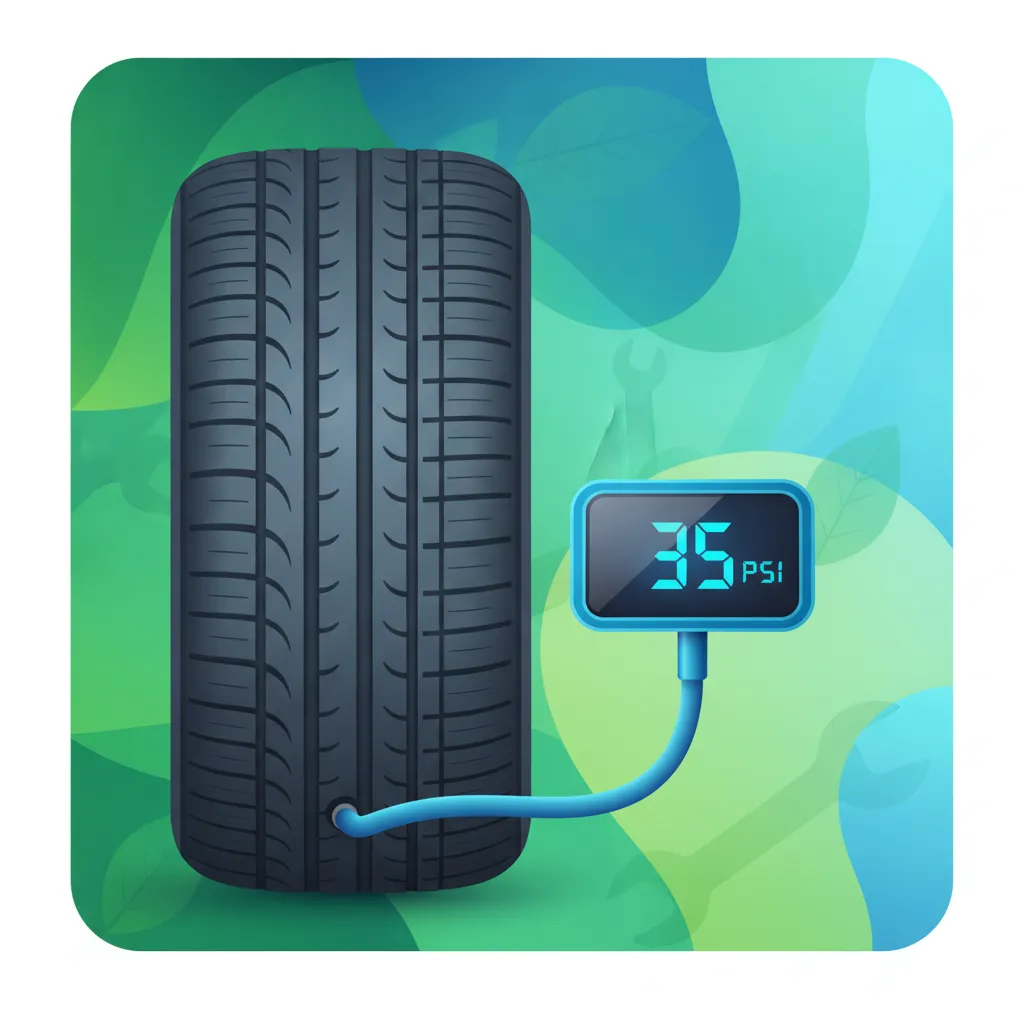
This lesson highlights the vital role tyres play in vehicle safety. It explains how to conduct regular checks on tyre pressure and tread depth, and how incorrect values can compromise grip, braking efficiency, and overall handling. You will also learn the legal minimum requirements for tyres in Denmark to ensure your vehicle is always compliant and safe.
This lesson highlights the rider's responsibility for ensuring their vehicle is in a safe, roadworthy condition. It provides a systematic guide to pre-ride checks, including inspecting tyres for correct pressure and wear, testing brakes, and verifying all lights work. Regular maintenance is presented as a critical component of overall rider safety.
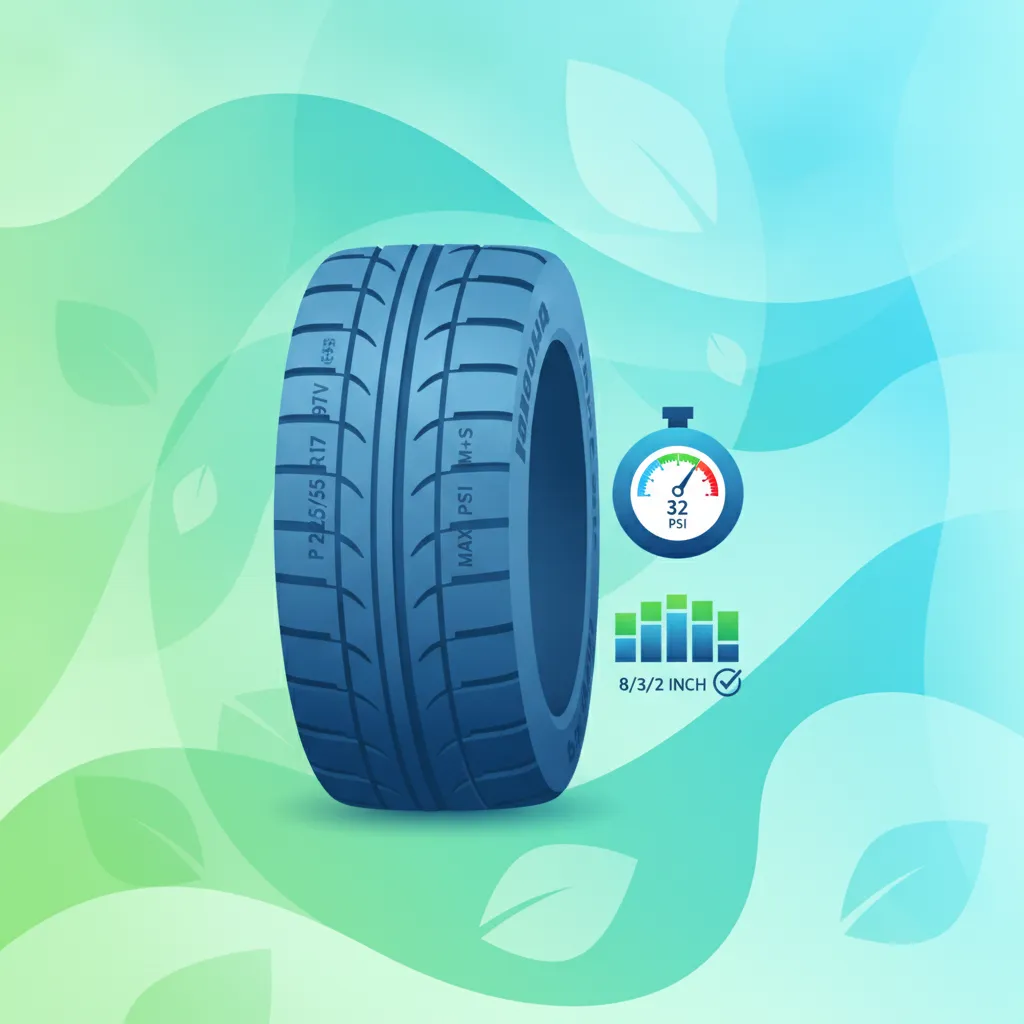
This lesson provides essential knowledge on tyre maintenance, a critical aspect of heavy vehicle safety and efficiency. It covers how to check for correct tyre pressure, assess wear patterns, and understand technical specifications like load and speed ratings. Learners will become familiar with the legal requirements for tread depth in Denmark and recognize how heavy loads impact tyre condition and overall vehicle performance.

This lesson delves into the science of traction, explaining the relationship between the tyre and the road surface. It covers how factors like water, oil, gravel, and painted lines can significantly reduce grip. Learners will develop the ability to 'read' the road surface and anticipate potential traction loss.

This lesson addresses how to safely carry luggage or a passenger on a motorcycle. It explains the effects of added weight on the vehicle's balance, steering, and braking performance. Learners will understand correct procedures for securing loads and adjusting their riding technique to maintain control and stability.

This lesson explores the critical relationship between tyres, road surface, and grip. It explains how rain, ice, gravel, and even painted road markings can reduce traction and increase risk. Learners will understand the importance of having correct tyre pressure and adequate tread depth to maintain control.
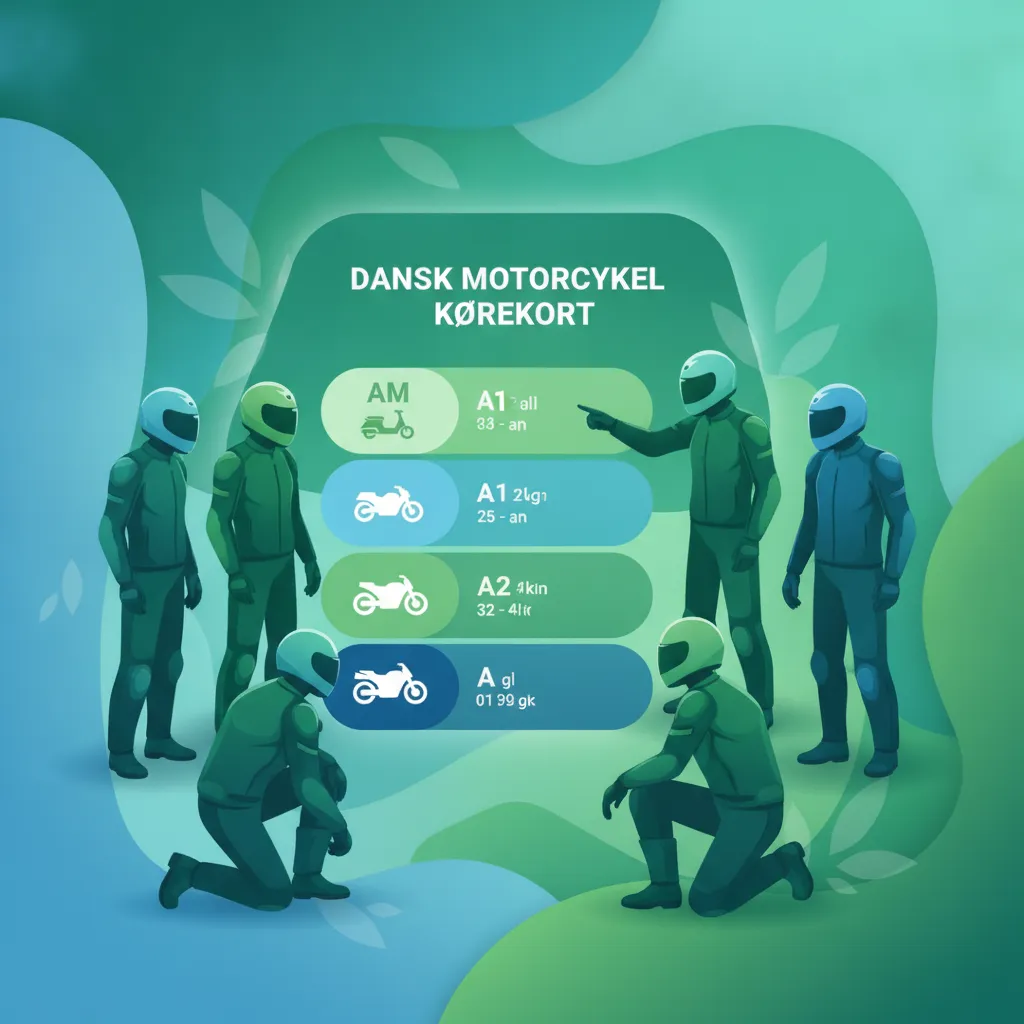
This lesson details the structure of the Danish motorcycle licensing system, covering categories A1, A2, and A. It outlines the specific age limits, engine displacement restrictions, and power-to-weight ratios for each category. Understanding these requirements provides a clear pathway for progressive skill development and legal operation.
This lesson explains the critical role of specialized protective clothing in rider safety. It details the features of motorcycle jackets, pants, gloves, and boots, focusing on abrasion resistance and impact protection. Learners will understand how to identify gear that meets official CE certification standards for maximum safety.

This lesson provides a clear overview of the penalties associated with breaking traffic laws as a motorcyclist. It details the Danish penalty point system ('klip i kørekortet') and the conditions that can lead to fines or licence revocation. Understanding these consequences reinforces the importance of lawful riding.
Explore motorcycle tyre compounds, tread patterns, and how they affect grip and performance. Understand the technology behind optimal traction and handling in various conditions.
This lesson delves into the science of traction, explaining the relationship between the tyre and the road surface. It covers how factors like water, oil, gravel, and painted lines can significantly reduce grip. Learners will develop the ability to 'read' the road surface and anticipate potential traction loss.
This lesson explores the critical relationship between tyres, road surface, and grip. It explains how rain, ice, gravel, and even painted road markings can reduce traction and increase risk. Learners will understand the importance of having correct tyre pressure and adequate tread depth to maintain control.

This lesson equips riders with the knowledge to handle imperfect road surfaces safely. It covers how to adjust speed, steering, and braking inputs when encountering loose gravel, slippery wet leaves, or other hazards. The focus is on smooth control inputs to avoid upsetting the motorcycle's stability.
This lesson highlights the vital role tyres play in vehicle safety. It explains how to conduct regular checks on tyre pressure and tread depth, and how incorrect values can compromise grip, braking efficiency, and overall handling. You will also learn the legal minimum requirements for tyres in Denmark to ensure your vehicle is always compliant and safe.

This lesson explains the physical effects of adding weight to a motorcycle. It covers how passengers or luggage change the center of gravity, affecting steering, stability, and increasing stopping distances. Learners will understand how to adjust suspension and tyre pressure, and adapt their riding inputs accordingly.

This lesson focuses on the challenges of braking in adverse conditions like rain or on icy patches. It teaches riders to increase their following distance and apply brakes smoothly and gently to prevent traction loss. The role of ABS in these scenarios and strategies for maintaining control are also explained.

This lesson focuses on recognizing and navigating high-risk road surfaces that severely compromise traction. It provides practical advice on how to maintain control when riding over coarse gravel, slippery wet leaves, or frosted patches. The emphasis is on early detection, reducing speed, and making minimal control inputs to avoid skids.
Find clear answers to common questions learners have about Tyre Types, Pressures, and Grip Characteristics. Learn how the lesson is structured, which driving theory objectives it supports, and how it fits into the overall learning path of units and curriculum progression in Denmark. These explanations help you understand key concepts, lesson flow, and exam focused study goals.
In Denmark, the minimum legal tread depth for motorcycle tyres is 1.6 millimetres across the entire tread area. It is recommended to replace them well before this point to ensure adequate grip in wet conditions.
Incorrect pressure is a common safety failure. Under-inflated tyres cause sluggish steering and overheating, while over-inflated tyres reduce the contact patch, significantly decreasing traction and grip, especially during cornering.
Danish weather is variable, often involving rain and cold temperatures. Softer compounds provide better grip in the cold but wear faster, while harder compounds last longer but may require more time to reach operating temperature for optimal traction.
Check for cracks, bulges, cuts, or embedded objects like nails. Also, ensure the tyre is not past its manufacturer-recommended age, as rubber loses elasticity and grip over time regardless of tread depth.
Use our powerful search tool to pinpoint specific Danish driving theory topics, road signs, or traffic situations you need to review. Start exploring relevant practice sets now to reinforce your knowledge and build confidence for your upcoming driving licence exam.