
This lesson explores the physics of motorcycle traction, covering how different road surfaces and conditions influence your bike's stability. It is a critical component of our A-licence curriculum, helping you transition from theory to real-world risk management on Danish roads.
Lesson content overview
Motorcycle riding demands a profound understanding of how your tyres interact with the road surface. This interaction, known as traction, is the fundamental force that allows you to accelerate, brake, and steer your motorcycle safely. Without adequate traction, controlling your machine becomes impossible, leading to loss of control and potential accidents. For anyone studying Danish Motorcycle Theory, mastering the concepts of traction limits and how various surface conditions affect grip is not just theoretical knowledge—it's a vital survival skill that underpins safe riding.
This lesson delves into the scientific principles behind tyre-road interaction, explaining how factors like water, oil, gravel, and painted lines can drastically reduce your grip. We will explore key concepts such as the traction circle and the coefficient of friction, providing you with the tools to "read" the road surface effectively and anticipate potential traction loss, thereby enhancing your ability to make safe and informed decisions on Danish roads.
Traction is the frictional force generated at the contact patch between your motorcycle's tyres and the road surface. It is the sole mechanism through which your motorcycle receives instructions from your inputs – whether you're accelerating, braking, or cornering. Understanding this force and its limits is paramount for maintaining control under all riding conditions.
Frictional grip is the primary force responsible for traction. It arises from the microscopic interlocking of the tyre rubber with the irregularities of the road surface. The strength of this bond determines the maximum forces your motorcycle can exert without slipping. When you roll, the tyre continuously deforms and reforms, creating this vital connection. For motorcyclists, this grip is not just about moving forward; it's about leaning, counter-steering, and maintaining stability through dynamic manoeuvres.
Several factors influence frictional grip, including the tyre's compound, tread pattern, inflation pressure, and crucially, the condition of the road surface itself. A higher frictional grip allows for greater acceleration, harder braking, and sharper cornering. Conversely, anything that diminishes this grip directly compromises your ability to control the motorcycle.
The concept of the traction circle, sometimes referred to as a friction circle or force vector diagram, is a powerful visualization tool for understanding the limits of tyre grip. Imagine a circle representing the maximum total traction available to a single tyre at any given moment.
Within this circle, any combination of braking, acceleration, and cornering forces can be applied without exceeding the tyre's grip limit.
Riders must constantly adjust their speed and inputs to ensure that the combined forces remain within the traction circle, especially when navigating varying road conditions. Exceeding this boundary, for instance by braking too hard in a corner, will result in a loss of grip and control.
The Coefficient of Friction (μ) is a dimensionless number that quantifies the amount of grip between two surfaces. It is the ratio of the frictional force resisting motion to the normal force pressing the surfaces together.
A higher μ value indicates better grip, while a lower μ value signifies reduced grip. For example:
It's important to understand that μ is not constant; it changes dynamically with tyre condition, temperature, speed, and most dramatically, with the road surface condition. Riders must always assume that μ can vary and adjust their riding accordingly. This involves reducing speed and making smoother inputs on surfaces with a low coefficient of friction to ensure the forces remain well within the reduced traction circle.
The road surface is rarely uniform. Danish roads, like any others, present a constantly changing canvas of grip levels. Understanding how specific surface conditions affect traction is critical for safe riding.
The presence of water on the road surface is one of the most common causes of reduced traction. Even a light drizzle can dramatically alter grip levels, and heavy rain or standing water poses significant hazards.
The speed at which hydroplaning occurs depends on factors such as tyre tread depth, tyre pressure, and the depth of the water. For a motorcycle, which has a smaller contact patch than a car, the risk can be significant even at moderate speeds. When hydroplaning, you lose all control, making any sudden input potentially disastrous. Riders should drastically reduce speed in heavy rain or when encountering standing water, avoid sudden braking or steering, and maintain a relaxed, stable posture.
Oil and grease residues are among the most dangerous substances a motorcyclist can encounter on the road. These lubricants drastically reduce the coefficient of friction, often to extremely low levels, turning a seemingly benign patch into a lethal slip hazard.
If you spot an oil patch, the safest course of action is to avoid it entirely if possible. If unavoidable, reduce speed well in advance, keep the motorcycle upright, and ride through it with minimal throttle, no braking, and absolutely no steering input. Increase your following distance significantly, as oil can also reduce the braking efficiency of vehicles ahead.
Loose gravel, sand, or small stones on the road surface present another significant challenge to motorcycle traction. These unconsolidated particles prevent direct tyre-to-asphalt contact, creating an unstable surface.
Common locations for loose gravel include rural roads, construction zones, shoulders of main roads, and the entrances/exits of quarries or construction sites. Always be alert for signs of loose material, such as a different road texture or colour.
Painted road markings, such as white lines, pedestrian crossings, turn arrows, and stop lines, are essential for traffic management but can pose a significant traction risk for motorcyclists, especially when wet.
Riders should endeavour to avoid braking, accelerating, or leaning heavily on painted markings, especially when they are wet. If you must cross them, do so with the motorcycle as upright as possible and with minimal inputs to the throttle, brakes, or steering. Adjust your speed well in advance to minimise the need for aggressive manoeuvres over these potentially treacherous surfaces.
Beyond understanding external factors, a rider's awareness of their motorcycle's tyres and their personal skill in "reading the road" are crucial for managing traction.
The temperature of your motorcycle's tyres significantly influences their grip characteristics. Tyre rubber compounds are designed to operate optimally within a specific temperature range.
Hard braking or sharp acceleration on cold tyres can easily lead to a wheel lock-up or spin, as the available traction is significantly lower. Riders should ease into their ride, gradually increasing speed and lean angle to allow the tyres to reach their ideal temperature.
"Reading the road" is the advanced skill of continuously assessing the road surface ahead to anticipate changes in traction and adjust your riding accordingly. It's about being proactive rather than reactive.
This skill relies on various cues:
By honing your road reading skills, you can identify low-grip areas well in advance, giving you ample time to reduce speed, adjust your line, and prepare for a smooth, controlled traverse of the hazard. This proactive approach is fundamental to safe motorcycle riding and is a core component of Danish Motorcycle Theory for hazard perception.
Danish traffic legislation places a clear responsibility on riders to adjust their speed and riding behaviour to suit prevailing road and weather conditions. Failure to do so can have severe consequences, both legal and safety-related.
In Denmark, the Road Traffic Act (Færdselsloven) mandates that drivers (including motorcyclists) must at all times be in full control of their vehicle and adapt their driving to all circumstances, including road conditions. This implicitly covers the need to manage traction limits.
The general principles of Danish traffic law that apply here include:
These rules are not merely suggestions but mandatory legal requirements designed to prevent accidents and ensure the safety of all road users.
Several common mistakes or misjudgments related to traction limits can lead to dangerous situations for motorcyclists:
Understanding these pitfalls and actively working to avoid them is crucial for every rider. Human perception can sometimes underestimate reduced grip, and the psychological tendency to maintain speed needs to be consciously overridden by sound judgment. Remember that while your reaction time is relatively constant, the distance required to bring your motorcycle to a halt increases exponentially with lower friction; therefore, preemptive speed reduction is your best defence.
Understanding traction limits and the dynamics of tyre-road interaction is fundamental to safe motorcycle riding. Traction, defined by the coefficient of friction and visualised by the traction circle, is the critical force that dictates your ability to control your motorcycle.
Various surface conditions—water, oil, gravel, and painted markings—can drastically reduce this vital grip, demanding proactive adjustments to your speed and riding inputs. Cultivating the skill of "reading the road" allows you to anticipate these hazards and react appropriately, rather than being caught off guard. Furthermore, appreciating the role of tyre temperature and adhering to Danish traffic regulations that mandate adaptive riding are key components of responsible motorcycling.
By internalising these principles, you equip yourself with the knowledge to make informed decisions, manage risks effectively, and navigate the diverse challenges of Danish roads with greater confidence and safety. This lesson forms a vital prerequisite for advanced techniques like emergency braking and managing difficult road conditions, ensuring you are well-prepared for your Danish motorcycle theory test and for a lifetime of safe riding.
Traction, the frictional grip between tyre and road, is the sole mechanism enabling motorcycle control and is quantified by the coefficient of friction (μ). The traction circle concept illustrates that braking and cornering forces compete for the same limited grip reserve, requiring riders to manage combined inputs carefully. Various surface conditions—water, oil, gravel, and painted markings—dramatically reduce μ values and demand proactive speed reduction and smooth inputs. Danish law mandates that riders adapt speed to conditions and maintain sufficient following distances. Developing visual road-reading skills allows you to anticipate low-grip areas and adjust riding before encountering them, which is essential for both theory exam success and safe real-world riding.
A short set of high-value points that capture the most important learning from this lesson.
Traction is generated through microscopic interlocking at the contact patch, enabling acceleration, braking, and cornering control.
The traction circle shows that maximum braking and maximum cornering forces cannot be used simultaneously—you must sacrifice one to apply the other.
Wet roads can reduce the coefficient of friction by 40-60%, dramatically increasing stopping distances and reducing grip.
Tyre temperature affects grip: cold tyres have reduced friction, while warmed tyres conform better to road surfaces for optimal grip.
Visual road-reading skills allow proactive identification of low-grip hazards before you ride over them.
Explore all units and lessons included in this driving theory course.
Dry asphalt typically has a μ of 0.7-1.0, while wet asphalt drops to 0.4-0.6 and oil-covered surfaces can fall as low as 0.1-0.2.
On hazardous surfaces (oil, gravel, wet paint), keep the motorcycle upright and use minimal throttle, brake, and steering inputs.
Allow tyres to warm up gently during the first few kilometres before engaging in aggressive manoeuvres.
Danish traffic law requires riders to adapt speed and behaviour to road conditions and maintain adequate following distances.
Hydroplaning occurs when water cannot be displaced from the contact patch, causing complete loss of steering, braking, and acceleration control.
Not reducing speed sufficiently on wet roads, leading to extended braking distances and increased hydroplaning risk.
Applying hard braking when encountering an oil patch, which causes wheel lock-up and immediate loss of control.
Treating wet painted road markings as having the same grip as asphalt, resulting in sudden traction loss during cornering or braking.
Entering a bend with loose gravel at normal speed and leaning aggressively, causing tyres to slide out.
Failing to increase following distance on slippery surfaces despite significantly longer stopping requirements.
Lesson content overview
A short set of high-value points that capture the most important learning from this lesson.
Traction is generated through microscopic interlocking at the contact patch, enabling acceleration, braking, and cornering control.
The traction circle shows that maximum braking and maximum cornering forces cannot be used simultaneously—you must sacrifice one to apply the other.
Wet roads can reduce the coefficient of friction by 40-60%, dramatically increasing stopping distances and reducing grip.
Tyre temperature affects grip: cold tyres have reduced friction, while warmed tyres conform better to road surfaces for optimal grip.
Visual road-reading skills allow proactive identification of low-grip hazards before you ride over them.
Explore all units and lessons included in this driving theory course.
Dry asphalt typically has a μ of 0.7-1.0, while wet asphalt drops to 0.4-0.6 and oil-covered surfaces can fall as low as 0.1-0.2.
On hazardous surfaces (oil, gravel, wet paint), keep the motorcycle upright and use minimal throttle, brake, and steering inputs.
Allow tyres to warm up gently during the first few kilometres before engaging in aggressive manoeuvres.
Danish traffic law requires riders to adapt speed and behaviour to road conditions and maintain adequate following distances.
Hydroplaning occurs when water cannot be displaced from the contact patch, causing complete loss of steering, braking, and acceleration control.
Not reducing speed sufficiently on wet roads, leading to extended braking distances and increased hydroplaning risk.
Applying hard braking when encountering an oil patch, which causes wheel lock-up and immediate loss of control.
Treating wet painted road markings as having the same grip as asphalt, resulting in sudden traction loss during cornering or braking.
Entering a bend with loose gravel at normal speed and leaning aggressively, causing tyres to slide out.
Failing to increase following distance on slippery surfaces despite significantly longer stopping requirements.
Explore search topics learners often look for when studying Understanding Traction Limits and Surface Interaction. These topics reflect common questions about road rules, driving situations, safety guidance, and lesson level theory preparation for learners in Denmark.
Browse additional driving theory lessons that cover connected traffic rules, road signs, and common driving situations related to this topic. Improve your understanding of how different rules interact across everyday traffic scenarios.
Understand how water, oil, gravel, and painted markings affect motorcycle tyre grip. Learn to identify and react to these critical road surface hazards for safer riding in Denmark, as explained in driving theory.
This lesson equips riders with the knowledge to handle imperfect road surfaces safely. It covers how to adjust speed, steering, and braking inputs when encountering loose gravel, slippery wet leaves, or other hazards. The focus is on smooth control inputs to avoid upsetting the motorcycle's stability.

This lesson focuses on recognizing and navigating high-risk road surfaces that severely compromise traction. It provides practical advice on how to maintain control when riding over coarse gravel, slippery wet leaves, or frosted patches. The emphasis is on early detection, reducing speed, and making minimal control inputs to avoid skids.
This lesson focuses on the critical connection between the motorcycle and the road: the tyres. It explains how to check for proper inflation, inspect tread depth, and recognize signs of wear. Understanding how different tyre compounds and patterns perform in various conditions is key to managing traction.
This lesson explores the critical relationship between tyres, road surface, and grip. It explains how rain, ice, gravel, and even painted road markings can reduce traction and increase risk. Learners will understand the importance of having correct tyre pressure and adequate tread depth to maintain control.
This lesson focuses on the challenges of braking in adverse conditions like rain or on icy patches. It teaches riders to increase their following distance and apply brakes smoothly and gently to prevent traction loss. The role of ABS in these scenarios and strategies for maintaining control are also explained.
This lesson focuses on techniques for riding when visibility and traction are compromised by weather. It explains how to adjust speed, increase following distance, and use lights to see and be seen in rain or fog. Understanding the risk of hydroplaning and making smooth control inputs are key takeaways.
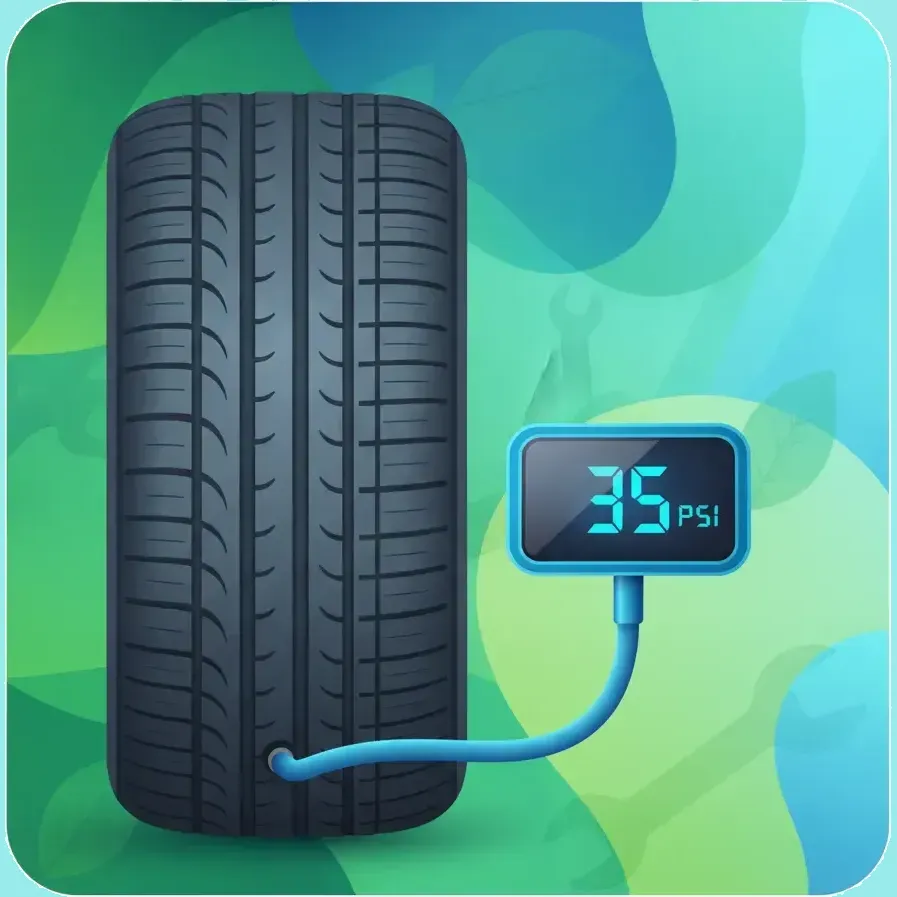
This lesson highlights the vital role tyres play in vehicle safety. It explains how to conduct regular checks on tyre pressure and tread depth, and how incorrect values can compromise grip, braking efficiency, and overall handling. You will also learn the legal minimum requirements for tyres in Denmark to ensure your vehicle is always compliant and safe.

This lesson addresses the specific hazards found on exposed structures like bridges and open coastal roads. It teaches techniques for managing strong crosswinds and sudden gusts that can affect stability. Additionally, it covers how to handle potentially slippery surfaces like metal expansion joints often found on bridges.
This lesson details how to adapt riding techniques for rain and wind. It explains how wet surfaces reduce tyre grip and increase braking distances, requiring smoother control inputs and lower speeds. The content also provides strategies for managing the force of strong crosswinds on a small vehicle.

This lesson prepares riders for the specific hazards of rural roads, which often have less visibility and more unpredictable surfaces. It covers strategies for approaching blind curves, safely passing agricultural machinery, and being vigilant for animals on the road. Adjusting speed to match visibility is a core principle.
Learn the principles of the traction circle, coefficient of friction, and how to balance braking, acceleration, and cornering forces for optimal motorcycle control. Essential theory for Danish riders.
This lesson focuses on the fundamental skills of balance and steering. It explains how body position affects the vehicle's center of gravity and stability. The concept of counter-steering is introduced as the primary method for initiating turns at moderate to high speeds, a key skill for effective control.
This lesson focuses on the challenges of braking in adverse conditions like rain or on icy patches. It teaches riders to increase their following distance and apply brakes smoothly and gently to prevent traction loss. The role of ABS in these scenarios and strategies for maintaining control are also explained.
This lesson explains the physics of motorcycle braking, highlighting the primary role of the front brake in stopping power. It covers techniques for smooth, progressive brake application to avoid wheel lock-up. Learners will also understand how body position and weight transfer affect braking efficiency and stability.
This lesson explores the critical relationship between tyres, road surface, and grip. It explains how rain, ice, gravel, and even painted road markings can reduce traction and increase risk. Learners will understand the importance of having correct tyre pressure and adequate tread depth to maintain control.

This lesson breaks down the process of cornering into three distinct phases: entry, apex, and exit. It teaches how to choose an appropriate entry speed, select a safe line through the turn, and use smooth throttle control on exit. Proper technique in these areas is fundamental to safe and enjoyable riding.
This lesson focuses on the critical connection between the motorcycle and the road: the tyres. It explains how to check for proper inflation, inspect tread depth, and recognize signs of wear. Understanding how different tyre compounds and patterns perform in various conditions is key to managing traction.
This lesson demystifies the concept of countersteering, the primary method for steering a motorcycle at speed. It explains how a small push on the handlebar initiates a lean, allowing the motorcycle to turn smoothly. Learners will understand the relationship between steering inputs, body position, and the motorcycle's dynamic response.

This lesson explains the physical effects of adding weight to a motorcycle. It covers how passengers or luggage change the center of gravity, affecting steering, stability, and increasing stopping distances. Learners will understand how to adjust suspension and tyre pressure, and adapt their riding inputs accordingly.
This lesson equips riders with the knowledge to handle imperfect road surfaces safely. It covers how to adjust speed, steering, and braking inputs when encountering loose gravel, slippery wet leaves, or other hazards. The focus is on smooth control inputs to avoid upsetting the motorcycle's stability.

This lesson breaks down the concept of total stopping distance into its core components: perception, reaction, and braking distances. It explains how variables such as vehicle speed, tyre quality, and road friction significantly impact how quickly you can stop. By understanding these principles, you will be ableto maintain a safe following distance and avoid collisions.
Find clear answers to common questions learners have about Understanding Traction Limits and Surface Interaction. Learn how the lesson is structured, which driving theory objectives it supports, and how it fits into the overall learning path of units and curriculum progression in Denmark. These explanations help you understand key concepts, lesson flow, and exam focused study goals.
The theory exam often presents hazard perception scenarios where you must identify poor road conditions. Understanding how different surfaces reduce your traction is essential for selecting the correct response to avoid accidents.
Yes, white road paint can be extremely slippery, especially when wet. Riders should avoid heavy braking or sudden acceleration when crossing these lines to maintain stability.
Incorrect tyre pressure alters the size and shape of the contact patch. Both over-inflated and under-inflated tyres can lead to reduced grip and poor handling, making it a key safety inspection point.
On loose gravel, you must reduce speed, keep the motorcycle upright, and avoid sudden braking or steering inputs. Smooth, predictable movements are key to maintaining what little traction is available.
Use our powerful search tool to pinpoint specific Danish driving theory topics, road signs, or traffic situations you need to review. Start exploring relevant practice sets now to reinforce your knowledge and build confidence for your upcoming driving licence exam.