
With the official introduction of the new Code of the Public Road on September 1, 2026, understanding the updated traffic rules is essential for every driver in Belgium. This guide explains how these changes, ranging from new road signs to adjusted traffic protocols, will be incorporated into category B and other licence theory exams. Stay ahead by learning the core principles of this modernisation to avoid common pitfalls in your test preparation.
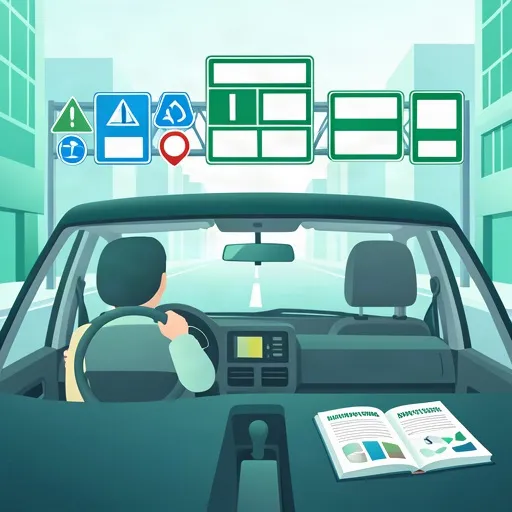
Article content overview
The landscape of Belgian traffic law is undergoing its most significant transformation in nearly five decades. As of September 1, 2026, the current 1975 Royal Decree will be replaced by the new Code de la voie publique (Code of the Public Road). This comprehensive reform is designed to modernize mobility, improve safety for vulnerable road users, and harmonize traffic rules across the federal government and the three regions of Flanders, Wallonia, and Brussels. For those currently preparing for their theory exam, understanding these upcoming changes is not just beneficial—it is a requirement for future-proofing your driving knowledge.
The primary motivation behind this legal overhaul is to adapt to the realities of 21st-century mobility, including the rise of electric micro-mobility, cargo bikes, and shared transport solutions. While the fundamental principles of driving remain consistent, the new code introduces structural clarity and updates existing rules to prioritize the safety of cyclists and pedestrians. For learner drivers in Belgium, this means that while your current study materials remain valid for now, you must be prepared for questions that reflect the modernization of our traffic environment.
The new Code of the Public Road comes into effect on September 1, 2026. If you are preparing for your theory exam before this date, ensure your study materials clearly distinguish between current regulations and the upcoming changes to avoid confusion during your test.
A major focus of the 2026 reform is the protection of vulnerable road users. Cyclists will gain new rights, such as the ability to overtake stationary traffic under specific conditions and the introduction of the 'green square' intersection format, allowing cyclists to cross in all directions simultaneously. Motorcyclists are also seeing a shift; while lane filtering in traffic jams is being clarified under strict conditions—such as maintaining low speeds and minimal speed differentials—parking regulations for motorcycles are also becoming more standardized, with parallel parking set to become the default standard unless signage indicates otherwise.
Modernization extends to the visual language of the road. Over 45 new signs and symbols will be integrated into the Belgian infrastructure to account for current trends like shared vehicle zones and cargo bike lanes. Recognizing these signs will be a critical part of your future theory exam. Some older signage, such as certain zone-based parking or cycle street signs, will be phased out, though some carry grace periods extending into 2035 to allow for a gradual transition of physical infrastructure.
While the Code de la voie publique provides a federal backbone for traffic regulations, the three regions—Brussels, Flanders, and Wallonia—retain authority over specific aspects such as local speed limits, parking policies, and heavy vehicle transport. This collaborative framework ensures that while the core rules are consistent, the application remains tailored to the unique needs of each region. When sitting your theory exam in centers like Anderlecht or Schaerbeek, you should be familiar with the general federal rules while acknowledging that regional decrees may add specific nuance to your local driving experience.
| Feature | Pre-2026 Rule | Post-2026 Regulation |
|---|---|---|
| Code Basis | 1975 Royal Decree | New Code of the Public Road |
| Cyclist Overtaking | Limited/Unclear | Explicitly permitted in defined scenarios |
| Motorcycle Parking | Varied/Local | Standardized (Parallel default) |
| New Signage | Limited scope | 45+ new signs/symbols |
A traffic signal modification allowing cyclists to cross an intersection in all directions simultaneously while motor traffic is held at a red light, increasing safety at busy hubs.
Success in your theory exam requires a deep understanding of both existing rules and the principles of the new code. Do not rely solely on memorization; focus on understanding the underlying logic of traffic safety and the responsibility of the driver. As test centers evolve their question banks to align with the 2026 updates, keeping your study resources current is the best way to ensure you are ready for both the short-term requirements and the long-term changes in Belgian road law.
Article content overview
Explore related topics, search based questions, and concepts that learners often look up when studying 2026 Belgian Road Code Updates. These themes reflect real search intent and help you understand how this topic connects to wider driving theory knowledge in Belgium.
Find clear and practical answers to common questions learners often have about 2026 Belgian Road Code Updates. This section helps explain difficult points, remove confusion, and reinforce the key driving theory concepts that matter for learners in Belgium.
The new Code of the Public Road is scheduled to officially enter into force throughout Belgium on September 1, 2026.
Yes, while there is a federal framework, the three regions—Brussels, Flanders, and Wallonia—will supplement it with their own regional regulations covering areas like speed limits and parking policies.
The theory exam will be updated to reflect the new regulations, signs, and traffic behaviours. It is vital to use study materials that incorporate the upcoming 2026 rules to avoid errors based on outdated information.
Yes, certain signs, such as those related to cycling zones, have extended transition periods reaching until January 1, 2035, while others have shorter grace periods ending in 2027.
Continue your learning journey by exploring related articles and guides on specific Belgian traffic situations, advanced road signs, or vehicle safety topics. Use our search to pinpoint what you need to review next, deepening your understanding for your driving license theory exam.