

This unit explores the critical dynamics of operating a small vehicle, focusing on the interplay between speed, braking, and tire grip. It explains how factors like road surface and weather affect stopping distances and stability, teaching riders how to adapt their speed accordingly. The content covers fundamental techniques for braking, cornering, and managing acceleration to ensure smooth and safe control of the vehicle in all situations.

This comprehensive course provides the complete theoretical foundation required to obtain a Category AM driver's license in Belgium. It covers all aspects of the Belgian highway code relevant to operators of small, exposed vehicles like mopeds and speed pedelecs. Learners will gain a deep understanding of road signs, priority rules, speed management, and defensive driving strategies tailored for vulnerable road users.
The Speed, Braking, Grip and Small Vehicle Control unit is a key part of the Belgian Driving Theory AM curriculum and helps learners in Belgium understand essential theory topics in a clear and practical way. Each lesson breaks down a specific theme that often appears in the Belgian driving theory exam. With structured explanations and examples taken from real traffic situations, this unit helps learners study smarter, fix common misunderstandings, and build the knowledge required for confident exam performance.
After completing this unit, you will have a solid understanding of how speed impacts your ability to stop safely and maintain control of your AM category vehicle. You'll be able to explain how different road surfaces and weather conditions affect tire grip and vehicle stability, a critical aspect of the Belgian theory exam. More importantly, you'll gain the confidence to adjust your speed appropriately, apply effective braking techniques, and manage cornering and acceleration smoothly. This knowledge is vital for preventing accidents and ensuring safe, predictable riding on Belgian roads, making you a more responsible and skilled rider.
This unit is essential for all aspiring Category AM licence holders in Belgium, particularly those new to riding mopeds or speed pedelecs. It's especially beneficial for learners who want to grasp the physics behind safe vehicle operation and those who find understanding stopping distances and grip challenging for the theory test.
See all lessonsExplore key lessons that shape the Speed, Braking, Grip and Small Vehicle Control unit in the Belgian Driving Theory AM curriculum. These lessons focus on exam related topics, important rules, and practical skills that help you progress faster and prepare effectively for the driving theory exam in Belgium.
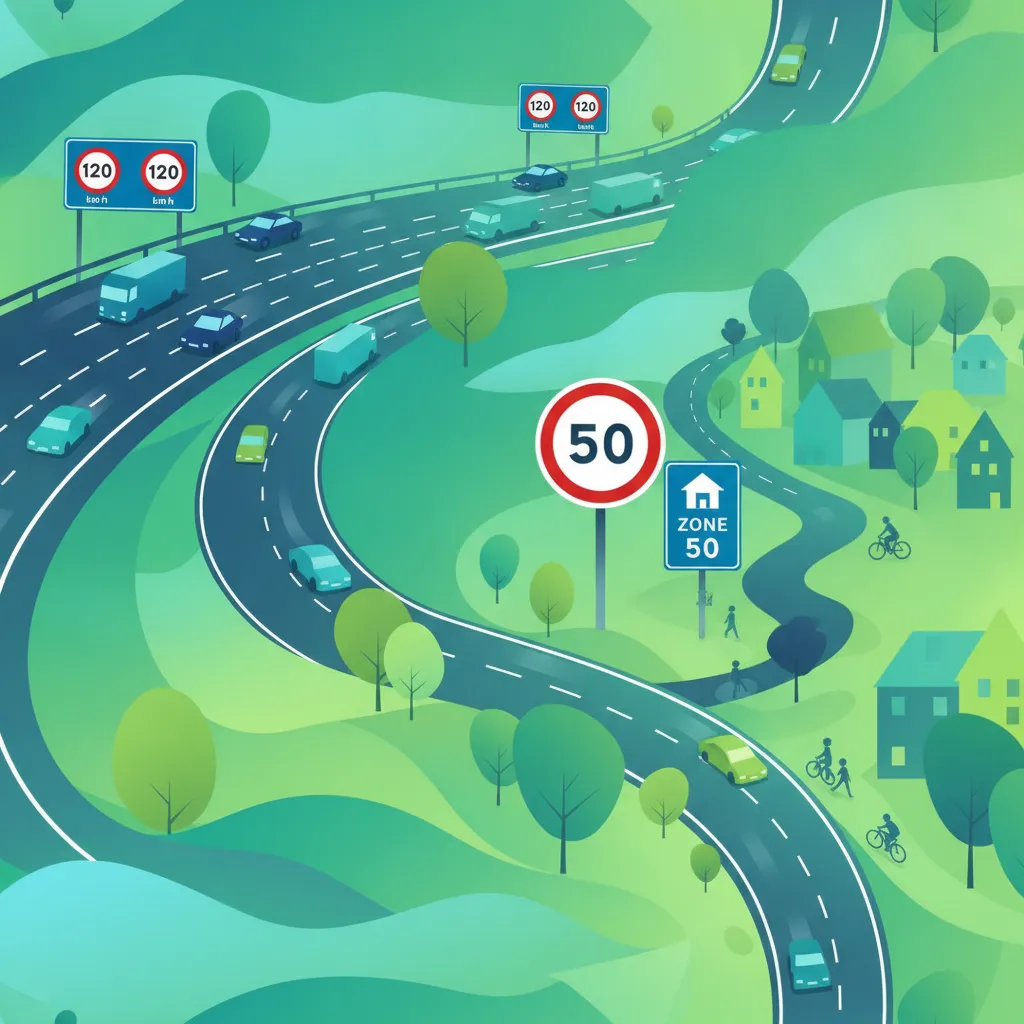
Learn the legal speed limits for Category AM vehicles in Belgium and understand how to adjust your riding speed for different road types and hazards to ensure safety and exam success.
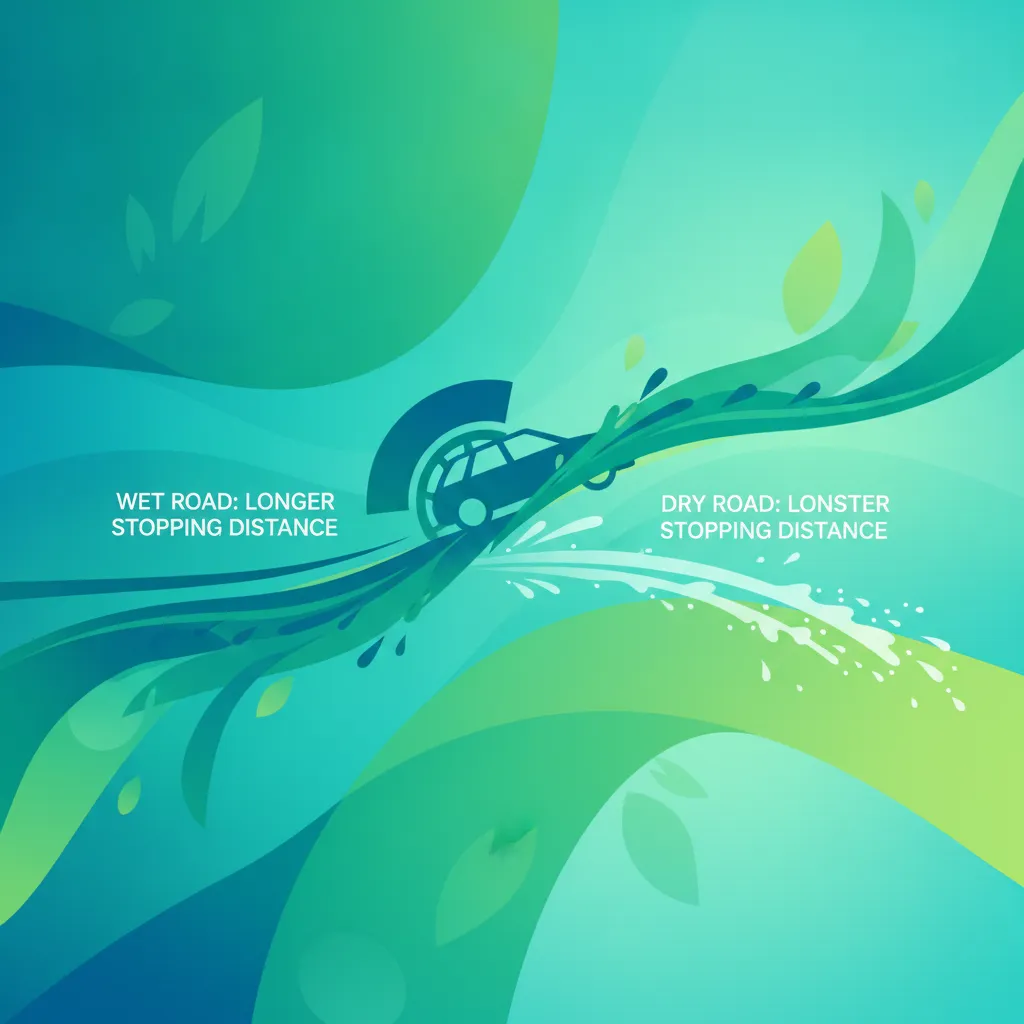
This lesson teaches the fundamental physics of stopping a moped, covering reaction vs. braking distance and how to apply effective braking techniques safely. Mastering these concepts is vital for both passing your Belgian AM theory exam and ensuring your safety on the road when riding in various conditions.
Learn how to manage tire grip, road surface hazards, and vehicle stability to stay safe on your moped. This lesson provides the essential physics and practical knowledge needed to pass the Belgian Category AM theory test and ride with confidence.

Master the essential techniques for low-speed maneuvering and safe cornering to ensure stability and control on your moped or speed pedelec, a critical component of the Belgian Category AM license exam and daily road safety.

This lesson teaches essential techniques for smooth acceleration and deceleration, vital for maintaining stability and control on a moped or speed pedelec. Mastering these skills is critical for both the Belgian AM theory exam and your future safety on the road.
Get answers to common questions about the Speed, Braking, Grip and Small Vehicle Control unit and how it fits within the Belgian Driving Theory AM curriculum. Learn how long the unit takes, how the lessons are structured, and how this unit supports your preparation for the driving theory exam in Belgium.
The Speed, Braking, Grip and Small Vehicle Control unit stands out because it teaches essential topics in a way that is simple, clear, and focused on exam success. All content is aligned with real requirements in Belgium and designed to help learners build practical understanding, not just memorise facts. Whether you are revising or learning the material for the first time, this unit provides reliable guidance that supports measurable progress inside the Belgian Driving Theory AM curriculum.
Discover additional units that form the complete Belgian Driving Theory AM curriculum. These units cover a wide range of essential topics that help learners in Belgium strengthen their understanding of road rules, traffic behaviour, and exam relevant theory. Exploring the other units gives you a broader view of the full learning path and helps you continue your progress with confidence.
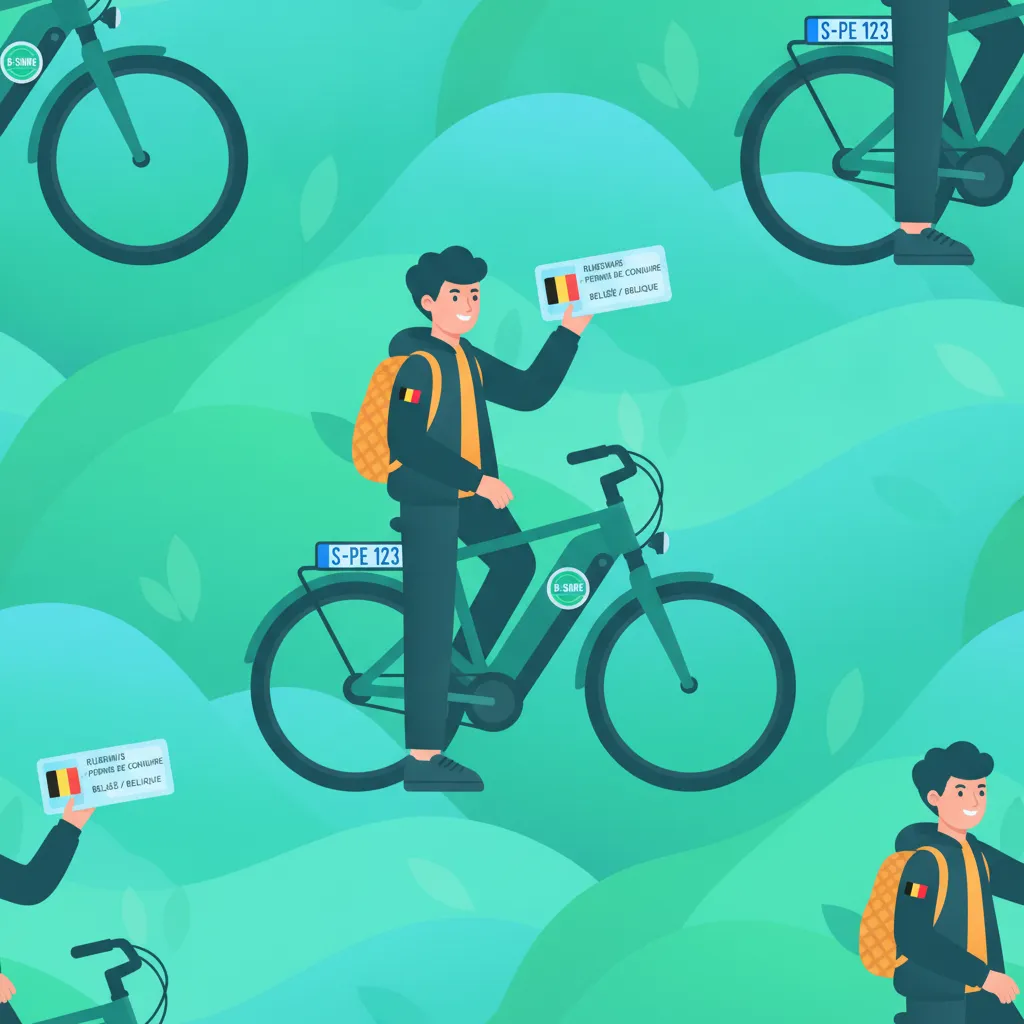
Get started with your Belgian AM license! This unit explains what Category AM means, who can get one, and your basic legal duties like registration and insurance for mopeds and speed pedelecs.
3 lessons
Learn essential safety for AM riders in Belgium: proper helmet use, visibility strategies with reflective gear and lighting, and protective equipment to pass your theory test and ride safely.
5 lessons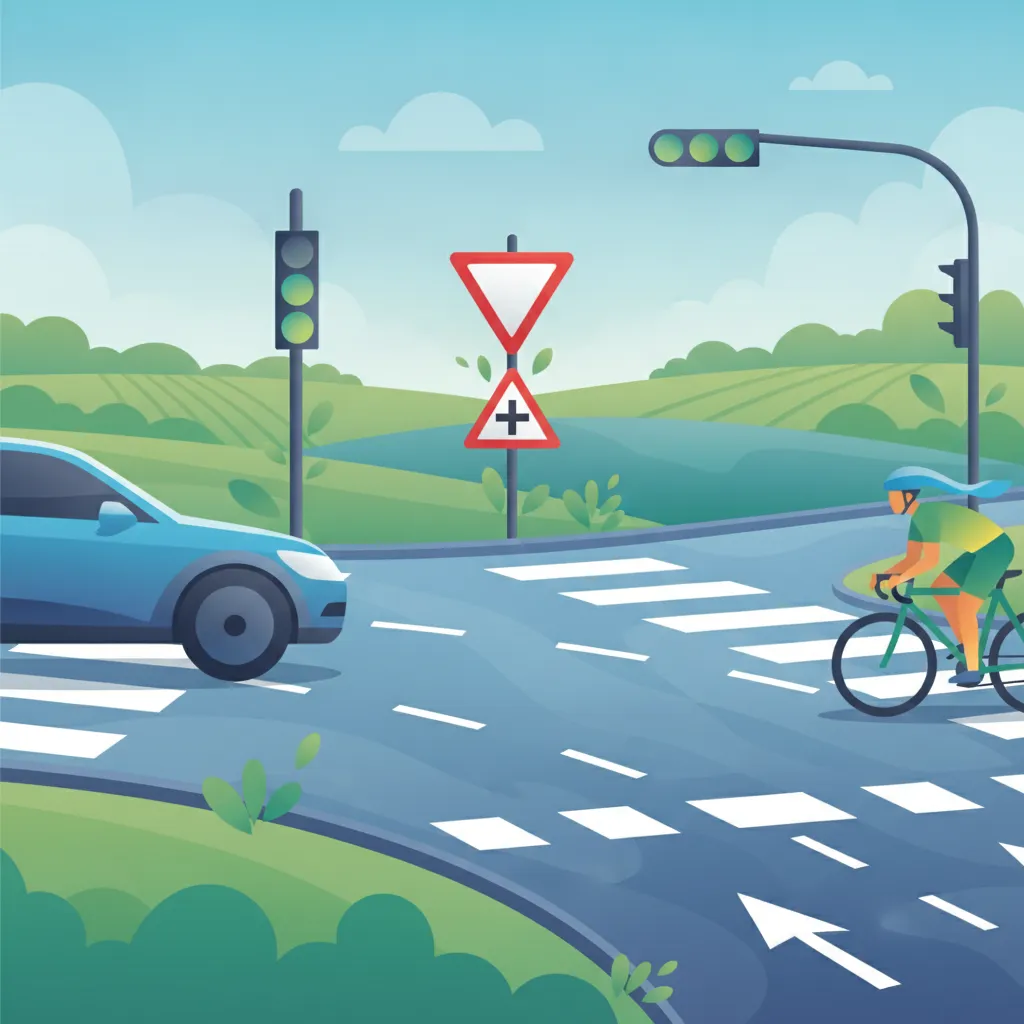
Learn to interpret all Belgian road signs, markings, traffic lights, and master basic priority rules like 'priority from the right' to pass your AM license theory exam.
5 lessons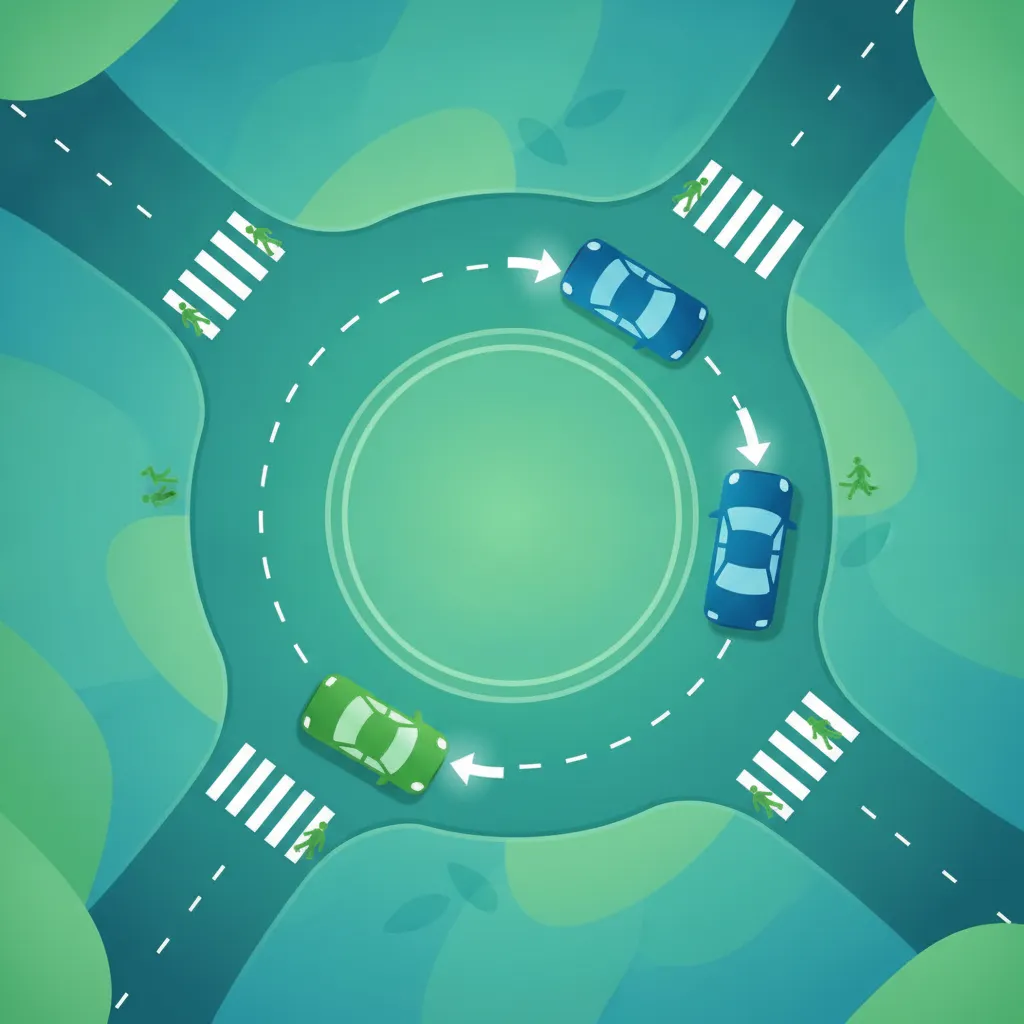
Master safe navigation through Belgian intersections, roundabouts, and crossings. Learn critical road positioning and blind spot management techniques essential for AM license holders.
5 lessons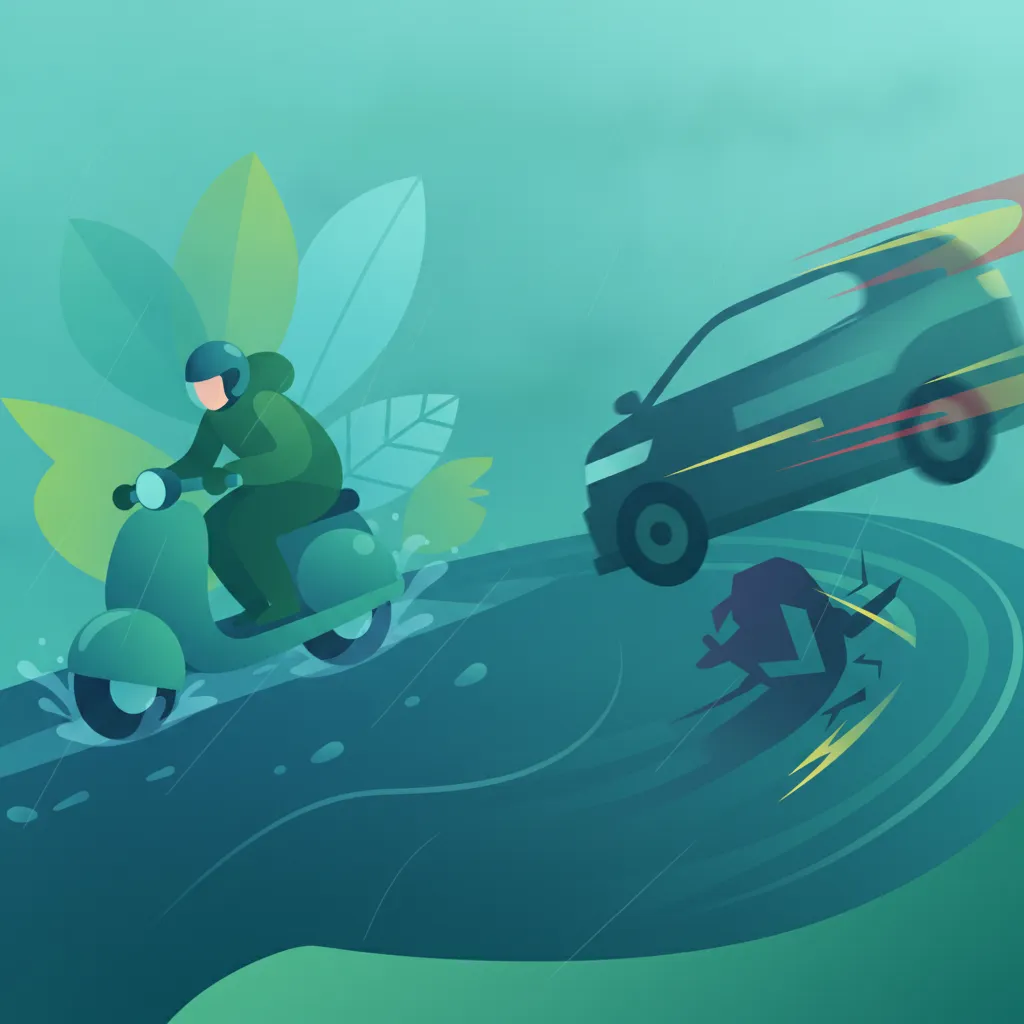
Master advanced safety for your Belgian AM licence theory: adapt to weather, avoid risks, handle emergencies, and know penalties. Essential for exam success and safe riding.
6 lessonsDive into our extensive library of practice questions covering all aspects of Belgian traffic law, road signs, and driving scenarios. Choose specific topics to revise, challenge yourself with full exam simulations, and ensure you're fully prepared to pass your official Belgian theory test with confidence.